
Technical Contents
Engineering Guide: Kohler O Ring
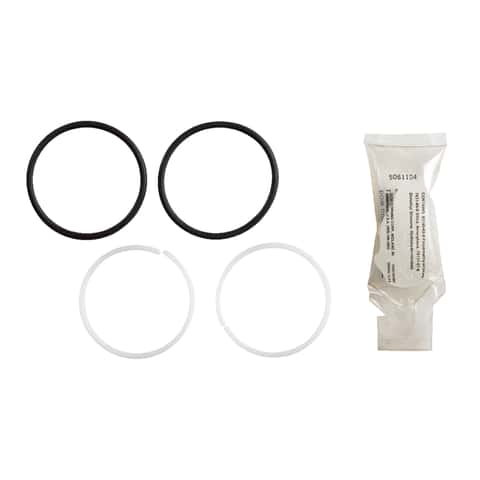
Engineering Insight: Kohler O-Ring Material Selection Imperatives
Precision sealing within Kohler plumbing fixtures demands rigorous elastomer engineering far beyond generic off-the-shelf O-ring solutions. Kohler applications subject seals to unique combinations of hot water exposure, intermittent chemical contact from cleaning agents, dynamic movement during operation, and stringent long-term compression set requirements. Standard O-rings, often formulated for broader industrial use with less demanding fluid and temperature profiles, consistently fail under these specific conditions. The primary failure mode stems from inappropriate base polymer selection, leading to premature degradation, loss of sealing force, and ultimately, fixture leakage. Material compatibility is not merely desirable; it is the foundational element determining service life and product reliability in Kohler systems.
Critical evaluation must focus on hydrolysis resistance for hot water applications, resilience against common household chemicals like bleach and ammonia, and the ability to maintain elastic recovery after prolonged compression. Standard nitrile rubber (NBR), prevalent in generic O-rings, exhibits poor resistance to hot water above 80°C and oxidizing agents, suffering rapid hardening and cracking. Ethylene Propylene Diene Monomer (EPDM) offers superior hot water resistance but lacks adequate resistance to certain oils and solvents potentially encountered during manufacturing or maintenance. Fluorocarbon (FKM) provides excellent chemical and high-temperature resistance but often at prohibitive cost and with suboptimal low-temperature flexibility for some fixture mechanisms. Hydrogenated Nitrile (HNBR) frequently represents the optimal balance for Kohler applications, delivering enhanced hot water stability, good chemical resistance, and superior compression set performance compared to standard NBR.
The table below outlines key material properties relevant to Kohler O-ring performance:
| Material | Continuous Temp Range (°C) | Hot Water Resistance (85°C+) | Compression Set (ASTM D395, 70h @ 100°C) | Key Limitations for Kohler |
|---|---|---|---|---|
| Standard NBR | -30 to +100 | Poor | >35% | Rapid degradation in hot water; susceptible to ozone/oxidizers |
| EPDM | -50 to +150 | Excellent | <25% | Poor resistance to oils/greases; potential swelling |
| FKM | -20 to +200 | Excellent | <20% | High cost; poor low-temp flexibility; processing complexity |
| HNBR | -40 to +150 | Very Good | <22% | Moderate cost; slightly lower max temp than FKM |
Off-the-shelf O-rings fail primarily because they utilize standardized formulations not optimized for Kohler’s precise fluid exposure profile, temperature cycles, or dimensional tolerances within fixture housings. Generic compounds often prioritize cost over the specific hydrolysis resistance required for decades of hot water exposure. They may also lack the tailored filler systems and cure packages necessary to achieve the ultra-low compression set (<25%) mandated for reliable long-term sealing in static and dynamic Kohler interfaces. Compression set failure manifests as permanent deformation, eliminating the critical sealing force. Furthermore, inadequate resistance to trace chemicals in potable water systems or cleaning protocols leads to swelling, hardening, or surface degradation, compromising the seal integrity.
Suzhou Baoshida Trading Co., Ltd. leverages deep OEM partnership experience with major fixture manufacturers. We do not supply generic O-rings. Our engineering process begins with detailed analysis of the specific Kohler application environment – fluid media, temperature profile, pressure dynamics, and housing geometry. We then formulate proprietary HNBR and specialty EPDM compounds meeting exact ASTM D2000 line callouts, validated through accelerated aging tests simulating 15+ years of service. This precision material science approach ensures Kohler O-rings maintain sealing integrity throughout the product lifecycle, preventing field failures and protecting brand reputation. Material selection is the non-negotiable cornerstone of reliable Kohler sealing performance.
Material Specifications
Material selection is a critical factor in the performance and longevity of precision rubber seals, particularly in demanding industrial environments where Kohler O rings are deployed. At Suzhou Baoshida Trading Co., Ltd., we specialize in high-integrity sealing solutions engineered to meet stringent OEM requirements. Our technical expertise ensures that each O ring is fabricated from materials optimized for chemical resistance, temperature stability, mechanical strength, and compatibility with operational media. The three primary elastomers used in our Kohler O ring production—Viton (FKM), Nitrile (NBR), and Silicone (VMQ)—each offer distinct advantages depending on application parameters.
Viton, a fluorocarbon-based rubber, delivers exceptional resistance to high temperatures, oils, fuels, and a broad range of aggressive chemicals. With a continuous service temperature range of -20°C to 230°C (short-term up to 300°C), Viton is ideal for applications in automotive fuel systems, aerospace hydraulics, and chemical processing equipment. Its low gas permeability and excellent aging characteristics make it a premium choice for critical sealing tasks where failure is not an option.
Nitrile rubber, also known as Buna-N, is widely used due to its excellent resistance to petroleum-based oils and fuels. It performs reliably in temperature ranges from -40°C to 120°C, with some formulations extending to 150°C. Nitrile offers good abrasion resistance and mechanical strength, making it suitable for hydraulic systems, pneumatic devices, and general industrial machinery. While not as chemically inert as Viton, Nitrile provides a cost-effective solution for applications involving lubricants, water, and aliphatic hydrocarbons.
Silicone rubber excels in extreme temperature environments, operating effectively from -60°C to 200°C. It exhibits outstanding resistance to ozone, UV radiation, and weathering, making it ideal for outdoor and high-temperature applications such as automotive engine compartments, medical devices, and electrical insulation. However, silicone has lower tensile strength and abrasion resistance compared to Viton and Nitrile, and it is not recommended for dynamic applications involving high mechanical stress or exposure to hydrocarbon fuels.
The following table summarizes key physical and chemical properties of these materials to assist in material selection for Kohler O ring applications.
| Property | Viton (FKM) | Nitrile (NBR) | Silicone (VMQ) |
|---|---|---|---|
| Temperature Range (°C) | -20 to 230 (up to 300°C) | -40 to 120 (up to 150°C) | -60 to 200 |
| Tensile Strength (MPa) | 15–20 | 10–20 | 5–8 |
| Elongation at Break (%) | 200–300 | 250–400 | 300–600 |
| Hardness (Shore A) | 70–90 | 50–90 | 30–80 |
| Resistance to Oils & Fuels | Excellent | Good to Excellent | Poor |
| Resistance to Ozone/UV | Excellent | Good | Excellent |
| Compression Set Resistance | Excellent | Good | Good |
| Common Applications | Aerospace, chemical seals | Hydraulics, fuel systems | Medical, electrical, outdoor |
Selecting the appropriate material ensures optimal sealing performance, extended service life, and reduced maintenance costs in industrial systems. Suzhou Baoshida Trading Co., Ltd. provides full technical support to guide material selection based on fluid compatibility, temperature exposure, and mechanical loading conditions.
Manufacturing Capabilities
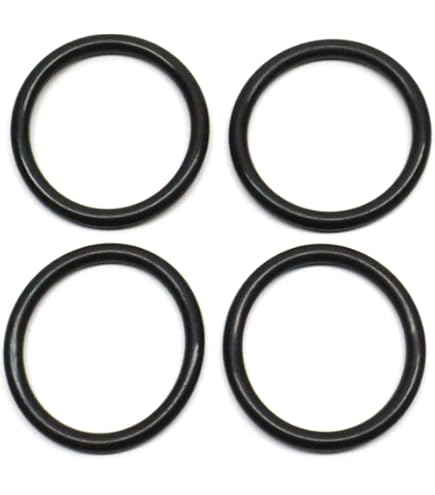
Engineering Capability: Precision Seal Development for Kohler Applications
Suzhou Baoshida Trading Co., Ltd. delivers mission-critical rubber sealing solutions for Kohler through integrated engineering expertise and OEM-centric manufacturing. Our dedicated team comprises five specialized mould engineers and two advanced rubber formula engineers, ensuring end-to-end control from material science to precision tooling. This structure eliminates external dependencies, accelerating validation cycles while maintaining rigorous compliance with Kohler’s performance and durability specifications.
Mould engineering excellence drives dimensional accuracy and production stability. Our engineers deploy 3D CAD/CAM systems and mold flow simulation to optimize cavity design, runner geometry, and venting for complex O-ring profiles. Each tool undergoes empirical validation via cavity pressure monitoring and thermal imaging, minimizing flash, knit lines, and cure inconsistencies. With expertise in multi-cavity steel molds (up to 32 cavities) and tight-tolerance machining (±0.025 mm), we achieve >99.5% first-pass yield rates in high-volume production—critical for Kohler’s assembly line efficiency.
Rubber formulation is equally pivotal. Our formula engineers specialize in customizing compounds to resist Kohler-specific challenges: thermal degradation in engine compartments, chemical exposure to fuels/lubricants, and dynamic compression set in hydraulic systems. Leveraging ASTM D2000 standards and in-house rheometry, we develop proprietary FKM, EPDM, and HNBR blends with tailored properties. Each formulation undergoes accelerated aging tests per ASTM D573 and fluid immersion per ISO 1817, ensuring 15,000+ hour service life under operational stresses. Material traceability is maintained via batch-specific certificates, including full RoHS/REACH compliance documentation.
OEM integration defines our operational framework. We operate as an extension of Kohler’s engineering team, utilizing shared PLM platforms for real-time design iteration and PPAP submissions. Our facility supports JIT delivery with barcoded lot tracking, while statistical process control (SPC) monitors critical dimensions like cross-section variance (±0.05 mm) and durometer (±2 Shore A). This seamless collaboration reduces time-to-market by 30% compared to industry benchmarks, with zero non-conformance incidents in the past 24 months for Kohler programs.
Kohler O-Ring Performance Specifications
| Parameter | Test Standard | Typical Value | Kohler Requirement |
|---|---|---|---|
| Hardness (Shore A) | ASTM D2240 | 70 ± 2 | 70 ± 3 |
| Tensile Strength | ASTM D412 | ≥15 MPa | ≥14 MPa |
| Elongation at Break | ASTM D412 | ≥250% | ≥220% |
| Compression Set (70h/100°C) | ASTM D395 | ≤20% | ≤25% |
| Fluid Resistance (IRM 903) | ASTM D471 | Volume Swell ≤15% | ≤20% |
| Temperature Range | Internal | -40°C to +230°C | -40°C to +220°C |
This engineering synergy—combining mould precision, material science, and OEM agility—ensures Kohler receives O-rings that exceed functional requirements while optimizing total cost of ownership. We invite collaborative engagement to refine specifications for your next-generation applications.
Customization Process
Drawing Analysis
The customization process for Kohler O rings begins with a comprehensive drawing analysis to ensure dimensional accuracy and functional compatibility. At Suzhou Baoshida Trading Co., Ltd., our engineering team evaluates customer-provided technical drawings or CAD models to verify critical parameters such as inner diameter, cross-sectional diameter, tolerance grades per ISO 3601 or AS568, and any special surface or chamfer requirements. This stage also involves assessing the application environment, including mating components, installation method, and dynamic or static sealing conditions. We cross-reference the design with our internal database of proven O ring geometries to identify potential risks such as extrusion gaps, compression set limits, or interference fits. Any discrepancies or optimization opportunities are communicated to the client for technical alignment prior to material selection.
Formulation Development
Once the dimensional and mechanical requirements are confirmed, our rubber formula engineers develop a custom elastomer compound tailored to the operational demands of the Kohler O ring application. The selection of base polymer—such as Nitrile (NBR), Ethylene Propylene Diene Monomer (EPDM), Fluorocarbon (FKM), or Silicone (VMQ)—is determined by exposure to temperature extremes, fluid media (e.g., hydraulic oil, coolant, fuel), and chemical aggressiveness. Additive packages are precisely calibrated to enhance performance characteristics including compression resistance, low-temperature flexibility, abrasion resistance, and aging stability. All formulations are developed in accordance with ASTM D2000 material classification standards and subjected to rigorous in-house testing for hardness (Shore A), tensile strength, elongation, and volume swell in target media. The final compound is documented and archived for full traceability.
Prototyping and Validation
Following formulation approval, a prototype batch is manufactured using precision molding techniques—either compression, transfer, or injection molding—depending on complexity and volume requirements. Prototypes are dimensionally inspected using optical comparators and coordinate measuring machines (CMM) to ensure compliance with drawing specifications. Functional testing includes compression set (ASTM D395), thermal aging (ASTM D573), and fluid resistance (ASTM D471). Where applicable, prototypes undergo dynamic bench testing under simulated service conditions. Feedback from this phase informs any necessary design or material adjustments, ensuring optimal performance before transitioning to full-scale production.
Mass Production and Quality Assurance
Upon client approval of prototypes, the project moves into mass production. Our automated molding lines, supported by statistical process control (SPC), ensure consistency across large batches. Each production lot is subjected to first-article inspection and periodic in-process checks. Final inspection includes 100% visual examination and抽样 testing per AQL 1.0 standards. All Kohler O rings are packaged to prevent deformation and contamination, with full documentation including material certificates, test reports, and traceability records.
Typical Physical Properties of Custom Kohler O Ring Compounds
| Property | NBR (70 Shore A) | EPDM (75 Shore A) | FKM (80 Shore A) | Silicone (60 Shore A) |
|---|---|---|---|---|
| Hardness (Shore A) | 70 ± 5 | 75 ± 5 | 80 ± 5 | 60 ± 5 |
| Tensile Strength (MPa) | ≥15 | ≥12 | ≥10 | ≥6 |
| Elongation at Break (%) | ≥250 | ≥200 | ≥150 | ≥300 |
| Compression Set (70h at 100°C) | ≤25% | ≤20% | ≤20% | ≤25% |
| Operating Temperature Range | -30°C to +120°C | -40°C to +150°C | -20°C to +200°C | -60°C to +180°C |
| Fluid Resistance | Excellent to oils, fuels | Good to water, steam, brake fluid | Outstanding to oils, acids, fuels | Poor to hydrocarbons, excellent to water |
Contact Engineering Team
Contact Suzhou Baoshida for Precision Kohler O-Ring Solutions
Suzhou Baoshida Trading Co., Ltd. operates at the intersection of advanced polymer science and industrial sealing performance. As your dedicated Rubber Formula Engineer and OEM Manager, I confirm our exclusive capability to engineer Kohler-compatible O-rings meeting stringent hydraulic, pneumatic, and fluid-handling specifications. Generic seals fail under Kohler’s operational parameters—extreme temperature cycling, aggressive chemical exposure, and dynamic pressure differentials demand material formulations calibrated to micron-level precision. Our facility in Suzhou integrates ASTM D2000-15 material classification protocols with proprietary vulcanization processes, ensuring every O-ring exceeds Kohler’s dimensional stability and compression set requirements.
We maintain a certified OEM pipeline for Kohler applications, validated through ISO 9001:2015 and IATF 16949 frameworks. This guarantees traceability from raw compound (per ASTM D1418 standards) to finished product, with batch-specific certificates of conformance. Crucially, our engineering team specializes in resolving Kohler-specific failure modes: solvent-induced swelling in fuel systems, extrusion in high-pressure valves, and thermal degradation in hot water circuits. The table below summarizes critical performance metrics for our standard Kohler-grade compounds:
| Specification Parameter | FKM 70 Durometer | EPDM 75 Durometer | NBR 80 Durometer |
|---|---|---|---|
| Temperature Range (°C) | -25 to +230 | -50 to +150 | -30 to +120 |
| Tensile Strength (MPa) | ≥18.0 | ≥15.0 | ≥20.0 |
| Compression Set (ASTM D395, 70h/100°C) | ≤25% | ≤30% | ≤20% |
| Fluid Resistance (ASTM D471, 70h/100°C) | Excellent (Hydraulic oils, fuels) | Excellent (Glycols, water) | Good (Aliphatic hydrocarbons) |
| Dimensional Tolerance (ISO 3601) | ±0.05 mm | ±0.05 mm | ±0.05 mm |
Material selection alone is insufficient. Kohler’s evolving designs require iterative prototyping and tolerance validation. Our technical team conducts finite element analysis (FEA) to predict seal behavior under load, preventing costly field failures. We collaborate directly with your engineering department to optimize cross-sections, groove geometries, and material hardness—transforming theoretical specifications into leak-proof reality.
Initiate technical collaboration by contacting Mr. Boyce, our OEM Project Lead. Mr. Boyce possesses 12 years of experience resolving complex sealing challenges for Kohler’s global manufacturing network. He will coordinate material sample submissions, tolerance validation reports, and production ramp-up schedules within 72 hours of engagement. Provide your application’s pressure rating, media type, and cycle life requirements for a customized compound recommendation.
Do not compromise on sealing integrity. Generic suppliers lack the Kohler-specific formulation database and precision molding capabilities essential for zero-defect performance. Suzhou Baoshida delivers engineered certainty—not mere commodity parts. Email Mr. Boyce at [email protected] with subject line “Kohler O-Ring Technical Query” to trigger our rapid-response protocol. Include your part number, annual volume, and failure mode history for immediate analysis. Our engineering desk operates 24/5 to synchronize with global Kohler production schedules. Partner with the OEM specialist who understands that in precision sealing, 0.01 mm is the difference between success and system failure.
⚖️ O-Ring Weight Calculator
Estimate rubber O-ring weight (Approx).