
Technical Contents
Engineering Guide: Large Diameter O-Ring Kit
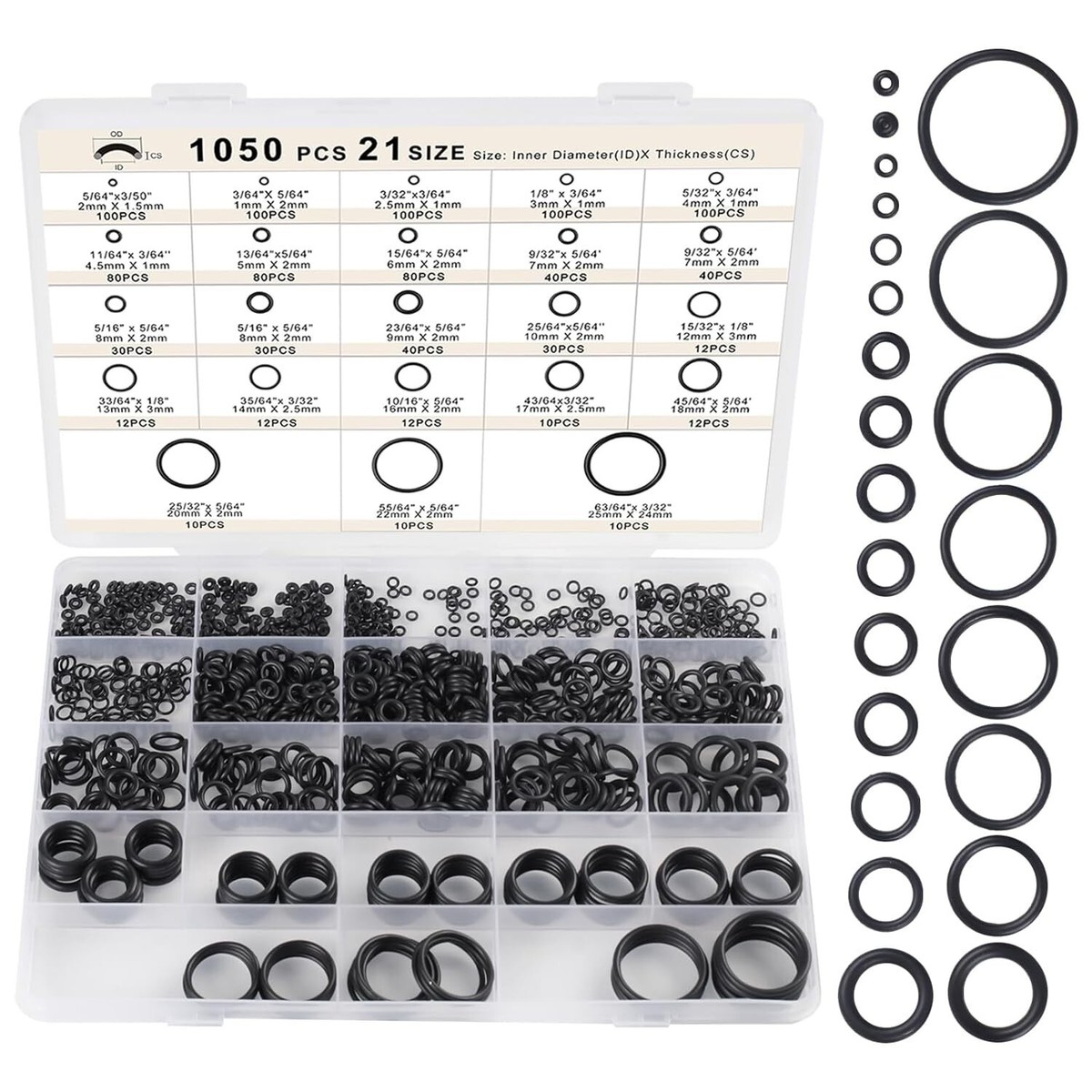
Engineering Insight: The Critical Role of Material Selection in Large Diameter O-Ring Kits
In the domain of precision rubber seals, large diameter O-rings present unique engineering challenges that extend far beyond simple dimensional scaling. While off-the-shelf O-ring kits may appear to offer a cost-effective and expedient solution, they frequently fail in demanding industrial applications due to inadequate material compatibility, inconsistent cross-sectional control, and poor resilience under prolonged mechanical stress. The root cause often lies in inappropriate material selection, which directly impacts seal longevity, system integrity, and operational safety.
Standard elastomers such as Nitrile (NBR) or Silicone (VMQ) may suffice for general-purpose sealing in benign environments. However, large diameter O-rings—typically defined as those exceeding 500 mm in inner diameter—are commonly deployed in heavy industrial systems including hydraulic presses, offshore equipment, and large-scale valves, where exposure to aggressive media, extreme temperatures, and dynamic compression is routine. In such conditions, generic materials degrade rapidly, leading to extrusion, hardening, cracking, or loss of sealing force. For instance, NBR exhibits poor resistance to ozone and hot water, while Silicone lacks the tensile strength required for high-compression scenarios.
Material selection must therefore be guided by a thorough analysis of the application environment. Fluorocarbon (FKM) elastomers offer superior resistance to oils, fuels, and high temperatures (up to 200°C), making them ideal for petrochemical and aerospace applications. For environments involving steam, hot water, or amine-based fluids, Ethylene Propylene Diene Monomer (EPDM) provides exceptional thermal and chemical stability. In cases where abrasion resistance and high mechanical strength are paramount, such as in mining or heavy machinery, Hydrogenated Nitrile (HNBR) delivers performance far beyond conventional NBR.
Furthermore, large diameter O-rings are more susceptible to volume swell, compression set, and outgassing due to their increased surface area and longer cure cycles during manufacturing. Off-the-shelf kits often use standard formulations that do not account for these scaling effects, resulting in premature seal failure. Custom compounding—tailoring polymer base, filler content, and curing systems—is essential to meet the specific performance criteria of large-scale sealing applications.
At Suzhou Baoshida Trading Co., Ltd., we emphasize application-specific material engineering to ensure reliability and compliance with international standards. The following table outlines key material properties relevant to large diameter O-ring selection:
| Material | Temperature Range (°C) | Hardness (Shore A) | Key Resistance Properties | Typical Applications |
|---|---|---|---|---|
| NBR | -30 to +100 | 60–90 | Oil, fuel, hydraulic fluid | General industrial, hydraulics |
| FKM | -20 to +200 | 65–90 | High heat, chemicals, oils | Petrochemical, aerospace |
| EPDM | -50 to +150 | 50–80 | Steam, water, ozone | HVAC, water treatment |
| HNBR | -40 to +170 | 60–90 | Abrasion, high pressure | Mining, heavy machinery |
| VMQ | -60 to +180 | 40–80 | Extreme cold, UV | Aerospace, low-temp seals |
Material selection is not a one-size-fits-all decision. For large diameter O-ring kits, it is the cornerstone of functional reliability. Relying on generic solutions risks system downtime, safety hazards, and increased lifecycle costs. Precision engineering begins with the polymer—choose accordingly.
Material Specifications
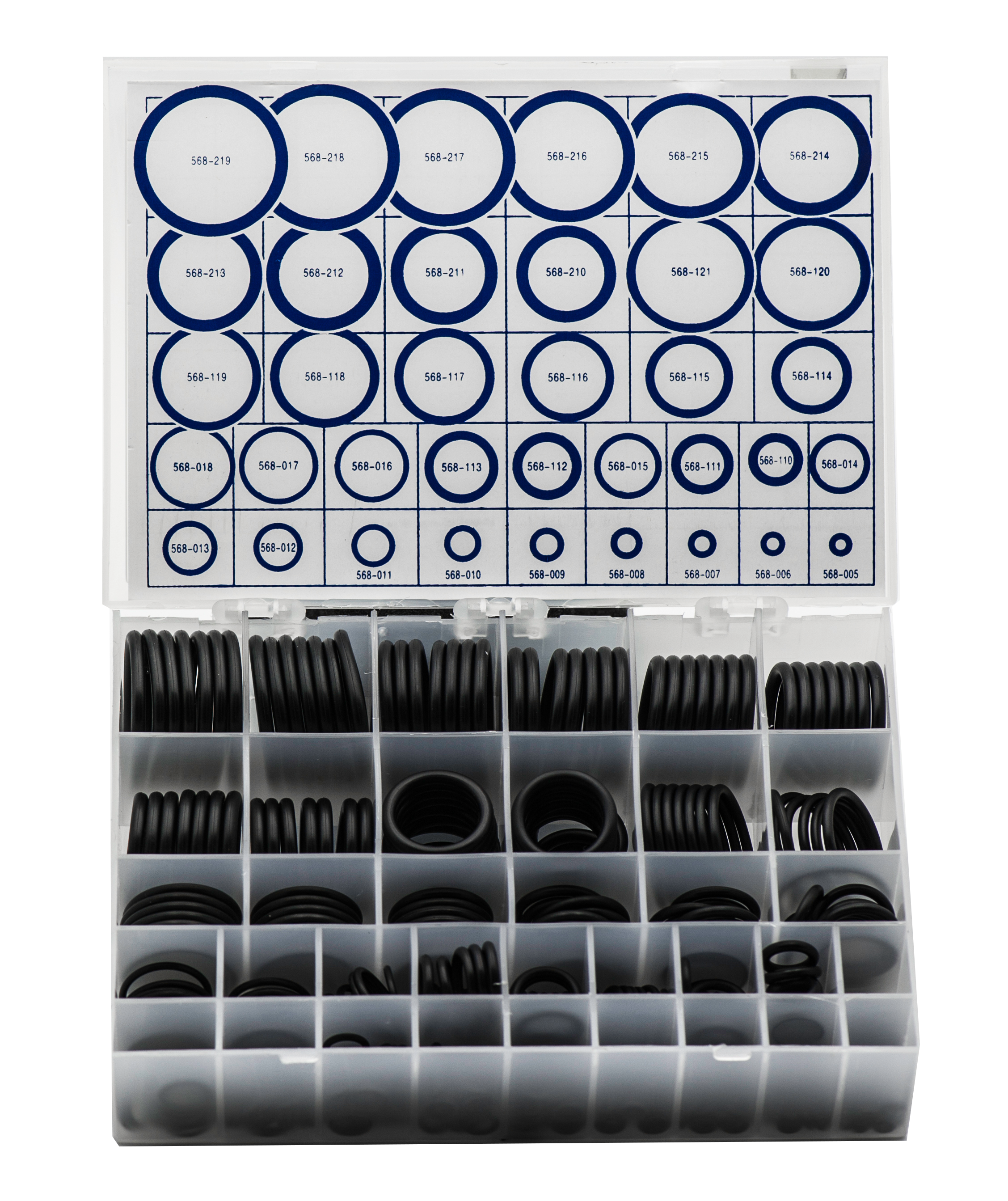
Material Specifications for Large Diameter O-Ring Kits
Material selection for large diameter o-rings is a critical engineering decision directly impacting seal longevity, system safety, and operational cost. Unlike standard sizes, large diameter variants experience amplified stress concentrations, greater volumetric swelling potential, and heightened sensitivity to compression set due to their extended cross-sections and installation complexities. At Suzhou Baoshida Trading Co., Ltd., we rigorously evaluate base polymer chemistry, filler systems, and curing protocols to ensure dimensional stability and performance consistency in diameters exceeding 24 inches. The three primary elastomers—Viton, Nitrile, and Silicone—each offer distinct advantages and limitations in demanding industrial environments.
Viton (Fluoroelastomer, FKM) is the benchmark for severe chemical and thermal exposure. Its fluorine-rich polymer backbone provides exceptional resistance to aromatic hydrocarbons, chlorinated solvents, jet fuels, and acids at continuous service temperatures up to 400°F (204°C). Our FKM compounds, formulated to ASTM D2000 line callout BC3474, maintain integrity in aggressive media where other elastomers fail, making them indispensable for aerospace hydraulic systems, chemical processing pumps, and offshore oil/gas downhole tools. Compression set resistance remains critical; our low-compression-set Viton grades achieve ≤20% set after 70 hours at 400°F per ASTM D395, preventing leakage in high-pressure static seals.
Nitrile (Acrylonitrile Butadiene Rubber, NBR) delivers optimal value for general-purpose applications involving petroleum-based fluids. With acrylonitrile content tailored between 34% and 47%, our NBR compounds balance oil resistance and low-temperature flexibility down to -40°F (-40°C). They excel in hydraulic and pneumatic systems handling mineral oils, greases, and water-based fluids but exhibit limited resistance to ozone, ketones, and phosphate esters. Our high-acrylonitrile NBR formulations (ASTM D2000 BA4372) achieve Shore A hardnesses of 70–90 and demonstrate ≤25% compression set at 250°F, ideal for industrial machinery manifolds and automotive transmission assemblies.
Silicone (Polysiloxane, VMQ) dominates extreme-temperature applications requiring flexibility from -85°F (-65°C) to 450°F (232°C) intermittently. Its inorganic silicon-oxygen backbone provides outstanding resistance to oxygen, ozone, and UV degradation but limited mechanical strength and poor resistance to petroleum derivatives. Our platinum-cured silicone compounds meet AMS-7256 specifications, offering low compression set (≤20% at 400°F) and biocompatibility for semiconductor manufacturing, medical device housings, and aerospace environmental control systems. However, tear strength limitations necessitate careful gland design in dynamic applications.
The following table summarizes key comparative specifications for large diameter o-ring material selection:
| Material | Temperature Range (°F) | Key Fluid Resistance | Compression Set (ASTM D395) | Hardness Range (Shore A) | Primary Applications |
|---|---|---|---|---|---|
| Viton (FKM) | -20 to 400 | Fuels, oils, acids, solvents | ≤20% @ 400°F, 70h | 60–90 | Aerospace hydraulics, chemical pumps |
| Nitrile (NBR) | -40 to 257 | Mineral oils, greases, water | ≤25% @ 250°F, 70h | 50–90 | Industrial hydraulics, automotive |
| Silicone (VMQ) | -85 to 450 (intermittent) | Water, steam, oxygen, ozone | ≤20% @ 400°F, 70h | 40–80 | Medical devices, semiconductor tools |
Selection requires balancing chemical compatibility, thermal demands, mechanical loads, and total cost of ownership. Suzhou Baoshida Trading Co., Ltd. leverages decades of OEM partnership experience to validate material performance through rigorous in-house testing, including large-diameter compression stress relaxation (CSR) and fluid immersion protocols per ISO 1817. Our engineering team collaborates with clients to specify the optimal compound formulation, ensuring reliability in critical sealing applications where failure is not an option.
Manufacturing Capabilities
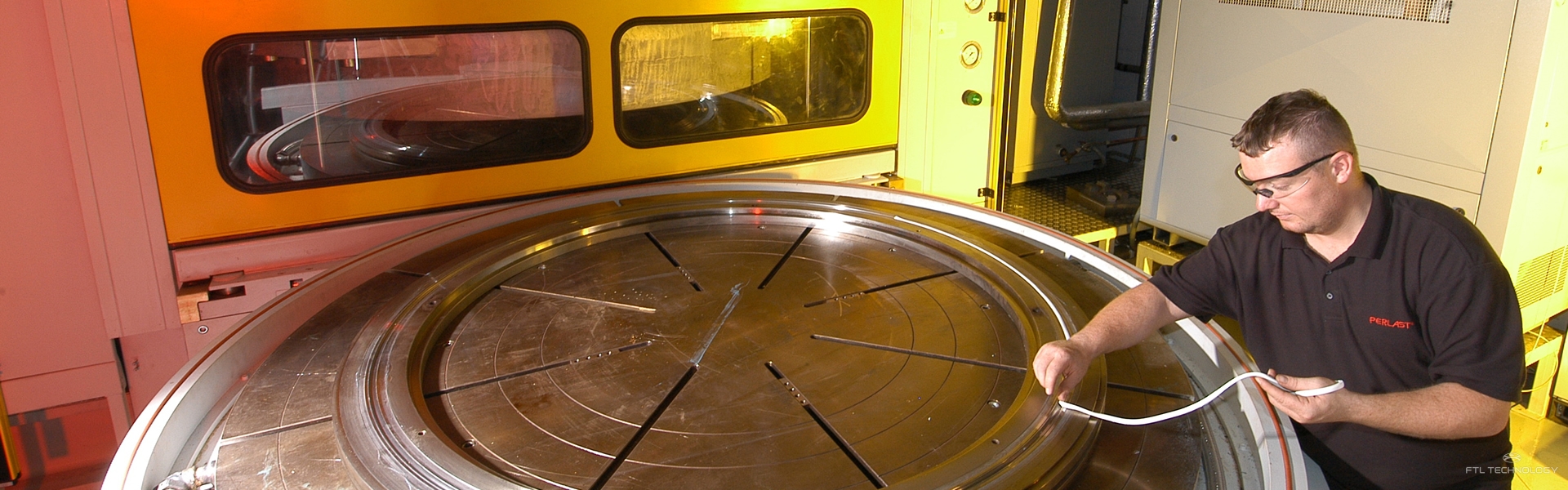
Engineering Capability
At Suzhou Baoshida Trading Co., Ltd., our engineering infrastructure is built to deliver precision, consistency, and innovation in every large diameter O-ring kit we produce. With a dedicated team of five experienced mould engineers and two specialized rubber formula engineers, we maintain full control over the design, material development, and manufacturing processes. This integrated approach ensures that our O-ring solutions meet the exacting demands of industrial applications where reliability under pressure, temperature extremes, and long service life are non-negotiable.
Our mould engineering team specializes in the design and optimization of tooling for large bore O-rings, where dimensional stability and uniform cross-sectional integrity are critical. Utilizing advanced CAD/CAM systems and finite element analysis (FEA), our engineers simulate compression set, extrusion gaps, and installation stresses to refine cavity geometry and venting configurations. This proactive design methodology minimizes defects such as flash, incomplete cure, or dimensional drift—common challenges in large-scale rubber moulding.
Complementing our tooling expertise is our in-house rubber compounding capability. The two formula engineers on staff focus exclusively on elastomer formulation tailored to application-specific requirements. Whether the need is for enhanced resistance to hydraulic fluids, sour gas environments (H2S), high-temperature steam, or prolonged outdoor exposure, we develop custom compounds using nitrile (NBR), fluorocarbon (FKM), ethylene propylene (EPDM), silicone (VMQ), and other specialty polymers. Each formulation undergoes rigorous testing for tensile strength, elongation, hardness, compression set, and fluid immersion resistance to ensure compliance with ASTM, ISO, and OEM performance standards.
Our OEM capabilities extend beyond standard production. We collaborate directly with clients during the prototyping phase, offering technical consultation on groove design, surface finish, and material selection. This co-engineering model accelerates time-to-market and reduces the risk of field failure. All large diameter O-ring kits are manufactured under strict process controls, with traceability maintained from raw material batch to final inspection. We support custom packaging, labeling, and kitting configurations to align with client assembly line requirements.
Through the synergy of advanced tooling design and scientific material engineering, Suzhou Baoshida delivers O-ring kits that perform reliably in oil & gas, heavy machinery, aerospace ground support, and industrial automation systems. Our engineering team is not just a service provider—we are a technical partner committed to solving sealing challenges at the source.
| Specification | Capability |
|---|---|
| Maximum O-Ring Inner Diameter | 2,500 mm |
| Cross-Section Range | 1.5 mm – 20 mm |
| Standard Materials | NBR, FKM, EPDM, VMQ, ACM, AEM, HNBR |
| Hardness Range (Shore A) | 40 – 90 ±5 |
| Tolerance Compliance | ASTM D2000, ISO 3601 |
| Custom Formulation Development | Yes, with chemical and thermal testing |
| OEM/ODM Support | Full design, prototyping, and serialization |
Customization Process
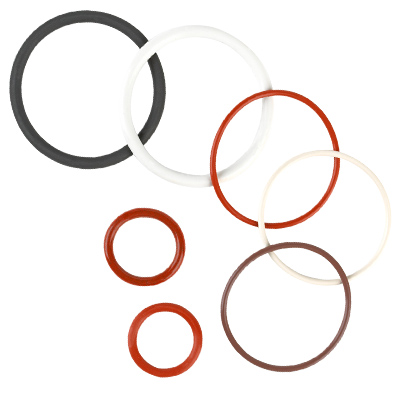
Customization Process for Large Diameter O-Ring Kits
Suzhou Baoshida Trading Co., Ltd. executes a rigorously defined customization pathway for large diameter O-ring kits, ensuring dimensional accuracy and material performance meet exacting industrial specifications. This process eliminates ambiguity between design intent and final product functionality, critical for applications in aerospace, heavy machinery, and offshore engineering where seal failure incurs severe operational consequences. Our methodology comprises four sequential, interdependent phases: Drawing Analysis, Formulation Development, Prototyping Validation, and Mass Production Execution.
Drawing Analysis Phase
Initial technical review focuses on geometric dimensioning and tolerancing (GD&T) compliance, surface finish requirements, and application-specific environmental factors. For large diameters (typically exceeding 500 mm inner diameter), we prioritize analysis of ovality tolerance, joint integrity specifications, and compression set allowances under sustained load. Cross-functional engineering teams verify compatibility with international standards (ISO 3601, AS568) while identifying potential manufacturability constraints. Client-supplied CAD models undergo simulation for deformation behavior under operational pressure cycles, ensuring the design accommodates thermal expansion coefficients of mating hardware.
Formulation Development Phase
Material science expertise drives compound selection tailored to the operational profile. Key parameters include temperature range, chemical exposure, and dynamic stress demands. Our laboratory formulates custom elastomer blends—primarily HNBR, FKM, or EPDM—optimizing polymer backbone structure, filler dispersion, and vulcanization systems. Critical properties such as compression set resistance (ASTM D395), tensile strength, and fluid compatibility are modeled using accelerated aging protocols. The table below summarizes standard versus custom capabilities for large diameter kits.
| Parameter | Standard Range | Custom Capability |
|---|---|---|
| Inner Diameter | 50–1500 mm | Up to 3000 mm |
| Tolerance (ID) | ±0.5 mm | ±0.2 mm (critical apps) |
| Hardness (Shore A) | 60–90 | 45–95 (graded zones) |
| Temp Range | -30°C to +150°C | -55°C to +300°C |
| Fluid Resistance | Basic hydraulic oils | Custom per fluid spec |
Prototyping Validation Phase
Precision-machined prototypes undergo metrological verification via coordinate measuring machines (CMM) and laser scanning to confirm dimensional conformance. Physical testing includes leakage rate assessment under simulated service conditions (pressure, temperature, media), compression set measurement after 72-hour heat aging, and dynamic friction analysis. Iterative refinements occur within 15 working days based on client feedback and test data, with full traceability of material batches and process parameters.
Mass Production Execution Phase
Approved prototypes transition to serial production under ISO 9001-certified workflows. Large diameter molding employs computer-controlled vulcanization presses with real-time temperature and pressure monitoring to prevent cure inconsistencies. Each batch undergoes 100% visual inspection and statistical sampling for critical dimensions. Final kits include comprehensive documentation: material certificates (ASTM D2000), dimensional reports, and traceability logs from raw material to finished goods. This closed-loop process ensures zero deviation from validated prototypes during scale-up, guaranteeing OEMs receive consistently reliable seals for mission-critical assemblies.
Contact Engineering Team
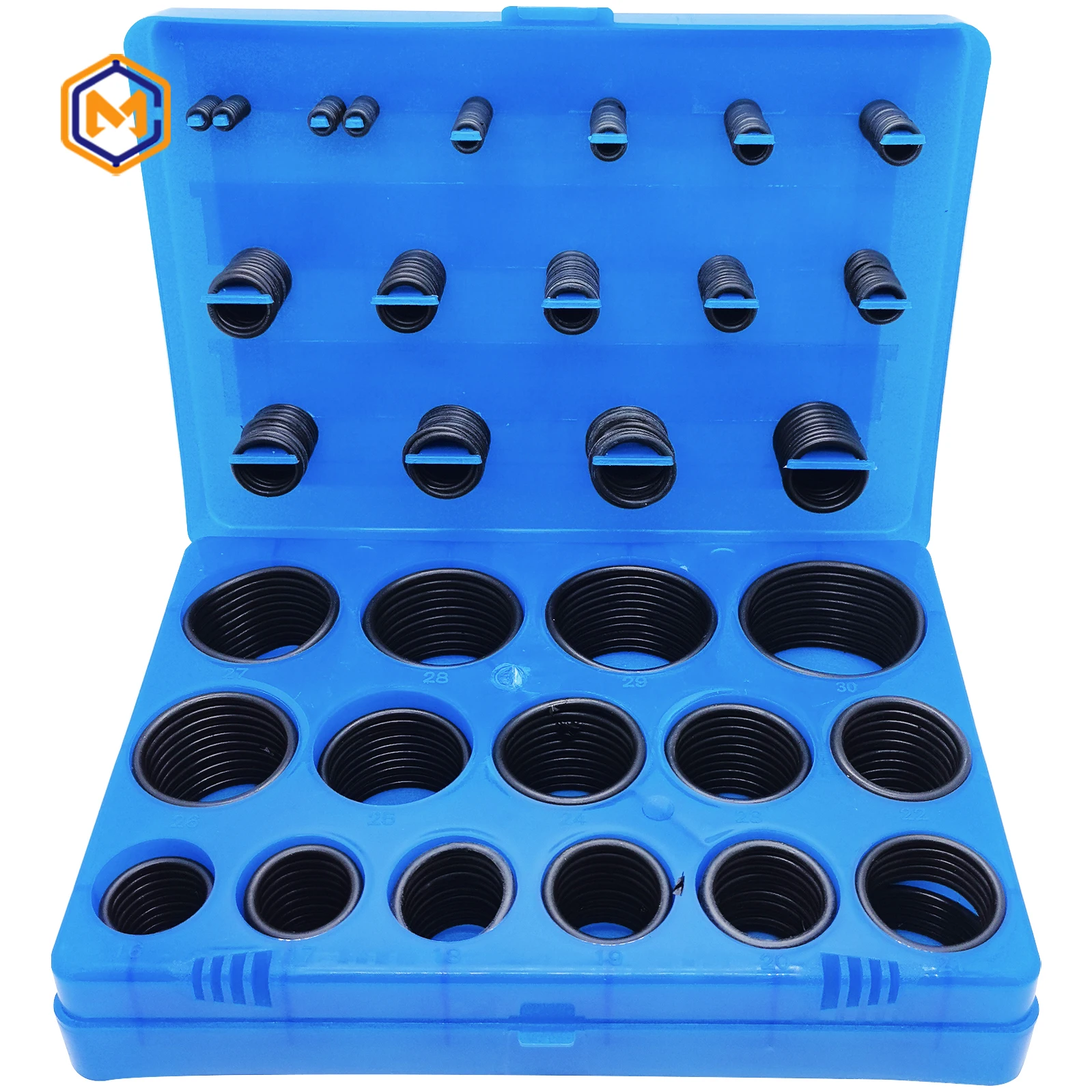
For industrial manufacturers requiring high-performance sealing solutions, Suzhou Baoshida Trading Co., Ltd. delivers precision-engineered large diameter O-ring kits designed for demanding applications across aerospace, heavy machinery, oil & gas, and advanced automation systems. Our expertise lies in the formulation and production of custom elastomeric seals that maintain integrity under extreme pressure, temperature fluctuations, and prolonged operational cycles. As a trusted OEM partner, we combine rigorous material science with dimensional accuracy to ensure every O-ring meets exacting international standards.
Our large diameter O-ring kits are manufactured using advanced compounding techniques, with formulations tailored to specific environmental challenges. Whether your application requires resistance to ozone, hydrocarbons, steam, or cryogenic conditions, we offer a full spectrum of elastomer options including Nitrile (NBR), Ethylene Propylene (EPDM), Fluorocarbon (FKM/Viton®), Silicone (VMQ), and Hydrogenated Nitrile (HNBR). Each compound is tested for tensile strength, elongation, compression set, and hardness to guarantee long-term reliability.
All O-rings are produced under ISO 9001-certified processes, with strict controls on curing time, mold precision, and post-cure treatment. We support inner diameters ranging from 300 mm to over 2,000 mm, with cross-sections compliant with AS568, ISO 3601, and custom specifications. Our kits are packaged with protective sleeves and serialized documentation, including material traceability, certificate of conformance, and dimensional inspection reports.
Below is a representative specification profile for our standard large diameter O-ring kit offerings:
| Parameter | Specification |
|---|---|
| Inner Diameter Range | 300 mm – 2,500 mm |
| Cross-Section Options | 1.78 mm, 2.62 mm, 3.53 mm, 5.33 mm, 7.00 mm (custom available) |
| Material Types | NBR, EPDM, FKM, VMQ, HNBR, ACM, AEM |
| Hardness Range (Shore A) | 50 ± 5 to 90 ± 5 |
| Temperature Resistance | -60°C to +250°C (material dependent) |
| Tolerance Class | ISO 3302-1:2019 Class M2 / M3 |
| Surface Finish | Ra ≤ 3.2 μm (mold-polished) |
| Standards Compliance | ISO 3601, AS568, SAE AS4716, ASTM D2000 |
| Packaging | Individually sleeved, labeled kits in anti-static containers |
To ensure seamless integration into your production or maintenance workflow, we offer technical consultation for material selection, groove design validation, and failure mode analysis. Our engineering team supports rapid prototyping and first-article inspection for critical applications.
For inquiries, technical collaboration, or to request a quote for custom large diameter O-ring kits, contact Mr. Boyce, OEM Manager at Suzhou Baoshida Trading Co., Ltd. Direct correspondence is encouraged via email at [email protected]. Include detailed specifications such as size requirements, operating environment, media exposure, and volume expectations to facilitate prompt and accurate support. We respond to all technical inquiries within 24 business hours and provide sample turnaround within 7–10 working days upon confirmation. Partner with Suzhou Baoshida for precision rubber seals engineered for performance, consistency, and industrial longevity.
⚖️ O-Ring Weight Calculator
Estimate rubber O-ring weight (Approx).