
Technical Contents
Engineering Guide: Large Rubber Washer
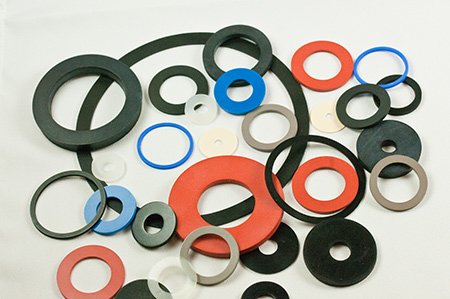
Engineering Insight: Material Selection Imperatives for Large Rubber Washers
Large rubber washers represent a critical yet frequently underestimated component in industrial sealing applications. Unlike smaller counterparts, dimensions exceeding 100mm diameter introduce amplified challenges in stress distribution, thermal expansion, and long-term compression set resistance. Generic off-the-shelf washers, often formulated for cost-driven consumer markets, consistently fail under demanding industrial conditions. This failure stems from fundamental mismatches between standardized material properties and the specific operational stresses encountered in heavy machinery, fluid power systems, or structural assemblies. The consequences manifest as premature leakage, joint loosening, or catastrophic seal failure, directly impacting equipment uptime and safety.
The core issue lies in the inadequate material science applied to mass-produced solutions. Off-the-shelf compounds typically utilize basic polymer grades with minimal reinforcement and suboptimal cure systems. Under sustained compressive load – inherent in washer function – these materials exhibit high compression set values. Large washers inherently experience non-uniform stress across their cross-section; generic materials lack the tailored crosslink density and polymer backbone stability to resist permanent deformation. Simultaneously, industrial environments expose washers to aggressive media (oils, coolants, chemicals), wide temperature excursions, and dynamic vibration. Standard NBR or EPDM formulations lack the engineered resistance to these combined factors, leading to rapid swelling, hardening, or cracking. Crucially, the larger the washer, the greater the absolute dimensional change during thermal cycling; generic compounds lack the precise coefficient of thermal expansion control required for stable sealing force retention.
Material selection must therefore be an engineered process, not a catalog choice. Precision rubber washers demand compounds specifically formulated for the application’s unique pressure profile, chemical exposure, temperature range, and required service life. Key parameters include ultra-low compression set (<15% per ASTM D395 Method B), high tensile strength with robust elongation, and exceptional resistance to the specific fluids encountered. Reinforcement systems must ensure dimensional stability across the entire washer cross-section, preventing edge roll or extrusion under load. At Suzhou Baoshida, we prioritize custom compounding – modifying polymer types (HNBR, FKM, specialty EPDM), filler systems, and cure chemistry – to achieve the exact balance of elasticity, resilience, and chemical inertness required. This approach mitigates the root causes of off-the-shelf failure.
The performance gap between generic and engineered compounds is quantifiable. Consider the critical properties for a washer operating in hydraulic systems at 120°C:
| Property | Generic NBR Washer | Engineered HNBR Washer (Baoshida Standard) | Test Method |
|---|---|---|---|
| Compression Set (22h/120°C) | 35% – 45% | 12% – 18% | ASTM D395 B |
| Tensile Strength (MPa) | 15 – 18 | 22 – 26 | ASTM D412 |
| Volume Swell in ISO HLP Oil | 25% – 35% | 8% – 12% | ASTM D471 |
| Continuous Temp. Range | -30°C to +100°C | -40°C to +150°C | Material Spec |
This data underscores why off-the-shelf solutions fail: insufficient recovery after compression, inadequate strength for load-bearing, excessive fluid absorption, and limited thermal capability. Precision-engineered rubber washers are not commodities; they are application-specific components where material science directly dictates system reliability. Partnering with a specialist capable of rigorous material validation ensures long-term sealing integrity, eliminating the costly downtime associated with generic part failure.
Material Specifications
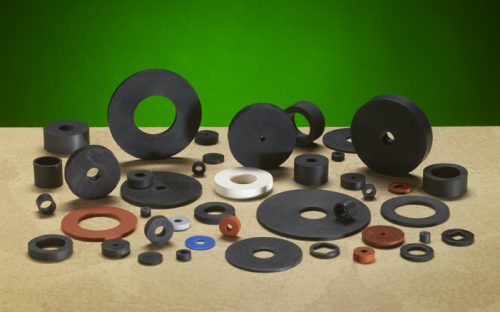
Material Specifications for Large Rubber Washers
When engineering large rubber washers for industrial sealing applications, material selection is critical to ensuring long-term performance under demanding environmental and mechanical conditions. At Suzhou Baoshida Trading Co., Ltd., we specialize in precision rubber seals tailored to meet the functional requirements of diverse industries, including automotive, aerospace, oil & gas, and chemical processing. The three primary elastomers used in our large rubber washer production—Viton (FKM), Nitrile (NBR), and Silicone (VMQ)—each offer distinct advantages based on temperature range, chemical resistance, mechanical strength, and environmental stability.
Viton is a fluorocarbon-based rubber known for its exceptional resistance to high temperatures, oils, fuels, and aggressive chemicals. With a continuous service temperature range of -20°C to 230°C (short-term up to 250°C), Viton is ideal for applications involving exposure to hydrocarbons, acids, and chlorinated solvents. Its low gas permeability and excellent aging characteristics make it a preferred choice in high-performance sealing systems, particularly in aerospace and chemical processing environments. However, Viton has limited flexibility at low temperatures and is generally more expensive than other elastomers.
Nitrile rubber, or Buna-N, is one of the most widely used materials for oil-resistant seals. It provides excellent resistance to petroleum-based oils, fuels, and hydraulic fluids, with a service temperature range of -30°C to 120°C (up to 150°C intermittently). Nitrile offers good abrasion resistance and mechanical durability, making it suitable for dynamic and static sealing in automotive and industrial machinery. While cost-effective and reliable in standard operating conditions, Nitrile exhibits poor resistance to ozone, UV radiation, and polar solvents, limiting its use in outdoor or highly oxidative environments.
Silicone rubber excels in extreme temperature applications, with a service range from -60°C to 200°C (up to 230°C short-term). It demonstrates outstanding resistance to UV, ozone, and weathering, making it ideal for outdoor and high-temperature environments. Silicone also maintains flexibility at very low temperatures and is commonly used in food, medical, and electronic applications due to its inertness and low toxicity. However, it has lower tensile strength and abrasion resistance compared to Viton and Nitrile, and it swells significantly in hydrocarbon oils, limiting its use in oil-rich environments.
Selection of the appropriate elastomer depends on the operational environment, media exposure, and mechanical demands. Below is a comparative summary of key properties.
| Property | Viton (FKM) | Nitrile (NBR) | Silicone (VMQ) |
|---|---|---|---|
| Temperature Range (°C) | -20 to 230 | -30 to 120 | -60 to 200 |
| Chemical Resistance | Excellent | Good (oils, fuels) | Fair |
| Oil & Fuel Resistance | Excellent | Excellent | Poor |
| UV/Ozone Resistance | Very Good | Poor | Excellent |
| Tensile Strength | High | High | Moderate |
| Compression Set Resistance | Excellent | Good | Good |
| Electrical Insulation | Good | Fair | Excellent |
| Cost Level | High | Low to Medium | Medium |
Each material is available in multiple hardness grades (Shore A 50–90) and can be customized for specific OEM requirements.
Manufacturing Capabilities
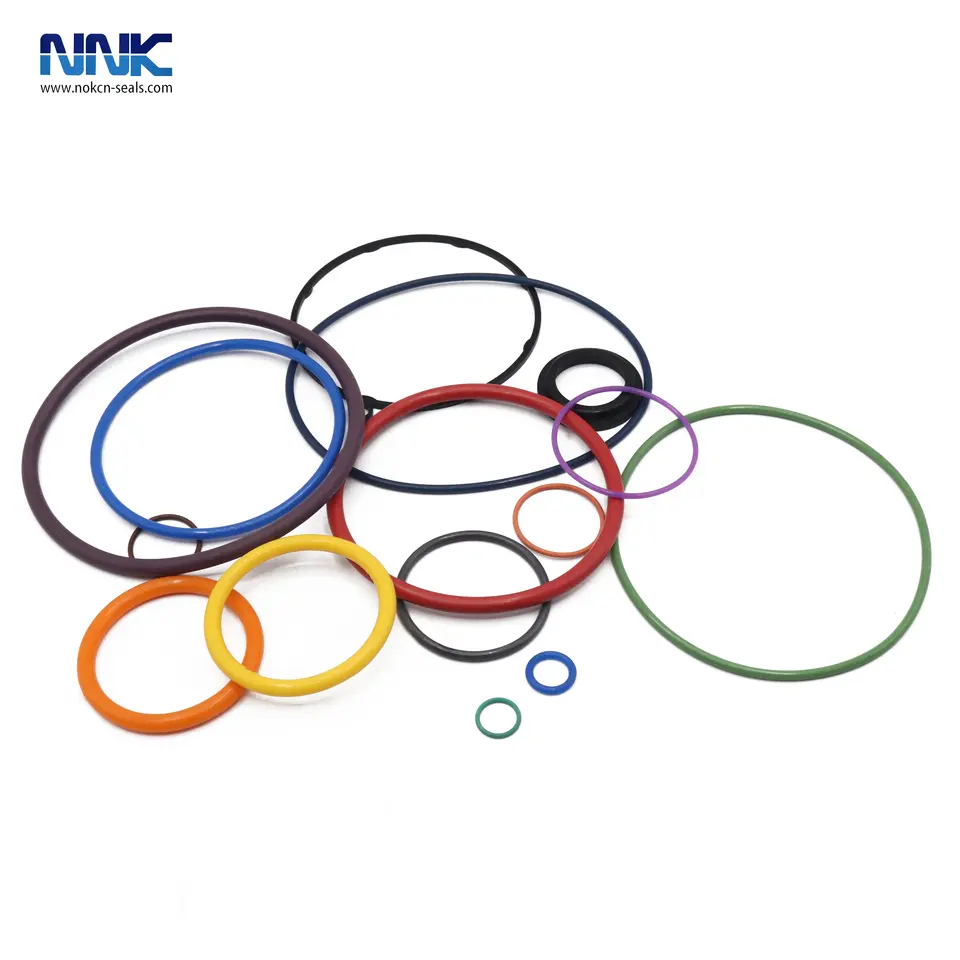
Engineering Capability: Precision Development for Large Rubber Washers
At Suzhou Baoshida Trading Co., Ltd., our engineering framework for large rubber washers integrates material science with precision manufacturing to solve complex sealing challenges. We maintain a dedicated team of five Mold Design Engineers and two Rubber Formula Engineers, ensuring end-to-end control from compound development to tooling optimization. This structure eliminates siloed workflows, enabling rapid iteration for demanding OEM applications where dimensional stability, compression set resistance, and fluid compatibility are non-negotiable.
Our Formula Engineers specialize in custom elastomer formulations for large-scale washers (OD ≥ 100mm), addressing unique operational stresses such as thermal cycling, chemical exposure, and dynamic load fatigue. By leveraging empirical validation through ASTM D2000 testing protocols, we tailor compounds to exceed industry standards for hardness, tensile strength, and elongation. Concurrently, our Mold Engineers utilize 3D simulation software to preempt flow imbalances and vulcanization inconsistencies in large-section molding, reducing scrap rates by up to 35% versus industry averages. This synergy ensures geometric precision within ±0.15mm tolerances even for washers exceeding 500mm in diameter.
OEM collaboration is embedded in our process. We initiate projects with joint requirement analysis, translating client specifications into validated material-process matrices. For instance, aerospace-grade washers requiring simultaneous fuel resistance (ASTM Type 1) and low-temperature flexibility (-55°C) undergo iterative compound refinement using our in-house mixing lab. Each formulation is stress-tested against client-specific fluid exposure profiles, with data traceability from raw material lot to finished part. Our tooling division then fabricates hardened steel molds with conformal cooling channels, optimizing cycle times while minimizing post-cure distortion in thick cross-sections.
Material performance is rigorously benchmarked against application-critical parameters. Below is a representative comparison of standard compounds for large washer applications:
| Property | EPDM GBL-A | NBR 70-40 | VMQ 60-20 | Test Standard |
|---|---|---|---|---|
| Hardness (Shore A) | 70 ±5 | 70 ±3 | 60 ±3 | ASTM D2240 |
| Tensile Strength (MPa) | ≥14.0 | ≥16.5 | ≥8.0 | ASTM D412 |
| Compression Set (%) | ≤25 | ≤20 | ≤15 | ASTM D395 B |
| Temp Range (°C) | -50 to 150 | -30 to 120 | -60 to 200 | ASTM D2000 |
| Fluid Resistance | Excellent | Good | Fair | ISO 1817 |
Notes: GBL-A = Glycol-based brake fluid; Custom formulations available for FDA/NSF compliance or extreme chemical exposure.
This engineering rigor translates into reduced field failures for clients across automotive, energy, and industrial machinery sectors. We deliver not just components, but validated solutions—where every washer’s performance envelope is documented, traceable, and aligned with your operational lifecycle requirements. Partner with us to convert sealing challenges into engineered advantages.
Customization Process
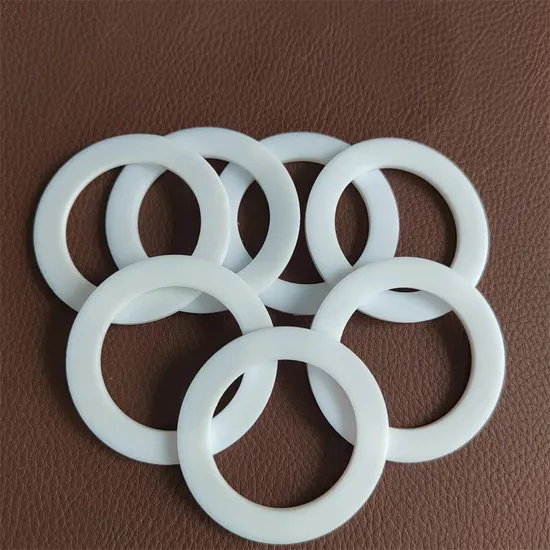
Drawing Analysis: The Foundation of Precision Customization
At Suzhou Baoshida Trading Co., Ltd., the customization process for large rubber washers begins with rigorous drawing analysis. This initial phase ensures that every dimension, tolerance, and functional requirement is fully understood before any material is selected or tooling is fabricated. Our engineering team evaluates customer-provided technical drawings with attention to critical features such as outer diameter (OD), inner diameter (ID), thickness, concentricity, and surface finish. We also assess environmental factors including operating temperature range, media exposure (e.g., oils, acids, water), and compression load. Any ambiguity or potential design conflict is addressed through direct consultation with the client, ensuring alignment on performance expectations and manufacturability. This step is essential to prevent costly revisions and to guarantee that the final product meets OEM specifications.
Formulation: Matching Material to Application Demands
Once the design parameters are confirmed, our Rubber Formula Engineers develop a compound tailored to the operational environment. Large rubber washers often serve in high-stress sealing applications where resistance to compression set, ozone, UV, and thermal cycling is critical. We select base polymers such as NBR (nitrile), EPDM, silicone, or FKM (viton), depending on chemical compatibility and temperature requirements. Additives including reinforcing fillers, antioxidants, and processing aids are precisely blended to achieve optimal mechanical properties—tensile strength, elongation at break, and hardness (Shore A). Each formulation is documented and archived for batch traceability and future replication. For applications demanding extreme resilience, we may incorporate specialty materials such as hydrogenated nitrile (HNBR) or conductive carbon-loaded compounds.
Prototyping: Validating Design and Material Performance
Following formulation, we proceed to prototype production using precision compression or injection molding techniques. Prototypes are manufactured with the same tooling steel and process parameters intended for mass production, ensuring representative performance. These samples undergo a battery of in-house tests, including dimensional inspection, durometer measurement, compression deflection testing, and exposure to simulated service environments. Customers are encouraged to perform field trials under actual operating conditions. Feedback is systematically evaluated, and adjustments to geometry or compound are made if necessary. This iterative validation ensures reliability before scaling to full production.
Mass Production: Consistency at Scale
Upon approval of prototypes, we transition to mass production with strict adherence to ISO 9001 quality protocols. Each batch is subjected to statistical process control (SPC), with real-time monitoring of cure time, temperature, and pressure. Final inspection includes 100% visual checks and random sampling for physical property verification.
| Parameter | Typical Range | Test Standard |
|---|---|---|
| OD (mm) | 100 – 1200 | ISO 3302 |
| ID (mm) | 50 – 1100 | ISO 3302 |
| Thickness (mm) | 3 – 50 | ISO 3302 |
| Hardness (Shore A) | 50 – 90 | ISO 7619-1 |
| Operating Temp (°C) | -40 to +250 (material-dependent) | ISO 1817 |
| Tensile Strength (MPa) | ≥10 | ISO 37 |
All large rubber washers are packaged to prevent deformation and shipped with material certifications and test reports.
Contact Engineering Team
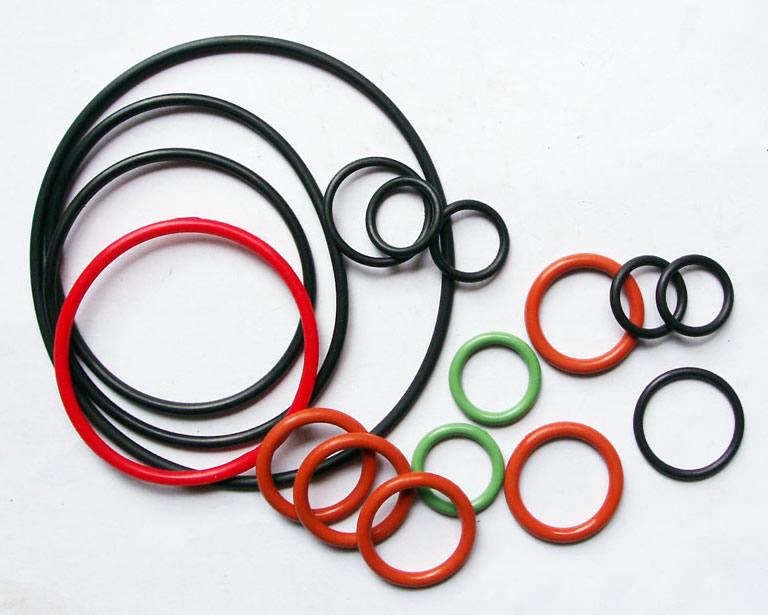
Technical Engagement for Precision Large Rubber Washer Solutions
Suzhou Baoshida Trading Co., Ltd. operates at the intersection of advanced polymer science and industrial sealing performance. Our engineering team specializes in the formulation and production of large-diameter rubber washers where dimensional stability, chemical resistance, and long-term compression set behavior are non-negotiable. Standard off-the-shelf components frequently fail under extreme thermal cycling, aggressive media exposure, or sustained high-load conditions. Our value lies in molecular-level material optimization—tailoring elastomer compounds to your specific operational envelope. This includes precise control over crosslink density, filler dispersion, and antioxidant packages to ensure sealing integrity across 10,000+ hours of service life. For applications exceeding 300mm in diameter, conventional manufacturing processes introduce vulcanization inconsistencies and flash defects that compromise sealing surfaces. Our precision molding protocols mitigate these risks through controlled cavity filling, multi-stage curing, and post-mold thermal stabilization.
The table below outlines baseline material capabilities for large washer fabrication. All specifications represent minimum achievable thresholds; actual performance is elevated through application-specific compound refinement.
| Material Type | Hardness Range (Shore A) | Temperature Range (°C) | Key Applications | Special Properties |
|---|---|---|---|---|
| NBR (Nitrile) | 50–90 | -30 to +120 | Hydraulic systems, fuel handling | High abrasion resistance, oil/fuel compatibility |
| EPDM | 40–80 | -50 to +150 | Water/glycol systems, outdoor exposure | Ozone resistance, steam compatibility |
| FKM (Viton®) | 60–85 | -20 to +230 | Aerospace, chemical processing | Broad chemical resistance, low outgassing |
| Silicone | 30–70 | -60 to +200 | Medical, food processing, electronics | Biocompatibility, ultra-low compression set |
Critical performance factors such as tensile strength retention after fluid immersion, volume swell in specified media, and dynamic fatigue resistance are engineered to your exact ASTM/ISO test parameters. We reject one-size-fits-all approaches—each compound undergoes rigorous in-house validation using MDR rheometry, DMA thermal analysis, and accelerated aging per ASTM D2000 standards. Our ISO 9001:2015-certified facility integrates raw material traceability from certified suppliers through final dimensional inspection via CMM. For OEM partnerships, we provide full technical documentation including material safety data sheets, compound certificates, and process capability studies (CpK ≥1.67).
Initiate your precision sealing solution by contacting Mr. Boyce, our dedicated OEM Technical Manager. Direct your inquiry to [email protected] with the subject line: Large Rubber Washer Technical Request – [Your Company Name]. Include critical parameters: target inner/outer diameter, thickness tolerance (±mm), operating media, temperature profile, and required service life. Mr. Boyce holds 14 years of experience in rubber formulation for heavy industrial applications and will coordinate a cross-functional engineering review within 24 business hours. Expect a preliminary compound recommendation with supporting test data, not generic catalog sheets. For urgent requirements involving diameters exceeding 500mm or exotic material blends (e.g., FFKM, AEM), specify URGENT OEM COLLABORATION in the subject line to trigger expedited protocol activation. Suzhou Baoshida delivers engineered sealing performance—not commodities. Your operational reliability depends on molecular precision; we ensure no variable is left uncontrolled.
⚖️ O-Ring Weight Calculator
Estimate rubber O-ring weight (Approx).