
Technical Contents
Engineering Guide: Lawn Mower Carb Bowl Gasket
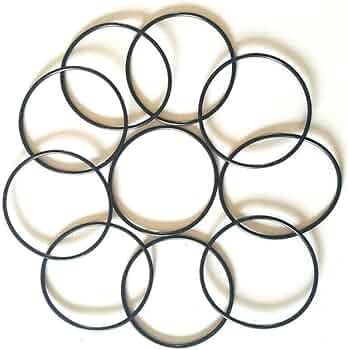
Engineering Insight: Material Science Imperatives for Lawn Mower Carburetor Bowl Gaskets
The carburetor bowl gasket operates within an exceptionally hostile microenvironment. Constant exposure to modern ethanol-blended fuels (E10/E15), wide thermal cycling (-40°C to +120°C ambient with localized spikes), and persistent vibration create a perfect storm for seal degradation. Off-the-shelf generic rubber gaskets frequently fail within 50–100 operating hours due to fundamental material incompatibilities. These failures manifest as fuel leaks, air ingress disrupting air-fuel ratios, and catastrophic carburetor flooding – directly causing engine stalling, hard starting, and elevated emissions. The root cause lies not in manufacturing defects but in inappropriate elastomer selection for the specific chemical and mechanical demands.
Standard commercial gaskets often utilize low-acrylonitrile nitrile rubber (NBR) for cost efficiency. However, NBR exhibits severe volume swell (25–40%) when exposed to ethanol concentrations above 5%, per ASTM D471 testing. This swelling distorts the gasket geometry, compromising the critical 0.05–0.15mm sealing interface against the carburetor body. Simultaneously, NBR suffers rapid compression set loss above 100°C, losing >30% of its recovery force after 70 hours at 100°C (ASTM D395 Method B). The combined effect is irreversible seal relaxation, allowing fuel leakage paths to form. Thermal cycling further accelerates fatigue cracking in low-grade compounds lacking optimized polymer chain architecture.
Material performance is non-negotiable. Engineered solutions require elastomers with intrinsic resistance to both hydrocarbon degradation and oxygenated fuel components. The table below quantifies critical properties for common gasket materials under simulated lawn mower duty cycles:
| Material | Ethanol (E10) Volume Swell (%) | Compression Set @ 100°C/70hrs (%) | Continuous Temp Range (°C) | Shore A Hardness Stability (Δpts) |
|---|---|---|---|---|
| Standard NBR | 28–35 | 28–35 | -30 to +100 | -12 to -18 |
| High-ACN NBR | 15–20 | 20–25 | -30 to +110 | -8 to -12 |
| HNBR | 8–12 | 12–18 | -40 to +150 | -4 to -7 |
| FKM (Specialty) | 1–3 | 5–10 | -20 to +200 | -1 to -3 |
Suzhou Baoshida’s OEM-grade carb bowl gaskets utilize custom-formulated hydrogenated nitrile (HNBR) compounds. Our proprietary blends achieve ≤12% swell in E15 fuel while maintaining compression set below 15% – critical for sustaining sealing force through 500+ thermal cycles. This is accomplished through precise control of polymer hydrogenation levels, peroxide curing systems, and nano-reinforced fillers that resist ethanol permeation. Rigorous validation includes SAE J2044-compliant fuel immersion testing and dynamic vibration endurance trials replicating 200 hours of commercial mower operation.
Generic gaskets represent a false economy. Material-driven failures increase OEM warranty costs by 3–5x due to carburetor rebuilds and customer downtime. Baoshida’s engineering approach targets the total cost of ownership: our gaskets deliver 1,000+ hour service life in E10 applications through molecular-level compatibility with modern biofuels. This precision sealing integrity ensures optimal air-fuel mixture control, directly supporting emissions compliance and engine longevity for lawn equipment manufacturers. Material selection isn’t a commodity decision – it’s the foundational engineering variable determining field reliability.
Material Specifications
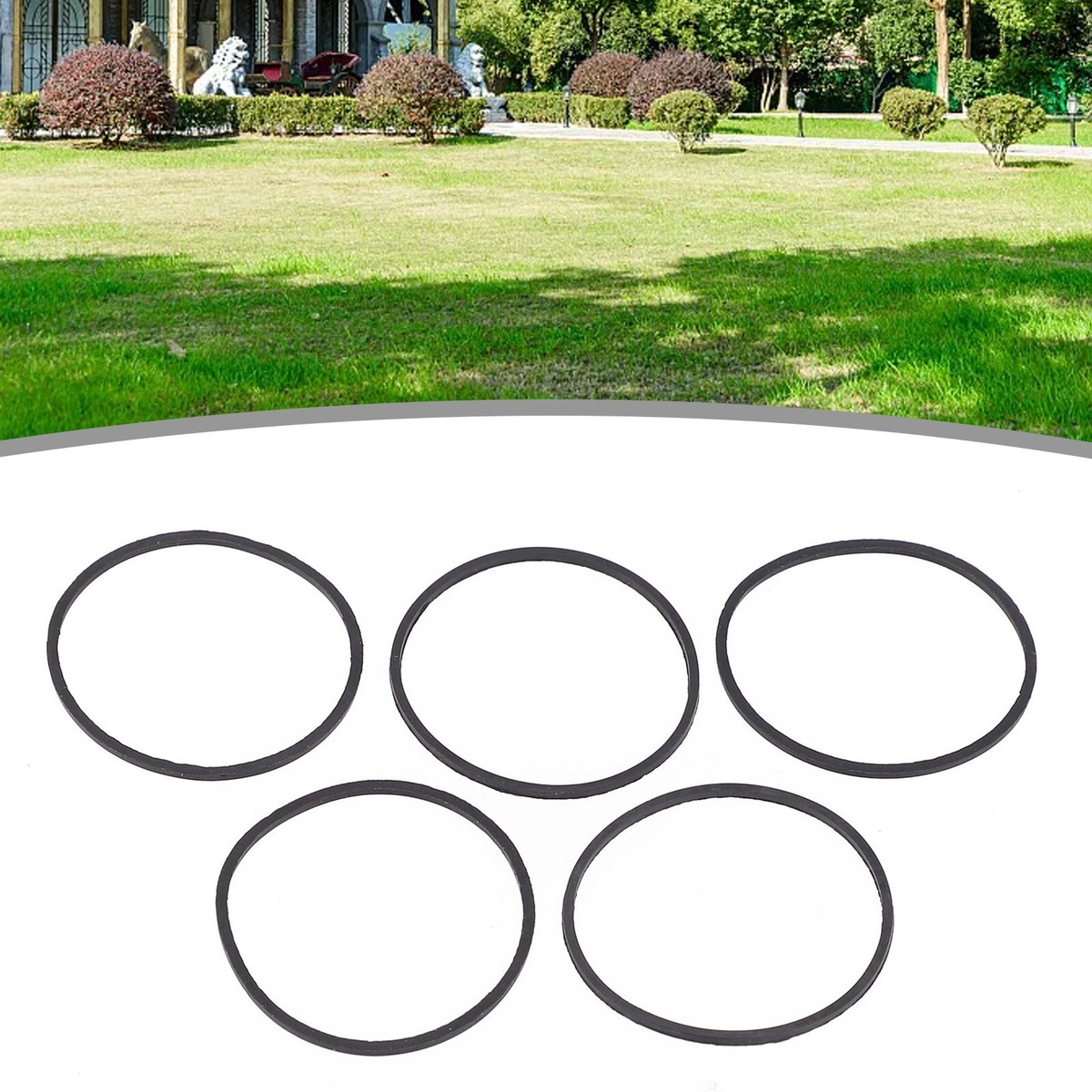
Material Specifications for Lawn Mower Carb Bowl Gaskets
Precision rubber seals, particularly carb bowl gaskets for lawn mowers, require careful material selection to ensure long-term performance under demanding operational conditions. These gaskets are critical in maintaining fuel integrity, preventing leaks, and withstanding exposure to hydrocarbon-based fuels, temperature fluctuations, and mechanical compression. At Suzhou Baoshida Trading Co., Ltd., we specialize in high-performance rubber formulations tailored to industrial OEM requirements. For lawn mower applications, three elastomers stand out due to their compatibility, resilience, and durability: Viton (FKM), Nitrile (NBR), and Silicone (VMQ). Each material offers distinct advantages depending on the engine design, fuel type, and environmental exposure.
Viton, a fluorocarbon-based rubber, provides exceptional resistance to fuels, oils, and high temperatures. With a continuous service temperature range up to 200°C and outstanding chemical stability, Viton is ideal for high-performance small engines where fuel composition includes ethanol blends or synthetic oils. Its low permeability to hydrocarbons ensures minimal fuel seepage over time, making it the premium choice for OEMs prioritizing longevity and reliability. However, Viton exhibits higher material cost and reduced flexibility at low temperatures compared to other elastomers.
Nitrile rubber, also known as Buna-N, remains the most widely used material for carburetor gaskets due to its excellent balance of fuel resistance, compression set performance, and cost efficiency. Nitrile demonstrates strong resistance to gasoline, mineral oils, and aliphatic hydrocarbons commonly found in lawn equipment fuels. With a service temperature range of -30°C to 100°C, it performs reliably in typical outdoor operating environments. Its high tensile strength and abrasion resistance contribute to consistent sealing performance under mechanical load. While not suitable for exposure to ketones or chlorinated solvents, Nitrile remains the standard for general-purpose carb bowl applications.
Silicone rubber offers superior thermal stability, with a temperature range extending from -60°C to 200°C, and excellent flexibility at low temperatures. However, its resistance to hydrocarbon fuels is limited, making pure silicone less suitable for direct fuel contact zones. Modified silicone formulations with fluorinated additives can improve fuel resistance, but still fall short of Viton or Nitrile. Silicone is best applied in secondary sealing roles or in fuel systems using non-aggressive ethanol blends where temperature extremes are the primary concern.
The following table compares key physical and chemical properties of these materials for informed material selection:
| Property | Viton (FKM) | Nitrile (NBR) | Silicone (VMQ) |
|---|---|---|---|
| Temperature Range (°C) | -20 to 200 | -30 to 100 | -60 to 200 |
| Fuel Resistance | Excellent | Good to Very Good | Poor to Fair |
| Compression Set Resistance | Excellent | Good | Fair |
| Chemical Resistance | Excellent (oils, acids, fuels) | Good (oils, fuels) | Poor (fuels, solvents) |
| Tensile Strength (MPa) | 10–15 | 15–20 | 6–10 |
| Hardness (Shore A) | 60–90 | 50–90 | 30–80 |
| Typical Applications | High-performance carburetors, ethanol-rich fuels | Standard carb bowl gaskets, OEM replacements | Low-stress, temperature-sensitive environments |
Material selection must align with engine design, fuel formulation, and service life expectations. Suzhou Baoshida Trading Co., Ltd. offers custom compounding and OEM formulation services to meet exacting performance standards in lawn mower and small engine applications.
Manufacturing Capabilities

Engineering Excellence in Lawn Mower Carb Bowl Gasket Manufacturing
Suzhou Baoshida Trading Co., Ltd. leverages deep technical expertise to deliver precision-engineered carb bowl gaskets that ensure optimal fuel system integrity and longevity. Our core strength resides in a dedicated engineering team comprising five specialized mold engineers and two advanced rubber formula engineers. This integrated structure enables us to address the complex interplay between material science and precision tooling, critical for components operating under demanding thermal, chemical, and mechanical conditions in small engine applications.
Our formula engineers focus exclusively on elastomer development for fuel and oil exposure. They formulate custom NBR (Nitrile Butadiene Rubber) and ACM (Acrylate Rubber) compounds with enhanced hydrocarbon resistance, low-temperature flexibility, and minimal compression set. Each formulation undergoes rigorous testing against ASTM D2000 standards, optimizing crosslink density and filler systems to withstand ethanol-blended fuels (E10/E15) and oxidation at sustained temperatures up to 120°C. This scientific approach ensures consistent sealing performance across thousands of operational cycles, directly mitigating fuel leaks and vapor lock issues prevalent in lawn equipment.
Complementing material innovation, our five mold engineers deploy advanced CAD/CAM and mold flow simulation to achieve micron-level dimensional accuracy in gasket geometry. Precision machining of cavity steels (P20/H13) and meticulous venting design eliminate flash and knit lines, which are critical failure points in thin-section gaskets. We prioritize features like controlled compression profiles and chamfered edges to facilitate assembly while maintaining uniform sealing force distribution against aluminum or plastic carburetor housings. This dual-engineering synergy—material and tooling—guarantees gaskets meet OEM flatness tolerances of ±0.05mm and thickness variations under ±0.10mm.
As a certified OEM manufacturing partner, we provide end-to-end technical collaboration from prototype to volume production. Our process includes joint design reviews, DFM analysis for cost-effective manufacturability, and validation testing per SAE J2044 protocols. We support global OEMs with rapid tooling iterations, batch traceability via ERP integration, and PPAP documentation, ensuring seamless integration into engine assembly lines.
Critical Performance Specifications for Lawn Mower Carb Bowl Gaskets
| Property | Standard Specification | Custom Capability | Test Method |
|---|---|---|---|
| Material Type | NBR (Perbunan) | ACM, FKM blends | ASTM D2000 |
| Hardness (Shore A) | 60 ± 5 | 50–75 range | ASTM D2240 |
| Temperature Range | -40°C to +120°C | -50°C to +150°C | ISO 188 |
| Tensile Strength | ≥12 MPa | ≥15 MPa | ASTM D412 |
| Compression Set (22h/100°C) | ≤25% | ≤15% | ASTM D395 |
| Fuel Resistance (IRM 903) | Volume swell ≤25% | Volume swell ≤15% | ASTM D471 |
This technical rigor, combined with ISO 9001-certified processes, positions Suzhou Baoshida as a strategic engineering partner for OEMs demanding failure-proof sealing solutions. We transform material science and precision tooling into measurable performance gains—reducing field failures and supporting compliance with evolving small engine emission standards.
Customization Process

Drawing Analysis
The customization process for a lawn mower carburetor bowl gasket begins with rigorous drawing analysis. At Suzhou Baoshida Trading Co., Ltd., engineering teams conduct a dimensional and functional review of customer-provided technical drawings or physical samples. Critical parameters such as outer diameter, inner diameter, thickness, groove geometry, and sealing surface tolerances are evaluated to ensure dimensional compatibility with the carburetor assembly. We assess mating surfaces, compression load requirements, and potential deformation under operational stress. Any discrepancies or optimization opportunities are flagged, and collaborative feedback is provided to the client. This phase ensures that the final gasket design will maintain a leak-free seal under fuel exposure, thermal cycling, and mechanical vibration typical in small engine environments.
Material Formulation
Following drawing validation, the formulation stage determines the optimal rubber compound for performance longevity. Lawn mower carburetor gaskets are exposed to gasoline, ethanol blends (up to E10), and temperature fluctuations ranging from -40°C to +120°C. Standard materials include Nitrile Butadiene Rubber (NBR) for balanced fuel resistance and compression set performance. For enhanced durability in high-ethanol or elevated temperature conditions, Hydrogenated Nitrile (HNBR) or Fluorocarbon (FKM) may be recommended. Our formulation engineers adjust polymer base, plasticizers, fillers, and curatives to achieve target hardness (typically 60–80 Shore A), low compression set (<25% at 100°C for 22 hours), and minimal volume swell in fuel immersion tests. Each compound is batch-tested for consistency and regulatory compliance, including RoHS and REACH standards.
Prototyping and Validation
Once the formulation is locked, precision die-cutting or injection molding prototypes are produced using customer-approved materials. Prototypes undergo dimensional inspection via optical comparators and coordinate measuring machines (CMM) to verify conformance to drawing tolerances (±0.1 mm typical). Functional testing includes compressed thickness measurement, fuel immersion resistance (ASTM D471), and simulated engine thermal cycling. We conduct leak testing on actual carburetor assemblies under pulsating fuel pressure to validate sealing integrity. Prototype approval is documented through a First Article Inspection (FAI) report, including material certificates and test data.
Mass Production
After client sign-off, gaskets enter mass production under ISO 9001-certified processes. Automated die-cutting or molding lines ensure high consistency, with in-line thickness gauging and 100% visual inspection for defects. Each batch is traceable via lot numbering, and final quality checks include hardness testing, dimensional sampling, and fuel resistance verification. Typical lead time from prototype to full production is 4–6 weeks, with scalable output to support annual volumes from 50,000 to over 2 million units.
| Specification | Standard Value | Test Method |
|---|---|---|
| Hardness (Shore A) | 65–75 | ASTM D2240 |
| Tensile Strength | ≥10 MPa | ASTM D412 |
| Elongation at Break | ≥200% | ASTM D412 |
| Compression Set (22h, 100°C) | ≤25% | ASTM D395 |
| Volume Swell in Fuel (B, 23°C, 70h) | ≤15% | ASTM D471 |
| Operating Temperature | -40°C to +120°C | Internal Validation |
Contact Engineering Team
Contact Suzhou Baoshida for Precision Lawn Mower Carb Bowl Gasket Solutions
Lawn mower manufacturers and tier-one suppliers face critical challenges in carburetor sealing performance. Fuel exposure, thermal cycling, and vibration demand gaskets engineered beyond generic specifications. Generic rubber compounds degrade rapidly under modern ethanol-blended fuels, leading to air leaks, poor idle, and costly field failures. Suzhou Baoshida Trading Co., Ltd. specializes in formulation-driven rubber seals that meet the exacting demands of outdoor power equipment. Our carb bowl gaskets are not off-the-shelf components but precision-engineered solutions developed through rigorous material science and OEM collaboration.
Our proprietary FKM and ACM compounds deliver exceptional resistance to gasoline, ethanol blends up to E25, and oxidation at operating temperatures ranging from -40°C to +150°C. Unlike standard NBR gaskets that swell and lose compression set within 50 hours of fuel exposure, Baoshida formulations maintain seal integrity for 500+ hours in accelerated fuel immersion testing. This performance stems from our in-house polymer synthesis capabilities and decades of experience optimizing crosslink density for dynamic sealing applications. We control the entire process—from raw material selection to final compression set validation—ensuring zero batch-to-batch variance.
The table below details critical specifications where Baoshida exceeds industry baselines for carb bowl gaskets:
| Property | Test Standard | Baoshida Specification | Typical Industry Standard |
|---|---|---|---|
| Hardness (Shore A) | ASTM D2240 | 70 ± 3 | 65 ± 5 |
| Tensile Strength | ASTM D412 | ≥ 15 MPa | ≥ 10 MPa |
| Elongation at Break | ASTM D412 | ≥ 250% | ≥ 200% |
| Compression Set (70h/100°C) | ASTM D395B | ≤ 18% | ≤ 35% |
| Fuel Resistance (IRM 903, 70h) | ASTM D471 | Volume Swell ≤ 15% | Volume Swell ≤ 25% |
| Operating Temperature | SAE J200 | -40°C to +150°C | -30°C to +120°C |
These metrics translate directly to reduced warranty claims and extended product lifespan. Our gaskets prevent fuel leakage at critical flange interfaces even under aggressive vibration profiles, a common failure point in consumer-grade mowers. Every compound is validated against OEM-specific fuel formulations and accelerated life testing protocols.
As your dedicated OEM Manager and Rubber Formula Engineer, I personally oversee the technical transition from specification to production. Mr. Boyce possesses 12 years of experience in sealing solutions for power equipment manufacturers, including direct collaboration with major engine OEMs on ethanol-compatible material systems. He will conduct a thorough analysis of your current failure modes, material requirements, and volume needs to deploy a gasket solution that integrates seamlessly into your assembly process.
Do not compromise on a component that directly impacts engine performance and emissions compliance. Contact Mr. Boyce immediately to resolve carburetor sealing failures at the source. Provide your current gasket specifications, fuel type, and production volume for a tailored compound recommendation within 48 hours. Our engineering team stands ready to share material test reports, conduct joint validation testing, and establish JIT delivery schedules to support your manufacturing continuity.
Reach Mr. Boyce directly at [email protected] to initiate technical discussions. Include your company name, target application, and specific sealing challenge in the subject line for priority response. Suzhou Baoshida Trading Co., Ltd. operates ISO 9001-certified production facilities with full traceability from raw material lot to finished gasket. Partner with us to eliminate carburetor-related downtime and achieve zero-defect sealing performance in your lawn mower platforms. Resolve this critical interface with engineered precision—contact us today.
⚖️ O-Ring Weight Calculator
Estimate rubber O-ring weight (Approx).