
Technical Contents
Engineering Guide: Level Gages
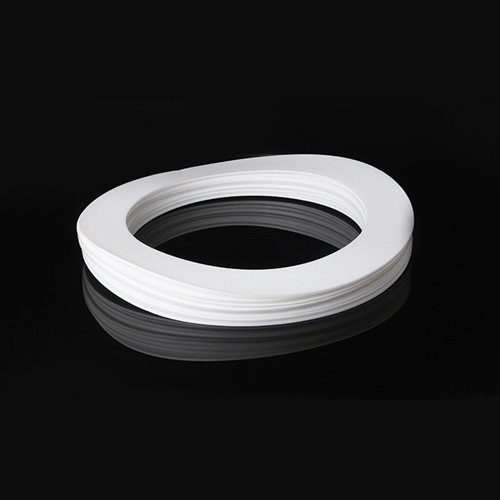
Engineering Insight: Material Selection in Level Gages – Why Off-the-Shelf Solutions Fail
In industrial applications involving level gages, material selection is not merely a design consideration—it is a determinant of system integrity, longevity, and operational safety. Level gages, particularly those deployed in chemical processing, petrochemical, pharmaceutical, and high-pressure steam environments, are subjected to aggressive media, extreme temperatures, and mechanical stress. Standard off-the-shelf gaskets and seals often fail prematurely because they are engineered for generalized conditions, not the specific chemical and thermal profiles of real-world processes.
The primary failure mechanism in generic level gage seals stems from chemical incompatibility. Many commercially available rubber compounds, such as standard nitrile (NBR) or EPDM, degrade when exposed to aggressive solvents, acids, or hydrocarbons. For instance, NBR exhibits poor resistance to strong oxidizing agents and ozone, while EPDM swells in the presence of non-polar hydrocarbons. These material limitations lead to seal extrusion, compression set, and ultimately leakage—posing both safety risks and costly downtime.
Temperature extremes further exacerbate material degradation. Standard elastomers lose resilience and sealing force at elevated temperatures, while becoming brittle in cryogenic conditions. A level gage operating in a steam drum application, for example, may experience intermittent spikes above 200°C. Most commodity rubbers cannot sustain such conditions without rapid aging or thermal decomposition.
At Suzhou Baoshida Trading Co., Ltd., we emphasize application-specific material engineering. Our approach begins with a comprehensive analysis of the process media, temperature range, pressure cycles, and regulatory requirements. Based on this data, we select advanced elastomers such as FKM (Viton®), FFKM (Perfluoroelastomer), or PTFE-compressed variants, which offer superior resistance to chemical attack and thermal stability.
Below is a comparative analysis of common elastomer materials used in level gage applications:
| Material | Temperature Range (°C) | Key Chemical Resistances | Limitations |
|---|---|---|---|
| NBR (Nitrile) | -30 to +100 | Aliphatic hydrocarbons, water, hydraulic fluids | Poor in ozone, aromatic solvents, and strong acids |
| EPDM | -50 to +150 | Steam, water, alkalis, oxygenated solvents | Swells in oils and non-polar solvents |
| FKM (Viton®) | -20 to +200 (short peaks to 250) | Aromatics, chlorinated solvents, acids, fuels | Poor in ketones, esters, and hot amines |
| FFKM | -15 to +300 | Virtually all industrial chemicals, including aggressive acids and solvents | High cost, limited availability |
| PTFE | -200 to +260 | Universal chemical resistance, ultra-pure applications | Low elasticity, requires mechanical support |
Custom material selection ensures that level gage seals maintain dimensional stability, compression recovery, and chemical inertness over extended service cycles. Off-the-shelf solutions, by contrast, compromise performance due to their one-size-fits-all formulation.
For mission-critical applications, precision-engineered rubber components are not an upgrade—they are a necessity. At Baoshida, we deliver engineered elastomer solutions tailored to the exact demands of your level measurement systems, ensuring reliability, compliance, and operational continuity.
Material Specifications
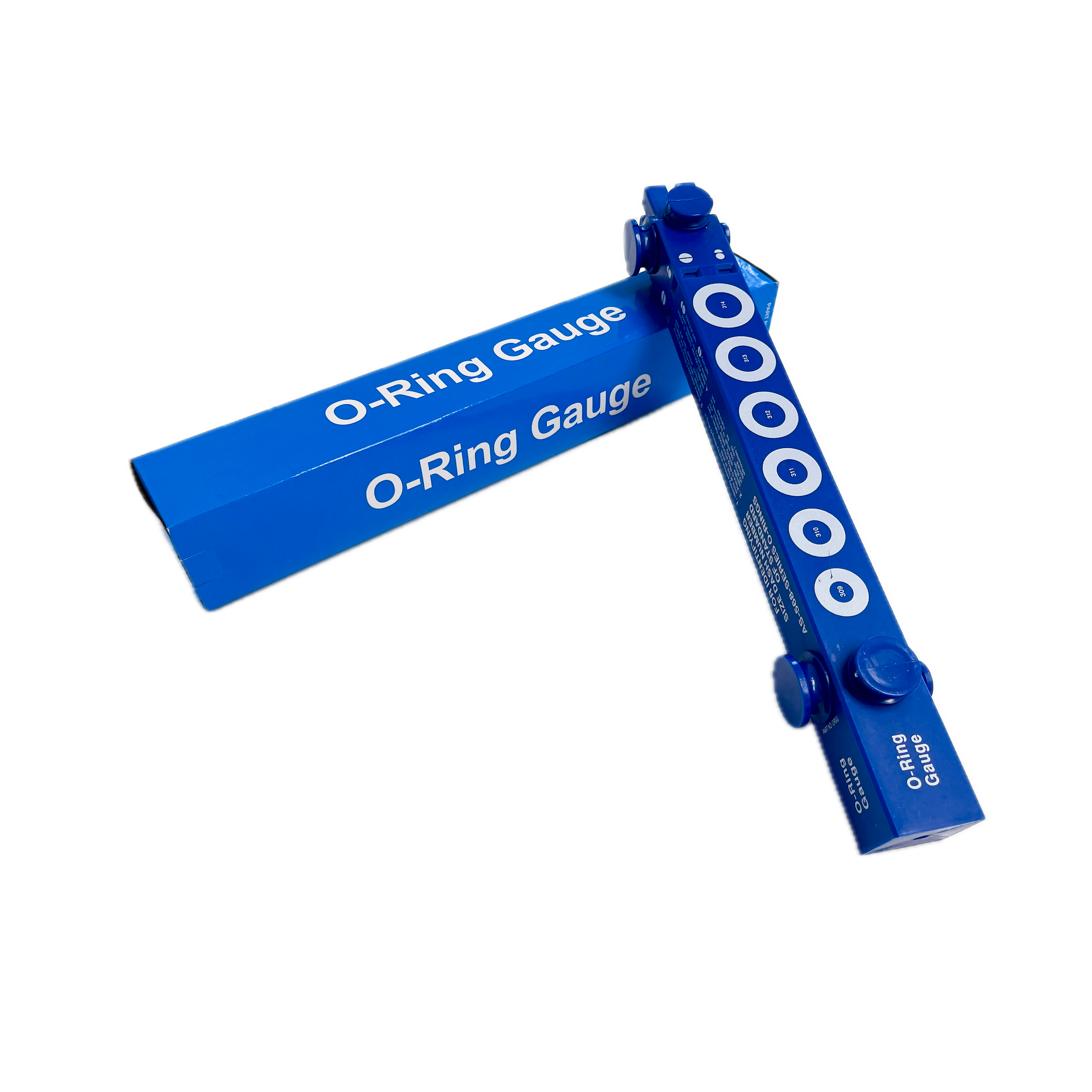
Material Specifications for Level Gage Sealing Components
Precision material selection is non-negotiable for level gage reliability in industrial fluid monitoring systems. Sealing components directly interface with process media, temperature extremes, and mechanical stress, where failure compromises measurement accuracy and safety. At Suzhou Baoshida Trading Co., Ltd., our rubber formulations undergo rigorous OEM validation to ensure compatibility with demanding operational parameters. Viton (FKM), Nitrile (NBR), and Silicone (VMQ) represent the primary elastomer families for these critical applications, each offering distinct performance profiles.
Viton fluorocarbon rubber excels in aggressive chemical environments common in petrochemical and semiconductor level gages. Its molecular structure provides exceptional resistance to hydrocarbons, acids, and chlorinated solvents, maintaining integrity at continuous service temperatures from -20°C to +230°C (-4°F to +446°F). Compression set values below 25% after 70 hours at 150°C (per ASTM D395) ensure long-term sealing force retention. However, Viton exhibits higher material costs and limited flexibility below -15°C, making it ideal for high-temperature, chemically harsh applications where budget permits.
Nitrile butadiene rubber remains the cost-optimized solution for oil and fuel-based systems. With a standard operating range of -30°C to +120°C (-22°F to +248°F), NBR demonstrates superior resistance to aliphatic hydrocarbons, hydraulic fluids, and water. Hardness grades between 50–90 Shore A (ASTM D2240) accommodate diverse pressure requirements, though swelling occurs in ketones, esters, and ozone exposure. Its tensile strength (15–25 MPa) and abrasion resistance provide robust mechanical durability for general industrial level gages handling diesel, lubricants, or crude oil.
Silicone rubber delivers unmatched thermal stability for extreme-temperature applications. Operating continuously from -60°C to +200°C (-76°F to +392°F), VMQ maintains flexibility in cryogenic storage tanks while resisting thermal degradation in steam systems. It exhibits excellent ozone and weathering resistance but has lower tensile strength (5–8 MPa) and poor resistance to concentrated acids and hydrocarbons. Silicone’s biocompatibility also supports pharmaceutical and food-grade level gage requirements under FDA 21 CFR 177.2600.
The following comparative analysis details critical specifications for informed material selection:
| Material | Temperature Range (°C) | Hardness Range (Shore A) | Key Chemical Resistances | Primary Limitations |
|---|---|---|---|---|
| Viton (FKM) | -20 to +230 | 60–90 | Hydrocarbons, acids, solvents, steam | Poor ketone resistance; high cost; limited low-temp flexibility |
| Nitrile (NBR) | -30 to +120 | 50–90 | Oils, fuels, water, aliphatic hydrocarbons | Swells in ozone, ketones, esters; moderate heat resistance |
| Silicone (VMQ) | -60 to +200 | 40–80 | Ozone, weathering, steam, hot water | Low tensile strength; poor fuel/hydrocarbon resistance |
Suzhou Baoshida Trading Co., Ltd. engineers validate all formulations against ASTM D2000 material classification standards, ensuring dimensional stability and fluid compatibility per OEM specifications. Material selection must align with specific process media, temperature cycles, and regulatory requirements to prevent seal extrusion, compression set, or chemical degradation. Consult our technical team for application-specific compound recommendations and accelerated lifecycle testing data.
Manufacturing Capabilities
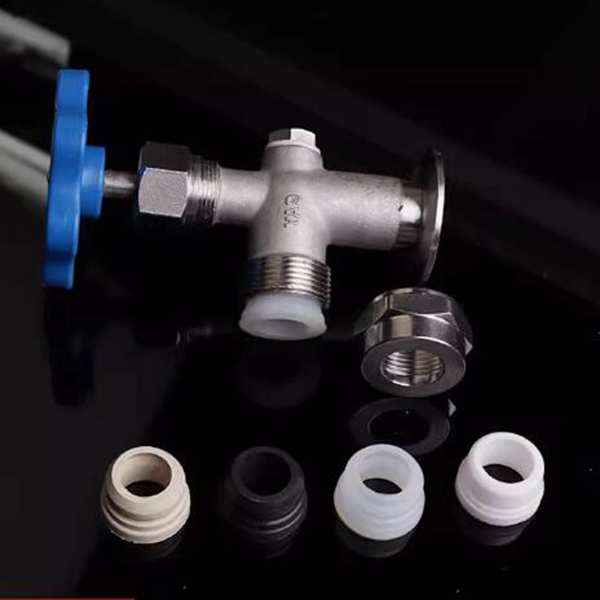
Suzhou Baoshida Trading Co., Ltd. maintains a robust engineering infrastructure specifically tailored to meet the demanding requirements of industrial rubber component manufacturing, particularly for precision applications such as level gages. Our in-house engineering team comprises five dedicated mould designers and two specialized rubber formulation engineers, enabling us to deliver fully integrated OEM solutions from concept to production. This multidisciplinary team operates at the intersection of material science and precision tooling, ensuring that every component meets exact functional, environmental, and durability specifications.
Our mould engineers utilize advanced CAD/CAM systems and finite element analysis (FEA) to design high-precision steel and aluminum tooling optimized for complex rubber geometries. With extensive experience in multi-cavity, hot-runner, and insert moulding techniques, they ensure consistent part quality, tight dimensional tolerances (±0.05 mm), and efficient cycle times. Each mould design undergoes rigorous simulation for flow, cooling, and ejection dynamics, minimizing prototyping iterations and accelerating time-to-market for our clients.
Complementing this capability are our two senior rubber formula engineers, who specialize in developing custom elastomer compounds for challenging operating environments. Whether the application demands resistance to high temperature, aggressive chemicals, steam, or cyclic compression, our formulation team tailors compound recipes using EPDM, NBR, silicone, FKM, and other specialty rubbers. These formulations are validated through accelerated aging, compression set testing, and fluid immersion protocols in accordance with ASTM and ISO standards. This ensures that the final product maintains sealing integrity and mechanical performance over extended service life.
Our OEM capabilities are structured to support full turnkey manufacturing. We engage with clients early in the design phase to conduct Design for Manufacturability (DFM) reviews, material selection guidance, and risk assessment (FMEA). This proactive engineering collaboration reduces development costs and mitigates production risks. Once validated, components are produced under ISO 9001-certified processes with full traceability, including batch-specific cure, hardness, and tensile records.
The following table outlines key engineering and material specifications we support for level gage sealing components:
| Parameter | Capability |
|---|---|
| Mould Tolerance | ±0.05 mm |
| Rubber Hardness Range | 40 to 90 Shore A |
| Operating Temperature Range | -40°C to +250°C (depending on compound) |
| Compression Set (ASTM D395) | ≤25% at 70 hrs, 100°C (typical for NBR) |
| Fluid Resistance | Oil, water, steam, acids, alkalis, fuels |
| Lead Time (Prototype Mould) | 15–25 days |
| Production Capacity | Up to 500,000 units/month |
By integrating precision tooling expertise with advanced rubber chemistry, Suzhou Baoshida delivers engineered sealing solutions that meet the exacting demands of industrial instrumentation, including level gages used in petrochemical, power generation, and process control systems. Our engineering team remains available for technical consultation and co-development to ensure optimal performance in every application.
Customization Process
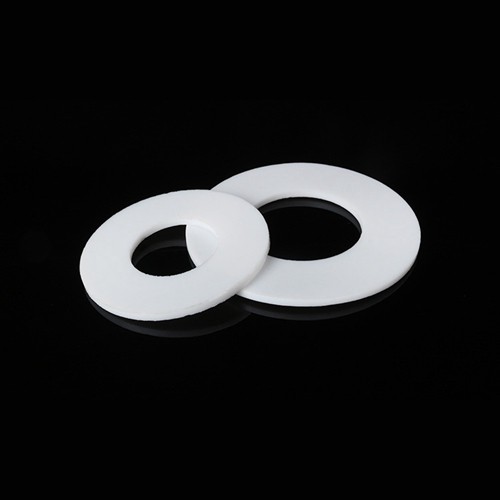
Customization Process for Industrial Level Gage Sealing Components
Precision level gage manufacturing demands rigorous material and dimensional validation to ensure operational integrity in demanding industrial environments. At Suzhou Baoshida Trading Co., Ltd., our OEM customization process begins with comprehensive Drawing Analysis. Engineering teams dissect client-provided technical schematics, focusing on geometric dimensioning and tolerancing (GD&T), surface finish requirements, and critical sealing interfaces. We cross-reference ISO 2768-mK standards for general tolerances and verify compatibility with fluid media, pressure differentials, and temperature extremes specified in the application. This phase identifies potential design conflicts early, such as insufficient compression zones or incompatible material extrusion risks under pressure.
Subsequent Formulation leverages our proprietary rubber compound database to engineer bespoke elastomer solutions. Material selection is dictated by chemical exposure (e.g., hydrocarbons, acids, steam), thermal cycling ranges, and mechanical stress profiles. For instance, EPDM excels in hot water/steam applications, while FKM provides superior resistance to aggressive solvents. Each formulation undergoes iterative computational modeling to optimize cure kinetics, compression set resistance (<20% per ASTM D395), and tensile strength. Critical parameters like Shore A hardness (typically 60–80) and elongation at break (>250%) are precisely calibrated to prevent seal extrusion or premature fatigue.
| Compound Type | Temperature Range (°C) | Key Chemical Resistance | Typical Hardness (Shore A) | Compression Set (24h, 150°C) |
|---|---|---|---|---|
| EPDM | -50 to +150 | Steam, Alkalis, Ketones | 65–75 | ≤15% |
| NBR | -30 to +100 | Oils, Fuels, Aliphatics | 70–80 | ≤25% |
| FKM | -20 to +230 | Aromatics, Acids, Ozone | 70–85 | ≤20% |
Prototyping follows strict ASTM D2000 quality guidelines. We produce 3–5 functional samples using client-approved tooling, subjecting them to accelerated life testing in simulated operational conditions. Performance metrics include leak rate validation (<1×10⁻⁶ mbar·L/s via helium mass spectrometry), dynamic compression testing over 10,000 cycles, and post-exposure dimensional stability checks. Client feedback on prototype performance triggers micro-adjustments to compound viscosity or cure time before final sign-off.
Mass Production integrates real-time statistical process control (SPC) with full material traceability. Each batch undergoes in-line monitoring of cure temperature (±2°C tolerance), durometer consistency (±3 Shore A points), and visual defect screening per ISO 3302-1. Raw materials carry lot-specific certificates of conformance, while finished components are packaged in anti-static, humidity-controlled containers. Our ISO 9001-certified facility maintains production records for 10+ years, enabling rapid root-cause analysis if field issues arise. This end-to-end rigor ensures level gage seals deliver >99.5% uptime in critical applications across petrochemical, power generation, and pharmaceutical sectors.
Suzhou Baoshida’s process eliminates guesswork through data-driven material science and OEM collaboration, transforming technical drawings into field-proven sealing solutions.
Contact Engineering Team
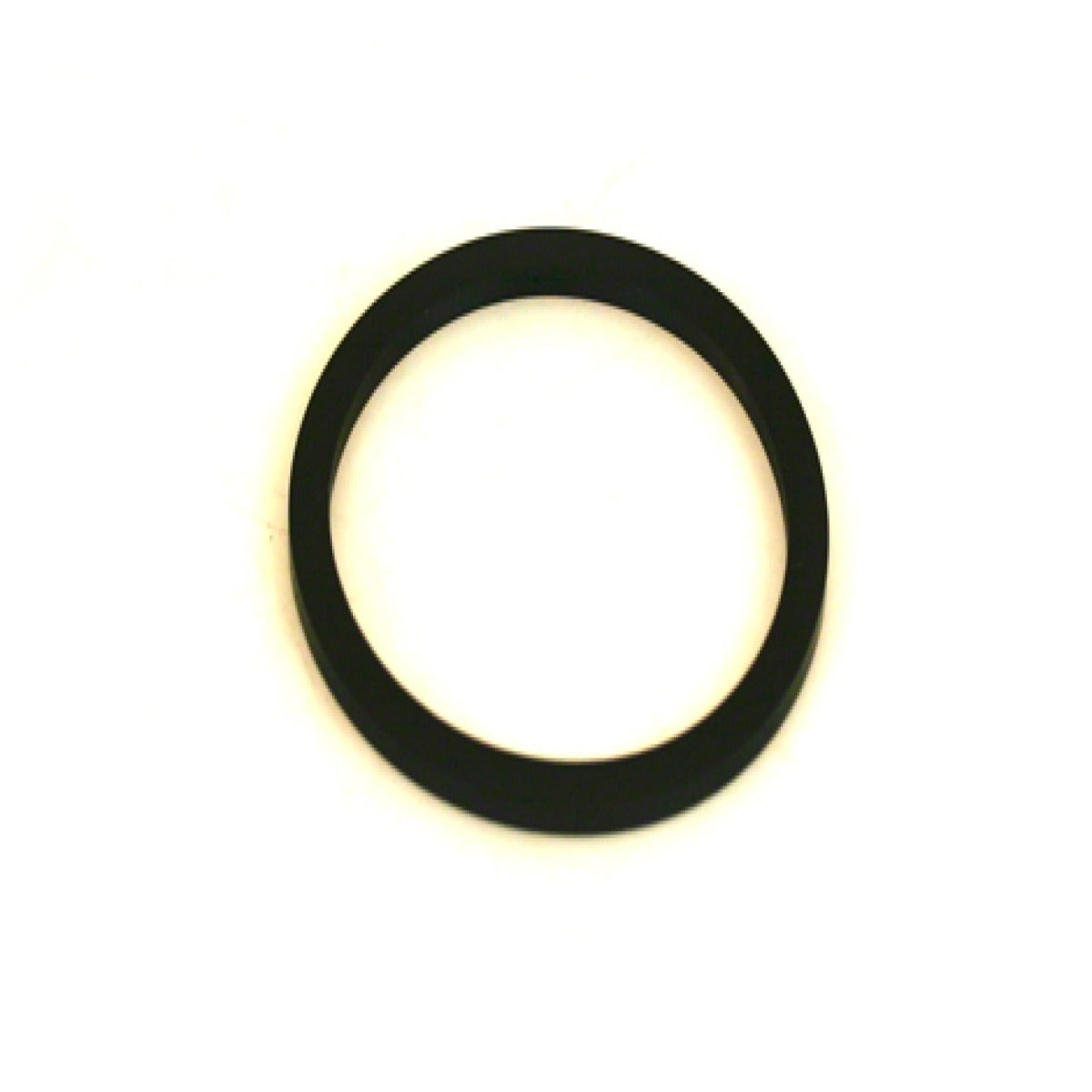
Contact Suzhou Baoshida for Premium Level Gage Rubber Components
At Suzhou Baoshida Trading Co., Ltd., we specialize in high-performance industrial rubber solutions engineered for precision, durability, and reliability in demanding environments. As a trusted OEM partner in the field of industrial instrumentation, we provide customized rubber components for level gages used across oil & gas, chemical processing, power generation, and marine industries. Our expertise lies in formulating elastomers that withstand extreme temperatures, aggressive media, and continuous mechanical stress—ensuring long-term sealing integrity and operational safety.
If your application requires resilient diaphragms, seals, or gaskets tailored to level gage systems, our engineering team is ready to support you. We work closely with manufacturers and system integrators to deliver rubber parts that meet exact dimensional, chemical, and performance specifications. Whether you are replacing legacy components, scaling production, or developing next-generation instrumentation, Suzhou Baoshida offers the material science insight and manufacturing precision to exceed your expectations.
Our formulations include Nitrile (NBR), Fluorocarbon (FKM/Viton®), Ethylene Propylene (EPDM), Silicone (VMQ), and specialty compounds such as hydrogenated nitrile (HNBR) and perfluoroelastomers (FFKM). Each compound is rigorously tested for compression set, tensile strength, hardness, and fluid resistance according to ASTM and ISO standards. We also offer custom durometer ratings, color coding, and FDA/USP Class VI compliance for regulated environments.
To ensure seamless integration, we maintain strict process controls across molding, curing, and post-processing stages. All components are subject to 100% visual inspection and batch traceability. Our facility operates under ISO 9001-certified quality management protocols, supporting consistent delivery for both prototyping and high-volume production runs.
Below is a representative specification table for commonly requested rubber materials used in level gage applications:
| Material | Temperature Range (°C) | Hardness (Shore A) | Key Resistance Properties | Typical Applications |
|---|---|---|---|---|
| NBR | -30 to +100 | 60–90 | Oil, fuel, water, aliphatic hydrocarbons | General-purpose level gages |
| FKM (Viton®) | -20 to +200 | 70–90 | Aromatic hydrocarbons, acids, steam, ozone | High-temperature chemical service |
| EPDM | -50 to +150 | 50–80 | Steam, water, alkalis, ketones, oxygenated solvents | Water treatment and HVAC systems |
| HNBR | -40 to +150 | 60–90 | Enhanced oil, heat, and abrasion resistance | Offshore and subsea instrumentation |
| Silicone (VMQ) | -60 to +200 | 40–80 | Extreme low/high temp, UV, ozone | Aerospace and sanitary systems |
For technical consultation or custom formulation development, contact Mr. Boyce, OEM Manager at Suzhou Baoshida Trading Co., Ltd. Direct your inquiries to [email protected]. Include your application details, performance requirements, and preferred materials to receive a prompt, engineered response. We support global sourcing with reliable lead times, competitive pricing, and full documentation packages including material certifications and test reports.
Partner with us to enhance the reliability and service life of your level gage systems through advanced rubber technology.
⚖️ O-Ring Weight Calculator
Estimate rubber O-ring weight (Approx).