
Technical Contents
Engineering Guide: Level Gauge Tank
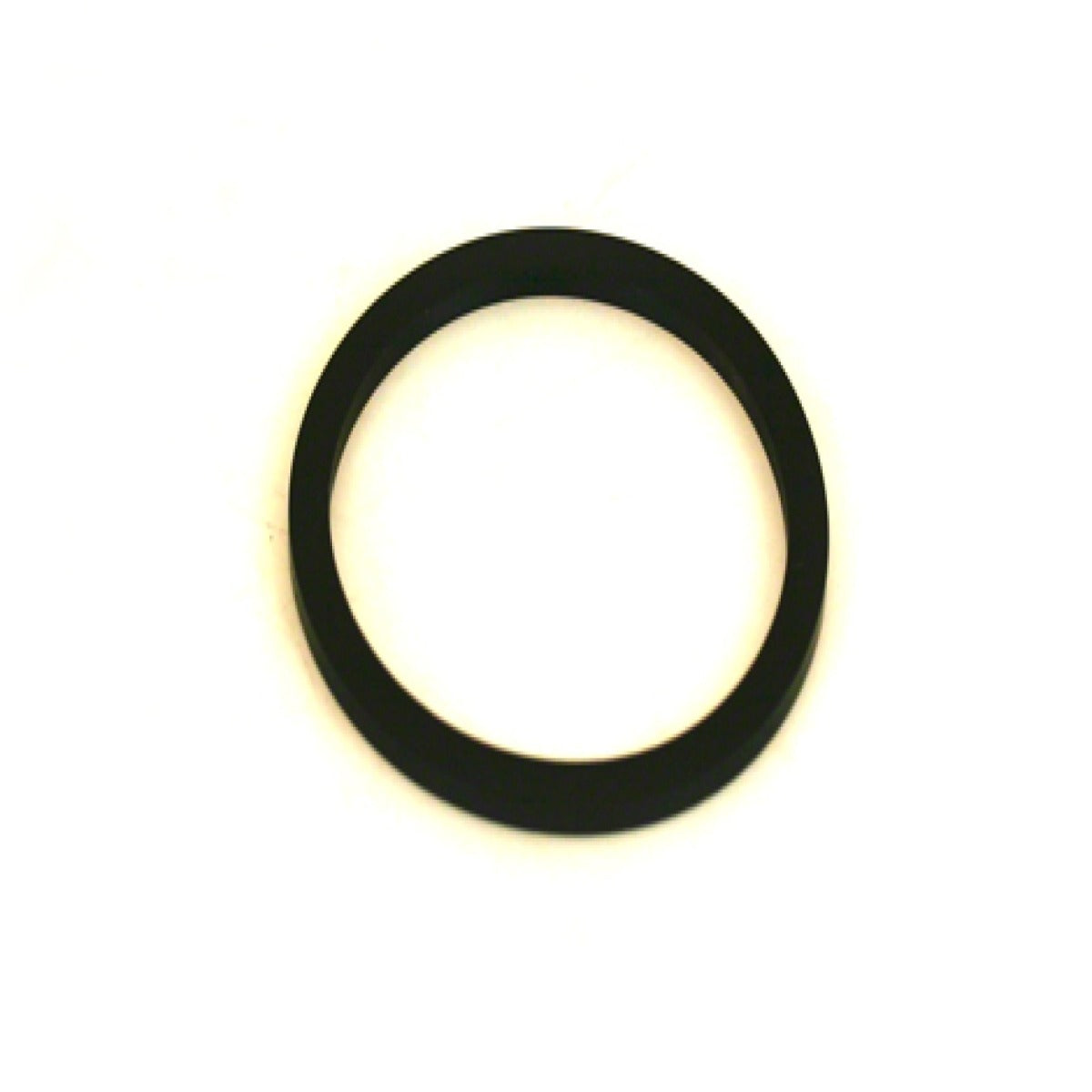
Engineering Insight: Material Selection in Level Gauge Tank Applications
In industrial fluid containment systems, the level gauge tank serves as a critical interface for monitoring liquid volumes under dynamic operating conditions. While often perceived as a simple auxiliary component, its performance is profoundly influenced by material selection—particularly when elastomeric seals, gaskets, or diaphragms are involved. At Suzhou Baoshida Trading Co., Ltd., we emphasize that off-the-shelf rubber components frequently fail in level gauge applications due to inadequate compatibility with chemical, thermal, and mechanical stressors present in real-world environments.
Standard rubber formulations, such as generic NBR or EPDM, may appear cost-effective initially but often lack the tailored resistance required for sustained performance. For instance, exposure to aromatic hydrocarbons, strong acids, or polar solvents can induce swelling, embrittlement, or complete degradation of non-optimized elastomers. Additionally, temperature fluctuations—common in outdoor or process-intensive settings—accelerate aging in materials not engineered for thermal stability. These factors compromise sealing integrity, leading to inaccurate level readings, leakage, or catastrophic failure.
The root cause of premature failure lies in the assumption that all rubber materials behave similarly under stress. In reality, polymer chain structure, crosslink density, and additive packages must be precisely calibrated to the service environment. Fluorocarbon rubber (FKM), for example, offers superior resistance to oils, fuels, and high temperatures, making it ideal for petrochemical applications. Conversely, peroxide-cured EPDM demonstrates enhanced steam and ozone resistance, suitable for power generation or HVAC systems involving hot water tanks.
Custom material engineering allows for optimization of compression set resistance, tensile strength, and low-temperature flexibility—properties directly impacting the longevity and reliability of level gauge seals. At Baoshida, we leverage OEM-grade compound development to match rubber performance with application-specific demands, ensuring dimensional stability and consistent sealing force over thousands of cycles.
Below is a comparative analysis of common elastomers used in level gauge tank sealing applications:
| Material | Temperature Range (°C) | Key Chemical Resistances | Common Failure Modes in Mismatched Applications |
|---|---|---|---|
| NBR (Nitrile) | -30 to +100 | Aliphatic oils, water, hydraulic fluids | Swelling in aromatic solvents, degradation above 100°C |
| EPDM | -50 to +150 | Steam, water, alkalis, oxygenated solvents | Poor resistance to hydrocarbons, mineral oils |
| FKM (Viton®) | -20 to +200 | Aromatic fuels, acids, chlorinated solvents | High cost, poor low-temperature flexibility |
| Silicone (VMQ) | -60 to +180 | Oxidation, UV, ozone | Low mechanical strength, poor resistance to fuels |
Material selection is not a one-size-fits-all proposition. The integration of application-specific rubber compounds ensures operational safety, regulatory compliance, and reduced maintenance downtime. Off-the-shelf solutions, while expedient, often overlook these nuances—resulting in hidden costs far exceeding initial savings. Through precision material engineering, Suzhou Baoshida delivers industrial rubber solutions that align with the exacting demands of modern level gauge tank systems.
Material Specifications
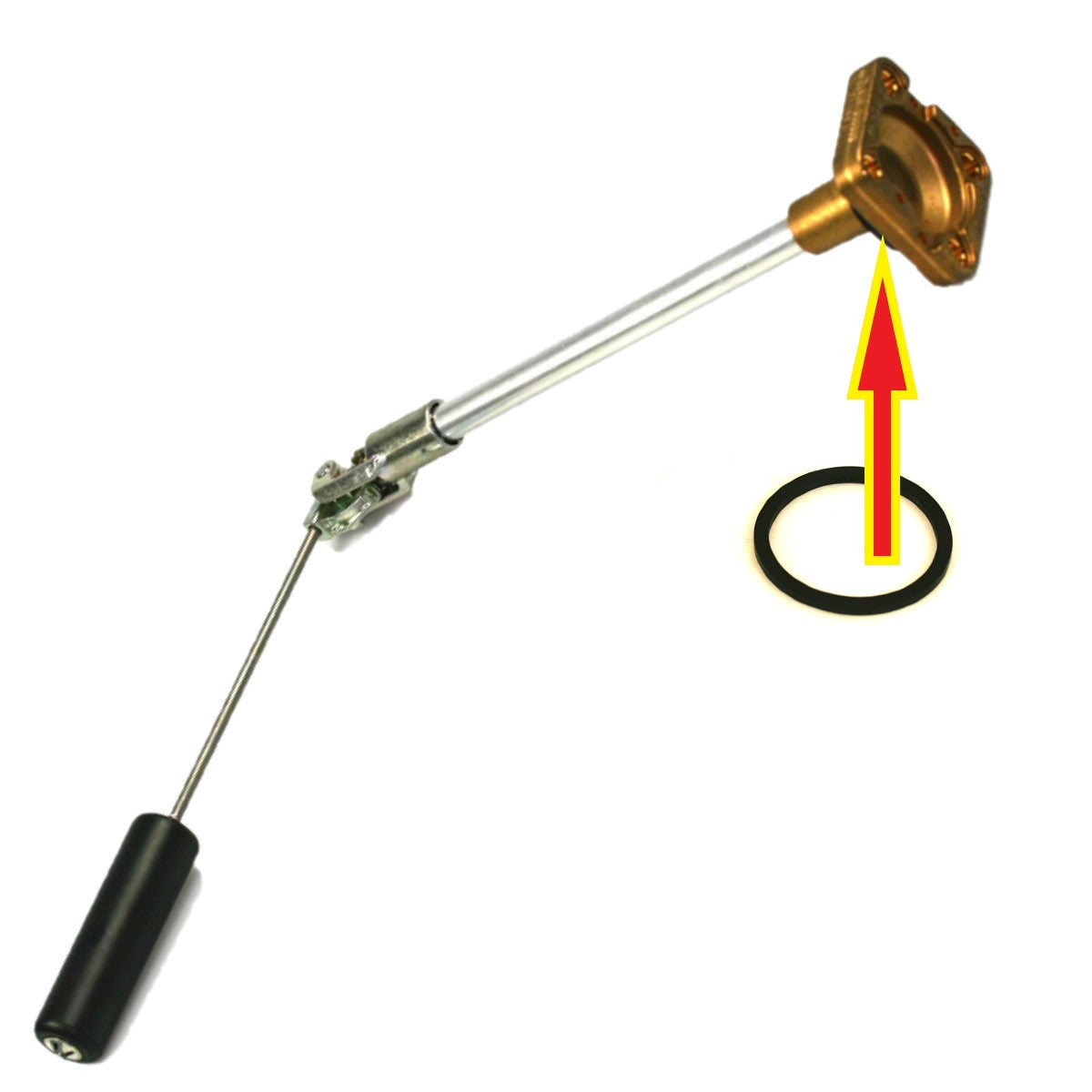
Material Specifications for Level Gauge Tank Sealing Components
Selecting optimal elastomeric materials for level gauge tank sealing components is critical to ensuring operational integrity, longevity, and safety in industrial fluid monitoring systems. At Suzhou Baoshida Trading Co., Ltd., we prioritize material science precision to address challenges such as chemical exposure, thermal cycling, pressure differentials, and mechanical stress. Our engineered rubber solutions for level gauge applications focus on three industry-proven elastomers: Viton (FKM), Nitrile (NBR), and Silicone (VMQ). Each material offers distinct advantages tailored to specific environmental conditions, with formulations rigorously validated per ASTM D2000 and ISO 3601 standards.
Viton fluorocarbon rubber delivers exceptional resistance to aggressive chemicals, including hydrocarbons, acids, and high-temperature oils, making it ideal for petrochemical and refinery applications. Its operational range spans -20°C to +230°C, with short-term excursions up to 300°C. Viton maintains sealing integrity under cyclic stress and exhibits low gas permeability, crucial for volatile liquid containment. Nitrile butadiene rubber provides cost-effective resilience against petroleum-based fluids, hydraulic oils, and water, with a temperature tolerance of -40°C to +120°C. Custom formulations enhance ozone resistance and reduce compression set, particularly for dynamic seals in fuel storage tanks. Silicone rubber excels in extreme-temperature scenarios (-60°C to +200°C) and meets FDA/USP Class VI requirements for food, pharmaceutical, and cryogenic applications. While limited in hydrocarbon resistance, its inertness and flexibility at low temperatures ensure reliable performance in sanitary or ultra-low-temperature level gauges.
The comparative analysis below details key material properties for informed selection:
| Property | Viton (FKM) | Nitrile (NBR) | Silicone (VMQ) |
|---|---|---|---|
| Temperature Range | -20°C to +230°C | -40°C to +120°C | -60°C to +200°C |
| Chemical Resistance | Excellent (acids, fuels, oils) | Good (oils, water, alcohols) | Poor (oils), Excellent (water, ozone) |
| Compression Set (ASTM D395) | ≤20% (24h @ 150°C) | ≤25% (24h @ 100°C) | ≤20% (24h @ 150°C) |
| Hardness Range (Shore A) | 60–90 | 50–90 | 30–80 |
| Key Applications | Refineries, chemical processing | Fuel tanks, hydraulic systems | Food processing, cryogenics |
Material selection must align with fluid compatibility, regulatory requirements, and mechanical design parameters. For instance, Nitrile remains the standard for cost-sensitive oil storage tanks, while Viton is non-negotiable for aromatic hydrocarbon exposure. Silicone’s biocompatibility suits biopharmaceutical level monitoring but requires protective barriers in oil-rich environments. Suzhou Baoshida’s OEM partnership model includes collaborative formulation refinement, leveraging in-house testing for compression set, fluid immersion, and thermal aging per client-specific duty cycles. Our technical team provides full material traceability and batch certification to ensure compliance with ISO 9001 and industry-specific mandates.
Final material validation requires prototyping under actual service conditions. We recommend accelerated life testing for critical installations to quantify seal degradation rates and preempt field failures. Partner with Suzhou Baoshida to transform material specifications into engineered reliability for your level gauge systems.
Manufacturing Capabilities
Engineering Capability
At Suzhou Baoshida Trading Co., Ltd., our engineering capabilities are anchored in deep technical expertise and precision-driven execution, specifically tailored to meet the demanding requirements of industrial rubber applications such as level gauge tanks. Our in-house engineering team comprises five dedicated mould engineers and two specialized rubber formula engineers, enabling us to deliver fully integrated OEM solutions from concept to production. This multidisciplinary structure ensures that both the physical design and material science aspects of each component are optimized for performance, durability, and compatibility with operational environments.
Our mould engineers specialize in precision tooling design for complex rubber components used in fluid measurement and containment systems. Leveraging advanced CAD/CAM software and decades of cumulative experience in rubber compression and transfer moulding, they develop robust, high-tolerance moulds that ensure consistent part geometry, sealing integrity, and dimensional stability. Each mould is rigorously tested and fine-tuned to accommodate material shrinkage, parting line accuracy, and ejection efficiency—critical factors in producing reliable level gauge tank seals, gaskets, and sensor housings.
Complementing this capability are our two in-house rubber formulation engineers, who focus exclusively on developing custom elastomer compounds tailored to specific chemical, thermal, and mechanical demands. Whether the application involves exposure to aggressive fuels, high-pressure steam, or fluctuating temperature ranges, our formula engineers design rubber materials with targeted resistance profiles. We routinely work with NBR, EPDM, FKM, silicone, and specialty blends, adjusting hardness, compression set, tensile strength, and fluid resistance to match OEM specifications. This control over material formulation allows us to exceed industry standards such as ASTM D2000 and ISO 3302.
Our OEM capabilities extend beyond component replication to full collaborative development. Customers provide performance requirements or application conditions, and our team responds with engineered solutions that integrate material selection, mould design, and process validation. This vertical integration reduces lead times, ensures IP confidentiality, and enables rapid prototyping and iterative testing.
The following table outlines key engineering specifications we support for level gauge tank applications:
| Parameter | Capability | Standard Compliance |
|---|---|---|
| Hardness Range (Shore A) | 40–90 | ASTM D2240 |
| Temperature Resistance | -40°C to +250°C (depending on compound) | ISO 1817 |
| Tensile Strength | Up to 25 MPa | ASTM D412 |
| Elongation at Break | Up to 500% | ASTM D412 |
| Fluid Resistance | Custom formulations for fuels, oils, water, acids, steam | ASTM D471 |
| Mould Tolerance | ±0.1 mm | ISO 3302 Class M2 |
| Production Lead Time (Prototype) | 15–25 days | — |
By combining advanced rubber chemistry with precision mould engineering, Suzhou Baoshida Trading Co., Ltd. delivers technically superior, application-specific solutions for level gauge tank systems in industrial, automotive, and energy sectors.
Customization Process
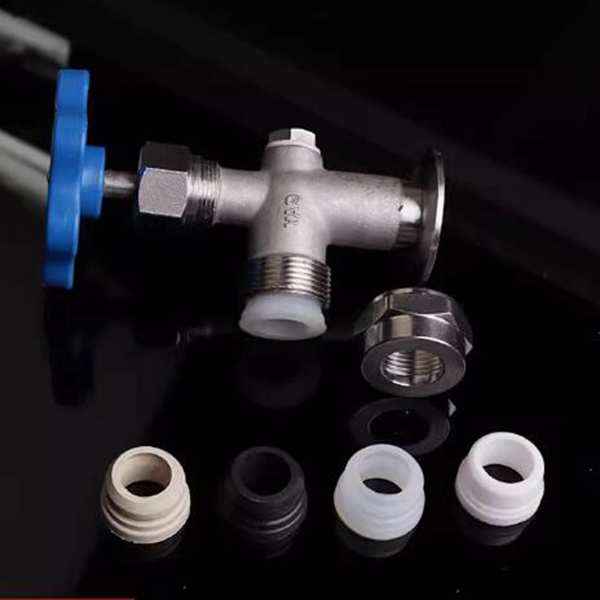
Customization Process for Industrial Level Gauge Tank Components
At Suzhou Baoshida Trading Co., Ltd., our customization process for level gauge tank sealing components integrates material science with precision manufacturing to ensure optimal performance in demanding industrial environments. This structured methodology guarantees compliance with OEM specifications while mitigating operational risks.
Drawing Analysis
Initial engagement begins with rigorous technical drawing review. Our engineering team validates dimensional tolerances, surface finish requirements, and interface geometry against fluid dynamics and pressure containment standards. Critical parameters such as flange alignment, groove dimensions, and compression set limits are cross-referenced with ASME B16.5 and ISO 5208. We identify potential stress concentration zones and material incompatibility risks early, ensuring the design accommodates thermal expansion coefficients and dynamic load conditions inherent in level gauge applications.
Formulation Development
Based on fluid exposure analysis (e.g., hydrocarbons, acids, or steam), we select base polymers and compounding additives. Our proprietary rubber formulations prioritize resilience under cyclic pressure and temperature extremes. Key considerations include compression set resistance below 20% at 150°C, Shore A hardness stability within ±5 points across -40°C to +200°C, and permeation rates compliant with API 600. The table below summarizes standard material options:
| Material Type | Temperature Range (°C) | Key Chemical Resistance | Tensile Strength (MPa) | Compression Set (22h/150°C) |
|---|---|---|---|---|
| FKM (Viton®) | -20 to +230 | Aromatics, Acids, Steam | ≥15.0 | ≤25% |
| EPDM | -50 to +150 | Water, Alkalis, Ketones | ≥10.0 | ≤18% |
| NBR | -30 to +120 | Oils, Fuels | ≥12.0 | ≤22% |
| FFKM | -15 to +325 | Aggressive Solvents | ≥8.0 | ≤15% |
Prototyping and Validation
Pre-production samples undergo accelerated life testing per ASTM D2000 standards. Each prototype is subjected to 10,000+ pressure cycles at 1.5x operating pressure, thermal shock from -40°C to +180°C, and chemical immersion for 720 hours. Dimensional verification via CMM ensures tolerances remain within ±0.05mm. We provide clients with full material traceability reports, including cure kinetics data and FTIR validation of polymer integrity.
Mass Production Execution
Upon approval, we transition to ISO 13485-certified production lines with real-time SPC monitoring. Each batch undergoes 100% visual inspection and random destructive testing for durometer, tensile strength, and fluid resistance. Barcoded traceability links every component to its specific formulation batch, curing profile, and quality documentation. Our automated molding systems maintain cavity pressure consistency within ±0.5 bar, ensuring uniform crosslink density. Final shipment includes third-party test certificates and compatibility validation against the client’s fluid media.
This end-to-end process eliminates field failure risks by embedding material science rigor into every phase. Suzhou Baoshida delivers not just components, but engineered solutions validated for the lifecycle demands of industrial level gauge systems.
Contact Engineering Team
For industrial manufacturers seeking precision-engineered rubber components for level gauge tanks, Suzhou Baoshida Trading Co., Ltd. delivers advanced material solutions tailored to demanding operational environments. As a specialized provider in industrial rubber technology, we focus on delivering sealing, damping, and protective components that ensure the long-term reliability and safety of fluid measurement systems. Our expertise spans custom formulation, dimensional accuracy, and chemical resistance — critical factors in maintaining system integrity under fluctuating pressure, temperature, and media exposure.
Level gauge tanks require dependable elastomeric seals and gaskets to prevent leakage, resist degradation from aggressive liquids, and maintain visibility through consistent interface performance. At Suzhou Baoshida, we develop rubber compounds using EPDM, NBR, silicone, FKM (Viton®), and other specialty polymers engineered for compatibility with fuels, water, acids, oils, and steam. Each component is manufactured under strict ISO-compliant processes, ensuring repeatability, durability, and adherence to OEM specifications. Whether your application involves high-pressure sight glasses, magnetic float systems, or reflex level indicators, our technical team collaborates directly with engineers to optimize material selection and design parameters.
We understand that downtime and seal failure carry significant cost implications. That is why our rubber solutions for level gauge assemblies are tested for compression set, tensile strength, hardness (Shore A), and fluid immersion resistance according to ASTM and DIN standards. Our production capabilities include precision molding, extrusion, and die-cutting, enabling us to supply custom seals, O-rings, window gaskets, and buffer pads in both prototype and high-volume quantities.
Below are typical material specifications for common industrial applications:
| Material | Temperature Range (°C) | Hardness (Shore A) | Key Resistance Properties | Common Use Cases |
|---|---|---|---|---|
| NBR (Nitrile) | -30 to +100 (up to +125 intermittent) | 50–90 | Oil, fuel, water, hydraulic fluids | Fuel level indicators, industrial tanks |
| EPDM | -50 to +150 | 50–80 | Steam, water, ozone, alkalis | Boiler level gauges, cooling systems |
| FKM (Viton®) | -20 to +200 (up to +250 short-term) | 60–90 | Aromatic hydrocarbons, acids, jet fuel | Chemical processing, petrochemical tanks |
| Silicone | -60 to +200 | 40–80 | Extreme temperatures, UV, ozone | High-temp sight glasses, food-grade tanks |
To ensure seamless integration into your manufacturing workflow, we offer full technical documentation, material certifications (including FDA and ROHS where applicable), and rapid sample turnaround. Our global supply network supports reliable delivery to OEMs and tier suppliers across Asia, Europe, and North America.
For direct technical consultation or to request material samples and quotes, contact Mr. Boyce at [email protected]. Mr. Boyce leads our OEM solutions division and specializes in custom elastomer applications for fluid control systems. Please include your application details, performance requirements, and preferred materials to expedite evaluation. At Suzhou Baoshida, we are committed to advancing industrial performance through precision rubber engineering — let us support your next generation of level gauge tank systems.
⚖️ O-Ring Weight Calculator
Estimate rubber O-ring weight (Approx).