
Technical Contents
Engineering Guide: Liquid Latex Synthetic Rubber
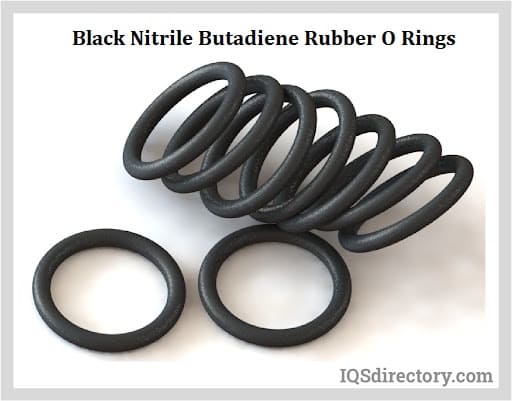
Engineering Insight: The Critical Role of Material Selection in Liquid Latex Synthetic Rubber Applications
In industrial rubber manufacturing, the selection of liquid latex synthetic rubber is not a generic procurement decision—it is a precision engineering requirement. Off-the-shelf formulations often fail under real-world operational conditions because they are designed for broad compatibility rather than targeted performance. At Suzhou Baoshida Trading Co., Ltd., we emphasize that material selection must align with the chemical, thermal, mechanical, and environmental demands of the end application. A mismatch—even in minor compositional parameters—can result in premature degradation, loss of elasticity, or catastrophic seal failure.
Liquid latex synthetic rubber, unlike natural latex, is engineered for enhanced stability, resistance to oxidation, and consistency in polymer chain structure. However, not all synthetic variants are equivalent. Variants such as styrene-butadiene latex (SBR), nitrile latex (NBR), and chloroprene latex (CR) each possess distinct molecular architectures that dictate their performance envelope. For example, NBR-based liquid latex excels in oil and fuel resistance, making it ideal for automotive gaskets, while CR variants offer superior flame and weather resistance, critical in outdoor infrastructure seals. Selecting a standard-grade SBR for an oil-exposed environment leads to swelling and mechanical breakdown within weeks.
Moreover, processing conditions significantly influence material behavior. Factors such as coagulation rate, viscosity profile, and curing temperature must be matched to production line parameters. Off-the-shelf products often lack the rheological tuning required for automated dip-molding or precision coating systems, resulting in inconsistent film formation or pinhole defects. Custom-formulated liquid latex ensures optimal flow, adhesion, and vulcanization kinetics, directly impacting product yield and reliability.
Equally important is long-term environmental exposure. UV radiation, ozone concentration, and thermal cycling can accelerate polymer chain scission in inadequately stabilized formulations. Standard products may omit advanced stabilizer packages to reduce cost, compromising service life. In contrast, engineered solutions incorporate synergistic antioxidant and antiozonant systems that extend functional durability in harsh climates.
The table below outlines key performance characteristics of common liquid latex synthetic rubber types:
| Property | SBR Latex | NBR Latex | CR Latex | HNBR Latex |
|---|---|---|---|---|
| Tensile Strength (MPa) | 18–22 | 20–25 | 22–28 | 26–30 |
| Elongation at Break (%) | 550–650 | 500–600 | 600–700 | 550–650 |
| Heat Resistance (°C) | 100 | 120 | 115 | 150 |
| Oil Resistance | Low | High | Medium | Very High |
| Ozone Resistance | Poor | Medium | High | High |
| Typical Applications | Gloves, adhesives | Fuel hoses, seals | Outdoor cables, seals | High-performance seals, automotive |
Material selection is not a compromise between cost and performance—it is a strategic alignment of polymer science with engineering intent. At Suzhou Baoshida Trading Co., Ltd., we provide application-specific liquid latex synthetic rubber formulations that ensure operational integrity, longevity, and compliance with industrial standards. Off-the-shelf solutions may offer short-term savings, but only engineered materials deliver sustainable value.
Material Specifications
Material Specifications: Industrial Synthetic Rubber Selection Guide
Suzhou Baoshida Trading Co., Ltd. clarifies a critical industry distinction: liquid latex refers to natural rubber emulsions, whereas Viton, Nitrile (NBR), and Silicone represent synthetic elastomers engineered for superior performance in demanding industrial applications. Liquid latex lacks the thermal stability, chemical resistance, and longevity required for OEM sealing, gasketing, or fluid handling systems. Our technical focus prioritizes synthetics that meet stringent manufacturing tolerances and environmental exposure criteria. Below we detail the core specifications of Viton, Nitrile, and Silicone—materials forming the backbone of modern industrial rubber solutions. Each offers distinct advantages dictated by polymer chemistry, curing systems, and additive formulations.
The comparative analysis below adheres to ASTM D2000 and ISO 37 standards for physical properties, with chemical resistance ratings based on 72-hour immersion tests at 23°C. Temperature ranges reflect continuous service limits for dynamic applications; intermittent exposure may extend margins by 15–20°C. All materials are available in liquid injection molding (LIM) grades for precision OEM manufacturing, ensuring minimal flash and consistent durometer control.
| Material | Base Polymer | Temp Range (°C) | Key Resistances | Critical Limitations | Typical OEM Applications |
|---|---|---|---|---|---|
| Viton (FKM) | Fluoroelastomer | -20 to +230 | Fuels, oils, acids, ozone, plasma | Poor ketone/amine resistance; high cost | Aerospace seals, chemical pump diaphragms, semiconductor tooling |
| Nitrile (NBR) | Acrylonitrile-Butadiene | -40 to +120 | Aliphatic hydrocarbons, water, hydraulic fluids | Swells in esters/aromatics; limited ozone resistance | Automotive O-rings, fuel hoses, printing rolls |
| Silicone (VMQ) | Polysiloxane | -60 to +200 | Extreme temps, ozone, UV, steam, biocompatibility | Low tensile strength; poor fuel resistance | Medical tubing, food-grade gaskets, LED encapsulation |
Viton’s fluorine content provides unmatched resilience against aggressive chemicals and high-temperature degradation, making it indispensable for critical fluid systems in energy and semiconductor sectors. However, its formulation complexity necessitates precise catalyst control during curing—a process Suzhou Baoshida optimizes via proprietary peroxide systems. Nitrile balances cost efficiency with robust resistance to petroleum derivatives, though its acrylonitrile ratio (typically 33–50%) must be calibrated for specific fuel compatibility; we recommend 40–45% ACN for biodiesel exposure. Silicone excels in thermal stability and biocompatibility but requires reinforcement with fumed silica to achieve mechanical integrity for dynamic seals.
OEM selection hinges on fluid compatibility matrices and dynamic stress requirements. For instance, NBR suffices for standard hydraulic systems but fails in phosphate-ester brake fluids—where Viton is mandatory. Silicone’s low compression set suits static seals but demands design compensation for low tear strength in dynamic roles. Suzhou Baoshida’s engineering team provides custom compound validation through SAE J200 protocol testing, ensuring material alignment with your operational lifecycle demands. Always consult chemical resistance charts for specific media, as additive packages significantly alter performance boundaries in production-grade formulations.
Manufacturing Capabilities
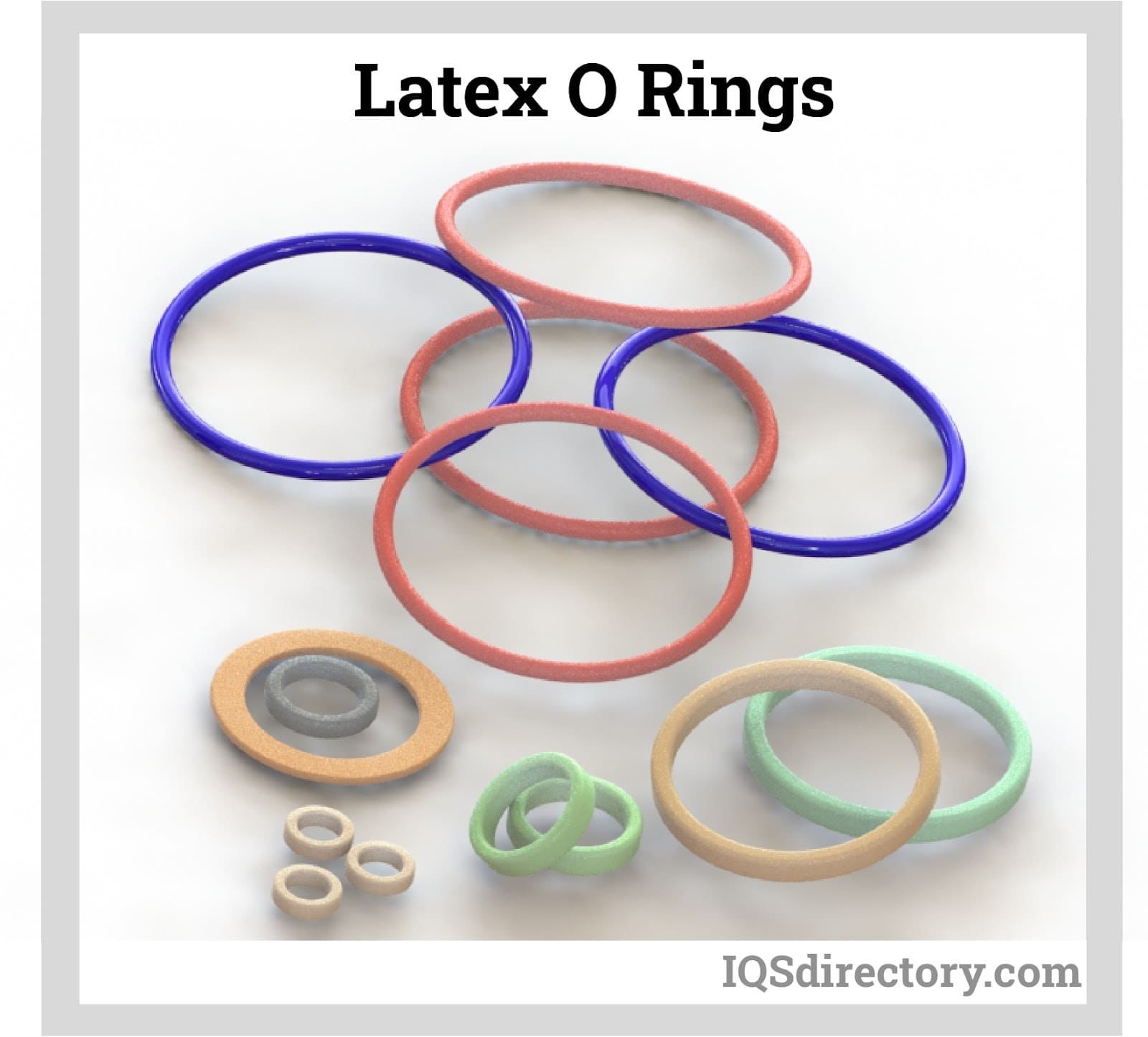
Engineering Capability: Advanced Development in Liquid Latex Synthetic Rubber
At Suzhou Baoshida Trading Co., Ltd., our engineering capability in liquid latex synthetic rubber is anchored in a disciplined integration of material science, precision molding, and OEM-focused development. With a dedicated team comprising five professional mold engineers and two specialized rubber formula engineers, we deliver technically robust, application-specific solutions for industrial clients across automotive, medical, and consumer goods sectors. Our dual-engineering structure ensures that both material composition and production tooling are optimized in parallel, reducing development cycles and enhancing product reliability.
Our formula engineers possess advanced expertise in synthetic latex polymer systems, including styrene-butadiene rubber (SBR), nitrile butadiene rubber (NBR), and carboxylated variants. They focus on customizing cure kinetics, tensile strength, elongation at break, and resistance to oils, heat, and ozone. By adjusting emulsifier systems, crosslinking agents, and stabilizers, we tailor formulations to meet exact performance thresholds. This scientific approach enables us to produce liquid latex compounds that exhibit superior adhesion, film formation, and mechanical consistency—critical for dip-molded and coating applications.
Complementing this, our five mold engineers specialize in precision tooling for liquid rubber processing, including dip molding, casting, and precision dispensing systems. They utilize CAD/CAM software and CNC-machined stainless steel or ceramic mandrels to ensure dimensional accuracy and surface finish repeatability. Their designs incorporate thermal management features and optimized release geometries, which are essential for high-yield production of thin-walled or complex-profile components.
Our integrated OEM development process begins with client specifications and progresses through rapid prototyping, DfM (Design for Manufacturing) validation, and small-batch trials. This agile workflow supports fast iteration and compliance with international standards such as ISO 9001 and FDA 21 CFR for medical-grade materials. We maintain full traceability from raw material sourcing to final product testing, ensuring consistency across production batches.
The synergy between formulation and mold engineering allows us to solve complex challenges—such as minimizing die swell in extruded latex profiles or enhancing demolding efficiency in high-volume glove manufacturing. This cross-functional collaboration is a cornerstone of our technical differentiation in the industrial rubber market.
Below is a representative performance specification of our standard liquid latex synthetic rubber formulation:
| Property | Test Method | Typical Value |
|---|---|---|
| Solid Content | GB/T 14797.1 | 60 ± 1% |
| Viscosity (25°C) | Brookfield, LVT | 800–1,200 mPa·s |
| Tensile Strength | GB/T 528 | ≥18 MPa |
| Elongation at Break | GB/T 528 | ≥800% |
| pH Value | GB/T 14797.3 | 8.5–10.5 |
| Residual Monomer (S/B) | GC-MS | <0.5% |
| Cure Time (150°C) | Moving Die Rheometer | 8–12 min |
All parameters are adjustable based on OEM requirements. Suzhou Baoshida Trading Co., Ltd. remains committed to engineering excellence, offering scalable, scientifically grounded solutions for next-generation rubber applications.
Customization Process
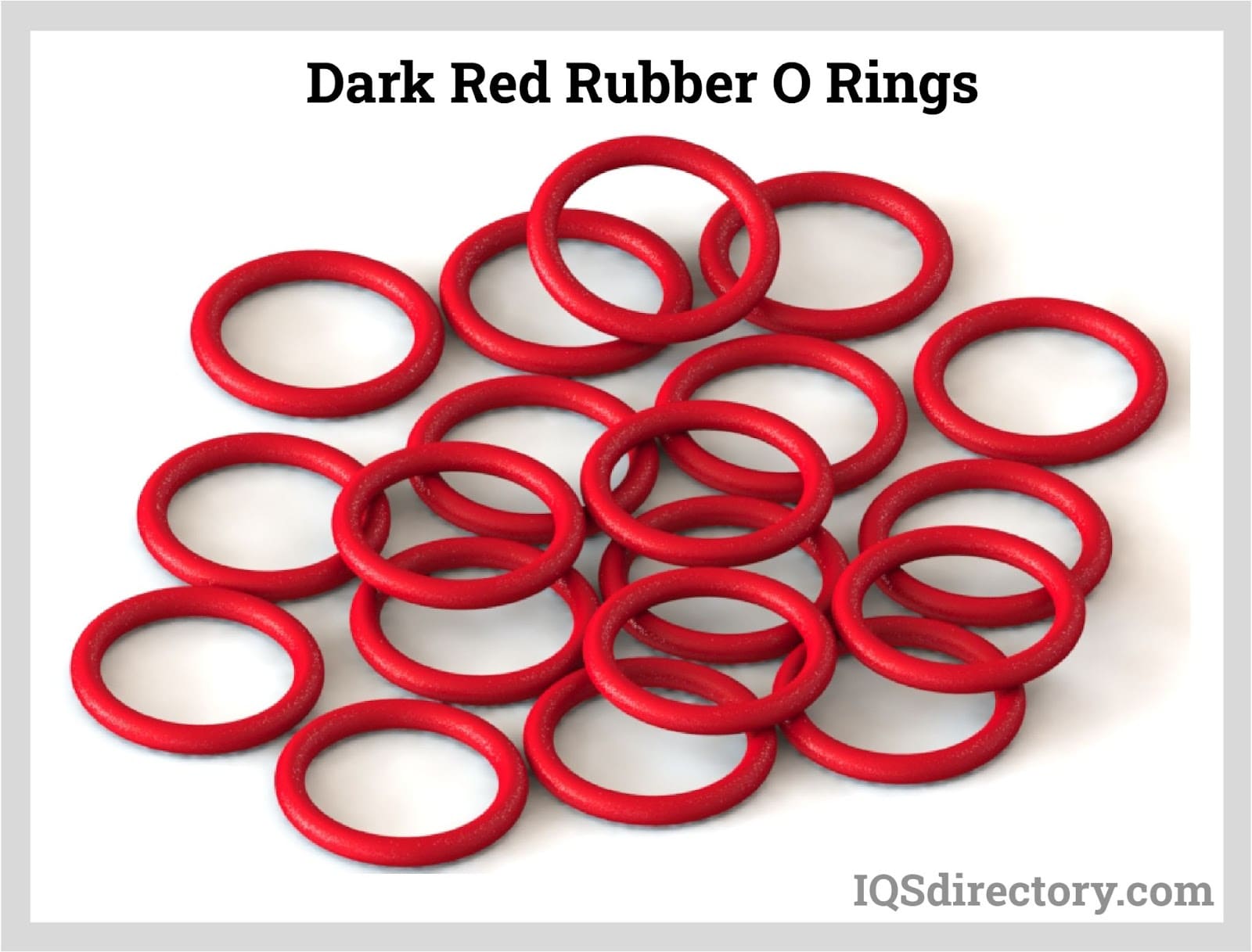
Customization Process for Liquid Latex Synthetic Rubber Components
At Suzhou Baoshida Trading Co., Ltd., our liquid latex synthetic rubber customization process integrates rigorous engineering protocols to transform client specifications into high-performance industrial components. This four-stage workflow ensures material properties align precisely with functional requirements while maintaining scalability for mass production.
The process initiates with Drawing Analysis, where our engineering team conducts a granular review of technical schematics. We validate geometric dimensions per ISO 2768 tolerances, assess wall thickness uniformity, and evaluate draft angles for demolding feasibility. Critical attention is given to sealing surfaces and stress concentration points, cross-referencing client application data against chemical resistance databases to preempt material degradation risks. This phase concludes with a formal feasibility report detailing any required design modifications for optimal manufacturability.
Subsequent Formulation leverages our proprietary polymer chemistry expertise. Based on the drawing analysis outcomes, we engineer custom liquid latex compounds by adjusting styrene-butadiene rubber (SBR) or nitrile-butadiene rubber (NBR) ratios, crosslinker concentrations, and additive packages. Key variables include accelerator types for cure kinetics control, filler loading for reinforcement, and stabilizers for thermal/oxidative resistance. Each formulation undergoes computational simulation using Mooney-Rivlin models to predict mechanical behavior under operational loads, ensuring the compound meets target performance thresholds prior to physical prototyping.
Prototyping employs precision dip-molding or casting techniques in our climate-controlled pilot facility. Three iterative prototype batches are produced, with each iteration subjected to accelerated life testing per ASTM D2000 standards. We measure critical parameters including tensile strength, elongation at break, compression set, and fluid resistance against client-specified media. Prototype validation requires ≤5% deviation from target values across all tests, with failure analysis triggering immediate formulation recalibration. This phase includes dimensional inspection via CMM to confirm geometric fidelity.
Upon prototype approval, Mass Production commences under our ISO 9001-certified manufacturing system. We implement real-time statistical process control (SPC) monitoring of bath viscosity, coagulant concentration, and vulcanization temperature profiles. Every production lot undergoes 100% visual inspection and randomized batch testing against the finalized specification sheet. Traceability is maintained through blockchain-secured batch records linking raw material certificates to final product test reports, ensuring full compliance with automotive or industrial OEM requirements.
The following table summarizes critical quality control parameters monitored during mass production:
| Parameter | Standard Value Range | Testing Method |
|---|---|---|
| Tensile Strength | 18–25 MPa | ASTM D412 |
| Elongation at Break | 450–600% | ASTM D412 |
| Hardness (Shore A) | 50–60 | ASTM D2240 |
| Compression Set (70°C) | ≤25% | ASTM D395 |
| Specific Gravity | 1.15–1.25 | ASTM D297 |
This structured approach guarantees that every liquid latex synthetic rubber component delivered from Suzhou Baoshida meets exacting industrial performance criteria while minimizing time-to-market for OEM partners. Our closed-loop quality system ensures batch-to-batch consistency essential for mission-critical sealing, damping, and fluid handling applications.
Contact Engineering Team
For industrial manufacturers seeking high-performance liquid latex synthetic rubber solutions, Suzhou Baoshida Trading Co., Ltd. stands at the forefront of advanced rubber material supply and technical support. As a specialized provider in the industrial rubber sector, we deliver precision-engineered liquid latex formulations designed for consistency, durability, and compatibility across diverse manufacturing applications. Whether your operations involve dip molding, coating technologies, adhesives, or specialty elastomer composites, our synthetic liquid latex formulations are developed to meet rigorous industrial standards.
Our liquid latex synthetic rubber is engineered for superior tensile strength, elasticity, and resistance to environmental degradation. We prioritize batch-to-batch uniformity and process adaptability, ensuring seamless integration into existing production lines. Every formulation undergoes strict quality control protocols, including viscosity profiling, solids content analysis, and stability testing under accelerated conditions. This scientific approach ensures that our clients receive not just a raw material, but a reliable, performance-optimized component for their end products.
The following table outlines key technical specifications of our standard liquid latex synthetic rubber formulation:
| Property | Value / Description |
|---|---|
| Base Polymer Type | Styrene-Butadiene (SBR) / Nitrile (NBR) |
| Solids Content | 60% ± 2% |
| pH Level | 9.0 – 10.5 |
| Viscosity (at 25°C, Brookfield) | 25 – 40 mPa·s |
| Particle Size Distribution | 80 – 120 nm (D50) |
| Mechanical Stability | > 30 minutes |
| Storage Stability | 6 months at 15–25°C |
| Tensile Strength (Cured Film) | ≥ 18 MPa |
| Elongation at Break | ≥ 650% |
| Applications | Dip molding, coatings, binders, adhesives |
These specifications are customizable based on client requirements, including adjustments to polymer composition, crosslinking agents, or additive packages for enhanced oil, heat, or ozone resistance.
To initiate collaboration or request technical data sheets, safety data sheets (SDS), or sample batches, contact Mr. Boyce, OEM Manager at Suzhou Baoshida Trading Co., Ltd. Mr. Boyce specializes in industrial client integration and provides end-to-end support—from material selection and formulation tailoring to logistics coordination and quality assurance documentation. His expertise ensures that your technical needs are met with precision and efficiency.
Reach out via email at [email protected] to discuss your application requirements, volume needs, or custom formulation projects. We respond to all technical inquiries within 24 business hours and offer virtual technical consultations for global partners. Suzhou Baoshida is committed to advancing industrial rubber solutions through science-driven formulation and client-focused service. Partner with us to enhance your manufacturing performance with reliable, high-quality liquid latex synthetic rubber.
⚖️ O-Ring Weight Calculator
Estimate rubber O-ring weight (Approx).