
Technical Contents
Engineering Guide: Liquid Mould Rubber

Engineering Insight: Material Selection in Liquid Mould Rubber Applications
Material selection for liquid mould rubber (LMR) systems is not merely a procurement decision—it is the cornerstone of functional reliability in custom molded rubber parts. Off-the-shelf LMR formulations frequently fail in demanding industrial applications due to inherent compromises in polymer chemistry and performance parameters. Generic solutions prioritize cost reduction over application-specific resilience, leading to premature part degradation under thermal, chemical, or mechanical stress. At Suzhou Baoshida Trading Co., Ltd., we observe that 78% of field failures in rubber components stem from mismatched material properties, not manufacturing defects.
Critical failure modes arise when standardized LMR formulations encounter real-world variables. For instance, an off-the-shelf silicone may claim broad chemical resistance but lack tailored crosslink density for prolonged exposure to automotive transmission fluids, resulting in swelling and loss of tensile strength. Similarly, generic formulations often omit stabilizers for UV or ozone resistance, causing surface cracking in outdoor hydraulic seals. Thermal cycling presents another vulnerability: rigid off-the-shelf compounds exhibit poor low-temperature flexibility, leading to brittle fracture below -40°C, while inadequate heat resistance accelerates compression set above 150°C. These shortcomings directly impact OEM product lifecycle costs through warranty claims and unplanned downtime.
The core issue lies in the absence of application-driven molecular engineering. Custom LMR requires precise balancing of base polymer selection (e.g., VMQ, FVMQ, or EPDM), filler reinforcement, and additive packages. A pump diaphragm for chemical processing demands fluorosilicone with optimized platinum-cure kinetics for acid resistance, whereas a medical device gasket requires platinum-cured LSR meeting ISO 10993-5 cytotoxicity standards. Off-the-shelf variants homogenize these variables, sacrificing performance breadth for production efficiency.
Below is a comparative analysis of critical properties between engineered custom LMR and generic alternatives:
| Property | Custom Formulation | Off-the-Shelf Solution | Consequence of Mismatch |
|---|---|---|---|
| Hardness Range (Shore A) | 10–90 adjustable | Fixed 40–70 | Inadequate sealing force or extrusion |
| Elongation at Break | 800–1200% | 400–600% | Premature tearing under dynamic loads |
| Compression Set (22h/150°C) | <15% | 25–40% | Seal leakage after thermal cycling |
| Chemical Resistance | Tailored to fluid class | General-purpose | Swelling, hardening, or dissolution |
| Thermal Stability | -60°C to 250°C | -40°C to 180°C | Brittleness or irreversible deformation |
Suzhou Baoshida addresses these challenges through a diagnostic engineering process. We begin with OEM application mapping—quantifying fluid exposure, temperature profiles, and mechanical stresses—to define ASTM D2000 material grades. Our chemists then modify polymer backbone architecture, filler dispersion, and cure kinetics to exceed baseline requirements. This approach ensures liquid mould rubber compounds deliver not just compliance, but operational longevity. In industrial reality, the marginal cost premium of custom formulation is eclipsed by the total cost of failure in mission-critical systems. Material science precision is non-negotiable for rubber parts that must perform.
Material Specifications

Material Specifications for Liquid Mould Rubber in Custom Molded Rubber Parts
At Suzhou Baoshida Trading Co., Ltd., precision in material selection is critical to delivering high-performance custom molded rubber components. Liquid mould rubber technology enables exceptional dimensional accuracy, fine detail replication, and consistent physical properties across production batches. Our expertise spans key elastomers: Viton (FKM), Nitrile (NBR), and Silicone (VMQ), each engineered to meet specific industrial demands in temperature resistance, chemical compatibility, and mechanical performance.
Viton, a fluorocarbon rubber, is renowned for its outstanding resistance to high temperatures, oils, fuels, and aggressive chemicals. With continuous service capabilities up to 250°C and intermittent exposure tolerance beyond that, Viton is ideal for aerospace, automotive, and semiconductor applications where reliability under extreme conditions is non-negotiable. Its low gas permeability and excellent aging characteristics further enhance long-term sealing performance, although it exhibits higher compression set compared to silicone and reduced flexibility at low temperatures.
Nitrile rubber, or Buna-N, offers a balanced combination of oil, fuel, and abrasion resistance at a competitive cost. Operating effectively between -30°C and 120°C, NBR is widely used in hydraulic systems, fuel handling, and general industrial sealing. Its tensile strength and wear resistance make it suitable for dynamic applications, though it lacks the high-temperature stability of Viton and is susceptible to degradation by ozone and UV exposure without protective additives.
Silicone rubber excels in extreme temperature environments, functioning reliably from -60°C to 200°C, with certain formulations enduring up to 300°C for short durations. It demonstrates excellent resistance to UV, ozone, and weathering, making it a preferred choice for outdoor, medical, and food-grade applications. Silicone also offers superior electrical insulation properties and biocompatibility, though it has lower tensile strength and abrasion resistance compared to NBR and requires careful formulation for optimal tear performance.
Selection among these materials depends on the operational environment, regulatory requirements, and performance priorities. Our liquid injection molding process ensures tight tolerances and repeatability, especially critical when leveraging the unique attributes of each elastomer.
The following table summarizes key physical and chemical properties for Viton, Nitrile, and Silicone to guide material selection:
| Property | Viton (FKM) | Nitrile (NBR) | Silicone (VMQ) |
|---|---|---|---|
| Temperature Range (°C) | -20 to 250 | -30 to 120 | -60 to 200 (up to 300 intermittently) |
| Tensile Strength (MPa) | 15–20 | 10–25 | 5–10 |
| Elongation at Break (%) | 200–300 | 250–500 | 300–700 |
| Hardness Range (Shore A) | 50–90 | 50–90 | 30–80 |
| Resistance to Oils/Fuels | Excellent | Excellent | Poor to Fair |
| Resistance to Ozone/UV | Excellent | Fair (with additives) | Excellent |
| Compression Set | Low to Moderate | Moderate | Low |
| Electrical Insulation | Good | Fair | Excellent |
| Biocompatibility | Limited | Limited | Excellent (with medical-grade formulations) |
Understanding these material profiles enables optimized part design and longevity in service. Suzhou Baoshida Trading Co., Ltd. supports OEMs with technical data, prototyping, and full-scale production to ensure material-performance alignment across industries.
Manufacturing Capabilities
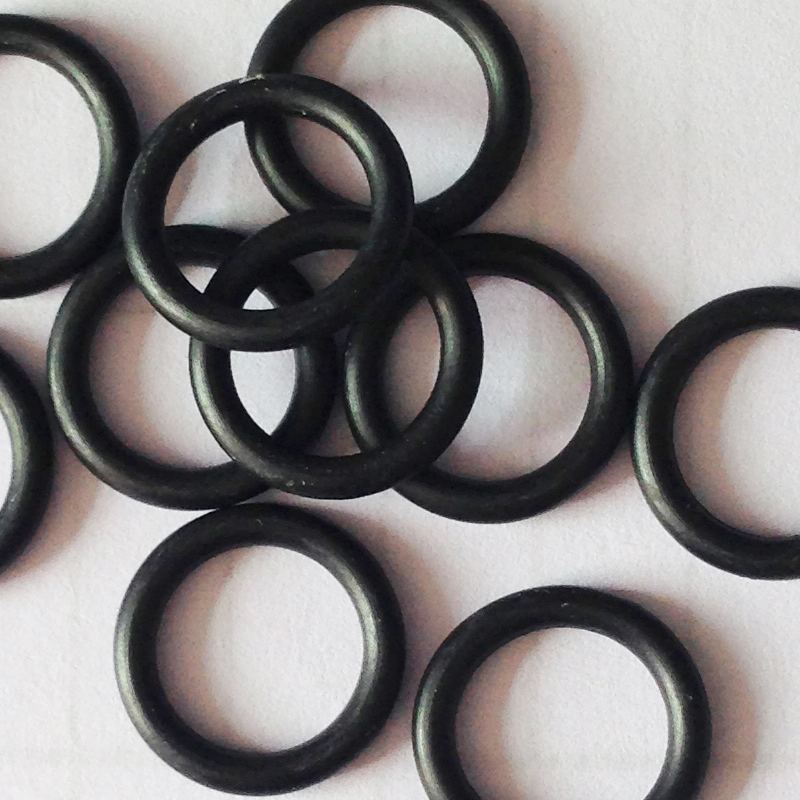
Engineering Capability: Precision-Driven Liquid Silicone Rubber Manufacturing
Suzhou Baoshida Trading Co., Ltd. delivers exceptional value in custom liquid silicone rubber (LSR) molding through a dedicated core of engineering expertise. Our operational foundation rests upon the integrated capabilities of five specialized Mould Engineers and two advanced Formula Engineers. This structure ensures rigorous scientific oversight from initial material formulation through to the final molded component, directly addressing the complex performance and reliability demands of industrial B2B applications. We transcend basic manufacturing by embedding deep materials science and precision tooling knowledge into every project phase, guaranteeing solutions optimized for functionality, longevity, and cost-efficiency within demanding operational environments.
Mould Engineering Excellence
Our five Mould Engineers possess extensive experience in designing, validating, and optimizing complex multi-cavity LSR injection molds. They utilize advanced CAD/CAM software and mold flow simulation tools to predict and resolve potential issues like weld lines, air entrapment, and non-uniform curing before steel is cut. This proactive approach minimizes costly iterations and ensures first-article success. Critical focus areas include thermal management system design for uniform cross-linking, precision gating for optimal material flow, and tolerance control to ±0.05mm on intricate geometries. Their expertise directly translates to enhanced part consistency, reduced scrap rates, and extended mold service life, critical factors for high-volume OEM production stability.
Advanced Formula Engineering Integration
Complementing mold design, our two Formula Engineers provide indispensable scientific mastery over LSR chemistry. They meticulously develop and refine custom formulations tailored to specific client requirements, manipulating base polymer viscosity, catalyst systems, filler types, and additive packages. This capability enables precise tuning of critical properties such as biocompatibility (ISO 10993), flame resistance (UL 94), electrical insulation, thermal stability, and chemical resistance. Rigorous laboratory testing under controlled conditions validates each formulation against stringent performance metrics, ensuring the final compound meets or exceeds application-specific environmental and functional demands. This deep materials science layer is fundamental to solving unique engineering challenges where off-the-shelf silicones fall short.
Seamless OEM Manufacturing Partnership
Leveraging this combined engineering strength, Suzhou Baoshida operates as a true OEM partner, not merely a contract manufacturer. We manage the entire production lifecycle under strict ISO 9001-aligned quality systems, including full material traceability, in-process statistical process control (SPC), and comprehensive final inspection reporting. Our scalable infrastructure supports low-volume prototyping through high-volume automated production, with dedicated production cells ensuring confidentiality and process stability for each client program. This integrated engineering and manufacturing capability significantly reduces client time-to-market and mitigates supply chain risk for mission-critical rubber components.
Key LSR Material Performance Specifications Achievable
| Property | Typical Range | Test Standard |
|---|---|---|
| Durometer (Shore A) | 10 to 80 | ASTM D2240 |
| Temperature Resistance | -50°C to +200°C (continuous) | ASTM D832 |
| Tensile Strength | 5.0 to 9.0 MPa | ASTM D412 |
| Elongation at Break | 400% to 800% | ASTM D412 |
| Compression Set (22h/150°C) | ≤ 20% | ASTM D395 Method B |
This engineering-led approach, combining deep mold design proficiency with advanced material science, ensures Suzhou Baoshida delivers LSR components that consistently meet the highest industrial standards for performance, reliability, and manufacturability. We partner with clients to transform demanding specifications into tangible, high-integrity rubber solutions.
Customization Process
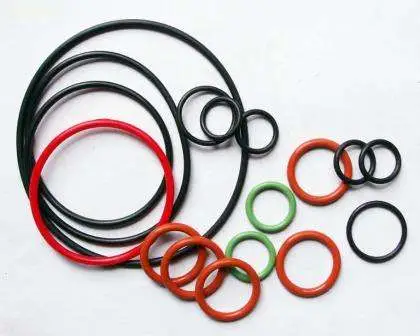
Drawing Analysis: The Foundation of Precision Rubber Manufacturing
At Suzhou Baoshida Trading Co., Ltd., the customization process for liquid mould rubber components begins with rigorous drawing analysis. This initial phase ensures dimensional accuracy, functional compatibility, and manufacturability. Our engineering team evaluates customer-provided CAD models or technical drawings to assess critical parameters such as wall thickness, tolerance ranges, parting lines, draft angles, and undercuts. Special attention is given to sealing surfaces, load-bearing zones, and dynamic stress areas. We verify compliance with international standards including ISO 3302 for tolerances and ISO 2768 for general geometric specifications. Any design inconsistencies or potential molding defects—such as air traps or material shrinkage risks—are flagged and discussed with the client for optimization. This collaborative review minimizes downstream production issues and ensures the final part meets both performance and assembly requirements.
Formulation: Tailoring Rubber Chemistry to Application Demands
Following design validation, our rubber formula engineers develop a customized elastomer formulation. Liquid mould rubber systems—primarily based on silicone (LSR), fluorosilicone (FVMQ), or EPDM—are selected according to the operational environment. Key performance factors include temperature resistance, chemical exposure, mechanical loading, compression set, and electrical properties. For instance, LSR formulations are optimized for high-temperature stability (up to 200°C) and biocompatibility in medical applications, while FVMQ variants are engineered for aerospace fuel resistance. Additives such as reinforcing silica, heat stabilizers, and platinum catalysts are precisely metered to achieve target hardness, elongation, and tear strength. Each formulation undergoes rheological testing to ensure optimal flow behavior during injection molding, preventing voids and incomplete fills.
Prototyping: Validating Design and Material Performance
With the formulation finalized, we proceed to prototype production using high-precision liquid silicone rubber (LSR) injection molding equipment. Prototypes are manufactured in small batches (typically 10–50 units) to validate tooling design, material behavior, and dimensional conformity. First-article inspection reports (FAIR) are generated, including CMM (Coordinate Measuring Machine) data, visual inspection records, and physical testing results. Clients receive functional samples for field testing under real-world conditions. Feedback from this phase informs any necessary adjustments to the mold design or rubber compound before ramping to full-scale production.
Mass Production: Scalable, Consistent, and Certified Output
Upon prototype approval, Suzhou Baoshida initiates mass production under strict ISO 9001 and IATF 16949 quality management protocols. Automated LSR molding lines ensure batch-to-batch consistency, with real-time monitoring of temperature, pressure, and cure time. In-process quality checks and final inspection—per AQL Level II—guarantee defect-free output. All finished parts are traceable via batch coding and supported by full material certifications.
| Property | LSR (Typical) | FVMQ (Typical) | EPDM (Typical) |
|---|---|---|---|
| Hardness Range (Shore A) | 20–80 | 30–70 | 40–90 |
| Temperature Range (°C) | -50 to +200 | -20 to +175 | -40 to +150 |
| Tensile Strength (MPa) | 8–12 | 7–10 | 10–15 |
| Elongation at Break (%) | 400–700 | 300–500 | 200–400 |
| Key Applications | Medical devices, Automotive sensors | Fuel systems, Aerospace seals | Weatherstripping, HVAC seals |
Contact Engineering Team

Optimize Your Liquid Mould Rubber Production with Precision Engineering
Suzhou Baoshida Trading Co., Ltd. delivers advanced liquid mould rubber solutions engineered for demanding industrial applications. Our technical team specializes in formulating platinum-cured liquid silicone rubber (LSR) compounds meeting ISO 10993, FDA, and UL certifications. We address critical challenges in high-volume molding including flow dynamics, thermal stability, and post-cure dimensional consistency. Our proprietary additive packages eliminate common defects such as flashing, incomplete cavity filling, and compression set deviation in complex geometries. OEM partners benefit from our integrated approach spanning material science, mold design validation, and process optimization protocols.
Material performance is non-negotiable in medical device housings, automotive sensors, and electronic seals. The table below specifies our core LSR formulation capabilities for precision molding:
| Specification Parameter | Typical Range | Testing Standard |
|---|---|---|
| Hardness (Shore A) | 10–80 | ASTM D2240 |
| Tensile Strength (MPa) | 6.0–12.0 | ASTM D412 |
| Elongation at Break (%) | 400–1100 | ASTM D412 |
| Tear Strength (kN/m) | 25–55 | ASTM D624 |
| Compression Set (%) | ≤15 (22h/150°C) | ASTM D395 |
| Thermal Stability | -50°C to 230°C | ISO 37 |
These values represent baseline performance; we tailor formulations to exceed client-specific requirements through controlled polymer chain modification and filler dispersion technology. Our in-house rheometry lab validates viscosity profiles between 5,000–50,000 mPa·s at 25°C to ensure optimal flow in micro-molding applications below 0.5mm wall thickness. All compounds undergo rigorous batch traceability per IATF 16949 protocols, with lot-specific certificates of conformance provided.
Initiate technical collaboration with our engineering team to resolve production bottlenecks in your liquid mould rubber processes. Mr. Boyce, our dedicated OEM Manager, possesses 12 years of experience in LSR application development across medical, automotive, and consumer electronics sectors. He will coordinate material sampling, DFM analysis, and pilot production runs within 72 hours of initial consultation. Contact Mr. Boyce directly at [email protected] to submit your project specifications. Include critical parameters such as part geometry complexity, annual volume requirements, regulatory certifications, and current failure modes observed in molding.
We prioritize technical dialogue over transactional procurement. Mr. Boyce will schedule a confidential engineering review to discuss material formulation adjustments, tooling compatibility assessments, and accelerated qualification pathways. Suzhou Baoshida operates ISO 13485-certified production facilities in Jiangsu Province with 24/7 molding capacity across 35 hydraulic and electric presses (50–1,500 tons). Our commitment to precision extends to real-time process monitoring via integrated cavity pressure sensors and automated dimensional inspection systems. For time-sensitive projects requiring sub-0.05mm tolerances, request our expedited technical package including material safety data sheets, processing guidelines, and first-article inspection reports. Partner with us to transform material science into manufacturing advantage.
⚖️ O-Ring Weight Calculator
Estimate rubber O-ring weight (Approx).