
Technical Contents
Engineering Guide: Lite Weight Bricks
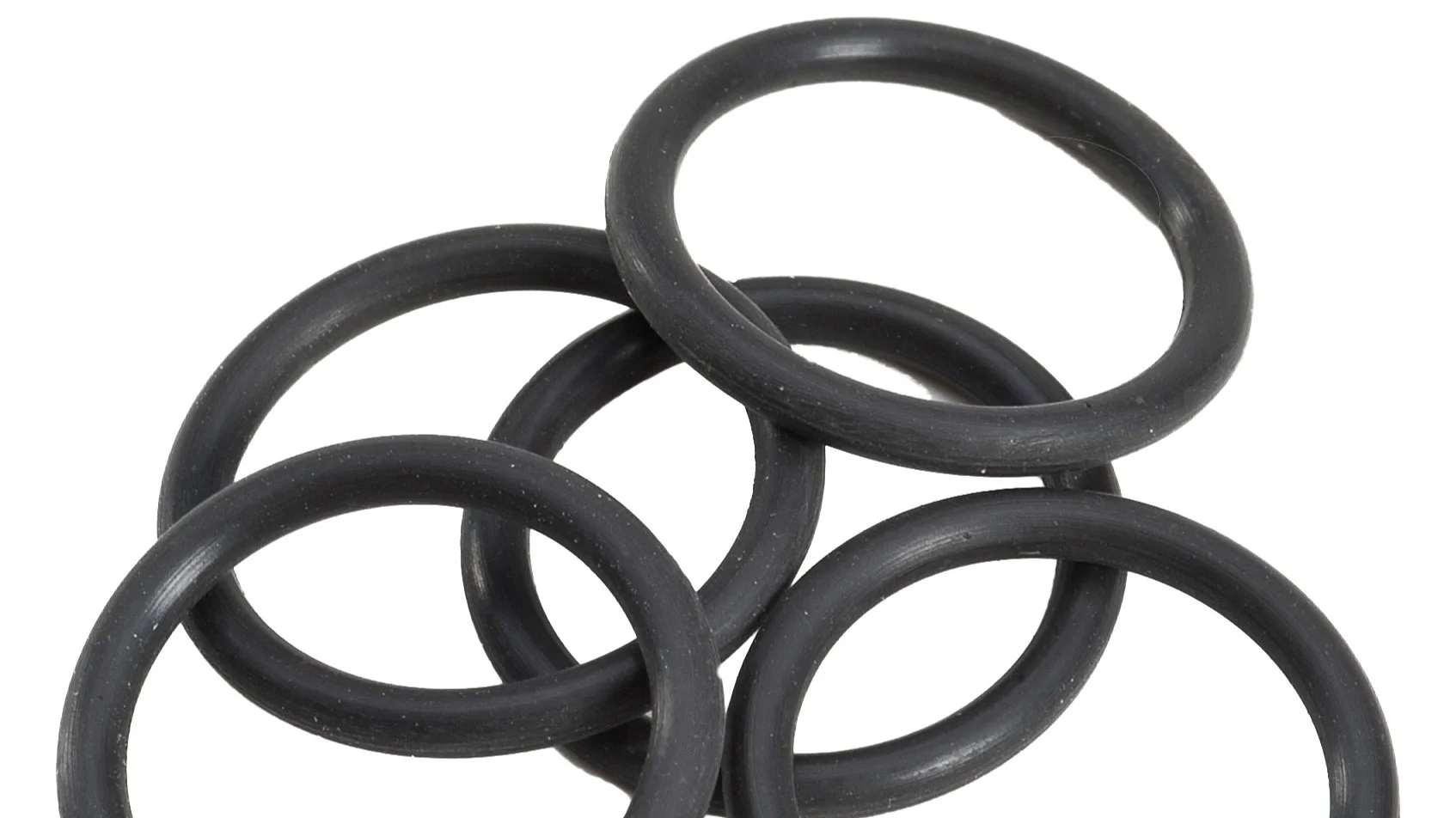
Engineering Insight: Material Selection in Lightweight Brick Manufacturing
In the industrial production of lightweight bricks, material selection is not merely a design consideration—it is a foundational determinant of structural integrity, process efficiency, and long-term performance. At Suzhou Baoshida Trading Co., Ltd., we emphasize that generic or off-the-shelf rubber components frequently fail to meet the rigorous demands of modern brick manufacturing systems. These failures stem from an inadequate understanding of dynamic operational conditions, including cyclic compression, thermal exposure, and abrasive wear.
Lightweight bricks are typically formed under high-pressure molding systems where elastomeric components—such as seals, gaskets, and buffer pads—play a critical role in maintaining uniform density and dimensional accuracy. Standard rubber compounds, such as natural rubber (NR) or general-purpose EPDM, often degrade prematurely due to insufficient resistance to compression set and thermal aging. In continuous operation, temperatures within the press zone can exceed 120°C, accelerating material breakdown and leading to seal leakage, misalignment, or mold contamination.
Furthermore, the composition of raw brick mixtures—often containing silica, fly ash, and chemical activators—introduces aggressive chemical environments. Off-the-shelf elastomers lacking chemical inertness absorb moisture or react with alkaline components, resulting in swelling, loss of mechanical strength, and premature system failure. This compromises not only product quality but also increases unplanned downtime and maintenance costs.
Precision-engineered rubber compounds, tailored to the specific thermal, mechanical, and chemical profile of the brick manufacturing process, are essential. At Baoshida, we utilize hydrogenated nitrile (HNBR), fluorocarbon (FKM), and specially compounded silicone (VMQ) formulations that exhibit superior resistance to heat, oil, and oxidative degradation. These materials retain elasticity under prolonged stress, ensuring consistent pressure distribution across the mold surface and minimizing edge chipping or density variation in the final product.
Another often-overlooked factor is dynamic mechanical performance. Lightweight brick presses operate with rapid stroke cycles, subjecting rubber components to repeated impact loading. Conventional materials fatigue quickly under such conditions, whereas high-damping, high-rebound elastomers maintain functional integrity over millions of cycles. This directly correlates to extended service life and reduced total cost of ownership.
The table below outlines key performance specifications of advanced elastomers suitable for lightweight brick manufacturing systems:
| Material | Hardness (Shore A) | Tensile Strength (MPa) | Compression Set (22h, 150°C) | Operating Temp Range (°C) | Chemical Resistance |
|---|---|---|---|---|---|
| HNBR | 70 – 90 | 25 – 35 | ≤25% | -40 to +175 | Excellent |
| FKM | 65 – 80 | 12 – 18 | ≤20% | -20 to +250 | Outstanding |
| VMQ | 40 – 80 | 7 – 10 | ≤30% | -60 to +200 | Good (limited acids) |
| EPDM | 50 – 85 | 10 – 15 | ≤35% | -50 to +150 | Moderate |
Material selection must be approached as a systems engineering challenge, not a commodity procurement decision. The integration of purpose-built elastomers ensures operational continuity, product uniformity, and compliance with industrial durability standards. Off-the-shelf solutions may appear cost-effective initially, but their accelerated failure rates and indirect production losses render them economically and technically unsound.
Material Specifications
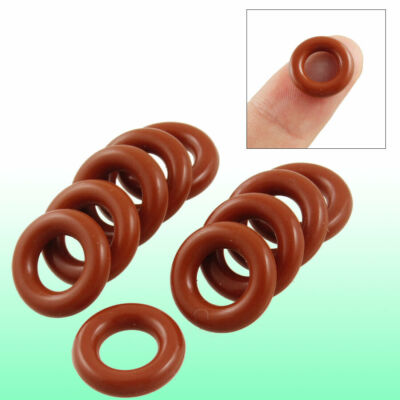
Material Specifications for Lightweight Rubber Bricks
The structural integrity and performance of lightweight rubber bricks in industrial applications depend critically on precise elastomer selection. At Suzhou Baoshida Trading Co., Ltd., we engineer formulations balancing density reduction with functional durability for vibration damping, sealing, and impact absorption. Key parameters include density, thermal stability, chemical resistance, tensile strength, and elongation at break. Viton (FKM), Nitrile (NBR), and Silicone (VMQ) represent optimal solutions for distinct operational environments, each requiring rigorous validation per ASTM D2000 and ISO 37 standards. Material choice directly influences weight savings, service life, and compliance with OEM mechanical specifications.
Viton fluorocarbon rubber delivers exceptional resistance to extreme temperatures (-20°C to +250°C continuous) and aggressive chemicals including fuels, oils, and acids. Its density ranges from 1.80–2.05 g/cm³, making it suitable for high-performance lightweight bricks in aerospace and automotive sectors where thermal degradation must be minimized. Tensile strength typically exceeds 15 MPa, though elongation (150–250%) is lower than alternatives. Viton formulations require specialized compounding to mitigate inherent stiffness while maintaining chemical inertness.
Nitrile butadiene rubber offers an economical solution for oil and fuel resistance with a density of 0.95–1.05 g/cm³, critical for weight-sensitive applications. Operating effectively between -40°C and +120°C (short-term to 150°C), NBR provides robust tensile strength (10–25 MPa) and high elongation (200–500%). Its compatibility with hydraulic fluids and aliphatic hydrocarbons makes it ideal for industrial machinery bricks, though ozone and weathering resistance remain limitations requiring antioxidant additives.
Silicone rubber excels in extreme temperature resilience (-60°C to +230°C) with the lowest density among high-performance elastomers (0.95–1.10 g/cm³). While tensile strength (5–10 MPa) is moderate, its exceptional elongation (300–700%) ensures flexibility in dynamic loading scenarios. Silicone bricks are preferred for electrical insulation and food-grade applications due to biocompatibility and resistance to oxidation, though tear strength necessitates reinforcement with fumed silica for structural bricks.
The comparative analysis below details critical specifications for OEM material selection:
| Property | Viton (FKM) | Nitrile (NBR) | Silicone (VMQ) |
|---|---|---|---|
| Density (g/cm³) | 1.80–2.05 | 0.95–1.05 | 0.95–1.10 |
| Temp Range (°C) | -20 to +250 | -40 to +120 | -60 to +230 |
| Tensile Strength (MPa) | 15–25 | 10–25 | 5–10 |
| Elongation at Break (%) | 150–250 | 200–500 | 300–700 |
| Key Resistance | Fuels, Acids, Heat | Oils, Fuels | Ozone, Weathering |
| Primary Limitation | Cost, Flexibility | Ozone Degradation | Tear Strength |
Suzhou Baoshida Trading Co., Ltd. provides OEM-tailored compounding for all three materials, optimizing filler dispersion and crosslink density to achieve target weights below 1.10 g/cm³ without compromising critical performance thresholds. All formulations undergo accelerated aging tests per ISO 188 and fluid immersion validation per ASTM D471 to ensure field reliability. Partner with our engineering team to specify the precise elastomer matrix for your lightweight brick application.
Manufacturing Capabilities
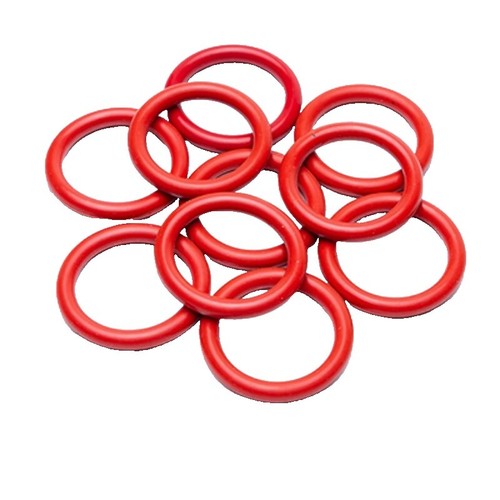
Engineering Capability
At Suzhou Baoshida Trading Co., Ltd., our engineering capability in industrial rubber solutions is anchored in deep technical expertise and precision-driven development. We maintain a dedicated team of five certified mould engineers and two specialized rubber formula engineers, enabling us to deliver fully integrated OEM solutions for lightweight brick manufacturing components. Our multidisciplinary approach ensures that material science and mechanical design converge to meet the exact performance demands of modern industrial applications.
Our mould engineers possess extensive experience in designing high-tolerance, long-cycle rubber moulds optimized for consistent production of lightweight brick components. These designs are developed using advanced CAD/CAM systems and validated through finite element analysis (FEA) to ensure uniform compression, minimal flash, and extended tool life. Each mould is engineered to accommodate specific rubber flow characteristics, ensuring dimensional stability and repeatable part quality across large production runs.
Complementing our design strength is our in-house rubber formulation capability. Our two formula engineers specialize in compounding elastomers tailored to the mechanical, thermal, and environmental requirements of lightweight brick machinery. This includes formulations with controlled compression set, enhanced abrasion resistance, and optimized durometer ratings (ranging from 40 to 80 Shore A). By controlling the entire formulation process, we eliminate dependency on third-party material suppliers and ensure batch-to-batch consistency, traceability, and compliance with international standards such as ISO 9001 and ASTM D2000.
Our OEM capabilities extend beyond design and material development to full project lifecycle management. We work directly with original equipment manufacturers to reverse-engineer legacy parts, conduct failure analysis, and develop next-generation rubber components that improve efficiency and reduce maintenance intervals. This collaborative process includes rapid prototyping, iterative testing, and on-site validation to ensure seamless integration into existing systems.
All engineering activities are supported by an integrated quality management system, including real-time process monitoring, first article inspection reports (FAIR), and comprehensive material certification. Our facility is equipped with state-of-the-art mixing, curing, and testing equipment, enabling us to maintain tight control over critical parameters such as cure time, modulus, and elongation at break.
The following table summarizes our core engineering specifications and capabilities:
| Parameter | Specification |
|---|---|
| Mould Design Software | SolidWorks, AutoCAD, Moldflow |
| Rubber Formulation Range | NBR, EPDM, Silicone, Neoprene, SBR |
| Hardness Range (Shore A) | 40 – 80 |
| Temperature Resistance | -40°C to +150°C (up to +250°C for specialty silicone) |
| Tensile Strength | Up to 18 MPa (depending on compound) |
| Elongation at Break | 250% – 600% |
| Compression Set (22h @ 70°C) | ≤ 20% (per ASTM D395) |
| Lead Time (Prototype) | 15–20 days |
| OEM Project Turnkey Support | Yes, from concept to mass production |
Through the synergy of advanced mould engineering and proprietary rubber formulation, Suzhou Baoshida Trading Co., Ltd. delivers high-performance, application-specific solutions that enhance the durability and efficiency of lightweight brick manufacturing systems.
Customization Process
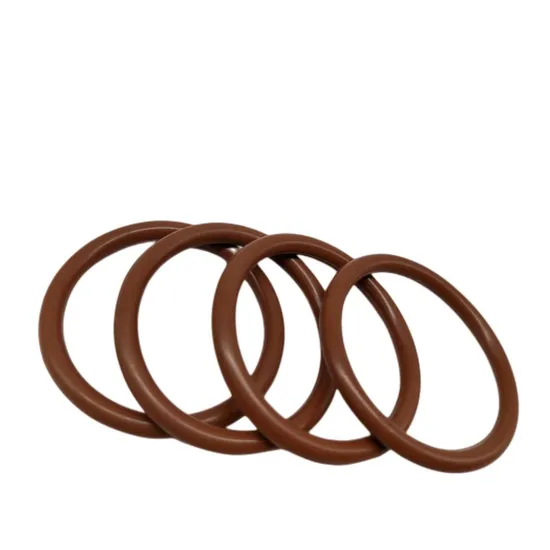
Customization Process for Lightweight Rubber Bricks
At Suzhou Baoshida Trading Co., Ltd., our OEM customization process for lightweight rubber bricks integrates rigorous engineering protocols to transform client specifications into high-performance industrial components. This structured workflow ensures material integrity, dimensional precision, and functional reliability under operational stress.
Drawing Analysis
Initial phase involves meticulous dissection of client-provided technical drawings. Our engineering team validates geometric dimensioning and tolerancing (GD&T), surface finish requirements, and environmental exposure conditions. Critical attention is given to load-bearing zones and interface points to preempt stress concentrations. Material callouts are cross-referenced against ISO 188 and ASTM D2000 standards, confirming compatibility with temperature ranges, chemical resistance, and dynamic compression needs. Any ambiguities trigger immediate client consultation to align expectations before formulation begins.
Formulation Development
Based on drawing insights, our rubber chemists design bespoke polymer architectures. Lightweight bricks demand precise density control without sacrificing mechanical resilience. We select base polymers (e.g., EPDM for ozone resistance or NBR for oil exposure) and integrate microcellular blowing agents to achieve target densities. Fillers like silica or hollow glass microspheres optimize weight reduction while maintaining tear strength. Cure kinetics are modeled using Moving Die Rheometry (MDR) to balance scorch safety and vulcanization efficiency. Each formula undergoes virtual simulation for compression set behavior per ASTM D395, ensuring ≤25% permanent deformation after 24 hours at 70°C.
Prototyping and Validation
Three prototype iterations are manufactured using client-specified tooling. First-article inspection verifies conformity to ±0.2 mm dimensional tolerances via CMM metrology. Physical testing includes:
Shore A hardness validation (30–60A range)
Density measurement (ASTM D297)
Dynamic fatigue testing at 5 Hz cyclic loading
Client feedback on prototype performance drives micro-adjustments to polymer ratios or curing profiles. Only after sign-off do we proceed to mass production.
Mass Production Execution
Serial production leverages automated mixing and precision molding under ISO 9001-controlled environments. Statistical Process Control (SPC) monitors key variables:
Batch-to-batch viscosity consistency (Mooney ML 1+4 @ 100°C: ±3 MU)
Cure time stability (±5 seconds)
Density uniformity (±0.02 g/cm³)
Final inspection includes 100% visual checks for surface defects and random sampling for tensile strength validation. All bricks are traceable via laser-etched batch codes linked to full material certificates.
Critical Performance Specifications
The table below outlines achievable parameters for lightweight rubber bricks:
| Property | Test Standard | Target Range | Tolerance |
|---|---|---|---|
| Density | ASTM D297 | 0.3–0.8 g/cm³ | ±0.02 g/cm³ |
| Hardness (Shore A) | ASTM D2240 | 30–60 A | ±3 A |
| Compression Set (22h/70°C) | ASTM D395 | ≤25% | ±2% |
| Tensile Strength | ASTM D412 | 1.5–3.0 MPa | ±0.2 MPa |
This end-to-end process guarantees lightweight bricks that meet stringent industrial demands while minimizing total cost of ownership. Suzhou Baoshida’s engineering rigor converts conceptual requirements into mission-critical rubber solutions with zero compromise on performance fidelity.
Contact Engineering Team
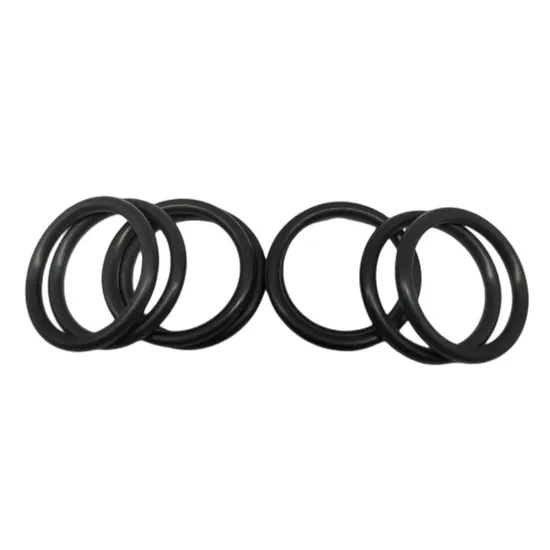
For industrial manufacturers seeking high-performance rubber components tailored for lightweight brick production machinery, Suzhou Baoshida Trading Co., Ltd. stands as a trusted partner in precision rubber engineering. Our expertise lies in delivering custom elastomeric solutions designed to meet the rigorous demands of modern brick manufacturing—where durability, compression resistance, and thermal stability are critical. As a specialized OEM manager and rubber formula engineer, we understand that the operational efficiency of your production line hinges on the reliability of every sealing and damping component.
Lightweight brick manufacturing involves high-pressure molding, elevated temperatures, and repetitive mechanical cycles. Standard rubber parts often fail prematurely under these conditions, leading to unplanned downtime and increased maintenance costs. At Suzhou Baoshida, we formulate proprietary rubber compounds—engineered specifically for thermal resilience, abrasion resistance, and long-term elastic recovery. Our materials are tested under simulated factory conditions to ensure they perform consistently in real-world applications. Whether you require custom gaskets, die-cut spacers, or high-load bearing pads, our team ensures dimensional accuracy and material integrity down to the micron level.
We collaborate directly with machinery OEMs and plant engineers to analyze failure points, optimize material selection, and deliver rubber components that extend service life and reduce total cost of ownership. Our manufacturing process integrates advanced mixing technology, precision molding, and rigorous QC protocols, including Shore hardness testing, tensile strength validation, and compression set analysis. Every batch is traceable, and all formulations comply with international industrial standards.
To support seamless integration into your production system, we provide full technical documentation, including material data sheets, performance curves, and aging resistance profiles. Our engineering team is available for on-site consultation, failure analysis, and prototype development to ensure optimal fit and function.
Below is a representative specification profile of our standard high-performance rubber compound used in lightweight brick machinery applications:
| Property | Test Method | Value |
|---|---|---|
| Hardness (Shore A) | ASTM D2240 | 70 ± 5 |
| Tensile Strength | ASTM D412 | ≥18 MPa |
| Elongation at Break | ASTM D412 | ≥400% |
| Compression Set (24h, 70°C) | ASTM D395 | ≤20% |
| Operating Temperature Range | — | -30°C to +120°C |
| Tear Resistance | ASTM D624 | ≥45 kN/m |
| Specific Gravity | ASTM D297 | 1.15 ± 0.03 |
Partnering with Suzhou Baoshida means gaining access to engineered rubber solutions that enhance machine uptime and reduce maintenance cycles. If you are facing challenges with seal degradation, part fatigue, or inconsistent performance in your lightweight brick production line, we invite you to contact Mr. Boyce, our dedicated technical liaison. He will work closely with your engineering team to assess your current rubber component performance and recommend optimized material solutions.
Contact Mr. Boyce directly at [email protected] to initiate a technical consultation, request sample materials, or discuss custom formulation options for your specific application requirements.
⚖️ O-Ring Weight Calculator
Estimate rubber O-ring weight (Approx).