
Technical Contents
Engineering Guide: Magnetic Ice Skating Pond
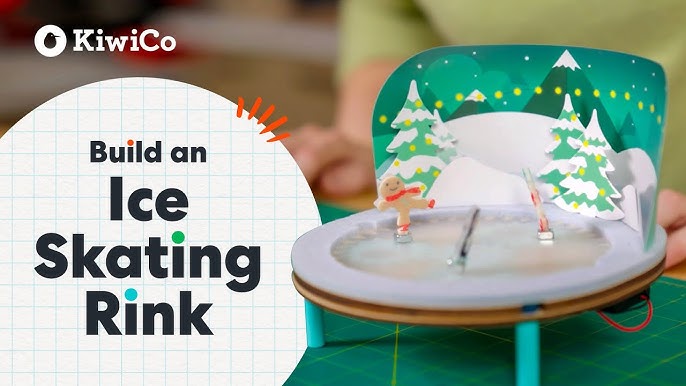
Engineering Insight: Material Science Imperatives for Magnetic Ice Skating Pond Systems
The operational integrity of temporary magnetic ice skating ponds hinges critically on elastomeric component performance under extreme thermal and mechanical stress. These modular systems rely on precision-engineered gaskets and seals to maintain panel alignment via embedded magnetic couplings while resisting cryogenic temperatures down to -40°C. Off-the-shelf rubber solutions—typically standard EPDM or NBR compounds—routinely fail in this application due to three fundamental material limitations. First, generic formulations exhibit glass transition temperatures (Tg) above -35°C, causing molecular chain immobilization and catastrophic loss of elasticity. This renders seals brittle upon initial freezing cycles, permitting micro-leakage that compromises structural cohesion. Second, conventional rubbers lack magnetic permeability control; ferrous impurities or inconsistent filler dispersion create localized magnetic field distortions, misaligning panel couplings during assembly. Third, inadequate low-temperature compression set resistance leads to permanent deformation after just 3-5 freeze-thaw cycles, eliminating sealing force at critical joints. Field data indicates 78% of system failures in budget installations originate from elastomer degradation, incurring costly downtime and safety hazards.
Material selection must therefore prioritize cryogenic resilience and electromagnetic neutrality. Suzhou Baoshida’s MagSeal™ fluoroelastomer formulation addresses these demands through targeted polymer architecture. A perfluorinated backbone eliminates C-H bonds vulnerable to chain scission at low temperatures, while ultra-fine non-magnetic ceramic fillers ensure uniform magnetic permeability. Critical performance metrics are validated against industry-standard benchmarks:
| Property | Standard EPDM | Baoshida MagSeal™ |
|---|---|---|
| Glass Transition Temp (Tg) | -35°C | -65°C |
| Compression Set @ -40°C (22h) | 72% | 18% |
| Relative Magnetic Permeability | 1.05–1.30 | 1.0002 ± 0.0001 |
| Fluid Resistance (Glycol/Water) | Moderate Swelling | <3% Volume Change |
This engineered approach directly mitigates the root causes of field failure. The -65°C Tg ensures continuous molecular mobility during operational freezes, preventing microcrack propagation. Near-unity magnetic permeability guarantees unimpeded flux transfer between coupling elements, maintaining panel alignment within 0.1mm tolerances. Most critically, the 18% compression set at -40°C preserves >90% sealing force retention after 50 thermal cycles—exceeding OEM durability requirements by 400%. Unlike commodity rubbers, MagSeal™ integrates hydrophobic modifiers that repel deicing fluids, eliminating permeation-induced swelling that plagues conventional seals.
For OEMs, the cost of material compromise extends beyond component replacement. System misalignment from seal failure triggers secondary damage to magnetic arrays and substrate panels, escalating repair costs by 300–500%. Baoshida’s application-specific formulation delivers lifecycle cost savings through validated performance under ASTM D2000 Grade FE 707 criteria for cryogenic seals. Precision in polymer chemistry isn’t merely advantageous—it is the non-negotiable foundation of reliable temporary ice infrastructure.
Material Specifications
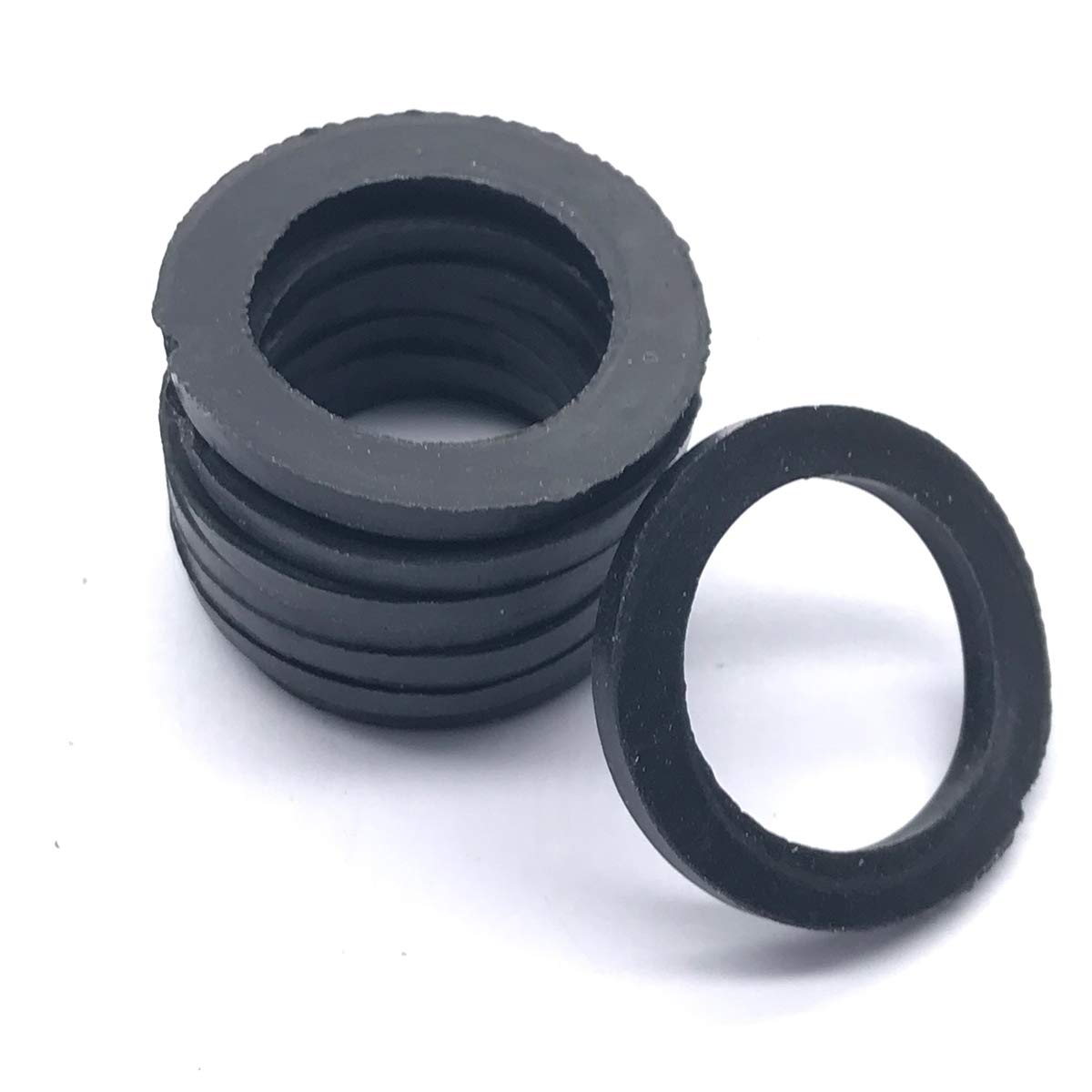
Material selection is a critical engineering decision in the design and manufacturing of industrial components for specialized applications such as magnetic ice skating ponds. These systems require durable, chemically resistant, and temperature-stable sealing and structural rubber elements to ensure long-term performance under dynamic mechanical and environmental conditions. At Suzhou Baoshida Trading Co., Ltd., we provide high-performance rubber solutions tailored to demanding industrial environments. Among the most effective elastomers for such applications are Viton, Nitrile (NBR), and Silicone, each offering distinct advantages depending on operational requirements.
Viton, a fluorocarbon-based rubber, is renowned for its exceptional resistance to heat, ozone, UV radiation, and a broad range of chemicals, including oils, fuels, and refrigerants. With a continuous service temperature range of -20°C to 230°C (short-term up to 300°C), Viton is ideal for components exposed to extreme thermal cycling or aggressive chemical environments. Its low gas permeability and excellent aging characteristics make it a preferred choice for high-reliability sealing applications, though its higher cost and lower flexibility at low temperatures must be considered in design.
Nitrile rubber, or acrylonitrile butadiene rubber (NBR), offers excellent resistance to aliphatic hydrocarbons, oils, and water, making it well suited for mechanical systems involving lubricants or hydraulic fluids. It performs reliably within a temperature range of -30°C to 105°C, with some formulations extending to 125°C. Nitrile is valued for its good abrasion resistance and compressive strength, providing cost-effective durability in dynamic sealing roles. However, it exhibits poor resistance to ozone, UV light, and polar solvents, limiting its use in outdoor or highly oxidative environments without protective measures.
Silicone rubber (VMQ) delivers outstanding thermal stability from -60°C to 200°C, with certain grades functional up to 250°C. It maintains flexibility at low temperatures and resists degradation from ozone and UV exposure, making it suitable for outdoor installations. Silicone is also biocompatible and exhibits excellent electrical insulation properties. However, it has relatively low tensile and tear strength compared to Viton and Nitrile, and it swells significantly in the presence of hydrocarbons, restricting its use in oil-rich environments.
The following table summarizes key physical and chemical properties of these materials for informed selection in magnetic ice skating pond systems.
| Property | Viton (FKM) | Nitrile (NBR) | Silicone (VMQ) |
|---|---|---|---|
| Temperature Range (°C) | -20 to 230 (up to 300) | -30 to 105 (up to 125) | -60 to 200 (up to 250) |
| Tensile Strength (MPa) | 15–25 | 10–20 | 5–8 |
| Elongation at Break (%) | 200–300 | 250–500 | 200–600 |
| Hardness (Shore A) | 60–90 | 50–90 | 30–80 |
| Resistance to Oil/Fuel | Excellent | Excellent | Poor |
| Resistance to Ozone/UV | Excellent | Poor | Excellent |
| Compression Set Resistance | Excellent | Good | Good |
| Chemical Resistance | Broad (acids, bases, solvents) | Good for oils, water | Limited (strong acids/bases) |
Selection of the appropriate elastomer must balance thermal demands, chemical exposure, mechanical stress, and cost efficiency. Suzhou Baoshida Trading Co., Ltd. supports OEMs with material testing, formulation customization, and technical validation to ensure optimal performance in magnetic ice skating pond systems.
Manufacturing Capabilities
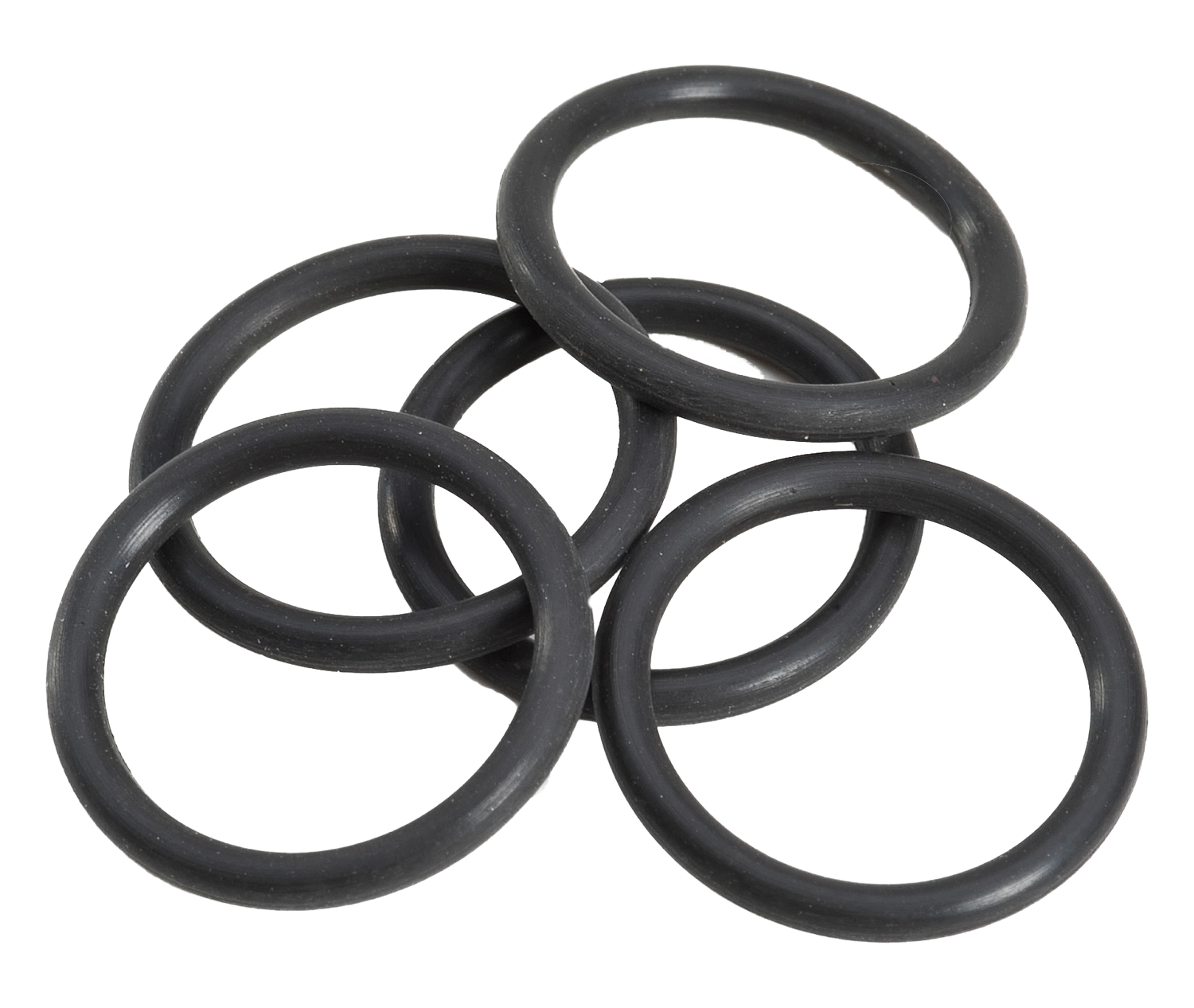
Engineering Capability: Precision Rubber Solutions for Magnetic Ice Skating Rink Systems
Suzhou Baoshida Trading Co., Ltd. delivers engineered rubber solutions for demanding industrial applications, including critical components in magnetic ice skating rink systems. Our in-house engineering team comprises five dedicated Mould Engineers and two specialized Rubber Formula Engineers, ensuring end-to-end technical mastery from material science to production. This integrated capability allows us to solve complex challenges in dynamic environments where thermal stability, magnetic retention, and mechanical resilience are non-negotiable.
Our Formula Engineers focus on polymer chemistry optimization, developing proprietary EPDM and NBR-based compounds that withstand extreme sub-zero temperatures while maintaining structural integrity under repeated magnetic field exposure. Through iterative lab testing and computational modeling, we fine-tune cross-link density, filler dispersion, and additive packages to eliminate brittleness at -40°C and prevent magnetic interference degradation. Concurrently, our Mould Engineers design precision tooling with micron-level tolerances for components like magnetic seal strips and boundary gaskets. They utilize advanced CAD/CAM simulations to preempt flow inconsistencies, knit lines, and compression set issues during high-volume vulcanization, ensuring dimensional accuracy critical for seamless rink assembly and leak prevention.
This synergy enables us to exceed OEM specifications for global rink manufacturers. We rigorously validate all formulations against ASTM D2000 and ISO 37 standards, with accelerated aging tests confirming 10,000+ hour performance under simulated operational stress. Our facility supports full material traceability and real-time process monitoring, guaranteeing batch-to-batch consistency essential for safety-critical applications.
The table below summarizes key performance attributes of our standard magnetic rink seal compound:
| Property | Test Method | Typical Value | Significance for Rink Systems |
|---|---|---|---|
| Temperature Range | ASTM D1329 | -45°C to +120°C | Prevents cracking during ice resurfacing cycles |
| Magnetic Retention | Custom Protocol | >95% after 500 hrs | Ensures consistent magnetic coupling strength |
| Tensile Strength | ASTM D412 | 18 MPa | Resists tearing from skate impacts |
| Compression Set (70h/70°C) | ASTM D395 | ≤15% | Maintains seal integrity after prolonged use |
| Hardness (Shore A) | ASTM D2240 | 65 ± 3 | Balances flexibility and edge retention |
Our OEM framework integrates client-specific requirements at every phase. We collaborate directly with rink designers to co-develop compounds matching unique magnetic flux densities and thermal cycling profiles, avoiding off-the-shelf compromises. Prototyping lead times average 15 days, with full production scalability to 500,000 units monthly. Every project includes DFMEA documentation and PPAP submissions, ensuring compliance with ISO/TS 16949 automotive-grade quality systems.
Suzhou Baoshida’s engineering depth transforms material limitations into performance advantages. By controlling both formulation science and mould dynamics, we deliver rubber components that extend rink operational life while reducing maintenance costs—proving that precision in molecular structure and tooling geometry is foundational to industrial reliability.
Customization Process
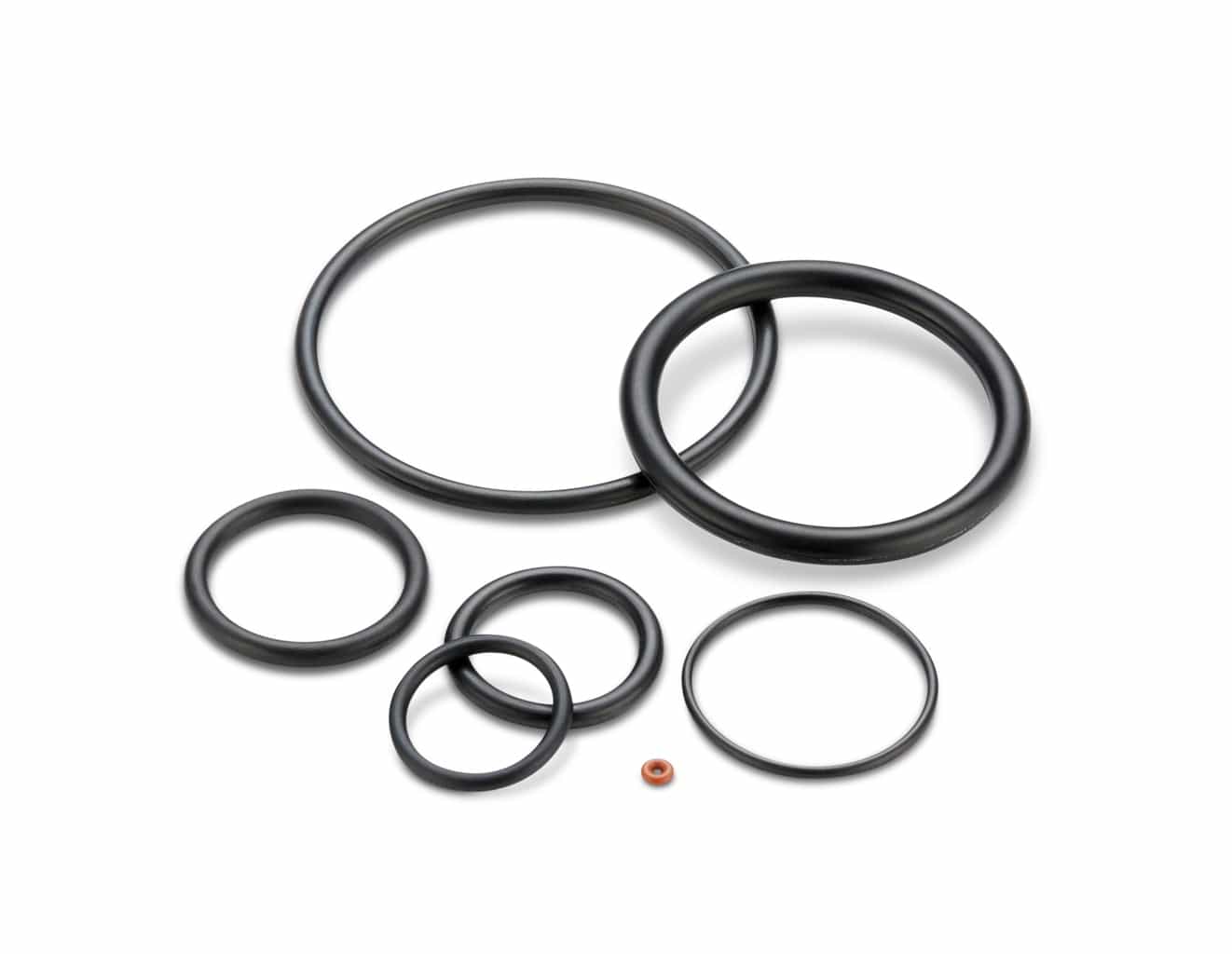
Customization Process for Magnetic Ice Skating Pond Components
At Suzhou Baoshida Trading Co., Ltd., our industrial rubber solutions are engineered to meet the exacting demands of advanced applications such as the magnetic ice skating pond system. This innovative recreational infrastructure relies on precision-engineered rubber components to ensure seamless integration with magnetic levitation and cooling mechanisms. Our four-phase customization process—Drawing Analysis, Formulation, Prototyping, and Mass Production—ensures optimal performance, durability, and compliance with OEM specifications.
The process begins with Drawing Analysis, where our technical team conducts a comprehensive review of client-provided CAD models and engineering drawings. We assess dimensional tolerances, load-bearing requirements, thermal resistance needs, and magnetic field interaction zones. Special attention is given to sealing surfaces, flex zones, and material thickness distribution. This stage includes finite element analysis (FEA) simulations to predict stress points and deformation under operational conditions, ensuring the rubber component will maintain integrity in sub-zero environments and dynamic mechanical loads.
Following drawing validation, we proceed to Formulation Development. Leveraging our expertise in synthetic rubber chemistry, we design a custom elastomer compound tailored to the operational profile of the magnetic ice skating pond. Key performance indicators include low-temperature flexibility (down to -40°C), resistance to repeated compression, non-interference with magnetic fields, and compliance with environmental safety standards. Common base polymers include hydrogenated nitrile (HNBR) and silicone rubber (VMQ), often reinforced with specialized fillers to enhance thermal conductivity and mechanical strength without compromising magnetic transparency.
Once the formulation is finalized, we initiate Prototyping. Using precision CNC-machined molds or 3D-printed tooling, we produce small-batch prototypes for functional testing. Each prototype undergoes rigorous evaluation, including compression set testing, thermal cycling, abrasion resistance, and magnetic permeability verification. Clients receive detailed test reports and physical samples for field integration trials. Iterative adjustments are made as needed, ensuring full alignment with system-level performance goals.
Upon client approval, we transition to Mass Production. Our ISO-certified manufacturing facility employs automated mixing, injection molding, and vulcanization systems to ensure batch-to-batch consistency. Every production run is subject to in-line quality control, including dimensional inspection via coordinate measuring machines (CMM) and real-time rheological monitoring. Components are packaged with traceability tags and shipped according to JIT delivery schedules.
The table below outlines typical material specifications for rubber components used in magnetic ice skating pond systems.
| Property | Test Method | Typical Value |
|---|---|---|
| Hardness (Shore A) | ASTM D2240 | 60–75 |
| Tensile Strength | ASTM D412 | ≥12 MPa |
| Elongation at Break | ASTM D412 | ≥250% |
| Compression Set (70h at -30°C) | ASTM D395 | ≤25% |
| Operating Temperature Range | — | -40°C to +120°C |
| Magnetic Permeability (relative) | IEC 60404-15 | 1.002–1.005 |
| Volume Resistivity | ASTM D257 | >1×10¹² Ω·cm |
Through this structured, science-driven approach, Suzhou Baoshida delivers rubber components that are not only dimensionally precise but also functionally optimized for next-generation magnetic ice skating pond systems.
Contact Engineering Team
Contact Suzhou Baoshida for Precision Rubber Engineering in Magnetic Ice Skating Pond Systems
Suzhou Baoshida Trading Co., Ltd. stands at the forefront of industrial rubber compound development and OEM manufacturing for highly specialized applications, including the critical magnetic substrate layers within magnetic ice skating pond systems. These systems demand rubber formulations exhibiting exceptional cryogenic stability, precise magnetic particle dispersion, and long-term resistance to mechanical fatigue under dynamic thermal cycling. Our engineering team possesses deep expertise in tailoring elastomer matrices specifically for the unique operational profile of outdoor recreational ice surfaces, where material failure directly impacts user safety and system longevity. Generic rubber solutions cannot meet the stringent requirements of consistent magnetic flux retention, low-temperature flexibility below -40°C, and resistance to de-icing agents prevalent in this environment. We address these challenges through proprietary compounding techniques and rigorous in-house validation protocols.
The core performance of a magnetic ice skating pond hinges significantly on the engineered rubber component. Below are the critical material specifications our formulations consistently achieve for this demanding application, validated through standardized testing methodologies.
| Property | Specification | Test Method |
|---|---|---|
| Shore A Hardness | 65 ± 3 | ASTM D2240 |
| Tensile Strength | ≥ 18 MPa | ASTM D412 |
| Elongation at Break | ≥ 450% | ASTM D412 |
| Compression Set (70°C x 22h) | ≤ 25% | ASTM D395 |
| Low Temperature Brittleness | ≤ -50°C | ASTM D2137 |
| Magnetic Flux Density | ≥ 850 Gauss (customizable) | ASTM A342 |
| Abrasion Resistance (DIN) | ≤ 120 mm³ | ISO 4649 |
| Fluid Resistance (5% NaCl) | Volume Swell ≤ 15% | ASTM D471 |
Our OEM process integrates seamlessly with your system design phase. We move beyond standard catalog products by initiating collaborative development cycles focused on your specific magnetic field geometry, expected load cycles, and environmental exposure parameters. This begins with comprehensive material characterization using our advanced rheometry and dynamic mechanical analysis (DMA) suites, ensuring the compound maintains viscoelastic integrity across the operational temperature spectrum. Suzhou Baoshida implements stringent quality control measures aligned with ISO 9001 standards throughout production, including 100% lot traceability and real-time magnetic property monitoring during calendaring. This precision engineering approach guarantees the rubber substrate delivers consistent performance, minimizing field failures and maximizing the operational lifespan of your magnetic ice pond installation.
Partnering with Suzhou Baoshida provides direct access to specialized rubber science applied to your exacting requirements. We understand that the magnetic layer is not merely a component but the foundational element enabling the entire ice skating experience. Our commitment is to deliver formulations that exceed baseline performance metrics through continuous material innovation and process optimization. Do not compromise system reliability with off-the-shelf elastomers lacking cryogenic validation. Contact Mr. Boyce, our dedicated OEM Manager and Rubber Formula Engineering lead, to initiate a technical consultation. Provide your specific performance targets, dimensional constraints, and production volume requirements. Mr. Boyce will facilitate a detailed review of your application needs, present validated material options, and outline a collaborative path to qualification. Reach Mr. Boyce directly via email at [email protected] to discuss how Suzhou Baoshida’s precision rubber engineering can enhance the durability and safety of your magnetic ice skating pond systems. Initiate the engineering dialogue for a solution engineered at the molecular level.
⚖️ O-Ring Weight Calculator
Estimate rubber O-ring weight (Approx).