
Technical Contents
Engineering Guide: Mass Loaded Vinyl Ceiling
Engineering Insight: Material Selection in Mass Loaded Vinyl Ceiling Applications
In industrial acoustics, the performance of a mass loaded vinyl (MLV) ceiling system is fundamentally determined by the precision of its material composition. While off-the-shelf MLV products are often marketed as universal sound barriers, they frequently underperform in demanding environments due to inconsistent density, poor polymer matrix integrity, and inadequate reinforcement. At Suzhou Baoshida Trading Co., Ltd., we emphasize that engineered material selection is not a secondary consideration—it is the cornerstone of effective noise attenuation in commercial and industrial ceiling installations.
Standard MLV solutions typically utilize recycled barium sulfate or calcium carbonate as loading agents, blended into low-grade polyvinyl chloride (PVC). These formulations sacrifice long-term stability for cost efficiency, leading to issues such as plasticizer migration, embrittlement under thermal cycling, and delamination when exposed to humidity. In ceiling applications, where gravitational stress and environmental exposure are constant, such weaknesses manifest as sagging, cracking, and diminished sound transmission class (STC) performance over time.
True acoustic reliability requires a high-purity, uniformly dispersed heavy metal loading—typically using virgin-grade barium or iron oxide—within a cross-linked elastomeric matrix. Our proprietary formulations integrate reinforced scrim layers with directional tensile strength, ensuring dimensional stability across wide temperature ranges (-20°C to +70°C). This structural resilience prevents creep deformation, a common failure mode in generic MLV ceiling panels subjected to continuous load.
Moreover, off-the-shelf products often neglect frequency-specific damping requirements. Broadband noise in industrial facilities—ranging from HVAC rumble to mechanical impact—demands a viscoelastic response tuned to low-frequency absorption (50–500 Hz). Standardized sheets with homogeneous stiffness fail to dissipate vibrational energy efficiently, resulting in resonant transmission through the building structure. In contrast, engineered MLV systems utilize graded density profiles and constrained layer damping principles to convert sound energy into negligible thermal dissipation.
The following table outlines key material performance parameters differentiating industrial-grade MLV from commodity alternatives:
| Property | Industrial-Grade MLV | Standard Off-the-Shelf MLV |
|---|---|---|
| Density | 6.0–10.0 kg/m² | 3.0–5.0 kg/m² |
| Base Polymer | Cross-linked PVC with EPDM modifier | Plasticized PVC (recycled content) |
| Loading Agent | Virgin barium sulfate or iron oxide | Recycled barium/carbonate blends |
| Tensile Strength | ≥15 MPa (reinforced scrim) | 6–8 MPa (non-reinforced) |
| Elongation at Break | ≥250% | 120–180% |
| STC Rating (single layer) | 27–32 | 20–25 |
| Service Temperature Range | -20°C to +70°C | -10°C to +50°C |
| Aging Resistance (1,000 hrs UV/humidity) | Minimal plasticizer loss (<5%) | Significant embrittlement (>20% loss) |
Material selection directly dictates lifecycle performance, regulatory compliance, and acoustic efficacy. At Baoshida, we engineer mass loaded vinyl not as a commodity, but as a precision industrial component—custom-calibrated for the mechanical and environmental demands of modern ceiling systems.
Material Specifications
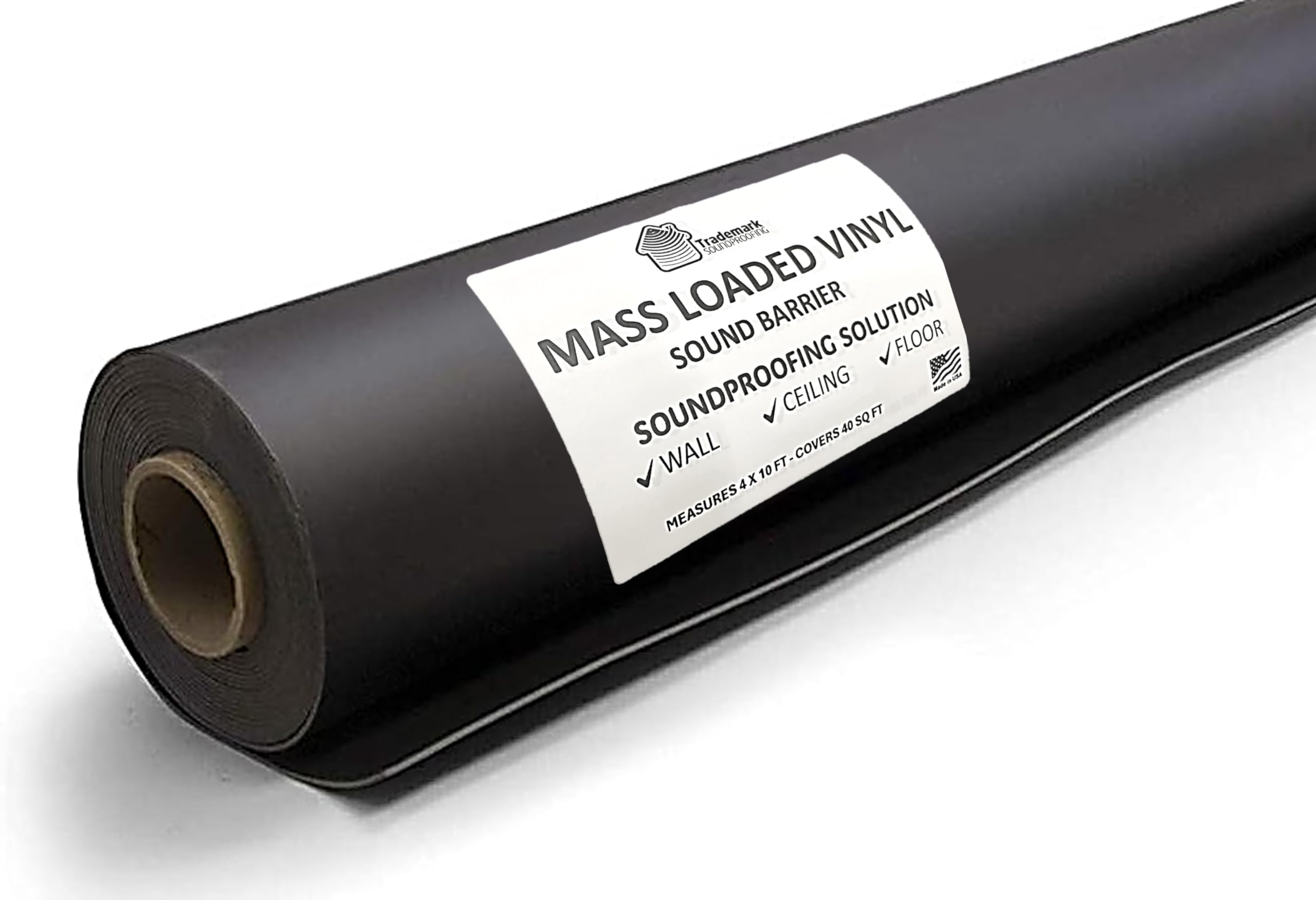
Material Specifications for Mass Loaded Vinyl Ceiling Applications
Precision material selection is critical for mass loaded vinyl (MLV) ceiling systems where acoustic performance, structural integrity, and environmental resilience must be optimized. At Suzhou Baoshida Trading Co., Ltd., we engineer rubber compounds specifically for industrial MLV integration, focusing on Viton, Nitrile, and Silicone elastomers. These materials serve as functional barriers or damping layers, requiring exact density control (typically 4.0–10.0 kg/m²), tensile strength, and chemical stability to ensure long-term noise attenuation without compromising fire safety or weight distribution. Each elastomer offers distinct advantages based on operational parameters, with compatibility against oils, solvents, temperature extremes, and installation conditions dictating optimal selection.
The following table details key specifications for Viton, Nitrile, and Silicone formulations relevant to MLV ceiling deployment. All values adhere to ASTM D2000 and ISO 37 standards, with density calibrated to meet mass-loading requirements while maintaining flexibility for seamless ceiling integration.
| Property | Viton (FKM) | Nitrile (NBR) | Silicone (VMQ) |
|---|---|---|---|
| Temperature Range | -20°C to 230°C | -40°C to 120°C | -60°C to 200°C |
| Density (g/cm³) | 1.82–1.98 | 1.05–1.25 | 1.10–1.30 |
| Tensile Strength (MPa) | 15–25 | 10–20 | 5–12 |
| Hardness (Shore A) | 60–80 | 50–90 | 30–80 |
| Chemical Resistance | Excellent (acids, fuels, aromatics) | Good (oils, aliphatic hydrocarbons) | Poor (solvents, fuels) |
Viton (FKM) is specified for high-risk industrial environments where exposure to aggressive chemicals, jet fuels, or continuous high temperatures occurs. Its exceptional resistance to aromatic hydrocarbons and thermal stability up to 230°C ensures MLV integrity in aerospace hangars or chemical processing facilities, though higher material costs necessitate justified use cases. Nitrile (NBR) provides the optimal balance for general commercial applications, offering robust resistance to petroleum-based oils and moderate temperature flexibility at a cost-effective rate. Its density range aligns precisely with standard MLV mass-loading targets, making it ideal for HVAC duct linings or factory ceiling baffles requiring frequent maintenance access. Silicone (VMQ) excels in extreme low-temperature scenarios below -40°C and applications demanding high flexibility, such as cold-storage facilities. However, its susceptibility to non-polar solvents and lower tensile strength require protective encapsulation within the MLV composite structure to prevent degradation.
Suzhou Baoshida Trading Co., Ltd. leverages OEM partnerships to tailor these formulations, adjusting filler content (e.g., barium sulfate for density tuning) and cross-linking density to meet exact acoustic transmission class (ASTC) and fire retardancy (ASTM E84 Class A) mandates. All materials undergo rigorous outgassing and VOC compliance testing per ISO 16000 to ensure indoor air quality standards are maintained in occupied spaces. Partner with our engineering team to validate material selection against your ceiling system’s acoustic, thermal, and regulatory profile.
Manufacturing Capabilities
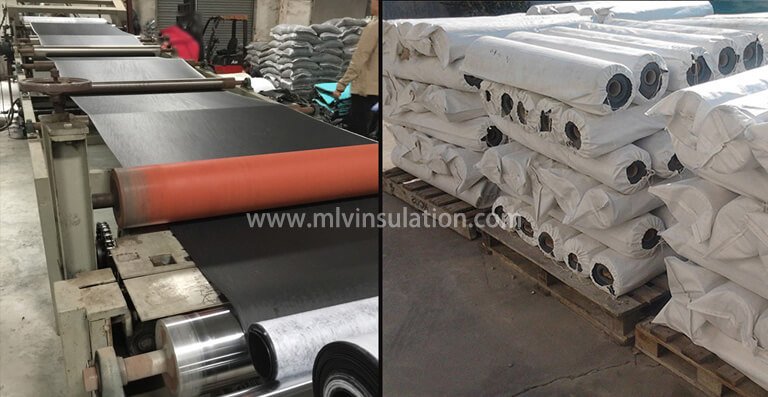
Suzhou Baoshida Trading Co., Ltd. stands at the forefront of industrial rubber solutions, delivering precision-engineered products tailored for demanding acoustic and structural applications. Our engineering capability is anchored in a dedicated team of technical specialists, including five experienced mould engineers and two advanced formula engineers, who work in tandem to develop high-performance mass loaded vinyl (MLV) ceiling materials that meet exact OEM specifications.
Our mould engineers are responsible for the design, validation, and optimization of production tooling, ensuring dimensional accuracy, repeatability, and scalability across batch runs. Utilizing advanced CAD/CAM software and finite element analysis (FEA), they simulate real-world performance conditions to preempt potential defects and streamline manufacturing efficiency. This proactive approach reduces time-to-market while maintaining strict compliance with international quality standards.
Complementing this expertise are our two in-house rubber formula engineers, who specialize in polymer chemistry and composite material development. Their role is critical in formulating high-density rubber compounds that deliver optimal sound transmission class (STC) and impact insulation class (IIC) ratings. By adjusting filler loadings—typically barium sulfate or calcium carbonate—and modulating elastomer matrices, they precisely control density, flexibility, and damping characteristics essential for effective noise attenuation in ceiling systems. These formulations are developed and validated under controlled laboratory conditions, ensuring batch-to-batch consistency and long-term environmental stability.
Our OEM capabilities are built on a foundation of technical agility and collaborative development. We partner directly with architects, acoustic consultants, and building material manufacturers to co-engineer MLV solutions that align with project-specific performance targets and installation requirements. Whether modifying thickness, integrating adhesive layers, or incorporating fire-retardant additives, our team ensures that every product iteration meets both functional and regulatory demands.
We support custom tooling and low-to-high volume production runs, backed by rigorous quality assurance protocols including tensile testing, density profiling, and acoustic impedance analysis. This vertically integrated approach—from compound development to final product validation—enables us to maintain full control over material integrity and performance outcomes.
The following table outlines the standard technical specifications for our mass loaded vinyl ceiling products, which can be customized based on OEM requirements.
| Property | Standard Value | Test Method |
|---|---|---|
| Density | 4.0 – 5.0 kg/m² per mm | ISO 2781 |
| Thickness | 1.5 mm – 3.0 mm | ISO 2758 |
| Sound Transmission Class (STC) | 26 – 32 (at 2.0 mm) | ASTM E90 |
| Impact Insulation Class (IIC) | 25 – 30 | ASTM E492 |
| Tensile Strength | ≥ 8 MPa | ISO 37 |
| Elongation at Break | ≥ 150% | ISO 37 |
| Fire Rating | Class B1 (DIN 4102) | DIN 53438 |
| Temperature Range | -20°C to +70°C | Internal Testing |
Suzhou Baoshida Trading Co., Ltd. combines deep materials science expertise with precision engineering to deliver OEM-grade mass loaded vinyl solutions that redefine acoustic performance in modern construction.
Customization Process
Customization Process for Mass Loaded Vinyl Ceiling Solutions
At Suzhou Baoshida Trading Co., Ltd., our mass loaded vinyl (MLV) ceiling solutions undergo a rigorously controlled customization workflow to ensure acoustic performance aligns precisely with project specifications. This four-phase process eliminates guesswork and guarantees material integrity for demanding industrial and architectural applications.
Step 1: Drawing Analysis
Engineering review begins with client-provided architectural drawings and acoustic requirements. Our team validates critical parameters including ceiling dimensions, structural load limits, ambient noise profiles, and fire safety mandates. We cross-reference these against ISO 10140 and ASTM E90 standards to identify compliance gaps. This phase determines baseline density targets (typically 2.0–5.0 kg/m²) and substrate compatibility, ensuring the MLV design integrates seamlessly with existing building systems without compromising structural integrity.
Step 2: Formulation
Based on drawing analysis, our rubber compounding laboratory develops a proprietary vinyl formulation. Standard polyvinyl chloride (PVC) is enhanced with high-purity barium sulfate or calcium carbonate fillers to achieve target mass loading. Critical variables—plasticizer ratios, stabilizer concentrations, and filler dispersion—are optimized using rheometer and Mooney viscometer data. Each batch is engineered to maintain flexibility at -20°C while resisting plasticizer migration under sustained humidity. Formulation tolerances are held to ±0.05 phr (parts per hundred rubber) for filler consistency, directly impacting sound transmission class (STC) performance.
Step 3: Prototyping
A 1m² prototype is produced under controlled factory conditions, replicating final production tooling. Key properties undergo third-party validation:
Shore A hardness (75–85) per ASTM D2240
Density uniformity (±3% across sheet) via ISO 1183
Fire resistance (ASTM E84 Class A)
NRC (Noise Reduction Coefficient) testing at 125–4000 Hz
Client feedback on prototype handling, cuttability, and adhesion characteristics triggers iterative refinements. Only after STC validation (e.g., ≥27 dB at 5.0 kg/m²) does the design advance.
Step 4: Mass Production
Approved formulations enter our 10,000m² GMP-certified facility. Continuous calendering lines operate at 25m/min with inline IR thickness gauges ensuring ±0.1mm tolerance. Every 500m² batch undergoes destructive testing for tensile strength (≥10 MPa) and elongation (≥250%). Final rolls are vacuum-sealed with humidity indicators and shipped with full traceability documentation, including lot-specific acoustic reports.
Critical MLV Specification Ranges
| Parameter | Standard Specification | Customizable Range | Testing Standard |
|---|---|---|---|
| Density | 2.0 kg/m² | 1.5–10.0 kg/m² | ISO 1183 |
| Thickness | 2.0 mm | 1.5–5.0 mm | ASTM D374 |
| STC Rating | 26 dB | 22–35 dB | ASTM E90 |
| Temperature Range | -20°C to +70°C | -40°C to +90°C | ISO 188 |
| Fire Rating | ASTM E84 Class B | Class A achievable | ASTM E84 |
This systematic approach ensures Suzhou Baoshida delivers MLV ceilings that meet exact acoustic attenuation requirements while adhering to global safety regulations. Our engineering team collaborates directly with OEM partners from initial concept through production validation, providing material data sheets and acoustic simulation support to de-risk project execution. Contact our technical division to initiate a project-specific workflow.
Contact Engineering Team
For industrial clients seeking high-performance acoustic solutions, Suzhou Baoshida Trading Co., Ltd. stands at the forefront of advanced rubber material engineering. Specializing in mass loaded vinyl (MLV) ceiling applications, our team delivers precision-engineered materials tailored to meet the rigorous demands of commercial, industrial, and architectural sound control environments. As a trusted OEM manager and rubber formulation expert, we combine material science with manufacturing excellence to provide products that exceed noise attenuation requirements while maintaining structural compatibility and long-term durability.
Our mass loaded vinyl ceiling solutions are designed for integration into suspended ceiling systems, HVAC enclosures, and industrial noise barriers, where high-density, flexible barriers are essential for minimizing sound transmission. Each product is formulated with a proprietary blend of barium sulfate and high-strength elastomers, ensuring optimal surface density and damping characteristics. We understand that every project presents unique acoustic challenges, which is why we offer customizable thicknesses, roll widths, and performance specifications to align with your engineering and installation needs.
To ensure seamless integration into your manufacturing or construction workflow, we provide comprehensive technical documentation, including ASTM-compliant test reports, fire ratings, and installation guidelines. Our quality assurance protocols follow ISO 9001 standards, with batch traceability and third-party validation for sound transmission class (STC) and impact insulation class (IIC) performance. Whether your application demands fire-retardant MLV for commercial buildings or heavy-gauge barrier materials for industrial machinery enclosures, Suzhou Baoshida delivers consistent, reliable performance.
For project-specific support, material recommendations, or custom formulation development, we invite you to contact Mr. Boyce, our dedicated OEM and technical liaison. With over 15 years of experience in industrial rubber solutions, Mr. Boyce provides direct engineering collaboration to ensure your acoustic requirements are met with precision and efficiency. He is available to discuss volume pricing, sample requests, lead times, and technical integration support for large-scale installations or OEM partnerships.
Below are the standard technical specifications for our mass loaded vinyl ceiling products. Custom configurations are available upon request.
| Property | Value |
|---|---|
| Material Composition | Barium sulfate-loaded PVC/EVA |
| Density Range | 4.0 – 10.0 kg/m² |
| Thickness Options | 1.5 mm, 2.0 mm, 3.0 mm, 4.5 mm |
| Width per Roll | 1.0 m, 1.2 m, 1.5 m |
| Standard Roll Length | 20 m, 30 m |
| STC Rating (2.0 mm typical) | 27 dB |
| Fire Rating (ASTM E84) | Class B (flame spread < 25) |
| Temperature Resistance | -20°C to +70°C |
| Sound Damping Efficiency | > 90% reduction in resonance |
Partnering with Suzhou Baoshida means gaining access to engineered rubber solutions backed by technical rigor and industrial expertise. To initiate a technical consultation or request product samples, contact Mr. Boyce directly at [email protected]. We respond to all inquiries within 24 business hours and support global logistics with DDP and FOB shipping options. Let us help you achieve superior acoustic performance through scientifically optimized mass loaded vinyl technology.
⚖️ O-Ring Weight Calculator
Estimate rubber O-ring weight (Approx).