
Technical Contents
Engineering Guide: Mass Loaded Vinyl Sound Deadening
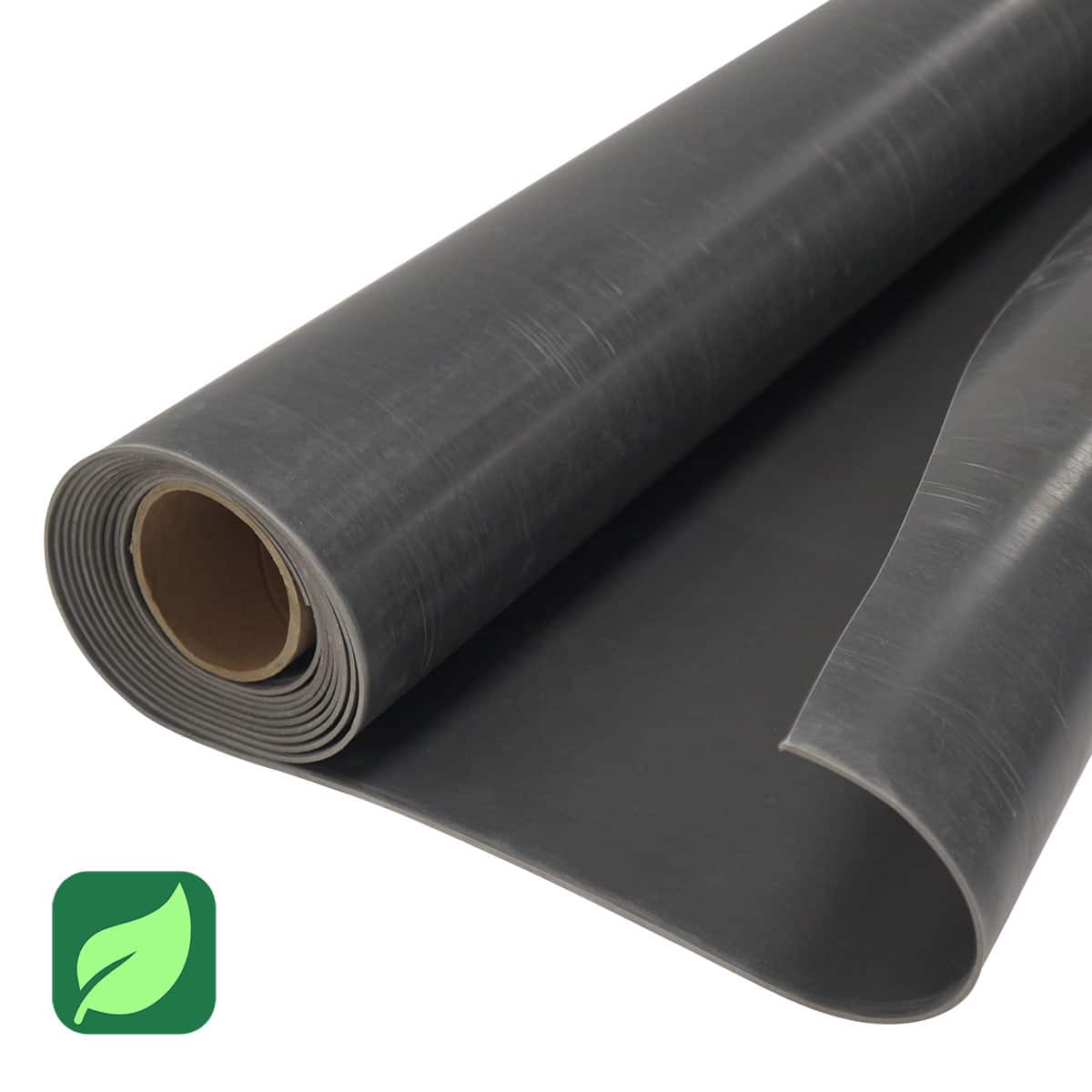
Engineering Insight: Material Selection Criticality in Mass Loaded Vinyl Sound Deadening
Material selection constitutes the foundational determinant of mass loaded vinyl (MLV) performance in industrial sound attenuation applications. Generic off-the-shelf MLV solutions frequently fail to meet stringent OEM specifications due to inherent compromises in raw material composition and manufacturing control. These failures manifest as inconsistent acoustic performance, premature material degradation, and costly field failures, directly impacting product reliability and brand reputation. The core issue lies in the substitution of high-purity, engineered compounds with commodity-grade polymers and poorly controlled filler systems. Standard commercial MLV often utilizes recycled PVC bases with variable molecular weights and inconsistent plasticizer packages. Crucially, the density-critical filler—typically barium sulfate—is frequently introduced with inadequate dispersion control and significant batch-to-batch density variation. This results in non-uniform mass distribution, creating acoustic weak points where sound energy penetrates rather than being reflected or dissipated.
The consequences of substandard material selection are severe in demanding environments. Automotive underbody shields exposed to temperature cycling and road salts experience plasticizer migration and embrittlement in low-grade MLV, leading to cracking and loss of damping properties. Similarly, HVAC duct liners utilizing generic MLV often exhibit delamination under continuous vibration due to insufficient polymer-filler bonding strength. These failures stem from the absence of rigorous compound formulation and process validation. True industrial-grade MLV requires precise control over polymer plasticity, filler particle size distribution, and interfacial adhesion chemistry. At Baoshida, our engineered compounds utilize virgin PVC resins with optimized molecular weight distribution, high-purity barium sulfate with controlled particle geometry, and proprietary plasticizer stabilization systems. This ensures consistent density, superior long-term flexibility across extreme temperatures, and robust mechanical integrity essential for mission-critical noise control.
The performance delta between commodity and engineered MLV is quantifiable through key material parameters. The following table highlights critical specification differences:
| Parameter | Generic Commercial MLV | Baoshida-Engineered MLV | Performance Impact |
|---|---|---|---|
| Density Tolerance | ±10% to ±15% | ±3% | Predictable Noise Reduction Coefficient (NRC) across sheet |
| Plasticizer Retention (100°C/168h) | 65-75% loss | <8% loss | Maintains flexibility & damping in high-temp environments |
| Tensile Strength (MPa) | 8-12 | 18-22 | Resists tearing during installation & service vibration |
| Operating Temperature Range | -10°C to +60°C | -40°C to +100°C | Reliable performance in extreme climates and engine bays |
Material selection is not a cost line item but an engineering investment. Off-the-shelf MLV cuts corners on compound purity and process control, inevitably compromising acoustic efficacy and durability. Baoshida’s approach integrates rubber chemistry expertise with OEM application requirements, delivering MLV where density uniformity, environmental stability, and mechanical resilience are non-negotiable. This precision engineering prevents costly downstream failures and ensures sound deadening performance meets exacting industrial specifications throughout the product lifecycle. Partnering for engineered material solutions, not commodity products, is fundamental to achieving reliable noise control.
Material Specifications
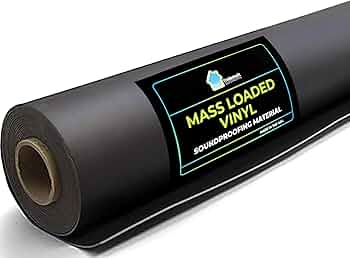
Material Specifications for Mass Loaded Vinyl Sound Deadening Applications
In industrial sound attenuation systems, mass loaded vinyl (MLV) is frequently integrated with high-performance elastomeric materials to enhance vibration damping, improve sealing integrity, and ensure long-term durability under dynamic operating conditions. At Suzhou Baoshida Trading Co., Ltd., our engineered rubber solutions are specifically tailored to meet the rigorous demands of noise control applications. When combined with MLV, elastomers such as Viton, Nitrile (NBR), and Silicone play a critical role in maintaining performance under extreme environmental exposure. Each material offers distinct physical and chemical resistance properties, enabling optimal selection based on application-specific variables including temperature range, fluid contact, and mechanical stress.
Viton, a fluorocarbon-based rubber, delivers superior resistance to high temperatures, oils, fuels, and aggressive chemicals. With a continuous service temperature range up to 200°C and excellent ozone and UV stability, Viton is ideal for aerospace, automotive, and heavy industrial environments where MLV composites are exposed to engine compartments or chemical processing units. Its low compression set ensures long-term sealing performance, making it a preferred choice for high-reliability installations.
Nitrile rubber (NBR) is widely used for its outstanding resistance to petroleum-based oils and hydraulic fluids. It provides good mechanical strength and abrasion resistance at a lower cost compared to Viton. NBR operates effectively within a temperature range of -30°C to 105°C, making it suitable for general industrial machinery, HVAC systems, and transportation applications where cost efficiency and oil resistance are prioritized. While it exhibits moderate resistance to weathering and ozone, it is typically recommended for indoor or protected environments.
Silicone rubber excels in extreme temperature applications, with a service range from -60°C to 230°C. It maintains flexibility at low temperatures and exhibits excellent resistance to UV radiation, ozone, and oxidation. Although it has lower tensile strength and abrasion resistance than NBR or Viton, its inert nature and biocompatibility make it suitable for cleanroom environments, medical equipment enclosures, and electronic housing where acoustic damping is required without compromising material safety.
The following table summarizes key performance characteristics of these elastomers when used in conjunction with mass loaded vinyl for industrial sound deadening solutions.
| Property | Viton (FKM) | Nitrile (NBR) | Silicone (VMQ) |
|---|---|---|---|
| Temperature Range (°C) | -20 to 200 | -30 to 105 | -60 to 230 |
| Tensile Strength (MPa) | 15–20 | 10–25 | 5–10 |
| Elongation at Break (%) | 200–300 | 250–500 | 200–600 |
| Hardness (Shore A) | 60–90 | 50–90 | 30–80 |
| Resistance to Oils/Fuels | Excellent | Excellent | Poor |
| Resistance to Ozone/UV | Excellent | Fair | Excellent |
| Compression Set Resistance | Excellent | Good | Good |
| Typical Applications | Aerospace, chemical processing, engine systems | Industrial machinery, automotive seals, HVAC | Electronics, medical devices, outdoor enclosures |
Selection of the appropriate elastomer must consider the full operational profile, including thermal cycling, chemical exposure, and mechanical loading. At Suzhou Baoshida Trading Co., Ltd., we support OEMs with material testing, formulation customization, and technical data reporting to ensure compatibility and compliance with industrial standards.
Manufacturing Capabilities
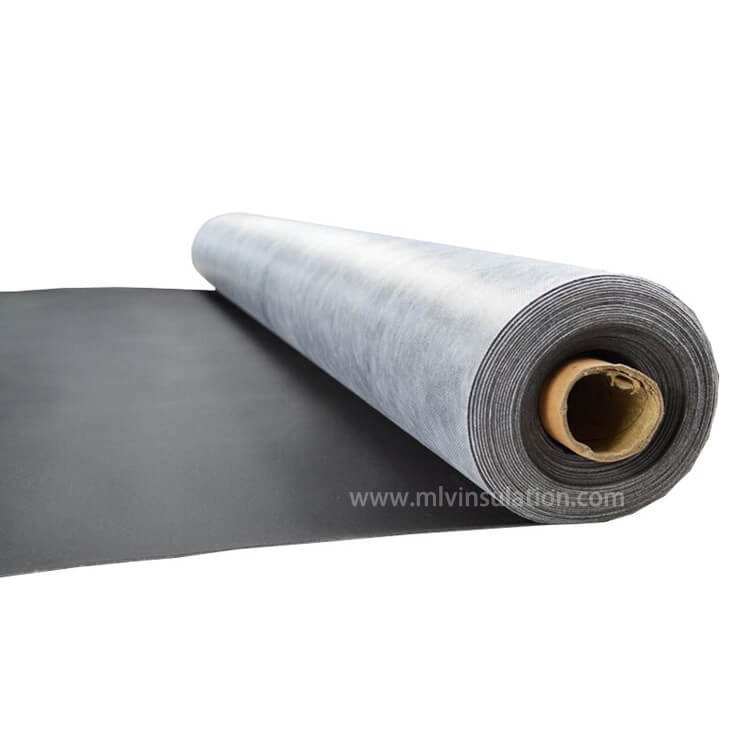
Engineering Capability: Precision Foundation for Mass Loaded Vinyl Sound Solutions
Suzhou Baoshida Trading Co., Ltd. leverages a dedicated engineering backbone to deliver superior mass loaded vinyl (MLV) sound deadening solutions for demanding industrial and OEM applications. Our core strength resides in the integrated expertise of five specialized Mold Engineers and two advanced Rubber Formula Engineers, operating within our Industrial Rubber Solutions division. This team structure ensures rigorous scientific oversight from molecular formulation through to precision manufacturing tooling, guaranteeing consistent acoustic performance and dimensional integrity critical for effective noise control.
Mold Engineering Precision is paramount in MLV production. Our five Mold Engineers focus exclusively on the complex tooling required for high-density, multi-layer composite extrusion. They conduct detailed tolerance stacking analysis and flow simulation to optimize die geometry, ensuring uniform density distribution and eliminating weld lines or thickness variations that compromise sound transmission loss (STL). This expertise directly translates to MLV sheets exhibiting consistent acoustic impedance matching across the entire surface area, a non-negotiable requirement for predictable noise barrier performance in automotive, construction, and industrial enclosures. Tooling longevity and rapid changeover protocols are engineered to support high-volume OEM production runs without sacrificing quality.
Rubber Formulation Science drives the core acoustic and physical properties of our MLV. Our two Formula Engineers possess deep expertise in polymer compounding and heavy metal filler integration. They meticulously design and validate proprietary formulations where barium sulfate or other high-density fillers are homogenously dispersed within specialized rubber matrices (typically EVA, PVC, or TPO blends). This process involves precise control of vulcanization kinetics, filler-polymer interfacial bonding, and plasticizer migration resistance to achieve target density, flexibility, temperature stability, and long-term durability. Rigorous laboratory testing validates STL performance per ASTM E90/E413 standards, ensuring formulations meet or exceed client-specific acoustic attenuation requirements across defined frequency ranges.
OEM Partnership Execution is where our engineering synergy delivers tangible client value. We provide full turnkey OEM services, from initial acoustic specification consultation through to certified production. Our engineers collaborate directly with client R&D teams to develop IP-protected formulations and tooling tailored to unique application constraints – whether integrating MLV into complex automotive headliners, HVAC ducting, or building envelope systems. We excel at rapid prototyping, material certification support (e.g., FMVSS 302, UL 94), and implementing stringent process controls for batch traceability. This capability ensures seamless integration of Baoshida MLV into the client’s final product assembly line, reducing their supply chain risk and accelerating time-to-market.
The following table outlines key performance specifications achievable through our engineered approach:
| Property | Standard Specification | Custom Range Capability |
|---|---|---|
| Density | 2.0 – 5.0 kg/m² | 1.5 – 10.0 kg/m² |
| Thickness | 1.0 – 2.0 mm | 0.8 – 3.5 mm |
| Operating Temp Range | -40°C to +80°C | -55°C to +100°C |
| Shore A Durometer | 70 – 85 | 50 – 95 |
| STL @ 1000 Hz (dB) | ≥ 25 dB | ≥ 20 dB to ≥ 35 dB |
This integrated engineering capability – combining deep material science with precision manufacturing expertise – positions Suzhou Baoshida as a strategic partner for OEMs requiring reliable, high-performance mass loaded vinyl solutions engineered for real-world acoustic challenges.
Customization Process
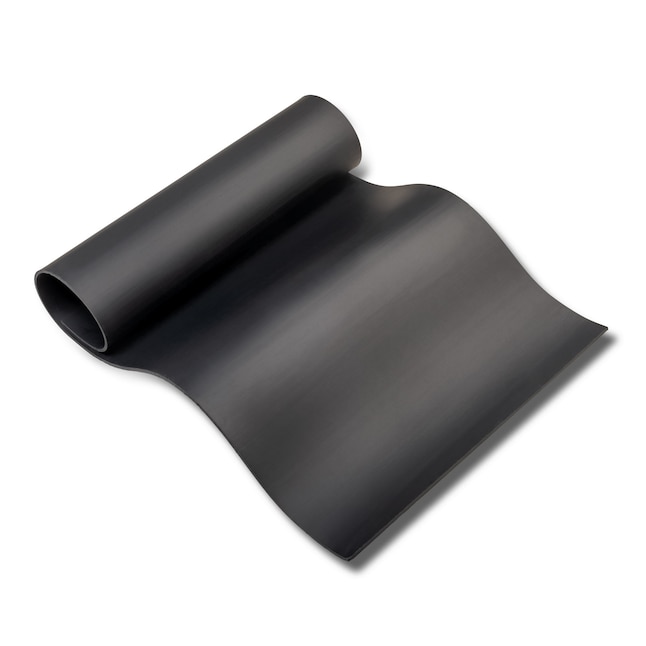
Customization Process for Mass Loaded Vinyl Sound Deadening at Suzhou Baoshida Trading Co., Ltd.
At Suzhou Baoshida Trading Co., Ltd., our industrial rubber solutions are engineered to meet precise acoustic and mechanical requirements, particularly in the development of mass loaded vinyl (MLV) for sound deadening applications. Our structured customization process ensures optimal performance, reliability, and compliance with OEM and industrial standards. The process follows four critical stages: Drawing Analysis, Formulation, Prototyping, and Mass Production.
The first phase, Drawing Analysis, involves a comprehensive technical review of the client’s design specifications, including dimensional tolerances, application environment, and installation method. We evaluate substrate compatibility, required flexibility, and expected acoustic performance (measured in STC or NRC ratings). This stage ensures that all physical and functional parameters are clearly defined before material development begins.
Following drawing validation, our Rubber Formula Engineers initiate the Formulation stage. Here, the base polymer matrix—typically a high-density PVC or rubber blend—is customized with heavy particulate additives such as barium sulfate or calcium carbonate to achieve the desired mass per unit area. The formulation is adjusted to balance sound attenuation, flexibility, thickness, and weight. Additives for UV resistance, flame retardancy (e.g., meeting UL 94 or ASTM E84), and low-temperature performance are integrated based on environmental exposure. Each formulation is documented under strict quality control protocols to ensure batch-to-batch consistency.
The third stage, Prototyping, allows for functional validation of the proposed MLV solution. Small-batch samples are manufactured using calibrated calendering or extrusion processes, replicating final production conditions. These prototypes undergo rigorous laboratory testing, including sound transmission loss (ASTM E90), tensile strength (ASTM D412), and peel adhesion (if laminated). Clients receive physical samples along with full test reports for evaluation in real-world assemblies.
Upon approval, the project transitions into Mass Production. Our automated production lines ensure high-volume output with minimal variance. All rolls are inspected for thickness uniformity (±0.1 mm), surface defects, and labeling compliance. We support custom roll lengths, widths up to 1.5 meters, and lamination with foams, foils, or adhesives as required. Logistics coordination, including container loading plans and export documentation, is managed in-house to support global OEM supply chains.
Throughout the process, Suzhou Baoshida maintains full traceability and adheres to ISO 9001 standards, ensuring that every MLV product meets the highest industrial benchmarks.
Typical Mass Loaded Vinyl Specifications
| Property | Standard Value | Test Method |
|---|---|---|
| Thickness Range | 1.0 – 3.0 mm | ASTM D374 |
| Mass per Unit Area | 2.0 – 10.0 kg/m² | ASTM D751 |
| Sound Transmission Class | 27 – 39 (STC) | ASTM E90 |
| Tensile Strength | ≥8 MPa | ASTM D412 |
| Elongation at Break | ≥150% | ASTM D412 |
| Operating Temperature Range | -20°C to +70°C | Internal Test Protocol |
| Flame Spread Index (max) | 25 (Class A) | ASTM E84 |
| Custom Additives Available | UV stabilizers, FR agents, antimicrobials | — |
Contact Engineering Team
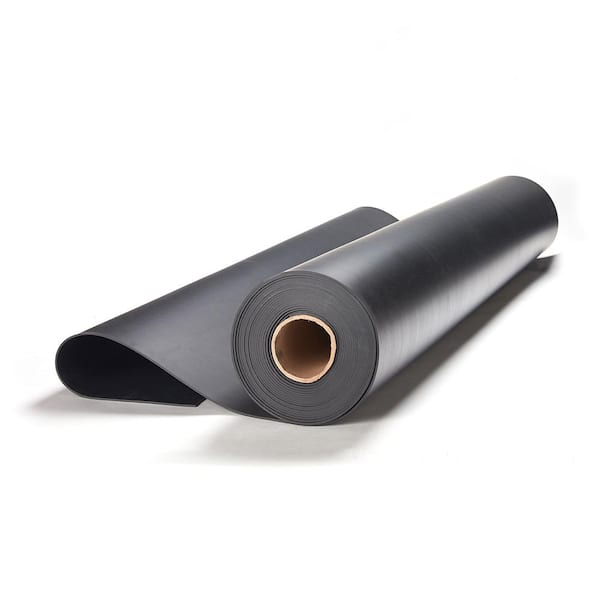
Engineering Partnership for Mass Loaded Vinyl Sound Deadening Solutions
Suzhou Baoshida Trading Co., Ltd. operates at the forefront of industrial rubber compounding and acoustic material innovation. Our mass loaded vinyl (MLV) formulations are engineered to stringent OEM specifications, leveraging proprietary barium sulfate and polymer matrices to achieve optimal sound transmission loss across critical frequency ranges. As your dedicated Rubber Formula Engineer and OEM Manager, we prioritize material science precision over generic supply chain logistics. Each MLV batch undergoes rigorous in-house validation per ASTM E90 and ISO 10140 standards, ensuring consistent surface density, tensile resilience, and environmental stability under operational stress. This technical rigor translates to measurable reductions in structure-borne noise for automotive NVH systems, architectural acoustics, and industrial machinery enclosures.
Technical collaboration begins with precise application profiling. We require detailed operational parameters—frequency spectra, temperature exposure, flexural demands, and regulatory constraints—to calibrate MLV composition. Our engineering team specializes in resolving trade-offs between acoustic performance and material flexibility, such as optimizing lead-free formulations for EU RoHS compliance without sacrificing damping coefficients. Unlike standard commodity suppliers, we provide full formula traceability and batch-specific acoustic test reports, enabling seamless integration into your quality assurance protocols. For complex projects, our OEM management framework includes co-engineering sessions to refine substrate adhesion, thermal expansion tolerances, and lifecycle durability under dynamic loading conditions.
Key mass loaded vinyl specifications are detailed below for immediate technical reference:
| Parameter | Standard Range | Test Method | Industrial Significance |
|---|---|---|---|
| Surface Density | 2.0 – 5.0 kg/m² | ASTM D792 | Directly correlates to STC rating |
| Thickness Tolerance | ±0.15 mm | ISO 2768 | Critical for multi-layer assembly |
| Frequency Range | 100 – 5000 Hz | ASTM E492 | Covers dominant machinery resonance |
| Tensile Strength | ≥ 8.0 MPa | ASTM D412 | Ensures installation integrity |
| Operating Temperature | -40°C to +80°C | ISO 188 | Suitable for extreme environments |
| Fire Rating | ASTM E84 Class A | UL 94 HB | Mandatory for building compliance |
Initiate your technical consultation by contacting Mr. Boyce, our Lead Acoustic Materials Specialist. Direct communication with our engineering team eliminates procurement delays and ensures your acoustic challenges are addressed at the molecular level. Mr. Boyce holds 14 years of experience in rubber compounding for noise control applications and will coordinate:
Material compatibility testing with your substrates
Custom density adjustments for targeted frequency attenuation
Documentation for global regulatory submissions
Scalable production scheduling aligned with your assembly timelines
Do not rely on generic supplier catalogs for mission-critical sound management. Email Mr. Boyce at [email protected] with your project specifications, target decibel reduction metrics, and volume requirements. Include any existing test data or failure analysis from prior solutions to accelerate our joint problem-solving process. We respond to all technical inquiries within 4 business hours with a preliminary engineering assessment. For urgent OEM integration timelines, reference your purchase order number or project code in the subject line to trigger expedited review. Suzhou Baoshida delivers not just materials, but acoustically validated performance—engineered to your exact operational reality.
⚖️ O-Ring Weight Calculator
Estimate rubber O-ring weight (Approx).