
Technical Contents
Engineering Guide: Mass Loaded Vinyl Soundproofing
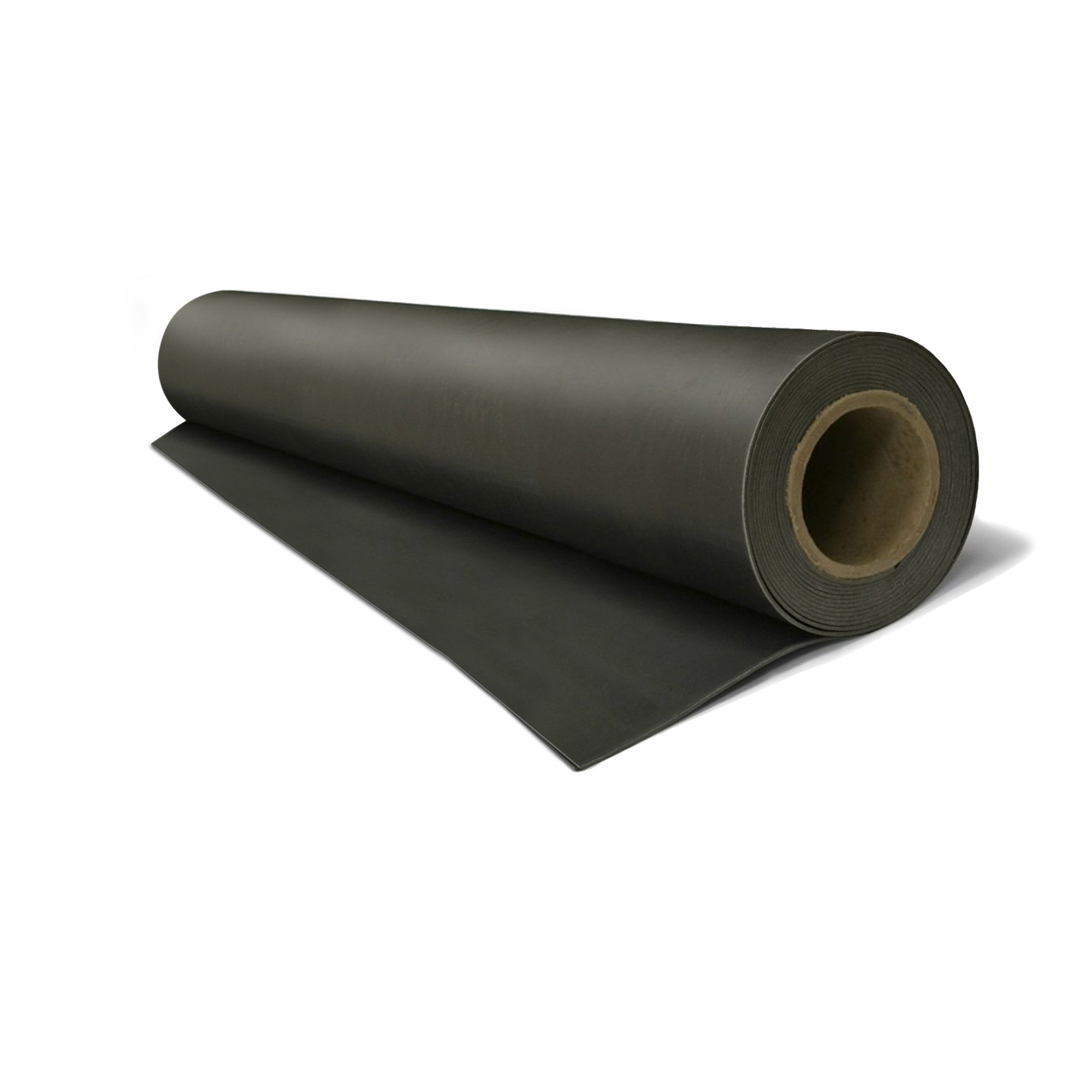
Engineering Insight: Material Selection in Mass Loaded Vinyl Soundproofing
Mass loaded vinyl (MLV) is a high-density composite material widely used in industrial and architectural acoustics for its exceptional sound transmission loss properties. At Suzhou Baoshida Trading Co., Ltd., we emphasize that the performance of MLV is not inherent to its form alone but is critically dependent on precise material formulation and manufacturing consistency. Off-the-shelf solutions often fail to deliver expected acoustic results due to compromises in base polymer selection, filler dispersion, and density control.
The core functionality of MLV relies on the mass law principle: the greater the surface density, the higher the sound transmission loss across a broad frequency range. However, achieving optimal performance requires more than simply increasing weight. The elastomeric matrix—typically based on PVC or rubber compounds—must be engineered to maintain flexibility, tensile strength, and long-term stability under thermal and mechanical stress. Many commercial-grade MLVs utilize recycled polymers and inconsistent filler ratios to reduce costs, resulting in material anisotropy and reduced damping efficiency. These defects manifest as weak points in sound barriers, especially in low-frequency ranges where structural resonance becomes problematic.
Another critical factor is the uniformity of high-density filler distribution, commonly barium sulfate or calcium carbonate. Inadequate dispersion leads to density gradients, which create acoustic leakage paths. Precision calendering and compounding techniques ensure homogeneity, a capability often lacking in mass-produced alternatives. Furthermore, improper plasticizer selection can result in outgassing, embrittlement, or environmental compliance issues—particularly relevant in enclosed industrial or residential environments.
At Baoshida, our industrial rubber solutions are formulated with virgin-grade polymers and precisely metered mineral loading, ensuring a minimum surface density variance of ±3%. This consistency translates into predictable NRC (Noise Reduction Coefficient) and STC (Sound Transmission Class) performance across production batches. We also tailor the polymer architecture to resist UV degradation, moisture absorption, and temperature cycling—factors often overlooked in generic MLV products but essential in demanding applications such as HVAC enclosures, transportation cabins, and precision manufacturing facilities.
Below is a comparative specification table highlighting key parameters between standard commercial MLV and Baoshida’s engineered solution:
| Parameter | Standard Commercial MLV | Baoshida Engineered MLV |
|---|---|---|
| Surface Density (kg/m²) | 2.0 – 5.0 (variable) | 3.0 – 10.0 (±3%) |
| Base Polymer | Recycled PVC | Virgin PVC + Rubber Blend |
| Filler Type | Calcium Carbonate (low grade) | Barium Sulfate (high purity) |
| Tensile Strength (MPa) | 6 – 8 | ≥12 |
| Elongation at Break (%) | 120 – 180 | ≥200 |
| STC Rating (2.5mm thickness) | 22 – 26 | 28 – 32 |
| Temperature Resistance (°C) | -10 to 60 | -30 to 80 |
| Compliance | Limited RoHS | Full RoHS, REACH |
The failure of off-the-shelf MLV solutions often stems from treating soundproofing as a commodity rather than an engineered system. At Suzhou Baoshida, we approach mass loaded vinyl as a precision industrial material—where chemistry, physics, and process control converge to deliver reliable acoustic performance.
Material Specifications
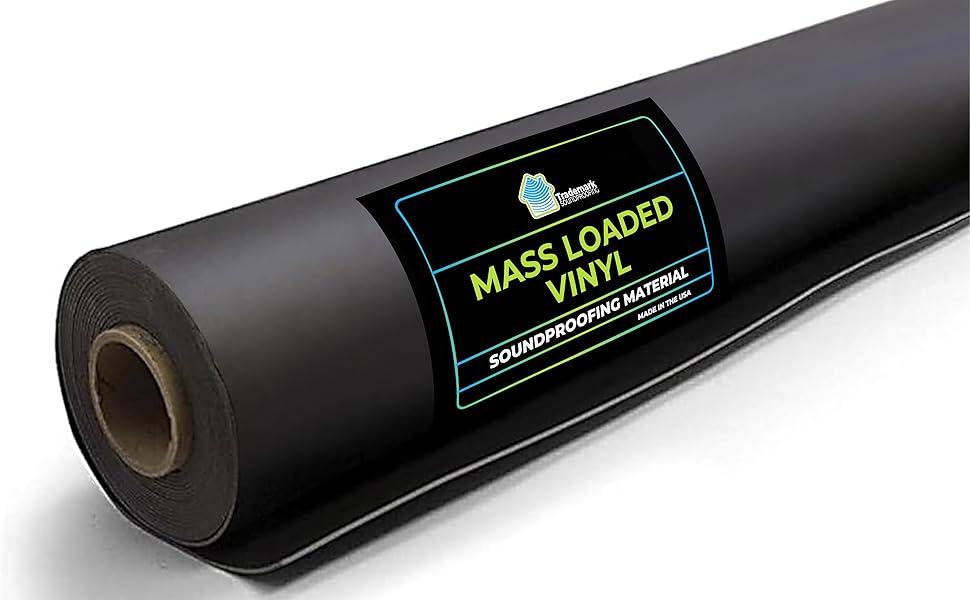
Material Specifications for High-Performance Soundproofing Elastomers
Suzhou Baoshida Trading Co., Ltd. supplies precision-engineered elastomeric solutions for industrial soundproofing applications, including advanced alternatives to traditional mass loaded vinyl (MLV). While conventional MLV relies on barium sulfate-loaded PVC, our specialized rubber formulations—Viton, Nitrile, and Silicone—deliver superior acoustic attenuation in demanding environments where chemical exposure, extreme temperatures, or flexibility constraints exist. These materials achieve high mass density through proprietary compounding with inert mineral fillers, directly enhancing sound transmission loss (STL) per ASTM E90 standards. Each elastomer is formulated to balance density, durability, and installation practicality, with densities ranging from 1.8 to 3.2 g/cm³ to meet STC 25–35+ requirements. Critical to performance is the uniform dispersion of loading agents, preventing filler settling during calendaring—a process rigorously controlled to ensure ±0.05 g/cm³ density tolerance across production batches.
Viton (FKM) excels in aerospace and chemical processing due to its exceptional resistance to jet fuels, hydraulic fluids, and acids at temperatures from -20°C to 230°C. Its density of 2.8–3.2 g/cm³ provides high STL in thin profiles (1.5–3.0 mm), though higher cost necessitates targeted use. Nitrile (NBR) offers optimal cost-performance for automotive and machinery enclosures, with outstanding oil/fuel resistance and a density range of 1.8–2.2 g/cm³. Operating effectively from -40°C to 105°C, it maintains flexibility down to 50 Shore A hardness, critical for vibration damping. Silicone (VMQ) serves high-temperature applications (up to 260°C) and cleanrooms, with density adjustable from 1.9–2.5 g/cm³. Its biocompatibility and ozone resistance suit medical and semiconductor equipment, though tensile strength is moderate compared to NBR.
All materials undergo third-party validation for sound absorption coefficients (ASTM C423) and flammability (UL 94 HB/V-0). Below is a comparative specification summary for OEM integration:
| Material | Density (g/cm³) | Temperature Range (°C) | Hardness (Shore A) | Key Chemical Resistances | Relevant Standards |
|---|---|---|---|---|---|
| Viton (FKM) | 2.8–3.2 | -20 to 230 | 60–80 | Fuels, acids, hydraulic fluids | ASTM D2000, ISO 3601 |
| Nitrile (NBR) | 1.8–2.2 | -40 to 105 | 50–75 | Oils, greases, aliphatic hydrocarbons | ASTM D2000, ISO 2230 |
| Silicone (VMQ) | 1.9–2.5 | -60 to 260 | 40–65 | Ozone, UV, water vapor, weak acids | ASTM D2000, ISO 3601 |
As an OEM manager, we emphasize material traceability through batch-specific CoAs (Certificates of Analysis) documenting density, hardness, and filler content. Our supply chain adheres to ISO 9001 protocols, ensuring lot-to-lot consistency for seamless integration into sound barrier laminates. For custom formulations—such as halogen-free阻燃 variants or enhanced cryogenic NBR—our engineering team collaborates directly with clients to optimize STL performance against project-specific noise spectra (e.g., 50–5000 Hz machinery harmonics). Precision in thickness tolerance (±0.1 mm) and surface smoothness (Ra ≤ 3.2 µm) guarantees compatibility with adhesive lamination processes, eliminating air gaps that compromise acoustic seals. Partner with Baoshida for soundproofing elastomers where reliability meets acoustic science.
Manufacturing Capabilities
Engineering Capability
At Suzhou Baoshida Trading Co., Ltd., our engineering division forms the backbone of our industrial rubber solutions, particularly in the development and production of mass loaded vinyl (MLV) for soundproofing applications. With a dedicated team of five specialized mould engineers and two advanced formula engineers, we maintain full in-house control over material science, product design, and manufacturing precision. This integrated approach ensures that every MLV product meets the exact acoustic, mechanical, and environmental requirements of our global OEM partners.
Our formula engineers possess deep expertise in polymer chemistry and composite material behavior, enabling precise tuning of MLV formulations for optimal sound transmission loss (STL), density distribution, and flexibility. By leveraging proprietary rubber compounding techniques, we engineer high-density, non-toxic, and environmentally stable MLV sheets that perform consistently across temperature extremes and humidity conditions. These formulations are developed using industrial-grade barium sulfate or calcium carbonate as loading agents, ensuring excellent mass efficiency without compromising material integrity or processability.
The mould engineering team plays a critical role in transforming these advanced formulations into scalable, high-precision products. Utilizing CAD/CAM systems and finite element analysis (FEA), they design and optimize calendering and lamination tooling to ensure uniform thickness, consistent surface finish, and dimensional accuracy across large production runs. This synergy between material formulation and precision tooling allows us to deliver MLV products with tight tolerances and repeatable performance—essential for integration into automotive, construction, and industrial equipment applications.
As an OEM-focused manufacturer, we support full custom development cycles—from initial concept and material testing to prototyping, validation, and mass production. Our engineering team collaborates directly with client R&D departments to co-develop solutions tailored to specific noise attenuation targets, space constraints, weight limits, and regulatory standards. This includes flame-retardant (FR) variants compliant with ASTM E84, UL 94, or FMVSS 302, as well as eco-friendly, recyclable MLV structures for sustainable building systems.
Our facility operates under strict quality management protocols (ISO 9001 certified), with real-time monitoring of rheological properties, density gradients, and acoustic performance during production. This enables rapid feedback loops and continuous process optimization, ensuring that every batch meets the highest industrial standards.
The following table outlines the technical specifications achievable through our engineering platform:
| Property | Standard Range | Custom Capability | Test Method |
|---|---|---|---|
| Density | 2.0 – 5.0 g/cm³ | Up to 7.0 g/cm³ | ASTM D792 |
| Thickness | 1.0 – 5.0 mm | Up to 10 mm (laminated) | ASTM D374 |
| Sound Transmission Loss (STL) | 20 – 35 dB @ 1 kHz | >40 dB (multi-layer) | ASTM E90 / ISO 140 |
| Tensile Strength | ≥ 8 MPa | ≥ 12 MPa (reinforced) | ASTM D412 |
| Elongation at Break | ≥ 150% | ≥ 200% | ASTM D412 |
| Operating Temperature | -30°C to +80°C | -40°C to +100°C | Internal |
| Flame Resistance | Optional FR grade | UL 94 V-0, FMVSS 302 | UL 94, FMVSS |
This combination of advanced formulation science, precision engineering, and OEM agility positions Suzhou Baoshida as a trusted partner in high-performance soundproofing solutions.
Customization Process
Customization Process for Mass Loaded Vinyl Soundproofing Solutions
At Suzhou Baoshida Trading Co., Ltd., our industrial rubber engineering team executes a rigorous four-phase customization workflow for mass loaded vinyl (MLV) soundproofing products. This methodology ensures acoustic performance aligns precisely with client specifications while maintaining manufacturability and cost efficiency.
Drawing Analysis
Initial engagement begins with comprehensive technical drawing review. Our engineers dissect substrate compatibility requirements, dimensional tolerances, and environmental exposure parameters (e.g., temperature range, chemical resistance). Critical acoustic targets—including target noise reduction coefficient (NRC) and sound transmission class (STC) values—are cross-referenced against architectural drawings and vibration profiles. This phase identifies potential conflicts between acoustic goals and physical constraints, such as flexural rigidity limitations in curved installations. Finite element analysis (FEA) simulates stress points to prevent delamination risks during installation.
Formulation
Based on drawing analysis outputs, our rubber compounding laboratory develops proprietary polymer matrices. We optimize the balance between high-density fillers (barium sulfate or calcium carbonate) and flexible elastomer bases (typically EVA or PVC blends). Key variables include:
Filler loading percentage (60–85% by weight) for density control
Plasticizer selection to maintain flexibility at -20°C to 70°C
UV stabilizers for outdoor applications
Flame retardants meeting ASTM E84 Class A
Formulations undergo iterative rheological testing to ensure processability through calendering equipment while achieving target surface mass (2–10 kg/m²). Acoustic impedance is calculated to match substrate materials, minimizing resonance at critical frequencies.
Prototyping
Three production-intent prototypes are manufactured using client-specified thicknesses and widths. Samples undergo laboratory validation per ASTM E90 (airborne sound transmission) and ASTM E492 (impact noise). Real-world simulation tests include:
Vibration damping analysis via laser Doppler vibrometry
Peel adhesion strength testing (≥6 N/mm)
Accelerated aging for 500+ hours at 70°C/95% RH
Client feedback on physical handling and installation compatibility triggers formulation refinements. Final prototype approval requires STC deviation ≤±1.5 dB from predicted values.
Mass Production
Approved formulations transition to our ISO 9001-certified production line. Continuous inline monitoring tracks:
Thickness uniformity (±0.1 mm via laser gauges)
Density consistency (±2% through gamma-ray densitometry)
Surface defect detection (automated vision systems)
Each production batch undergoes third-party acoustic certification. Logistics coordination ensures climate-controlled shipping to prevent moisture absorption that could alter acoustic properties.
Typical Mass Loaded Vinyl Performance Specifications
| Parameter | Prototype Tolerance | Mass Production Tolerance | Test Standard |
|---|---|---|---|
| Surface Mass (kg/m²) | ±5% | ±2% | ISO 9006 |
| Thickness (mm) | ±0.15 mm | ±0.05 mm | ASTM D374 |
| STC Rating | ±2 dB | ±1 dB | ASTM E90 |
| Temperature Range | -25°C to 75°C | -30°C to 80°C | ISO 188 |
| Tensile Strength (MPa) | ≥8.0 | ≥9.5 | ASTM D412 |
This structured approach guarantees that every customized MLV solution meets stringent industrial acoustic requirements while adhering to Suzhou Baoshida’s commitment to precision engineering and scalable manufacturing excellence.
Contact Engineering Team
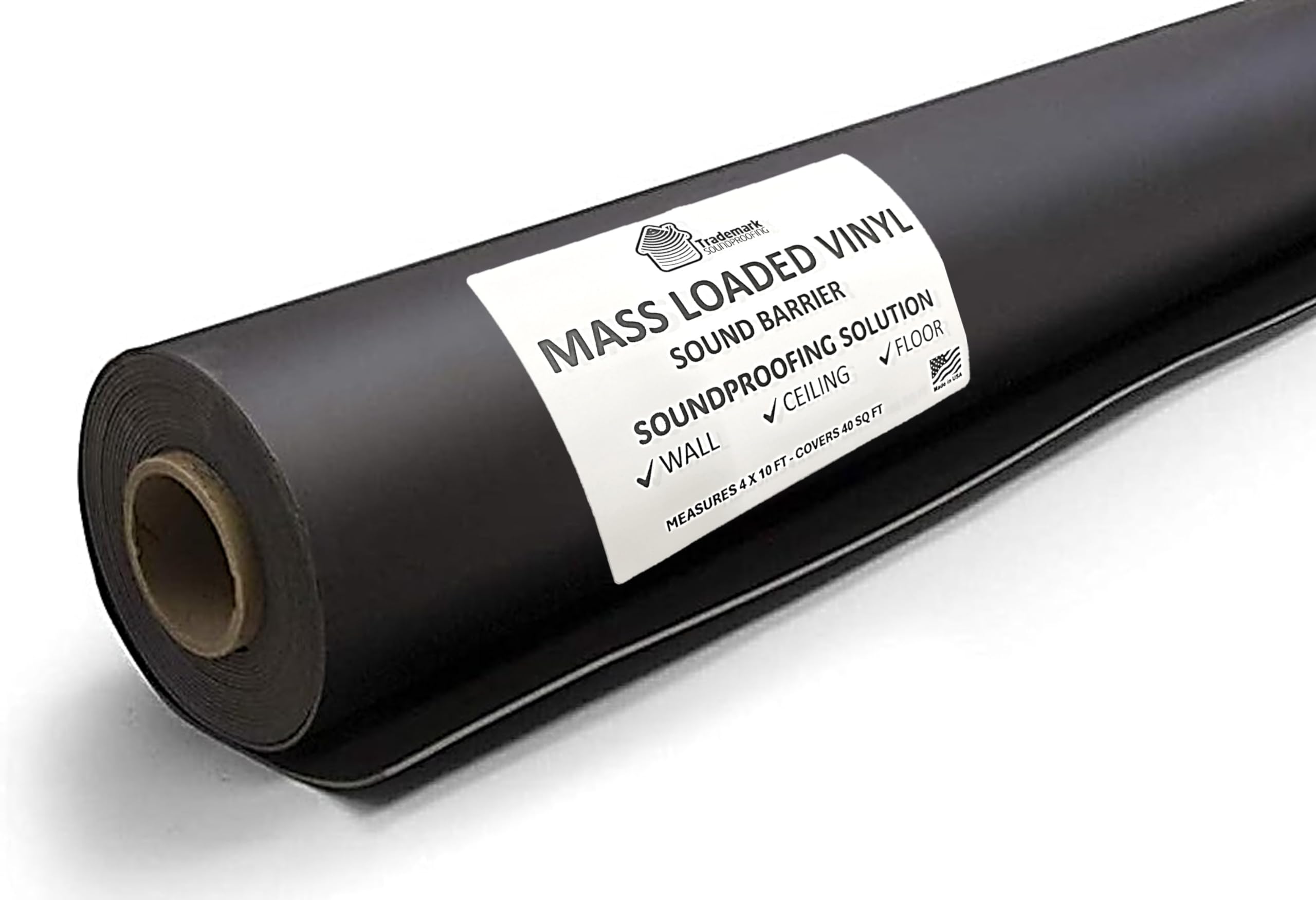
Contact Suzhou Baoshida for Advanced Mass Loaded Vinyl Soundproofing Solutions
At Suzhou Baoshida Trading Co., Ltd., we specialize in delivering high-performance industrial rubber solutions tailored to the rigorous demands of modern manufacturing, construction, and acoustic engineering. As a trusted OEM manager and rubber formula engineer, we have developed proprietary mass loaded vinyl (MLV) materials engineered for superior sound transmission loss, durability, and ease of integration across diverse applications. Whether your project involves automotive NVH reduction, architectural acoustics, or industrial machinery enclosures, our MLV products are formulated to meet exacting technical standards while maintaining cost-efficiency and scalability.
Our mass loaded vinyl formulations are precision-engineered using high-density barium sulfate and premium elastomeric bases, ensuring consistent areal density, flexibility, and long-term environmental resistance. Unlike generic soundproofing materials, our MLV is manufactured under strict quality controls to eliminate voids, delamination, and density fluctuations—common failure points in substandard products. Each batch undergoes rigorous testing for sound transmission class (STC), impact noise reduction, tensile strength, and flame retardancy to comply with international building and safety codes.
We understand that every industrial application presents unique acoustic and mechanical challenges. That’s why we offer custom formulation services—adjusting thickness, density, and surface treatment to match your specific performance requirements. From 1.0 mm thin laminates for tight-space installations to 3.2 mm heavy-duty barriers for industrial environments, our engineering team works closely with clients to optimize material properties without compromising manufacturability.
Below are the standard technical specifications of our most widely used mass loaded vinyl products:
| Property | Test Method | Value (2.0 mm Thickness) | Value (3.2 mm Thickness) |
|---|---|---|---|
| Areal Density | ASTM E1425 | 2.5 kg/m² | 4.0 kg/m² |
| Sound Transmission Loss (STC) | ASTM E90 | 27 | 34 |
| Tensile Strength | ASTM D412 | ≥ 8 MPa | ≥ 8 MPa |
| Elongation at Break | ASTM D412 | ≥ 250% | ≥ 250% |
| Thickness Tolerance | ISO 2230 | ±0.1 mm | ±0.15 mm |
| Flame Resistance | ASTM E84 (Class A) | Pass | Pass |
| Operating Temperature Range | — | -20°C to +70°C | -20°C to +70°C |
Partnering with Suzhou Baoshida means access to not just raw materials, but integrated technical support—from acoustic modeling assistance to on-site application guidance. We serve clients across Europe, North America, and Southeast Asia, with reliable logistics and documentation for seamless customs clearance.
For direct technical consultation or sample requests, contact Mr. Boyce, our dedicated OEM Manager and Rubber Formula Engineer. He will guide you through material selection, customization options, and volume pricing structures tailored to your production needs.
Reach out today via email at [email protected] to initiate a technical discussion or request a formal quotation. Let Suzhou Baoshida be your strategic partner in achieving superior sound control with precision-engineered mass loaded vinyl.
⚖️ O-Ring Weight Calculator
Estimate rubber O-ring weight (Approx).