
Technical Contents
Engineering Guide: Material Properties Of Silicone
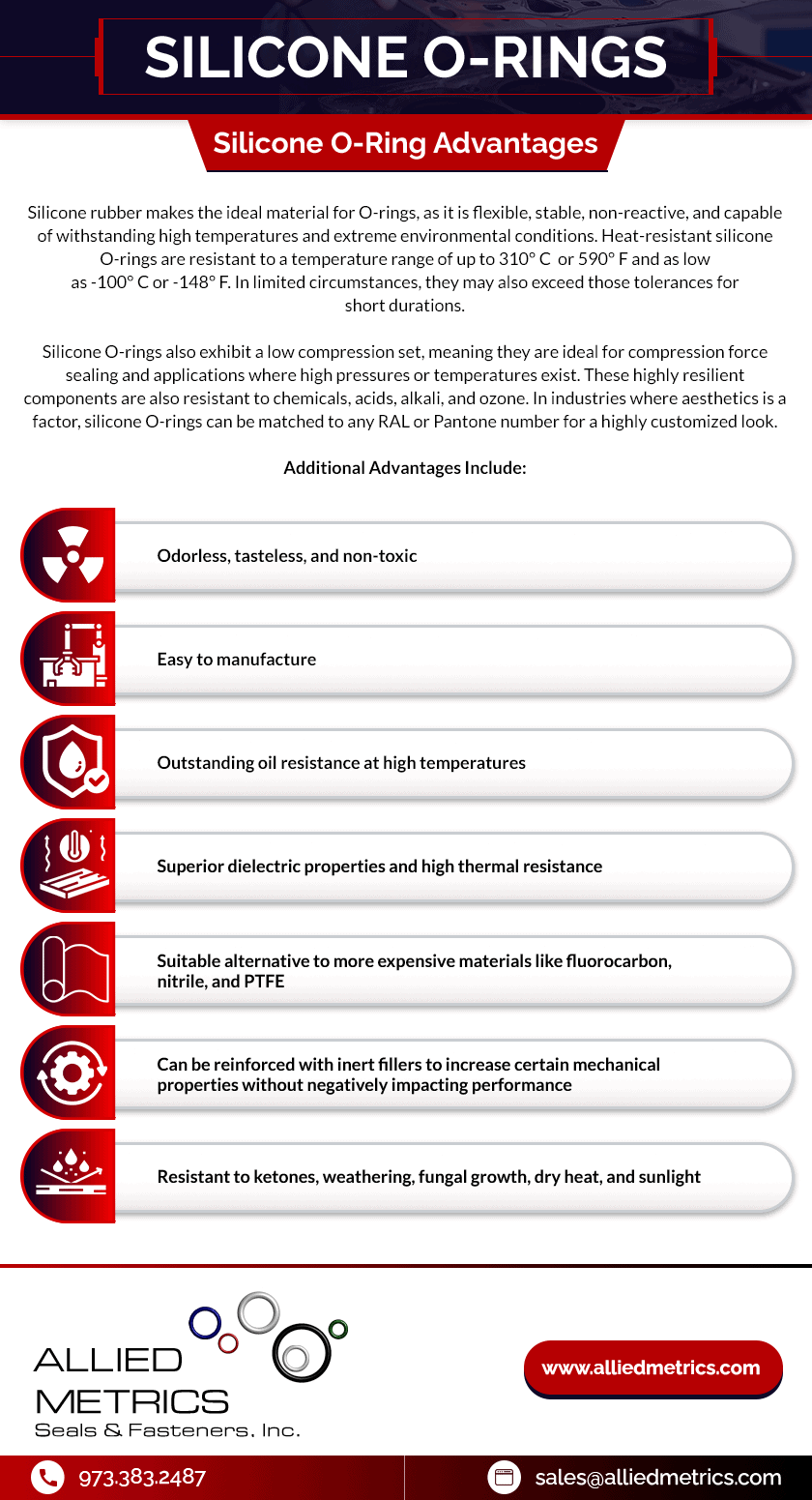
Engineering Insight: Material Properties of Silicone in Industrial Applications
In industrial rubber solutions, material selection is not merely a design consideration—it is a determinant of system integrity, longevity, and operational safety. Silicone rubber, while widely recognized for its thermal stability and biocompatibility, is frequently misunderstood in commercial applications. Off-the-shelf silicone products are often marketed as universal solutions, yet they consistently underperform in demanding environments due to oversimplified formulations and inadequate customization.
Silicone’s inherent properties—such as low compression set, wide service temperature range, and resistance to UV and ozone—make it ideal for aerospace, medical, and high-temperature sealing applications. However, these benefits are only fully realized when the compound is engineered to match specific mechanical, chemical, and environmental conditions. Generic silicone formulations typically lack the reinforcement, filler optimization, or cross-link density required for sustained performance under dynamic stress or aggressive media exposure.
One critical failure mode observed with standard silicone seals is premature degradation under thermal cycling. While silicone can theoretically operate from -60°C to 230°C, unmodified grades exhibit reduced tensile strength and elongation at extremes. In dynamic sealing applications, this leads to cracking, extrusion, and eventual system leakage. Additionally, many commercial silicones are not formulated for resistance to specific fluids such as phosphate ester-based hydraulic fluids or aromatic hydrocarbons, leading to swelling and loss of mechanical integrity.
Another often-overlooked factor is the variability in cure systems. Platinum-cured (addition cure) silicones offer superior purity and thermal stability, making them essential in medical and semiconductor applications. In contrast, peroxide-cured (free-radical cure) grades, while cost-effective, leave behind byproducts that can outgas or compromise electrical properties. Selecting the wrong cure system can result in compliance failures, especially in regulated industries.
At Suzhou Baoshida Trading Co., Ltd., we emphasize application-specific compound development. Our engineered silicone formulations are tailored with controlled filler types (e.g., fumed silica), optimized polymer chain lengths, and selective additives to enhance tear resistance, dielectric strength, or flame retardancy as required. This precision ensures that the final product performs reliably under real-world conditions, not just in controlled laboratory settings.
The following table outlines key physical and chemical properties of high-performance, custom-formulated silicone rubber compared to a standard off-the-shelf grade:
| Property | Custom-Engineered Silicone | Standard Off-the-Shelf Silicone |
|---|---|---|
| Hardness (Shore A) | 30–80 (adjustable) | 50 (fixed) |
| Tensile Strength | 9–12 MPa | 6–7 MPa |
| Elongation at Break | 600–800% | 400–500% |
| Service Temperature | -60°C to 250°C | -50°C to 200°C |
| Compression Set (22 hrs, 150°C) | ≤20% | ≤35% |
| Fluid Resistance (IRMOG #1, 70°C) | Minimal swelling (<5%) | Swelling up to 15% |
| Cure System | Platinum or Peroxide (selected per application) | Typically Peroxide |
Ultimately, the cost of failure—whether through downtime, safety incidents, or regulatory non-compliance—far exceeds the investment in a properly engineered silicone solution. Material selection must be driven by application demands, not availability. At Baoshida, we partner with OEMs to ensure silicone compounds are not just specified, but precisely engineered.
Material Specifications
Material Specifications: Industrial Elastomer Performance Analysis
Suzhou Baoshida Trading Co., Ltd. provides precision-engineered elastomer solutions for demanding industrial applications. Understanding the intrinsic properties of silicone, Viton (FKM), and Nitrile (NBR) is critical for optimal material selection in sealing, gasketing, and fluid-handling systems. Silicone rubber exhibits exceptional thermal stability, operating continuously from -60°C to +230°C while maintaining flexibility. Its inherent resistance to ozone, UV radiation, and weathering ensures longevity in outdoor and aerospace environments. Unlike hydrocarbon-based elastomers, silicone demonstrates low chemical reactivity with aqueous solutions and non-polar solvents but shows limited resistance to concentrated acids, alkalis, and steam. Mechanical properties include moderate tensile strength (6.0–8.5 MPa) and elongation at break (300–600%), though tear strength requires formulation enhancement for dynamic applications.
Viton (FKM) excels in high-temperature hydrocarbon exposure, with continuous service up to 200°C and intermittent peaks near 250°C. Its fluorocarbon structure delivers superior resistance to oils, fuels, and chlorinated solvents, making it indispensable in automotive and chemical processing. Tensile strength ranges from 10–18 MPa, with elongation typically 150–300%. However, Viton’s performance degrades in ketones, esters, and low-temperature environments below -20°C. Nitrile (NBR) balances cost and functionality for petroleum-based fluid sealing, operating between -40°C and +105°C. It offers robust resistance to aliphatic hydrocarbons, hydraulic fluids, and water, with tensile strength of 10–20 MPa and elongation of 200–500%. NBR’s limitations include poor ozone/weathering resistance and vulnerability to polar solvents like acetone.
The comparative analysis below details critical performance parameters for informed material qualification:
| Material Property | Silicone (VMQ) | Viton (FKM) | Nitrile (NBR) |
|---|---|---|---|
| Continuous Temp Range | -60°C to +230°C | -20°C to +200°C | -40°C to +105°C |
| Tensile Strength (MPa) | 6.0–8.5 | 10–18 | 10–20 |
| Elongation at Break (%) | 300–600 | 150–300 | 200–500 |
| Key Chemical Resistance | Water; Ozone; UV | Fuels; Oils; Acids | Petroleum oils; Water |
| Key Chemical Weaknesses | Steam; Strong acids | Ketones; Amines | Ozone; Polar solvents |
| Compression Set (22h/150°C) | 20–35% | 15–25% | 25–40% |
Suzhou Baoshida’s engineering team rigorously validates these properties per ASTM D2000 and ISO 3601 standards to ensure compliance with OEM specifications. Silicone’s biocompatibility and electrical insulation properties further distinguish it for medical and electronics applications, while Viton and NBR dominate in fluid containment where chemical aggression dictates material choice. Selecting the optimal elastomer requires balancing thermal demands, fluid compatibility, mechanical stress, and lifecycle costs. As your strategic OEM partner, we provide material certification data, accelerated aging reports, and application-specific formulation support to mitigate field failure risks. Contact our technical division for custom compound development addressing your unique operational challenges.
Manufacturing Capabilities
Suzhou Baoshida Trading Co., Ltd. specializes in advanced industrial rubber solutions, with a core focus on precision silicone formulation and mold-integrated manufacturing. Our engineering capability is anchored by a dedicated team of five mold engineers and two certified rubber formula engineers, enabling seamless development from concept to high-volume OEM production. This integrated technical structure ensures that material properties are optimized at every stage, particularly for silicone compounds used in demanding industrial, automotive, and medical applications.
Silicone rubber is valued for its thermal stability, electrical insulation, and biocompatibility, but its performance is highly dependent on precise formulation and processing conditions. Our formula engineers employ a systematic approach to tailor silicone compounds to meet exact OEM specifications. Through controlled adjustments in polymer base, filler type, cross-linking density, and additive packages, we achieve targeted outcomes in hardness, elongation, compression set, and fluid resistance. Each formulation undergoes rigorous laboratory testing and real-world simulation to validate performance under operational stress.
Our mold engineers work in parallel with formulation development, ensuring that the designed geometry, gating, and ejection systems are optimized for the rheological behavior of the selected silicone. This synergy reduces cycle times, minimizes flash and voids, and enhances part consistency—critical factors in high-precision applications. With in-house mold flow analysis and rapid prototyping capabilities, we deliver functional samples within compressed timelines, accelerating time-to-market for our OEM partners.
We support full turnkey OEM manufacturing, from material selection and tooling design to final inspection and packaging. Our facility maintains ISO 9001 certification and adheres to stringent process control standards, including Statistical Process Control (SPC) and First Article Inspection (FAI). This ensures batch-to-batch repeatability and compliance with international quality benchmarks.
The following table outlines key material properties of standard and custom-formulated silicone compounds developed and validated by our engineering team:
| Property | Test Method | Standard Platinum-Cured Silicone | High-Tear Strength | Low-Temperature Grade | Flame-Retardant (UL94 V-0) |
|---|---|---|---|---|---|
| Hardness (Shore A) | ASTM D2240 | 30–80 | 50–70 | 40–60 | 50–60 |
| Tensile Strength (MPa) | ASTM D412 | ≥8.0 | ≥12.0 | ≥7.0 | ≥9.0 |
| Elongation at Break (%) | ASTM D412 | ≥600 | ≥500 | ≥550 | ≥400 |
| Compression Set (22h, 150°C) | ASTM D395 | ≤20% | ≤25% | ≤22% | ≤30% |
| Operating Temperature Range (°C) | — | -60 to +200 | -55 to +180 | -70 to +150 | -50 to +180 |
| Dielectric Strength (kV/mm) | ASTM D149 | ≥20 | ≥18 | ≥19 | ≥15 |
This technical expertise, combined with vertical integration and responsive engineering support, positions Suzhou Baoshida as a trusted partner for OEMs requiring high-performance silicone components. We prioritize material science integrity and manufacturing precision to deliver solutions that perform reliably in critical environments.
Customization Process
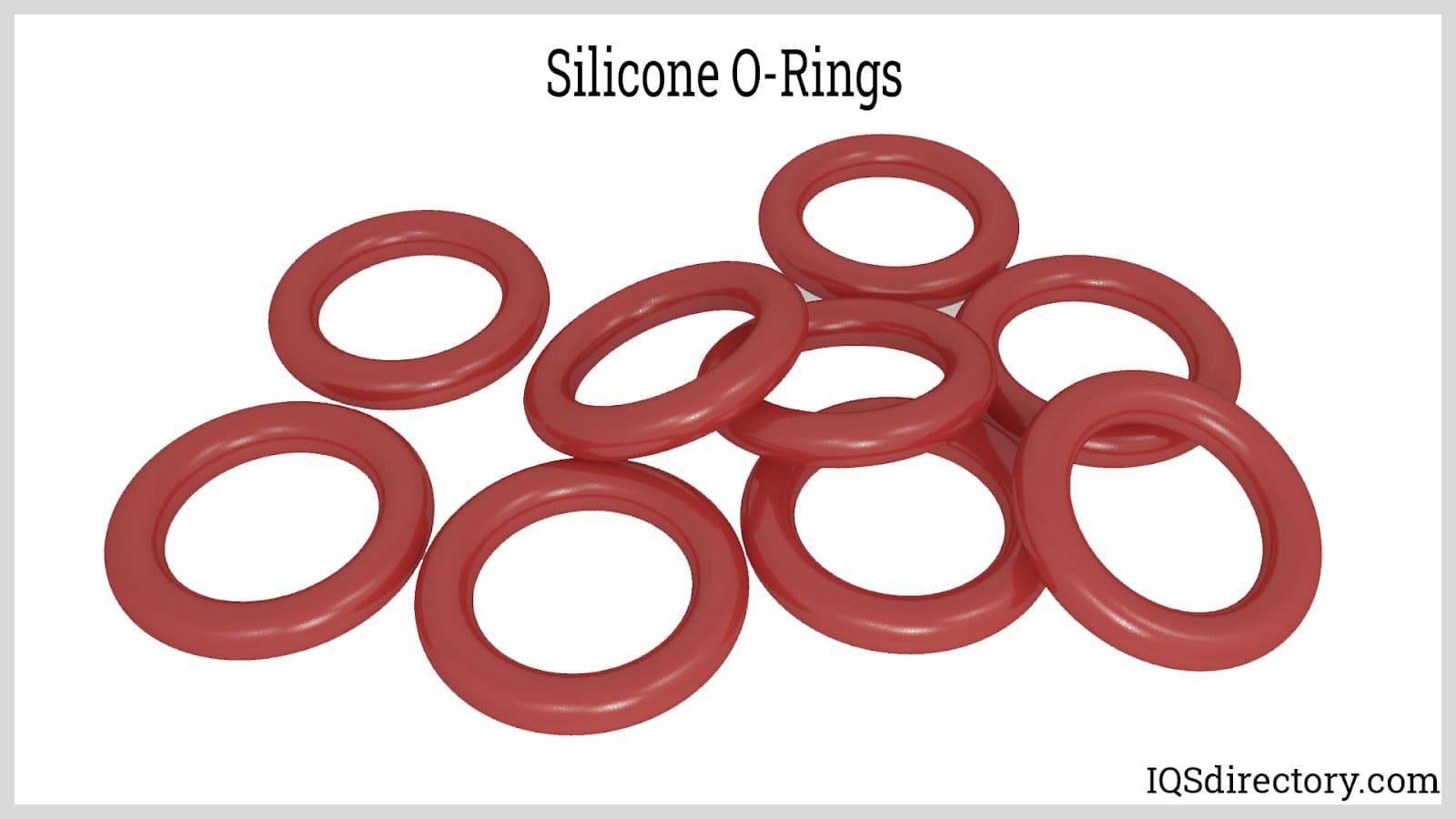
Silicone Material Customization Process for Industrial Applications
At Suzhou Baoshida Trading Co., Ltd., our industrial silicone customization process integrates rigorous material science with precision manufacturing to meet exact OEM specifications. This systematic approach ensures optimal performance in demanding environments, from automotive sealing to medical device components. The workflow begins with Drawing Analysis, where engineering teams deconstruct client technical drawings to identify critical parameters. We assess geometric tolerances, functional stress points, and environmental exposure conditions—such as temperature ranges (-60°C to 230°C) or chemical resistance requirements—to define baseline material properties. This phase includes cross-referencing industry standards (e.g., ASTM D2000, ISO 3601) and validating feasibility against manufacturing constraints.
Formulation Engineering follows, leveraging our proprietary compound database and in-house testing capabilities. Our rubber formula engineers adjust silicone polymer base viscosity, filler types (e.g., fumed silica for reinforcement), and additive packages to achieve target properties. Key variables include platinum-catalyzed cure systems for thermal stability, inhibitors for extended pot life, and pigments for regulatory compliance. Each formulation undergoes computational modeling to predict flow behavior during molding and final mechanical behavior. Critical adjustments target compression set resistance (<20% per ASTM D395), tensile strength, and electrical insulation properties, ensuring alignment with the drawing analysis phase.
Prototyping validates the formulation through small-batch production using client-specified tooling. Components are molded under controlled conditions (e.g., 170°C press cure, 5-minute cycle) and subjected to accelerated life testing. We measure dimensional accuracy via CMM inspection (±0.05mm tolerance), perform durometer checks (Shore A 30–80 range), and conduct functional validation such as fluid immersion or dynamic fatigue tests. Client feedback at this stage triggers iterative refinements, with traceable documentation of all material batch adjustments.
Mass Production commences only after prototype approval, utilizing Baoshida-managed supply chains for raw material consistency. Production runs implement SPC (Statistical Process Control) monitoring of key variables: cure time, temperature uniformity, and post-cure aging. Every batch undergoes 100% visual inspection and抽样 testing per AQL 1.0 standards. Final deliverables include full material traceability reports, RoHS/REACH compliance certificates, and performance data sheets benchmarked against initial requirements. This closed-loop process minimizes scrap rates and ensures long-term field reliability.
Key Silicone Property Specifications for Industrial Applications
| Property | Test Standard | Typical Range | Critical Application Impact |
|---|---|---|---|
| Tensile Strength | ASTM D412 | 6.0–10.0 MPa | Structural integrity under load |
| Elongation at Break | ASTM D412 | 400–800% | Flexibility in dynamic seals |
| Hardness (Shore A) | ASTM D2240 | 30–80 ±2 | Compression sealing force |
| Compression Set (22h/150°C) | ASTM D395 | ≤15% | Long-term sealing retention |
| Thermal Stability Range | ASTM D573 | -60°C to +230°C | Extreme environment performance |
This methodology, executed by Suzhou Baoshida’s engineering team, transforms conceptual requirements into high-reliability silicone components while maintaining ISO 9001-certified quality control throughout the supply chain.
Contact Engineering Team
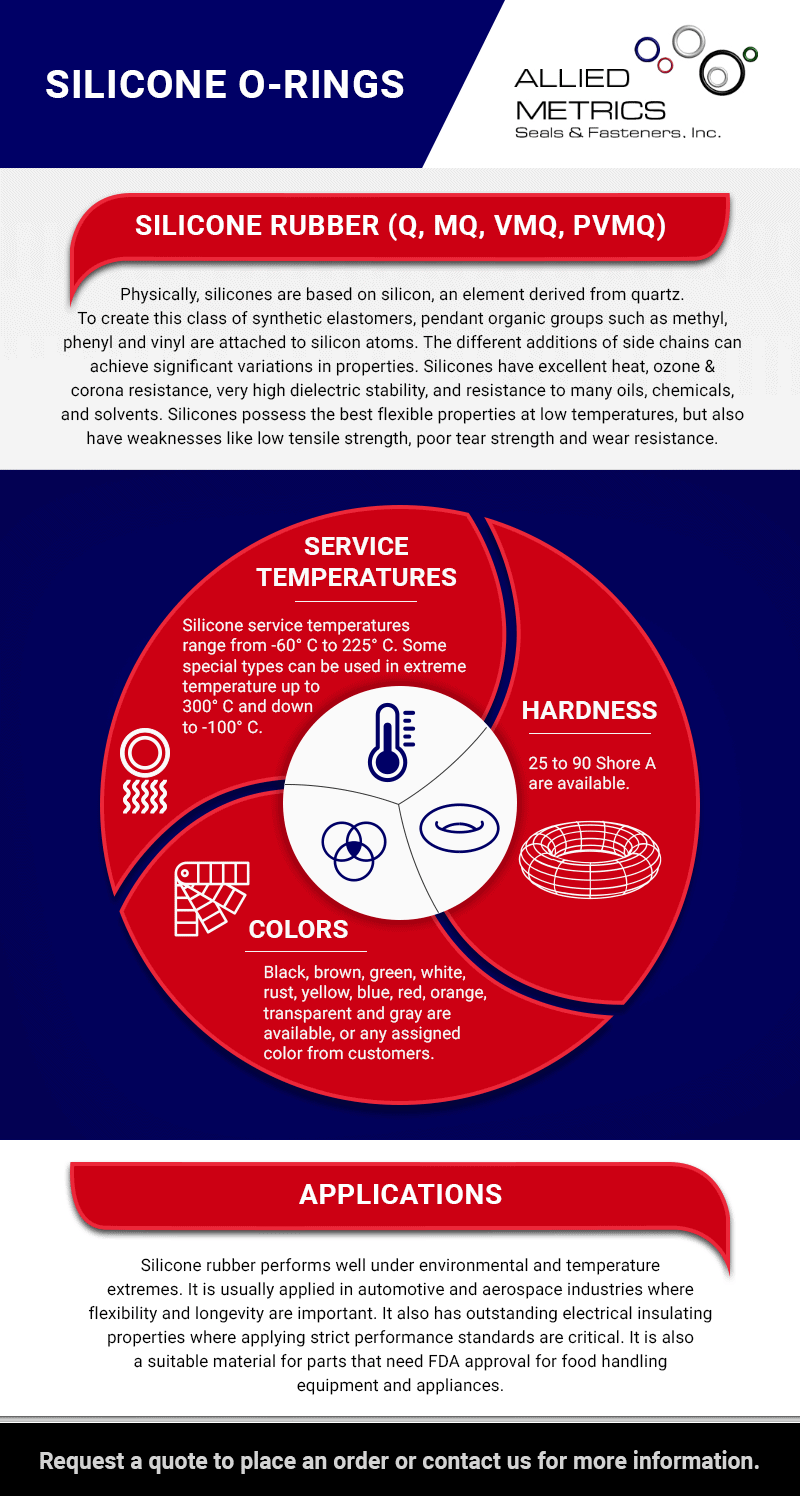
For industrial manufacturers and OEMs requiring high-performance elastomeric solutions, understanding the material properties of silicone is critical to ensuring reliability, durability, and compliance in demanding applications. At Suzhou Baoshida Trading Co., Ltd., we specialize in advanced industrial rubber solutions, with a focused expertise in silicone compounds engineered for extreme environments. Our technical team supports clients across automotive, aerospace, medical devices, and energy sectors with tailored formulations that meet rigorous performance standards.
Silicone rubber stands apart from conventional elastomers due to its exceptional thermal stability, chemical inertness, and electrical insulation properties. With operating temperatures ranging from -60°C to over +250°C, silicone maintains elasticity and structural integrity under prolonged thermal cycling. Its inherent resistance to UV radiation, ozone, and oxidation makes it ideal for outdoor and high-exposure applications. Additionally, platinum-cured silicone grades meet USP Class VI and FDA compliance for biocompatibility, supporting use in medical and food-contact environments.
Mechanical properties of silicone, while generally lower in tensile strength compared to organic rubbers like nitrile or EPDM, are optimized through reinforcement with high-purity silica and advanced curing systems. Tear resistance, compression set, and elongation at break are carefully balanced in our formulations to suit sealing, gasketing, and dynamic flexing requirements. We offer custom durometer ranges from 20 to 80 Shore A, with options for conductive, flame-retardant, and low-outgassing variants.
Below is a representative technical specification table for a standard high-consistency silicone rubber (HCR) compound used in industrial sealing applications:
| Property | Test Method | Typical Value |
|---|---|---|
| Hardness (Shore A) | ASTM D2240 | 50 ± 5 |
| Tensile Strength | ASTM D412 | ≥9.0 MPa |
| Elongation at Break | ASTM D412 | ≥400% |
| Compression Set (22h at 150°C) | ASTM D395 | ≤25% |
| Operating Temperature Range | — | -60°C to +250°C |
| Specific Gravity | ASTM D297 | 1.18 g/cm³ |
| Dielectric Strength | ASTM D149 | ≥20 kV/mm |
| Volume Resistivity | ASTM D257 | ≥1×10¹⁴ Ω·cm |
All materials are batch-tested and certified to ISO 9001:2015 standards. We support global supply with documentation including CoA, RoHS, and REACH compliance reports.
For technical collaboration, material sampling, or formulation customization, contact Mr. Boyce at Suzhou Baoshida Trading Co., Ltd. With over 15 years of experience in rubber compounding and industrial supply chain management, Mr. Boyce provides direct engineering support to OEMs seeking optimized silicone solutions. Reach out via email at [email protected] to discuss your application requirements, request material data sheets, or initiate a development project. Our team responds within 24 business hours to all technical inquiries. Partner with Suzhou Baoshida for precision-engineered silicone materials backed by scientific rigor and industrial reliability.
⚖️ O-Ring Weight Calculator
Estimate rubber O-ring weight (Approx).