
Technical Contents
Engineering Guide: Matting For Hot Tubs
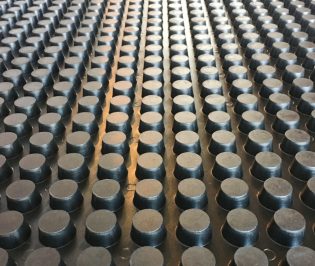
Engineering Insight: Material Selection for Hot Tub Matting
In the design and manufacturing of matting for hot tubs, material selection is not merely a cost-driven decision—it is a foundational engineering requirement. Off-the-shelf rubber solutions, while appealing due to lower initial pricing, frequently fail under the operational demands of hot tub environments. These failures stem from inadequate resistance to thermal cycling, chemical exposure, mechanical fatigue, and microbial degradation. A scientific approach to elastomer formulation is essential to ensure long-term performance, safety, and compliance.
Hot tubs operate in a uniquely aggressive environment. Water temperatures typically range from 35°C to 42°C, with frequent thermal cycling that induces expansion and contraction in adjacent materials. Standard rubber compounds, such as reclaimed SBR or low-grade EPDM, lack the thermal stability to endure these fluctuations. Over time, this leads to cracking, delamination, and dimensional instability in the matting. Furthermore, hot tub water is treated with chlorine, bromine, ozone, and pH-adjusting chemicals. These agents aggressively attack unsaturated polymer chains and poorly protected filler systems, accelerating oxidative degradation.
Another critical failure point in generic matting is poor resistance to hydrolysis. Many off-the-shelf products use calcium carbonate or talc-based fillers that absorb moisture and degrade when exposed to constant dampness. This results in softening, swelling, and eventual structural collapse. Additionally, stagnant water and warm conditions promote microbial growth, including mold and mildew. Without antimicrobial additives and inherently resistant base polymers, standard mats become breeding grounds for biofilm, compromising hygiene and user safety.
At Suzhou Baoshida Trading Co., Ltd., our engineered rubber solutions for hot tub matting utilize high-purity, fully saturated EPDM compounds with controlled ethylene/propylene ratios and ENB (ethylidene norbornene) as a diene. This formulation provides superior ozone and UV resistance, excellent thermal stability up to 150°C short-term, and low water absorption. We incorporate premium reinforcing fillers such as precipitated silica and carbon black N330, ensuring tensile strength and abrasion resistance. Plasticizers are selected for low volatility to prevent hardening over time.
All compounds are compounded with FDA-compliant antioxidants, antiozonants, and built-in antimicrobial agents (e.g., silver ion technology) to extend service life under continuous wet-heat conditions. The result is a mat that maintains dimensional stability, slip resistance, and structural integrity for over 5 years in commercial spa environments.
The table below compares key performance characteristics of engineered EPDM (Baoshida standard) versus generic SBR/EPDM blend mats.
| Property | Baoshida Engineered EPDM | Generic SBR/EPDM Blend |
|---|---|---|
| Temperature Resistance (°C) | -50 to +150 (short-term) | -20 to +80 |
| Tensile Strength (MPa) | ≥18 | ≤10 |
| Elongation at Break (%) | ≥450 | ≤250 |
| Water Absorption (24h, %) | ≤0.8 | ≥3.5 |
| Ozone Resistance (100 pphm, 40°C, 20% strain) | No cracking (96h) | Cracking (24h) |
| Antimicrobial Additive | Silver ion embedded | None |
| Service Life (Commercial Use) | 5–7 years | 1–2 years |
Material selection directly dictates performance, safety, and lifecycle cost. Generic mats fail because they are not engineered for the environment. Precision-formulated rubber compounds are not optional—they are essential.
Material Specifications
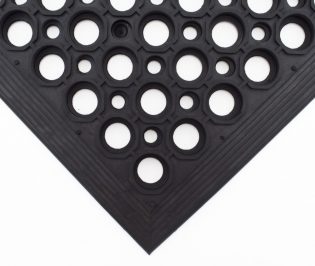
Material Specifications for Hot Tub Matting: Engineering Performance Under Extreme Conditions
Selecting optimal elastomeric materials for hot tub matting demands rigorous evaluation of thermal stability, chemical resistance, and mechanical durability. Continuous exposure to chlorinated/brominated water, ozone, elevated temperatures (40–45°C operational range), and dynamic foot traffic necessitates formulations exceeding standard rubber performance. At Suzhou Baoshida Trading Co., Ltd., we prioritize materials engineered to resist swelling, hardening, or degradation over 5,000+ hours of accelerated aging testing per ASTM D573. Below, we detail three premium compounds validated for commercial and residential hot tub applications, emphasizing real-world operational constraints.
Viton (FKM) fluoropolymer elastomers deliver unparalleled resistance to oxidizing agents and organic solvents. Its carbon-fluorine backbone maintains integrity against chlorine concentrations up to 10 ppm and bromine sanitizers at 50°C for 24 months without measurable tensile loss. Viton’s continuous service temperature range spans -20°C to 230°C, though hot tub environments leverage its stability at sustained 80°C peaks during heater cycles. Critical for ozone-rich settings, Viton exhibits zero surface cracking after 72 hours of ASTM D1149 testing at 50 pphm ozone. However, its high fluorine content increases formulation costs by 35–40% versus alternatives, making it ideal for premium commercial installations where chemical exposure is severe.
Nitrile (NBR) butadiene-acrylonitrile rubber offers a cost-effective balance for moderate chemical exposure. With acrylonitrile content optimized at 34%, our high-saturation NBR formulation achieves 70 Shore A hardness and 25 MPa tensile strength (ASTM D412). It resists water absorption below 1.8% after 7 days immersion (ISO 2781), preventing dimensional instability. NBR performs reliably in chlorine levels under 5 ppm at 45°C but shows gradual compression set increase beyond 1,000 hours. Its limitation lies in poor ozone resistance; unprotected NBR requires antiozonant additives to delay cracking, making it suitable for covered or indoor hot tubs with controlled sanitizer levels.
Silicone (VMQ) methyl-vinyl polysiloxane excels in extreme thermal flexibility and biocompatibility. Our platinum-cured silicone maintains elasticity from -60°C to 200°C with minimal compression set (8% at 70°C/22h per ASTM D395). It demonstrates exceptional resistance to steam and non-polar solvents but requires specialized fillers to achieve 65 Shore A hardness for slip resistance. Silicone’s hydrophobic nature limits water absorption to 0.3%, yet it swells 8–10% in aromatic sanitizers—necessitating custom crosslinking for hot tub use. While tear strength (22 kN/m) lags behind Viton, its non-toxic profile meets NSF/ANSI 51 for direct water contact.
The following table quantifies critical performance parameters for OEM decision-making:
| Property | Viton (FKM) | Nitrile (NBR) | Silicone (VMQ) |
|---|---|---|---|
| Continuous Temp Range | -20°C to 230°C | -30°C to 120°C | -60°C to 200°C |
| Chlorine Resistance (5 ppm, 45°C) | Excellent (>24 months) | Good (12–18 months) | Moderate (6–10 months) |
| Ozone Resistance (50 pphm) | Excellent | Poor (with additives) | Good |
| Tensile Strength (MPa) | 28 | 25 | 10 |
| Hardness (Shore A) | 75 | 70 | 65 |
| Water Absorption (%) | 0.5 | 1.8 | 0.3 |
| Key Limitation | High cost | Ozone vulnerability | Low tear strength |
Material selection must align with sanitizer type, usage frequency, and regulatory requirements. Suzhou Baoshida provides OEMs with accelerated aging data and custom compound adjustments—such as NBR ozone-resistant grades or silicone-reinforced matting cores—to optimize lifecycle cost. Contact our engineering team for application-specific validation reports per ISO 188 and ASTM D2000 standards.
Manufacturing Capabilities
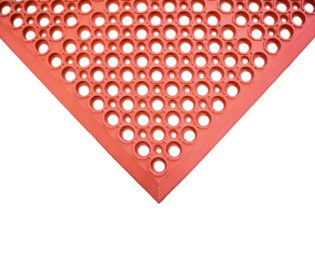
Engineering Capability
At Suzhou Baoshida Trading Co., Ltd., our engineering capability is anchored in deep technical expertise and a disciplined approach to industrial rubber formulation and mold design. We specialize in delivering high-performance matting solutions for hot tub applications, where safety, durability, and chemical resistance are non-negotiable. Our team comprises five dedicated mold engineers and two specialized rubber formula engineers, enabling us to control every phase of product development—from conceptual design to final production validation.
Our mold engineers bring over 15 years of cumulative experience in precision rubber molding, focusing on complex geometries required for textured anti-slip surfaces and seamless integration with hot tub enclosures. Utilizing advanced CAD/CAM software including SolidWorks and AutoCAD, our team designs molds that ensure consistent part replication, optimal material flow, and minimal flash. We employ finite element analysis (FEA) to simulate mold performance under thermal cycling and pressure conditions typical in compression and transfer molding processes. This predictive modeling reduces prototyping iterations and accelerates time-to-market for OEM clients.
Complementing our mold design strength is our in-house rubber formulation capability. Our two formula engineers hold advanced degrees in polymer science and have led the development of over 30 custom elastomer compounds tailored for demanding environments. For hot tub matting, we engineer EPDM and silicone-based formulations that exhibit superior resistance to chloramines, ozone, UV exposure, and continuous immersion in heated water (up to 40°C). These formulations are optimized not only for longevity but also for slip resistance, compression set, and aesthetic consistency across production batches.
We maintain full OEM service capability, supporting clients from initial specification and sample development through to mass production and quality assurance. Our facility is equipped with rubber mixing mills, curing presses, and environmental testing chambers, allowing us to validate performance against international standards. Every compound and mold design is documented under strict change control protocols, ensuring traceability and repeatability for global supply chains.
The integration of formulation science with precision mold engineering allows us to solve complex technical challenges—such as minimizing water retention in surface textures or enhancing long-term resilience under thermal cycling—while maintaining cost efficiency. Our collaborative development process includes material data sheets, DFM reports, and prototype testing logs, all provided to OEM partners for seamless integration into their product ecosystems.
Typical Material Specifications for Hot Tub Matting
| Property | Test Method | Typical Value |
|---|---|---|
| Hardness (Shore A) | ASTM D2240 | 60 ± 5 |
| Tensile Strength | ASTM D412 | ≥ 9 MPa |
| Elongation at Break | ASTM D412 | ≥ 250% |
| Compression Set (22h at 70°C) | ASTM D395 | ≤ 20% |
| Water Absorption (24h immersion) | ISO 175 | < 1.5% |
| Slip Resistance (Dry/Wet) | ASTM F2913 | Pass (Class C) |
| Temperature Range | — | -40°C to +120°C |
| Resistance to Chlorine (50 ppm, 7 days) | Internal | No cracking or delamination |
This technical foundation enables Suzhou Baoshida to deliver reliable, high-performance rubber matting systems that meet the rigorous demands of modern hot tub manufacturing.
Customization Process
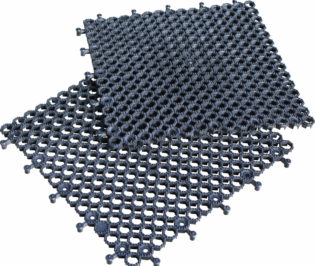
Customization Process for Hot Tub Matting Solutions
Suzhou Baoshida Trading Co., Ltd. executes a rigorous four-phase customization workflow for industrial rubber matting in hot tub applications. This methodology ensures precise alignment with OEM performance, safety, and regulatory requirements while optimizing material science for demanding aquatic environments.
The process initiates with Drawing Analysis, where engineering scrutinizes client CAD files and technical specifications against ISO 22013 and ASTM F1109 standards. Critical parameters assessed include dimensional tolerances, surface texture profiles for slip resistance, drainage channel geometry, and load-bearing zones. Finite element analysis (FEA) validates structural integrity under thermal cycling (60–100°C) and dynamic foot traffic loads exceeding 1.5 kN. Non-compliant features trigger collaborative redesign with the client to balance functionality with manufacturability.
Subsequent Formulation leverages Suzhou Baoshida’s proprietary EPDM compound library. Base polymers are modified with halogenated co-agents to achieve optimal crosslink density for chlorine/ozone resistance (tested per ISO 188). Key adjustments include:
Reinforcement: Silica-silane systems for wet-slip coefficient ≥0.6 (ASTM D2047)
Stabilization: Hindered phenol antioxidants targeting 10,000-hour hydrolytic stability
Density Control: Microcellular foaming agents (0.45–0.65 g/cm³) for thermal insulation
Each formulation undergoes Mooney viscosity (ASTM D1646) and cure kinetics profiling via moving die rheometry to ensure processing compatibility with client tooling.
Prototyping employs precision compression molding of 3–5 sample batches. Physical validation includes:
Accelerated aging (168h @ 80°C, 10 ppm chlorine) measuring tensile retention (ISO 37)
Abrasion resistance (DIN 53516) to simulate 5-year wear
Toxicity screening per EN 71-3 for leachables
Clients receive test dossiers with deviation analysis; iterative refinement continues until all KPIs are met.
Mass Production commences only after formal sign-off. Suzhou Baoshida implements:
Real-time rheometer monitoring for cure consistency (±2% torque variance)
Automated vision inspection for surface defects (ISO 2859-1 Level II)
Batch traceability via blockchain-linked material certificates
Production throughput scales from 500 to 10,000 units/week with lead times of 14–21 days post-approval.
Critical Performance Specifications for Hot Tub Matting
| Parameter | Test Standard | Target Range | Acceptance Threshold |
|---|---|---|---|
| Hardness (Shore A) | ASTM D2240 | 60–70 | 58–72 |
| Tensile Strength | ISO 37 | ≥12.0 MPa | ≥10.5 MPa |
| Elongation at Break | ISO 37 | 250–350% | ≥220% |
| Compression Set (22h) | ASTM D395 | ≤25% | ≤30% |
| Chlorine Resistance | ISO 188 | ΔTensile ≤15% | ΔTensile ≤25% |
| Slip Index (Wet) | ASTM F2913 | ≥0.60 | ≥0.55 |
This structured approach eliminates guesswork in rubber matting development, delivering hot tub components that withstand extreme thermal/chemical exposure while meeting global safety benchmarks. Suzhou Baoshida’s closed-loop engineering ensures zero deviation between prototype validation and volume output, securing OEM supply chain reliability.
Contact Engineering Team
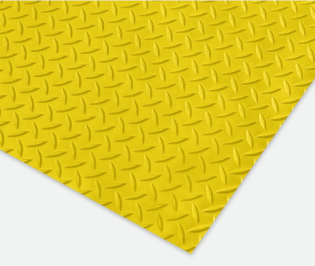
Contact Suzhou Baoshida for Premium Rubber Matting Solutions for Hot Tubs
At Suzhou Baoshida Trading Co., Ltd., we specialize in high-performance industrial rubber solutions tailored for demanding environments—including spa and hot tub applications. Our expertise in rubber formulation and manufacturing ensures that every matting product we deliver meets rigorous standards for durability, slip resistance, and thermal stability. As a trusted OEM partner, we provide customized matting systems engineered to enhance safety, comfort, and longevity in both residential and commercial hot tub installations.
If you are sourcing reliable, high-quality rubber matting for integration into your hot tub designs or aftermarket offerings, we invite you to contact Mr. Boyce, our dedicated OEM Manager and Rubber Formula Engineer. With over a decade of experience in polymer science and industrial manufacturing, Mr. Boyce leads our technical team in developing formulations that balance elasticity, compression resistance, and chemical resilience—critical factors when exposed to hot water, UV radiation, and sanitizing agents such as chlorine and bromine.
Our rubber compounds are precision-engineered using advanced EPDM and SBR blends, optimized for continuous performance under wet and high-temperature conditions. Each mat is manufactured under strict ISO-compliant controls, ensuring dimensional accuracy, consistent texture, and long-term structural integrity. Whether you require non-slip surface patterns, specific color matching, or custom thickness profiles, Suzhou Baoshida offers end-to-end support from prototyping to mass production.
We understand that performance specifications are paramount in B2B decision-making. Below is a representative technical profile of our standard hot tub matting formulation:
| Property | Test Method | Typical Value |
|---|---|---|
| Hardness (Shore A) | ASTM D2240 | 65 ± 5 |
| Tensile Strength | ASTM D412 | ≥ 10 MPa |
| Elongation at Break | ASTM D412 | ≥ 250% |
| Compression Set (70°C, 22h) | ASTM D395B | ≤ 20% |
| Heat Aging Resistance (70°C, 7 days) | ASTM D573 | Retains >85% tensile strength |
| Slip Resistance (Wet, CoF) | ASTM F2913 | ≥ 0.6 (Dynamic Coefficient of Friction) |
| Water Absorption (24h) | ASTM D471 | < 3% |
| Temperature Range | — | -40°C to +120°C |
All materials are REACH and RoHS compliant, with options for FDA-grade formulations upon request. We support low minimum order quantities (MOQs) for prototyping and scalable production runs for global distribution.
To discuss your specific requirements, request samples, or initiate a technical collaboration, please reach out directly to Mr. Boyce at [email protected]. We respond to all inquiries within 24 business hours and offer virtual technical consultations to streamline your development timeline. Partner with Suzhou Baoshida to integrate scientifically advanced rubber matting into your next generation of hot tub systems.
⚖️ O-Ring Weight Calculator
Estimate rubber O-ring weight (Approx).