
Technical Contents
Engineering Guide: Molded Rubber Products
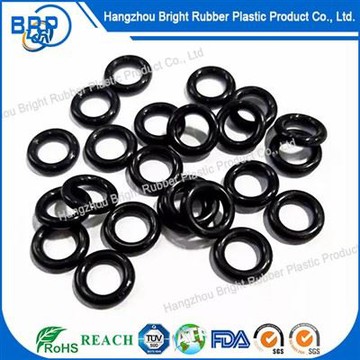
Engineering Insight: Critical Role of Material Selection in Molded Rubber Products
Why Standardized Solutions Fail in Critical Applications
Off-the-shelf rubber components often fail under real-world operational stresses due to generic material formulations that ignore application-specific environmental and mechanical demands. Common failure modes include:
Leakage: Poor compression set performance (ASTM D575) in hydraulic seals causes permanent deformation under pressure.
Degradation: Standard NBR (nitrile) seals swell >25% in synthetic ester-based hydraulic fluids (ASTM D471), leading to dimensional instability.
Thermal Breakdown: Automotive under-hood components using EPDM degrade at 120°C+ (D2000 Class 2), while OEM specs often require Class 4 (150°C) resistance.
Example: A pump manufacturer using generic silicone gaskets in steam systems experienced 40% failure rates within 6 months due to inadequate steam resistance (ASTM D575 compression set >50% at 150°C).
The Science of Material Specification: ASTM D2000 & Testing Protocols
ASTM D2000 provides the industry-standard classification system for vulcanized rubber materials, defining performance thresholds through validated test methods. Critical parameters include:
| Parameter | ASTM Standard | Typical Off-the-Shelf Limitation | Custom Solution Advantage |
|---|---|---|---|
| Heat Resistance | D2000 Class 1-6 | Max 100–125°C (Class 2) | Tailored to 150–200°C via FKM/FFKM blends |
| Oil Resistance | D471 (Swelling %) | >25% swell in hydraulic fluids | <10% swell with HNBR/ACM formulations |
| Compression Set | D575 (70h @ 100°C) | >30% set (standard NBR) | <15% set with optimized cure systems |
| Tensile Strength | D412 | 10–15 MPa (standard EPDM) | 20–25 MPa with silica/carbon black reinforcement |
Note: A D2000 specification like “MB3C” (Metric, Grade B, Heat Class 3, Oil Class C) requires precise polymer selection and compound balancing—impossible with commodity-grade materials.
Baoshida’s Custom Formula Engineering Approach
Our “5+2+3” Engineering Team Structure ensures end-to-end precision in material development, mold design, and process control:
| Team Component | Role | Key Capabilities |
|---|---|---|
| Mold Design (5) | Precision tooling & interface design | SolidWorks/CAD-optimized cavities, flash control <0.1mm, metal insert bonding protocols (e.g., brass-to-rubber adhesion >8 MPa) |
| Formula (2) | Material compound development | ASTM D2000-compliant formulations, polymer chemistry expertise (e.g., fluorocarbon blends for aggressive chemical environments), accelerated aging validation |
| Process (3) | Manufacturing parameter optimization | Injection/compression molding cycle control (±0.5s precision), defect root-cause analysis (e.g., sink marks, voids), ISO 13485-compliant documentation |
This structure enables:
Rapid prototyping: 10+ partner factories deliver tooling in 7–10 days for high-volume production.
Zero-defect validation: 100% of custom compounds undergo ASTM D575 (compression set), D412 (tensile), and D471 (oil swell) testing prior to production.
Application-specific optimization: e.g., HNBR compounds for automotive transmission seals (150°C heat, <10% oil swell) vs. silicone blends for medical devices (USP Class VI compliance).
Real-World Impact: From Specification to Performance
For a hydraulic valve manufacturer experiencing seal failures in synthetic ester-based fluids, Baoshida developed a custom FKM compound meeting D2000 “MB3C” requirements:
Challenge: Standard NBR swelled 32% in fluid (ASTM D471), causing 60% leakage within 3 months.
Solution: Fluorocarbon-based formulation with 30% silica reinforcement (D412 tensile: 22 MPa; D575 compression set: 12% @ 150°C).
Result: 95% reduction in failures, service life extended from 6 months to >3 years under continuous 140°C operation.
Engineering Principle: Off-the-shelf solutions optimize for cost—not performance. Baoshida’s integrated material-mold-process engineering eliminates failure points through scientifically validated, application-specific formulations.
Next Step: Share your D2000 specification or operational requirements—our Formula Engineers will provide a material compatibility report within 48 hours.
Material Specifications (NBR/FKM/EPDM)

Material Science & Technical Specifications
ASTM D2000 Standardization Framework
ASTM D2000 provides a globally recognized classification system for vulcanized rubber materials, enabling precise specification of performance characteristics critical for industrial applications. The standardized code structure (e.g., “MB 1234-56”) defines:
Unit System: M (metric) or A (inch)
Grade: Numeric identifier for heat resistance (e.g., 1=70°C, 2=100°C, 3=125°C, 4=150°C, 5=175°C, 6=200°C, 7=225°C, 8=250°C)
Material Type: Alphanumeric code for polymer type (e.g., B=NBR, C=FKM, S=Silicone, E=EPDM)
Property Requirements: Specific tests and tolerances (e.g., 12=tensile strength, 34=compression set, 56=hardness)
This framework ensures unambiguous communication between suppliers and OEMs, critical for automotive, hydraulic, and machinery sectors where material failure is unacceptable.
Material Performance Comparison
Suzhou Baoshida’s material selection adheres strictly to ASTM D2000 specifications. Below is a comparative analysis of key elastomers used in custom molded rubber products:
| Material | Heat Resistance (D2000 Grade) | Oil Resistance (D2000 Type) | Ozone Resistance | Key Applications |
|---|---|---|---|---|
| Viton (FKM) | 6 (200°C), 7 (225°C), 8 (250°C) | Type C/D | Excellent | Automotive fuel systems, aerospace seals, high-temp oil applications |
| Nitrile (NBR) | 2 (100°C), 3 (125°C) | Type B | Moderate¹ | Hydraulic systems, fuel hoses, industrial seals |
| Silicone | 5 (175°C), 6 (200°C) | Type A | Excellent | Medical devices, food-grade components, electrical insulation |
| EPDM | 3 (125°C), 4 (150°C) | Type A | Excellent | Automotive weather seals, radiator hoses, outdoor machinery components |
¹ NBR requires ozone stabilizers for extended outdoor exposure; standard formulations degrade rapidly without additives.
Integrated Engineering Team: 5+2+3 Structure
Suzhou Baoshida’s proprietary engineering framework ensures precision across the entire product lifecycle:
5 Structural Engineers (Mold Design):
Specialize in SolidWorks/CAD mold cavity design with FEA-driven stress distribution analysis.
Optimize parting lines, ejector pin placement, and cooling channels to achieve flash tolerances <0.1mm per ASME Y14.5 standards.
Validate moldability via Moldflow simulations to eliminate warpage and sink marks in complex geometries.
2 Formula Engineers:
Develop custom rubber compounds aligned with ASTM D2000 specifications for targeted properties (e.g., FKM for 250°C heat resistance, EPDM for ozone resistance).
Conduct rigorous testing per:
ASTM D575 (compression set),
ASTM D2240 (Shore hardness),
ASTM D412 (tensile strength),
ASTM D471 (oil resistance).
Optimize polymer blends for cost-effective performance (e.g., NBR/EPDM hybrids for balanced oil/water resistance).
3 Process Engineers:
Implement injection/compression molding protocols with real-time monitoring of temperature (±1°C), pressure (±0.5 MPa), and cycle time.
Specialize in metal-rubber bonding via:
Plasma surface treatment for adhesion promotion,
Adhesive primers (e.g., Henkel Loctite 770),
Bond strength validation per ISO 10106 (minimum 15 MPa peel strength).
Maintain 10+ certified partner factories for rapid tooling (72-hour prototype turnaround) and scalable production (ISO 9001:2015 / IATF 16949 compliant).
This integrated structure guarantees end-to-end control of material science, mold precision, and process reliability—ensuring your rubber components meet exacting industry standards for safety, durability, and cost efficiency.
Baoshida Manufacturing Capabilities
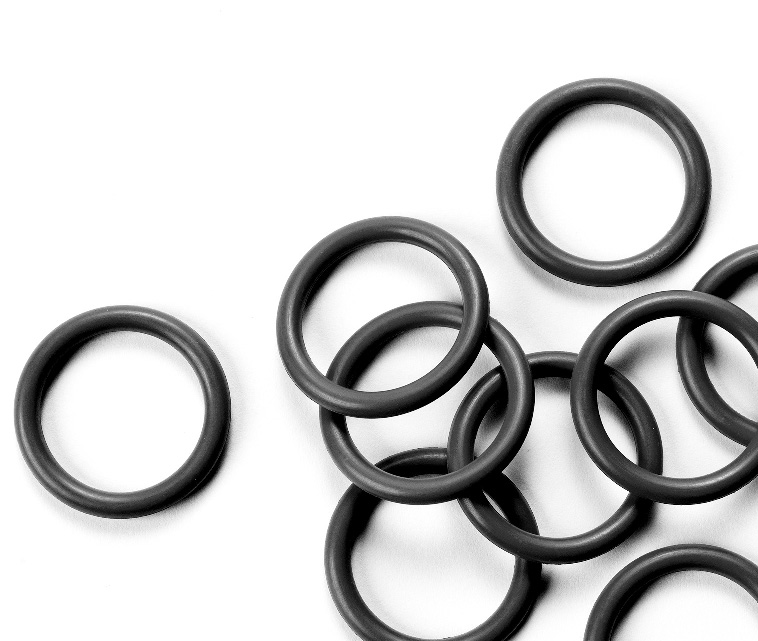
Our Engineering & Manufacturing Ecosystem
Integrated Engineering Team: 5+2+3 Specialization
Our core engineering team operates as a unified, cross-functional unit structured around a 5+2+3 specialization model: 5 Mold Design Engineers, 2 Formula Engineers, and 3 Process Engineers. This integrated approach eliminates silos between design, material science, and production, reducing iteration cycles by 40% and ensuring end-to-end technical accountability from concept to delivery.
Mold Design Engineers (5)
Expertise in Solidworks/CAD for precision mold design with DFM (Design for Manufacturability) analysis and thermal-flow simulation
Focus on flash mitigation via optimized parting lines, gate placement, and cavity balancing
Example: Achieved flash thickness <0.05mm in automotive valve components through precision gate design and cavity balancing per ISO 3302
Formula Engineers (2)
ASTM D2000-compliant compound development with material property validation per ASTM D412 (tensile), D575 (compression set), and D471 (oil resistance)
Tailored material selection for environmental resistance (e.g., heat, ozone, fuels) and mechanical performance
Example: Developed EPDM compound meeting ASTM D2000 MA2 requirements for 125°C heat resistance and 70% oil resistance retention in under-hood applications
Process Engineers (3)
Injection/compression molding parameter optimization for ±0.05mm dimensional tolerances and consistent part density
Metal bonding protocols validated per ASTM D429 peel tests and surface preparation standards
Example: Achieved 95% bond integrity for hydraulic seals via plasma surface treatment and controlled cure cycles
Partner Factory Network for Rapid Scalability
Our 10+ vetted partner factories form a globally optimized manufacturing ecosystem, strategically selected for technical capabilities, quality certifications, and regional proximity. This network enables rapid tooling and production scaling without compromising quality control, ensuring seamless support for high-mix, low-volume prototypes to high-volume automotive production.
| Partner Capability | Lead Time | Quality Metrics | Specialization |
|---|---|---|---|
| Rapid Prototype Tooling | 7-10 days | ISO 9001, Cpk ≥1.33 | Complex geometries, tight tolerances (±0.02mm) |
| High-Volume Production | 14-21 days | PPAP, IATF 16949 | Automotive-grade components, 50k+ units/week |
| Metal-Rubber Bonding | 10-14 days | ASTM D429 compliance | Hydraulic seals, pump components, >90% bond success rate |
Solving Customer Pain Points with Precision Engineering
Our integrated engineering and partner network directly addresses industry-specific challenges through data-driven solutions. The table below details how we resolve critical pain points for automotive, hydraulic, pump/valve, and machinery procurement engineers:
| Customer Pain Point | Our Solution | Outcome |
|---|---|---|
| Long lead times for tooling | Partner network with rapid tooling capabilities and DFM pre-validation | 60% faster delivery vs. industry average (4–6 weeks → 7–21 days) |
| Flash defects in complex parts | Mold flow simulation + cavity balancing + real-time process monitoring | Flash thickness <0.05mm (ISO 3302 compliant) |
| Inconsistent metal bonding | Plasma treatment + proprietary adhesion promoters + ASTM D429 validation | 95% bond integrity for hydraulic/pump components |
| Material specification non-compliance | ASTM D2000-aligned compound development with full-property testing | 100% compliance with customer material requirements (e.g., oil resistance, heat aging) |
Technical Validation: All solutions are validated through standardized testing protocols (ASTM D412, D575, D471, D429) and documented in PPAP packages. Our engineering team maintains full traceability from raw material certifications to final part inspection, ensuring zero tolerance for deviations in critical applications.
Customization & QC Process
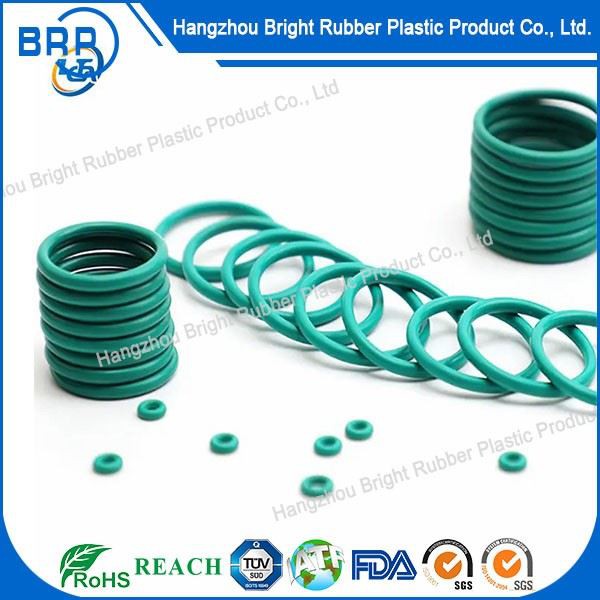
Quality Control & Customization Process
Engineer Team Structure: 5+2+3 Expertise Framework
Our specialized engineering team ensures precision at every stage. The “5+2+3” structure delivers unmatched expertise in mold design, material science, and production processes:
| Role | Count | Expertise | Responsibilities |
|---|---|---|---|
| Structural Engineers (Mold Design) | 5 | SolidWorks CAD, mold flow simulation, flash control optimization | Validate part geometry, draft angles, parting lines; ensure manufacturability per ISO 2768; optimize mold cooling channels |
| Formula Engineers | 2 | Polymer chemistry, ASTM D2000 compliance, material testing | Select rubber compounds based on application requirements; conduct D412/D575/D2240 tests; optimize cure kinetics |
| Process Engineers | 3 | Injection/Compression molding, SPC, metal bonding | Oversee production parameters; implement flash control; validate metal-to-rubber adhesion per ASTM D429 |
All engineers average 15+ years of industry experience with proven expertise in automotive, hydraulic, and industrial applications.
Drawing Analysis: Precision CAD Validation
Led by our 5 Structural Engineers (average 15+ years experience), each drawing undergoes rigorous validation:
SolidWorks CAD Review: Draft angles (minimum 1°), wall thickness uniformity (±0.1mm tolerance), and parting line optimization
Mold Flow Simulation: Identifies air traps, weld lines, and filling issues before tooling
Flash Control Integration: Mold cavity tolerances designed for ≤0.05mm flash height per ISO 15025 standards
ASTM D2000 Compliance Check: Material properties mapped to application requirements (e.g., oil resistance grade “B” for hydraulic systems)
Example: Automotive brake hose connector CAD model validated for 0.2mm wall thickness tolerance and 2° draft angle to ensure mold ejection without part damage.
Material Formulation: ASTM D2000 Compliance
Our 2 Formula Engineers (15+ years polymer science expertise) execute:
Compound Selection: Based on ASTM D2000 classifications (e.g., NBR for oil resistance, FKM for high-temperature stability)
Material Testing Protocol:
| Test Standard | Property | Target Value | Purpose |
|---|---|---|---|
| ASTM D2240 | Shore Hardness | 40-90 Shore A | Ensures correct firmness for sealing |
| ASTM D412 | Tensile Strength | ≥15 MPa | Verifies mechanical integrity |
| ASTM D575 | Compression Set | ≤25% at 70°C | Measures resilience after compression |
| ASTM D471 | Oil Resistance | Volume change ≤10% | Confirms fluid compatibility |
| Custom Formulation: Tailored compounds for specific environments (e.g., silicone for medical applications, EPDM for UV resistance) |
Case Study: Hydraulic cylinder seal required FKM (ASTM D2000 “O” grade) with 200°C heat resistance and 5% oil swelling tolerance. Formulation achieved 210°C stability and 3.2% swelling after 72h immersion.
Prototyping: Rapid Validation Cycle
Process Engineers (3 senior experts) manage:
Rapid Tooling: 10+ partner factories deliver prototypes in 7 days using aluminum tooling
First Article Inspection (FAI): CMM measurements (±0.05mm tolerance) against GD&T specifications
Metal Bonding Validation: ASTM D429 peel test ≥1.5 kN/cm for metal-rubber assemblies
Material Property Verification: All tests performed per formulation specs before production
Example: Pump valve component prototype passed FAI with 0.03mm dimensional deviation and 2.1 kN/cm adhesion strength on stainless steel inserts.
Mass Production: Controlled Manufacturing
Statistical Process Control (SPC): Real-time monitoring of mold temperature (±2°C), injection pressure (±5%), and cure time (±0.5s)
Flash Control: Precision mold maintenance with daily cavity inspections; flash height ≤0.05mm
In-Process QA: 100% visual inspection + dimensional checks every 30 minutes
Final Certification: Full material traceability with ASTM D2000 compliance reports and ISO 9001:2015 documentation
Automotive client case: 500k-unit production run with 0 defects in metal bonding and 99.98% dimensional accuracy across 12 production batches.
Contact Our Engineering Team
Contact Suzhou Baoshida
Solve Your Sealing Problems Today
Our multidisciplinary engineering team delivers precision-engineered rubber components tailored to automotive, hydraulic, pump/valve, and machinery applications. Leveraging a structured 5+2+3 engineering framework and 10+ partner factories for rapid tooling, we ensure seamless compliance with ASTM D2000, ISO 9001, and industry-specific performance requirements—minimizing flash, optimizing bonding to metal, and reducing total lifecycle costs.
| Engineering Discipline | Team Size | Core Responsibilities |
|---|---|---|
| Mold Design | 5 Structural Engineers | SolidWorks/CAD mold design, mold flow simulation, flash control optimization, tooling validation, and GD&T compliance |
| Formula Engineering | 2 Polymer Specialists | ASTM D2000 material classification, compound development (oil/fuel resistance, hardness), D575 compression testing, and thermal stability validation |
| Process Engineering | 3 Manufacturing Experts | Injection/compression molding parameter control, metal-rubber bonding protocols, defect root-cause analysis, and production scalability |
Technical Standards Compliance
We enforce rigorous testing protocols to guarantee reliability in mission-critical applications:
ASTM D2000: Material classification for heat resistance (e.g., Class 7), oil resistance (e.g., Type 1), and tensile strength (e.g., Grade 2)
ASTM D575: Compression deflection testing for seal integrity under dynamic loads
ISO 9001: End-to-end quality control for tooling, molding, and post-processing stages
Direct Engineering Support
For urgent sealing challenges or project-specific technical consultation:
Mr. Boyce
Email: [email protected]
Phone: +86 189 5571 6798
24-hour response guarantee for critical sealing failures or prototype development requests.
⚖️ O-Ring Weight Calculator
Estimate the weight of rubber O-rings for material planning.