
Technical Contents
Engineering Guide: Molded Stoppers
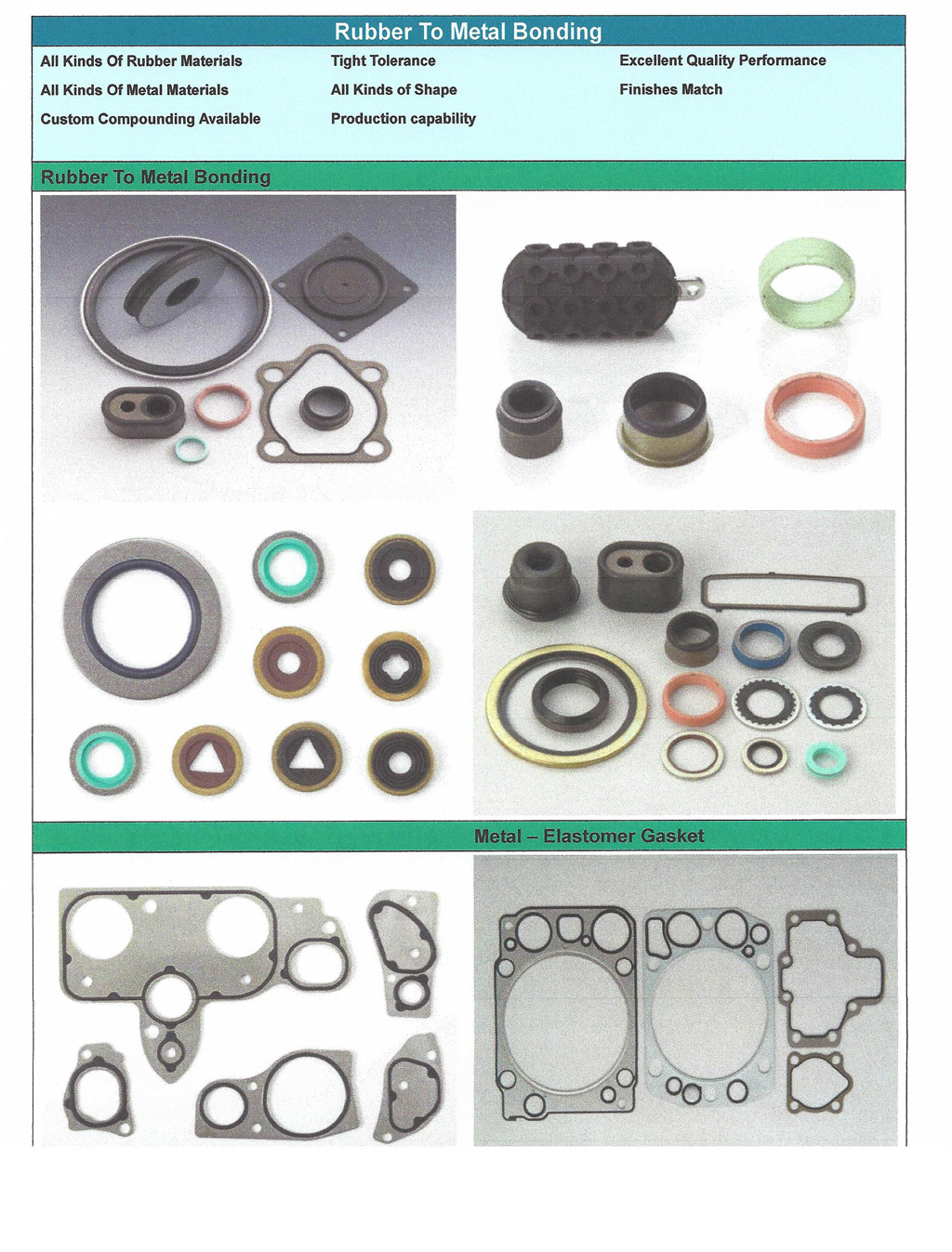
Material Science Imperative in Molded Stopper Performance
The functional integrity of molded rubber stoppers hinges critically on precise elastomer formulation, not dimensional conformity alone. Off-the-shelf stoppers frequently fail in demanding industrial applications due to inherent material limitations mismatched to specific operational environments. Generic compounds prioritize broad market appeal over targeted performance, leading to premature degradation, seal leakage, or catastrophic component failure. Understanding the chemical, thermal, and mechanical stresses within the application is non-negotiable for reliable stopper function. Standard catalog items typically utilize baseline formulations of common elastomers like NBR or EPDM, optimized for cost and general-purpose use. These lack the tailored resistance to aggressive media, sustained elevated temperatures, or dynamic compression loads encountered in automotive, pharmaceutical, or industrial fluid systems. Consequences include excessive swelling in contact with oils or solvents, hardening and cracking under ozone exposure, or permanent deformation (compression set) after prolonged sealing pressure, directly compromising the critical barrier function.
Material selection requires rigorous analysis of the application’s specific stress factors. Key considerations include the exact chemical composition of fluids or gases the stopper contacts, peak and continuous operating temperatures, required compression force deflection, exposure to weathering or radiation, and regulatory compliance mandates (e.g., USP Class VI, FDA, NSF). A stopper functioning adequately in low-pressure water lines may catastrophically fail within hours when exposed to biodiesel or hydraulic fluid at 120°C. Generic solutions cannot account for these nuanced variables. The elastomer’s base polymer, filler system, plasticizers, and curatives must be engineered synergistically to resist the unique combination of stresses. For instance, inadequate heat resistance accelerates polymer chain scission, while poor chemical resistance causes plasticizer extraction or solvent ingress, both leading to loss of elasticity and seal integrity. Compression set failure is particularly insidious, as the stopper appears intact but loses its ability to maintain sealing force after relaxation.
The following table illustrates why standard material choices often fall short against application-specific demands:
| Material | Chemical Resistance Profile | Temperature Range (°C) | Compression Set (70°C x 24h) | Common Off-Shelf Failure Modes |
|---|---|---|---|---|
| Standard NBR | Poor: Esters, Glycols, Strong Acids/Bases | -30 to +100 | Moderate to High | Swelling in brake fluid, hardening in hot water |
| Standard EPDM | Poor: Hydrocarbons, Oils, Fuels | -50 to +135 | Low to Moderate | Severe swelling in engine oil, loss of seal force |
| Standard FKM | Limited: Low MW Amines, Hot Hydroxide Solutions | -20 to +200 | Very Low | Cracking in amine-based fluids, high cost barrier |
| Standard Silicone | Poor: Concentrated Acids/Bases, Steam, Fuels | -60 to +200 | Moderate | Swelling in fuels, tearing under high compression |
Suzhou Baoshida Trading Co., Ltd. addresses these critical gaps through advanced custom compounding. Our engineering team collaborates directly with OEMs to analyze fluid compatibility, thermal profiles, and mechanical requirements, developing proprietary rubber formulations that precisely match the operational envelope. We move beyond catalog limitations by modifying polymer structures, optimizing cure systems, and incorporating specialized additives to achieve target properties like ultra-low compression set for long-term sealing, exceptional resistance to aggressive biofuels, or compliance with stringent biocompatibility standards. This application-specific engineering ensures molded stoppers deliver consistent, failure-free performance throughout their intended service life, eliminating the hidden costs of downtime, rework, and warranty claims associated with generic alternatives. Precision material science is not an option; it is the foundation of reliable sealing.
Material Specifications
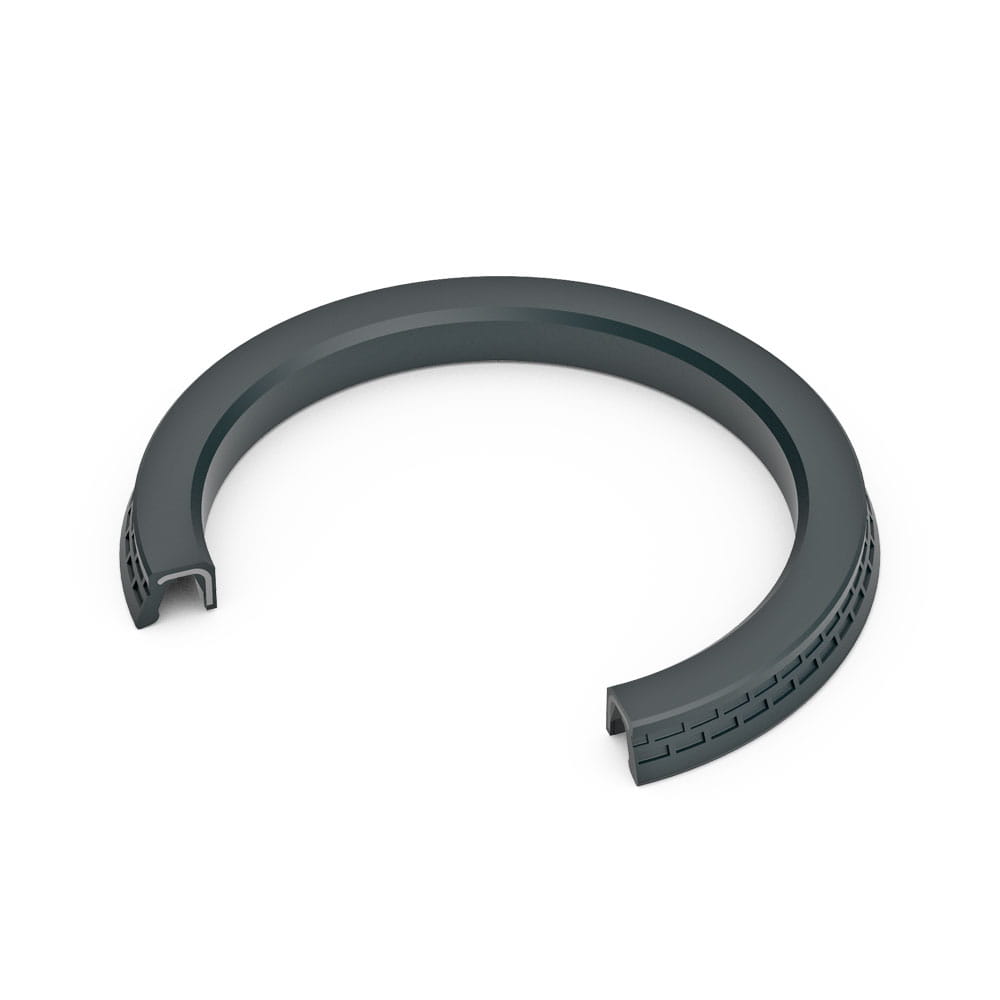
Material selection is a critical factor in the performance and longevity of custom molded stoppers used in industrial, pharmaceutical, and automotive applications. At Suzhou Baoshida Trading Co., Ltd., we specialize in precision-engineered rubber components tailored to exact client specifications. Our expertise encompasses a range of high-performance elastomers, with Viton, Nitrile (NBR), and Silicone being the most commonly utilized materials for molded stoppers. Each material offers distinct advantages depending on operating environment, chemical exposure, temperature range, and mechanical requirements.
Viton, a fluorocarbon-based rubber, delivers exceptional resistance to high temperatures, oils, fuels, and a broad spectrum of aggressive chemicals. This makes it ideal for stoppers used in harsh industrial or automotive environments where exposure to hydrocarbons and elevated temperatures is expected. Viton stoppers maintain dimensional stability and sealing integrity in continuous service up to 200°C, with short-term exposure tolerance reaching 250°C. Additionally, Viton exhibits low gas permeability and excellent aging characteristics, ensuring long service life in demanding applications.
Nitrile rubber, or Buna-N, is widely selected for applications involving contact with oils, greases, and aliphatic hydrocarbons. It offers good abrasion resistance and mechanical strength at a more economical cost compared to fluorinated elastomers. Nitrile stoppers perform reliably in temperature ranges from -30°C to 100°C, making them suitable for general-purpose sealing in hydraulic systems, fuel systems, and industrial machinery. While not as chemically resistant as Viton, Nitrile provides a balanced combination of performance and cost-efficiency for moderate-duty environments.
Silicone rubber is preferred in applications requiring high thermal stability, biocompatibility, and resistance to extreme temperatures. With a functional range from -60°C to 200°C, silicone stoppers are commonly used in pharmaceutical, food-grade, and medical device applications. Silicone exhibits excellent resistance to oxidation and UV radiation, maintaining flexibility and sealing performance under prolonged environmental exposure. It is also inherently low in toxicity and meets stringent regulatory standards for use in sensitive environments.
The following table compares key physical and chemical properties of these materials to assist in material selection for custom molded stoppers.
| Property | Viton (FKM) | Nitrile (NBR) | Silicone (VMQ) |
|---|---|---|---|
| Temperature Range (°C) | -20 to 250 | -30 to 100 | -60 to 200 |
| Tensile Strength (MPa) | 15–20 | 10–20 | 5–8 |
| Elongation at Break (%) | 200–300 | 200–500 | 300–700 |
| Hardness (Shore A, 50 mm) | 60–90 | 50–90 | 30–80 |
| Resistance to Oils & Fuels | Excellent | Good to Excellent | Poor |
| Resistance to Ozone/UV | Excellent | Fair | Excellent |
| Compression Set Resistance | Excellent | Good | Good |
| Biocompatibility | Moderate | Low | Excellent |
| Common Applications | Automotive, Chemical Processing | Hydraulics, Fuel Systems | Medical, Pharma, Food Processing |
Selecting the appropriate material ensures optimal sealing performance, regulatory compliance, and cost-effective manufacturing. Our engineering team at Suzhou Baoshida Trading Co., Ltd. supports clients in evaluating application-specific requirements to recommend the most suitable elastomer for custom molded stopper production.
Manufacturing Capabilities
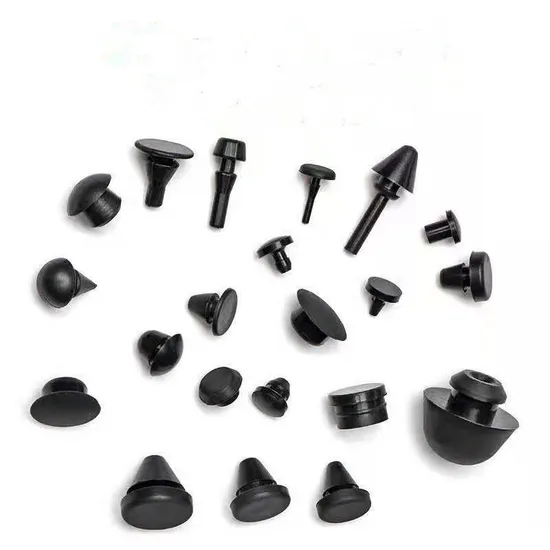
Engineering Capabilities for Precision Molded Stoppers
Suzhou Baoshida Trading Co., Ltd. delivers exceptional engineering rigor for custom molded rubber stoppers, directly addressing the stringent performance and reliability demands of industrial and medical applications. Our core strength resides in the seamless integration of advanced rubber compounding science with precision mold design and manufacturing expertise. This integrated approach ensures stoppers consistently meet exact functional requirements under diverse operational stresses, including critical sealing integrity, chemical exposure, and thermal cycling.
Our dedicated engineering team comprises five specialized Mold Design Engineers and two highly experienced Rubber Formula Engineers. The Formula Engineers possess deep knowledge of elastomer chemistry, enabling the precise development and validation of custom rubber compounds. They meticulously formulate materials to achieve target properties such as specific durometer (Shore A), optimal compression set resistance, tailored chemical compatibility, and required thermal stability, moving beyond standard catalog grades to solve unique application challenges. Concurrently, our Mold Engineers leverage advanced CAD/CAM software and decades of practical experience to translate these material specifications into high-precision, durable tooling. They optimize cavity design, gating systems, venting, and ejection mechanisms specifically for stopper geometries, ensuring dimensional accuracy, minimal flash, consistent part replication, and extended mold life. This close collaboration between formulation and tooling disciplines eliminates critical interface failures common in outsourced manufacturing.
As a certified OEM partner, Suzhou Baoshida implements a rigorous, traceable engineering-to-manufacturing workflow. We initiate projects with comprehensive Design for Manufacturability (DFM) analysis, providing actionable feedback on part geometry, tolerances, and material selection early in the customer’s development phase. Our process encompasses full material traceability from raw polymer batches through final inspection, documented process validation (IQ/OQ/PQ), and strict adherence to ISO 9001 quality management protocols. Customers receive detailed technical documentation, including material certifications, mold flow analysis reports (where applicable), and comprehensive First Article Inspection (FAI) reports per AS9102 or customer-specific standards. This structured OEM methodology guarantees that the engineered solution developed in partnership transitions flawlessly into stable, high-yield production.
The following table summarizes key engineering specifications achievable for custom molded stoppers:
| Parameter | Capability Range | Standard Reference |
|---|---|---|
| Durometer (Shore A) | 30 to 90 | ASTM D2240 |
| Temperature Resistance | -60°C to +250°C (Material Dependent) | ASTM D573, D1329 |
| Tolerance (Linear) | ±0.05 mm to ±0.25 mm | ISO 3301, Customer Draw |
| Material Types | NBR, EPDM, Silicone, FKM, CR, IIR | ASTM D2000, ISO 1629 |
| Compression Set (70Hr) | ≤ 20% (Typical Target) | ASTM D395, Method B |
| Critical Dimension CPK | ≥ 1.67 (Production Validation) | ISO 22514-2 |
This engineered precision, backed by specialized human capital and a disciplined OEM framework, ensures Suzhou Baoshida stoppers provide fail-safe performance in critical fluid control and sealing applications worldwide.
Customization Process
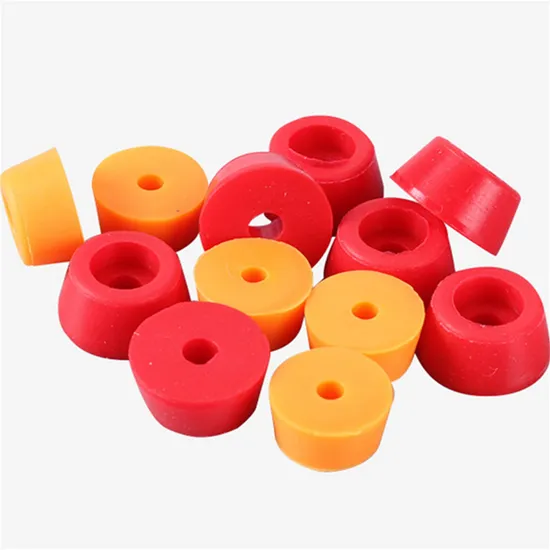
Customization Process for Molded Stoppers at Suzhou Baoshida Trading Co., Ltd.
At Suzhou Baoshida Trading Co., Ltd., the customization of molded stoppers follows a rigorous, science-driven process designed to meet exact industrial specifications and performance requirements. Our approach integrates engineering precision with advanced rubber formulation technology, ensuring every component delivers consistent functionality under real-world operating conditions. The process is structured into four critical stages: Drawing Analysis, Formulation Development, Prototyping, and Mass Production.
The first stage, Drawing Analysis, begins with a comprehensive review of the customer-provided technical drawings and dimensional specifications. Our engineering team evaluates critical features such as outer diameter, inner diameter, height, tolerance class (e.g., ISO 3302 or customer-specific), parting line configuration, and surface finish requirements. We assess draft angles, wall thickness uniformity, and ejection feasibility to ensure moldability and dimensional stability. Any potential design risks—such as sink marks, flash formation, or uneven material flow—are flagged and discussed with the client for optimization prior to tooling fabrication.
Following drawing validation, we proceed to Formulation Development. This phase is central to achieving the desired physical and chemical performance of the stopper. Based on application parameters—including exposure to oils, acids, steam, or elevated temperatures—our rubber chemists select the appropriate base polymer. Common elastomers include Nitrile (NBR) for oil resistance, EPDM for weather and steam stability, Silicone (VMQ) for extreme temperature performance, and Fluorocarbon (FKM) for aggressive chemical environments. Hardness is tailored within the range of 40 to 90 Shore A, and special additives may be incorporated for compression set resistance, low-temperature flexibility, or FDA compliance in pharmaceutical or food-grade applications.
Once the formulation is finalized, we initiate the Prototyping phase. Using precision CNC-machined or prototype molds, small batches of stoppers are produced for functional testing. These samples undergo dimensional inspection via coordinate measuring machines (CMM) and are subjected to performance validation tests such as compression set (per ASTM D395), tensile strength (ASTM D412), and fluid resistance (ASTM D471). Feedback from this stage informs any necessary adjustments in design or compound before committing to full-scale tooling.
The final stage is Mass Production, executed in certified cleanroom or standard production environments depending on application needs. Automated injection or compression molding lines ensure high repeatability and throughput. Every production lot is subjected to strict quality control protocols, including first-article inspection, in-process sampling, and final batch testing per ISO 9001 standards.
The following table outlines typical customizable parameters for molded stoppers:
| Parameter | Range / Options |
|---|---|
| Material Types | NBR, EPDM, VMQ, FKM, NR, SBR, CR |
| Hardness (Shore A) | 40 – 90 |
| Dimensional Tolerance | ±0.1 mm to ±0.5 mm (based on ISO 3302) |
| Operating Temperature | -50°C to +250°C (material-dependent) |
| Color Options | Black, red, blue, green, custom (Pantone match) |
| Certifications Available | FDA, RoHS, REACH, UL, NSF |
This systematic approach ensures that every molded stopper we produce meets the highest standards of reliability, repeatability, and application-specific performance.
Contact Engineering Team
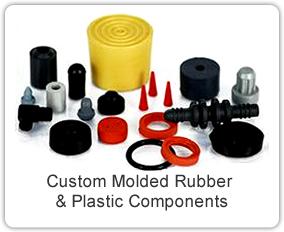
Technical Inquiry and Customization Pathway for Precision Molded Stoppers
Suzhou Baoshida Trading Co., Ltd. operates at the forefront of engineered rubber solutions, specializing in the development and manufacturing of high-integrity molded stoppers for critical industrial applications. Our expertise spans pharmaceutical vial sealing, automotive fluid containment, and semiconductor processing environments where dimensional stability, chemical resistance, and regulatory compliance are non-negotiable. As your dedicated Rubber Formula Engineer and OEM Manager, I emphasize that successful stopper integration begins with precise material science alignment and rigorous process validation. We do not offer generic off-the-shelf products; every component is formulated and molded to your exact ASTM, ISO, or internal performance specifications.
To initiate a technically robust collaboration, we require detailed application parameters including operating temperature range, fluid exposure profile, compression force requirements, and dimensional tolerances. The following table outlines baseline material capabilities for common elastomer systems we optimize for stopper applications. Note that all compounds undergo accelerated compression set testing per ASTM D395 and extractable testing per USP <381> when applicable.
| Material Type | Hardness Range (Shore A) | Temp Range (°C) | Key Resistance Properties | Typical Applications |
|---|---|---|---|---|
| Silicone (VMQ) | 30–80 | -60 to +230 | Steam, ozone, biocompatibility | Pharma vials, medical devices |
| EPDM | 40–90 | -50 to +150 | Water, steam, brake fluids | Automotive coolant systems |
| Fluorocarbon (FKM) | 50–90 | -20 to +250 | Fuels, acids, hydraulic fluids | Aerospace fluid handling |
| Butyl (IIR) | 45–75 | -40 to +125 | Low gas permeability, moisture | Insulin pens, vaccine containers |
Our engineering workflow integrates your CAD models or physical samples with material selection protocols verified through our in-house lab. We conduct mold flow analysis to eliminate knit lines in critical sealing zones and implement SPC-controlled molding cycles to ensure ±0.05mm dimensional repeatability. For regulated industries, we provide full traceability via lot-specific Certificates of Analysis and comply with ISO 13485:2016 quality management standards.
Direct technical engagement with our formulation team is essential to address challenges such as extractables profiling in parenteral applications or low-temperature flexibility requirements for cold-chain logistics. Mr. Boyce serves as your primary point of contact for all engineering inquiries and project scoping. With 12 years of experience in rubber compounding for precision stoppers, he will evaluate your material compatibility needs, review tolerance stacks, and define validation protocols before quoting. Submit your dimensional drawings, fluid exposure data, and performance criteria directly to him for a technically grounded response.
Contact Mr. Boyce for Engineering Collaboration
Elevate your stopper performance through scientifically validated rubber engineering. Email Mr. Boyce at [email protected] with your project specifications, including required certifications, annual volume estimates, and critical quality attributes. Attach technical drawings in STEP, IGES, or PDF format for immediate dimensional assessment. Our team guarantees a detailed technical feasibility analysis within 24 business hours of receiving complete documentation. Partner with Suzhou Baoshida to transform material science into precision-engineered solutions that exceed functional and regulatory demands.
⚖️ O-Ring Weight Calculator
Estimate rubber O-ring weight (Approx).