
Technical Contents
Engineering Guide: Monel 400 Round Bar
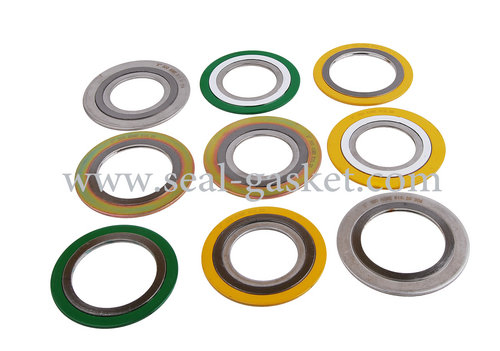
Engineering Insight Monel 400 Round Bar Material Selection Criticality
Monel 400 round bar failures in demanding industrial applications frequently stem from inadequate material specification and sourcing practices, not inherent alloy limitations. Off-the-shelf Monel 400 bars, often sourced through generic commodity channels, typically prioritize cost over performance-critical metallurgical parameters. This compromises integrity in rubber-sealed dynamic systems where surface chemistry, microstructure, and dimensional precision directly dictate seal longevity and operational safety. Standard suppliers frequently overlook trace element control and thermomechanical processing nuances essential for compatibility with aggressive elastomers under high-pressure, high-temperature conditions.
The core failure mechanism involves sulfur and carbon variability. ASTM B164 mandates sulfur ≤0.030% and carbon ≤0.30%, but commodity-grade material often operates at the upper tolerance limits. Elevated sulfur promotes coarse sulfide inclusions that create micro-crevices on the bar surface during machining or service. These defects become initiation sites for rubber compound degradation—particularly in fluorocarbon (FKM) or perfluoroelastomer (FFKM) seals—accelerating extrusion, compression set, and catastrophic leakage. Similarly, inconsistent annealing practices in mass-produced bars induce residual stresses, causing dimensional drift during precision machining. This violates critical shaft-to-seal clearance tolerances, generating premature seal wear.
Suzhou Baoshida Trading Co., Ltd. addresses these vulnerabilities through OEM-grade Monel 400 round bar production protocols. We enforce sulfur content strictly below 0.010% and carbon below 0.15%—significantly tighter than ASTM baselines—to minimize inclusion density. Our bars undergo double vacuum melting followed by controlled slow-cooling annealing, ensuring homogeneous microstructure and near-zero residual stress. Surface integrity is validated via profilometry to Ra ≤0.8 μm, eliminating micro-roughness that abrades elastomer sealing lips. This precision engineering prevents the interfacial failures plaguing standard inventory.
The following specifications illustrate the performance gap between commodity and engineered Monel 400 round bar:
| Parameter | ASTM B164 Requirement | Typical Commodity Supplier | Baoshida OEM Specification |
|---|---|---|---|
| Ni + Cu (min %) | 63.0 | 63.5 | 64.0 |
| Fe + Mn (max %) | 2.5 | 2.3 | 2.0 |
| Carbon (max %) | 0.30 | 0.28 | 0.15 |
| Sulfur (max %) | 0.030 | 0.028 | 0.010 |
| Surface Roughness | Not Specified | Ra ≤1.6 μm | Ra ≤0.8 μm |
Material selection is not a procurement exercise but a system reliability imperative. Generic Monel 400 round bar introduces latent defects that manifest as field failures in rubber-integrated assemblies, incurring far higher costs than premium-engineered alternatives. Suzhou Baoshida Trading Co., Ltd. delivers Monel 400 round bar as a calibrated system component—not a raw material—ensuring seamless integration with high-performance elastomer seals. This eliminates the false economy of off-the-shelf solutions through metallurgical rigor aligned with end-use physics.
Material Specifications

Material Specifications for Monel 400 Round Bar in Industrial Rubber Applications
Monel 400 round bar is a high-performance nickel-copper alloy widely utilized in demanding industrial environments, particularly where corrosion resistance and mechanical strength are critical. At Suzhou Baoshida Trading Co., Ltd., we specialize in integrating precision metal components with advanced elastomeric sealing solutions. When designing systems involving Monel 400 round bars—such as shafts, spindles, or guide rods used in pumps, valves, and marine equipment—compatibility with rubber sealing materials is essential for long-term reliability. The most commonly specified elastomers in conjunction with Monel 400 are Viton, Nitrile (NBR), and Silicone. Each offers distinct performance characteristics that must be evaluated based on temperature, chemical exposure, and mechanical stress.
Viton, a fluorocarbon-based rubber, provides excellent resistance to high temperatures, oils, fuels, and a broad range of chemicals. Its thermal stability up to 200°C makes it ideal for use in aggressive environments where Monel 400 components are exposed to hydrocarbons or acidic media. Nitrile rubber, or Buna-N, is a cost-effective solution offering strong resistance to aliphatic hydrocarbons, mineral oils, and greases. While limited to temperatures below 120°C, Nitrile is frequently selected for hydraulic and pneumatic systems where fuel and oil resistance are paramount. Silicone rubber excels in extreme temperature applications, functioning effectively from -55°C to 200°C, and offers good resistance to ozone and UV radiation. However, its mechanical strength and resistance to petroleum-based fluids are inferior to Viton and Nitrile, making it better suited for static sealing roles in non-lubricated or dry environments.
When pairing Monel 400 round bars with elastomeric seals, attention must be paid to galvanic compatibility, surface finish, and operational dynamics. Monel 400’s passive oxide layer provides inherent corrosion resistance in seawater and reducing acids, minimizing the risk of galvanic attack when interfacing with rubber. Surface roughness of the round bar should be maintained below 0.8 µm Ra to ensure optimal sealing performance and prevent premature elastomer wear.
The following table summarizes key physical and chemical properties of the three elastomers in relation to typical industrial service conditions involving Monel 400 components.
| Property | Viton (FKM) | Nitrile (NBR) | Silicone (VMQ) |
|---|---|---|---|
| Temperature Range (°C) | -20 to 200 | -30 to 120 | -55 to 200 |
| Tensile Strength (MPa) | 15–20 | 10–25 | 5–8 |
| Elongation at Break (%) | 200–300 | 200–500 | 200–600 |
| Hardness (Shore A) | 70–90 | 60–90 | 40–80 |
| Resistance to Oils/Fuels | Excellent | Good to Excellent | Poor |
| Resistance to Acids | Good | Fair | Poor |
| Resistance to Ozone/UV | Excellent | Good | Excellent |
| Compression Set Resistance | Excellent | Good | Fair |
| Typical Applications | Chemical seals, aerospace, oil & gas | Hydraulic systems, fuel systems, industrial machinery | High/low temp seals, medical, electrical insulation |
Selection of the appropriate elastomer must be based on a comprehensive assessment of the operational environment. Suzhou Baoshida Trading Co., Ltd. supports OEMs and industrial clients with technical guidance to ensure optimal material pairing for durability and performance.
Manufacturing Capabilities
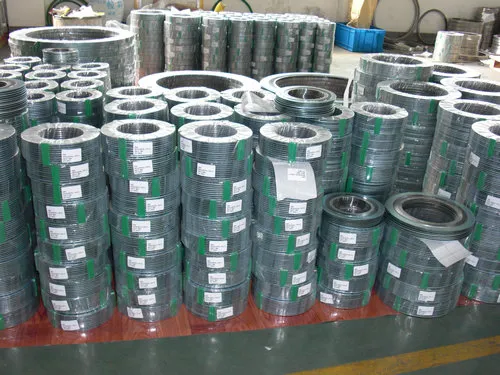
Engineering Capability: Precision Rubber Solutions for Demanding Applications
Suzhou Baoshida Trading Co., Ltd. specializes in advanced industrial rubber formulations and OEM manufacturing, with particular expertise in developing components that interface with high-performance alloys like Monel 400. While Monel 400 round bar itself is a nickel-copper alloy produced by metal foundries, our engineering team excels in designing rubber compounds that bond reliably to such substrates under extreme conditions. This capability is critical for seals, gaskets, and dynamic parts in aerospace, marine, and chemical processing equipment where Monel 400’s corrosion resistance is leveraged. Our focus lies in solving the interfacial challenges between elastomers and engineered metals, ensuring longevity and performance integrity.
Our technical strength is anchored by a dedicated team of five Mold Engineers and two Rubber Formula Engineers, all with 10+ years of industrial experience. This dual-engineering approach enables end-to-end control from compound development to precision molding. The Formula Engineers optimize polymer chemistry—adjusting fillers, curatives, and adhesion promoters—to achieve target properties like thermal stability (–55°C to +250°C), chemical resistance, and most critically, robust bonding to Monel 400 surfaces. Simultaneously, Mold Engineers design tooling that ensures dimensional accuracy (±0.05 mm tolerance) and consistent part geometry, eliminating flash or voids that compromise seal integrity. This synergy allows us to deliver rubber components that maintain adhesion under cyclic stress, high pressure, or exposure to seawater, acids, and hydrocarbons—environments where Monel 400 is commonly specified.
As an OEM partner, we integrate seamlessly into client supply chains through rigorous process validation. Every compound undergoes ASTM D2000 testing for physical properties, while adhesion to Monel 400 is validated per ASTM D429 Method B (pull-off strength). Our ISO 9001-certified facility supports low-volume prototyping to high-volume production, with full traceability from raw material lot tracking to final part certification. Clients benefit from accelerated time-to-market through our concurrent engineering model: sharing CAD data, material certifications, and PPAP documentation within 15 business days of design freeze.
The table below summarizes key rubber-Monel 400 interface performance metrics achievable with our engineered compounds:
| Property | Test Standard | Performance Target | Application Relevance |
|---|---|---|---|
| Adhesion Strength | ASTM D429 B | ≥12 MPa | Prevents delamination in hydraulic seals |
| Compression Set (22h/150°C) | ASTM D395 B | ≤20% | Ensures seal recovery after thermal cycling |
| Fluid Resistance (Seawater) | ASTM D471 | ΔHardness ≤5 pts | Maintains sealing force in marine pumps |
| Thermal Aging (70h/175°C) | ASTM D573 | ΔTensile ≤15% | Sustains mechanical integrity in exhaust systems |
Suzhou Baoshida transforms material science into operational reliability. By combining deep rubber formulation expertise with precision molding for metal-integrated components, we solve complex sealing challenges where failure is not an option. Our OEM framework ensures your specifications become certified, field-proven products—engineered for the harshest industrial environments. Partner with us to convert Monel 400’s corrosion resistance into total system durability through intelligently bonded elastomeric solutions.
Customization Process
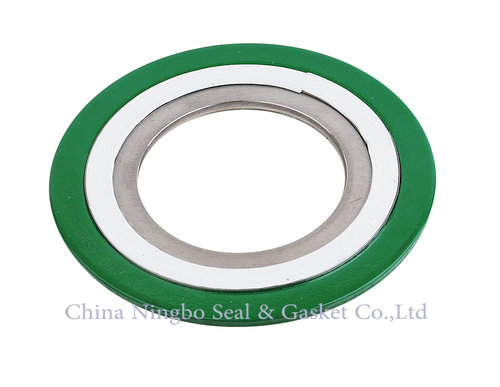
Customization Process for Monel 400 Round Bar in Industrial Rubber Applications
At Suzhou Baoshida Trading Co., Ltd., precision and material compatibility are central to delivering high-performance industrial rubber solutions. While our core expertise lies in elastomer systems, we frequently integrate high-grade metallic components such as Monel 400 round bar into custom-engineered sealing, molding, and reinforcement applications. Our structured customization process ensures optimal synergy between rubber compounds and metallic substrates, particularly in corrosive or high-stress environments where Monel 400 excels.
The process begins with Drawing Analysis. Upon receiving technical blueprints or CAD models from the client, our engineering team evaluates dimensional tolerances, surface finish requirements, and intended service conditions. Special attention is given to the interface between the Monel 400 round bar and the rubber matrix—whether it involves overmolding, insert molding, or mechanical bonding. We verify alloy certification (ASTM B164), diameter consistency (ranging from 3 mm to 200 mm), and straightness to ensure compatibility with downstream processing.
Next, Formulation of the rubber compound is tailored to the operational demands. Monel 400 is commonly used in marine, chemical processing, and oil & gas environments due to its resistance to chloride-ion stress-corrosion cracking and alkali solutions. To match these conditions, we select elastomers such as fluorocarbon (FKM), ethylene propylene diene monomer (EPDM), or perfluoroelastomer (FFKM), depending on temperature, chemical exposure, and compression set requirements. Adhesion promoters and surface activation techniques—such as grit blasting or chemical passivation of the Monel surface—are incorporated to ensure durable rubber-to-metal bonding.
The Prototyping phase follows, where small-batch samples are produced using insert molding or compression molding techniques. These prototypes undergo rigorous testing, including pull-out strength analysis, thermal cycling, and exposure to simulated service environments. Dimensional inspection is performed using coordinate measuring machines (CMM) to validate conformance to drawing specifications. Client feedback is integrated at this stage to refine geometry, material selection, or bonding parameters.
Upon approval, the project transitions to Mass Production. Our automated molding lines, combined with in-line quality monitoring, ensure batch-to-batch consistency. Each Monel 400 round bar is traceable via heat number, and rubber batches are tested for hardness, tensile strength, and adhesion integrity. Final products are packaged to prevent surface damage, especially critical for maintaining the integrity of both the metallic core and elastomeric coating.
The following table outlines key specifications for Monel 400 round bar used in our rubber integration processes.
| Property | Specification |
|---|---|
| Material Standard | ASTM B164, UNS N04400 |
| Diameter Range | 3 mm – 200 mm |
| Tolerance | ±0.05 mm (precision ground) |
| Typical Length | 1 m, 2 m, or custom cut |
| Tensile Strength | ≥520 MPa |
| Yield Strength (0.2% offset) | ≥240 MPa |
| Elongation at Break | ≥35% |
| Hardness (Brinell) | 110–150 HB |
| Corrosion Resistance | Excellent in seawater, hydrofluoric acid, alkalis |
| Surface Finish | As-rolled, turned, or ground (Ra ≤ 1.6 µm) |
This systematic approach ensures that every Monel 400-reinforced rubber component meets the highest standards of performance and reliability in industrial applications.
Contact Engineering Team
Precision Integration of Monel 400 Round Bar in Critical Sealing Systems
Suzhou Baoshida Trading Co., Ltd. delivers engineered solutions where advanced metallurgy meets high-performance rubber sealing. Monel 400 round bar—specified per ASTM B164—serves as a foundational component in aggressive chemical, marine, and aerospace environments due to its exceptional resistance to seawater, hydrofluoric acid, and reducing acids. While Monel 400 provides structural integrity under extreme thermal and corrosive stress, its seamless integration with elastomeric seals determines system reliability. Our expertise bridges this interface, ensuring dimensional precision in metal substrates aligns with rubber compound performance to prevent extrusion, compression set, or interfacial failure.
For OEM manufacturers, material compatibility is non-negotiable. Monel 400’s unique properties must align with rubber formulations under dynamic operational loads. Below are critical specifications guiding our joint material-sealing design:
| Property | Monel 400 Value | Industrial Relevance for Sealing Systems |
|---|---|---|
| Tensile Strength (MPa) | 550 min (annealed) | Resists deformation under high bolt-load sealing |
| Corrosion Rate in 10% H₂SO₄ | <0.05 mm/year | Prevents metal degradation compromising seal integrity |
| Thermal Expansion (20-100°C) | 13.9 µm/m·°C | Minimizes gap variation between metal and rubber during thermal cycling |
| Hardness (HB) | 110-150 | Ensures surface finish compatibility with rubber gasket compression |
| ASTM Standard | B164 | Guarantees traceable material certification for regulatory compliance |
Suzhou Baoshida optimizes this synergy through OEM co-engineering. We validate Monel 400 round bar dimensions against rubber durometer, compression deflection, and fluid resistance requirements—critical for pumps, valves, and reactor vessels handling caustics or chlorides. Our process includes: material certification cross-referencing, tolerance stack analysis per ISO 2768-mK, and accelerated aging tests simulating 10,000+ hours of service. This eliminates field failures from mismatched thermal expansion or chemical attack at the metal-rubber boundary.
Partner with us to transform Monel 400 specifications into fail-safe sealing performance. Request certified material test reports, dimensional inspection protocols, or custom alloy-rubber compatibility assessments. Mr. Boyce, our Technical OEM Manager, leads collaborative engineering for seamless production integration. Contact him directly at [email protected] to initiate a technical review. Include your application parameters—media type, temperature range, pressure cycles—and receive a tailored solution within 48 hours. Suzhou Baoshida ensures Monel 400 round bar performs not as a standalone component, but as an engineered system with your rubber seals.
Elevate your manufacturing precision. Email Mr. Boyce today to align metallurgical excellence with elastomeric reliability.
⚖️ O-Ring Weight Calculator
Estimate rubber O-ring weight (Approx).