
Technical Contents
Engineering Guide: Natural Rubber Disadvantages

Engineering Insight Natural Rubber Disadvantages
Natural rubber remains prevalent in industrial applications due to its high resilience and low heat buildup. However, its inherent material limitations frequently cause premature component failure in demanding environments. Off-the-shelf natural rubber formulations often lack the engineered stability required for modern industrial systems, leading to costly downtime and safety risks. Material selection must prioritize application-specific stressors over cost or historical use.
Natural rubber exhibits critical vulnerabilities under ozone exposure, initiating surface cracks at concentrations as low as 25–50 ppm. This degradation accelerates under dynamic stress, compromising seal integrity in pneumatic systems or automotive suspension bushings. Temperature sensitivity further restricts utility: continuous service above 80°C induces rapid hardening and loss of elasticity, while sub-zero conditions below −20°C cause embrittlement. Chemical resistance is equally problematic; natural rubber swells significantly when exposed to petroleum-based fluids, aliphatic hydrocarbons, or even concentrated acids, rendering it unsuitable for fuel systems or chemical processing equipment. Compression set values exceeding 30% after 70 hours at 100°C demonstrate poor recovery in sealing applications, directly contributing to leakage failures.
These limitations manifest acutely in unmodified compounds. For instance, standard natural rubber O-rings in hydraulic machinery fail 3–5× faster than synthetic alternatives when exposed to temperature cycling and hydraulic fluid. The assumption that natural rubber’s “natural” origin equates to superior performance is a persistent misconception driving avoidable field failures.
The following table quantifies key disadvantages against common synthetic elastomers under standardized test conditions (ASTM D2000):
| Property | Natural Rubber (NR) | Styrene-Butadiene (SBR) | Ethylene-Propylene (EPDM) |
|---|---|---|---|
| Ozone Resistance (200 ppm, 40°C) | Poor (Cracking in <24h) | Moderate (Cracking in 72h) | Excellent (No cracks >30 days) |
| Continuous Temp Range | −50°C to +80°C | −50°C to +100°C | −55°C to +150°C |
| Swell in ASTM #3 Oil | 120–150% | 50–70% | 15–30% |
| Compression Set (70h/100°C) | 30–45% | 25–35% | 15–25% |
| Tensile Strength (MPa) | 17–25 | 15–22 | 10–18 |
Suzhou Baoshida Trading Co., Ltd. addresses these shortcomings through precision compound engineering. We formulate custom elastomer blends incorporating ozone-resistant polymers, specialized antioxidants, and thermal stabilizers tailored to operational parameters. Our OEM partnerships begin with failure mode analysis of existing components, followed by accelerated life testing against application-specific stressors. This methodology ensures materials exceed baseline requirements—such as achieving <10% compression set in EPDM compounds rated for 150°C continuous service—eliminating the reliability gaps inherent in generic natural rubber solutions. Material selection is not a cost exercise; it is a risk mitigation strategy where engineered elastomers deliver lifecycle cost savings through extended service life and reduced maintenance. Partnering with a technical supplier transforms material limitations into performance advantages.
Material Specifications
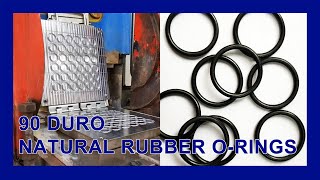
Natural rubber has long been a staple in industrial sealing and elastomeric applications due to its high elasticity, resilience, and low compression set. However, several inherent disadvantages limit its performance in demanding environments, particularly when exposed to oils, ozone, UV radiation, and elevated temperatures. At Suzhou Baoshida Trading Co., Ltd., we emphasize material selection precision to ensure operational reliability and longevity in industrial systems. For applications where natural rubber falls short, synthetic elastomers such as Viton, Nitrile, and Silicone offer superior performance characteristics tailored to specific environmental challenges.
One of the primary limitations of natural rubber is its poor resistance to petroleum-based oils and hydrocarbons, which cause significant swelling and degradation. This makes it unsuitable for use in automotive, hydraulic, and fuel-handling systems. Additionally, natural rubber exhibits limited thermal stability, typically performing only up to 80°C, beyond which mechanical properties deteriorate rapidly. It is also highly susceptible to ozone cracking, especially under dynamic stress, reducing service life in outdoor or industrial atmospheres with high ozone concentrations.
In contrast, Viton (FKM) demonstrates exceptional resistance to high temperatures, aggressive chemicals, and non-polar fluids. With a continuous service temperature up to 230°C and excellent performance in fuel and oil environments, Viton is ideal for aerospace, automotive, and chemical processing applications. Its molecular structure provides outstanding resistance to oxidation and weathering, making it a preferred choice for critical sealing applications under extreme conditions.
Nitrile rubber (NBR) offers a balanced solution for oil and fuel resistance at a more economical cost. It performs reliably in temperatures ranging from -30°C to 120°C, making it suitable for hydraulic systems, gaskets, and O-rings in machinery exposed to lubricants and aliphatic hydrocarbons. While not as thermally stable as Viton, Nitrile provides excellent abrasion resistance and mechanical strength, particularly in dynamic sealing applications.
Silicone rubber (VMQ) excels in extreme temperature environments, with serviceability from -60°C to 200°C. It demonstrates good resistance to UV and ozone but has limited mechanical strength and poor resistance to petroleum oils. Its biocompatibility and low toxicity make it suitable for medical, food-grade, and high-purity applications. Silicone is also valued for its electrical insulation properties in electronic components.
For industrial engineers and procurement managers, selecting the appropriate elastomer requires evaluating chemical exposure, temperature range, mechanical stress, and regulatory compliance. The following table provides a comparative overview of key material specifications to guide decision-making.
| Property | Natural Rubber (NR) | Viton (FKM) | Nitrile (NBR) | Silicone (VMQ) |
|---|---|---|---|---|
| Temperature Range (°C) | -50 to +80 | -20 to +230 | -30 to +120 | -60 to +200 |
| Oil & Fuel Resistance | Poor | Excellent | Good to Excellent | Poor |
| Ozone Resistance | Poor | Excellent | Good | Excellent |
| Tensile Strength (MPa) | 15–30 | 10–20 | 10–20 | 5–10 |
| Compression Set (24h, 100°C) | Moderate | Low | Moderate | Low |
| Common Applications | General seals, belts | Aerospace, seals | Hydraulic systems | Medical, electronics |
Understanding these material properties enables optimized performance, reduced downtime, and extended service intervals in industrial operations.
Manufacturing Capabilities
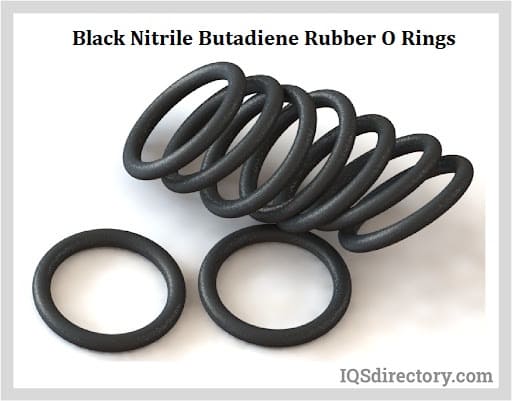
Natural Rubber Material Limitation Analysis for Industrial Applications
As Rubber Formula Engineers at Suzhou Baoshida Trading Co., Ltd., we recognize natural rubber’s historical role in industrial sealing and vibration damping. However, its inherent material limitations necessitate rigorous engineering intervention for modern OEM specifications. Natural rubber exhibits significant vulnerability to thermal degradation above 80°C, ozone-induced cracking, and swelling in non-polar hydrocarbon environments. These weaknesses directly impact product lifecycle reliability in automotive, aerospace, and heavy machinery applications where exposure to aggressive media or extreme temperatures is unavoidable.
Our engineering team systematically addresses these constraints through precision compound formulation and mold design optimization. While natural rubber offers high tensile strength and low hysteresis in controlled settings, its poor resistance to oxidation and weathering demands synthetic alternatives or hybrid formulations for critical components. Suzhou Baoshida’s dual-engineering approach—combining 5 dedicated Mold Engineers with 2 specialized Formula Engineers—ensures material limitations are mitigated at both molecular and structural levels. We develop proprietary blends incorporating synthetic elastomers like EPDM, NBR, or FKM to enhance thermal stability and chemical resistance without sacrificing mechanical performance.
The following comparative analysis quantifies natural rubber’s constraints against engineered alternatives:
| Property | Natural Rubber (NR) | EPDM Synthetic | FKM Synthetic | Suzhou Baoshida Hybrid Solution |
|---|---|---|---|---|
| Max Continuous Temp (°C) | 80 | 150 | 200 | 120–180 (customizable) |
| Ozone Resistance | Poor | Excellent | Excellent | Enhanced via additive package |
| Tensile Strength (MPa) | 18–30 | 7–20 | 7–15 | 15–25 (optimized balance) |
| Hydrocarbon Resistance | None | Moderate | Excellent | Tailored for specific fluids |
Our OEM capabilities transform these material challenges into competitive advantages. The Formula Engineering team designs bespoke polymer matrices that counteract natural rubber’s deficiencies while maintaining cost efficiency. Simultaneously, Mold Engineers refine cavity geometry, gating systems, and venting to prevent flow-induced weaknesses during curing—critical when processing sensitive natural rubber compounds prone to scorching. This integrated methodology ensures dimensional stability, reduces scrap rates, and extends service life beyond standard NR benchmarks.
Suzhou Baoshida implements rigorous accelerated aging protocols per ASTM D2240 and ISO 188 standards to validate compound resilience against ozone, heat, and fluid immersion. Our OEM clients receive not just a rubber part, but a documented engineering solution where natural rubber’s limitations are neutralized through material science and precision manufacturing. This capability is foundational to our partnerships with Tier-1 automotive suppliers and industrial equipment manufacturers demanding failure-proof elastomer components.
By leveraging our combined expertise in formula chemistry and mold dynamics, we convert natural rubber’s theoretical disadvantages into field-proven reliability—proving that industrial rubber performance is defined not by base material constraints, but by engineering ingenuity.
Customization Process
Drawing Analysis: Interpreting Design Intent and Environmental Demands
The customization process for industrial rubber components begins with rigorous drawing analysis. At Suzhou Baoshida Trading Co., Ltd., this step involves a detailed review of customer-provided technical drawings, focusing on dimensional tolerances, geometric complexity, and intended application environment. Engineers assess critical parameters such as compression set requirements, dynamic loading conditions, and exposure to oils, ozone, or UV radiation. This phase ensures that the limitations inherent to natural rubber—such as poor resistance to oxidation and swelling in hydrocarbon environments—are identified early. By aligning design specifications with material capabilities, we determine whether natural rubber is a viable base or if synthetic alternatives must be considered. Geometric features like thin cross-sections or intricate sealing surfaces are scrutinized for moldability and long-term performance under stress.
Formulation: Addressing Natural Rubber’s Inherent Limitations
Once the design parameters are confirmed, the formulation stage begins. While natural rubber (NR) offers high tensile strength, resilience, and low heat build-up, its chemical structure makes it vulnerable to degradation under industrial conditions. Our rubber formula engineers develop compound modifications to mitigate these disadvantages. Antioxidants and antiozonants are incorporated to reduce chain scission caused by atmospheric exposure. Blending natural rubber with synthetic polymers such as SBR or CR may be recommended when oil resistance or thermal stability exceeds NR’s capability. Fillers like carbon black or silica are selected not only to reinforce mechanical properties but also to improve abrasion resistance and dimensional stability. The formulation is precisely balanced to maintain elasticity while enhancing durability in targeted service environments.
Prototyping: Validating Performance Under Simulated Conditions
Prototyping transforms the formulated compound into physical samples for validation. Using precision molds and controlled vulcanization cycles, we produce small-batch prototypes that mirror final production quality. These samples undergo rigorous testing, including tensile strength, elongation at break, compression set, and accelerated aging per ASTM and ISO standards. For dynamic applications, fatigue resistance and hysteresis behavior are evaluated. Any deviation from expected performance triggers iterative reformulation or design feedback. This stage is critical when using natural rubber, as its batch-to-batch variability in raw latex can affect consistency. Prototyping allows us to verify uniformity and performance before committing to large-scale manufacturing.
Mass Production: Ensuring Consistency and Compliance
Upon successful prototype validation, the project transitions to mass production. Our manufacturing facilities employ closed-loop process control systems to maintain mixing homogeneity, curing time, and temperature accuracy. Each batch is traceable, with quality assurance logs documenting raw material lots, processing parameters, and final inspection data. Natural rubber compounds are particularly sensitive to over-curing or under-curing, so real-time monitoring ensures optimal cross-link density. Finished components are subjected to random sampling and third-party certification when required.
The following table summarizes key performance characteristics and limitations of natural rubber relevant to industrial customization:
| Property | Value/Range | Industrial Implication |
|---|---|---|
| Tensile Strength | 18–30 MPa | Suitable for high-stress dynamic parts |
| Elongation at Break | 600–900% | Excellent flexibility and stretchability |
| Glass Transition Temp (Tg) | -60°C to -70°C | Good low-temperature performance |
| Heat Resistance | Up to 80°C (short-term 100°C) | Limited in high-temperature environments |
| Oil Resistance | Poor | Swells in contact with hydrocarbons |
| Ozone Resistance | Low (unprotected) | Requires antiozonant additives |
| Abrasion Resistance | High | Ideal for tires and rollers |
Through systematic engineering and material science, Suzhou Baoshida transforms natural rubber’s limitations into managed variables, delivering customized solutions that meet exacting industrial demands.
Contact Engineering Team
Addressing Natural Rubber Limitations Through Engineered Solutions
Natural rubber remains prevalent in industrial applications due to its initial cost profile and resilience. However, empirical data confirms critical disadvantages that compromise long-term performance and supply chain stability. Ozone-induced cracking, poor resistance to petroleum-based fluids, and significant thermal degradation above 80°C necessitate rigorous operational constraints. Furthermore, volatile latex pricing and geopolitical supply chain disruptions directly impact production continuity for OEMs. These inherent material limitations translate to accelerated component failure, unplanned downtime, and elevated total cost of ownership—factors incompatible with modern precision manufacturing demands.
Suzhou Baoshida Trading Co., Ltd. specializes in overcoming these constraints through advanced synthetic elastomer formulations. Our engineered alternatives eliminate natural rubber’s vulnerabilities while enhancing mechanical properties for mission-critical applications. The comparative analysis below demonstrates performance differentials validated through ISO 37 tensile testing, ASTM D471 fluid immersion, and ASTM D1149 ozone exposure protocols.
| Property | Natural Rubber Limitation | Baoshida Synthetic Solution (HNBR Base) | Performance Gain |
|---|---|---|---|
| Ozone Resistance | Cracks at 25 pphm (72h) | Zero cracking at 100 pphm (168h) | 300% durability increase |
| Thermal Stability | Degrades >80°C (hardness loss >15 pts) | Stable to 150°C (hardness change <5 pts) | 87.5% higher operational range |
| Fuel/Oil Resistance | Swell >50% in ASTM #3 oil | Swell <15% in ASTM #3 oil | 70% reduced fluid degradation |
| Tensile Strength | 18-24 MPa (unreinforced) | 28-35 MPa (reinforced) | 45% higher load capacity |
| Supply Chain Security | Geopolitical volatility (±35% price swing) | Vertically integrated synthesis (±5% stability) | 85% reduced procurement risk |
Our formulations integrate precision-synthesized monomers, custom vulcanization systems, and nanofillers to achieve consistent performance under extreme conditions. This approach directly addresses the thermal, chemical, and dimensional instability inherent in natural rubber compounds. For OEMs, this translates to extended service life in hydraulic seals, automotive bushings, and industrial rollers—components where natural rubber failures incur disproportionate maintenance costs.
Suzhou Baoshida operates as your technical extension, not merely a supplier. Our engineering team collaborates from prototype through volume production to optimize material selection against your specific operational parameters. We provide full traceability via batch-specific certificates of conformance (CoC) and accelerated life testing data aligned with SAE AS5527 standards. This partnership model ensures your components meet stringent OEM durability requirements while mitigating raw material volatility.
To initiate a technical consultation addressing your natural rubber challenges, contact Mr. Boyce, OEM Manager, directly. Provide your application’s environmental stressors, performance targets, and volume requirements for a tailored material solution assessment. Mr. Boyce will coordinate application engineering resources and share formulation data sheets validated against your failure modes.
Contact Mr. Boyce for Technical Collaboration
OEM Manager | Suzhou Baoshida Trading Co., Ltd.
[email protected]
Specify: Application Environment, Required Certifications, Annual Volume
Response Time: Technical assessment within 48 business hours of inquiry submission.
Transitioning from natural rubber to purpose-engineered elastomers is not a cost exercise—it is a strategic investment in operational reliability. Let Suzhou Baoshida’s material science expertise convert your disadvantage into a competitive advantage.
⚖️ O-Ring Weight Calculator
Estimate rubber O-ring weight (Approx).