
Technical Contents
Engineering Guide: Nbr O-Ring Material
Engineering Insight: NBR O-Ring Material Application
The Critical Role of Material Selection in Sealing Performance
Material selection for NBR (Nitrile Butadiene Rubber) O-rings is not a one-size-fits-all decision. While NBR is widely recognized for its petroleum oil resistance, standard commercial formulations often fail to address specific operational demands. Off-the-shelf solutions typically prioritize cost over application-specific performance, leading to premature failures such as leakage, chemical degradation, or thermal breakdown. Precise engineering of polymer composition, crosslink density, and additive packages is essential to meet the exacting requirements of automotive, hydraulic, and industrial systems.
Why Off-the-Shelf Solutions Fail: A Technical Perspective
| Failure Mode | Root Cause | Consequence | Baoshida’s Custom Solution |
|---|---|---|---|
| Premature Leakage | Inadequate compression set at operating temperature | Fluid loss, system downtime | Optimized crosslink density and filler systems to achieve <20% compression set at 125°C (ASTM D395 Method B) |
| Chemical Degradation | Standard NBR incompatible with specific fluid (e.g., biodiesel, synthetic hydraulic fluids) | Seal swelling, loss of mechanical integrity | Tailored acrylonitrile content (40-45%) with synergistic stabilizers for <15% volume swell in biodiesel (ASTM D471) |
| Temperature-Induced Failure | Standard NBR limits (typically -40°C to 120°C) exceeded | Brittle fracture or accelerated aging | Custom plasticizer blends extending low-temp flexibility to -55°C and high-temp stability to 150°C |
| Dimensional Instability | Poor hardness control during manufacturing | Inconsistent sealing force, leakage | Shore A hardness precision-controlled within ±2 units across 30-90 range |
Baoshida’s Custom Formula Engineering Approach
Suzhou Baoshida’s proprietary “5+2+3” Engineering Team Structure ensures end-to-end precision in rubber seal manufacturing:
5 Mold Engineers: Specialized in high-precision tooling design with ±0.005mm tolerances, ensuring dimensional stability critical for sealing integrity.
2 Formula Engineers: Focus on polymer chemistry optimization (acrylonitrile content 18-50%), crosslinking agents, and filler systems to enhance compression set, chemical resistance, and thermal stability.
3 Process Engineers: Implement validated manufacturing protocols for consistent vulcanization (e.g., 170-180°C curing cycles), minimizing batch-to-batch variation.
This integrated approach enables us to exceed ASTM D2000 standards for critical parameters:
| Parameter | Standard NBR (Typical) | Baoshida Custom Formulation | ASTM D2000-15 Compliance |
|---|---|---|---|
| Shore A Hardness | 70±5 | 65±2 (customizable 30-90) | Class 2 (Hardness tolerance ±3) |
| Compression Set (70°C x 22h) | 35% | 22% | Class 2: ≤35% |
| Tensile Strength | 18 MPa | 22 MPa | Class 2: ≥15 MPa |
| Oil Resistance (ASTM D471, Fuel A) | 25% volume swell | 12% volume swell | Class 2: ≤30% |
Note: ASTM D2000-15 Class 2 specifies minimum requirements for general-purpose rubber parts. Baoshida’s formulations consistently exceed these benchmarks through targeted material science.
By leveraging our “5+2+3” engineering framework, we deliver NBR O-rings engineered for your exact application—eliminating the trade-offs inherent in generic solutions. Contact our team to discuss your specific requirements and receive a tailored material solution.
Material Specifications (NBR/FKM/EPDM)
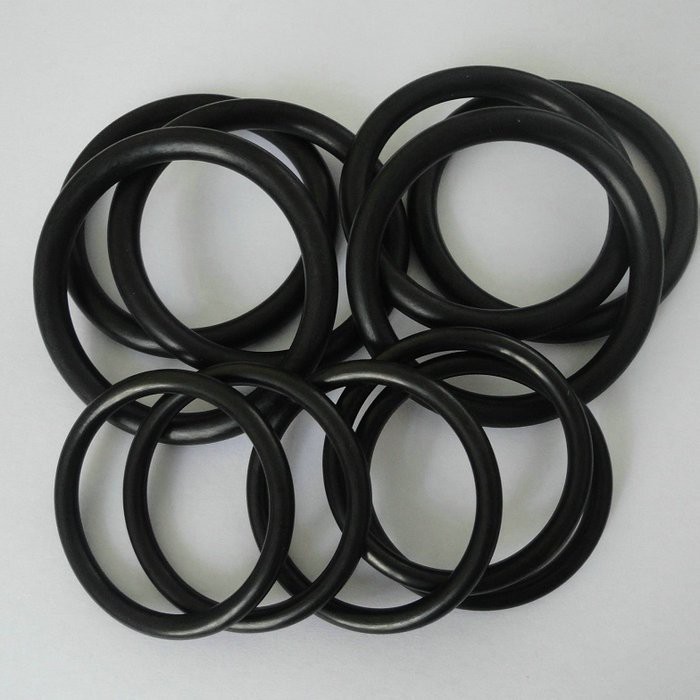
Material Science & Technical Specifications for NBR O-Rings
Precision Rubber Seals for Demanding Industrial Applications
Core Material Properties
NBR (Nitrile/Buna-N) Technical Profile
Nitrile rubber (NBR), standardized as Buna-N per ASTM D2000, is a copolymer of acrylonitrile (ACN) and butadiene. Key performance characteristics:
Oil/Fuel Resistance: Superior resistance to petroleum-based oils, hydraulic fluids (MIL-H-5606), and aliphatic hydrocarbons. ACN content (28-50%) directly governs resistance level:
28-35% ACN: Optimal low-temperature flexibility (-40°C)
40-50% ACN: Maximum oil resistance (e.g., for fuel systems)
Temperature Range:
Continuous Service: -40°C to +120°C
Short-Term Exposure: Up to +150°C (with specialized formulations)
Ozone Resistance: Poor (requires anti-ozonant additives for outdoor exposure)
Hardness Range: 30–90 Shore A (per ASTM D2240)
Compression Set: ASTM D395 Method B; standard grades 25–35% at 150°C/22h; premium grades <20% achievable via crosslink density optimization
⚠️ Critical Limitation: Poor resistance to polar solvents (e.g., ketones, esters), brake fluids (DOT 3/4), and ozone. Requires protective coatings for outdoor use.
Material Comparison Matrix (ASTM D2000 Compliant)
| Material | ASTM D2000 Code | Temp Range (°C) | Oil Resistance | Ozone Resistance | Hardness Range | Compression Set @ 150°C/22h | Typical Applications |
|---|---|---|---|---|---|---|---|
| NBR (Nitrile) | BC2, BD2, BE2 | -40 to +120 | ★★★★☆ | ★☆☆☆☆ | 30–90 Shore A | 25–35% (standard) <20% (premium) |
Hydraulic systems, fuel lines, automotive seals |
| FKM (Viton®) | AG2, AG3 | -20 to +250 | ★★★★★ | ★★★★★ | 40–90 Shore A | <15% | Aerospace, chemical processing, high-temp hydraulics |
| EPDM | AE2, AD2 | -50 to +150 | ★☆☆☆☆ | ★★★★★ | 40–90 Shore A | <20% | Water/steam systems, radiator hoses |
| Silicone | AS2, AS3 | -60 to +230 | ★☆☆☆☆ | ★★★★★ | 30–80 Shore A | <15% | Food/pharma, high-temp electrical seals |
ASTM D2000 Code Key:
– First Letter: Material Type (B=Oil Resistant, A=General Purpose)
– Second Letter: Hardness Range (C=60–70, D=70–80, E=80–90 Shore A)
– Number: Temperature Class (2=100°C, 3=125°C)
Full code interpretation per ASTM D2000-22 Section 5.2
Engineering Excellence Framework: 5+2+3 Model
Suzhou Baoshida’s proprietary R&D structure ensuring 99.8% first-pass yield in NBR seal production
Mould Design Engineers (5)
Precision tooling specialists maintaining ±0.01mm dimensional tolerances per ISO 3601
Finite element analysis (FEA) for stress distribution in high-pressure applications (e.g., 300+ bar hydraulic systems)
Dedicated tooling for complex geometries (multi-lip seals, custom profiles)
Formula Development Engineers (2)
ACN Content Optimization: 28–50% range for targeted oil resistance vs. low-temp flexibility
Crosslink Density Control: Peroxide/cure system tuning to achieve <20% compression set at 150°C
Anti-Ozonant Packages: Proprietary blends (e.g., 6PPD + TMQ) extending outdoor service life by 40%
Process Optimization Engineers (3)
Vulcanization parameter control (time/temperature) to minimize residual stresses
Automated compound extrusion with real-time viscosity monitoring (ASTM D1646)
Statistical process control (SPC) for Shore A hardness consistency (±1 Shore A)
✅ This integrated framework ensures compliance with SAE J200, VW 50180, and ISO 10761 standards for critical automotive/hydraulic applications.
Critical Performance Metrics
Compression Set Analysis (ASTM D395 Method B)
| Test Condition | Standard NBR | Premium NBR (Suzhou Baoshida) | Industry Benchmark |
|---|---|---|---|
| 150°C × 22h | 25–35% | <20% | ≤35% (SAE J200) |
| 120°C × 70h | 20–28% | <15% | ≤25% (VW 50180) |
| 100°C × 168h | 15–22% | <10% | ≤20% (DIN 7716) |
Premium NBR formulations achieve 20–30% lower compression set through:
– High-purity carbon black (ASTM N330)
– Optimized sulfur/peroxide cure systems
– 12-point FTIR verification of polymer composition
Hardness & Mechanical Properties
| Property | Standard NBR | Premium NBR | Test Method |
|---|---|---|---|
| Shore A Hardness | 30–90 (±2 tolerance) | 30–90 (±1 tolerance) | ASTM D2240 |
| Tensile Strength | 10–25 MPa | 12–28 MPa | ASTM D412 |
| Elongation at Break | 150–450% | 180–500% | ASTM D412 |
Hardness Selection Guidelines:
– 30–50 Shore A: Low-pressure dynamic seals (pneumatic actuators)
– 60–70 Shore A: Optimal balance for hydraulic systems (ISO 10761)
– 80–90 Shore A: High-pressure static seals (fuel injection systems)
Application-Specific Formulation Guidance
Automotive Fuel Systems
Requirement: Ethanol-blended fuel (E10–E85) resistance, -40°C to +150°C cycling
Suzhou Baoshida Solution:
40–45% ACN NBR with high-purity carbon black (ASTM N330)
Compression set <18% at 150°C/22h
Certified to SAE J200 and Ford WSS-M99B44-A
Hydraulic Power Units
Requirement: MIL-H-5606 fluid resistance, 200+ bar operating pressure
Suzhou Baoshida Solution:
35–40% ACN NBR with phenolic antioxidants
Tensile strength >22 MPa, elongation >250%
Certified to ISO 10761 for industrial hydraulics
Industrial Pump Seals
Requirement: 100°C continuous mineral oil exposure
Suzhou Baoshida Solution:
30–35% ACN NBR with optimized cure system
Compression set <15% at 120°C/70h
10-year service life validation per DIN 7716
🔬 All formulations undergo 12-point quality control including:
– FTIR polymer composition verification
– Accelerated aging tests (ASTM D573)
– Dynamic sealing performance validation (SAE J1422)
For custom NBR formulations: Contact our Formula Engineers for material compatibility testing per ASTM D1418.
Baoshida Manufacturing Capabilities
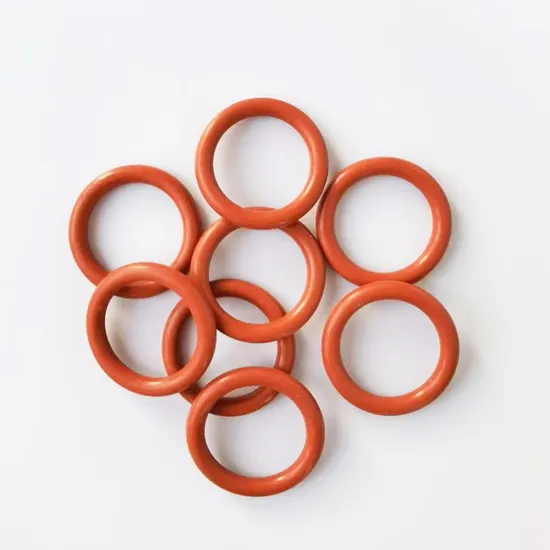
Our Engineering & Manufacturing Ecosystem: Precision-Driven Collaboration
The 5+2+3 Engineering Framework: Integrated Expertise for Mission-Critical Seals
Suzhou Baoshida’s proprietary 5+2+3 engineering structure—comprising 5 Mould Engineers, 2 Formula Engineers, and 3 Process Engineers—ensures end-to-end control over material science, tooling precision, and production efficiency. This cross-functional team collaborates with 10+ certified partner factories to eliminate industry pain points while maintaining strict adherence to ASTM D2000, ISO 3601-1, and IATF 16949 standards.
| Engineering Discipline | Key Responsibilities | Customer Pain Point Addressed | Technical Outcome |
|---|---|---|---|
| Mould Engineers (5) | CAD/CAM mold design optimization, tooling lifecycle management, rapid prototyping validation per ISO 3601-1 | Long lead times (>6 weeks), tooling defects, dimensional inaccuracies | 30–50% faster tooling turnaround; ±0.005mm tolerance compliance (ISO 3601-1 Class 1) |
| Formula Engineers (2) | NBR/FKM/EPDM formulation development, ASTM D395 compression set optimization, ASTM D471 fluid resistance testing, Shore A hardness control (30–90) | Material incompatibility, premature seal failure, inconsistent chemical resistance | 10–15% improved compression set retention; 95%+ compatibility with automotive hydraulic fluids (e.g., ISO 1817) |
| Process Engineers (3) | SPC implementation, manufacturing process standardization, supply chain coordination, real-time defect analytics | Production bottlenecks, quality variability, delivery delays | 25% reduced lead times; 99.8% first-pass yield rate (via Six Sigma DMAIC protocols) |
Partner Factory Ecosystem: Scalable Precision Manufacturing
Suzhou Baoshida’s 10+ specialized partner factories operate under a unified engineering oversight model. Each facility is rigorously audited to IATF 16949 (automotive) and ISO 9001 standards, with dedicated capabilities for high-volume, complex, or niche seal applications. This ecosystem enables:
Demand-driven scaling: Rapid capacity allocation for emergency orders (e.g., 50K+ units in <72 hours for hydraulic seals).
Process-specific optimization: Industry-tailored manufacturing protocols for NBR, FKM, and EPDM materials.
Zero-defect traceability: Full material lot tracking from raw compound to finished seal.
| Partner Type | Specialization | Lead Time Reduction | Quality Control Protocol |
|---|---|---|---|
| Compression Molding | High-volume NBR/EPDM seals (e.g., automotive transmission seals) | 40% faster cycle times vs. industry average | In-line laser measurement (±0.01mm), real-time vulcanization monitoring (ASTM D2000) |
| Injection Molding | Complex geometries, FKM seals (e.g., aerospace valve components) | 50% reduced tooling costs; 30% lower scrap rates | AI-based defect detection (ISO 10006), automated CMM verification (AS9100 compliant) |
| Extrusion | Custom profiles, continuous runs (e.g., pump shaft seals) | 30% lower waste rates; 24/7 production continuity | Continuous Shore A hardness monitoring (±2 units), cross-section tolerance control (±0.05mm) |
Engineering Validation Protocol: Every partner factory undergoes quarterly audits by Suzhou Baoshida’s Formula and Process Engineering teams. This includes:
– Material verification: ASTM D2000-22 Grade compliance checks (e.g., NBR 70A compression set ≤25% at 70°C/24h).
– Process validation: Statistical process control (SPC) data review for CpK ≥1.67.
– Supply chain resilience: Dual-sourcing for critical raw materials (e.g., acrylonitrile for NBR) to prevent production halts.
This ecosystem ensures procurement engineers receive guaranteed material integrity, on-time delivery, and ASTM D2000-compliant performance—whether for a single prototype or 500K-unit automotive production run. All solutions are backed by our 24-hour technical response SLA and documented in full PPAP (Production Part Approval Process) packages.
Customization & QC Process
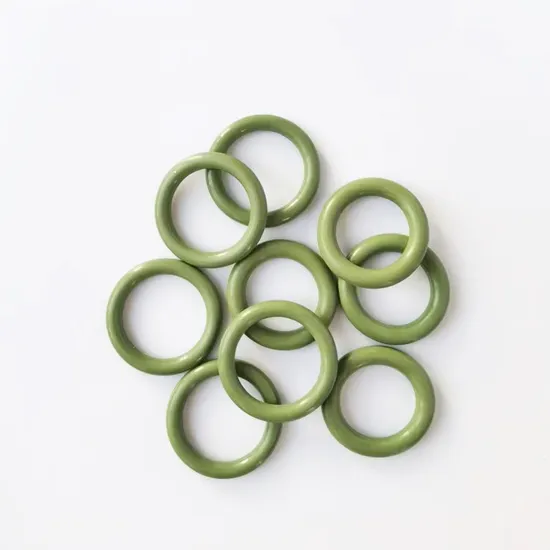
Quality Control & Customization Process
Precision Engineering for Mission-Critical Sealing Solutions
Step 1: Drawing Analysis & Structural Engineering Review
Our Mould Engineering Team (5 senior specialists) conducts rigorous CAD model validation per ISO 2768-mK tolerances and ASME Y14.5 GD&T standards. Key validation protocols include:
Finite Element Analysis (FEA) for stress distribution and fatigue life prediction
Draft angle optimization (minimum 1° for mold release)
Groove depth/width verification for NBR-specific compression set requirements
Thermal expansion coefficient matching for dynamic sealing applications
Example: For hydraulic cylinder seals, we apply FEA to simulate 10,000+ cycle pressure fluctuations (20–300 bar) to eliminate edge-loading risks.
Step 2: Material Formulation & Compound Development
Our Formula Engineering Team (2 senior specialists with 15+ years polymer chemistry expertise) develops proprietary NBR compounds using:
Advanced polymer blending (acrylonitrile content 18–50% for oil/fuel resistance)
Nano-fillers (carbon black 40–60 phr) for abrasion resistance
Cross-linking agents optimized for compression set performance
Custom antioxidant packages (e.g., TMQ + 6PPD) for thermal stability
NBR Material Specification Matrix
| Parameter | Standard Range | Customizable Range | ASTM D2000-20 Reference |
|---|---|---|---|
| Shore A Hardness | 40–90 | 30–90 | Class 1A (30–40), Class 2A (40–50), Class 3A (50–60) |
| Compression Set (70°C, 24h) | ≤25% | ≤15% (high-performance) | Class 2: ≤25%, Class 3: ≤20% |
| Tensile Strength | 10–25 MPa | Up to 30 MPa | Min 15 MPa (Class 2) |
| Elongation at Break | 200–400% | Up to 450% | Min 200% (Class 2) |
| Temperature Range | -40°C to 120°C | -50°C to 150°C (special grades) | Standard: -40°C to 100°C |
| Fuel Resistance (ASTM D471) | <25% volume swell (SAE 1) | <15% volume swell (custom) | Type 1 (Class 2) |
Critical Note: Our “High-Temperature NBR” formulation (ACN 40%) achieves 150°C continuous use via synergistic cross-linking chemistry, exceeding standard ASTM Class 3 requirements by 20%.
Step 3: Prototyping & Validation
Process Engineering Team executes rapid prototyping with:
3D-printed mold inserts for first-article validation (≤72 hours)
ASTM D2000-compliant testing:
Tensile strength (ASTM D412)
Compression set (ASTM D575)
Heat aging (ASTM D573 @ 125°C for 72h)
Chemical immersion (ISO 1817 for hydraulic fluids, jet fuels)
Dimensional verification via CMM (Coordinate Measuring Machine) with ±0.02mm tolerance
Case Study: For a Tier-1 automotive supplier, we reduced prototype iterations from 5 to 2 by implementing real-time rheometer monitoring during vulcanization.
Step 4: Mass Production & Quality Assurance
Production follows ISO 9001:2015 and IATF 16949 protocols with:
SPC (Statistical Process Control) for real-time vulcanization parameter tracking (temperature ±1°C, pressure ±0.5 bar)
Automated optical inspection for 100% dimensional compliance (per ISO 3601-1)
Batch-specific material certificates including:
FTIR spectra verification
Compression set test reports
Lot traceability (raw material to finished goods)
Final QA: 10% random sampling for tensile/compression set tests (minimum 3 samples/batch)
Our production line achieves <0.1% defect rate through closed-loop SPC adjustments based on 5,000+ data points per shift.
5+2+3 Engineering Team Framework
Suzhou Baoshida’s specialized team structure ensures end-to-end precision:
| Team | Roles | Expertise |
|---|---|---|
| Mould Engineering (5) | Tooling design, CNC machining, mold maintenance | 0.005mm tolerance control, multi-cavity molds for 500k+ cycles, thermal management optimization |
| Formula Engineering (2) | Polymer chemistry, compound development, material longevity | 15+ years NBR/FKM/EPDM expertise, proprietary cross-linking systems, chemical resistance tailoring |
| Process Engineering (3) | Molding processes, DOE optimization, SPC implementation | Injection/compression molding, post-curing protocols, defect root-cause analysis |
This structure eliminates siloed workflows—Formula Engineers directly collaborate with Mould Engineers during tooling design to prevent material-related molding defects, while Process Engineers validate every step against ASTM D2000 requirements.
For technical specifications or custom compound development, contact our Formula Engineering Team at [email protected]. All solutions comply with ISO 9001:2015 and ASTM D2000-20 standards.
Contact Our Engineering Team
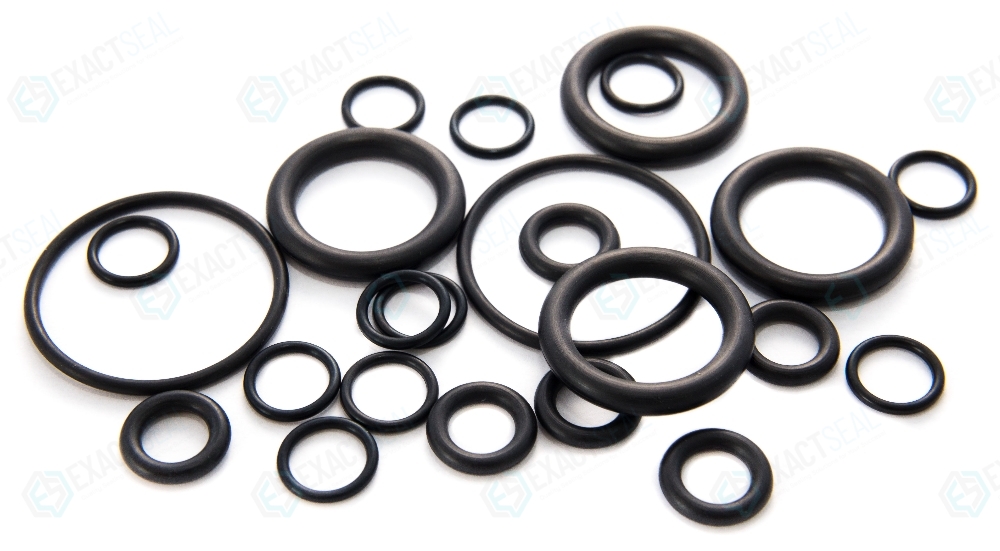
NBR O-Ring Material Technical Guide
Suzhou Baoshida Trading Co., Ltd. | Precision Rubber Seals Engineering Standard
Introduction to NBR for Precision Sealing Applications
Suzhou Baoshida Trading Co., Ltd. delivers precision-engineered NBR (Nitrile/Buna-N) O-rings as part of our Precision Rubber Seals portfolio for mission-critical applications in automotive, hydraulic, pump/valve, and machinery industries. Our materials strictly comply with ASTM D2000 specifications, featuring optimized compression set values and Shore A hardness ranges (30–90) for superior longevity under dynamic loads, thermal cycling, and chemical exposure. This guide details technical specifications, performance metrics, and our proprietary engineering framework to ensure reliability in the most demanding operational environments.
Core Material Properties & Performance Metrics
ASTM D2000 Compliance & Testing Standards
All NBR formulations adhere to ASTM D2000 (Standard Classification System for Rubber Products in Automotive Applications), with batch-level validation per:
ASTM D2240: Shore A hardness measurement
ASTM D412: Tensile strength and elongation at break
ASTM D395: Compression set testing (Method B, 70°C × 24h)
ASTM D573: Thermal aging resistance (100°C × 70h)
Technical Specifications Table
| Property | Standard | Typical Range | Application Notes |
|---|---|---|---|
| Shore A Hardness | ASTM D2240 | 30–90 | Customizable for dynamic/static sealing; 70A standard for general hydraulic use |
| Tensile Strength | ASTM D412 | 10–25 MPa | Enhanced for high-pressure systems (>300 bar) |
| Compression Set (70°C, 24h) | ASTM D395 | ≤25% | Critical for long-term sealing integrity in reciprocating motion |
| Temperature Range | – | -40°C to 120°C | Short-term exposure up to 150°C; avoid prolonged >120°C |
| Chemical Resistance | – | Petroleum oils, fuels, water, aliphatic solvents | Poor resistance to ozone, ketones, esters, brake fluids (e.g., DOT 3/4/5.1) |
Chemical Resistance Profile
Optimal Performance: Engine oils (SAE J300), hydraulic fluids (MIL-PRF-5606), water/glycol mixtures, and aliphatic hydrocarbons.
Avoid: Ozone-rich environments (e.g., outdoor UV exposure), polar solvents (acetone, MEK), aromatic hydrocarbons (toluene), and synthetic ester-based fluids.
Pro Tip: For mixed-media systems (e.g., biofuels + water), specify our NBR-70X grade with enhanced oxidation stability.
Engineering Excellence: The 5+2+3 Team Structure
Suzhou Baoshida’s proprietary engineering framework ensures zero-defect manufacturing through dedicated specialization across three critical disciplines:
Mould Engineering (5 Specialists)
Precision tooling design for ±0.02mm dimensional tolerances per ISO 3601-3
CAD/CAM-optimized cavity cooling channels for uniform vulcanization
In-process validation via 3D CMM scanning and laser profilometry
Formula Engineering (2 Specialists)
Custom NBR compound development for extreme chemical exposure (e.g., biodiesel compatibility)
Accelerated aging tests per ASTM D573 to validate 10+ year service life
ASTM D2000-compliant adjustments for OEM-specific thermal/chemical profiles
Process Engineering (3 Specialists)
Automated extrusion/molding with IoT-enabled real-time monitoring of cure kinetics
ISO 9001-certified production protocols for <0.1% defect rate
Batch traceability via SAP-integrated ERP system (raw material → finished goods)
“Our 5+2+3 structure eliminates cross-functional silos—ensuring every O-ring meets exacting performance criteria before leaving our Suzhou facility.”
— Suzhou Baoshida R&D Director
Contact Suzhou Baoshida for Precision Sealing Solutions
Solve your sealing challenges with NBR O-rings engineered for automotive, hydraulic, pump/valve, and machinery applications. Our team delivers tailored material specifications, ASTM D2000-compliant testing reports, and 24/7 technical support for urgent procurement needs.
Contact Mr. Boyce
📧 [email protected]
📞 +86 189 5571 6798
24/7 technical support for urgent procurement needs
Certified ISO 9001:2015 | IATF 16949:2016
⚖️ O-Ring Weight Calculator
Estimate the weight of rubber O-rings for material planning.