
Technical Contents
Engineering Guide: Neoprene 70A
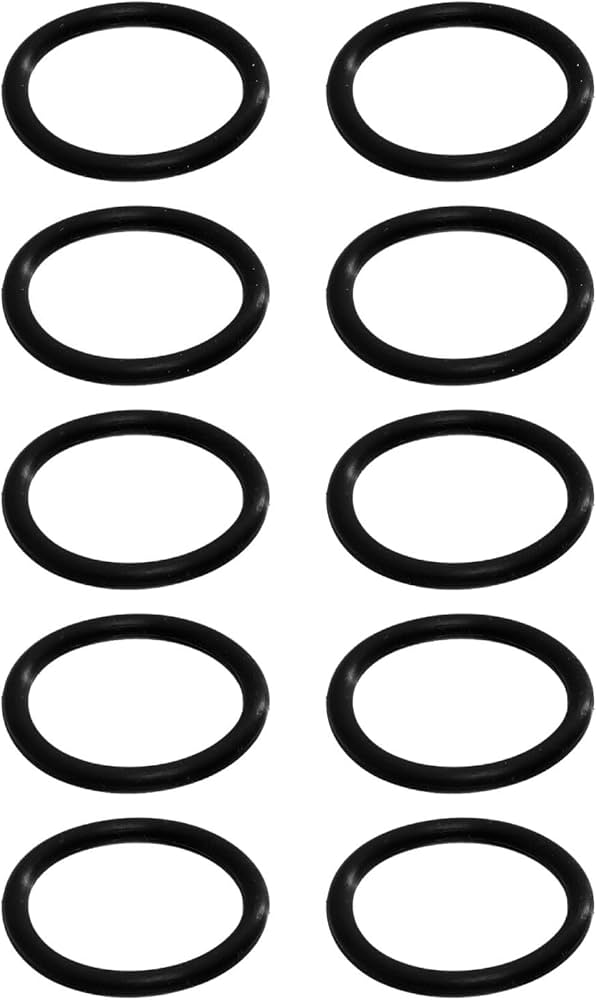
Engineering Insight: neoprene 70a – The Critical Role of Material Selection in Industrial Applications
In precision-driven industrial environments, the selection of elastomeric materials is not a matter of convenience but a fundamental engineering decision. Among chloroprene-based compounds, neoprene 70A stands out for its balanced mechanical profile, offering moderate hardness, excellent resistance to environmental degradation, and reliable performance under dynamic stress. However, despite its widespread availability, off-the-shelf neoprene 70A formulations frequently fail to meet the rigorous demands of OEM applications. This discrepancy arises not from inherent material limitations, but from the oversimplification of material specification in commercial supply chains.
Standard-grade neoprene 70A, as commonly offered in bulk markets, is formulated for general-purpose use. It prioritizes cost-efficiency and broad compatibility over performance consistency. These formulations often lack the tailored compounding necessary to address specific operational challenges such as prolonged UV exposure, intermittent contact with hydrocarbon-based fluids, or cyclic compression in sealing systems. As a result, premature cracking, compression set, and loss of tensile integrity are commonly observed in field applications—failures that are mistakenly attributed to material inadequacy rather than improper formulation.
At Suzhou Baoshida Trading Co., Ltd., we emphasize that true material suitability is determined by application-specific engineering. Neoprene 70A must be evaluated not only by its nominal hardness but by its full compounding profile, including polymer microstructure, additive package, and curing system. For instance, in automotive gasketing or industrial conveyor components, even minor deviations in crosslink density can significantly affect resilience and service life. Off-the-shelf compounds rarely provide transparency into these variables, leaving manufacturers vulnerable to supply chain inconsistencies and field failures.
Furthermore, batch-to-batch variability in commercial neoprene 70A undermines repeatability in high-tolerance manufacturing. Precision molding and extrusion processes demand consistent flow behavior, shrinkage rates, and cure kinetics—parameters that are tightly controlled only in engineered formulations. Without access to certified material data sheets and traceable production records, OEMs risk introducing variability that compromises product reliability and regulatory compliance.
The following table outlines the critical performance specifications of engineered neoprene 70A, as supplied by Suzhou Baoshida for industrial applications:
| Property | Test Method | Typical Value |
|---|---|---|
| Hardness (Shore A) | ASTM D2240 | 70 ± 5 |
| Tensile Strength | ASTM D412 | ≥14 MPa |
| Elongation at Break | ASTM D412 | ≥350% |
| Compression Set (22h at 100°C) | ASTM D395B | ≤25% |
| Tear Resistance | ASTM D624 | ≥30 kN/m |
| Operating Temperature Range | — | -40°C to +120°C |
| Resistance to Ozone/UV | ASTM D1149 | Excellent |
| Fluid Resistance (IRM 903) | ASTM D471 | Volume swell ≤15% after 70h at 100°C |
Material selection is not a commodity decision. For neoprene 70A to perform reliably in engineered systems, it must be treated as a system-critical component—formulated, tested, and validated under real-world conditions. At Suzhou Baoshida, we partner with OEMs to transition from generic sourcing to precision material engineering, ensuring durability, compliance, and long-term cost efficiency.
Material Specifications
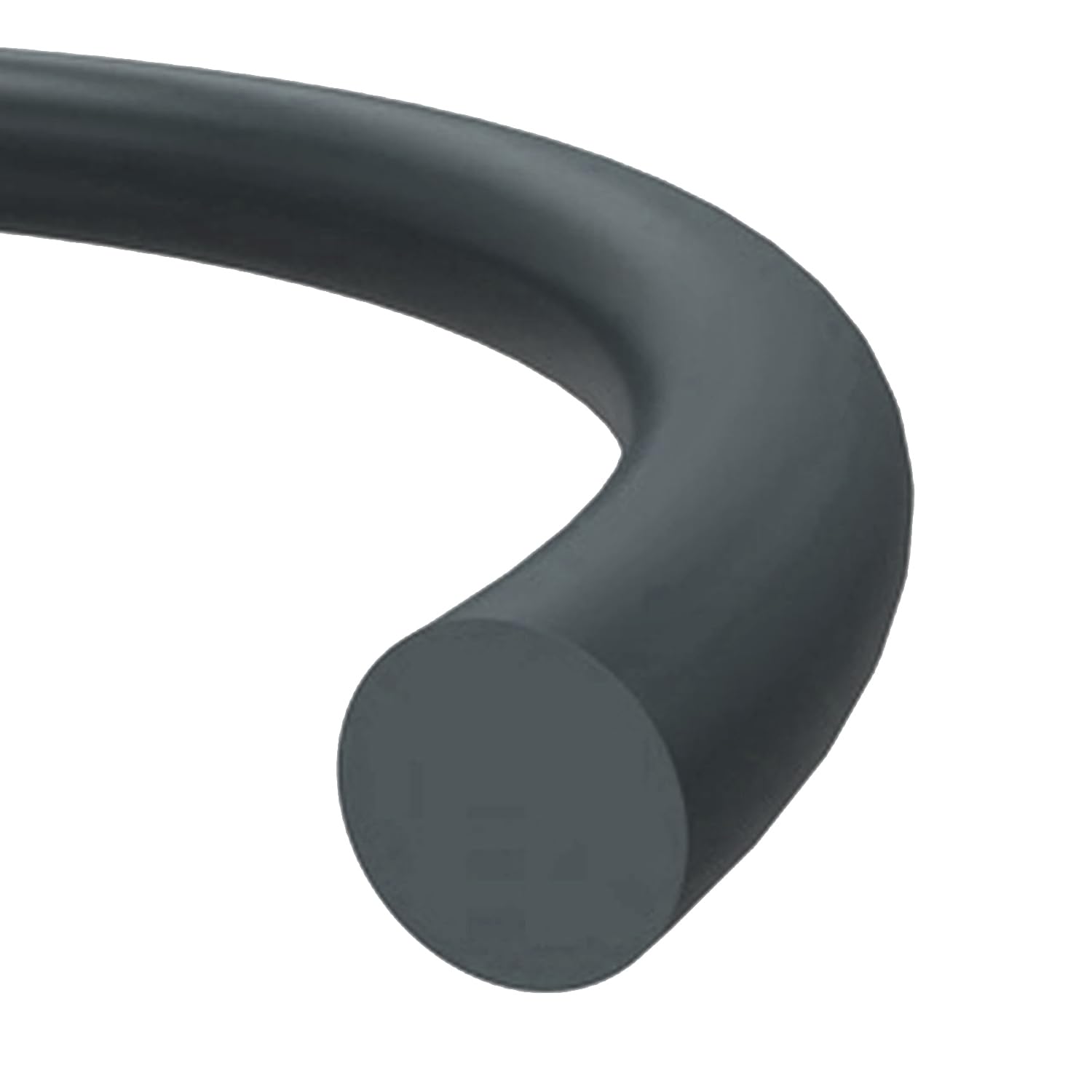
Material Specifications: Neoprene 70A and Comparative Elastomer Analysis
Neoprene 70A (polychloroprene) is a versatile industrial elastomer renowned for its balanced mechanical properties and environmental resistance. This grade exhibits a Shore A hardness of 65–75, with typical tensile strength ranging from 15.0 to 25.0 MPa and elongation at break of 300–500%. Its operational temperature range spans -40°C to +100°C, with intermittent exposure up to 120°C. Neoprene 70A demonstrates moderate resistance to oils, ozone, and weathering, making it suitable for automotive seals, industrial hoses, and marine gaskets. Critical advantages include inherent flame retardancy (meeting UL 94 HB standards), resilience to compression set, and compatibility with water, alcohols, and mild acids. Formulations comply with REACH and RoHS regulations, ensuring environmental safety. However, prolonged exposure to aromatic hydrocarbons or chlorinated solvents may cause swelling, necessitating careful application assessment.
For optimal performance in dynamic sealing applications, neoprene 70A requires precise vulcanization control. Our OEM-managed production processes utilize sulfur-cure systems to achieve consistent crosslink density, minimizing variability in durometer and tensile properties. Post-cure stabilization further enhances thermal stability and reduces outgassing in vacuum environments.
The following table provides a technical comparison of neoprene 70A against Viton (FKM), Nitrile (NBR), and Silicone (VMQ) across critical industrial parameters. Data reflects standard formulations under ASTM D2000 M2BA710 conditions.
| Property | Neoprene 70A | Viton (FKM) | Nitrile (NBR 70) | Silicone (VMQ 70) |
|---|---|---|---|---|
| Hardness Range (Shore A) | 65–75 | 65–80 | 65–75 | 60–80 |
| Tensile Strength (MPa) | 15.0–25.0 | 10.0–20.0 | 15.0–25.0 | 6.0–12.0 |
| Elongation at Break (%) | 300–500 | 150–300 | 250–450 | 300–700 |
| Temp Range (°C) | -40 to +100 | -20 to +230 | -30 to +100 | -60 to +200 |
| Oil Resistance | Fair | Excellent | Good | Poor |
| Ozone Resistance | Good | Excellent | Fair | Excellent |
| Compression Set (22h/100°C) | 15–25% | 10–20% | 20–35% | 10–20% |
Neoprene 70A occupies a strategic middle ground in elastomer selection, offering superior cost-effectiveness for general-purpose applications where extreme chemical or thermal resistance is not required. Its balanced profile contrasts with Viton’s premium chemical stability, NBR’s oil resilience, and silicone’s extreme-temperature flexibility. Suzhou Baoshida Trading Co., Ltd. leverages this material science expertise to tailor neoprene formulations for OEM-specific durability demands, ensuring seamless integration into automotive, aerospace, and industrial machinery supply chains. Contact our technical team for application-specific validation testing and ISO 9001-certified production support.
Manufacturing Capabilities
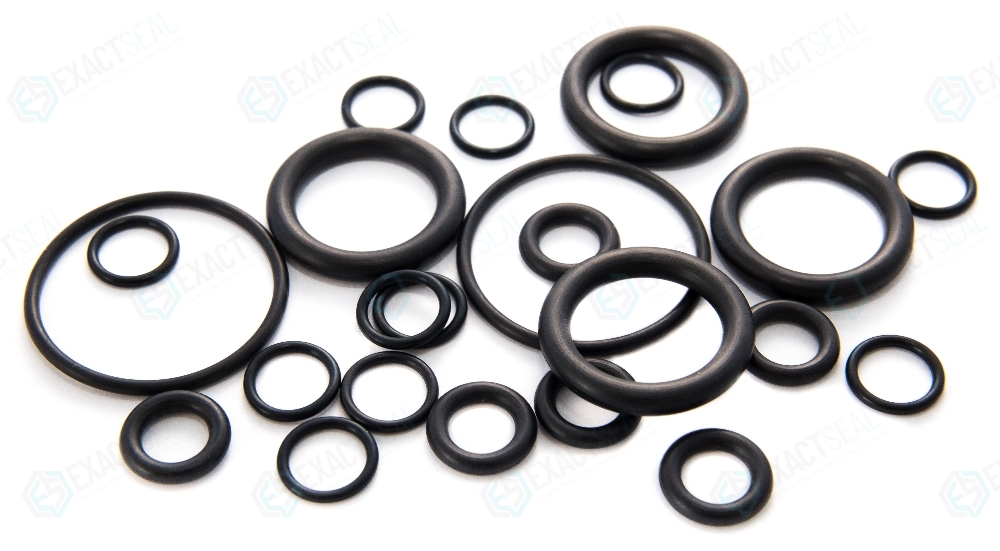
Engineering Capability: Precision-Driven Rubber Solutions for Industrial Applications
At Suzhou Baoshida Trading Co., Ltd., our engineering capability is anchored in deep material science expertise and advanced mold design proficiency, specifically tailored to meet the demanding requirements of industrial rubber applications. With a dedicated team of five mold engineers and two specialized rubber formula engineers, we deliver technically robust solutions for clients requiring high-performance neoprene compounds, including the widely specified neoprene 70A. Our integrated engineering approach ensures that both material formulation and mold design are optimized in parallel, reducing development cycles and enhancing product consistency.
Our formula engineers possess extensive experience in synthesizing custom neoprene blends that balance mechanical strength, environmental resistance, and processing efficiency. Neoprene 70A is formulated to deliver optimal tensile strength, resilience, and resistance to ozone, UV, and moderate oils—making it ideal for sealing, gasketing, and vibration damping in industrial machinery, automotive systems, and electrical enclosures. Each batch is engineered under strict quality controls, ensuring repeatability and compliance with international standards such as ASTM D2000 and ISO 3302.
The mold engineering team leverages CAD/CAM software and precision CNC machining to develop high-tolerance molds that support complex geometries and tight dimensional specifications. Our in-house mold fabrication allows rapid prototyping, iterative design validation, and seamless transition to full-scale production. This vertical integration significantly enhances our OEM service model, enabling us to manage the entire product lifecycle—from concept sketch to final tooling and volume manufacturing.
We specialize in OEM partnerships where technical collaboration is critical. Our engineers work directly with client design teams to review part functionality, suggest material optimizations, and resolve manufacturability challenges early in the development phase. This proactive engineering support reduces time-to-market and minimizes costly design revisions.
Our production infrastructure supports both low-volume custom runs and high-volume OEM contracts, with full traceability, process validation, and first-article inspection protocols. Whether producing simple seals or complex multi-component rubber parts, our engineering team ensures every product meets the exact performance criteria required in demanding industrial environments.
Below is a technical summary of our standard neoprene 70A formulation, representative of our core material offering:
| Property | Test Method | Value |
|---|---|---|
| Hardness (Shore A) | ASTM D2240 | 70 ± 5 |
| Tensile Strength | ASTM D412 | ≥ 14 MPa |
| Elongation at Break | ASTM D412 | ≥ 350% |
| Tear Strength | ASTM D624 | ≥ 35 kN/m |
| Compression Set (22 hrs, 70°C) | ASTM D395 | ≤ 25% |
| Temperature Range | — | -40°C to +100°C |
| Specific Gravity | ASTM D297 | ~1.45 |
| Resistance Properties | — | Ozone, UV, water, mild oils |
This combination of formulation precision, mold engineering excellence, and OEM-focused collaboration positions Suzhou Baoshida as a trusted partner for industrial rubber solutions where performance, reliability, and scalability are non-negotiable.
Customization Process
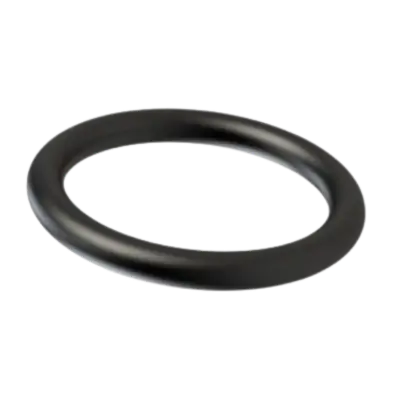
Neoprene 70A Customization Process: Precision Engineering for Industrial Applications
At Suzhou Baoshida Trading Co., Ltd., our neoprene 70A customization process is engineered for industrial reliability and seamless OEM integration. We transform client specifications into high-performance rubber components through a rigorously controlled four-stage workflow, ensuring material properties align precisely with demanding application requirements. This systematic approach minimizes iteration and guarantees production readiness.
The process initiates with comprehensive Drawing Analysis. Our engineering team conducts a detailed review of client technical drawings and functional requirements. We assess critical factors including dimensional tolerances per ISO 3302-1 M2 or M3 classes, part geometry complexity, environmental exposure conditions (temperature range, fluid contact, UV/ozone), and expected mechanical loads. This phase identifies potential manufacturability challenges early, such as thin sections prone to flash or critical sealing surfaces requiring specific surface finishes. Client collaboration during this stage is essential to confirm performance expectations and establish mutually agreed acceptance criteria before formulation begins.
Subsequent Formulation leverages our proprietary neoprene 70A base compound, scientifically modified within strict chemical boundaries. Adjustments target specific performance enhancements: optimizing sulfur and accelerator systems for cure kinetics matching the client’s molding cycle, incorporating specialized antioxidants for extended outdoor service life, or fine-tuning filler ratios to balance tensile strength with low-temperature flexibility. Every additive is quantified to the tenth of a part per hundred rubber (phr), ensuring batch-to-batch repeatability. Key physical properties of our standard neoprene 70A formulation are detailed below.
| Property | Test Method | Typical Value | Units |
|---|---|---|---|
| Hardness (Shore A) | ASTM D2240 | 70 ± 3 | Points |
| Tensile Strength | ASTM D412 | ≥ 14.0 | MPa |
| Elongation at Break | ASTM D412 | ≥ 350 | % |
| Tear Strength (Die B) | ASTM D624 | ≥ 35 | kN/m |
| Compression Set (22h, 70°C) | ASTM D395 B | ≤ 25 | % |
| Temperature Range | – | -40°C to +120°C | °C |
Prototyping utilizes the finalized formulation to produce functional samples via the intended production method (compression, transfer, or injection molding). Each prototype undergoes stringent in-house validation against the agreed specifications. Tests include dimensional verification using calibrated CMM equipment, physical property confirmation per the table above, and application-specific functional testing such as compression deflection analysis or fluid immersion resistance checks. Client feedback on prototype performance is incorporated iteratively, with minor formulation or process tweaks implemented only if essential, documented transparently.
Upon client sign-off, Mass Production commences under our certified quality management system. Raw material traceability is maintained from batch-certified suppliers. Each production lot undergoes 100% visual inspection and statistical process control (SPC) monitoring of critical dimensions. Random samples from every shift are tested for hardness, tensile properties, and compression set to ensure continuous adherence to the validated neoprene 70A specification. Suzhou Baoshida provides full material certification (including RoHS/REACH compliance documentation) with every shipment, guaranteeing consistent performance for your industrial application. This closed-loop process delivers OEM-ready neoprene 70A components with uncompromised quality and on-time delivery.
Contact Engineering Team
For precision-engineered industrial rubber solutions, Suzhou Baoshida Trading Co., Ltd. stands as a trusted partner in material selection, compound development, and high-performance manufacturing. Our expertise in neoprene 70A—a premium-grade polychloroprene elastomer—ensures optimal balance between mechanical strength, environmental resistance, and dimensional stability for demanding applications across automotive, marine, construction, and industrial equipment sectors. As a leading supplier of technical rubber components, we provide OEMs and industrial manufacturers with consistent quality, scalable production, and formulation transparency.
Neoprene 70A is widely specified for its tensile strength, flame resistance, and ability to perform under variable thermal and mechanical loads. At Suzhou Baoshida, we produce this compound using tightly controlled vulcanization processes, ensuring Shore A hardness remains within the 68–72 range and physical properties meet or exceed ASTM D412 and ISO 37 standards. Our in-house testing laboratory validates every batch for elongation at break, compression set, and resistance to ozone, UV, and moderate oil exposure—critical parameters for long-term service reliability.
We offer neoprene 70A in multiple forms: molded parts, extruded profiles, die-cut gaskets, and custom calendered sheets. Whether you require high-volume production runs or low-volume prototyping, our lean manufacturing systems support rapid turnaround without compromising repeatability. Our engineering team collaborates directly with clients to optimize part design, material selection, and cost-efficiency, ensuring seamless integration into your assembly line or end product.
Below are the representative physical and mechanical properties of our standard neoprene 70A compound:
| Property | Test Method | Typical Value |
|---|---|---|
| Hardness (Shore A) | ASTM D2240 | 70 ± 2 |
| Tensile Strength | ASTM D412 | ≥ 18 MPa |
| Elongation at Break | ASTM D412 | ≥ 350% |
| Tear Strength | ASTM D624 | ≥ 45 kN/m |
| Compression Set (22 hrs at 70°C) | ASTM D395B | ≤ 25% |
| Specific Gravity | ASTM D297 | 1.45 ± 0.05 |
| Temperature Range | — | -40°C to +100°C |
| Flame Resistance | UL 94 | HB Rated |
All specifications are subject to variation based on product geometry, cure conditions, and service environment. Custom modifications—including enhanced oil resistance, conductive grades, or low-temperature formulations—are available upon request.
To discuss your neoprene 70A requirements with our technical team, contact Mr. Boyce, OEM Manager at Suzhou Baoshida Trading Co., Ltd. With over 15 years of experience in industrial elastomer applications, Mr. Boyce provides expert guidance on material suitability, regulatory compliance, and supply chain logistics for global manufacturing operations. We support clients in North America, Europe, and Southeast Asia with DDP, FOB, and JIT delivery models tailored to your production schedule.
For technical data sheets, sample requests, or engineering consultations, email Mr. Boyce directly at [email protected]. Include your application details, volume expectations, and performance criteria to receive a targeted response within 24 business hours. At Suzhou Baoshida, we are committed to delivering not just materials—but engineered rubber solutions that enhance product performance and reduce total cost of ownership. Partner with us to advance your next-generation industrial design.
⚖️ O-Ring Weight Calculator
Estimate rubber O-ring weight (Approx).