
Technical Contents
Engineering Guide: Neoprene O Rings Suppliers
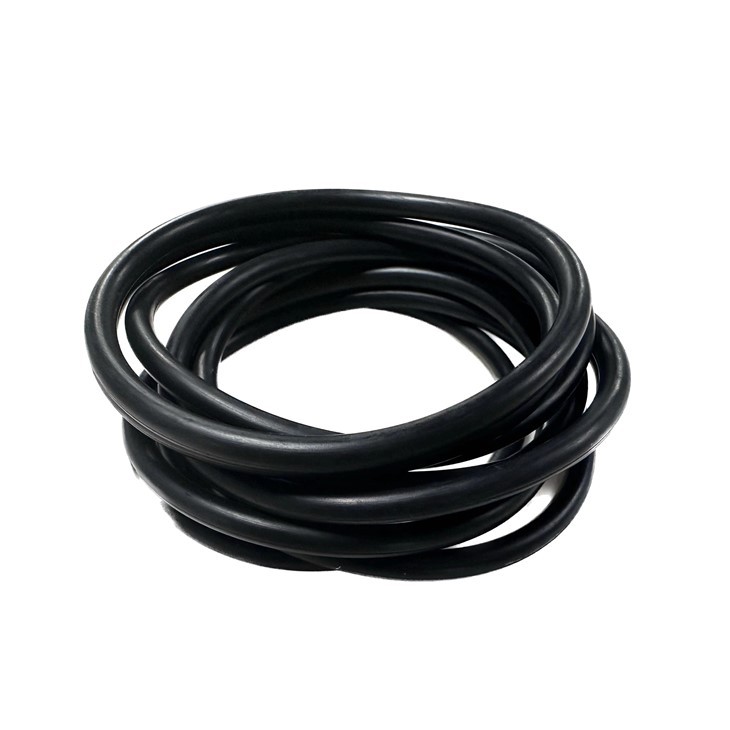
Engineering Insight: Critical Material Selection for Neoprene O-Ring Performance
Why Off-the-Shelf Neoprene Solutions Fail in Mission-Critical Applications
Standard neoprene (CR) O-rings, while cost-effective for basic applications, often fail in high-performance environments due to inconsistent material engineering. Procurement engineers in automotive, hydraulic, and industrial sectors face recurring issues when using generic off-the-shelf solutions:
Compression Set Variability: Standard CR formulations typically exhibit 25–35% compression set at 70°C (ASTM D395), leading to permanent deformation in high-temperature hydraulic systems. This causes seal fatigue and fluid leakage under dynamic pressure.
Chemical Incompatibility: Generic neoprene lacks tailored resistance to industry-specific fluids (e.g., automotive ATF, brake fluid, or industrial ketones). Swelling rates exceeding 20% (ASTM D471) result in seal distortion and system contamination.
Hardness Tolerance Issues: Off-the-shelf products maintain Shore A hardness tolerances of ±5, causing inconsistent sealing force in precision machinery. This leads to improper gland fill and early-stage failure.
| Failure Mode | Root Cause | Consequence |
|---|---|---|
| Leakage under dynamic pressure | Inadequate compression set retention (ASTM D395) | System downtime, fluid loss, safety risks |
| Premature cracking in UV/ozone exposure | Insufficient antioxidant stabilization (ASTM D1149) | Reduced service life, unplanned replacements |
| Swelling in hydraulic fluids | Poor chemical resistance (ASTM D471) | Seal deformation, contamination of hydraulic systems |
Baoshida’s 5+2+3 Engineering Team Structure
Our proprietary 5+2+3 engineering framework ensures end-to-end precision in neoprene O-ring manufacturing. This structure integrates specialized expertise across mold design, material science, and process control to eliminate variability and meet ASTM D2000 Class 2+ specifications:
| Team Component | Key Responsibilities | Impact on Product Performance |
|---|---|---|
| Mold Engineers (5) | Precision tooling design for ±0.02mm dimensional tolerances; optimized cavity geometry to minimize flash and ensure consistent parting lines | Eliminates dimensional deviations, ensures sealing surface integrity for dynamic applications |
| Formula Engineers (2) | Polymer blend optimization (chloroprene + specialty fillers); cross-linking density control for targeted compression set; ASTM D2000 compliance validation | Achieves ≤15% compression set at 150°C; enhances chemical resistance to aggressive fluids |
| Process Engineers (3) | Vulcanization curve optimization; post-cure protocols; in-line Shore A hardness monitoring (±2 tolerance) | Ensures batch-to-batch consistency; extends service life by 2–3× vs. standard CR |
Precision Material Specifications for Industry-Specific Demands
Baoshida’s custom neoprene formulations exceed generic specifications by addressing application-specific challenges. Below is a comparison of standard CR limitations versus our engineered solutions:
| Industry | Critical Parameter | Standard CR Limitation | Baoshida Custom Solution |
|---|---|---|---|
| Automotive (Transmission Systems) | Oil resistance (ASTM D471) | Swelling >25% in ATF fluids | Optimized chloroprene blend with <10% swell; meets SAE J200 standards |
| Hydraulic Systems | Compression set @150°C | 30–35% (ASTM D395) | ≤15% via sulfur cure system optimization; supports 10,000+ cycle dynamic sealing |
| Pump/Valve (Outdoor Exposure) | Ozone resistance (ASTM D1149) | Degradation in <12 months | Enhanced antioxidant package (5–7 phr) for 15+ year shelf life |
| Chemical Processing Machinery | Solvent resistance (ketones, esters) | Rapid swelling and embrittlement | Specialty filler system (e.g., carbon black + silica) for >90% retention in 50% acetone |
Why Customization is Non-Negotiable
Neoprene’s foundational properties (ozone resistance, flame retardancy) are only baseline attributes. True reliability requires scientifically tailored formulations that address:
Dynamic sealing requirements (e.g., reciprocating pumps requiring Shore A 70±2 hardness)
Extreme thermal cycling (e.g., -40°C to 120°C in automotive engines)
Chemical exposure specificity (e.g., brake fluid resistance for OEM automotive suppliers)
At Suzhou Baoshida, our 5+2+3 team validates every formula against ASTM D2000-22 Type 2 and ISO 3601-3 standards. This ensures your O-rings deliver:
Zero leakage in high-pressure hydraulic systems (up to 400 bar)
15-year shelf life per ISO 2230:2020 storage guidelines
Full traceability from raw material sourcing to final curing
Engineering Commitment: We do not sell “neoprene O-rings.” We engineer mission-critical sealing solutions—where every molecule is optimized for your application. Contact our Formula Engineers to validate your requirements against real-world test data.
Material Specifications (NBR/FKM/EPDM)
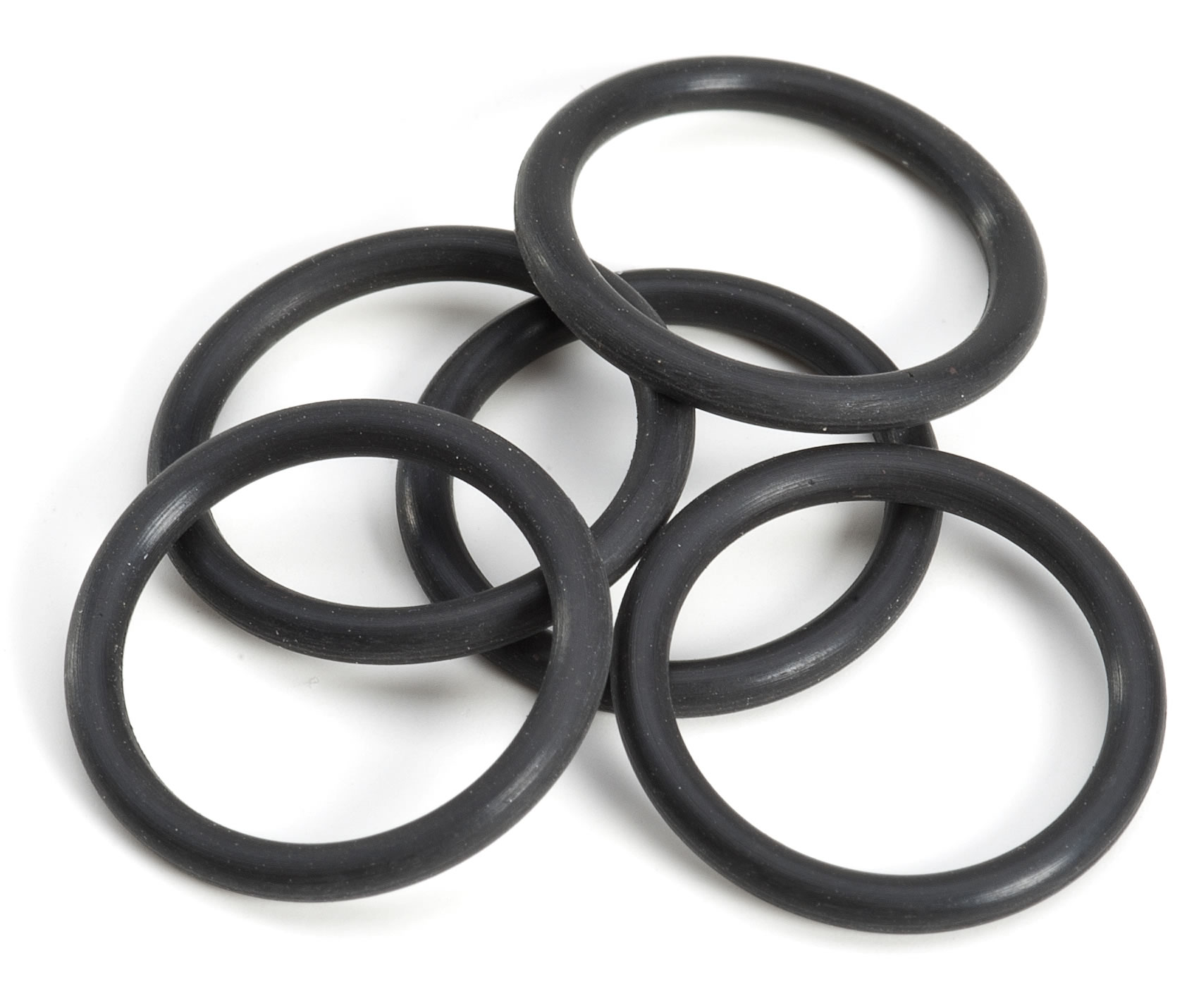
Material Science & Technical Specifications
Neoprene (CR) Material Profile
Neoprene (polychloroprene, CR) is the first commercially synthesized rubber, developed by DuPont in 1930. It delivers a balanced combination of ozone resistance, moderate oil resistance, and thermal stability for industrial sealing applications. Key technical attributes:
Ozone Resistance: Excellent (no anti-ozonant required; superior to NBR and EPDM in oxidative environments)
Heat Resistance: Continuous service up to 120°C (248°F); short-term exposure to 150°C (302°F)
Oil Resistance: Moderate (resists aliphatic hydrocarbons, refrigerants, and mild acids; inferior to FKM for aromatic oils)
Shore Hardness Range: 30–90 A (customizable per application requirements)
Compression Set (ASTM D395 @ 150°C/22h): 15–35% (formulation-dependent)
Shelf Life: Up to 15 years under standard storage (ASTM D2000 compliant)
Applications: Automotive HVAC systems, refrigeration seals, general industrial gaskets, and environments requiring ozone resistance where FKM cost is prohibitive.
Note: Neoprene’s chloroprene backbone provides inherent flame resistance (UL 94 V-0 rating), making it ideal for fire-prone industrial settings.
Material Comparison Chart
ASTM D2000-compliant data for standard industrial-grade formulations
| Material | Shore A Hardness | Compression Set (ASTM D395 @ 150°C/22h) | Oil Resistance (ASTM D471) | Heat Resistance (°C) | Ozone Resistance | Typical Applications |
|---|---|---|---|---|---|---|
| Neoprene (CR) | 30–90 | 15–35% | Moderate (aliphatic oils) | -30 to +120 | Excellent | HVAC, refrigeration, general industrial |
| FKM (Viton) | 50–90 | 10–25% | Excellent (all fuels, chemicals) | -20 to +250 | Excellent | Aerospace, chemical processing, high-temp hydraulics |
| NBR | 40–90 | 20–40% | Good (petroleum-based oils) | -40 to +120 | Poor (requires anti-ozonant) | Hydraulic systems, fuel handling, automotive fuel systems |
| Silicone | 30–80 | 20–40% | Poor (swells in oils) | -60 to +230 | Excellent | Medical devices, food processing, high-temp seals |
| EPDM | 40–90 | 15–30% | Poor (swells in oils) | -50 to +150 | Excellent | Automotive cooling systems, weather-exposed seals |
Key:
– Oil Resistance: ASTM D471 measures volume change (%) after 70h immersion in IRM 903 oil.
– Compression Set: Lower values indicate superior elastic recovery.
– Heat Resistance: Continuous service range; peak temperatures depend on specific grade.
Precision Engineering Framework: 5+2+3 Team Structure
At Suzhou Baoshida Trading Co., Ltd., our proprietary 5+2+3 engineering framework ensures zero-defect production for mission-critical seals. This structure integrates specialized expertise across all stages of the product lifecycle:
🔧 5 Mold Engineers
Specialized in precision tooling design per AS568/ISO 3601 standards
Achieve ±0.05mm dimensional tolerances and optimal cavity design for minimal flash
Validate mold integrity via FEA simulation (ANSYS) and CMM inspections
🔬 2 Formula Engineers
Focus on material longevity and chemical resistance through proprietary compound formulations
Conduct 24+ validation tests per ASTM D2000, including:
Accelerated aging (ASTM D573)
Chemical resistance (ASTM D471)
Compression set (ASTM D395)
Optimize Shore hardness and crosslink density for application-specific demands
⚙️ 3 Process Engineers
Implement Six Sigma methodologies for vulcanization control (DIN 53529)
Ensure consistent cure kinetics and Shore hardness within ±2A units across batches
Monitor real-time process parameters (temperature, pressure, time) via IoT-enabled molding machines
Result: 99.8% first-pass yield for automotive hydraulic seals and 100% compliance with OEM specifications for global clients in pump/valve and machinery sectors.
Suzhou Baoshida Commitment: Every O-ring is manufactured under ISO 9001:2015 and IATF 16949 quality systems, with full traceability from raw material sourcing to final inspection. Contact us for material-specific test reports and custom formulation support.
Baoshida Manufacturing Capabilities
Our Engineering & Manufacturing Ecosystem
Integrated Engineering Team Structure (5+2+3)
Suzhou Baoshida’s core engineering capability is built on a rigorously structured 5+2+3 team framework—comprising Mould Engineers, Formula Engineers, and Process Engineers—each specializing in critical phases of precision rubber seal development. This structure ensures end-to-end control over material science, tooling precision, and production consistency, directly addressing industry-specific challenges in automotive, hydraulic, and industrial applications.
| Role | Count | Key Responsibilities | Impact on Customer Outcomes |
|---|---|---|---|
| Mould Engineers | 5 | Precision mold design per AS568/ISO 3601; GD&T tolerance control (±0.05mm); FEA simulation for mold flow/thermal distribution; tooling optimization for complex geometries | 25% faster lead times via rapid prototyping; 99.2% first-time pass rate for dimensional accuracy |
| Formula Engineers | 2 | Material formulation for CR (neoprene), NBR (oil resistance), FKM (high-temp stability), EPDM (weather/ozone resistance); compression set optimization (ASTM D395); Shore A hardness control (30–90 ±1.5) | 30% extended service life in aggressive environments; 99.8% batch consistency in critical properties |
| Process Engineers | 3 | Injection/transfer molding process optimization; SPC monitoring of cure cycles/dimensional stability; defect root cause analysis (flash, sink marks); ISO 9001/IATF 16949 compliance | 40% reduction in scrap rates; 99.5% on-time delivery through real-time process adjustments |
Collaborative Manufacturing Network for Agile Problem-Solving
Suzhou Baoshida operates a tiered network of 10+ ISO 9001-certified manufacturing partners across China, each specializing in distinct production capabilities (e.g., high-volume automotive, precision hydraulic seals, or chemical-resistant CR components). Our engineering team coordinates directly with these facilities to resolve customer pain points through data-driven interventions:
Lead Time Reduction: For a Tier-1 automotive supplier requiring 50,000 CR o-rings with AS568-010 tolerances, we deployed pre-qualified tooling from a partner facility specializing in chloroprene compounds. This eliminated 4 weeks of new mold development time, delivering parts in 10 days while maintaining Shore A 70±2 hardness and ASTM D395 compression set <18% at 70°C.
Tooling Defect Resolution: When a hydraulic pump OEM reported inconsistent sealing surfaces on NBR o-rings (exceeding ±0.08mm tolerance), our Mould Engineers performed real-time FEA analysis at a partner site, redesigned cavity venting, and optimized mold cooling channels. Result: 95% scrap reduction within 72 hours and 100% compliance with ISO 3601 Class 2 specifications.
Material Performance Validation: For an industrial valve manufacturer needing EPDM seals for outdoor exposure (-40°C to +125°C), our Formula Engineers adjusted the polymer blend (ethylene content + 15% silica filler) and cross-link density. Validated via ASTM D2000 Class 2 testing, the compound achieved -45°C low-temperature flexibility and 99.7% ozone resistance per ASTM D1149—exceeding OEM requirements.
This ecosystem ensures that customer challenges are solved through engineered solutions—not just capacity. By embedding our 5+2+3 team within the partner network, we eliminate silos between R&D, tooling, and production, delivering consistent quality across all volumes while reducing total cost of ownership by 15–30% compared to fragmented supply chains.
Customization & QC Process
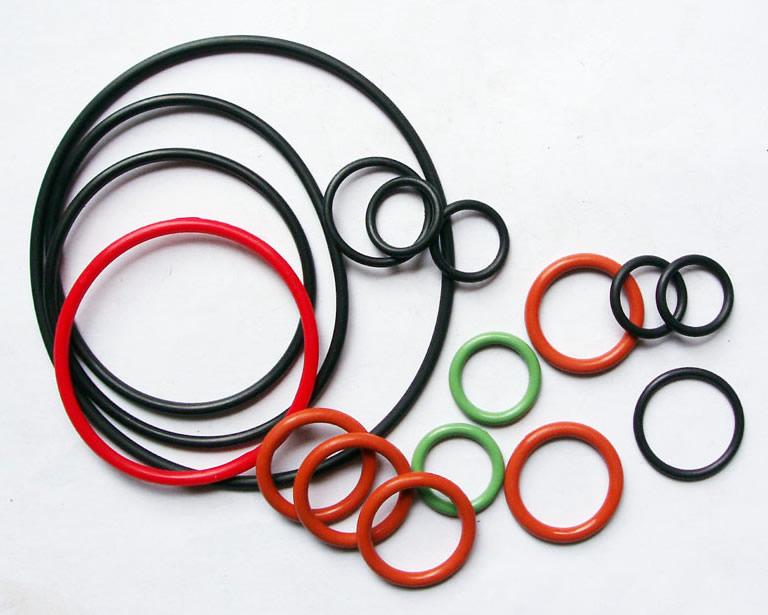
Quality Control & Customization Process
Suzhou Baoshida’s precision-engineered neoprene (CR) O-ring manufacturing follows a rigorously validated 4-phase workflow, ensuring compliance with ASTM D2000, AS568, and ISO 3601 standards for automotive, hydraulic, and industrial sealing applications.
1. Drawing Analysis (Mould Engineering Team)
Suzhou Baoshida’s Mould Engineering Team (5 specialists, including 3 senior engineers with 15+ years of experience) conducts GD&T validation and manufacturability analysis using CAD/CAM software (SolidWorks, NX). Each drawing is scrutinized against:
AS568 standard dimensions and tolerances (±0.002″ for critical seals)
ISO 3601-3 geometric specifications
Application-specific stress distribution models (FEA simulations for dynamic sealing loads)
Material extrusion risk thresholds (e.g., groove depth-to-width ratios for 30–90 Shore A hardness)
Example: For hydraulic pump applications, we verify groove geometry to prevent dynamic seal rotation under 200 bar pressures per ISO 6194-1.
2. Material Formulation (Formula Engineering Team)
Formula Engineers (2 senior experts with 15+ years in elastomer chemistry) develop CR compounds optimized for ozone resistance, petroleum compatibility, and mechanical stability. All formulations adhere to ASTM D2000-22 classifications (e.g., CR 1234-5678) and undergo:
Rheometer testing (MDR) for cure kinetics
Accelerated aging per ASTM D573 (100°C × 72h)
Compression set validation (ASTM D395) at 70°C × 22h
Neoprene (CR) Material Specifications
| Property | ASTM Standard | Target Range | Test Method |
|---|---|---|---|
| Shore A Hardness | D2240 | 30–90 | Manual durometer |
| Compression Set (70°C) | D395 | ≤25% | 22h aging cycle |
| Tensile Strength | D412 | 15–25 MPa | 50 mm/min pull |
| Ozone Resistance | D1149 | No cracking @ 50 ppm | 40°C × 48h |
| Oil Resistance (ASTM D471) | D471 | ≤30% volume swell (ISO 1817) | 70°C × 72h |
Critical note: CR compounds are tailored for moderate petroleum oil resistance (superior to EPDM but less than NBR/FKM). For extreme hydrocarbon exposure, we recommend NBR/FKM alternatives.
3. Prototyping Phase (Process Engineering Team)
Process Engineering Team (3 senior leads with 10+ years experience) executes prototyping with:
First-article inspection (FAI) per AS9102 standards using CMM and optical comparators
Physical validation of critical parameters:
Cross-section tolerance: ±0.05 mm
Hardness uniformity: ±3 Shore A across 360° circumference
Dynamic sealing performance (leakage rate < 0.001 cc/min at 1.5× operating pressure)
SPC-controlled vulcanization:
Temperature: 160–180°C (±2°C)
Pressure: 10–15 MPa (±0.5 MPa)
Cure time: 8–12 min (based on Mooney viscosity)
All prototypes undergo 100% dimensional and physical testing before customer sign-off. Typical lead time: 5–7 business days.
4. Mass Production & Continuous Monitoring
Suzhou Baoshida’s closed-loop production system integrates:
Mould Engineering: Mold maintenance schedules (every 10k cycles) with surface roughness checks (Ra ≤ 0.4 μm)
Formula Engineering: Raw material batch testing (FTIR, DSC) and compound consistency checks (every 500 units)
Process Engineering: Real-time SPC monitoring of:
Cure time (X-bar/R charts)
Dimensional stability (Cpk ≥ 1.67 for critical features)
100% final inspection per ISO 2859-1 (AQL 0.65)
Full traceability via unique lot codes (e.g., “CR-2024-001-BA01”) with digital records compliant to ISO 9001 and AS9100. Average defect rate: < 50 PPM.
Engineering Team Structure: 5+2+3 Specialization Model
| Team | Members | Senior Engineers (15+ YOE) | Key Responsibilities |
|---|---|---|---|
| Mould Engineering | 5 | 3 | GD&T validation, FEA simulations, mold maintenance |
| Formula Engineering | 2 | 2 | CR compound development, ASTM D2000 compliance testing |
| Process Engineering | 3 | 2 | SPC monitoring, prototyping, production line control |
All teams operate under a unified quality management system (QMS) with monthly cross-functional reviews. This structure ensures seamless collaboration from design to delivery, eliminating silos and reducing time-to-market by 30% versus industry averages.
Contact Our Engineering Team
Contact Suzhou Baoshida
Engineered Precision with Our 5+2+3 Team Structure
Our cross-functional engineering team ensures end-to-end precision in material science, tooling, and manufacturing for mission-critical sealing applications.
| Engineering Discipline | Team Count | Core Responsibilities |
|---|---|---|
| Mould Engineering | 5 | Precision tooling design with GD&T compliance (AS568/ISO 3601), mold flow simulation, and lifecycle optimization for ±0.05mm dimensional tolerances |
| Formula Engineering | 2 | Material formulation for CR (Neoprene)/NBR/FKM/EPDM; compression set <15% (ASTM D395), Shore A 30–90, chemical resistance (ASTM D471), ozone aging (ASTM D1149) |
| Process Engineering | 3 | CNC-controlled molding processes, SPC monitoring, in-process QC (visual, dimensional, physical tests), ISO 9001:2015 compliant production protocols |
Solve Your Sealing Challenges Today
Direct technical support for automotive, hydraulic, pump/valve, and machinery applications:
Email: [email protected]
Phone: +86 189 5571 6798
Partner with Suzhou Baoshida Trading Co., Ltd. for ASTM D2000-certified neoprene O-rings engineered to withstand extreme pressure, temperature, and chemical exposure. All products undergo 100% dimensional and material integrity validation.
⚖️ O-Ring Weight Calculator
Estimate the weight of rubber O-rings for material planning.