
Technical Contents
Engineering Guide: Neoprene Sill Gasket
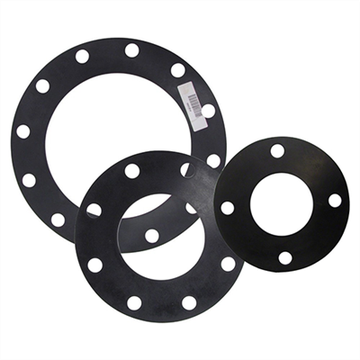
Engineering Insight: The Critical Role of Material Selection in Neoprene Sill Gasket Performance
In the precision-driven domain of industrial sealing solutions, the neoprene sill gasket serves a function far beyond simple physical obstruction. It is an engineered interface designed to maintain environmental integrity, dampen vibration, and endure dynamic mechanical stresses across automotive, aerospace, and architectural applications. Despite its seemingly straightforward form, the performance lifespan and functional reliability of a neoprene sill gasket are fundamentally governed by material selection—a factor frequently underestimated in off-the-shelf procurement.
Standard commercial gaskets often utilize generic grades of neoprene (polychloroprene) that lack the tailored compounding required for specific operational environments. These off-the-shelf variants are typically formulated for cost efficiency rather than performance resilience, resulting in premature degradation when exposed to prolonged UV radiation, ozone, temperature extremes, or chemical contaminants. In automotive sill applications, for example, exposure to road salts, moisture, and cyclic thermal loading demands a neoprene formulation with enhanced resistance to hydrolysis and oxidative aging—properties absent in basic formulations.
At Suzhou Baoshida Trading Co., Ltd., our approach to neoprene sill gasket development begins with application-specific polymer engineering. We utilize high-trans-vinyl polychloroprene compounds reinforced with specialized additives to improve tensile strength, compression set resistance, and low-temperature flexibility. This precision compounding ensures that the gasket maintains sealing force over extended service intervals, even under repeated compression and environmental exposure.
Another critical flaw in generic gaskets lies in inconsistent durometer control and cellular structure. Off-the-shelf products often exhibit non-uniform cell distribution in sponge neoprene, leading to uneven sealing pressure and localized stress points. Our manufacturing process employs controlled foaming and vulcanization techniques to achieve consistent density and Shore A hardness, ensuring uniform performance across the entire gasket profile.
Below is a comparison of standard commercial neoprene versus our engineered neoprene formulation used in OEM-grade sill gaskets:
| Property | Standard Commercial Neoprene | Baoshida Engineered Neoprene |
|---|---|---|
| Hardness (Shore A) | 45 ± 5 | 50 ± 2 (tightly controlled) |
| Tensile Strength | ≥ 8 MPa | ≥ 12 MPa |
| Elongation at Break | ≥ 250% | ≥ 350% |
| Compression Set (22h at 70°C) | ≤ 30% | ≤ 15% |
| Temperature Range | -20°C to +100°C | -40°C to +120°C |
| Ozone Resistance | Moderate | Excellent (ASTM D1149 Class 1) |
| UV Stability | Fair | Enhanced with stabilizers |
The data underscores a fundamental principle: material quality directly correlates with service reliability. Generic solutions may offer short-term cost savings but invariably lead to increased maintenance, warranty claims, and system downtime.
For OEMs and high-integrity applications, partnering with a supplier that integrates material science with precision manufacturing is not optional—it is essential. At Baoshida, we engineer neoprene sill gaskets as system-critical components, not disposable consumables.
Material Specifications
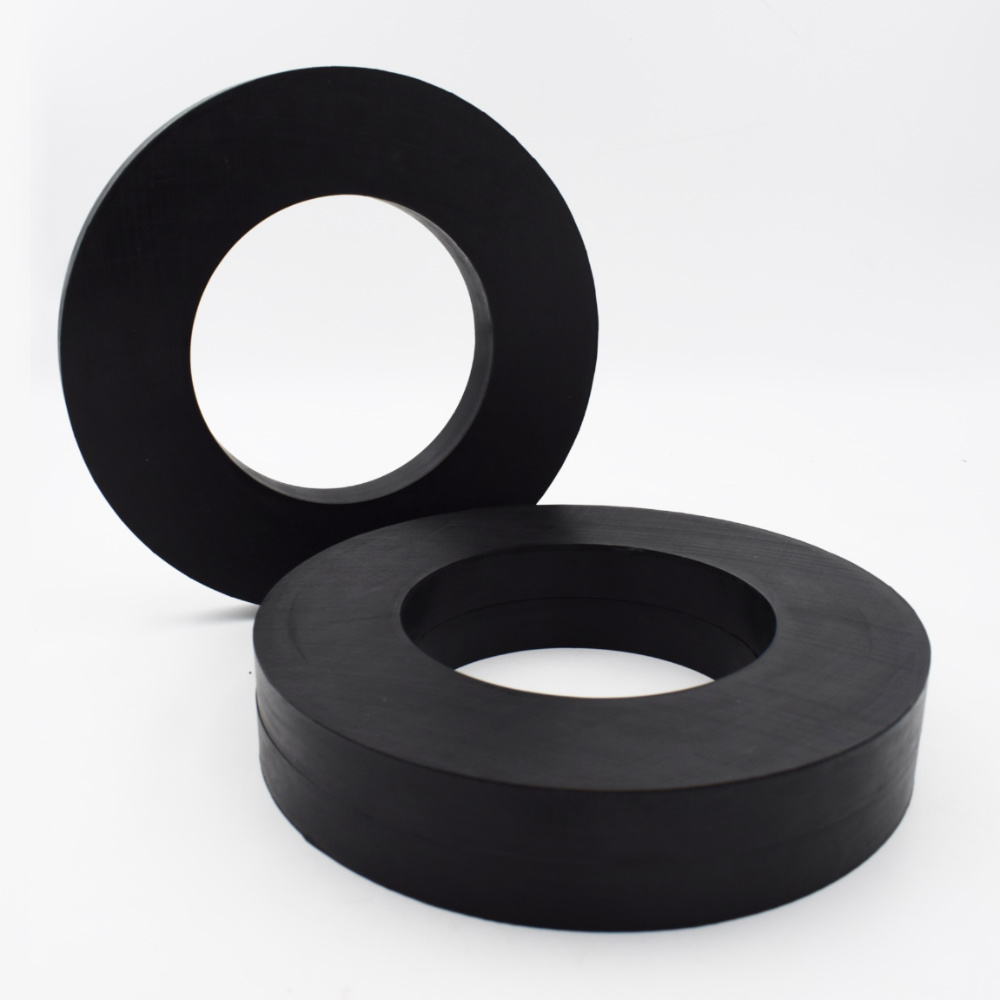
Material Specifications for Automotive Sill Gasket Applications
Neoprene remains a prevalent base material for automotive sill gaskets due to its balanced cost-performance profile, offering adequate weathering resistance and moderate oil tolerance. However, demanding operational environments necessitate advanced elastomer alternatives. Suzhou Baoshida Trading Co., Ltd. provides precision-engineered sill gaskets utilizing Viton, Nitrile (NBR), and Silicone formulations, each optimized for specific performance criteria. These materials undergo rigorous compounding to meet OEM dimensional stability, compression set, and fluid resistance requirements under dynamic sealing conditions.
Viton fluorocarbon rubber delivers exceptional resistance to high-temperature automotive fluids, including synthetic oils, fuels, and brake fluids. Its continuous service temperature range extends to 200°C, with intermittent exposure up to 230°C, making it indispensable for engine compartment-adjacent sill applications. Viton exhibits minimal swelling in aggressive media but requires careful formulation to balance cost and low-temperature flexibility, typically down to -20°C. Nitrile rubber provides an optimal solution for cost-sensitive applications requiring superior resistance to mineral oils, greases, and hydraulic fluids. Standard NBR compounds function effectively between -30°C and 120°C, with high-acrylonitrile variants extending oil resistance at the expense of low-temperature performance. NBR’s tensile strength (15-25 MPa) and abrasion resistance ensure durability against mechanical stress during door cycling. Silicone rubber excels in extreme temperature sealing, operating reliably from -60°C to 200°C, and offers outstanding UV and ozone resistance for exterior-exposed sill interfaces. While its fluid resistance against oils is limited, silicone’s inertness suits applications requiring biocompatibility or low-compression-set performance in thermal cycling environments.
The following comparative analysis details critical material properties for sill gasket selection. All values represent typical compounded formulations meeting ASTM D2000 standards for automotive seals.
| Property | Viton (FKM) | Nitrile (NBR) | Silicone (VMQ) |
|---|---|---|---|
| Temperature Range (°C) | -20 to 200 | -30 to 120 | -60 to 200 |
| Fuel Resistance (ASTM F117) | Excellent | Good | Poor |
| Oil Resistance (IRM 901) | Minimal Swell (<15%) | Moderate Swell (20-40%) | High Swell (>80%) |
| Compression Set (22h/150°C) | ≤20% | ≤30% | ≤25% |
| Tensile Strength (MPa) | 8-15 | 15-25 | 5-10 |
| Hardness Range (Shore A) | 60-80 | 50-90 | 40-70 |
Material selection must align with fluid exposure, thermal profiles, and mechanical demands. Viton is recommended for high-performance powertrain-adjacent sill seals requiring chemical inertness. NBR serves as the economical standard for general cabin sill applications with moderate oil exposure. Silicone is specified for extreme climate zones requiring consistent low-temperature sealing or prolonged UV resistance. Suzhou Baoshida’s OEM engineering team collaborates with clients to validate material suitability against SAE J2236 and ISO 33088 sill gasket performance criteria, ensuring dimensional integrity and long-term sealing efficacy through custom compounding and accelerated lifecycle testing. Our ISO 9001-certified manufacturing process guarantees batch-to-batch consistency for global automotive Tier 1 suppliers.
Manufacturing Capabilities
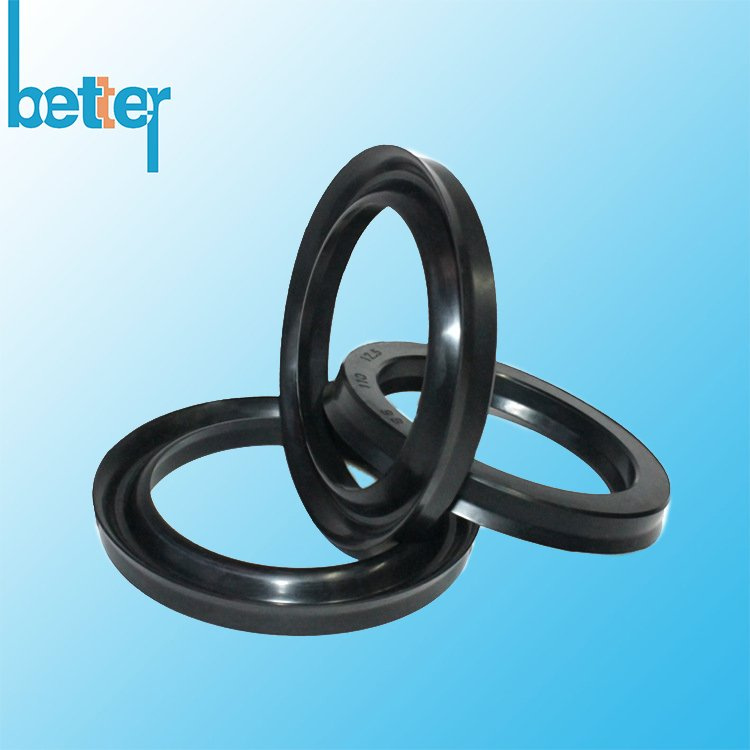
Engineering Capability
At Suzhou Baoshida Trading Co., Ltd., our engineering expertise in precision rubber seals is anchored in a dedicated team of seven core specialists: five mould engineers and two rubber formula engineers. This strategic composition enables us to deliver technically advanced neoprene sill gaskets that meet exacting OEM performance and durability standards. Our integrated approach ensures that both material science and mechanical design are simultaneously optimized during product development, resulting in gaskets with superior sealing integrity, compression set resistance, and environmental stability.
Our formula engineers specialize in chloroprene (CR) rubber compounding, tailoring polymer formulations to meet specific application demands such as UV resistance, ozone stability, temperature resilience (-40°C to +120°C), and low compression set. By controlling variables such as sulfur content, filler type (e.g., carbon black, clay), plasticizers, and anti-degradants, we achieve consistent performance across diverse operating environments. This level of formulation precision is critical in automotive and industrial sill gasket applications where long-term weather sealing and mechanical retention are required.
Complementing our material expertise, our five mould engineers bring extensive experience in precision tooling design for rubber compression, transfer, and injection moulding processes. They utilize advanced CAD/CAM platforms (SolidWorks, AutoCAD, and Moldflow) to develop high-tolerance moulds with optimized flow channels, venting, and parting line control. This ensures dimensional accuracy, minimal flash, and repeatable production cycles. Our in-house mould design and validation process reduces time-to-market and supports rapid prototyping for OEM clients.
We maintain full OEM development capabilities, from initial concept and 3D modelling to sample production, performance testing, and mass manufacturing. Our engineering team collaborates directly with client design teams to interpret GD&T specifications, conduct DFMEA reviews, and validate prototypes against industry standards such as ISO 3302 (dimensional tolerances) and ISO 2230 (rubber conditioning). This collaborative workflow ensures seamless integration into global supply chains.
All neoprene sill gaskets are engineered to withstand repeated compression cycles, resist degradation from road salts and automotive fluids, and maintain sealing force over extended service life. Our facility supports custom durometer formulations (ranging from 40 to 80 Shore A), multi-density designs, and co-extruded or insert-moulded configurations for complex sealing interfaces.
| Property | Typical Value | Test Standard |
|---|---|---|
| Hardness (Shore A) | 50–70 | ASTM D2240 |
| Tensile Strength | ≥10 MPa | ASTM D412 |
| Elongation at Break | ≥250% | ASTM D412 |
| Compression Set (22h, 70°C) | ≤25% | ASTM D395B |
| Temperature Range | -40°C to +120°C | Internal |
| Specific Gravity | ~1.45 g/cm³ | ASTM D297 |
This combination of advanced material science and precision tooling design positions Suzhou Baoshida as a trusted engineering partner for OEMs requiring high-reliability neoprene sill gaskets in automotive, rail, and heavy equipment sectors.
Customization Process
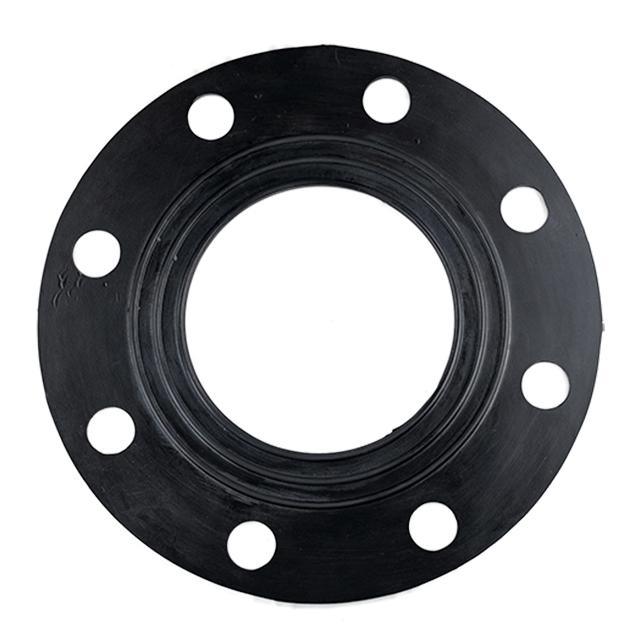
Neoprene Sill Gasket Customization Process
Precision customization for neoprene sill gaskets begins with rigorous drawing analysis. Our engineering team meticulously reviews client-provided CAD files or technical sketches, verifying all critical dimensions, geometric tolerances per ISO 2768-mK, and surface finish requirements. We prioritize identifying potential sealing interface challenges, material stress points under compression, and assembly constraints specific to automotive door frame integration. Any ambiguities in the specification are resolved through direct technical consultation to ensure absolute alignment before proceeding, preventing costly iterations later.
Material formulation is the cornerstone of performance. Leveraging our deep expertise in CR (Chloroprene) rubber chemistry, we develop a tailored compound optimized for the sill gasket’s operational environment. Standard CR-322 neoprene provides inherent ozone and weather resistance, but we adjust accelerator systems, filler ratios (N330 carbon black), and plasticizer content to meet exact client demands for hardness, low-temperature flexibility, and compression set. Critical additives like bromobutyl may be incorporated for enhanced sealing against moisture ingress in harsh climates. Every formulation undergoes stringent internal testing against the defined performance envelope before prototyping.
Prototyping validates both design and material. Using precision CNC-machined molds or extrusion dies fabricated to the approved drawing, we produce functional samples from the finalized compound. These prototypes undergo comprehensive in-house validation: dimensional inspection via CMM against all critical callouts, compression deflection testing per ASTM D575, and accelerated aging per SAE J2047 to simulate years of UV and thermal exposure. Client feedback on fit, feel, and initial functional testing within their assembly process is integrated for final refinement. Only upon mutual sign-off does the project advance.
Mass production implementation focuses on unwavering consistency. Production occurs within our ISO/TS 16949 certified partner facilities under Suzhou Baoshida’s direct process oversight. Key parameters – mixing cycles, extrusion temperatures, vulcanization time/temperature profiles (typically 150-160°C with peroxide curing), and post-cure conditioning – are tightly controlled via SPC. Each production batch undergoes 100% visual inspection and rigorous first-article testing. Dimensional checks on critical features like lip geometry and cross-section occur at defined intervals, alongside periodic validation of physical properties. This ensures every gasket shipped delivers the specified sealing integrity and longevity.
The following table outlines core performance specifications achievable with our optimized neoprene sill gasket formulations:
| Property | Target Value | Test Standard |
|---|---|---|
| Hardness (Shore A) | 60 ± 5 | ASTM D2240 |
| Tensile Strength | ≥ 10 MPa | ASTM D412 |
| Elongation at Break | ≥ 250% | ASTM D412 |
| Compression Set (23°C/72h) | ≤ 25% | ASTM D395 Method B |
| Temperature Range | -40°C to +100°C (continuous) | |
| Ozone Resistance | No Cracking (100 pphm, 20%) | ASTM D1149 |
| Dimensional Tolerance | ±0.2 mm (critical features) | Client Drawing |
Contact Engineering Team
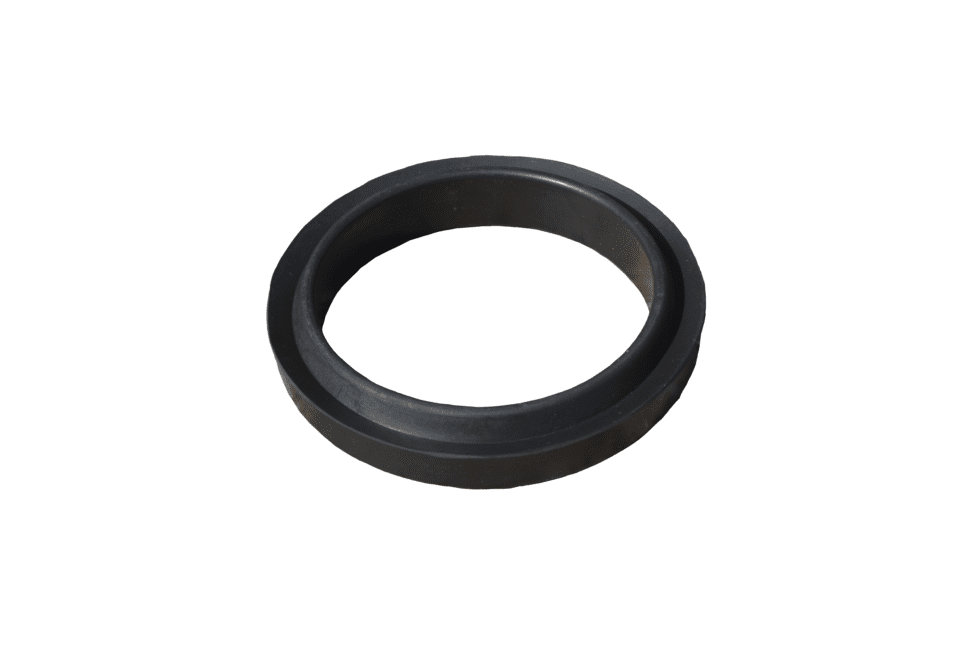
For precision-engineered neoprene sill gaskets designed to meet the rigorous demands of industrial sealing applications, Suzhou Baoshida Trading Co., Ltd. stands as a trusted partner in advanced rubber component manufacturing. With a focus on material integrity, dimensional accuracy, and long-term performance, our neoprene sill gaskets are formulated to deliver consistent sealing under variable thermal, mechanical, and environmental conditions. As a leading OEM manager and rubber formula engineer, we ensure every gasket is produced under strict quality control protocols, adhering to international standards and tailored to your exact technical specifications.
Neoprene, or polychloroprene, is a synthetic rubber known for its excellent resistance to ozone, UV exposure, weathering, and moderate oil and flame resistance—making it an ideal material for sill gasket applications in automotive, construction, transportation, and industrial equipment sectors. At Suzhou Baoshida, we optimize the neoprene compound formulation to enhance tensile strength, compression set resistance, and low-temperature flexibility, ensuring reliable sealing performance across diverse operating environments.
Our manufacturing process integrates precision extrusion, continuous vulcanization, and custom die-cutting techniques to produce sill gaskets with tight tolerances and repeatable quality. Whether you require standard profiles or custom cross-sections, we support low to high-volume production runs with rapid prototyping and material validation services. Each batch undergoes rigorous testing for hardness, elongation, compression deflection, and aging characteristics to guarantee compliance with functional requirements.
To support your engineering and procurement teams, we provide comprehensive technical documentation, including material data sheets, RoHS/REACH compliance reports, and dimensional drawings. Our team collaborates directly with OEMs and Tier suppliers to ensure seamless integration of our gaskets into final assemblies, minimizing leakage, noise, and maintenance issues.
For technical inquiries, custom quotations, or material samples, contact Mr. Boyce, OEM Manager and Rubber Formula Engineer, directly at [email protected]. Mr. Boyce leads our application engineering support and is available to discuss material selection, performance optimization, and production scheduling tailored to your project timeline.
Below are representative technical specifications for our standard neoprene sill gasket formulation. Custom modifications are available upon request.
| Property | Test Method | Typical Value |
|---|---|---|
| Hardness (Shore A) | ASTM D2240 | 60 ± 5 |
| Tensile Strength | ASTM D412 | ≥14 MPa |
| Elongation at Break | ASTM D412 | ≥300% |
| Compression Set (22 hrs at 70°C) | ASTM D395B | ≤25% |
| Temperature Range | — | -40°C to +100°C |
| Specific Gravity | ASTM D297 | 1.45 ± 0.05 |
| Flame Resistance | UL 94 | HB Rated |
Partner with Suzhou Baoshida Trading Co., Ltd. for technically advanced neoprene sealing solutions backed by scientific formulation expertise and industrial-grade manufacturing. Initiate your project with confidence—contact Mr. Boyce today at [email protected].
⚖️ O-Ring Weight Calculator
Estimate rubber O-ring weight (Approx).