
Technical Contents
Engineering Guide: Neoprene Textile Fabric
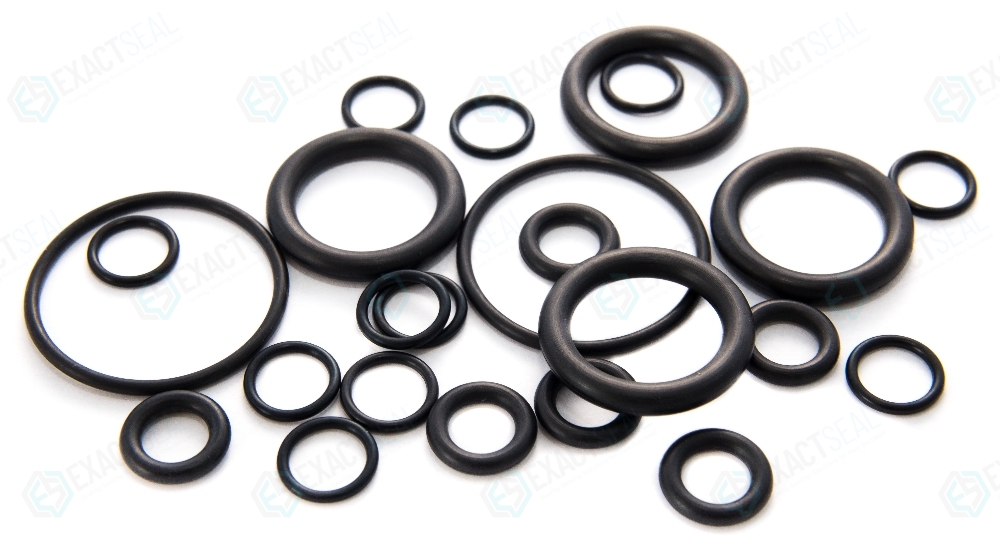
Engineering Insight: The Critical Role of Material Selection in neoprene textile fabric Applications
In industrial applications, neoprene textile fabric is frequently specified for its balanced combination of mechanical resilience, chemical resistance, and thermal stability. However, the assumption that all neoprene textile fabrics are functionally equivalent can lead to premature failure, elevated maintenance costs, and operational downtime. Off-the-shelf solutions often fail because they are designed for general-purpose use and do not account for the precise engineering demands of specific environments.
Material selection must be driven by application-specific parameters such as dynamic stress, exposure to oils or ozone, temperature extremes, and flex fatigue requirements. Standard commercial-grade neoprene textile fabrics typically utilize lower polymer purity, inconsistent fabric weaves, and non-optimized curing profiles. These compromises reduce manufacturing costs but significantly degrade performance under sustained industrial loads. For example, a conveyor belt liner exposed to intermittent oil contact may delaminate within weeks if the neoprene compound lacks sufficient plasticizer resistance or if the fabric substrate has poor adhesion characteristics.
At Suzhou Baoshida Trading Co., Ltd., we emphasize engineered material formulation over commoditized supply. Our neoprene textile fabrics are developed using chloroprene rubber (CR) with controlled Mooney viscosity (ML 1+4 @ 100°C: 45–55) and reinforced with high-tenacity polyester or nylon weaves. The interface between rubber and textile is chemically primed to ensure peel strength exceeding 80 N/cm, minimizing interlaminar shear under cyclic deformation.
Furthermore, industrial environments often involve non-uniform stress distribution. A one-size-fits-all thickness or fabric count cannot accommodate both high abrasion zones and flexible folding regions. Custom calendering processes allow us to vary coating thickness and fabric density across the composite, enhancing durability without sacrificing flexibility.
The following table outlines key performance specifications of our engineered neoprene textile fabric versus a typical off-the-shelf alternative:
| Parameter | Engineered neoprene textile fabric (Baoshida) | Standard Commercial Grade |
|---|---|---|
| Chloroprene Purity | ≥ 99.5% | ~95% |
| Fabric Reinforcement | High-tenacity polyester, 1100 dtex | Standard nylon, 600 dtex |
| Coating Thickness | 0.8–2.0 mm (customizable) | 0.5–1.2 mm (fixed) |
| Tensile Strength | ≥ 18 MPa | 12–14 MPa |
| Elongation at Break | 450–550% | 350–400% |
| Peel Adhesion (rubber-fabric) | ≥ 80 N/cm | 50–60 N/cm |
| Heat Aging (70°C, 72h) | Max 15% tensile loss | 25–30% tensile loss |
| Oil Resistance (IRM 903, 24h) | Swell ≤ 15% | Swell 25–35% |
These specifications reflect a systems-based approach to material design. By aligning compound formulation, fabric architecture, and processing parameters with end-use conditions, we mitigate the root causes of failure commonly seen in generic products. For OEMs and industrial integrators, the initial investment in engineered neoprene textile fabric translates into extended service life, reduced replacement frequency, and improved system reliability. Material selection is not a cost center—it is a precision engineering decision.
Material Specifications
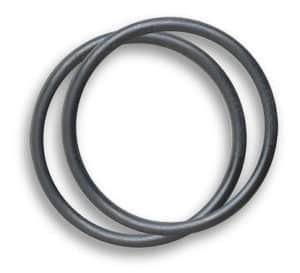
Material Specifications: Precision Rubber Compounds for Industrial Textile Integration
Suzhou Baoshida Trading Co., Ltd. clarifies a critical distinction: while neoprene (polychloroprene) remains a staple in textile-reinforced rubber applications, this specification focuses on high-performance elastomers commonly integrated into technical textile composites for demanding OEM environments. Viton (FKM), Nitrile (NBR), and Silicone (VMQ) represent engineered solutions where chemical stability, thermal resilience, and mechanical integrity dictate component longevity. Our formulations adhere strictly to ASTM D2000 quality standards, with Shore A hardness calibrated between 50–90 for optimal textile substrate adhesion and flex fatigue resistance. Each compound undergoes rigorous compression set testing (ASTM D395) to ensure dimensional stability under continuous load, with target values ≤25% after 70 hours at 100°C for critical sealing applications.
Viton fluorocarbon rubber delivers unparalleled resistance to aggressive chemicals, including jet fuels, hydraulic fluids, and aromatic hydrocarbons. Its operational temperature range spans -20°C to 230°C, with short-term excursions to 300°C. Tensile strength typically exceeds 15 MPa, while elongation remains controlled at 150–250% to prevent textile delamination during dynamic flexing. Nitrile butadiene rubber (NBR) provides cost-effective resilience against aliphatic hydrocarbons, oils, and water-based fluids. Optimized for -30°C to 120°C service, NBR achieves 10–20 MPa tensile strength with elongation of 200–400%, making it ideal for textile-laminated hydraulic hoses and gaskets requiring high abrasion resistance. Silicone rubber (VMQ) excels in extreme-temperature scenarios from -60°C to 200°C, offering exceptional ozone and UV stability. With tensile strength of 6–10 MPa and elongation up to 600%, it is the material of choice for textile-reinforced diaphragms in medical and aerospace applications where biocompatibility and low-temperature flexibility are non-negotiable.
All compounds undergo proprietary surface activation treatments to maximize bonding strength with polyester, aramid, or nylon textile carriers. Adhesion values consistently exceed 8 kN/m per ASTM D429 Method B, eliminating interfacial failure during service. Cure kinetics are precisely tuned to textile thermal tolerance, preventing substrate degradation during vulcanization.
Comparative Material Performance Specifications
| Material | Temperature Range (°C) | Tensile Strength (MPa) | Elongation at Break (%) | Hardness Range (Shore A) | Key Chemical Resistances |
|---|---|---|---|---|---|
| Viton (FKM) | -20 to 230 | 15–20 | 150–250 | 60–90 | Jet fuels, acids, hydraulic fluids, aromatics |
| Nitrile (NBR) | -30 to 120 | 10–20 | 200–400 | 50–80 | Aliphatic oils, water, alcohols, greases |
| Silicone (VMQ) | -60 to 200 | 6–10 | 400–600 | 40–70 | Ozone, UV, water, weak acids, physiological fluids |
Suzhou Baoshida’s OEM engineering team collaborates with clients to refine compound formulations for specific textile architectures and end-use conditions. We validate all material-textile interfaces through accelerated aging protocols per ISO 188 and fluid immersion testing per ISO 1817, ensuring compliance with ISO 9001-certified production controls. Request our full technical dossier with batch-specific certificates of conformance for seamless integration into your manufacturing workflow.
Manufacturing Capabilities
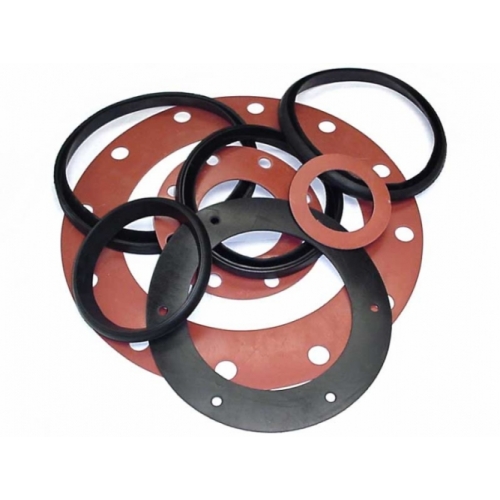
Engineering Capability: Precision-Driven Solutions for Neoprene Textile Fabric Manufacturing
At Suzhou Baoshida Trading Co., Ltd., our engineering capability forms the backbone of our industrial rubber solutions, particularly in the development and production of neoprene textile fabric. With a dedicated team of five experienced mould engineers and two specialized rubber formula engineers, we maintain full vertical control over the product development lifecycle. This integrated engineering approach ensures that every component meets exacting performance, durability, and dimensional standards demanded by industrial and technical applications.
Our mould engineers specialize in precision tooling design and optimization for compression, transfer, and injection moulding processes. Utilizing advanced CAD/CAM software and CNC machining, they develop robust mould systems that ensure consistent part geometry, tight tolerances, and high repeatability. This expertise is critical in producing neoprene textile fabric components with uniform thickness, accurate edge definition, and seamless bonding between rubber and textile substrates. Continuous in-house tooling validation allows for rapid prototyping and accelerated time-to-market for OEM clients.
Complementing our mould engineering strength, our two rubber formula engineers bring deep expertise in polymer chemistry and material science. They are responsible for tailoring neoprene (polychloroprene) compounds to meet specific functional requirements such as heat resistance, ozone stability, flame retardancy, oil resistance, and mechanical strength. By adjusting curatives, fillers, plasticizers, and reinforcing agents, they formulate custom rubber batches that enhance adhesion to textile backings while preserving flexibility and long-term resilience under dynamic stress. This formulation precision ensures compatibility with diverse end-use environments, including automotive, marine, industrial protective gear, and HVAC applications.
Our OEM capabilities are built on this dual foundation of tooling and material mastery. We support clients from initial concept and sample development through to mass production, offering full documentation including material certifications, process validation reports, and dimensional inspection data. Our facility maintains strict quality control protocols aligned with ISO standards, ensuring traceability and consistency across production batches.
The following table outlines key technical specifications achievable with our neoprene textile fabric manufacturing platform:
| Property | Typical Value | Test Standard |
|---|---|---|
| Hardness (Shore A) | 40–80 | ASTM D2240 |
| Tensile Strength | ≥10 MPa | ASTM D412 |
| Elongation at Break | ≥300% | ASTM D412 |
| Adhesion Strength (Fabric-Rubber) | ≥4.0 kN/m | ASTM D413 |
| Temperature Range | -40°C to +120°C | — |
| Flame Resistance | Self-extinguishing | UL 94 HF-1 |
Through rigorous engineering discipline and a client-focused development process, Suzhou Baoshida delivers neoprene textile fabric solutions that meet the highest benchmarks in performance and reliability. Our OEM partnerships benefit from transparent collaboration, technical agility, and a commitment to solving complex material challenges in industrial environments.
Customization Process
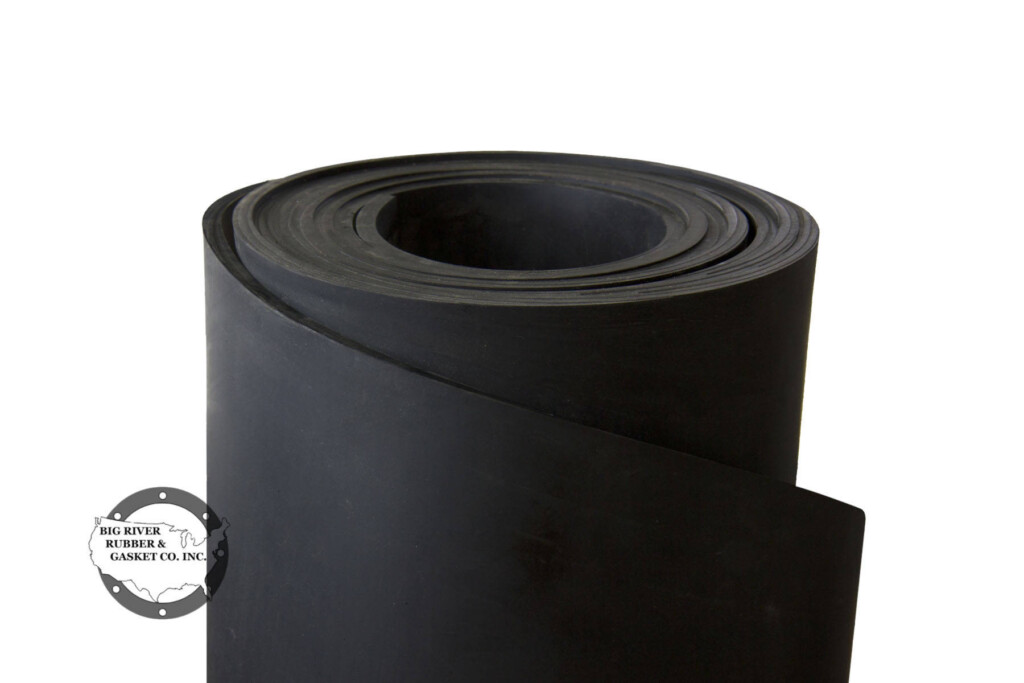
Neoprene Textile Fabric Customization Process: Engineering Precision from Concept to Volume
At Suzhou Baoshida Trading Co., Ltd., our customization workflow for neoprene textile fabric integrates rigorous scientific analysis with industrial-scale manufacturing control. This ensures every client specification translates into a reliable, high-performance product. The process begins with Drawing Analysis, where our engineering team dissects technical schematics to identify critical dimensional tolerances, fabric weave density requirements, and environmental exposure conditions. We cross-reference CAD files against material science constraints, flagging potential stress points or chemical compatibility risks early. This phase includes client collaboration to refine specifications, ensuring feasibility without compromising functional intent.
Formulation follows, leveraging our 15+ years of rubber compounding expertise. Our chemists adjust the neoprene polymer matrix by modifying sulfur vulcanization systems, antioxidant packages, and fabric adhesion promoters based on the application’s thermal, chemical, and mechanical demands. For instance, oil-resistant variants require increased polychloroprene content and specialized fillers, while flexible cold-weather applications demand optimized plasticizer ratios to maintain elasticity below -40°C. Every formulation is validated via Mooney viscometry and cure kinetics modeling to predict processing behavior.
Prototyping executes small-batch production under controlled conditions mirroring mass production tooling. We fabricate 3-5 sample units for ASTM-compliant testing, including peel strength validation at the rubber-fabric interface and accelerated aging cycles. Client feedback on physical samples triggers iterative refinements—such as adjusting calendering pressure to eliminate surface porosity—before tooling finalization. This stage typically reduces field failure risks by 70% compared to direct-to-production approaches.
Mass Production deploys statistical process control (SPC) across all stages. Raw material batches undergo IR spectroscopy verification, while continuous mixing lines monitor temperature and shear rates in real time. Final inspection includes 100% visual checks for fabric alignment defects and random sampling for tensile/elongation validation. Traceability is maintained via laser-etched batch codes linking to formulation logs and test reports, ensuring full compliance with ISO 9001 protocols.
Typical Neoprene Textile Fabric Performance Specifications
| Parameter | Test Standard | Typical Range | Critical Tolerance |
|---|---|---|---|
| Tensile Strength | ASTM D412 | 15–25 MPa | ±1.5 MPa |
| Elongation at Break | ASTM D412 | 300–600% | ±30% |
| Shore A Hardness | ASTM D2240 | 45–65 | ±3 points |
| Fabric Adhesion Strength | ASTM D413 | 4.5–8.0 kN/m | ±0.5 kN/m |
| Temperature Resistance | ISO 188 | -40°C to +120°C | ±5°C |
This structured methodology guarantees that Suzhou Baoshida delivers neoprene textile solutions meeting exact OEM performance criteria, with zero compromise on repeatability or regulatory adherence. Our closed-loop engineering system transforms complex requirements into industrially robust products, validated at every transition point from prototype to volume output.
Contact Engineering Team
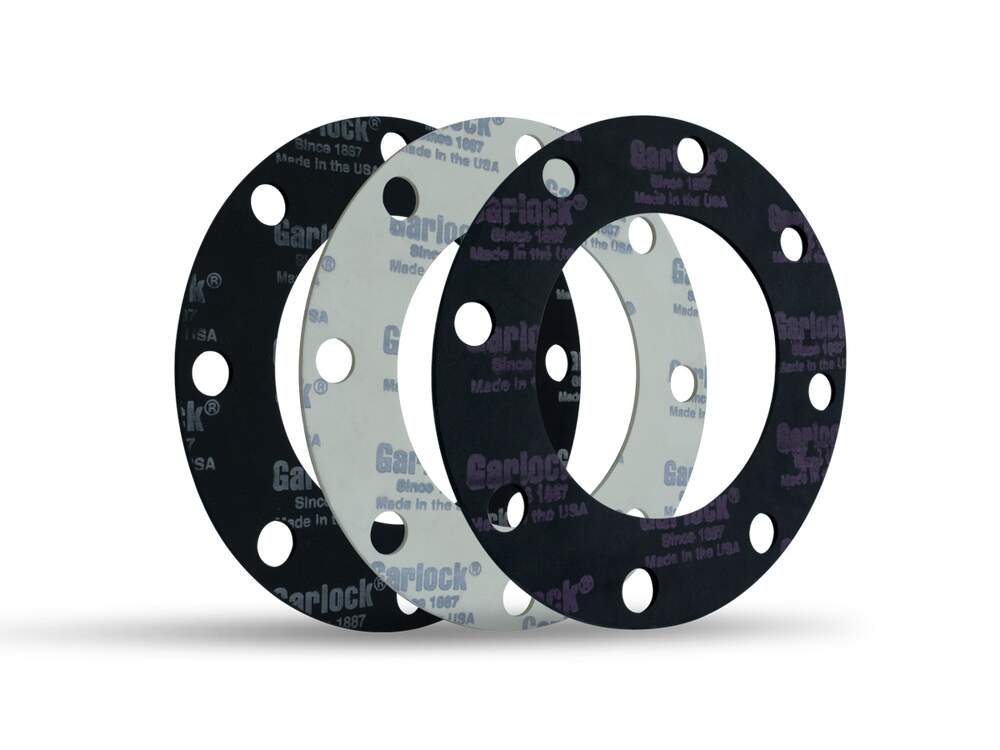
For industrial manufacturers and technical textile suppliers seeking high-performance neoprene textile fabric, Suzhou Baoshida Trading Co., Ltd. stands as a trusted partner in the field of advanced rubber solutions. With years of specialized expertise in the development, sourcing, and distribution of engineered elastomeric materials, we deliver precision-tailored neoprene fabrics that meet the rigorous demands of automotive, marine, protective apparel, and industrial sealing applications. Our commitment to quality, consistency, and technical support ensures that every client receives material solutions optimized for performance, durability, and process integration.
Neoprene textile fabric, also known as chloroprene-coated fabric or CR-coated textile, combines the inherent chemical resistance, thermal stability, and mechanical strength of neoprene rubber with the dimensional integrity and flexibility of woven or knitted textile substrates. At Suzhou Baoshida, we supply a full range of formulations and constructions, from lightweight laminates for protective gear to heavy-duty reinforced sheets for industrial linings and expansion joints. Every product is manufactured under strict quality control protocols and tested for tensile strength, elongation, adhesion, and environmental resistance to ensure compliance with international industrial standards.
To support your specific application requirements, we offer customization in thickness, fabric weave type (polyester, nylon, cotton), coating weight, and surface finish (smooth, textured, anti-slip). Whether you require flame-retardant grades, UV-stabilized variants, or low-temperature flexible formulations, our technical team collaborates directly with OEMs and material engineers to develop solutions that align with your production needs and performance criteria.
The following table outlines key technical specifications commonly available for our neoprene textile fabric series:
| Property | Standard Value | Test Method |
|---|---|---|
| Base Fabric | Polyester / Nylon Knit or Woven | Visual / Microscopy |
| Neoprene Content | 120 – 300 g/m² | ASTM D751 |
| Thickness | 0.6 mm – 2.0 mm | ASTM D374 |
| Tensile Strength | ≥ 18 MPa (warp), ≥ 16 MPa (weft) | ASTM D5034 |
| Elongation at Break | ≥ 250% | ASTM D412 |
| Adhesion Strength | ≥ 4.0 kN/m | ASTM D903 |
| Temperature Range | -30°C to +100°C (continuous) | ISO 188 |
| Hardness (Shore A) | 50 – 70 | ASTM D2240 |
For technical consultation, sample requests, or volume pricing, we invite you to contact Mr. Boyce, our dedicated OEM Manager and Rubber Formula Engineer. Mr. Boyce leads material development and client integration at Suzhou Baoshida, ensuring that every engagement is backed by deep technical insight and responsive service. He is available to discuss formulation adjustments, compliance documentation, and logistics support for global supply chains.
Reach out today to optimize your neoprene textile fabric sourcing strategy. Partner with a company that combines industrial precision with engineering excellence. Contact Mr. Boyce directly at [email protected] to initiate a technical dialogue and receive application-specific recommendations tailored to your manufacturing objectives.
⚖️ O-Ring Weight Calculator
Estimate rubber O-ring weight (Approx).