
Technical Contents
Engineering Guide: Neoprene Vs Urethane
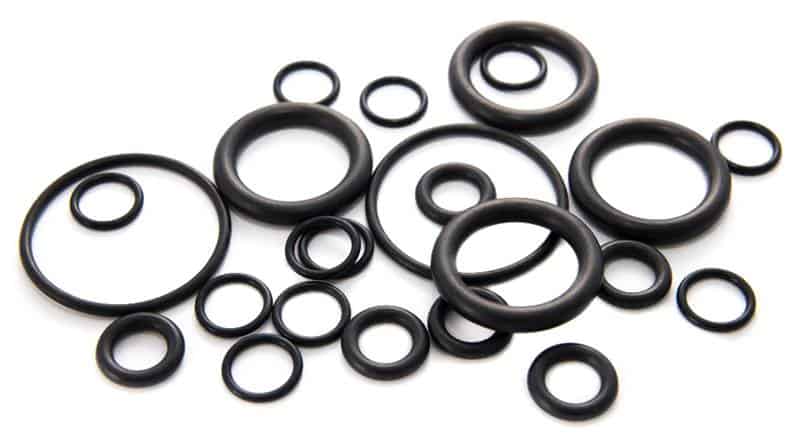
Engineering Insight: Neoprene vs Urethane – The Critical Role of Material Selection in Industrial Applications
In industrial rubber manufacturing, the distinction between neoprene and urethane is not merely a matter of chemical composition—it is a decisive factor in product longevity, performance under stress, and operational reliability. At Suzhou Baoshida Trading Co., Ltd., we emphasize that off-the-shelf rubber solutions frequently fail because they are not engineered for the specific mechanical, thermal, and environmental conditions of the application. A one-size-fits-all approach ignores critical variables such as dynamic loading, chemical exposure, temperature fluctuation, and abrasion resistance—factors that demand precise material selection.
Neoprene, or polychloroprene, is a synthetic rubber known for its balanced set of properties. It exhibits good resistance to ozone, UV radiation, and moderate oil exposure, making it suitable for outdoor and general industrial environments. Its inherent flame retardancy and stable performance across a wide temperature range (-40°C to +120°C) make it a common choice for seals, gaskets, and protective covers. However, neoprene falls short in high-wear applications due to its relatively low tensile strength and poor abrasion resistance compared to advanced elastomers like polyurethane.
Polyurethane (often referred to as urethane) stands apart in performance-critical applications. With exceptional tensile strength, load-bearing capacity, and resistance to abrasion—often 3 to 5 times greater than neoprene—urethane excels in dynamic mechanical environments. It is the preferred material for high-stress components such as conveyor belts, rollers, and impact pads. Urethane also offers superior resilience and energy return, contributing to improved efficiency in repetitive motion systems. However, it is more sensitive to prolonged heat exposure and hydrolysis, particularly in humid or wet environments, which can limit its service life if not properly formulated.
The failure of standard rubber components often stems from material mismatch. For example, using neoprene in a high-abrasion conveyor system leads to premature wear, while deploying standard urethane in high-temperature outdoor settings may result in cracking and degradation. These failures are not inherent flaws in the materials themselves but rather symptoms of inadequate engineering analysis.
At Suzhou Baoshida, we advocate for application-specific formulation and testing. Our industrial rubber solutions are tailored using advanced compounding techniques, ensuring optimal performance under real-world conditions. Material selection must be guided by a comprehensive understanding of operational demands—not convenience or cost alone.
The following table summarizes key performance characteristics of neoprene and urethane for comparative evaluation:
| Property | Neoprene (CR) | Polyurethane (AU/EU) |
|---|---|---|
| Tensile Strength (MPa) | 15–30 | 30–60 |
| Elongation at Break (%) | 300–500 | 300–700 |
| Hardness Range (Shore A) | 40–95 | 60–98 |
| Abrasion Resistance | Moderate | Excellent |
| Oil/Fuel Resistance | Good | Excellent (non-polar oils) |
| Temperature Range (°C) | -40 to +120 | -40 to +90 (80°C continuous) |
| UV/Ozone Resistance | Excellent | Poor to Fair (unstabilized) |
| Hydrolysis Resistance | Good | Poor (especially ester-based) |
Material selection is not a compromise—it is an engineering imperative. The right choice ensures reliability, reduces downtime, and extends service life in demanding industrial environments.
Material Specifications
Material Specifications: Viton, Nitrile, and Silicone for Industrial Applications
Suzhou Baoshida Trading Co., Ltd. provides precision-engineered rubber solutions for demanding industrial environments. Understanding the intrinsic properties of Viton (FKM), Nitrile (NBR), and Silicone (VMQ) is critical for optimal component performance and longevity. Each material exhibits distinct chemical, thermal, and mechanical characteristics that dictate suitability for specific operational conditions. Viton, a fluorocarbon elastomer, delivers exceptional resistance to high temperatures, aggressive chemicals, and oils, making it ideal for aerospace, automotive fuel systems, and semiconductor manufacturing. Nitrile, a copolymer of acrylonitrile and butadiene, offers superior resistance to petroleum-based oils and fuels at moderate temperatures, positioning it as the standard for hydraulic seals, O-rings, and gaskets in industrial machinery. Silicone excels in extreme temperature flexibility, maintaining integrity from -60°C to 230°C, with outstanding electrical insulation and biocompatibility, serving medical devices, food processing, and high-temperature electrical applications.
Key differentiators include tensile strength, elongation, and hardness ranges. Viton typically achieves 10–20 MPa tensile strength with 150–300% elongation and hardness between 60–90 Shore A. Nitrile ranges from 10–30 MPa tensile strength, 200–600% elongation, and 40–90 Shore A hardness, allowing customization for dynamic sealing. Silicone operates at 4–12 MPa tensile strength, 200–800% elongation, and 10–80 Shore A hardness, prioritizing flexibility over mechanical robustness. Chemical resistance varies significantly: Viton withstands acids, ketones, and jet fuels; Nitrile resists aliphatic hydrocarbons but degrades with ozone and polar solvents; Silicone handles water, alcohols, and mild acids but swells in non-polar solvents like gasoline.
The following table summarizes critical specifications per ASTM D2000 standards for industrial-grade compounds:
| Property | Viton (FKM) | Nitrile (NBR) | Silicone (VMQ) |
|---|---|---|---|
| Temperature Range (°C) | -20 to +230 | -40 to +120 | -60 to +230 |
| Tensile Strength (MPa) | 10–20 | 10–30 | 4–12 |
| Elongation at Break (%) | 150–300 | 200–600 | 200–800 |
| Hardness Range (Shore A) | 60–90 | 40–90 | 10–80 |
| Key Chemical Resistance | Fuels, oils, acids | Petroleum oils | Water, alcohols |
| Primary Industrial Use | Fuel systems | Hydraulic seals | Medical/food seals |
Material selection must balance operational stressors against cost efficiency. Viton commands a premium price but is non-negotiable for high-temperature chemical exposure. Nitrile offers the most cost-effective solution for oil and fuel applications below 120°C. Silicone is indispensable where thermal stability and purity are paramount, despite lower mechanical strength. Suzhou Baoshida Trading Co., Ltd. leverages decades of OEM partnership experience to validate material compatibility against client-specific fluid, temperature, and dynamic load profiles. Precision formulation ensures compliance with ISO 9001 and industry-specific certifications, minimizing field failure risks. Consult our engineering team to optimize material selection for your application’s exact service parameters.
Manufacturing Capabilities
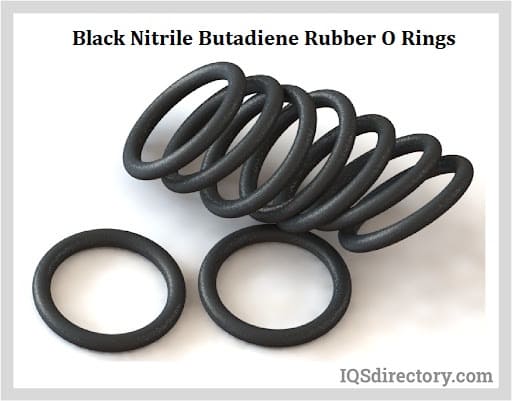
Suzhou Baoshida Trading Co., Ltd. operates at the forefront of industrial rubber formulation and precision manufacturing, delivering engineered elastomeric solutions tailored to the exacting demands of global OEMs. Our Engineering Capability division integrates deep material science expertise with advanced mold design to ensure optimal performance, durability, and cost-efficiency across diverse industrial applications. Central to this capability are our dedicated technical teams: five certified mold engineers and two specialized rubber formula engineers, each with over a decade of experience in polymer chemistry and industrial processing.
Our formula engineers focus on the molecular architecture of elastomers, customizing neoprene and urethane compounds to meet specific mechanical, thermal, and chemical resistance requirements. Whether enhancing neoprene’s ozone and UV stability for outdoor sealing applications or optimizing urethane’s abrasion resistance and load-bearing capacity for heavy-duty industrial rollers, our formulations are developed through rigorous laboratory testing and accelerated aging protocols. This scientific approach ensures that every compound performs reliably under real-world operational stress.
Complementing this material expertise, our five mold engineers specialize in precision tooling design for compression, transfer, and injection molding processes. They utilize advanced CAD/CAM software and finite element analysis (FEA) to simulate flow dynamics, shrinkage behavior, and part integrity prior to production. This proactive engineering minimizes defects, reduces time-to-market, and ensures dimensional accuracy down to ±0.05 mm. The seamless collaboration between formulation and mold design teams enables us to solve complex engineering challenges—such as minimizing flash in high-tolerance seals or achieving uniform durometer distribution in multi-durometer urethane components.
As an OEM manufacturing partner, Suzhou Baoshida provides full vertical integration from concept to mass production. We support clients through every stage: material selection, prototype development, DFM analysis, tooling fabrication, batch validation, and scalable production runs. Our ISO-certified facility is equipped with automated molding lines, environmental testing chambers, and in-house QC laboratories, allowing real-time monitoring of tensile strength, elongation, hardness, compression set, and chemical resistance.
The following table outlines key performance characteristics of our standard neoprene and urethane formulations, illustrating their suitability for various industrial environments.
| Property | Neoprene (CR) – Standard Grade | Urethane (PU) – 90A Durometer |
|---|---|---|
| Hardness (Shore A) | 50–70 | 85–95 |
| Tensile Strength (MPa) | 18–22 | 35–45 |
| Elongation at Break (%) | 300–400 | 400–500 |
| Operating Temperature Range | -40°C to +120°C | -30°C to +90°C |
| Abrasion Resistance | Moderate | Excellent |
| Ozone & UV Resistance | Excellent | Poor to Fair (unless stabilized) |
| Oil & Solvent Resistance | Good | Variable (depends on type) |
| Compression Set (22 hrs, 70°C) | 15–20% | 10–15% |
By combining precision engineering with scientific formulation, Suzhou Baoshida delivers high-performance rubber components that meet the functional and regulatory standards of automotive, construction, energy, and industrial equipment sectors. Our OEM partnerships are built on technical transparency, iterative development, and long-term reliability.
Customization Process
Customization Process: Neoprene vs. Urethane Industrial Component Manufacturing
At Suzhou Baoshida Trading Co., Ltd., our OEM customization process for industrial rubber components rigorously addresses the critical material selection between neoprene (polychloroprene) and polyurethane (urethane). This ensures optimal performance, longevity, and cost-efficiency for your specific application. The process begins with meticulous Drawing Analysis. Our engineering team scrutinizes your technical specifications, focusing on dimensional tolerances, functional requirements, operating environment (temperature extremes, fluid exposure, UV/ozone levels), and dynamic load conditions. Precise identification of stress points, compression set expectations, and required flex life is paramount. This foundational step determines whether neoprene’s superior ozone and weather resistance or urethane’s exceptional abrasion resistance and load-bearing capacity is the scientifically appropriate base polymer.
Formulation follows drawing validation, where our rubber chemists develop the precise compound. For neoprene applications demanding resilience against atmospheric degradation, marine environments, or moderate oil exposure, we tailor sulfur-cure systems and protective additives. Where urethane is selected—typically for high-wear scenarios like seals, wheels, or impact pads—we engineer specific isocyanate and polyol combinations to achieve target hardness (Shore A 60-95), rebound resilience, and critical hydrolysis resistance. This stage involves rigorous computational modeling of polymer chain interactions and additive dispersion to guarantee the formulation meets the exact mechanical and chemical resistance profile defined in the analysis phase.
Prototyping transforms the validated formulation into physical reality. Utilizing precision CNC-machined molds or 3D-printed tooling for complex geometries, we produce initial batches. Each prototype undergoes stringent in-house testing per ASTM/ISO standards: tensile strength, elongation at break, compression set (70°C x 22h), abrasion index, fluid immersion resistance, and dynamic mechanical analysis (DMA). Comparative testing against both neoprene and urethane candidates under simulated service conditions provides empirical data. Client feedback on prototype fit, function, and initial performance is integrated, triggering iterative compound or design refinements until all performance thresholds are consistently exceeded.
Upon prototype approval, Mass Production commences under our certified ISO 9001 quality management system. We deploy automated mixing lines with real-time rheometer monitoring for batch consistency, coupled with statistical process control (SPC) on vulcanization parameters (time, temperature, pressure). 100% dimensional inspection via coordinate measuring machines (CMM) and random destructive testing ensure every component adheres to the finalized neoprene or urethane specification. Full material traceability from raw polymer lot to finished part is maintained, providing documented assurance of performance integrity for your industrial application.
The optimal polymer choice is never arbitrary. The following key property comparison informs our engineering decisions:
| Property | Neoprene (CR) Typical Range | Polyurethane (AU/EU) Typical Range | Critical Application Implication |
|---|---|---|---|
| Tensile Strength (MPa) | 15 – 30 | 40 – 60 | Urethane superior for high-load structural components |
| Elongation at Break (%) | 250 – 600 | 300 – 500 | Neoprene offers greater flexibility in dynamic seals |
| Continuous Temp Range | -40°C to +100°C | -40°C to +80°C (some grades +120°C) | Neoprene preferred for sustained high-heat exposure |
| Abrasion Resistance | Moderate | Exceptional | Urethane essential for sliding/wear surfaces |
| Hydrocarbon Resistance | Fair | Poor to Moderate | Neoprene better for fuel/oil contact |
| Ozone/Weather Resistance | Excellent | Poor | Neoprene mandatory for outdoor/exterior applications |
Contact Engineering Team
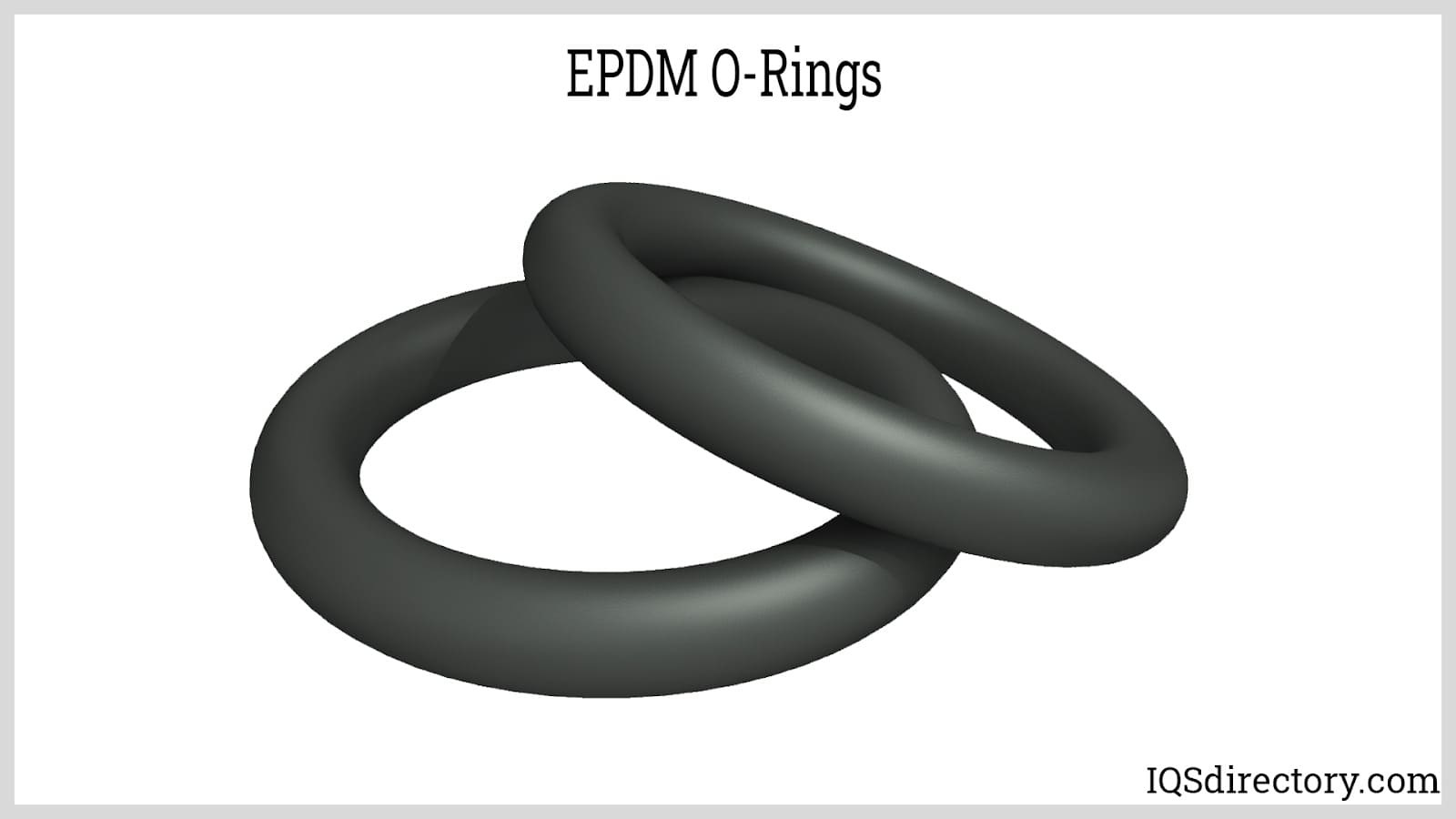
For industrial manufacturers navigating the complex selection of elastomeric materials, the decision between neoprene and urethane is more than a matter of preference—it is a critical engineering consideration that directly impacts product performance, durability, and cost-efficiency. At Suzhou Baoshida Trading Co., Ltd., we specialize in high-performance industrial rubber solutions, offering technical guidance and precision-engineered materials tailored to your application requirements. Whether your operation demands resistance to ozone and UV degradation or requires superior abrasion resistance and load-bearing strength, our team provides data-driven support to ensure optimal material selection.
Neoprene (polychloroprene) is a synthetic rubber known for its balanced set of properties, including good resistance to oil, heat, and weathering. It maintains structural integrity across a wide temperature range and exhibits moderate flexibility and tensile strength. These characteristics make neoprene ideal for sealing components, gaskets, and protective coatings in electrical and automotive industries. In contrast, urethane (polyurethane) delivers exceptional mechanical properties—high tensile strength, outstanding abrasion resistance, and excellent resilience under repeated stress. Urethane outperforms most elastomers in dynamic applications such as rollers, wheels, and industrial linings where wear resistance is paramount.
To assist in your material evaluation, consider the following comparative specifications:
| Property | Neoprene (CR) | Urethane (AU/EU) |
|---|---|---|
| Tensile Strength (MPa) | 15–30 | 30–60 |
| Elongation at Break (%) | 300–600 | 300–500 |
| Hardness Range (Shore A) | 40–90 | 60–95 |
| Temperature Range (°C) | -40 to +120 | -40 to +100 (short peaks to +120) |
| Abrasion Resistance | Moderate | Excellent |
| Oil Resistance | Good | Excellent (AU), Moderate (EU) |
| UV/Ozone Resistance | Excellent | Poor to Fair |
| Compression Set | Moderate | Low to Moderate |
While both materials serve essential roles in industrial manufacturing, the final choice must align with operational stressors, environmental exposure, and lifecycle expectations. At Suzhou Baoshida, we go beyond material supply—we function as a technical partner, offering formulation analysis, custom compounding, and application testing to validate performance under real-world conditions.
For OEMs, Tier-1 suppliers, and industrial equipment manufacturers, partnering with a knowledgeable supplier is essential. Mr. Boyce, our dedicated OEM Manager and Rubber Formula Engineer, leads technical consultations with over 15 years of experience in elastomer development and industrial problem-solving. He provides direct support in material selection, failure analysis, and process optimization to ensure seamless integration into your production workflow.
Contact Mr. Boyce today at [email protected] to discuss your neoprene or urethane application requirements. Include your technical specifications, performance goals, and environmental conditions for a detailed evaluation and tailored recommendation. At Suzhou Baoshida Trading Co., Ltd., we are committed to engineering reliability—one compound at a time.
⚖️ O-Ring Weight Calculator
Estimate rubber O-ring weight (Approx).