
Technical Contents
Engineering Guide: Neoprene Washer Screws
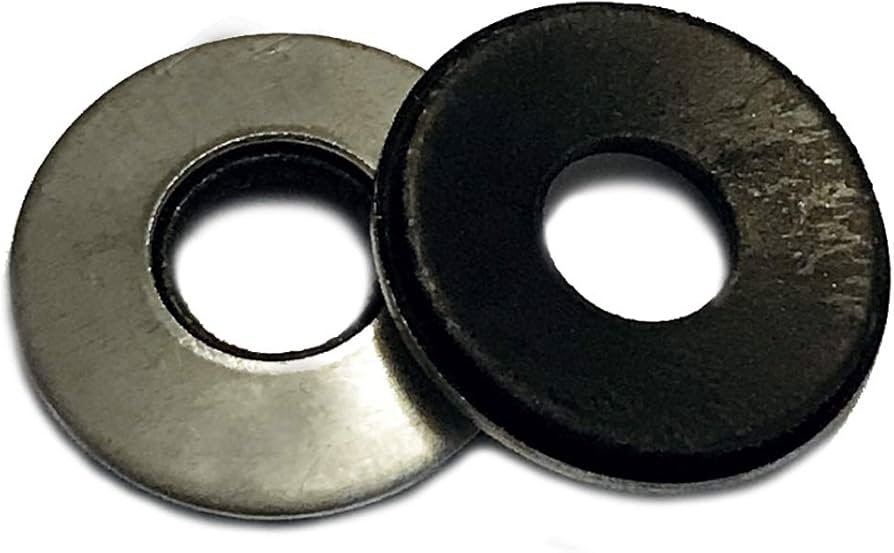
Engineering Insight: The Critical Role of Material Selection in neoprene washer screws
In the domain of precision rubber seals, neoprene washer screws represent a specialized integration of mechanical fastening and environmental sealing. These components combine a metal screw with an attached neoprene washer, engineered to provide both structural integrity and sealing performance in dynamic industrial environments. While they may appear functionally simple, their performance is highly dependent on precise material selection—a factor frequently overlooked when relying on off-the-shelf solutions.
Neoprene (polychloroprene) is a synthetic rubber known for its balanced resistance to ozone, UV radiation, and moderate oil exposure. It also maintains flexibility across a broad temperature range, typically from -40°C to +100°C. However, these general properties do not guarantee universal applicability. Real-world conditions such as fluctuating thermal cycles, exposure to aggressive chemicals, or sustained compressive loads demand a granular understanding of material behavior. Standard neoprene compounds used in generic washer screws often lack the formulation refinement necessary for mission-critical applications, leading to premature compression set, cracking, or chemical degradation.
One of the primary failure modes observed with off-the-shelf neoprene washer screws is the mismatch between the rubber compound and the operational environment. For example, in outdoor electrical enclosures exposed to prolonged sunlight and moisture, standard neoprene may degrade due to insufficient UV stabilizers. Similarly, in automotive under-hood applications, incidental contact with coolants or brake fluids can cause swelling or embrittlement if the neoprene is not compounded for such exposures.
At Suzhou Baoshida Trading Co., Ltd., we emphasize application-specific formulation. Our engineered neoprene compounds are tailored to meet exacting OEM requirements, incorporating additives for enhanced weather resistance, flame retardancy, or fluid compatibility. This precision extends to durometer selection—typically 50 to 70 Shore A—ensuring optimal sealing force without over-compression of the washer during installation.
Furthermore, the interface between the rubber and the metal screw must be robust. Poor bonding techniques in mass-produced variants can result in washer rotation or detachment, compromising both sealing and joint integrity. Our manufacturing process employs vulcanization bonding under controlled pressure and temperature, ensuring a permanent, high-strength adhesion between materials.
The following table outlines key performance specifications of our engineered neoprene washer screws compared to typical off-the-shelf equivalents:
| Property | Suzhou Baoshida Engineered | Standard Off-the-Shelf |
|---|---|---|
| Temperature Range | -40°C to +120°C | -40°C to +100°C |
| Durometer (Shore A) | 55–65 (customizable) | Fixed at 60 |
| Fluid Resistance | Custom formulated for oils, coolants, water | Limited to water and mild solvents |
| UV/Ozone Resistance | Enhanced with stabilizers | Basic protection |
| Bond Strength (rubber to metal) | ≥ 8 kN/m (peel test) | ~4 kN/m |
| Compression Set (22h at 100°C) | ≤ 20% | ≤ 35% |
Material selection is not a one-size-fits-all proposition. For neoprene washer screws, success lies in precision engineering, environmental alignment, and manufacturing consistency—principles that define our approach at Suzhou Baoshida Trading Co., Ltd.
Material Specifications
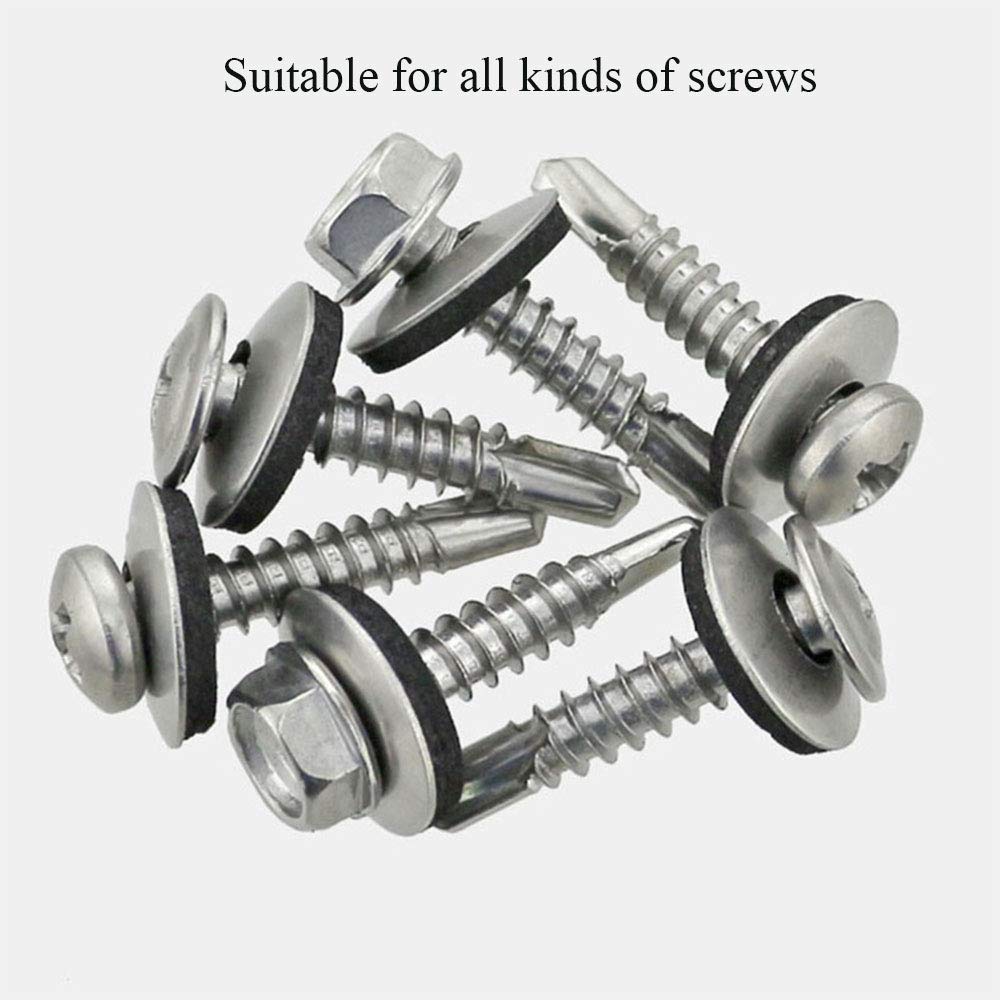
Material Specifications for Precision Washer Screw Seals
While neoprene (polychloroprene) historically saw use in general-purpose seals, its limitations in modern precision applications necessitate advanced elastomer selection for washer screw assemblies. At Suzhou Baoshida Trading Co., Ltd., we prioritize materials meeting stringent OEM performance criteria under thermal, chemical, and mechanical stress. Viton (FKM), Nitrile (NBR), and Silicone (VMQ) represent optimal solutions for critical sealing interfaces, each engineered for distinct operational envelopes. Neoprene’s susceptibility to ozone degradation, limited high-temperature resilience (max continuous use ~100°C), and inferior fuel resistance render it unsuitable for contemporary automotive, aerospace, or industrial fluid systems where washer screws demand reliability.
Viton fluorocarbon elastomers deliver exceptional chemical inertness across aggressive media including jet fuels, hydraulic fluids, and acids. Continuous service is validated from -20°C to +230°C, with short-term peaks at 300°C. Compression set resistance per ASTM D395 remains below 25% after 70 hours at 200°C, ensuring long-term seal force retention. Hardness ranges from 60 to 90 Shore A, customizable for specific torque-load requirements. Viton’s molecular stability prevents swelling in non-polar solvents, making it indispensable for fuel injection systems and downhole drilling equipment.
Nitrile butadiene rubber (NBR) provides cost-effective resilience against petroleum derivatives, water, and aliphatic hydrocarbons. Standard grades operate between -30°C and +120°C, with hydrogenated variants (HNBR) extending to +150°C. Its tensile strength (15-25 MPa per ASTM D412) and abrasion resistance suit dynamic applications like hydraulic manifold fasteners. Hardness spans 40–90 Shore A, though NBR exhibits vulnerability to ozone, ketones, and brake fluids. Optimal for automotive transmission seals where fuel/oil exposure dominates.
Silicone rubber excels in extreme temperature transitions (-60°C to +200°C continuous, +230°C intermittent) and UV/ozone environments. While offering poor tear strength versus NBR, its biocompatibility and non-toxicity align with medical and food-grade washer screw assemblies. Low compression set (<20% per ASTM D395) ensures dimensional stability in thermal cycling. Limited resistance to concentrated acids and hydrocarbons restricts use to non-aggressive media like steam, water, and pharmaceuticals.
Material performance is quantified below for engineering validation:
| Material | Temperature Range (°C) | Hardness Range (Shore A) | Key Chemical Resistances | Key Limitations | Typical Applications |
|---|---|---|---|---|---|
| Viton (FKM) | -20 to +230 | 60–90 | Fuels, oils, acids, hydraulic fluids | Cost, poor ketone resistance | Aerospace fuel systems, chemical processing valves |
| Nitrile (NBR) | -30 to +120 | 40–90 | Petroleum oils, water, aliphatic hydrocarbons | Ozone, esters, brake fluids | Automotive transmissions, hydraulic couplings |
| Silicone (VMQ) | -60 to +200 | 30–80 | Water, steam, ozone, UV | Low tensile strength, poor hydrocarbon resistance | Medical devices, food processing, HVAC thermal cycling |
Selection hinges on fluid compatibility, thermal profile, and lifecycle cost analysis. Viton justifies premium pricing in mission-critical aerospace seals where failure is unacceptable. NBR dominates cost-sensitive automotive applications with hydrocarbon exposure. Silicone serves niche roles requiring biocompatibility or extreme cold flexibility. Suzhou Baoshida Trading Co., Ltd. provides material certification per ASTM/ISO standards and custom compounding to meet OEM dimensional tolerances (±0.05mm) and durometer specifications. Engage our engineering team for application-specific validation testing under actual service conditions.
Manufacturing Capabilities
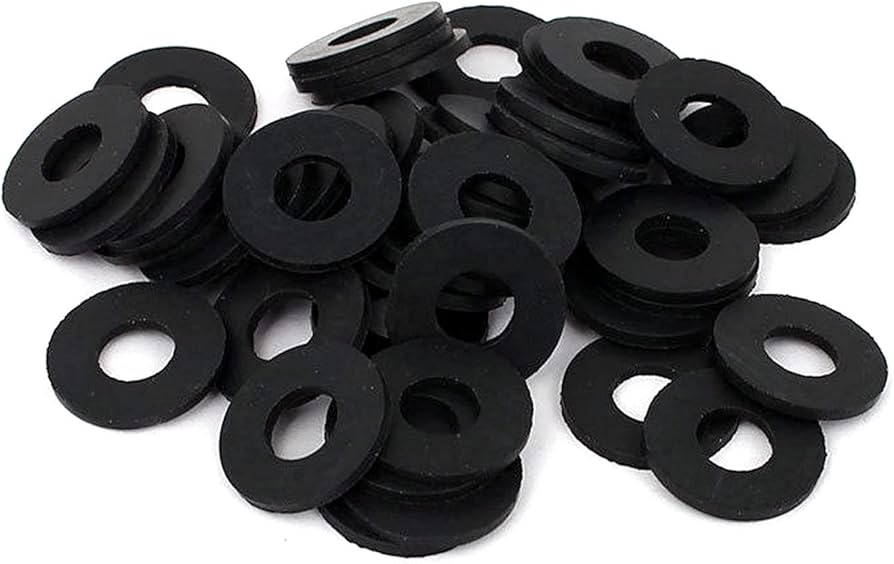
Engineering Capability
At Suzhou Baoshida Trading Co., Ltd., our engineering capability forms the backbone of our precision rubber seal manufacturing, particularly in the development and production of neoprene washer screws. With a dedicated team of five experienced mould engineers and two specialized rubber formula engineers, we maintain full in-house control over both the physical design and material science aspects of product development. This dual expertise enables us to deliver optimized, application-specific solutions that meet stringent industrial performance standards.
Our mould engineers possess extensive experience in precision tooling design for overmoulded and insert-moulded components. They utilize advanced CAD/CAM software, including SolidWorks and AutoCAD, to develop high-tolerance steel and aluminum moulds capable of producing neoprene washer screws with exacting dimensional consistency. Mold flow analysis is routinely performed to anticipate material behavior during injection, minimizing defects such as flash, voids, or incomplete encapsulation. All moulds undergo rigorous in-house testing and validation before mass production, ensuring long service life and repeatability across batches.
Complementing our tooling expertise, our two rubber formula engineers focus exclusively on elastomer compound development. Neoprene (polychloroprene) is carefully formulated to balance mechanical strength, compression set resistance, ozone and UV stability, and temperature performance (-40°C to +120°C). Each formulation is tailored to the operational environment—whether automotive, marine, or industrial equipment—ensuring optimal sealing force, durability, and resistance to oils, water, and moderate chemicals. Our lab conducts ongoing testing on hardness (Shore A), tensile strength, elongation at break, and thermal aging to validate compound performance.
We support full OEM services, from initial concept and 3D prototyping to volume production and packaging customization. Clients provide application requirements or sample parts, and our engineering team delivers functional prototypes within 10–15 working days. Tooling ownership remains with the client, and we maintain strict confidentiality and IP protection protocols.
Our integrated approach—combining precision mould engineering with advanced rubber chemistry—ensures that every neoprene washer screw not only fits mechanically but also performs reliably under real-world conditions. This technical synergy positions Suzhou Baoshida as a trusted partner for engineered sealing solutions in demanding industrial markets.
Typical Neoprene Washer Screw Specifications
| Parameter | Value/Range |
|---|---|
| Material | CR (Neoprene / Polychloroprene) |
| Hardness (Shore A) | 50–80 ±5 |
| Tensile Strength | ≥10 MPa |
| Elongation at Break | ≥250% |
| Compression Set (24h, 70°C) | ≤25% |
| Operating Temperature | -40°C to +120°C |
| Standard Fastener Materials | Steel (Zn-plated), Stainless Steel |
| Fastener Thread Standards | M3–M12, UNC, Metric, Custom |
| Washer Outer Diameter | 8–25 mm (customizable) |
| Mould Tolerance | ±0.05 mm (cavity-to-cavity) |
| Production Capacity | Up to 500,000 pcs/month per mould |
Customization Process
Neoprene Washer Screw Customization Process
At Suzhou Baoshida Trading Co., Ltd., our neoprene washer screw customization follows a rigorously controlled sequence to ensure dimensional accuracy, material integrity, and functional reliability. This process begins with Drawing Analysis, where engineering teams dissect client-provided technical schematics. Critical parameters—including inner/outer diameters, washer thickness, screw thread specifications, and groove geometry—are validated against ISO 3601 and AS568 standards. Tolerance bands (±0.05mm for critical dimensions) and surface finish requirements (Ra ≤ 3.2μm) are cross-referenced with our production capabilities. Any ambiguities in sealing interfaces or load distribution profiles trigger immediate client consultation to prevent downstream deviations.
Formulation Engineering is the cornerstone of performance adaptation. Our rubber chemists tailor neoprene (CR) compounds to operational demands using proprietary additive matrices. Key variables include hardness adjustment via polychloroprene resin ratios, ozone resistance enhancement through paraffinic wax integration, and low-temperature flexibility achieved with specialized plasticizers. Below are typical formulation parameters for industrial-grade neoprene washer screws:
| Property | Standard Range | Test Method |
|---|---|---|
| Hardness (Shore A) | 50–80 ±5 | ASTM D2240 |
| Tensile Strength (MPa) | ≥12.0 | ASTM D412 |
| Elongation at Break (%) | ≥250 | ASTM D412 |
| Compression Set (%) | ≤25 (70°C/22h) | ASTM D395 |
| Temp Range (°C) | -40 to +120 | ISO 188 |
Prototyping Phase employs CNC-machined aluminum molds for rapid iteration. Each prototype undergoes three-stage validation: First, dimensional metrology via CMM to confirm geometric compliance. Second, functional testing in simulated environments (e.g., salt spray for corrosion resistance, dynamic compression cycling). Third, client-side field trials with torque-tension correlation analysis. Average lead time for 3 prototype iterations is 12–15 days, with material certificates and FAI reports provided per AS9102.
Mass Production commences only after formal sign-off on PPAP Level 3 documentation. We deploy automated rubber injection molding presses with ±0.5°C thermal control and real-time cavity pressure monitoring. In-process checks occur hourly: durometer readings, visual inspection under 5x magnification for flash or voids, and batch sampling for accelerated aging tests. Final shipment includes traceability logs linking each lot to raw material COAs, process parameters, and 100% dimensional certification. Our zero-defect protocol ensures <50 PPM non-conformities, with statistical process control data shared biweekly for continuous improvement.
This end-to-end methodology guarantees neoprene washer screws that maintain sealing integrity under vibration, thermal cycling, and chemical exposure—proven across automotive, aerospace, and industrial OEM applications. Partner with Baoshida to transform specifications into mission-critical components.
Contact Engineering Team
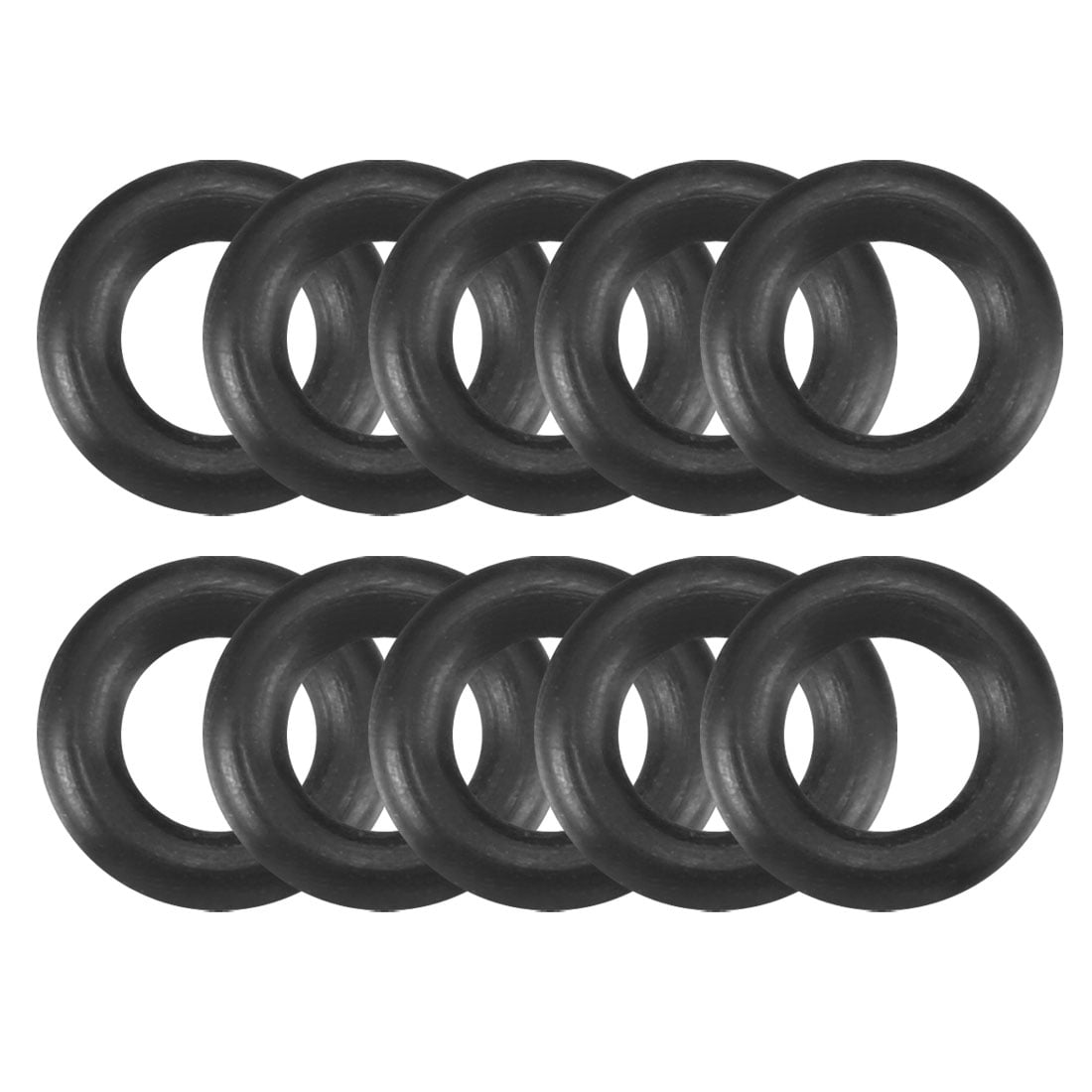
For industrial manufacturers requiring high-performance fastening solutions with integrated sealing capabilities, neoprene washer screws represent a critical component in ensuring leak-proof, vibration-resistant, and durable assemblies. At Suzhou Baoshida Trading Co., Ltd., we specialize in precision rubber seals engineered for demanding environments across automotive, aerospace, construction, and industrial equipment sectors. Our neoprene washer screws combine the mechanical strength of metal fasteners with the resilient sealing properties of chloroprene rubber, delivering a unified solution that reduces part count, simplifies installation, and enhances long-term reliability.
Neoprene, known for its excellent resistance to oil, ozone, UV exposure, and temperature fluctuations (-40°C to +120°C), provides superior sealing performance under dynamic stress conditions. Our manufacturing process integrates molded neoprene washers directly onto screws using high-frequency vulcanization, ensuring a permanent bond that prevents washer displacement during installation or service. This co-molding technique guarantees concentricity, consistent compression, and optimal sealing force—key parameters for maintaining integrity in pressurized or exposed systems.
We offer neoprene washer screws in a range of standard and custom configurations to meet specific OEM requirements. Below are typical specifications for our most commonly requested products:
| Parameter | Specification |
|---|---|
| Screw Material | Carbon Steel, Stainless Steel (A2/A4) |
| Surface Finish | Zinc Plated, Black Oxide, Passivated |
| Washer Hardness (Shore A) | 60 ± 5 |
| Tensile Strength | ≥ 9.0 MPa |
| Elongation at Break | ≥ 300% |
| Compression Set (24h, 70°C) | ≤ 25% |
| Temperature Range | -40°C to +120°C |
| Standard Compliance | RoHS, REACH, ISO 9001 |
| Available Sizes | M3 to M12 (metric), #4 to #1/2 (imperial) |
All products undergo rigorous quality control, including dimensional inspection, torque testing, and environmental aging cycles, to ensure compliance with international standards. Custom formulations are available for enhanced fuel resistance, low-temperature flexibility, or colored identification.
For technical collaboration, sample requests, or volume quotation, contact Mr. Boyce, OEM Manager and Rubber Formula Engineer at Suzhou Baoshida Trading Co., Ltd. With over 15 years of experience in rubber-to-metal bonding and sealant formulation, Mr. Boyce leads technical engagements with global manufacturers to optimize seal performance and reduce total cost of ownership. Reach him directly via email at [email protected] to discuss material selection, design validation, or custom tooling options.
Partner with Suzhou Baoshida for engineered sealing solutions backed by scientific precision, industrial durability, and responsive technical support. Your next-generation assembly demands reliability—we deliver it through chemistry, craftsmanship, and commitment.
⚖️ O-Ring Weight Calculator
Estimate rubber O-ring weight (Approx).