
Technical Contents
Engineering Guide: Nitrile Gaskets
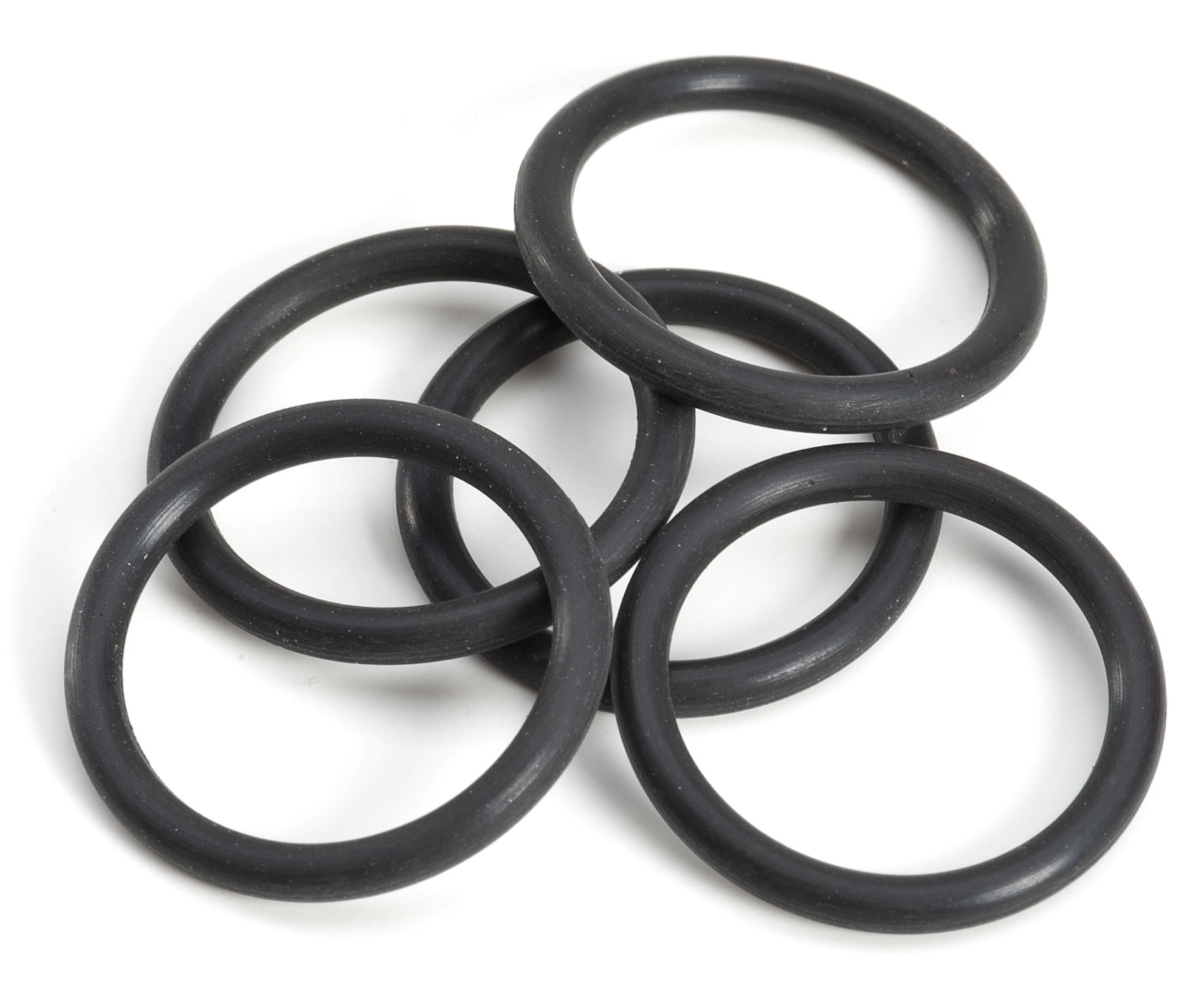
Engineering Insight: Nitrile Gasket Material Selection Criticality
Off-the-shelf nitrile gaskets represent a significant risk in demanding industrial sealing applications. Generic solutions frequently fail due to unaddressed application-specific parameters, leading to premature leakage, equipment damage, and unplanned downtime. Material selection is not a commodity exercise; it requires precise alignment of polymer chemistry with operational stressors. Nitrile butadiene rubber (NBR) formulations vary fundamentally based on acrylonitrile (ACN) content, which dictates chemical resistance, temperature tolerance, and mechanical behavior. A mismatch here—such as deploying a low-ACN grade in high-oil environments—triggers rapid swelling, loss of structural integrity, and seal extrusion. Conversely, excessive ACN content sacrifices low-temperature flexibility, causing brittle fracture in cold-start scenarios.
Compression set resistance is another critical failure point in standard gaskets. Many off-the-shelf variants use suboptimal cure systems or insufficient polymer crosslinking, resulting in permanent deformation under continuous load. This compromises sealing force retention, especially in flange joints subject to thermal cycling. Similarly, inadequate consideration of dynamic factors—like vibration or pressure spikes—exposes weaknesses in generic tensile strength and elongation properties. Without tailored reinforcement, standard compounds fatigue rapidly, initiating micro-cracks that propagate into catastrophic leaks.
Chemical compatibility extends beyond basic oil resistance. Additives, trace solvents, or mixed-fluid environments in modern industrial processes demand formulation precision. Standard NBR may degrade when exposed to polar solvents, ozone, or elevated-temperature hydraulic fluids, accelerating hardening or surface crazing. These failures often manifest weeks or months post-installation, obscuring root causes and escalating rectification costs.
Suzhou Baoshida Trading Co., Ltd. engineers mitigate these risks through application-driven material specification. We analyze fluid composition, temperature profiles, pressure dynamics, and mechanical loads to select or develop NBR compounds with exact ACN percentages, optimized filler systems, and advanced cure packages. Below is a comparative specification guide illustrating how ACN content directly governs performance boundaries:
| Property | Low-ACN (18%) | Medium-ACN (33%) | High-ACN (45%) | Standard Off-the-Shelf |
|---|---|---|---|---|
| ACN Content Range | 15-20% | 30-35% | 40-50% | Typically 33% (fixed) |
| Continuous Temp Range | -40°C to +100°C | -30°C to +120°C | -20°C to +135°C | -30°C to +110°C |
| Oil Resistance (ASTM D471) | Moderate | High | Very High | Variable (often low) |
| Tensile Strength (MPa) | 15-20 | 18-22 | 20-25 | 12-18 |
| Compression Set (22h/100°C) | 25-35% | 20-30% | 15-25% | 35-50% |
| Low-Temp Flexibility (TR10) | -50°C | -35°C | -25°C | -35°C (inconsistent) |
This data underscores why rigid adherence to nominal NBR specifications invites failure. A fixed 33% ACN compound—common in generic gaskets—lacks the versatility to handle extremes in temperature or chemical exposure. At Suzhou Baoshida, we reject one-size-fits-all approaches. Our OEM partnerships begin with rigorous application diagnostics, followed by compound validation against real-world stressors. This engineering discipline ensures nitrile gaskets deliver predictable service life, eliminating the hidden costs of premature replacement and system contamination inherent in off-the-shelf alternatives. Precision sealing starts with molecular-level material intelligence.
Material Specifications
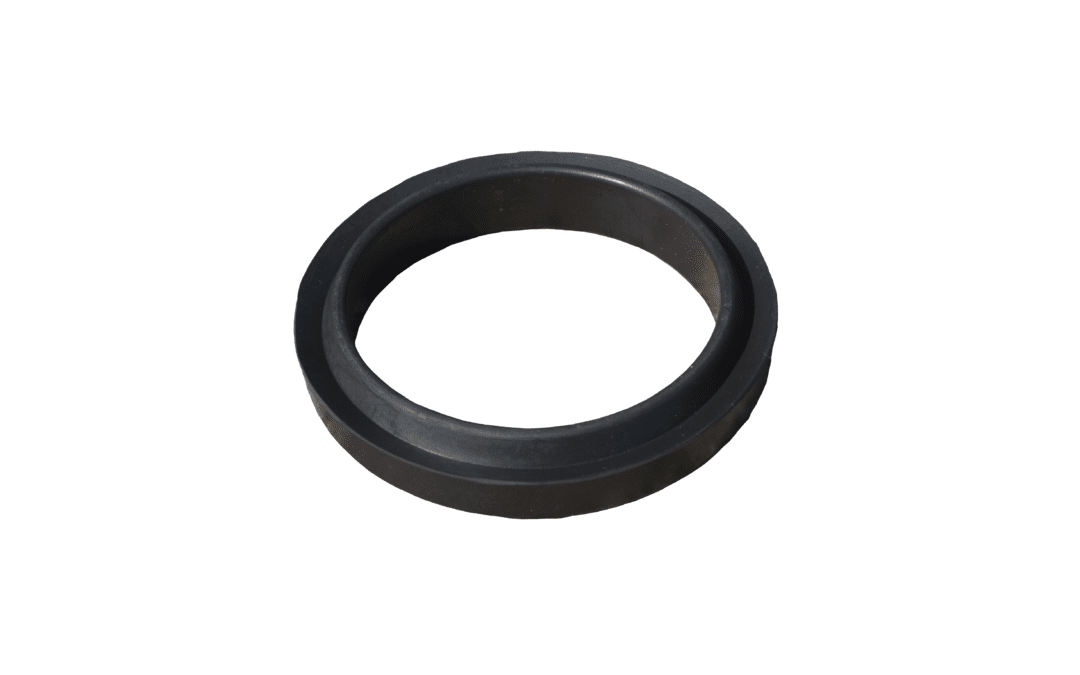
Nitrile gaskets are widely employed in industrial sealing applications due to their excellent resistance to oils, fuels, and a broad range of hydrocarbons. At Suzhou Baoshida Trading Co., Ltd., precision engineering and material integrity are paramount in the production of rubber seals designed for demanding environments. Among the most frequently specified elastomers for gasketing are Nitrile (NBR), Viton (FKM), and Silicone (VMQ). Each material offers distinct performance characteristics that must be matched precisely to operational conditions such as temperature, chemical exposure, and mechanical stress.
Nitrile rubber, also known as Buna-N, is a copolymer of acrylonitrile and butadiene. It provides outstanding resistance to petroleum-based oils and fuels, making it ideal for automotive, hydraulic, and aerospace applications. Its typical operating temperature range spans from -40°C to +120°C, with short-term exposure up to 150°C. Nitrile also exhibits good abrasion resistance and tensile strength, which contributes to its durability in dynamic sealing scenarios. However, it has limited resistance to ozone, weathering, and polar solvents, which restricts its use in outdoor or highly oxidative environments.
Viton, a fluorocarbon elastomer manufactured by Chemours, delivers superior performance in extreme temperature and aggressive chemical environments. With continuous service capabilities from -20°C to +200°C and intermittent resistance up to 250°C, Viton gaskets are frequently selected for high-temperature engine systems, chemical processing equipment, and semiconductor manufacturing. Its molecular structure imparts exceptional resistance to aromatic and chlorinated hydrocarbons, acids, and steam. While more expensive than NBR, Viton’s longevity and reliability in critical applications justify its cost in many OEM designs.
Silicone rubber, though less resistant to oils and fuels, excels in extreme temperature stability and biocompatibility. It operates effectively from -60°C to +200°C and maintains flexibility at cryogenic levels. Silicone is commonly used in food, pharmaceutical, and medical applications due to its low toxicity and compliance with FDA and USP Class VI standards. It also performs well in weather-exposed outdoor applications due to excellent UV and ozone resistance. However, its lower tensile strength and poor resistance to petroleum-based fluids limit its use in high-pressure hydraulic systems.
The following table compares key physical and chemical properties of these materials to assist in optimal material selection.
| Property | Nitrile (NBR) | Viton (FKM) | Silicone (VMQ) |
|---|---|---|---|
| Base Polymer | Acrylonitrile-Butadiene | Fluorocarbon | Polydimethylsiloxane |
| Temperature Range (°C) | -40 to +120 | -20 to +200 | -60 to +200 |
| Short-Term Max Temp (°C) | 150 | 250 | 230 |
| Tensile Strength (MPa) | 15–25 | 12–20 | 6–10 |
| Elongation at Break (%) | 200–400 | 150–300 | 200–600 |
| Hardness (Shore A) | 50–90 | 60–90 | 30–80 |
| Resistance to Oils & Fuels | Excellent | Excellent | Poor |
| Resistance to Ozone/UV | Fair | Good | Excellent |
| Resistance to Acids/Bases | Moderate | Excellent | Good |
| FDA Compliant Grades | Limited | Available | Widely Available |
Selection of the appropriate gasket material requires careful analysis of service conditions, regulatory requirements, and lifecycle costs. Suzhou Baoshida Trading Co., Ltd. supports OEMs with material testing, custom formulation, and precision molding to ensure optimal sealing performance across industrial sectors.
Manufacturing Capabilities
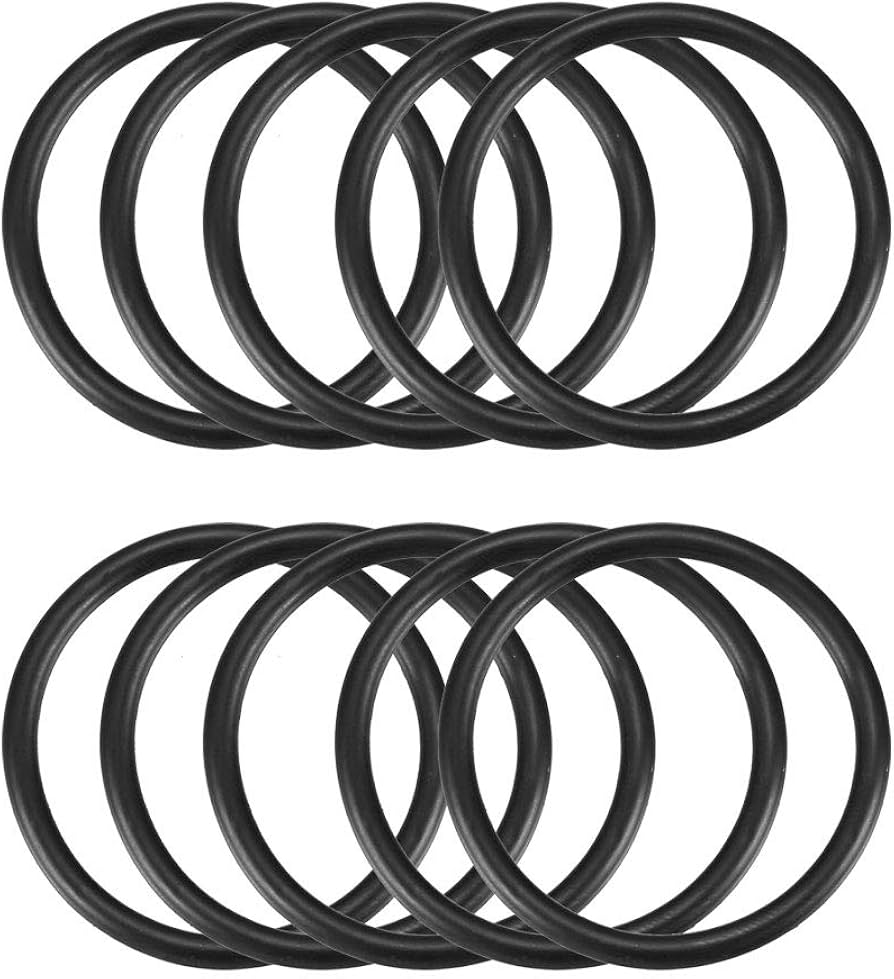
Engineering Capability: Precision Nitrile Gasket Development at Suzhou Baoshida
Suzhou Baoshida Trading Co., Ltd. delivers engineered nitrile rubber (NBR) gasket solutions grounded in deep material science and precision manufacturing expertise. Our core strength lies in the integrated capabilities of our dedicated engineering team, comprising five specialized Mould Engineers and two certified Rubber Formula Engineers. This structure ensures seamless translation of demanding OEM specifications into high-integrity, application-optimized seals, moving far beyond standard catalog offerings.
Our Formula Engineers are pivotal in tailoring NBR compounds to exact performance requirements. They systematically manipulate acrylonitrile (ACN) content, polymer backbone structure, and additive systems—including specialized antioxidants, plasticizers, and reinforcing fillers—to achieve precise balances of oil resistance, low-temperature flexibility, compression set, and tensile strength. For instance, formulations targeting Arctic hydraulic systems undergo rigorous low-temperature retraction (TR10) optimization, while those for high-temperature engine compartments leverage advanced peroxide cure systems to exceed standard ASTM D2000 classifications. Every compound is validated through accelerated aging protocols per ISO 188 and fluid resistance testing per ISO 1817, ensuring long-term sealing integrity under real-world stressors.
Complementing this material science foundation, our five Mould Engineers focus on dimensional precision and process stability. They utilize advanced CAD/CAM software for cavity design, incorporating critical factors like material shrinkage prediction, gate location optimization to minimize weld lines, and thermal management for uniform vulcanization. Finite Element Analysis (FEA) simulates flow dynamics and pressure distribution during molding, preempting defects such as flash or incomplete filling. This proactive approach guarantees gaskets meet tight tolerances (typically ±0.1mm for critical sealing surfaces) and consistent cross-sectional geometry, directly impacting sealing force distribution and leak prevention in final assembly.
The synergy between formula and mold engineering is central to our OEM success. We operate under a strict Stage-Gate development process: initial client specifications trigger concurrent material formulation and mold design. Prototypes undergo rigorous functional testing—compression-deflection analysis, leak rate validation under simulated operating pressures, and dynamic fatigue cycling—before full-scale production. Full traceability is maintained from raw material lot numbers through molding parameters to final inspection reports, satisfying stringent automotive and industrial OEM quality management systems like IATF 16949. This integrated capability minimizes time-to-market while eliminating costly field failures.
Critical nitrile gasket performance parameters are consistently achieved through this methodology, as evidenced by our standard production capabilities:
| Property | Test Method | Typical Value Range | Significance |
|---|---|---|---|
| Hardness (Shore A) | ASTM D2240 | 50 – 90 | Sealing force, extrusion resistance |
| Tensile Strength (MPa) | ASTM D412 | 15 – 25 | Durability, handling strength |
| Elongation at Break (%) | ASTM D412 | 200 – 400 | Flexibility, recovery capacity |
| Compression Set (B, 22h) | ASTM D395 | ≤ 25% | Long-term sealing force retention |
| Low Temp. Brittleness | ASTM D2137 | -30°C to -50°C | Performance in cold environments |
| Fluid Resistance (IRM 903) | ASTM D471 | ΔVol ≤ +30% | Compatibility with oils/fuels |
Suzhou Baoshida’s engineering framework transforms nitrile gasket manufacturing from commodity production into a precise science. By embedding material formulation and mold design expertise within a disciplined OEM process, we deliver seals that consistently exceed functional requirements and enhance the reliability of our clients’ end products.
Customization Process
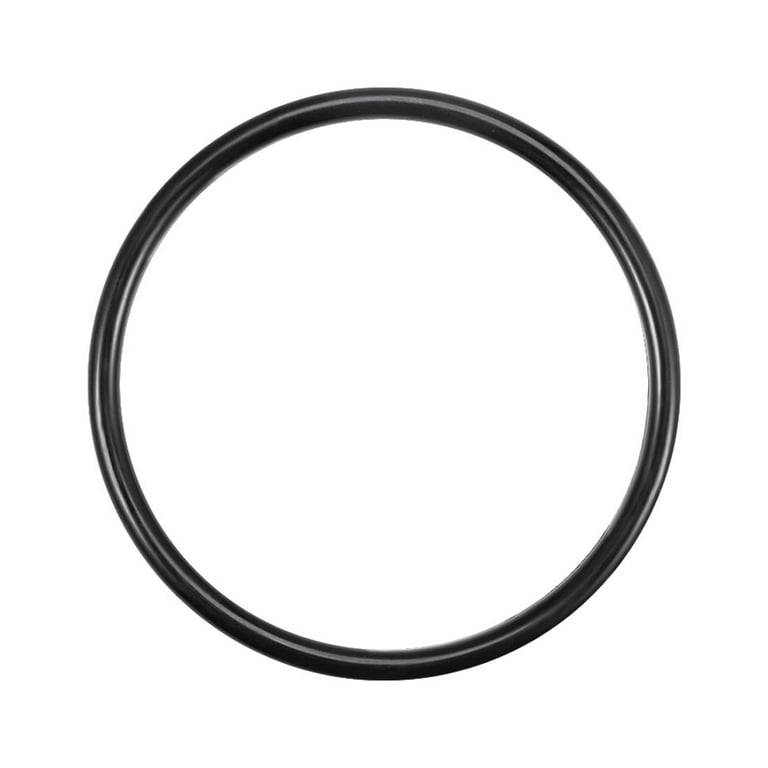
Drawing Analysis
The customization process for nitrile gaskets begins with a comprehensive drawing analysis. At Suzhou Baoshida Trading Co., Ltd., engineering precision is paramount. Upon receiving customer-provided technical drawings, our team conducts a dimensional and geometric evaluation using CAD-based validation tools. This step ensures compatibility with the intended application, including flange type, sealing surface, and installation constraints. Critical parameters such as inner diameter, outer diameter, thickness, tolerance class (per ISO 3601 or customer-specific standards), and groove dimensions are cross-verified. Any discrepancies or potential design risks—such as insufficient compression, material stress concentration, or extrusion gaps—are flagged and discussed with the client. This stage also determines the need for secondary features such as identification marks, alignment tabs, or color-coding.
Formulation Development
Following drawing validation, our rubber formula engineers develop a tailored nitrile (NBR) compound to meet the operational demands of the application. Standard nitrile formulations offer excellent resistance to oils, fuels, and aliphatic hydrocarbons, but performance under extreme temperatures, dynamic loads, or exposure to aggressive chemicals requires customized compounding. Key variables adjusted include acrylonitrile (ACN) content, polymer molecular weight, and the addition of accelerators, fillers, plasticizers, and aging inhibitors. For instance, higher ACN content enhances oil resistance but reduces low-temperature flexibility. Our lab formulates compounds targeting specific hardness (typically 60–90 Shore A), compression set (ASTM D395), tensile strength (ASTM D412), and fluid resistance (ASTM D471). Each formulation is documented and archived for traceability and future replication.
Prototyping and Validation
Once the compound is finalized, small-batch prototyping commences using precision compression or injection molding, depending on geometry and volume requirements. Prototypes are subjected to dimensional inspection via coordinate measuring machines (CMM) and functional testing, including compression deflection, leak rate under pressure, and accelerated aging in simulated service environments. Clients receive sample batches with full material certification, including hardness, density, and physical property reports. Feedback from this phase informs final adjustments in formulation or mold design before release to production.
Mass Production Readiness
Approved prototypes transition seamlessly into mass production. Our manufacturing lines operate under ISO 9001-certified processes, with real-time monitoring of cure time, temperature, and press tonnage. Each production lot undergoes statistical process control (SPC) and is accompanied by a certificate of conformance (CoC). Full traceability—from raw material batch to finished gasket—is maintained for every shipment.
Typical Nitrile Gasket Material Specifications
| Property | Test Method | Typical Value |
|---|---|---|
| Hardness (Shore A) | ASTM D2240 | 70 ± 5 |
| Tensile Strength | ASTM D412 | ≥15 MPa |
| Elongation at Break | ASTM D412 | ≥250% |
| Compression Set (24h, 100°C) | ASTM D395 | ≤30% |
| Volume Swell in IRM 903 (70h, 100°C) | ASTM D471 | ≤25% |
| Operating Temperature Range | — | -30°C to +120°C |
Contact Engineering Team
Contact Suzhou Baoshida for Precision Nitrile Gasket Solutions
Suzhou Baoshida Trading Co., Ltd. stands at the forefront of engineered rubber sealing technology, specializing in high-performance nitrile (NBR) gaskets for demanding industrial applications. Our expertise in polymer science and precision manufacturing ensures gaskets that deliver exceptional resistance to oils, fuels, and hydraulic fluids while maintaining integrity across critical temperature ranges. For OEMs and industrial manufacturers requiring seals that prevent costly leaks, downtime, or safety hazards, our solutions are rigorously formulated to exceed ASTM D2000 and ISO 3601 standards. We understand that gasket failure is not an option in sectors like automotive hydraulics, petrochemical processing, or aerospace fluid systems—where dimensional accuracy, material consistency, and chemical compatibility directly impact operational reliability.
Our engineering team leverages decades of compound development experience to tailor nitrile formulations for your specific operational environment. Whether you require enhanced low-temperature flexibility for Arctic equipment, superior abrasion resistance for heavy machinery, or custom durometer profiles for non-standard flanges, we optimize acrylonitrile content, plasticizer selection, and curing systems to meet exact performance criteria. This precision extends to our manufacturing processes, where CNC-machined molds and automated vulcanization ensure ±0.05mm dimensional tolerances and zero flash defects. Below is a representative specification comparison of our core nitrile grades for gasket applications:
| Grade Designation | Acrylonitrile Content (%) | Hardness (Shore A) | Tensile Strength (MPa) | Temperature Range (°C) | Oil Resistance (ASTM 3) |
|---|---|---|---|---|---|
| NBR 33 | 33 ± 2 | 70 ± 5 | ≥ 15.0 | -30 to +120 | Excellent |
| NBR 40 | 40 ± 2 | 75 ± 5 | ≥ 17.5 | -25 to +110 | Outstanding |
| NBR 50 | 50 ± 2 | 80 ± 5 | ≥ 14.0 | -20 to +100 | Exceptional |
Partnering with Suzhou Baoshida means accessing end-to-end technical collaboration—from initial material selection and FEA-guided design validation to rapid prototyping and high-volume production. We provide full material traceability, batch-specific certificates of conformance, and on-site engineering support to resolve sealing challenges at the source. Our global supply chain infrastructure guarantees on-time delivery without compromising quality, critical for maintaining your production schedules.
Initiate a technical consultation with Mr. Boyce, our dedicated OEM Manager, to discuss how our nitrile gasket solutions can enhance your product’s reliability and longevity. Mr. Boyce possesses extensive experience in translating complex sealing requirements into optimized rubber formulations and will provide actionable insights during an engineer-to-engineer dialogue. Contact him directly via email at [email protected] to request material datasheets, discuss custom compound development, or schedule a virtual technical review. Include your application parameters—such as media exposure, pressure cycles, and environmental conditions—for a targeted response within 24 business hours.
Do not compromise on sealing performance when precision-engineered nitrile gaskets are within reach. Suzhou Baoshida commits to becoming your strategic partner in eliminating fluid system vulnerabilities through scientifically validated rubber technology. Reach out to Mr. Boyce today to transform your gasket specifications into field-proven reliability. Elevate your sealing performance with Suzhou Baoshida—where polymer science meets industrial excellence.
⚖️ O-Ring Weight Calculator
Estimate rubber O-ring weight (Approx).