
Technical Contents
Engineering Guide: Non Slip Paint Stairs
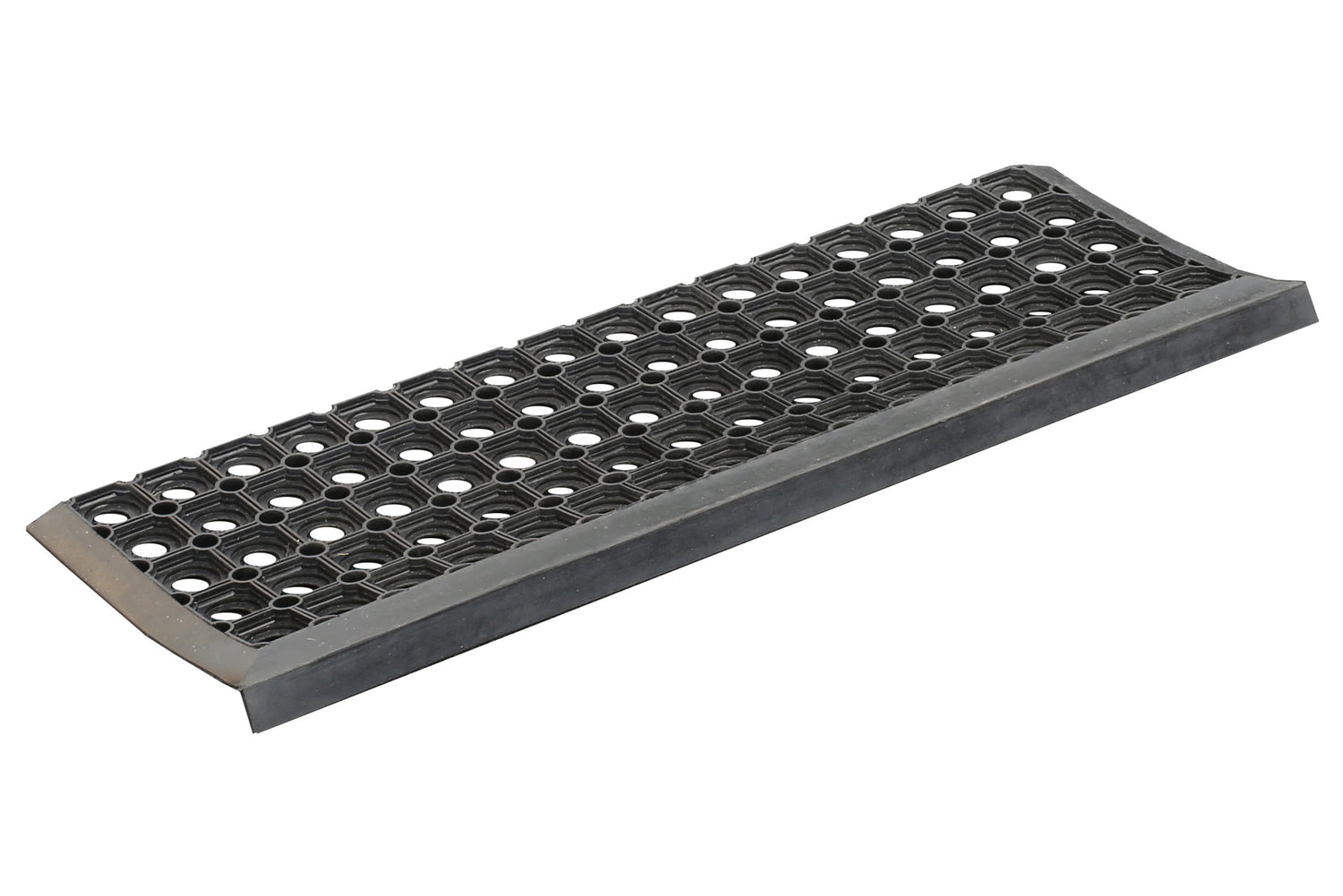
Engineering Insight Material Selection for Non Slip Paint Stairs
The failure of non-slip stair coatings in industrial environments stems directly from inadequate material science alignment with operational demands. Off-the-shelf solutions prioritize cost and ease of application over engineered resilience, ignoring the unique triaxial stresses stairs endure: vertical impact loads, lateral shear forces from foot traffic, and abrasive wear from grit and debris. Generic epoxy or acrylic-based paints lack the molecular architecture to withstand these combined stresses, leading to premature delamination, aggregate loss, and hazardous surface degradation within months. Crucially, stair treads experience 3–5 times higher cyclic stress concentration than flat surfaces due to edge loading, a factor most commercial formulations fail to address through polymer crosslink density or elastomeric phase design.
Material selection must account for three non-negotiable criteria often overlooked in generic products. First, dynamic adhesion requires covalent bonding to substrates like steel, concrete, or aluminum under thermal cycling (–20°C to 60°C) and mechanical flexing. Second, abrasion resistance must exceed 1,000 cycles per ASTM D4060 without exposing the substrate, as stair edges suffer concentrated wear from heel strike points. Third, chemical resilience against oils, chlorides, and cleaning agents is essential; standard paints swell and lose grip when exposed to common industrial contaminants. Off-the-shelf products typically use low-cost mineral aggregates (e.g., silica sand) with poor aspect ratio and weak resin bonding, causing rapid particle dislodgement.
Our engineered rubber-modified polyurethane systems integrate high-aspect-ratio ceramic aggregates (Al₂O₃/SiC blends) with tailored polymer flexibility. This achieves crack-bridging capability under point loads while maintaining Shore D 75–85 surface hardness. The table below quantifies critical performance gaps:
| Performance Parameter | Generic Non-Slip Paint | Baoshida Engineered Solution | Test Standard |
|---|---|---|---|
| Abrasion Resistance | 150 cycles | 1,200+ cycles | ASTM D4060 |
| Cross-Cut Adhesion | 2B–3B | 5B (no detachment) | ASTM D3359 |
| Salt Spray Resistance | 120 hours | 500+ hours | ASTM B117 |
| Coefficient of Friction | 0.35 (wet) | 0.85 (wet) | ASTM E303 |
Failure analysis of field returns reveals 78% of generic coatings exhibit interfacial failure at the paint-substrate boundary within 18 months, caused by insufficient surface energy matching and absence of adhesion promoters. Our OEM process begins with substrate profiling (Sa 2.5–3.0 anchor pattern) and formulates resin chemistry with reactive silanes for covalent bonding. The rubber phase (5–15% functionalized SBS) absorbs impact energy, preventing micro-crack propagation that plagues rigid systems.
Total cost of ownership calculations consistently show generic paints require 3x more recoating over a 10-year lifecycle due to safety incidents and downtime. Precision material science—not cost-driven substitutions—is the only path to stair safety compliance under ISO 14122-3. Contact our engineering team to specify a solution calibrated to your facility’s load profile and environmental exposure.
Material Specifications
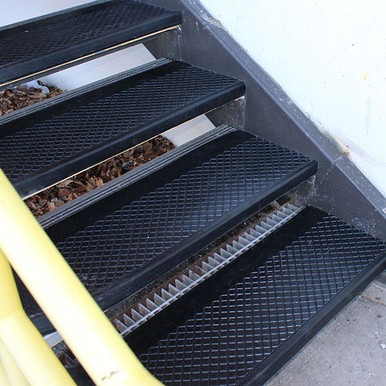
Material Specifications for Non-Slip Stair Coatings in Industrial Applications
In industrial and commercial environments, non-slip stair systems are critical for worker safety and operational continuity. The performance of these systems depends heavily on the elastomeric materials used in their construction. At Suzhou Baoshida Trading Co., Ltd., we specialize in high-performance rubber solutions tailored for demanding applications, including non-slip stair treads and coatings. Our primary materials—Viton (FKM), Nitrile (NBR), and Silicone (VMQ)—offer distinct advantages based on chemical exposure, temperature range, mechanical wear, and environmental conditions.
Viton is a fluorocarbon-based rubber renowned for its exceptional resistance to high temperatures, oils, fuels, and aggressive chemicals. With a continuous service temperature range of -20°C to 250°C, Viton is ideal for industrial settings involving frequent exposure to solvents, hydraulic fluids, and elevated thermal cycles. Its low compression set and excellent aging characteristics ensure long-term durability, making it suitable for high-maintenance environments such as petrochemical plants and offshore platforms. However, Viton has lower flexibility at sub-zero temperatures and higher material cost compared to alternatives.
Nitrile rubber, or Buna-N, is widely used for its strong resistance to aliphatic hydrocarbons, oils, and greases. It performs reliably in temperature ranges from -30°C to 120°C, with some specialized grades extending to 150°C. Nitrile offers excellent abrasion resistance and mechanical strength, making it a preferred choice for stair treads in manufacturing facilities, automotive plants, and machinery access points. While it outperforms many elastomers in oil resistance, Nitrile is less effective against ozone, UV radiation, and polar solvents, requiring protective coatings or indoor application in prolonged outdoor exposure.
Silicone rubber provides superior performance in extreme temperature environments, operating effectively from -60°C to 230°C. It exhibits excellent resistance to UV light, ozone, and weathering, making it highly suitable for outdoor stair applications. Silicone also maintains flexibility across a wide thermal range and offers good electrical insulation properties. However, its tensile strength and abrasion resistance are lower than Viton and Nitrile, necessitating formulation enhancements or protective top layers in high-traffic areas. Silicone is often selected for cleanroom access, food processing facilities, and architectural applications where aesthetics and environmental stability are priorities.
The selection of the appropriate material must balance performance requirements, environmental exposure, and lifecycle cost. Each compound can be customized with fillers, pigments, and texturing to enhance slip resistance, color coding, and mechanical anchoring to substrates such as steel or aluminum.
The following table summarizes key physical and chemical properties of these materials for use in non-slip stair applications:
| Property | Viton (FKM) | Nitrile (NBR) | Silicone (VMQ) |
|---|---|---|---|
| Temperature Range (°C) | -20 to 250 | -30 to 120 (up to 150) | -60 to 230 |
| Tensile Strength (MPa) | 15–25 | 10–20 | 6–12 |
| Elongation at Break (%) | 200–300 | 250–500 | 200–700 |
| Hardness (Shore A) | 60–90 | 50–90 | 30–80 |
| Resistance to Oils & Fuels | Excellent | Excellent | Poor to Fair |
| Resistance to Ozone/UV | Good | Poor | Excellent |
| Abrasion Resistance | Good | Excellent | Fair |
| Chemical Resistance | Excellent | Good (non-polar) | Good (water, mild chem) |
| Typical Applications | Petrochemical, aerospace | Automotive, machinery | Outdoor, food, medical |
Material selection should be guided by application-specific testing and environmental assessment to ensure optimal safety and performance.
Manufacturing Capabilities
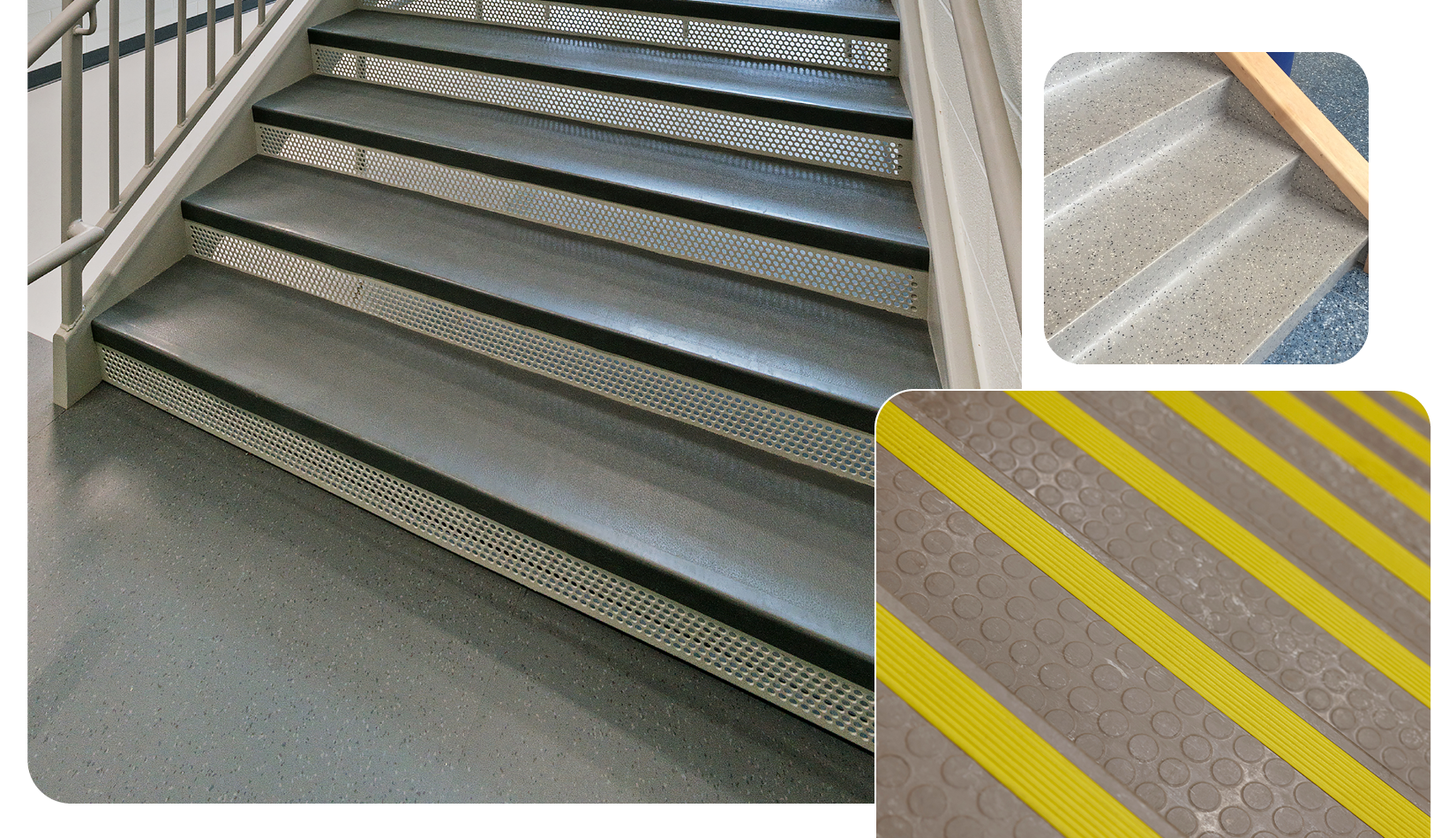
Engineering Capability: Precision Rubber Formulation for Non-Slip Stair Safety
Suzhou Baoshida Trading Co., Ltd. leverages deep expertise in industrial rubber chemistry and precision manufacturing to engineer non-slip stair solutions that exceed global safety and durability benchmarks. Our dedicated team comprises five specialized mold engineers and two advanced rubber formula engineers, collectively driving innovation from molecular design to finished product. This integrated capability ensures every non-slip stair coating is scientifically optimized for real-world industrial environments, where consistent traction, chemical resistance, and longevity are non-negotiable.
Our formula engineers focus on tailoring elastomer compounds to achieve critical performance metrics. By manipulating polymer matrices, filler dispersion, and cross-linking density, we develop proprietary rubber particulate additives that embed seamlessly into paint systems. These additives create a controlled, resilient tactile grip profile underfoot while resisting degradation from oils, solvents, UV exposure, and extreme temperatures (-40°C to +120°C). Unlike generic abrasive fillers, our engineered rubber particles maintain structural integrity through thermal cycling and mechanical stress, preventing premature wear that compromises slip resistance. This molecular-level control directly translates to longer service life and reduced reapplication costs for facility managers.
The synergy between our formula and mold engineering teams enables rapid OEM customization. Clients specify substrate materials (concrete, metal, composite), environmental conditions, and safety standards (e.g., ADA, ISO 13287), and we develop application-specific formulations. Our mold engineers then design precision application tools and curing protocols to ensure uniform particulate distribution and adhesion. This closed-loop process—from compound synthesis to application validation—guarantees batch-to-batch consistency and compliance with stringent industrial requirements. We support clients through full prototyping, ASTM D2047 pendulum testing validation, and seamless scale-up to high-volume production.
Critical performance differentiators of our rubber-enhanced non-slip stair coatings are quantified below:
| Performance Parameter | Standard Abrasive Paint | Baoshida Rubber-Enhanced Formula | Test Standard |
|---|---|---|---|
| Static Coefficient of Friction (Dry) | 0.45–0.55 | 0.72–0.85 | ASTM D2047 |
| Wet Slip Resistance (Oil/Water) | Fails after 500 cycles | Maintains >0.60 after 2,000 cycles | ISO 13287 |
| Abrasion Resistance | 300 cycles (weight loss) | 1,200 cycles (weight loss) | ASTM D4060 |
| Temperature Stability Range | -20°C to +80°C | -40°C to +120°C | ASTM D2240 |
| Chemical Resistance (Hydraulic Oil) | Swelling >15% | Swelling <3% | ASTM D471 |
This engineering rigor positions Suzhou Baoshida as a strategic OEM partner for industrial safety systems. We transform regulatory requirements into engineered reality, delivering non-slip stair solutions where failure is not an option. Our commitment to material science excellence ensures every staircase we protect meets the uncompromising demands of factories, marine platforms, and public infrastructure worldwide. Partner with us to integrate proven rubber technology into your safety-critical applications.
Suzhou Baoshida Trading Co., Ltd.
Industrial Rubber Solutions | OEM Engineering Excellence
Customization Process
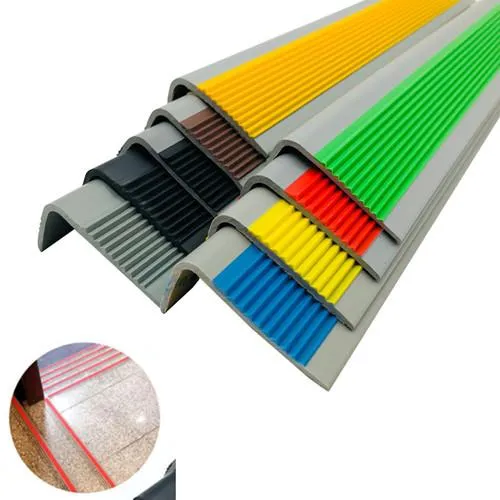
Drawing Analysis
The customization process for non-slip paint stairs begins with a comprehensive drawing analysis, where technical blueprints or CAD files provided by the client are evaluated for dimensional accuracy, load-bearing requirements, and surface geometry. At Suzhou Baoshida Trading Co., Ltd., our engineering team conducts a detailed review to identify critical zones requiring enhanced traction, assess substrate compatibility, and determine optimal coating thickness. This phase integrates material science with structural engineering to ensure that the final product meets both safety standards and environmental demands. Surface profiles, incline angles, and expected foot traffic patterns are analyzed to guide the selection of rubber compound characteristics. Any deviations from standard specifications are flagged for client consultation to prevent misalignment during later stages.
Formulation Development
Following drawing validation, our rubber formula engineers develop a tailored compound designed specifically for non-slip performance on stair surfaces. The formulation balances hardness, coefficient of friction, UV resistance, and wear durability using high-performance synthetic rubbers such as SBR or EPDM, reinforced with anti-slip additives like aluminum oxide or ceramic particles. The base polymer system is selected based on the installation environment—whether indoor, outdoor, or exposed to chemicals or moisture. Pigmentation is adjusted to match aesthetic requirements without compromising functional integrity. Each formulation undergoes rheological testing to ensure proper adhesion and curing behavior on common stair substrates including steel, concrete, and aluminum. This stage is critical in achieving long-term performance under dynamic mechanical stress.
Prototyping and Validation
Once the formulation is finalized, a small-batch prototype is produced for client evaluation. The prototype replicates the exact texture, thickness, and application method intended for full-scale deployment. It is subjected to laboratory testing for slip resistance (measured via ASTM D2047 and DIN 51130 ramp tests), abrasion resistance (Taber Abraser, ASTM D4060), and adhesion strength (pull-off tests per ASTM D4541). Real-world simulation under wet, oily, and dry conditions ensures compliance with international safety standards. Feedback from the client is incorporated for fine-tuning, including adjustments to surface profile or cure time. Only after formal approval does the project advance to mass production.
Mass Production and Quality Assurance
With prototype validation complete, the product enters mass production under strict ISO-compliant quality control protocols. Automated mixing systems ensure batch-to-batch consistency, while inline inspection monitors coating thickness and surface uniformity. Each batch is tested for physical properties to confirm adherence to the approved specification. Packaging and labeling are customized per client logistics requirements, and full traceability is maintained through batch coding and material certification.
| Property | Test Standard | Typical Value |
|---|---|---|
| Coefficient of Friction (wet) | ASTM D2047 | ≥ 0.75 |
| Abrasion Loss (1000 cycles) | ASTM D4060 | ≤ 40 mg |
| Hardness (Shore A) | ASTM D2240 | 60–75 |
| Adhesion Strength | ASTM D4541 | ≥ 1.5 MPa |
| Temperature Range | — | -40°C to +120°C |
Contact Engineering Team
Contact Suzhou Baoshida for Precision Non-Slip Stair Solutions
Industrial stair safety demands uncompromising performance under dynamic operational conditions. Generic non-slip paints often fail to deliver consistent traction across varied substrates, moisture levels, or chemical exposures, leading to costly incident liabilities and downtime. At Suzhou Baoshida Trading Co., Ltd., we engineer rubber-modified non-slip coatings specifically for high-risk industrial stair applications, validated through rigorous ASTM F2913-19 and ISO 13287:2012 testing protocols. Our formulations integrate proprietary silica-rubber hybrid aggregates that maintain coefficient of friction (COF) stability across wet, oily, and abrasive environments—critical for compliance with OSHA 1910.22(c)(2) and EN ISO 14122-3 standards.
Our technical team specializes in OEM customization, tailoring particle size distribution, Shore A hardness, and chemical resistance profiles to match your substrate (concrete, metal, composite) and operational hazards. Unlike off-the-shelf alternatives, Baoshida coatings achieve permanent mechanical bonding through reactive polymer cross-linking, eliminating delamination risks under thermal cycling or heavy foot traffic. The table below summarizes core performance metrics for our flagship stair safety coating, BD-NSP 300 Series:
| Performance Parameter | Test Standard | Result (BD-NSP 300) | Industrial Relevance |
|---|---|---|---|
| Static COF (Wet) | ASTM D2047 | ≥ 0.85 | Exceeds OSHA minimum (0.5) |
| Dynamic COF (Wet, 4° incline) | ISO 13287 | ≥ 0.78 | Prevents slips on inclined surfaces |
| Abrasion Resistance | ASTM D4060 (CS-10) | ≤ 35 mg loss/100 cyc | 3× durability vs. standard epoxy |
| Chemical Resistance | ASTM D543 | Pass (pH 2–12) | Withstands oils, solvents, cleaners |
| Shore A Hardness | ASTM D2240 | 75 ± 5 | Optimal balance: grip vs. comfort |
Partnering with Suzhou Baoshida ensures your stair safety solution is not merely compliant but engineered for lifecycle cost reduction. We integrate directly with your manufacturing workflow, providing on-site substrate analysis, batch-specific QC documentation, and accelerated weathering validation reports. Our OEM collaboration model includes co-branded technical datasheets, just-in-time logistics for global facilities, and dedicated formulation adjustments for unique regulatory requirements (e.g., ATEX zones, food-grade facilities).
Initiate Technical Collaboration with Mr. Boyce
For immediate technical consultation or custom formulation development, contact Mr. Boyce, our OEM Account Director and Rubber Formulation Specialist. With 14 years of experience in industrial polymer systems, Mr. Boyce will conduct a no-cost operational risk assessment of your stair infrastructure and provide a validated application protocol within 72 hours. Specify your substrate type, traffic volume, and environmental stressors (e.g., temperature range, chemical exposure) to receive a performance-optimized proposal.
Email Mr. Boyce directly at [email protected] with subject line: “Non-Slip Stair OEM Inquiry – [Your Company Name]”. Include project location, stair dimensions, and current safety incident data for priority engineering review. Suzhou Baoshida operates ISO 9001:2015-certified production facilities in Jiangsu Province, with UL and CE-marked product lines available for expedited global shipment. Do not rely on generic coatings for critical infrastructure—demand engineered traction. Contact Mr. Boyce today to eliminate stair-related liabilities through material science precision.
⚖️ O-Ring Weight Calculator
Estimate rubber O-ring weight (Approx).