
Technical Contents
Engineering Guide: Nvh Car
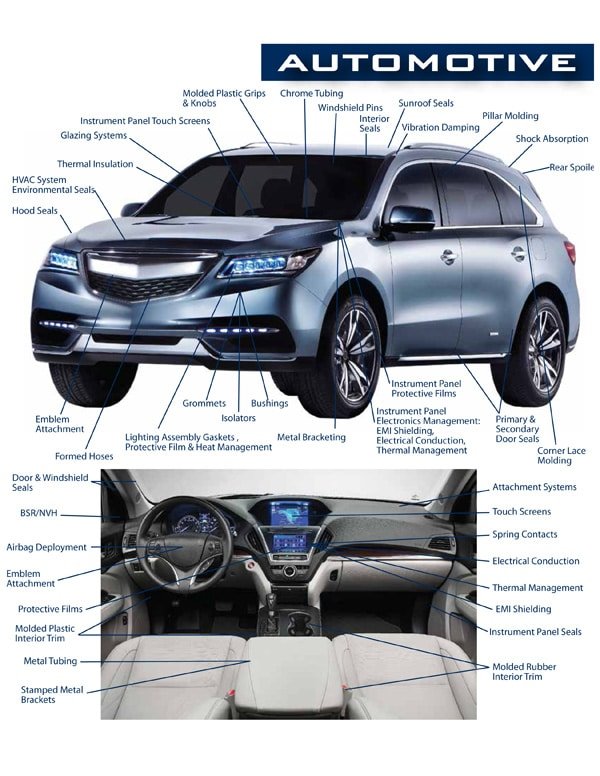
Engineering Insight: Material Selection in NVH Car Applications
In the domain of automotive noise, vibration, and harshness (NVH) control, the performance of elastomeric components is not merely a function of design—it is fundamentally dictated by material selection. At Suzhou Baoshida Trading Co., Ltd., our industrial rubber solutions are engineered to meet the dynamic mechanical and environmental demands of modern vehicles. Standard off-the-shelf rubber compounds frequently underperform in NVH applications due to their generalized formulation, which fails to account for the complex interplay between damping efficiency, temperature stability, and long-term fatigue resistance.
Automotive NVH systems operate under fluctuating thermal loads, cyclic mechanical stress, and exposure to oils, coolants, and ozone. Generic rubber materials such as standard EPDM or low-grade NBR may offer initial cost savings but often exhibit premature degradation, loss of damping characteristics, and reduced sealing integrity. These shortcomings manifest as increased cabin noise, vibration transfer, and ultimately, customer dissatisfaction. The root cause lies in the absence of tailored polymer architecture and reinforcement systems optimized for specific frequency damping and load-bearing profiles.
Advanced material engineering enables the precise tuning of viscoelastic properties. For instance, hydrogenated nitrile (HNBR) provides superior oil resistance and thermal stability up to 150°C, making it ideal for engine mounts and transmission bushings. Similarly, silicone rubber (VMQ) offers exceptional performance in extreme temperature cycles, though its lower mechanical strength necessitates reinforcement strategies in dynamic applications. Our proprietary blends integrate high-structure carbon blacks, functionalized polymers, and dynamic vulcanization techniques to achieve balanced hysteresis—maximizing energy dissipation without excessive heat build-up.
Moreover, the service life of an NVH component is directly linked to its resistance to compression set and dynamic fatigue. Off-the-shelf materials often compromise on crosslink density and filler dispersion, leading to permanent deformation and loss of preload in critical joints. In contrast, our formulations undergo rigorous dynamic mechanical analysis (DMA) and accelerated aging protocols to ensure sustained performance over 150,000 km equivalent service cycles.
The following table outlines key material properties relevant to automotive NVH applications:
| Material | Temperature Range (°C) | Damping Factor (tan δ @ 1 Hz) | Oil Resistance | Compression Set (22h, 100°C) | Typical NVH Application |
|---|---|---|---|---|---|
| HNBR | -40 to +150 | 0.18–0.25 | Excellent | <20% | Engine Mounts, Bushings |
| EPDM | -50 to +130 | 0.12–0.16 | Poor | <25% | Weather Seals, Non-Oil Zones |
| VMQ | -60 to +200 | 0.08–0.12 | Fair | <15% | High-Temp Gaskets |
| NR/PP Blend (TPV) | -40 to +130 | 0.20–0.30 | Moderate | <18% | Door Seals, Anti-Vibration Pads |
Material selection must be application-specific, driven by spectral vibration analysis, environmental exposure, and lifecycle requirements. At Suzhou Baoshida, we collaborate with OEMs to develop compound-specific solutions that outperform generic alternatives in both durability and acoustic performance. The cost of failure—warranty claims, brand erosion, reengineering—is far greater than the investment in precision-engineered rubber.
Material Specifications

Material Specifications for Automotive NVH Applications
Precision rubber compounds are critical for mitigating Noise, Vibration, and Harshness (NVH) in modern vehicles. At Suzhou Baoshida Trading Co., Ltd., we engineer formulations to withstand extreme automotive environments while maintaining consistent damping performance. Our Viton, Nitrile, and Silicone solutions are rigorously validated for OEM integration, ensuring compliance with global standards like ISO 1817 and SAE J200. Each material addresses distinct operational challenges, from under-hood thermal exposure to dynamic sealing integrity.
Nitrile rubber (NBR) remains the industry benchmark for cost-effective fuel and oil resistance. Our high-acrylonitrile formulations achieve exceptional resistance to automotive lubricants, gasoline, and hydraulic fluids, with a standard operating range of -40°C to 120°C. Optimized for engine mounts and transmission seals, NBR exhibits low compression set (≤25% per ASTM D395) and tensile strength of 15–20 MPa. Its balanced damping properties make it ideal for mid-temperature NVH applications where fluid exposure is prevalent.
Viton (FKM) delivers uncompromised performance in extreme thermal and chemical environments. With a service range spanning -20°C to 250°C, it resists aggressive media including turbocharged engine oils, biofuels, and brake fluids. Our low-temperature FKM variants maintain flexibility down to -40°C while exhibiting <20% compression set after 70 hours at 200°C. Tensile strength exceeds 12 MPa, with exceptional resistance to ozone and swelling in aromatic hydrocarbons. This makes Viton indispensable for critical NVH components near exhaust systems or high-temperature powertrain assemblies.
Silicone rubber (VMQ) provides unparalleled flexibility across broad thermal cycles (-60°C to 200°C) and superior resistance to weathering. While less resistant to petroleum fluids than NBR or FKM, its low glass transition temperature (-120°C) ensures consistent damping in cold-climate operations. Our reinforced silicone compounds achieve tear strengths of 18–22 kN/m and compression sets below 30%, ideal for cabin-mounted NVH isolators requiring long-term resilience against UV and ozone degradation.
Material Comparison for Automotive NVH Solutions
| Property | Nitrile (NBR) | Viton (FKM) | Silicone (VMQ) |
|---|---|---|---|
| Temperature Range (°C) | -40 to +120 | -20 to +250 | -60 to +200 |
| Fuel/Oil Resistance | Excellent | Outstanding | Poor |
| Compression Set (ASTM D395) | ≤25% @ 100°C | ≤20% @ 200°C | ≤30% @ 200°C |
| Tensile Strength (MPa) | 15–20 | 12–18 | 6–9 |
| Tear Strength (kN/m) | 45–60 | 25–40 | 18–22 |
| Key NVH Applications | Engine mounts, transmission seals | Turbocharger hoses, valve stem seals | Cabin bushings, HVAC dampers |
OEM selection hinges on fluid exposure, thermal profiles, and dynamic load requirements. NBR offers optimal cost-performance for standard powertrain applications, while Viton is non-negotiable for >150°C zones. Silicone excels where wide-temperature flexibility and weatherability dominate design criteria. Suzhou Baoshida provides custom compounding to refine hardness (40–90 Shore A), damping coefficients, and aging resistance per client specifications. All materials undergo 1,000+ hour accelerated aging tests per OEM protocols, ensuring lifetime NVH stability in production vehicles. Partner with us for ISO 9001-certified formulations engineered for seamless manufacturing integration and regulatory compliance.
Manufacturing Capabilities
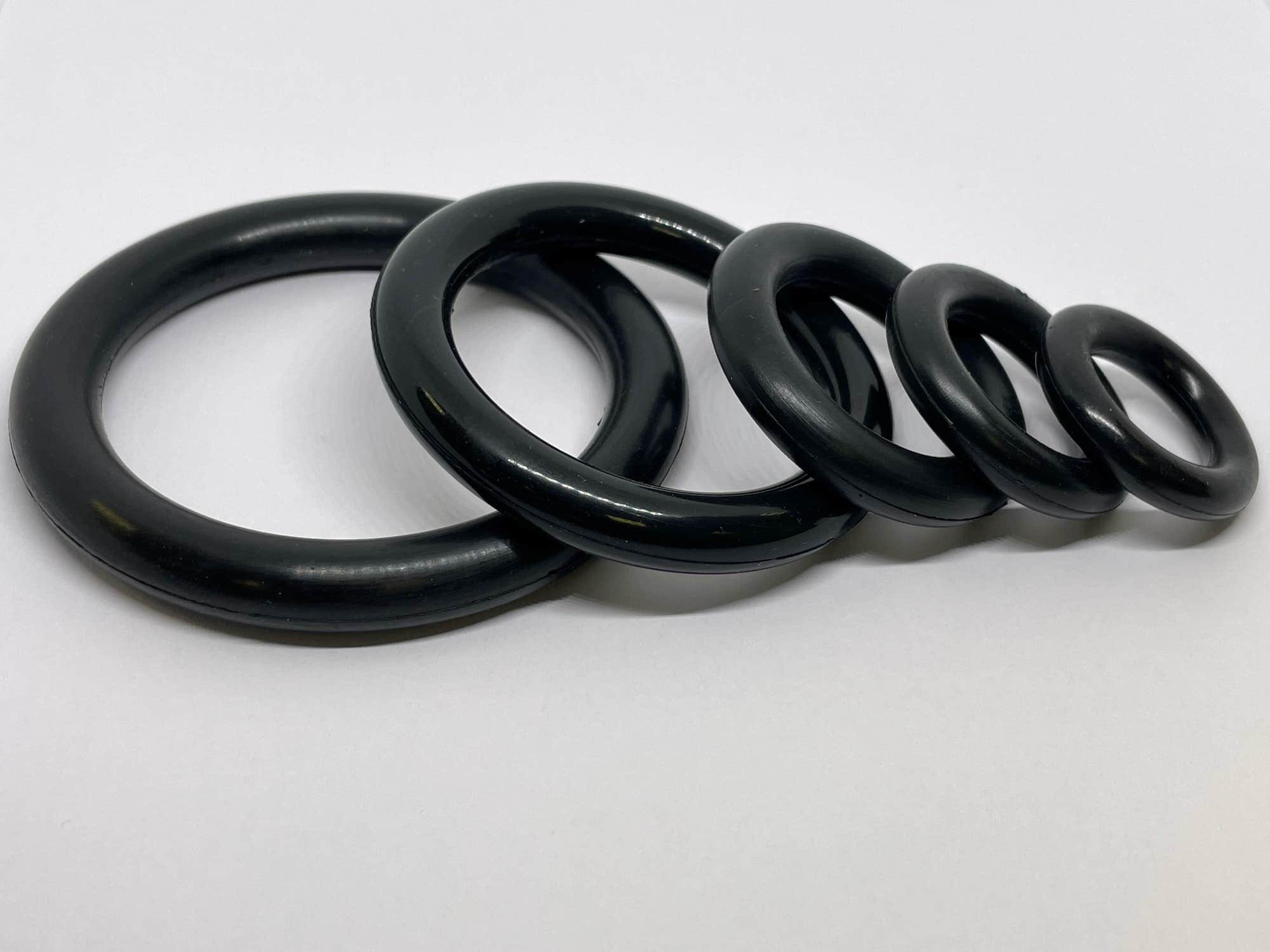
Engineering Capability
At Suzhou Baoshida Trading Co., Ltd., our engineering capability is anchored in deep technical expertise and a disciplined approach to industrial rubber formulation and mold design. We maintain a dedicated team of five certified mold engineers and two specialized rubber formula engineers, enabling us to deliver precision-engineered NVH (Noise, Vibration, and Harshness) solutions tailored for automotive applications. This integrated team structure allows seamless collaboration between material science and mechanical design, ensuring optimal performance, durability, and manufacturability of every rubber component we produce.
Our mold engineers possess extensive experience in 3D modeling, finite element analysis (FEA), and mold flow simulation, utilizing industry-leading CAD/CAM platforms such as UG NX, SolidWorks, and AutoCAD. They are responsible for designing high-precision molds that meet tight dimensional tolerances and complex geometrical requirements typical in modern automotive systems. Each mold undergoes rigorous virtual testing to predict deformation, shrinkage, and ejection behavior, minimizing trial iterations and accelerating time-to-market.
Complementing this mechanical expertise are our two in-house rubber formula engineers, who specialize in polymer chemistry and material behavior under dynamic loading conditions. They develop custom rubber compounds optimized for specific NVH performance metrics, including dynamic stiffness, damping coefficient, and temperature resilience. By controlling the formulation at the molecular level—adjusting elastomer base (NR, SBR, EPDM, NBR, etc.), filler content, vulcanization systems, and additive packages—we ensure consistent material properties that meet or exceed OEM specifications.
Our OEM capabilities are built on a foundation of technical autonomy and process control. We support full product development cycles—from concept and material selection to prototype validation and mass production—under strict confidentiality and IP protection protocols. This enables automotive Tier 1 suppliers and OEMs to outsource critical rubber component development with confidence in both innovation and compliance. We are fully equipped to reverse-engineer legacy parts, conduct failure analysis, and optimize existing designs for cost, weight, or performance improvements.
All engineering activities are supported by an ISO 9001-certified quality management system, with integrated documentation control, design failure mode and effects analysis (DFMEA), and production part approval process (PPAP) compliance. Our facility includes a fully equipped rubber testing laboratory for real-time validation of tensile strength, compression set, aging resistance, and dynamic mechanical analysis (DMA).
The synergy between our mold and formula engineering teams positions Suzhou Baoshida as a technically differentiated partner in the automotive NVH sector. We don’t just manufacture rubber parts—we engineer system-level solutions that enhance vehicle comfort, safety, and longevity.
Key Engineering Specifications
| Parameter | Capability |
|---|---|
| Mold Design Software | UG NX, SolidWorks, AutoCAD, Moldflow |
| Design Tolerance | ±0.05 mm (critical dimensions) |
| Rubber Compound Development | In-house formulation for NR, SBR, EPDM, NBR, MVQ |
| Dynamic Properties Testing | DMA, Shore A Hardness, Compression Set (ASTM) |
| FEA & Simulation | Structural, Thermal, and Mold Flow Analysis |
| OEM Documentation Support | DFMEA, PPAP, Control Plan, 2D/3D Drawings |
| Sample Development Lead Time | 15–25 days (from design to functional prototype) |
Customization Process
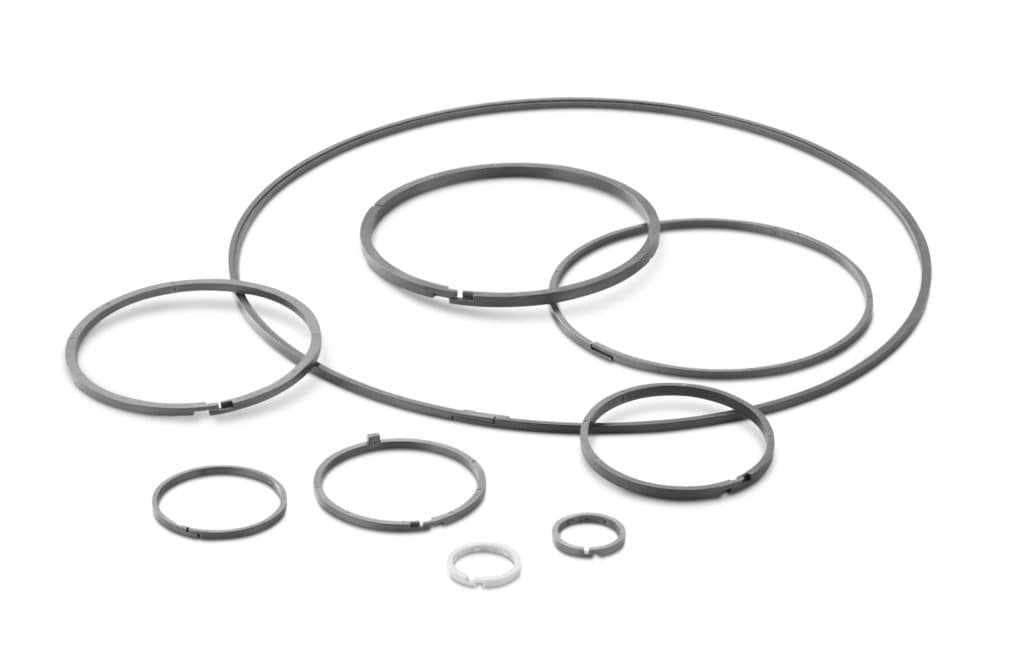
Customization Process for Automotive NVH Rubber Components
At Suzhou Baoshida Trading Co., Ltd., our NVH (Noise, Vibration, Harshness) rubber component customization follows a rigorously defined engineering workflow to ensure optimal performance in automotive applications. This process begins with comprehensive drawing analysis, where our engineering team scrutinizes OEM technical specifications, focusing on dimensional tolerances, geometric dimensioning and tolerancing (GD&T), and functional interfaces. Critical parameters such as load-bearing requirements, dynamic stress points, and environmental exposure zones are mapped to material behavior models. This phase includes feasibility assessment against ISO/TS 16949 standards, identifying potential manufacturability constraints early to prevent downstream delays.
Material formulation constitutes the scientific core of our NVH solution development. Leveraging proprietary compound databases and dynamic mechanical analysis (DMA), we select base polymers—typically EPDM, HNBR, or specialized silicone blends—tailored to target frequency damping ranges and thermal stability demands. Key additives like nano-silica for hysteresis control, high-purity zinc oxide for cure kinetics, and custom plasticizers for low-temperature flexibility are precisely dosed. Each formulation undergoes iterative lab-scale validation against ASTM D2000 material classes, with adjustments made to achieve the exact Shore A hardness, compression set, and fluid resistance required.
Prototyping transitions validated compounds into physical components via precision molding techniques. Utilizing multi-cavity molds with real-time cavity pressure sensors, we produce First Article Testing (FAT) samples under controlled process parameters. These prototypes undergo rigorous NVH bench testing, including modal analysis on shaker tables and thermal cycling from -40°C to +150°C. Critical characteristics like resonant frequency shift, dynamic stiffness, and fatigue life are measured against OEM targets. Statistical Process Control (SPC) data from this stage informs final process window optimization prior to PPAP submission.
Mass production deployment integrates all validated parameters into our automated molding lines, featuring closed-loop temperature and pressure control systems. Every batch undergoes 100% automated vision inspection for dimensional conformity, coupled with in-line Shore hardness and weight verification. Material traceability is maintained through blockchain-secured batch records, with annual re-validation of critical properties. Suzhou Baoshida’s production cells operate under IATF 16949-certified protocols, ensuring consistent delivery of components meeting OEM durability thresholds exceeding 150,000 km equivalent road testing.
Critical NVH Rubber Performance Specifications
| Property | Target Range | Test Standard | Application Relevance |
|---|---|---|---|
| Shore A Hardness | 50–85 ±3 points | ASTM D2240 | Vibration isolation efficiency |
| Temperature Range | -50°C to +150°C | ISO 188 | Engine bay/component longevity |
| Tensile Strength | ≥12 MPa | ASTM D412 | Mount structural integrity |
| Compression Set (22h/70°C) | ≤25% | ASTM D395 | Long-term sealing performance |
| Fluid Resistance (Brake Fluid) | Volume Swell ≤15% | ASTM D471 | Compatibility with automotive fluids |
This systematic approach—from drawing interrogation to high-volume manufacturing—ensures Suzhou Baoshida delivers NVH components that meet exacting automotive acoustic and durability requirements while minimizing total cost of ownership for OEM partners.
Contact Engineering Team

Contact Suzhou Baoshida for Advanced NVH Rubber Solutions
For automotive manufacturers and Tier-1 suppliers committed to superior noise, vibration, and harshness (NVH) performance, Suzhou Baoshida Trading Co., Ltd. stands as a strategic partner in industrial rubber engineering. Our expertise in custom elastomer formulations and precision-molded components ensures optimal damping characteristics, durability, and compliance with OEM specifications. Whether you are developing next-generation powertrain mounts, suspension bushings, or acoustic barriers, our technical team delivers engineered rubber solutions tailored to your dynamic load, temperature, and frequency requirements.
To initiate collaboration or request material data, contact Mr. Boyce, OEM Account Manager and Rubber Formula Engineer, directly at [email protected]. With over 14 years of experience in rubber compounding and automotive NVH applications, Mr. Boyce leads technical consultations, formulation development, and production scaling for global clients. He ensures seamless integration of Baoshida’s rubber components into your manufacturing workflow, from prototype validation to volume supply.
Our facility in Suzhou operates under ISO 9001 and IATF 16949 standards, equipped with state-of-the-art mixing, molding, and testing equipment. We specialize in EPDM, NBR, HNBR, silicone, and fluororubber compounds, with Shore A hardness ranging from 30 to 90. Each formulation is optimized for compression set resistance, oil/fuel resistance, thermal stability, and dynamic fatigue life. Our in-house lab conducts rigorous testing per ASTM and ISO protocols, including dynamic mechanical analysis (DMA), aging studies, and creep evaluation.
Partnering with Suzhou Baoshida means access to full technical documentation, including material safety data sheets (MSDS), RoHS/REACH compliance reports, and aging performance curves. We support rapid prototyping with 3D-printed molds and short-run production, enabling fast iteration for NVH tuning. For high-volume OEM programs, we offer JIT delivery and vendor-managed inventory systems to align with lean manufacturing principles.
Below are key technical capabilities relevant to automotive NVH applications:
| Parameter | Specification Range |
|---|---|
| Shore A Hardness | 30–90 |
| Temperature Resistance | -50°C to +250°C (compound dependent) |
| Tensile Strength | 8–25 MPa |
| Elongation at Break | 200–600% |
| Compression Set (70 hrs, 100°C) | ≤25% (typical) |
| Dynamic Modulus (10 Hz, 23°C) | 2–15 MPa |
| Damping Coefficient (tan δ) | 0.15–0.45 (adjustable per frequency profile) |
| OEM Standards Compliance | GM, Ford, Toyota, VW Group, BMW, and Honda |
All formulations are developed in alignment with OEM material specifications and environmental regulations. Suzhou Baoshida does not engage in off-the-shelf sales; every compound is engineered to meet the exact mechanical and environmental demands of your application.
Initiate your project with confidence. Contact Mr. Boyce today at [email protected] to discuss material selection, performance targets, or sample requests. We respond to all technical inquiries within 12 business hours.
⚖️ O-Ring Weight Calculator
Estimate rubber O-ring weight (Approx).