
Technical Contents
Engineering Guide: O-Ring Conveyor
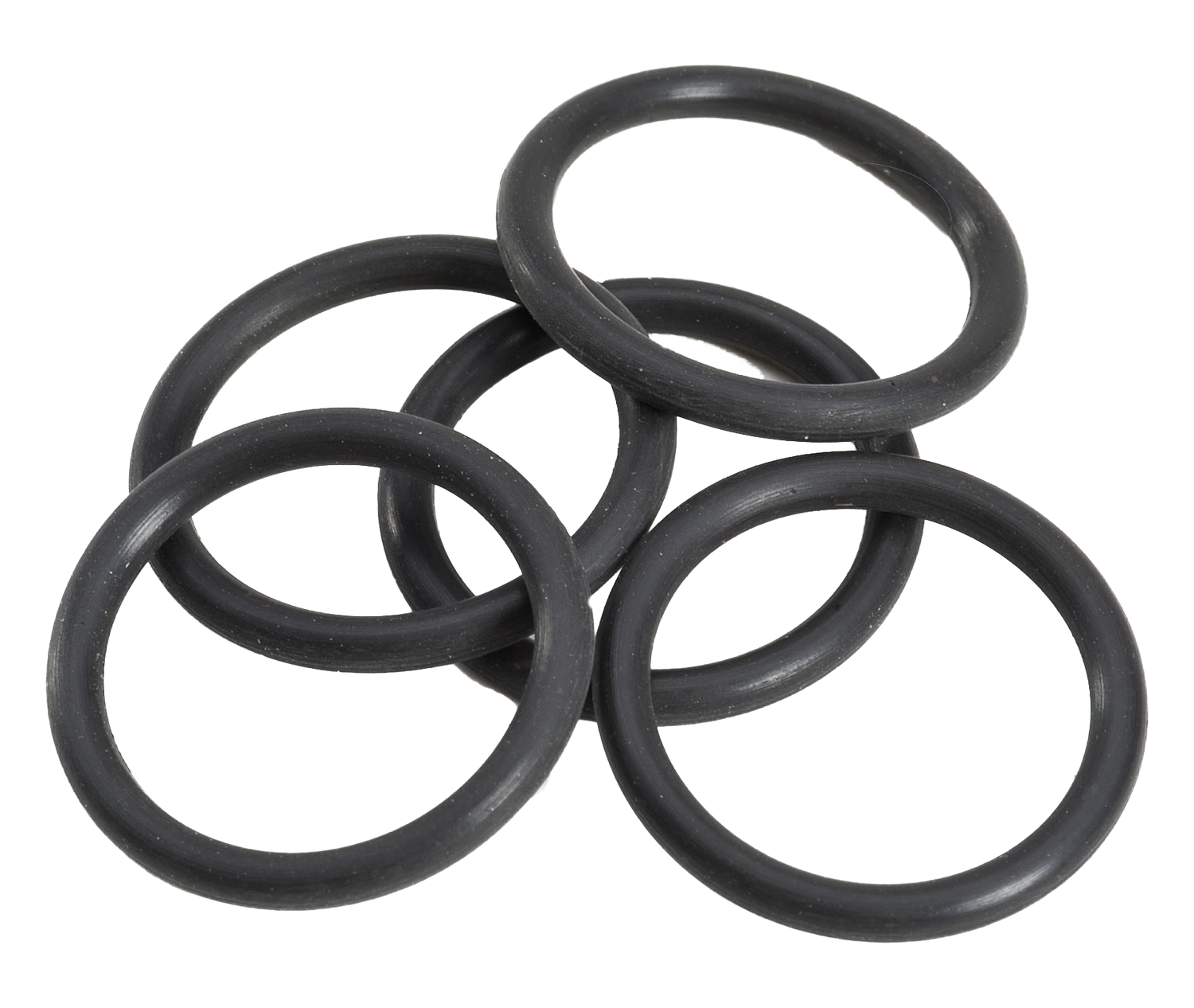
Engineering Insight: Material Selection in O-Ring Conveyor Applications
In industrial conveyor systems, O-rings serve as critical sealing components that ensure mechanical integrity, reduce friction, and maintain operational continuity under dynamic conditions. While standard O-rings may appear interchangeable, their performance in conveyor applications is highly dependent on precise material selection. Off-the-shelf solutions often fail because they are designed for general-purpose use and lack the tailored resistance required for the unique thermal, chemical, and mechanical stresses encountered in conveyor environments.
Conveyor O-rings operate under continuous motion, frequent impacts, and exposure to environmental contaminants such as oils, dust, moisture, and cleaning agents. The failure of an O-ring in such a setting can lead to downtime, increased maintenance costs, and compromised product quality. Common failure modes include compression set, extrusion, swelling, and thermal degradation—each of which can be directly linked to inappropriate elastomer selection.
For example, nitrile rubber (NBR) offers excellent resistance to oils and fuels and is commonly used in hydraulic and pneumatic systems. However, when deployed in high-temperature conveyor environments or exposed to ozone-rich atmospheres, NBR degrades rapidly due to poor UV and thermal stability. Conversely, ethylene propylene diene monomer (EPDM) excels in ozone and steam resistance but swells significantly in the presence of hydrocarbon oils, making it unsuitable for lubricated conveyor systems.
Fluoroelastomers (FKM) provide a broader performance envelope, with high resistance to heat, oils, and many chemicals. However, their higher cost and reduced flexibility at low temperatures make them impractical for applications where cost-efficiency and flexibility are prioritized over extreme chemical resistance.
Silicone rubber (VMQ) offers exceptional thermal stability across a wide range but lacks the mechanical strength and abrasion resistance required in high-load conveyor systems. Therefore, while it may resist temperature extremes, it will wear prematurely under mechanical stress.
The key to reliability lies in matching the elastomer’s chemical structure and physical properties to the operational parameters of the conveyor system. This includes not only the media exposure and temperature range but also dynamic factors such as compression, elongation, and cyclic loading.
At Suzhou Baoshida Trading Co., Ltd., we specialize in precision rubber seals engineered for specific industrial demands. Our application-driven approach ensures that each O-ring conveyor component is formulated to withstand its intended service environment, reducing failure risk and extending service life.
Below is a comparative overview of common elastomers used in conveyor O-rings:
| Material | Temperature Range (°C) | Oil Resistance | Ozone Resistance | Abrasion Resistance | Typical Use Case |
|---|---|---|---|---|---|
| NBR | -30 to +100 | Excellent | Poor | Good | Oil-lubricated systems |
| EPDM | -50 to +150 | Poor | Excellent | Moderate | Steam, water, outdoor |
| FKM | -20 to +200 | Excellent | Excellent | Good | High-temp chemical exposure |
| VMQ | -60 to +230 | Fair | Excellent | Poor | High-temp, low-stress |
Material selection is not a one-size-fits-all decision. Precision engineering demands a systematic evaluation of all operational variables to ensure long-term reliability in O-ring conveyor systems.
Material Specifications

Material Specifications for O-Ring Conveyor Seals
Precision material selection is paramount in o-ring conveyor applications where seal integrity directly impacts system efficiency, safety, and operational lifespan. At Suzhou Baoshida Trading Co., Ltd., our engineered rubber compounds undergo rigorous testing to ensure compliance with ASTM D2000 and ISO 3601 standards, addressing dynamic stresses, chemical exposure, and thermal cycling inherent in industrial conveyor environments. The following analysis details three critical elastomers: Viton (FKM), Nitrile (NBR), and Silicone (VMQ), each optimized for distinct operational demands.
Viton (FKM)
Viton’s fluorocarbon backbone delivers exceptional resistance to high-temperature degradation, aggressive chemicals, and hydrocarbon-based fluids. With a continuous service range of -20°C to 230°C, it withstands prolonged exposure to mineral oils, fuels, and aromatic solvents without significant swelling or hardening. Its low compression set (<20% at 200°C for 70 hours) ensures reliable sealing force retention in high-heat conveyor drive systems, such as those in automotive paint curing ovens or chemical processing lines. However, cost considerations necessitate strategic deployment where NBR or silicone prove insufficient.
Nitrile (NBR)
Nitrile remains the industry standard for general-purpose conveyor sealing due to its optimal balance of oil resistance, abrasion tolerance, and cost efficiency. Operating effectively between -30°C and 120°C, it excels in hydraulic and pneumatic systems handling aliphatic hydrocarbons, water-glycol fluids, and moderate concentrations of acids or bases. Our high-acrylonitrile formulations achieve Shore A 70–90 hardness, providing robust extrusion resistance in high-pressure zones. While vulnerable to ozone and ketones, NBR’s rapid compression set recovery (<30% at 100°C) makes it ideal for food-grade conveyors and packaging machinery under FDA 21 CFR 177.2600 compliance.
Silicone (VMQ)
Silicone offers unparalleled flexibility across extreme temperatures (-60°C to 200°C), making it indispensable for cryogenic or high-heat conveyor applications where thermal shock resistance is critical. Its inherent biocompatibility and low toxicity align with stringent FDA/USP Class VI requirements for pharmaceutical and food processing conveyors. Though exhibiting moderate tensile strength and poor resistance to concentrated acids, silicone’s exceptional ozone/weathering stability prevents cracking in outdoor conveyor systems. Compression set values typically remain below 25% at 150°C, ensuring long-term sealing in vacuum or steam environments.
Material Performance Comparison
| Material | Temperature Range (°C) | Key Chemical Resistances | Typical Hardness (Shore A) | Compression Set @ Max Temp (70h) |
|---|---|---|---|---|
| Viton (FKM) | -20 to 230 | Aromatic hydrocarbons, fuels, acids, ketones | 65–90 | <20% @ 200°C |
| Nitrile (NBR) | -30 to 120 | Aliphatic oils, water, hydraulic fluids | 70–90 | <30% @ 100°C |
| Silicone (VMQ) | -60 to 200 | Water, steam, ozone, mild acids/bases | 40–80 | <25% @ 150°C |
Material selection must align with fluid compatibility, thermal profiles, and regulatory constraints. Suzhou Baoshida’s OEM engineering team leverages this data to customize formulations—such as hydrogenated NBR (HNBR) for enhanced heat resistance or fluorosilicone blends for fuel exposure—ensuring conveyor seals meet exacting operational tolerances. Partner with us to deploy precision-engineered solutions that minimize downtime and extend service life across your material handling ecosystem.
Manufacturing Capabilities
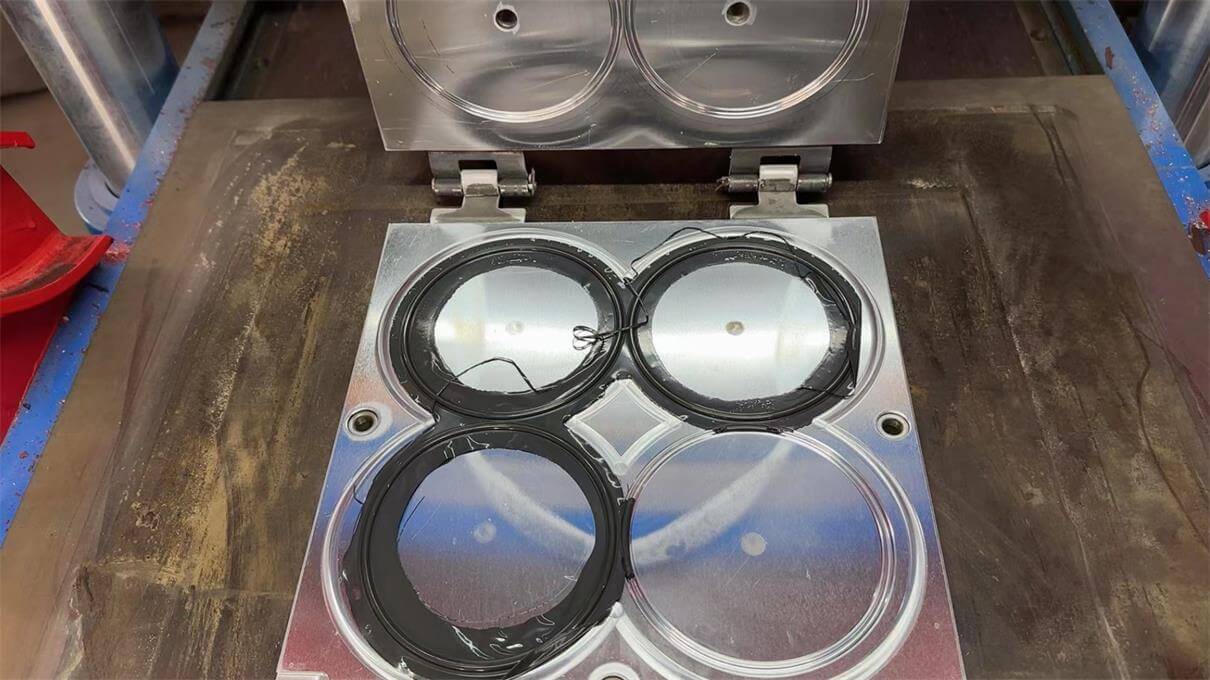
Suzhou Baoshida Trading Co., Ltd. operates at the forefront of precision rubber engineering, delivering high-performance sealing solutions tailored to the rigorous demands of industrial automation and conveyor systems. Our Engineering Capability is anchored in a dedicated team of 5 Mould Engineers and 2 certified Rubber Formula Engineers, enabling us to provide fully integrated OEM services from concept to mass production. This technical synergy allows us to control every critical parameter in the development of o-ring conveyor seals, ensuring dimensional accuracy, material resilience, and long-term operational reliability.
Our Mould Engineers specialize in precision tooling design for rubber compression and transfer moulding processes. Utilizing advanced CAD/CAM software and CNC machining protocols, they ensure tight tolerance control (±0.05 mm) and consistent part geometry across complex sealing profiles. Each mould is engineered for optimal material flow, minimizing flash and reducing post-moulding finishing requirements—critical for high-volume OEM supply chains. Finite Element Analysis (FEA) is routinely applied to predict deformation under load, ensuring mechanical stability in dynamic conveyor environments.
Complementing this is our in-house Rubber Formulation capability. Our two senior Formula Engineers possess extensive experience in polymer chemistry, focusing on NBR, EPDM, FKM, and silicone-based compounds tailored for specific industrial conditions. Each formulation is developed to meet exact performance criteria such as abrasion resistance, temperature stability (from -40°C to +250°C), and resistance to oils, ozone, and UV exposure. This level of material customization ensures that our o-ring conveyor seals maintain integrity under continuous cyclic stress, misalignment, and exposure to contaminants common in material handling systems.
We support full OEM collaboration, offering design-for-manufacturability (DFM) reviews, rapid prototyping, and qualification testing per ASTM and ISO standards. Clients benefit from accelerated product development cycles and seamless scale-up to high-volume production, backed by our ISO 9001-certified quality management system.
The following table outlines key engineering specifications and capabilities relevant to our o-ring conveyor seal manufacturing:
| Parameter | Specification |
|---|---|
| Mould Tolerance | ±0.05 mm |
| Standard Materials | NBR, EPDM, FKM, Silicone, HNBR |
| Hardness Range (Shore A) | 50–90 |
| Operating Temperature Range | -40°C to +250°C (material-dependent) |
| Compression Set (ASTM D395) | ≤20% after 70 hrs at 100°C |
| Tensile Strength | 8–18 MPa (depending on compound) |
| Elongation at Break | 200–500% |
| OEM Design Support | Full DFM, 3D modelling, prototyping, testing |
| Tooling Lead Time | 15–25 days (prototype), 30–45 days (production) |
| Production Cycle Time | 60–180 seconds per cycle (automated lines) |
This engineering depth enables Suzhou Baoshida to deliver o-ring conveyor seals that exceed performance expectations in demanding industrial applications. Our integrated approach ensures that every component is not only dimensionally and chemically optimized but also aligned with the client’s operational lifecycle requirements.
Customization Process

Customization Process for O-Ring Conveyor Seals at Suzhou Baoshida Trading Co., Ltd.
Precision O-ring conveyor seals demand rigorous customization to withstand dynamic stresses, continuous operation, and environmental exposure inherent in material handling systems. At Suzhou Baoshida, our engineering-driven workflow ensures optimal performance through four sequential phases, eliminating guesswork and mitigating field failure risks.
Drawing Analysis initiates the process with meticulous dimensional and tolerance validation against conveyor-specific operational demands. We scrutinize cross-sectional geometry, groove compatibility, and dynamic sealing interfaces to prevent extrusion under belt tension or misalignment. Critical parameters such as inner diameter tolerance (±0.1 mm for ID <50 mm), surface finish requirements (Ra ≤ 0.8 µm), and edge contour specifications are cross-referenced with ISO 3601 standards. This phase identifies potential stress concentrators in high-flex zones, ensuring the design accommodates cyclic compression without permanent set.
Formulation follows, where our rubber chemists select and compound elastomers based on the conveyor’s chemical exposure, temperature profile, and mechanical load. Nitrile (NBR) remains prevalent for oil-resistant applications, while hydrogenated nitrile (HNBR) or fluorocarbon (FKM) polymers address elevated temperatures (>150°C) or aggressive cleaners. Key additives—reinforcing silica for abrasion resistance, antioxidant packages for ozone stability, and controlled plasticizer levels for low-temperature flexibility—are quantified via rheometry and DSC analysis. Every batch targets precise Shore A hardness (70±5) and tensile strength (≥15 MPa) to balance resilience and sealing force.
Prototyping validates the formulation through accelerated life testing under simulated conveyor conditions. Seals undergo 50,000+ compression cycles at 25% deflection, dynamic friction assessment against common belt materials (PVC, rubber-coated steel), and chemical immersion per ASTM D471. Dimensional stability is verified via CMM after thermal aging (70°C × 72h). Iterative adjustments refine the compound until compression set remains ≤20% and no surface cracking occurs.
Mass Production leverages validated tooling and strict process controls. Injection molding parameters—cavity pressure (1200±50 bar), cure time (t90 + 15s), and temperature uniformity (±2°C)—are monitored in real-time. Each lot undergoes 100% visual inspection for flash or voids and statistical sampling for dimensional conformance. Final validation includes batch-level testing per ASTM D2000, with certificates of compliance documenting hardness, tensile properties, and fluid resistance.
The following table summarizes critical specifications for conveyor O-rings:
| Property | Test Method | Typical Value | Conveyor Relevance |
|---|---|---|---|
| Hardness (Shore A) | ASTM D2240 | 70 ± 5 | Balances sealing force & extrusion resistance |
| Tensile Strength | ASTM D412 | ≥15 MPa | Withstands belt tension cycles |
| Compression Set (22h/70°C) | ASTM D395 | ≤20% | Maintains sealing force after prolonged use |
| Abrasion Loss (Taber) | ASTM D3884 | ≤80 mg/1000 cycles | Resists wear from belt friction |
| Fluid Resistance (IRM 903) | ASTM D471 | Volume swell ≤15% | Critical for oil/grease exposure |
This systematic approach ensures Suzhou Baoshida’s O-rings deliver consistent sealing integrity in conveyor systems, reducing downtime and extending service life through scientifically validated material science and precision manufacturing.
Contact Engineering Team

For industrial manufacturers seeking high-performance rubber sealing solutions, Suzhou Baoshida Trading Co., Ltd. stands at the forefront of precision engineering and OEM supply for o-ring conveyor systems. Specializing in advanced elastomer formulations and custom sealing technologies, we deliver mission-critical components that ensure reliability, longevity, and operational efficiency across demanding environments. Our expertise spans material science, dynamic sealing mechanics, and industrial automation integration, positioning us as a trusted partner for global manufacturers in automotive, aerospace, food processing, pharmaceuticals, and heavy machinery sectors.
Our o-ring conveyor seals are engineered to withstand extreme temperatures, aggressive media exposure, continuous mechanical stress, and stringent hygiene requirements. Each product is developed under ISO 9001-certified quality protocols, ensuring dimensional accuracy, consistent durometer ratings, and superior resistance to compression set, extrusion, and wear. We utilize a broad spectrum of rubber compounds including Nitrile (NBR), Ethylene Propylene Diene Monomer (EPDM), Fluorocarbon (FKM/Viton®), Silicone (VMQ), and specialty blends tailored to customer specifications.
To support seamless integration into existing conveyor architectures, we provide comprehensive technical documentation, tolerance analysis, and lifecycle performance data. Our engineering team collaborates directly with OEMs to optimize seal geometry, surface finish compatibility, and installation protocols—ensuring minimal downtime and maximum sealing integrity.
Below is a representative specification profile for a standard o-ring conveyor seal manufactured under our precision control process:
| Parameter | Specification |
|---|---|
| Material | Hydrogenated Nitrile Butadiene Rubber (HNBR) |
| Hardness (Shore A) | 70 ±5 |
| Inner Diameter (ID) | 25.4 mm |
| Cross Section (CS) | 3.5 mm |
| Temperature Range | -30°C to +150°C |
| Tolerance Grade | AS568C Class I |
| Fluid Resistance | Oils, greases, water, HFA/HFB hydraulic fluids |
| Color | Black |
| Compression Set (24h @ 100°C) | ≤20% |
| Application | Conveyor pivot joints, drive shafts, tensioning units |
All specifications are customizable based on operational demands and regulatory standards such as FDA, EC1935/2004, or USP Class VI where applicable.
To initiate a technical consultation or request a quotation for o-ring conveyor seals, contact Mr. Boyce, OEM Account Manager at Suzhou Baoshida Trading Co., Ltd. Mr. Boyce leads our industrial client engagement team with over 12 years of experience in rubber formulation and sealing dynamics. He is available to discuss material selection, volume production scheduling, testing protocols, and logistics coordination tailored to your manufacturing timeline.
Direct inquiries to [email protected]. Include detailed application parameters such as operating environment, media exposure, cycle frequency, and dimensional requirements to receive a technically validated proposal within 24 business hours. For urgent requests, indicate “Priority Engineering Review” in the subject line.
Suzhou Baoshida Trading Co., Ltd. operates from Jiangsu Province, China, with export compliance certification for North American, European, and APAC markets. We support Just-in-Time (JIT) delivery models and maintain strategic warehouse partnerships to ensure supply chain resilience.
Partner with us to elevate your conveyor system’s reliability through scientifically engineered rubber seals. Contact Mr. Boyce today for precision you can measure.
⚖️ O-Ring Weight Calculator
Estimate rubber O-ring weight (Approx).