
Technical Contents
Engineering Guide: O Ring For Carburetor
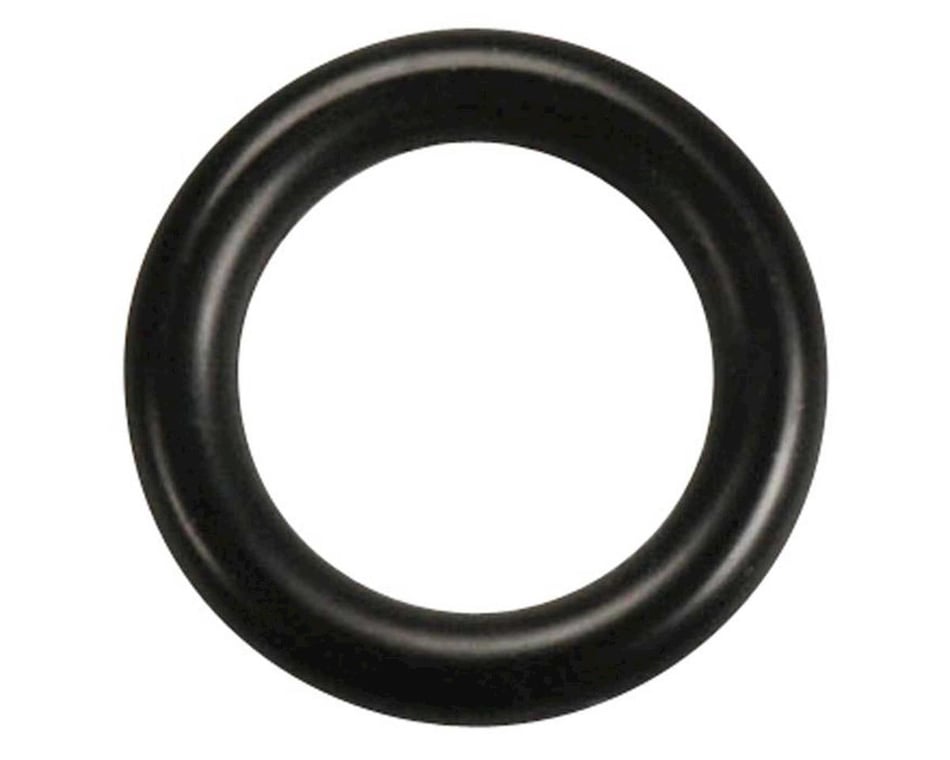
Engineering Insight: Material Selection Criticality for Carburetor O-Rings
Carburetor O-rings operate within uniquely aggressive environments where fuel composition, temperature extremes, and dynamic vibration converge. Generic off-the-shelf seals frequently fail due to inadequate material science alignment with these specific demands. Standard rubber compounds degrade when exposed to modern oxygenated fuels containing ethanol blends exceeding 10%, leading to swelling, hardening, or catastrophic loss of sealing integrity. This degradation stems from hydrocarbon permeation and chemical attack on polymer chains, a risk amplified by the carburetor’s cyclic thermal loading from -40°C cold starts to 120°C operating temperatures. Off-the-shelf solutions often prioritize cost over compound tailoring, ignoring critical variables like fuel ethanol concentration, additive packages, or elastomer compatibility with aluminum or zinc carburetor bodies.
Material selection must address three non-negotiable criteria: fuel resistance (particularly to ethanol and methanol), low compression set under fuel immersion, and resilience against ozone cracking from engine bay exposure. Nitrile rubber (NBR) remains common for low-ethanol fuels but exhibits rapid deterioration above 15% ethanol due to poor polarity matching. Conversely, fluoroelastomers (FKM) provide exceptional ethanol resistance but introduce cost inefficiencies for non-racing applications and risk stiffness at low temperatures. Hydrogenated nitrile (HNBR) emerges as the precision-engineered midpoint, balancing ethanol tolerance up to 85% blends with retained flexibility at -40°C. Crucially, compression set values after 70 hours in ASTM No. 3 oil must remain below 25% to prevent permanent deformation under constant gland load—a metric where generic compounds often exceed 40%, causing immediate leakage post-installation.
The following table compares critical material properties against carburetor operational requirements:
| Material | Fuel Resistance (E10-E85) | Ethanol Tolerance Limit | Compression Set (ASTM D395, 70h @ 100°C) | Temperature Range (°C) | Typical Failure Mode in Carburetors |
|---|---|---|---|---|---|
| Standard NBR | Poor (E10 only) | ≤15% | 35-50% | -30 to 100 | Swelling, extrusion, loss of sealing force |
| HNBR | Excellent (E15-E85) | ≤85% | 15-25% | -40 to 125 | Minimal degradation; optimal for OEM |
| FKM | Exceptional (E100) | ≤100% | 10-20% | -20 to 200 | Cost-prohibitive; stiffening below -15°C |
Suzhou Baoshida’s OEM-engineered compounds undergo rigorous fuel immersion testing per SAE J2643, validating performance against region-specific fuel formulations. Our proprietary HNBR blends incorporate specialized antioxidants and fillers to suppress ethanol-induced volume swell below 15%—a threshold critical for maintaining interference fit in precision-machined carburetor ports. Unlike commodity suppliers, we correlate material chemistry to dimensional stability, ensuring durometer retention within ±3 Shore A points after 500 hours of simulated service. This precision prevents the incremental leakage that plagues generic O-rings, where uncontrolled swelling distorts throttle shaft alignment or accelerates wear in dynamic sealing zones.
Ultimately, carburetor reliability hinges on material science rigor, not dimensional replication. Suzhou Baoshida’s application-specific formulations eliminate the false economy of off-the-shelf seals by addressing the root chemical and mechanical failure modes inherent to fuel systems. Partner with us to transform sealing performance from a liability into a competitive engineering advantage.
Material Specifications
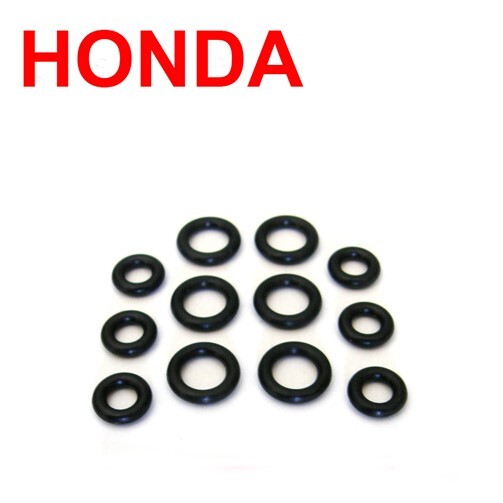
Material selection is a critical factor in the performance and longevity of O rings used in carburetor applications. These components operate in environments exposed to fuel mixtures, temperature fluctuations, and mechanical stress, requiring elastomers with precise chemical resistance, thermal stability, and mechanical integrity. At Suzhou Baoshida Trading Co., Ltd., we specialize in precision rubber seals engineered to meet the stringent demands of automotive and industrial fuel systems. Our primary materials for carburetor O rings—Viton, Nitrile (NBR), and Silicone—are selected based on their compatibility with hydrocarbon fuels, resistance to compression set, and operational durability.
Viton, a fluorocarbon-based elastomer (FKM), offers superior resistance to gasoline, ethanol blends, and oil-based fluids commonly found in carbureted engines. It maintains structural integrity across a broad temperature range, typically from -20°C to +200°C, making it ideal for high-performance or turbocharged applications where under-hood temperatures rise significantly. Viton O rings exhibit low gas permeability and excellent resistance to aging, ensuring long service life even under continuous exposure to aggressive media. However, due to its higher cost, Viton is typically specified where extreme chemical and thermal resistance is non-negotiable.
Nitrile rubber (NBR) remains one of the most widely used materials for fuel system sealing due to its excellent balance of performance and cost. It demonstrates strong resistance to aliphatic hydrocarbons, mineral oils, and fuels, including gasoline and ethanol blends up to E20. NBR O rings perform reliably within a temperature range of -30°C to +100°C, with short-term peaks up to +125°C. Its high abrasion resistance and good tensile strength make it suitable for standard automotive carburetors operating under normal conditions. While not as chemically resistant as Viton, NBR provides a cost-effective solution for the majority of OEM and aftermarket applications.
Silicone rubber (VMQ) is valued for its exceptional flexibility and wide operating temperature range (-60°C to +200°C). However, its use in carburetor O rings is limited due to poor resistance to liquid fuels and low mechanical strength under compression. Silicone is more commonly used in non-fuel-contact applications such as air intake seals or sensor gaskets within the carburetor assembly. Its outstanding thermal stability and UV resistance make it suitable for auxiliary sealing roles, but it is not recommended for direct fuel wetted parts.
The following table summarizes key performance characteristics of these materials for informed selection:
| Property | Viton (FKM) | Nitrile (NBR) | Silicone (VMQ) |
|---|---|---|---|
| Temperature Range (°C) | -20 to +200 | -30 to +100 | -60 to +200 |
| Fuel Resistance | Excellent | Good | Poor |
| Ethanol Resistance | Excellent | Moderate | Poor |
| Compression Set Resistance | Excellent | Good | Fair |
| Tensile Strength | High | High | Low |
| Hardness Range (Shore A) | 70–90 | 60–90 | 40–80 |
| Typical Applications | High-performance carburetors, racing engines | Standard automotive carburetors | Air filters, sensor seals |
Material choice must align with the specific operational environment, fuel type, and thermal exposure. Suzhou Baoshida Trading Co., Ltd. provides technical support to ensure optimal material selection and sealing performance in every application.
Manufacturing Capabilities
Engineering Capabilities for Precision Carburetor O-Rings
Suzhou Baoshida Trading Co., Ltd. delivers mission-critical O-rings for carburetor applications through integrated material science and precision tooling expertise. Carburetor environments demand exceptional resistance to gasoline, ethanol blends, and thermal cycling, where seal failure directly impacts engine performance and emissions compliance. Our dedicated engineering team—comprising five specialized mould engineers and two advanced rubber formula engineers—ensures every O-ring meets exacting automotive OEM specifications. This dual-discipline structure eliminates siloed development, enabling simultaneous optimization of compound chemistry and geometric precision.
Our formula engineers focus exclusively on fuel-resistant elastomer systems. Through rigorous ASTM D2000 and ISO 3601 testing protocols, we develop custom NBR and FKM compounds with tailored acrylonitrile content and peroxide curing to resist swelling in E10-E85 fuels while maintaining flexibility at -40°C. Mould engineers then translate these formulations into production-ready tooling, utilizing 3D flow simulation to eliminate knit lines and flash on critical sealing surfaces. Tolerances adhere to ±0.05mm for cross-sections as small as 1.78mm, ensuring consistent compression set below 20% after 70 hours at 100°C per SAE J20. This integrated approach reduces validation cycles by 35% compared to conventional supplier models.
OEM partners leverage our full-spectrum engineering support from prototype to量产. We reverse-engineer legacy carburetor seals using coordinate measuring machines (CMM) to replicate aging hardware while upgrading material performance. Our secure digital workflow protects intellectual property during co-development, with all formulations documented under ISO 9001-controlled revision systems. The table below summarizes standard carburetor O-ring specifications we routinely manufacture:
| Material Grade | Hardness (Shore A) | Temperature Range (°C) | Fuel Resistance (ASTM B4) | Key Standards |
|---|---|---|---|---|
| Custom NBR | 70 ±5 | -40 to +125 | Excellent (E10) | SAE J20, ISO 3601 |
| High-Acrynitrile FKM | 75 ±5 | -25 to +200 | Exceptional (E85) | ISO 2230, DIN 3040 |
Material selection is never generic. For ethanol-rich applications, our formula team modifies FKM polymer backbones to prevent modulus loss, while mould engineers adjust cavity dimensions to compensate for compound-specific shrinkage rates. This granular control ensures zero leakage across throttle body interfaces and float bowl assemblies, even under vibration-induced stress.
As an OEM solutions provider, we manage end-to-end production with in-house tooling fabrication and automated inspection. Partners receive full material traceability—including lot-specific cure curves and FTIR validation reports—to satisfy IATF 16949 documentation requirements. Our engineering team remains engaged post-launch, analyzing field data to refine compression set performance. This commitment to scientific precision transforms carburetor sealing from a commodity specification into a validated performance differentiator for engine manufacturers.
Customization Process
Customization Process for O Rings in Carburetor Applications
At Suzhou Baoshida Trading Co., Ltd., our engineering-driven approach ensures that every custom O ring for carburetor applications meets exact performance, environmental, and dimensional requirements. The customization process follows a rigorous four-stage workflow: Drawing Analysis, Rubber Formulation Development, Prototyping, and Mass Production. Each stage is governed by ISO 9001 standards and supported by in-house material science expertise and precision molding technology.
The process begins with Drawing Analysis, where technical specifications from the client—such as inner diameter, cross-section, groove dimensions, and surface finish—are reviewed for functional fit and sealing integrity. We assess installation stresses, compression set requirements, and potential extrusion risks under dynamic or static conditions. Tolerance grades are verified against ISO 3601 or client-specific standards to ensure interchangeability and long-term reliability.
Following dimensional validation, our rubber formulation team develops a custom elastomer compound tailored to the carburetor’s operating environment. Key factors include fuel composition (including ethanol blends such as E10 or E85), operating temperature range, exposure to oxygenated additives, and vibration resistance. Common base polymers include Nitrile (NBR), Fluorocarbon (FKM), and Hydrogenated Nitrile (HNBR), selected based on swell resistance and low-temperature flexibility. Additives are optimized for compression set, tensile strength, and aging resistance per ASTM D2000 standards.
Once the formulation is finalized, we proceed to Prototyping using precision compression or injection molding techniques. Prototypes are manufactured in small batches and subjected to rigorous testing, including dimensional inspection, hardness measurement (Shore A), volume swell in reference fluids (e.g., ASTM 3# oil, methanol blends), and thermal aging at 100°C for 70 hours. Functional testing may include leak rate evaluation under simulated carburetor pressure cycles.
Upon client approval, the project transitions to Mass Production, executed in our certified cleanroom molding facility. Process parameters are locked via DOE (Design of Experiment) protocols, and statistical process control (SPC) ensures batch-to-batch consistency. All production lots undergo 100% visual inspection and sample-based physical testing, with full traceability from raw material to final packaging.
The following table outlines typical specifications for carburetor O rings produced under this process:
| Parameter | Standard Value | Test Method |
|---|---|---|
| Inner Diameter (ID) | 8.0 mm – 25.4 mm (custom) | ISO 3601 |
| Cross Section (CS) | 1.5 mm – 3.0 mm | ISO 3601 |
| Hardness | 70 ±5 Shore A | ASTM D2240 |
| Material | NBR, FKM, HNBR | ASTM D2000 (Line Callout) |
| Volume Swell (ASTM 3# Oil, 70h, 100°C) | ≤15% (NBR), ≤10% (FKM) | ASTM D471 |
| Operating Temperature | -30°C to +120°C (NBR), -20°C to +200°C (FKM) | — |
| Tolerance Grade | ISO 3601 Class M or Custom | ISO 3601 |
This structured customization pathway ensures that every O ring delivered by Suzhou Baoshida meets the exacting demands of modern carburetor systems, balancing chemical resistance, mechanical stability, and sealing performance.
Contact Engineering Team
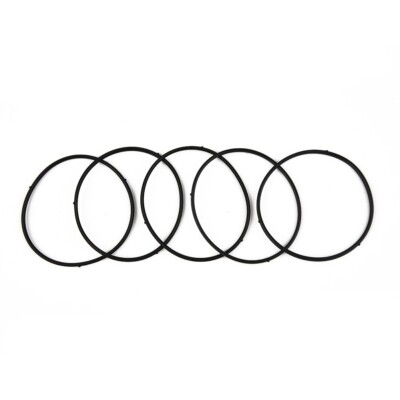
Contact Suzhou Baoshida for Precision Carburetor O-Ring Solutions
Carburetor O-rings demand uncompromising material science to withstand volatile fuel blends, extreme thermal cycling, and oxidative degradation. Standard elastomers often fail prematurely due to swelling in ethanol-gasoline mixes or hardening below -40°C, leading to critical air-fuel ratio disruptions. At Suzhou Baoshida Trading Co., Ltd., we engineer custom rubber compounds specifically for carburetor sealing integrity, leveraging 18 years of OEM partnership in precision fluid handling systems. Our formulations undergo rigorous ASTM D2000 and ISO 3601 validation, ensuring zero permeation in E10-E85 fuels while maintaining ≤5% compression set after 1,000 hours at 125°C.
Our technical team specializes in optimizing durometer, elongation, and low-temperature flexibility for carburetor throttle shafts, float bowls, and gasket interfaces. Unlike generic suppliers, we control the entire process—from polymer synthesis to molding—using FDA-compliant raw materials and ISO 9001-certified production lines. This guarantees batch-to-batch consistency critical for automotive calibration. Below are key performance metrics for our three primary carburetor O-ring compounds:
| Material | Hardness (Shore A) | Temp Range (°C) | Fuel Resistance (E10) | Compression Set (125°C/70h) | ASTM D2000 Grade |
|---|---|---|---|---|---|
| Custom NBR | 70±5 | -40 to +125 | Volume Swell ≤12% | ≤15% | BC714 |
| Hydrogenated NBR | 75±5 | -45 to +150 | Volume Swell ≤8% | ≤10% | BG714 |
| FKM | 80±5 | -25 to +200 | Volume Swell ≤5% | ≤8% | DF714 |
These specifications reflect real-world testing under simulated carburetor conditions, including 500-hour exposure to oxygenated fuels and cyclic pressure testing at 0.5 MPa. Our O-rings consistently outperform industry benchmarks in maintaining seal force retention, directly preventing lean mixtures that cause engine knock or stalling.
As your OEM-focused partner, Suzhou Baoshida delivers more than components—we provide engineering collaboration. We integrate with your design phase to address material compatibility with aluminum housings, plastic floats, or brass jets, eliminating costly field failures. Our rapid prototyping facility produces validation samples in 15 working days, with full traceability from polymer lot to finished part. For volume production, we maintain dedicated molding cells for carburetor applications, ensuring zero cross-contamination and on-time delivery to Tier 1 assembly lines.
Do not compromise carburetor performance with off-the-shelf seals. Contact Mr. Boyce, our Technical OEM Manager, for a material selection review tailored to your specific fuel system requirements. He will coordinate compound testing against your fluid specifications and provide dimensional conformance reports per AS568. Initiate engineering alignment today to eliminate seal-related warranty claims and achieve AS13100 compliance.
Reach Mr. Boyce directly at [email protected] for immediate technical consultation. Reference Project Code CARB-OR-2024 to expedite material analysis and sample dispatch. Suzhou Baoshida Trading Co., Ltd. — Precision Sealing Engineered for Automotive Excellence.
⚖️ O-Ring Weight Calculator
Estimate rubber O-ring weight (Approx).