
Technical Contents
Engineering Guide: O-Ring Switches
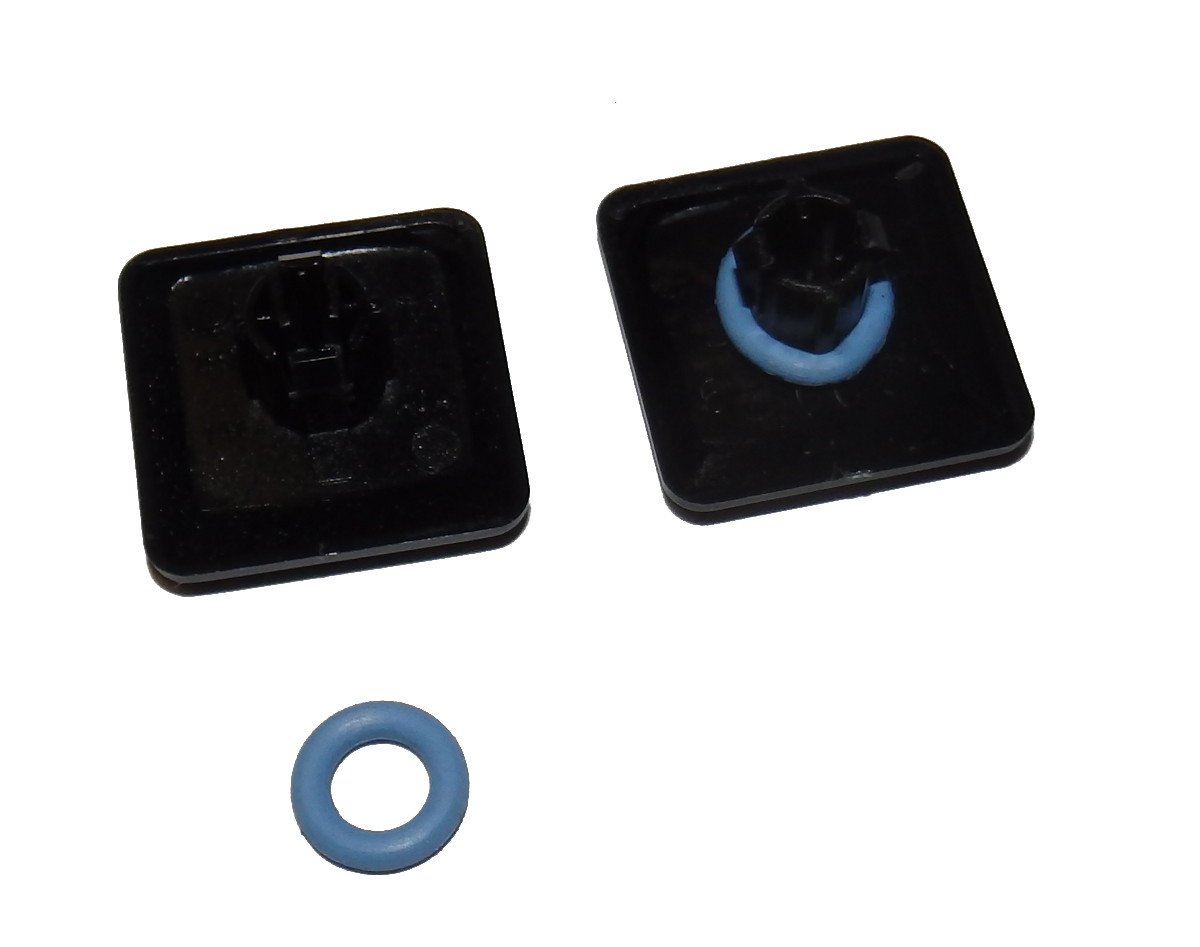
Engineering Insight: Material Selection in o-Ring Switches
The performance and longevity of o-ring switches in industrial applications are fundamentally governed by the precision of material selection. While off-the-shelf rubber components may appear cost-effective and readily available, they frequently fail under real-world operational stress due to mismatched chemical, thermal, and mechanical properties. At Suzhou Baoshida Trading Co., Ltd., we emphasize engineered solutions over generic replacements, ensuring reliability in mission-critical environments.
An o-ring switch functions not only as a sealing mechanism but also as an integral component in tactile feedback and electrical continuity systems. This dual role demands materials that balance elasticity, compression set resistance, and environmental stability. Standard elastomers such as generic NBR or low-grade silicone often degrade prematurely when exposed to oils, solvents, or temperature extremes, leading to seal failure, increased friction, or loss of actuation force.
Material compatibility must be evaluated against the specific media the o-ring will contact. For example, fluorocarbon (FKM) elastomers exhibit superior resistance to hydrocarbons, acids, and high temperatures, making them ideal for automotive and industrial control applications. Conversely, in medical or food-grade environments, peroxide-cured silicone (VMQ) or EPDM may be preferred due to their biocompatibility and resistance to steam sterilization.
Thermal cycling presents another critical challenge. Off-the-shelf o-rings often use conventional curing methods that result in higher compression set values, leading to permanent deformation after repeated compression. Precision-formulated compounds with optimized cross-link density maintain resilience across wide temperature ranges, ensuring consistent switch actuation over thousands of cycles.
Mechanical properties such as Shore hardness and tensile strength must also align with the switch design. A Shore A hardness between 50 and 70 is typically optimal, providing sufficient softness for sealing while maintaining structural integrity during repeated compression. Hardness values outside this range can result in either insufficient sealing force or excessive actuation load, impairing user experience or causing mechanical wear.
At Suzhou Baoshida, we conduct comprehensive application audits before recommending materials, analyzing fluid exposure, temperature profiles, cycle frequency, and regulatory requirements. This engineering-first approach prevents the costly downtime associated with premature seal failure.
Below is a comparison of common elastomers used in precision o-ring switches:
| Material | Temperature Range (°C) | Hardness (Shore A) | Key Resistance Properties | Typical Applications |
|---|---|---|---|---|
| FKM (Viton®) | -20 to +200 | 70–80 | Fuels, oils, acids | Automotive, aerospace |
| Silicone (VMQ) | -55 to +180 | 40–70 | Heat, ozone, UV | Medical, electronics |
| EPDM | -50 to +150 | 50–75 | Steam, water, alkalis | Food processing, HVAC |
| NBR (Nitrile) | -30 to +100 | 60–75 | Aliphatic hydrocarbons | General industrial |
In conclusion, the failure of standard o-ring switches often stems not from design flaws but from inadequate material selection. Custom-engineered elastomers, tailored to the operational environment, are essential for achieving durability, consistency, and compliance in advanced manufacturing systems.
Material Specifications
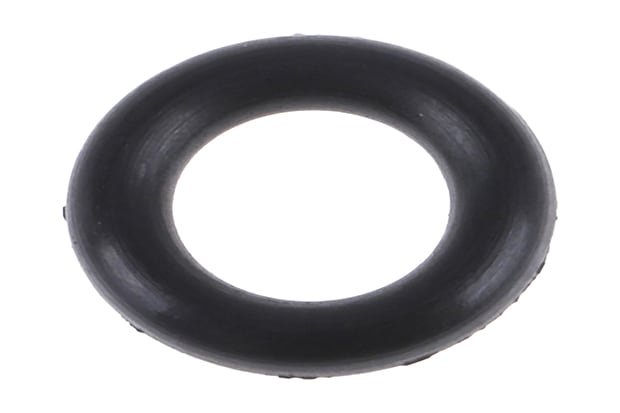
Material Specifications for O-Ring Switch Sealing Components
Material selection constitutes the foundational determinant of performance longevity and functional reliability in o-ring switch applications. These precision seals operate under dynamic compression within switch mechanisms, demanding exacting resistance to thermal cycling, chemical exposure, and mechanical stress. At Suzhou Baoshida Trading Co., Ltd., we prioritize material science rigor to ensure OEM compatibility with stringent industrial operational parameters. The three primary elastomers deployed in o-ring switch manufacturing—Viton (FKM), Nitrile (NBR), and Silicone (VMQ)—exhibit distinct molecular architectures that dictate their suitability for specific environmental conditions.
Viton fluorocarbon elastomers deliver exceptional resistance to high-temperature degradation and aggressive chemicals, including hydrocarbons, acids, and ozone. With continuous service capabilities exceeding 200°C and intermittent tolerance up to 250°C, Viton is indispensable for automotive fuel system switches and aerospace actuators exposed to jet fuels or synthetic lubricants. Its low gas permeability ensures stable sealing integrity under vacuum conditions, though higher material costs necessitate justified application-specific deployment.
Nitrile butadiene rubber (NBR) remains the industry standard for cost-sensitive applications requiring robust resistance to petroleum-based fluids, hydraulic oils, and aliphatic hydrocarbons. Operating effectively between -40°C and 125°C, NBR o-rings provide optimal balance of abrasion resistance, tensile strength, and compression set performance for industrial control switches. Limitations arise in exposure to polar solvents, ozone, and extreme temperatures, mandating careful environmental assessment prior to specification.
Silicone elastomers excel in ultra-broad temperature resilience, functioning reliably from -60°C to 230°C, with specialty grades extending to 300°C. Their inherent electrical insulation properties and biocompatibility make them ideal for medical device switches and food-grade equipment. However, silicone exhibits lower tensile strength and tear resistance compared to hydrocarbon-based elastomers, requiring precision molding to mitigate extrusion risks in high-pressure switch housings.
Critical material properties must be evaluated against application-specific stressors. The comparative analysis below details essential technical parameters for informed OEM selection:
| Material | Temperature Range (°C) | Key Strengths | Key Limitations | Typical Hardness (Shore A) | ASTM Standard |
|---|---|---|---|---|---|
| Viton (FKM) | -20 to 250 | Extreme chemical resistance, low gas permeability, ozone stability | High cost, poor ketone/amine resistance | 60-90 | D1418, D2000 |
| Nitrile (NBR) | -40 to 125 | Superior oil/fuel resistance, high abrasion resistance, cost efficiency | Limited high-temp stability, poor ozone resistance | 50-90 | D2000, D1418 |
| Silicone (VMQ) | -60 to 230 | Wide temp range, electrical insulation, biocompatibility | Low tensile strength, solvent vulnerability | 30-80 | D2000, D1418 |
Suzhou Baoshida Trading Co., Ltd. enforces strict material traceability and batch certification per ASTM D2000 quality control protocols. Our OEM partners receive comprehensive compound validation data sheets, including compression set at 150°C for 70 hours (critical for switch cycle life) and fluid immersion test results per ISO 1817. Material selection must align with fluid compatibility charts and dynamic stress modeling—never treated as a generic specification. Consult our engineering team for application-specific formulation adjustments to meet evolving industrial switch performance benchmarks.
Manufacturing Capabilities
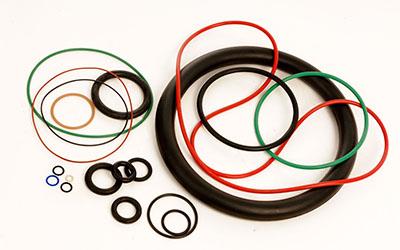
Suzhou Baoshida Trading Co., Ltd. operates at the forefront of precision rubber seal engineering, delivering high-performance o-ring switches tailored to exacting industrial standards. Our engineering capability is anchored in a dedicated team of five specialized mould engineers and two advanced formula engineers, enabling us to control every phase of product development—from material formulation to final tooling. This integrated approach ensures consistent quality, accelerated prototyping, and full customization to meet complex OEM requirements.
Our mould engineers possess extensive expertise in precision tool design, utilizing advanced CAD/CAM systems and CNC machining to produce high-tolerance moulds for o-ring switch components. Each design is optimized for dimensional stability, sealing integrity, and long-term performance under dynamic conditions. Finite element analysis (FEA) is routinely applied to validate stress distribution and compression set behavior, ensuring reliability in demanding applications such as automotive electronics, industrial automation, and medical devices.
Complementing our tooling expertise, our two in-house rubber formula engineers bring deep knowledge of elastomer chemistry and material performance. They formulate custom rubber compounds tailored to specific environmental challenges, including resistance to temperature extremes, chemical exposure, compression set, and electrical conductivity. By controlling the formulation process internally, we eliminate dependency on external suppliers and maintain strict consistency across production batches. Our formulation capabilities span multiple elastomer families, including NBR, EPDM, silicone (VMQ), FKM, and conductive rubber composites, all engineered to meet international standards such as ASTM D2000 and ISO 3601.
We specialize in OEM-driven development, offering end-to-end support from concept validation to mass production. Our collaborative engineering process begins with a detailed review of customer specifications, followed by rapid prototyping, material testing, and design for manufacturability (DFM) analysis. This ensures that o-ring switches not only meet functional requirements but are also optimized for cost-effective, scalable production. With full in-house tooling and compounding, we reduce lead times and maintain full IP confidentiality for our clients.
The following table outlines key technical specifications and capabilities relevant to our o-ring switch manufacturing:
| Parameter | Specification Range / Capability |
|---|---|
| Mould Tolerance | ±0.02 mm |
| Hardness Range (Shore A) | 30–90 |
| Temperature Resistance | -60°C to +300°C (depending on compound) |
| Standard Elastomers | NBR, EPDM, VMQ, FKM, CR, SBR, Conductive Rubber |
| Custom Compounding | Yes (chemical, thermal, electrical resistance) |
| Tooling Lead Time (Prototype) | 15–25 days |
| Production Cycle Time | As low as 30 seconds per part (automated lines) |
| Compliance Standards | ASTM, ISO, ROHS, REACH, FDA (on request) |
Suzhou Baoshida Trading Co., Ltd. combines deep material science expertise with precision engineering to deliver o-ring switches that exceed performance expectations. Our vertically integrated OEM model ensures agility, consistency, and technical superiority in every component we produce.
Customization Process
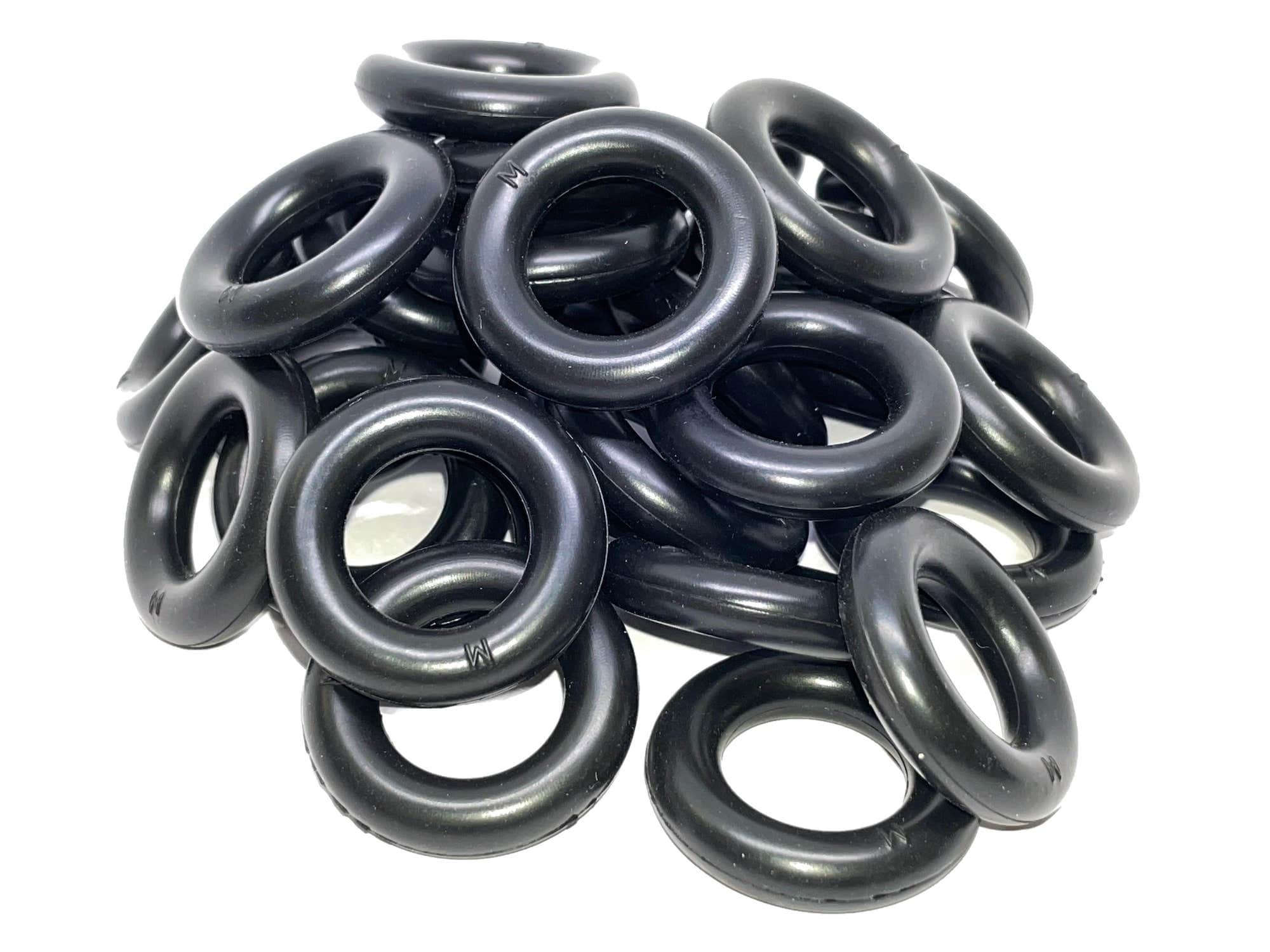
Customization Process for Precision O-Ring Switch Seals
At Suzhou Baoshida Trading Co., Ltd., our OEM customization process for o-ring switches ensures dimensional accuracy, material resilience, and functional reliability under extreme operational demands. We adhere to a rigorous four-phase methodology, beginning with comprehensive drawing analysis. Engineering teams dissect client-provided CAD files or sketches against ISO 3601 and AS568 standards, verifying critical tolerances, groove geometry, and surface finish requirements. This phase identifies potential sealing interface conflicts, such as insufficient squeeze ratios or extrusion gaps, preventing costly revisions later. Material compatibility with media (e.g., hydraulic fluids, fuels, or acids) is cross-referenced using ASTM D2000 guidelines to preempt chemical degradation.
Material formulation follows stringent analytical protocols. Our rubber chemists select base polymers—typically FKM, EPDM, or HNBR—based on temperature range, pressure exposure, and dynamic movement requirements. Additive packages are precisely calibrated to achieve target hardness (Shore A), compression set resistance, and low-temperature flexibility. For aerospace-grade switches, peroxide-cured FKM formulations ensure <15% compression set after 70 hours at 200°C. All compounds undergo accelerated aging tests per ASTM D573 and fluid immersion validation per ISO 1817 before approval.
Prototyping leverages our in-house compression molding and CNC lathe capabilities for rapid iteration. First-article samples are produced under controlled conditions mirroring mass production, including mold temperature stabilization and cure cycle optimization. Dimensional validation employs CMM (Coordinate Measuring Machine) scans with ±0.025mm accuracy, while functional testing simulates switch actuation cycles under vacuum or high-pressure environments. Client feedback on prototype performance triggers immediate formulation or tooling adjustments, typically within 72 hours.
Mass production commences only after formal client sign-off on dimensional reports and material certifications. We implement SPC (Statistical Process Control) monitoring for critical parameters like cross-section diameter and durometer. Each production batch undergoes 100% visual inspection and random destructive testing per ISO 3302-1. Traceability is maintained via laser-etched batch codes, with full material test reports (MTRs) supplied for every shipment.
Critical O-Ring Switch Material Specifications
| Parameter | Standard Range | Test Method | Industrial Application Threshold |
|---|---|---|---|
| Hardness (Shore A) | 60–90 ±5 | ASTM D2240 | ≥70 for high-pressure switches |
| Compression Set (70h/150°C) | ≤25% | ASTM D395 | ≤15% for aerospace critical use |
| Tensile Strength | 10–25 MPa | ASTM D412 | ≥15 MPa for dynamic sealing |
| Fluid Resistance (IRM 903) | Volume Swell ≤20% | ISO 1817 | ≤10% for fuel-exposed switches |
| Low Temp. Flexibility | -40°C to -60°C | ASTM D1329 | -55°C for arctic applications |
This end-to-end process, governed by IATF 16949 protocols, minimizes time-to-market while guaranteeing seals that withstand 10,000+ switch cycles without leakage. Suzhou Baoshida’s engineering team collaborates directly with OEM design departments to resolve ambiguities early, ensuring seamless transition from prototype to high-volume output.
Contact Engineering Team
For precision-critical applications in aerospace, automotive, medical devices, and industrial automation, selecting the right o-ring switch solution requires more than standard components—it demands engineered expertise and material science precision. At Suzhou Baoshida Trading Co., Ltd., we specialize in high-performance rubber seals integrated into functional switch mechanisms, where reliability under dynamic compression, thermal cycling, and chemical exposure is non-negotiable. Our o-ring switches are not off-the-shelf commodities; they are custom-formulated elastomeric systems designed to perform as both a sealing element and an actuating component in compact electromechanical assemblies.
We understand that OEMs and Tier-1 manufacturers face stringent design constraints, including space limitations, cycle life requirements, and environmental resilience. That’s why our engineering team works directly with your R&D and procurement departments to co-develop solutions using fluorocarbon (FKM), silicone (VMQ), ethylene propylene diene monomer (EPDM), or hydrogenated nitrile (HNBR) compounds—each selected and compounded to meet your exact voltage rating, compression set resistance, and dielectric strength needs. Whether your application demands low insertion force, high repeatability, or compliance with ISO 13485, UL, or RoHS standards, Suzhou Baoshida delivers certified performance with batch-to-batch consistency.
Our production facilities integrate automated molding, precision durometer testing, and 100% visual inspection systems, ensuring that every o-ring switch meets micron-level dimensional tolerances. We support prototyping with rapid tooling and offer scalable manufacturing for volumes ranging from 1,000 to over 1 million units annually. With in-house material testing labs, we validate performance across temperature extremes (-55°C to +230°C), fluid immersion, and long-term compression stress relaxation.
To ensure seamless integration into your supply chain, we provide full documentation packages, including material certifications, SGS reports, and detailed PPAP submissions. Our logistics network enables just-in-time delivery to North America, Europe, and Asia, with customs-compliant packaging and labeling.
If your next-generation device requires a sealing solution that also functions as a tactile or proximity switch, the engineering team at Suzhou Baoshida is ready to collaborate. Contact Mr. Boyce directly at [email protected] to initiate a technical consultation. Include your project specifications, target volumes, and material requirements to receive a tailored response within 24 business hours.
Below are representative performance specifications for our standard o-ring switch configurations:
| Parameter | Typical Value | Test Standard |
|---|---|---|
| Material Options | FKM, VMQ, EPDM, HNBR | ASTM D1418 |
| Hardness Range (Shore A) | 50–80 | ASTM D2240 |
| Temperature Resistance | -55°C to +230°C (varies by compound) | ASTM D1329 |
| Compression Set (70 hrs, 150°C) | ≤25% | ASTM D395 |
| Dielectric Strength | ≥15 kV/mm | ASTM D149 |
| Cycle Life | >100,000 cycles (customizable) | Internal Test Method |
| Volume Capacity | 1,000 – 1,000,000+ units/month | — |
| Lead Time (Prototype) | 15–20 days | — |
Partner with Suzhou Baoshida Trading Co., Ltd. to transform your o-ring switch concept into a production-ready, field-proven component. Reach out to Mr. Boyce today at [email protected].
⚖️ O-Ring Weight Calculator
Estimate rubber O-ring weight (Approx).