
Technical Contents
Engineering Guide: O Ring Washers
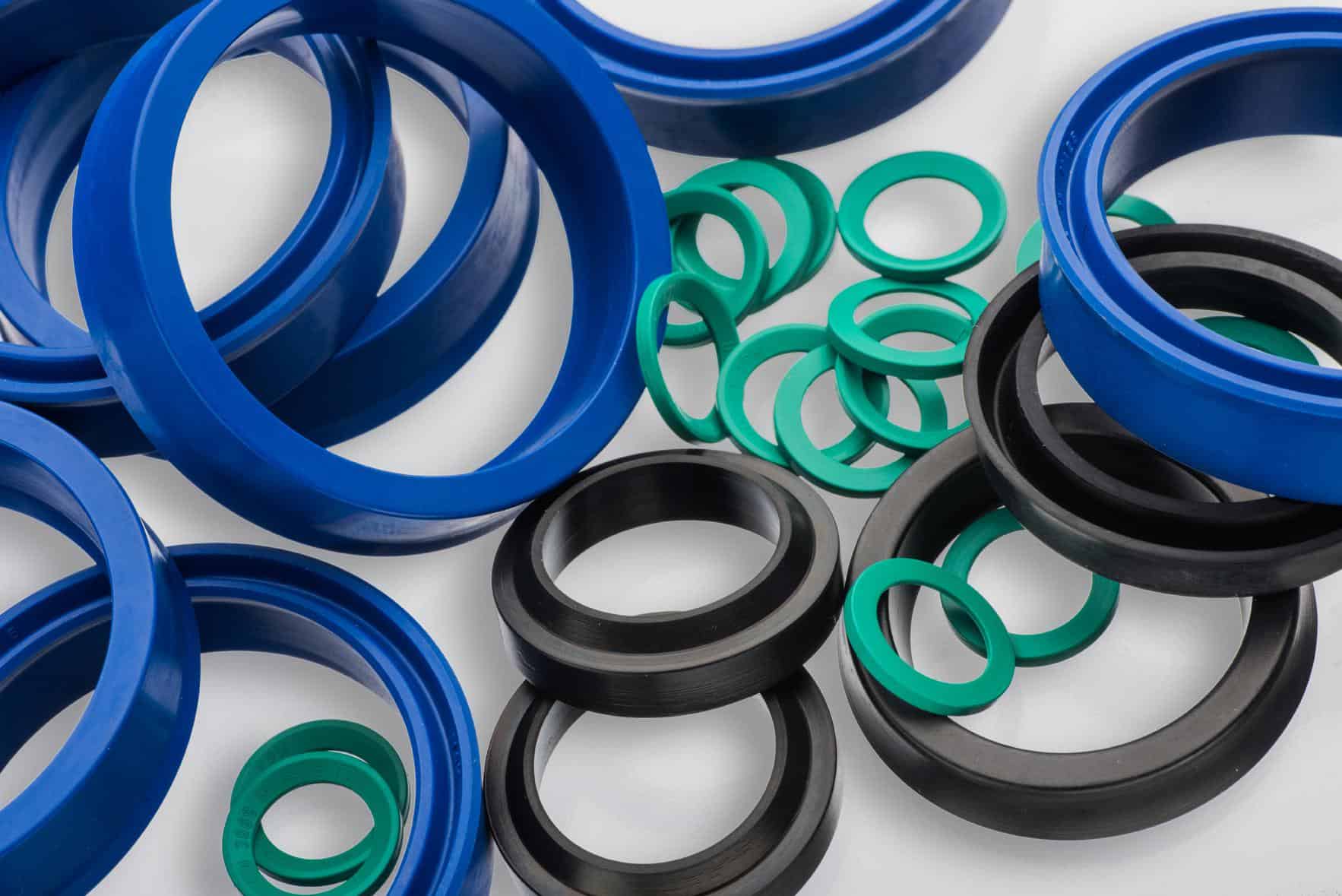
Engineering Insight: Material Selection Criticality in O-Ring Washers
O-ring washers represent a specialized subset of precision rubber seals, distinct from standard O-rings due to their integrated washer geometry. This design subjects the elastomer to unique mechanical stresses, primarily high axial compression combined with significant edge loading and cyclic deformation during installation and operation. Consequently, material selection transcends mere chemical compatibility; it becomes the absolute determinant of functional longevity and system integrity. Off-the-shelf elastomer compounds, often formulated for general-purpose O-rings, consistently fail in washer applications due to inherent property mismatches. These failures manifest as premature extrusion under pressure, rapid compression set leading to loss of sealing force, catastrophic tearing at the washer edge, or accelerated degradation from unexpected fluid interactions. The root cause lies in the oversimplified assumption that a material suitable for a dynamic or static seal in one configuration performs identically under the concentrated stresses inherent to the washer profile.
Generic compounds frequently lack the requisite combination of high tear strength, exceptional compression set resistance, and tailored modulus required. Standard NBR formulations, for instance, may exhibit adequate fuel resistance but suffer from poor tear strength and high compression set at elevated temperatures, leading to washer edge failure and seal leakage within short operational cycles. Similarly, off-the-shelf FKM grades might resist aggressive chemicals but possess a modulus too high for the washer geometry, causing excessive cold flow or installation damage. The dynamic edge of the washer experiences stress concentrations orders of magnitude higher than the bulk seal body, demanding elastomers specifically engineered with reinforced polymer chains and optimized filler systems to resist crack initiation and propagation. Thermal cycling further complicates the scenario, as mismatched coefficients of thermal expansion between the washer, mating hardware, and fluid can induce micro-movements that generic materials cannot accommodate without fatigue.
Material failure in o-ring washers is rarely a single-factor event; it is the synergistic result of mechanical stress, chemical exposure, and thermal conditions overwhelming the compound’s capabilities. Precision engineering demands elastomers formulated with the specific washer geometry and application envelope in mind. Below is a comparison of key properties relevant to critical o-ring washer applications:
| Elastomer Type | Compression Set (70h, 150°C) ASTM D395 | Tear Strength (Die C) ASTM D624 (kN/m) | Key Fluid Resistance | Typical Continuous Temp Range (°C) | Relative Cost |
|---|---|---|---|---|---|
| Standard NBR | 35-45% | 20-28 | Oils, Fuels | -30 to +100 | Low |
| Precision NBR | 18-25% | 35-45 | Oils, Fuels, HFDU | -35 to +125 | Medium |
| Standard FKM | 25-35% | 25-32 | Aggressive Chem, Fuels | -20 to +200 | High |
| Precision FKM | 12-20% | 40-55 | Broad Chem, Jet A, Skydrol | -25 to +230 | Very High |
| Precision EPDM | 20-28% | 30-40 | Water, Steam, Brake Fluid | -50 to +150 | Medium |
The data underscores the significant performance gap between generic and application-engineered compounds. Precision formulations achieve superior compression set resistance and tear strength through advanced polymer chemistry, controlled crosslink density, and specialized reinforcing fillers. Suzhou Baoshida Trading Co., Ltd. emphasizes that successful o-ring washer implementation requires moving beyond catalog specifications. True reliability stems from collaborative engineering, where the specific mechanical loads, fluid dynamics, thermal profile, and lifecycle expectations directly inform the elastomer formulation process. Only precision-engineered compounds mitigate the inherent stress concentrations of the washer geometry, transforming a common failure point into a robust, long-life sealing solution. Off-the-shelf materials represent a false economy in this critical application domain.
Material Specifications
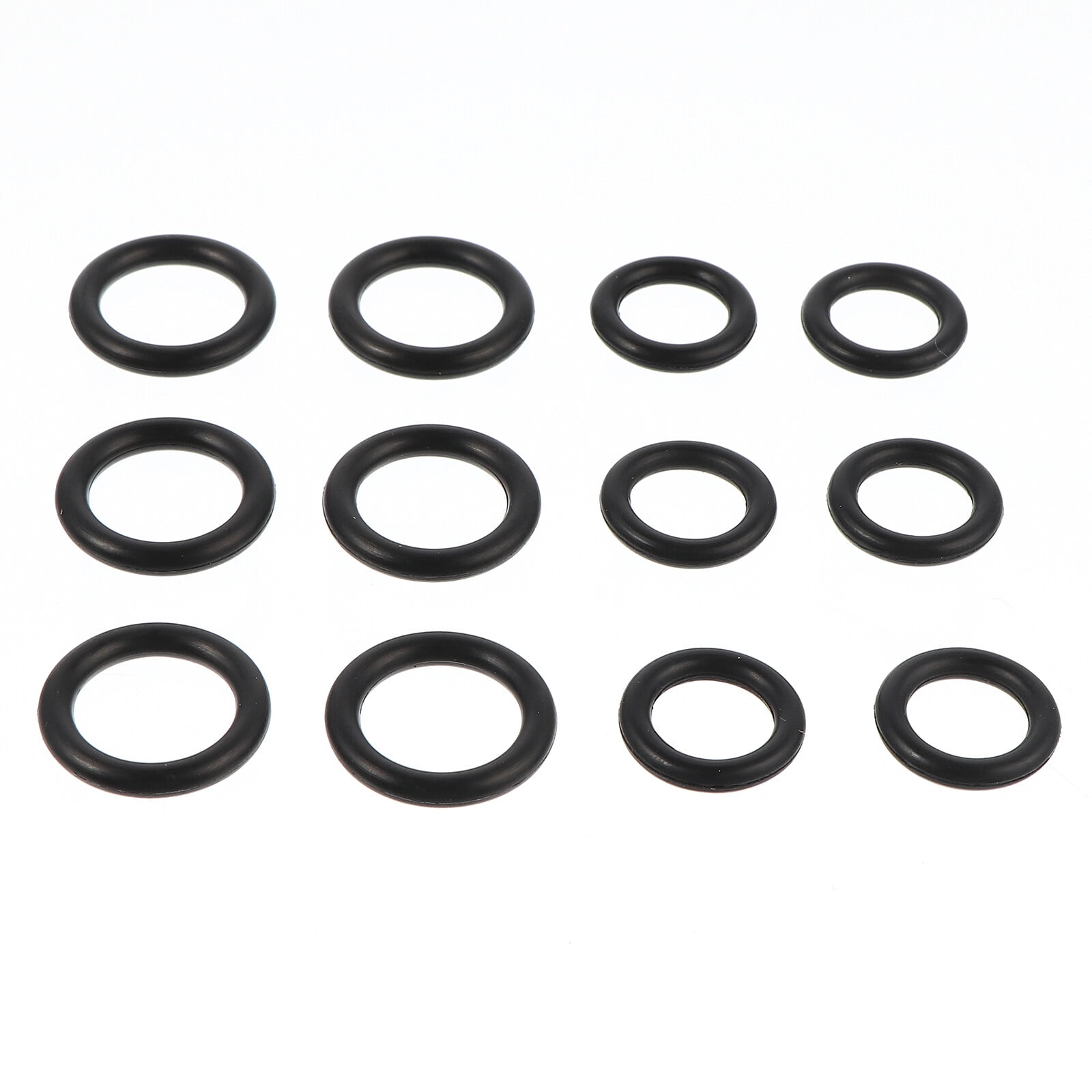
Material selection is a critical determinant in the performance and service life of o ring washers, particularly in demanding industrial environments. At Suzhou Baoshida Trading Co., Ltd., we specialize in precision rubber seals engineered to meet rigorous operational requirements across automotive, aerospace, chemical processing, and pharmaceutical sectors. Our o ring washers are manufactured using three primary elastomers: Viton (FKM), Nitrile (NBR), and Silicone (VMQ). Each material offers distinct advantages in terms of temperature resilience, chemical compatibility, and mechanical durability, enabling targeted selection based on application-specific stressors.
Viton, a fluorocarbon-based rubber, is renowned for its exceptional resistance to high temperatures, aggressive chemicals, and hydrocarbon fuels. It maintains structural integrity in continuous service temperatures up to 230°C (446°F) and exhibits superior performance in environments exposed to oils, acids, and chlorinated solvents. Due to its robust molecular structure, Viton o ring washers are ideal for high-pressure sealing applications in the oil and gas industry, where long-term reliability under extreme conditions is paramount.
Nitrile rubber, or Buna-N, remains one of the most widely used elastomers in industrial sealing due to its excellent resistance to petroleum-based fluids, aliphatic hydrocarbons, and water. With a continuous operating temperature range of -30°C to 100°C (-22°F to 212°F), NBR offers a balanced performance profile suitable for hydraulic systems, fuel delivery components, and general-purpose machinery. Its cost-effectiveness and reliable mechanical properties make it a preferred choice for medium-duty applications where exposure to oils and greases is prevalent.
Silicone rubber distinguishes itself through extreme temperature flexibility and outstanding resistance to ozone and UV degradation. Capable of functioning in temperatures ranging from -60°C to 200°C (-76°F to 392°F), silicone o ring washers are frequently selected for applications involving wide thermal cycling, such as in aerospace systems, medical devices, and outdoor electrical enclosures. While silicone exhibits lower tensile strength compared to Viton and Nitrile, its biocompatibility and low compression set enhance its suitability for sterile and high-purity environments.
The following table summarizes key physical and chemical properties of these materials to facilitate informed selection:
| Property | Viton (FKM) | Nitrile (NBR) | Silicone (VMQ) |
|---|---|---|---|
| Continuous Use Temperature (°C) | -20 to 230 | -30 to 100 | -60 to 200 |
| Tensile Strength (MPa) | 15–20 | 10–20 | 5–8 |
| Elongation at Break (%) | 200–300 | 250–400 | 200–600 |
| Hardness (Shore A) | 70–90 | 60–90 | 40–80 |
| Resistance to Oils & Fuels | Excellent | Excellent | Poor |
| Resistance to Acids & Chemicals | Excellent | Moderate | Moderate |
| Resistance to Ozone/UV | Excellent | Good | Excellent |
| Biocompatibility | Moderate | Poor | Excellent |
Selecting the appropriate material requires a comprehensive understanding of operational parameters, including media exposure, thermal cycles, and mechanical stress. Suzhou Baoshida Trading Co., Ltd. supports OEMs and industrial partners with material testing data, custom compounding, and application engineering to ensure optimal seal performance and compliance with international standards.
Manufacturing Capabilities
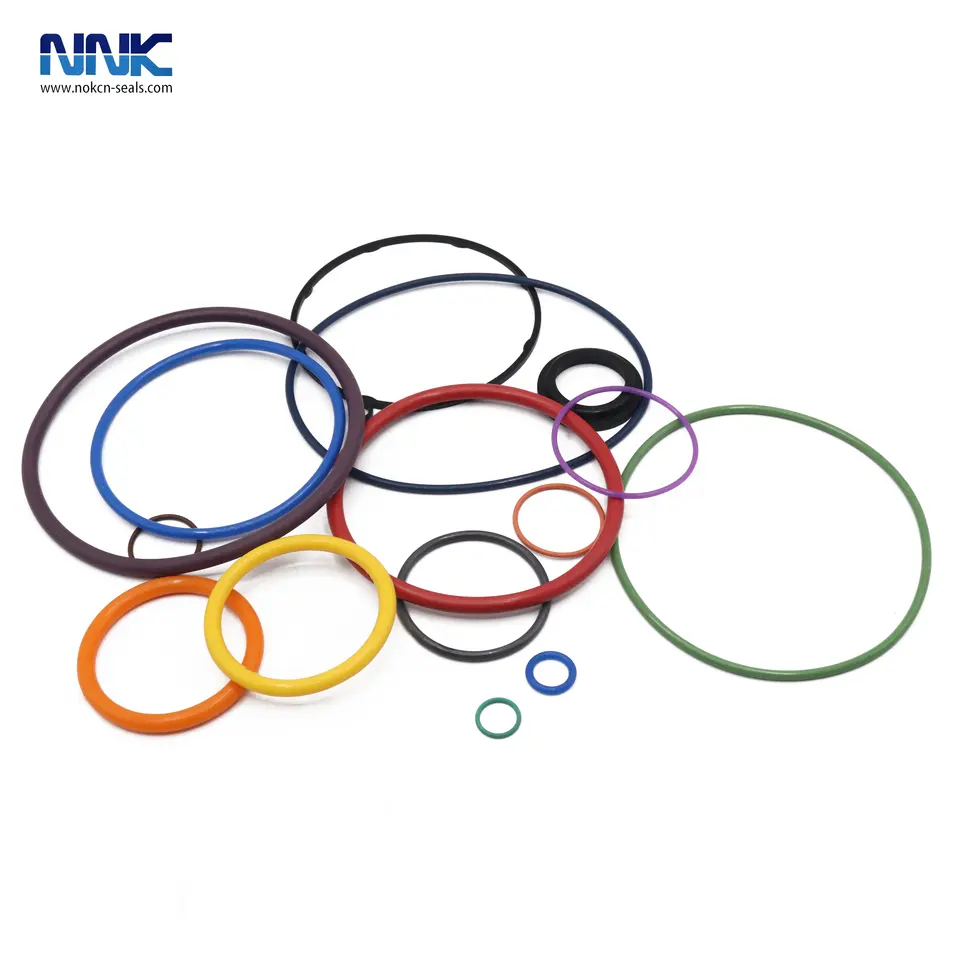
Engineering Capability: Precision Rubber Seal Development at Scale
Suzhou Baoshida Trading Co., Ltd. leverages deep engineering expertise to deliver mission-critical o ring washers for demanding industrial applications. Our core strength resides in an integrated team of seven specialized engineers: five dedicated Mould Engineers and two advanced Rubber Formula Engineers. This structure ensures seamless collaboration between material science and precision tooling design, eliminating siloed development and accelerating time-to-market for complex sealing solutions.
Our Rubber Formula Engineers possess mastery in elastomer chemistry, specializing in custom compound formulation for extreme environments. They optimize molecular cross-linking density, filler dispersion, and additive packages to achieve precise performance targets—whether resisting jet fuel at -54°C, maintaining seal integrity in 200°C steam systems, or preventing compression set in high-cycle pneumatic assemblies. Every compound undergoes rigorous validation per ASTM D2000 and ISO 3601 standards, with traceable batch documentation for full material accountability. Concurrently, our Mould Engineers deploy 3D simulation software (Moldflow) to model flow dynamics, predict knit lines, and minimize flash before tool fabrication. This proactive approach ensures cavity balance, optimal gate placement, and thermal management for zero-defect production across all hardness grades.
The synergy between these disciplines enables unparalleled OEM flexibility. Clients specify operational parameters—media exposure, temperature ranges, pressure cycles—and our engineers co-develop solutions from concept to量产. We support full prototyping with rapid tool iterations, material qualification dossiers, and PPAP documentation. Our ISO 9001-certified facility maintains strict process control for lot-to-lot consistency, critical for automotive and aerospace supply chains where failure is not an option.
Material performance is quantifiable through our standardized testing protocols. Key specifications for o ring washers are summarized below:
| Parameter | Standard Range | Tolerance Class | Test Method |
|---|---|---|---|
| Hardness (Shore A) | 50–90 | ±3 | ASTM D2240 |
| Inner Diameter (ID) | 3.0–150.0 mm | ISO 3601 F3 | ISO 3601-3 |
| Outer Diameter (OD) | 6.0–160.0 mm | ISO 3601 F3 | ISO 3601-3 |
| Thickness | 1.0–5.0 mm | ±0.05 mm | ISO 3302 |
| Compression Set (70h/70°C) | ≤20% (FKM) / ≤25% (NBR) | ASTM D395 B | ASTM D395 |
| Fluid Resistance (IRM 903) | Volume Swell ≤15% | ASTM D471 | ASTM D471 |
This engineering framework directly translates to client value: reduced NRE costs through validated first-article tooling, extended service life via material-environment matching, and supply chain resilience with dual-sourced compound recipes. Baoshida’s OEM process includes joint DFMEA reviews and real-time production data sharing, ensuring seals perform exactly as engineered under real-world conditions. For applications demanding zero leakage or extreme durability, our engineered approach transforms sealing from a commodity specification into a strategic performance advantage. Partner with us to convert technical challenges into engineered reliability.
Customization Process
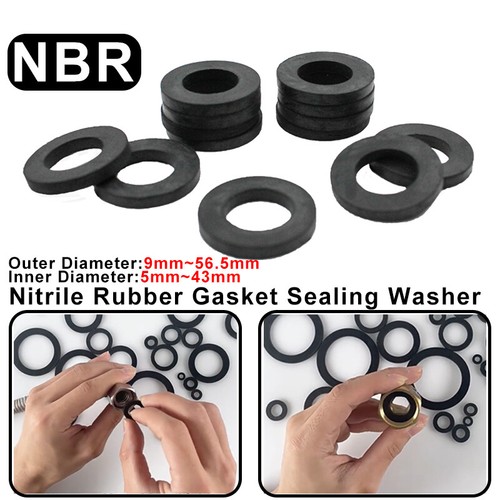
Drawing Analysis: The Foundation of Precision Customization
At Suzhou Baoshida Trading Co., Ltd., every successful o ring washer customization begins with rigorous drawing analysis. This initial phase ensures dimensional accuracy, functional compatibility, and adherence to OEM specifications. Our engineering team conducts a full geometric dimensioning and tolerancing (GD&T) review, verifying critical parameters such as inner diameter (ID), outer diameter (OD), cross-sectional thickness, and groove compatibility. We assess surface finish requirements, installation clearances, and potential compression set risks based on the intended assembly environment. International standards such as ISO 3601, AS568, or JIS B 2401 are cross-referenced to confirm compliance. Any discrepancies or optimization opportunities—such as stress concentration points or material deformation risks—are flagged and discussed with the client prior to proceeding. This analytical rigor minimizes prototyping iterations and ensures long-term sealing reliability.
Material Formulation: Tailoring Performance to Application Demands
Once design parameters are validated, our rubber formula engineers develop a compound tailored to the operational environment. The selection of base polymer—whether Nitrile (NBR), Fluorocarbon (FKM), Ethylene Propylene Diene Monomer (EPDM), or Silicone (VMQ)—depends on temperature range, fluid exposure, and mechanical stress. For instance, FKM is chosen for high-temperature fuel systems, while EPDM excels in steam and hot water applications. Additives such as reinforcing fillers, antioxidants, and processing aids are precisely dosed to enhance tensile strength, compression resistance, and aging performance. Hardness is optimized within the 50 to 90 Shore A range, depending on sealing force requirements. Each formulation is documented under controlled batch records, ensuring traceability and repeatability across production cycles. Material certifications, including FDA, ROHS, or UL approvals, are integrated as needed for regulated industries.
Prototyping and Validation: Bridging Design to Production
Prototyping is conducted using precision compression or injection molding techniques, replicating final production conditions. Initial samples undergo dimensional inspection via coordinate measuring machines (CMM) and optical comparators. Functional testing includes compression deflection analysis, leak rate measurement under simulated operating pressure, and accelerated aging in relevant media (e.g., oil, coolant, or chemicals). Feedback from this phase informs final design or material refinements. Clients receive full test reports, including hardness, volume swell, and tensile data, enabling informed approval before scale-up.
Mass Production: Consistency Through Controlled Processes
Upon prototype validation, we transition to mass production using automated molding lines with real-time process monitoring. Each batch undergoes in-line inspection and statistical process control (SPC) to maintain tight tolerances. Final products are packaged per client specifications, with full lot traceability and quality documentation.
Typical O Ring Washer Specifications
| Parameter | Standard Range | Tolerance (ISO 3302) |
|---|---|---|
| Inner Diameter (ID) | 10 – 200 mm | ±0.10 to ±0.30 mm |
| Outer Diameter (OD) | 15 – 220 mm | ±0.10 to ±0.30 mm |
| Thickness | 2.0 – 6.0 mm | ±0.10 mm |
| Hardness | 50 – 90 Shore A | ±5 Shore A |
| Materials | NBR, FKM, EPDM, VMQ, ACM, AEM | Per ASTM D2000 |
| Temperature Range | -40°C to +230°C (material-dependent) | — |
| Surface Finish | Ra ≤ 3.2 μm | Visual inspection |
Contact Engineering Team
Contact Suzhou Baoshida for Precision O Ring Washer Solutions
Sealing integrity is non-negotiable in critical fluid handling and mechanical systems. Failures in o ring washers lead to catastrophic leaks, safety hazards, and unplanned downtime, costing industrial operations significantly more than the component itself. At Suzhou Baoshida Trading Co., Ltd., we engineer rubber formulations and precision-molded o ring washers to eliminate these risks. Our expertise spans material science, tolerance control, and application-specific validation, ensuring your seals perform reliably under extreme pressure, temperature, and chemical exposure. We do not manufacture generic parts; we deliver engineered sealing solutions backed by rigorous ISO 9001-certified processes and decades of OEM collaboration.
Our technical team specializes in resolving complex sealing challenges where standard off-the-shelf washers fail. Whether addressing thermal cycling in automotive transmissions, chemical resistance in semiconductor processing, or extrusion resistance in hydraulic manifolds, we optimize material composition, durometer, and geometry to match your operational demands. This precision begins with advanced compounding—adjusting polymer bases, fillers, and curatives to achieve target properties like low compression set, minimal swell in aggressive media, and consistent sealing force. Every o ring washer undergoes dimensional verification to sub-0.05mm tolerances and functional testing per ASTM D2000 or custom OEM protocols. Crucially, we integrate early in your design phase, providing DFM (Design-for-Manufacturability) feedback to prevent assembly issues and lifecycle failures.
Below is a representative overview of standard material properties for common o ring washer applications. All specifications are validated through in-house testing and can be customized for unique requirements.
| Material Type | Shore A Hardness Range | Temperature Range (°C) | Key Media Resistance | ASTM D2000 Classification |
|---|---|---|---|---|
| Nitrile (NBR) | 50–90 | -30 to +120 | Oils, fuels, water | BK, BC, BM |
| Fluorocarbon (FKM) | 60–80 | -20 to +230 | Acids, solvents, steam | GF, GL, GM |
| EPDM | 50–80 | -50 to +150 | Brake fluid, steam, alkalis | EA, EB, EF |
| Silicone (VMQ) | 40–80 | -60 to +200 | Ozone, UV, high-purity water | AQ, AR, AS |
| Hydrogenated Nitrile (HNBR) | 60–90 | -40 to +150 | Hot oils, sour gas | BK, BL, BM |
Partnering with Suzhou Baoshida means accessing end-to-end ownership—from raw material sourcing through molding, inspection, and global logistics. We support high-volume OEM production runs with JIT delivery and low-volume prototyping with rapid tooling. Our quality management system includes PPAP documentation, SPC-controlled processes, and full traceability per batch. For applications demanding aerospace, medical, or food-grade compliance, we provide certified compounds meeting AS568, USP Class VI, or FDA 21 CFR 177.2600 standards.
Initiate your sealing solution with a technical consultation. Contact Mr. Boyce, our dedicated OEM Manager, directly at [email protected]. Provide your application parameters—pressure range, media exposure, temperature profile, and performance history—and we will respond within 24 business hours with a material recommendation, feasibility assessment, and prototype timeline. Include dimensional drawings or failure analysis reports for expedited review. Do not settle for substandard sealing performance; leverage Suzhou Baoshida’s engineering rigor to enhance system reliability and reduce total cost of ownership. Your precision sealing challenge begins with one email.
⚖️ O-Ring Weight Calculator
Estimate rubber O-ring weight (Approx).