
Technical Contents
Engineering Guide: Oceanic Marine Market
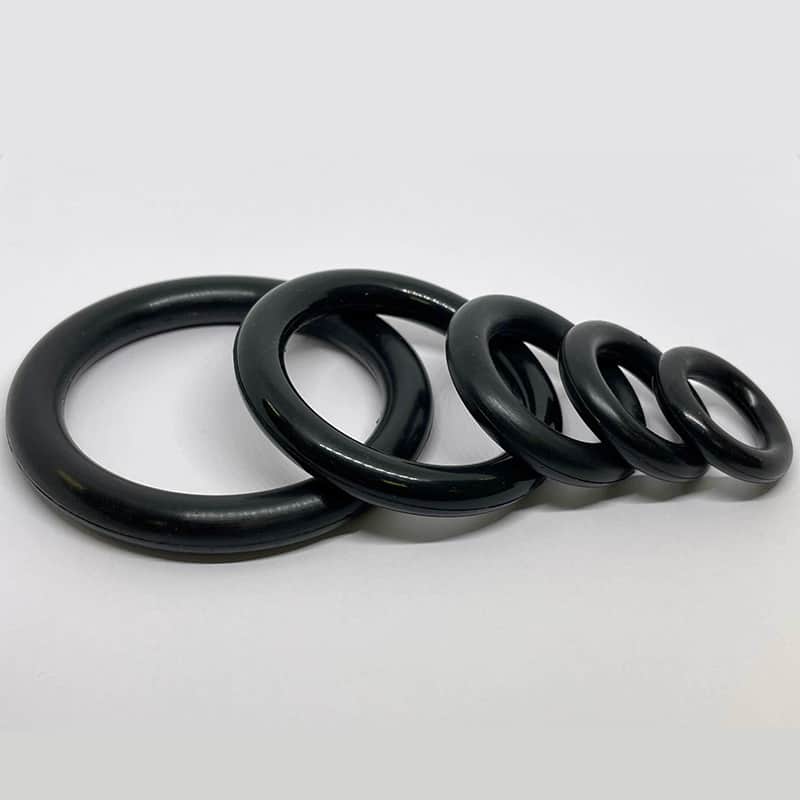
Engineering Insight: Material Selection in the Oceanic Marine Market
In the oceanic marine market, the operational environment presents one of the most aggressive and unforgiving challenges for industrial materials. Saltwater immersion, fluctuating temperatures, UV exposure, biofouling, and mechanical stress from constant motion demand materials engineered for extreme durability. Off-the-shelf rubber components often fail prematurely in these conditions because they are formulated for general industrial use, not the sustained chemical and physical assault encountered at sea. At Suzhou Baoshida Trading Co., Ltd., we emphasize that material selection is not a secondary consideration—it is the foundation of performance, safety, and lifecycle cost efficiency in marine applications.
Standard rubber compounds such as generic EPDM or SBR are frequently marketed as “weather-resistant” but degrade rapidly when submerged or exposed to saline aerosols. Chloride ions in seawater penetrate polymer matrices, accelerating oxidative degradation and leading to cracking, swelling, and loss of tensile strength. Furthermore, dynamic loading on seals, gaskets, hoses, and vibration dampers in marine propulsion and auxiliary systems requires elastomers with superior fatigue resistance—properties not guaranteed in mass-produced formulations.
The failure of non-specialized rubber components can lead to cascading system breakdowns. For example, a degraded hose in a seawater cooling system may rupture, causing engine overheating or flooding. A compromised seal in a thruster housing can allow water ingress, damaging electrical components and compromising vessel maneuverability. These risks are not merely operational inconveniences; they represent safety hazards and financial liabilities.
To mitigate these risks, Suzhou Baoshida Trading Co., Ltd. develops custom-formulated rubber solutions tailored to the chemical and mechanical demands of oceanic environments. Our engineering team selects base polymers based on resistance to hydrolysis, ozone, and microbial attack, then optimizes filler systems, crosslink density, and protective additives to extend service life. The result is a material engineered not just to survive, but to perform reliably over thousands of operational hours.
The following table outlines key performance characteristics of advanced elastomers used in our marine-grade rubber solutions:
| Material | Tensile Strength (MPa) | Elongation at Break (%) | Hardness (Shore A) | Saltwater Resistance | Operating Temperature Range (°C) |
|---|---|---|---|---|---|
| Hydrogenated Nitrile (HNBR) | 25–30 | 200–250 | 70–85 | Excellent | -40 to +150 |
| Epichlorohydrin (CO) | 18–22 | 250–300 | 60–75 | Excellent | -30 to +125 |
| Fluorocarbon (FKM) | 12–15 | 150–200 | 70–80 | Exceptional | -20 to +200 |
| Chloroprene (CR) | 10–14 | 200–250 | 50–70 | Good | -40 to +100 |
| Custom HNBR Blend (Baoshida Marine Grade) | 28–32 | 230–270 | 75–85 | Exceptional | -45 to +155 |
Material selection in the oceanic marine market is a precision engineering decision. At Suzhou Baoshida, we reject one-size-fits-all solutions in favor of scientifically validated formulations that meet the exacting standards of offshore and maritime operations. The cost of failure far exceeds the investment in engineered resilience.
Material Specifications
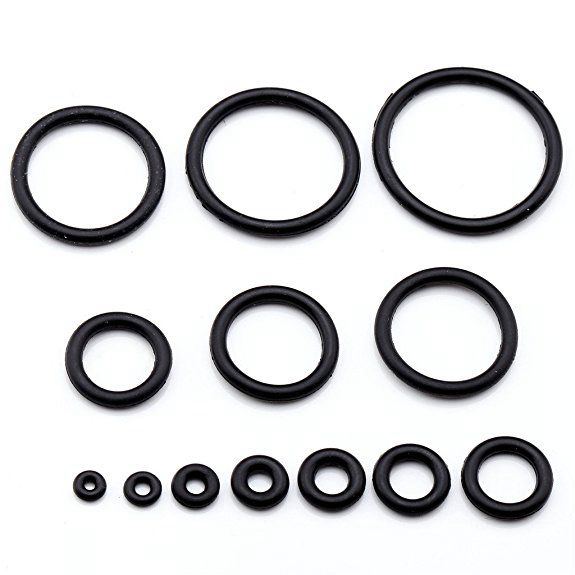
Material Specifications for Oceanic Marine Applications
Suzhou Baoshida Trading Co., Ltd. provides engineered rubber solutions rigorously validated for the extreme demands of oceanic marine environments. Saltwater corrosion, prolonged UV exposure, fluctuating temperatures, and contact with aggressive fluids necessitate materials with exceptional resilience. Our Viton, Nitrile, and Silicone formulations undergo stringent ASTM D2000 testing to ensure compliance with marine OEM specifications, delivering reliable performance in critical sealing, gasketing, and hydraulic components. Each compound is optimized for specific operational challenges while meeting ISO 9001 traceability standards for consistent OEM-grade batches.
Viton fluoroelastomers excel in high-temperature fuel and oil systems common in marine propulsion. Their molecular stability provides superior resistance to hydrocarbon-based fluids, ozone, and oxidation at sustained temperatures up to 230°C. This makes Viton ideal for fuel injection components, turbocharger hoses, and exhaust seals where hydrocarbon degradation risks catastrophic failure. Nitrile rubber (NBR) offers an optimal balance of cost efficiency and performance for general marine sealing applications. With robust resistance to aliphatic hydrocarbons, water, and hydraulic fluids, it performs reliably in bilge pumps, steering systems, and freshwater cooling circuits. Its abrasion resistance ensures longevity in dynamic mechanical interfaces. Silicone rubber delivers unmatched flexibility across extreme temperature gradients, critical for vessels operating from Arctic to tropical zones. Retaining elasticity between -55°C and +230°C, it resists ozone, UV radiation, and steam—making it indispensable for non-fuel-related electrical insulation, deck hardware gaskets, and potable water systems where low toxicity is mandated.
The comparative specifications below detail key mechanical and chemical properties per ASTM D2000 classification standards. All materials are compounded to meet marine industry fluid immersion requirements (e.g., ASTM D471 seawater/fuel exposure tests).
| Material | Tensile Strength (MPa) | Elongation at Break (%) | Temperature Range (°C) | Key Fluid Resistance | Primary Marine Applications |
|---|---|---|---|---|---|
| Viton | 12.0–18.0 | 150–300 | -20 to +230 | Fuels, oils, acids, solvents | Fuel systems, turbocharger seals, chemical hoses |
| Nitrile | 10.0–20.0 | 200–450 | -30 to +120 | Water, hydraulic fluids, aliphatic hydrocarbons | Bilge pumps, hydraulic seals, O-rings |
| Silicone | 5.0–8.5 | 200–600 | -55 to +230 | Water, steam, ozone, UV radiation | Electrical insulation, potable water seals, deck fittings |
Suzhou Baoshida’s technical team collaborates with marine OEMs to customize shoreness, compression set, and flame resistance (e.g., UL 94 HB) per project specifications. All formulations exclude heavy metals per RoHS directives and undergo accelerated aging tests simulating 15+ years of oceanic exposure. For mission-critical components, we recommend Viton for fuel/oil integrity, Nitrile for cost-sensitive hydraulic interfaces, and Silicone for thermal-cycling applications. Contact our engineering division for material certification dossiers and salt-spray test data aligned with ISO 12944 marine corrosion standards.
Manufacturing Capabilities

Engineering Capability: Precision-Driven Rubber Solutions for the Oceanic Marine Market
At Suzhou Baoshida Trading Co., Ltd., our engineering capability is anchored in a dedicated team of seven core specialists—five mould engineers and two rubber formula engineers—united by a singular mission: delivering high-performance, application-specific rubber components for the demanding conditions of the oceanic marine environment. Our integrated approach combines advanced material science with precision tooling design, enabling us to support OEMs in developing reliable, long-lasting sealing, damping, and protective systems that withstand saltwater exposure, extreme pressure, and prolonged UV degradation.
Our two in-house rubber formula engineers possess deep expertise in polymer chemistry, focusing on custom elastomer development tailored to marine service requirements. They routinely formulate compounds based on EPDM, NBR, silicone, FKM, and specialty hydrogenated nitrile (HNBR) to achieve optimal resistance to seawater, oil, ozone, and temperature extremes ranging from -50°C to +250°C. Each formulation undergoes rigorous testing for compression set, tensile strength, elongation, and accelerated aging in simulated marine environments. This scientific approach ensures that every compound is not only compliant with international standards such as ISO 2230 and ASTM D2000 but also optimized for the functional lifespan of the final product.
Complementing our material expertise, our five mould engineers bring extensive experience in precision rubber mould design and process optimization. They utilize advanced CAD/CAM software, including SolidWorks and AutoCAD, to develop high-tolerance moulds for complex geometries commonly found in marine hydraulic systems, underwater connectors, and propulsion seals. Our team specializes in multi-cavity, cold-runner, and transfer moulding configurations, ensuring scalability and repeatability for OEM production volumes. Finite element analysis (FEA) is routinely applied to predict material flow and part stress, minimizing defects and reducing time-to-market.
We operate as a full-service OEM partner, offering end-to-end development from concept to mass production. Our clients benefit from design for manufacturability (DFM) reviews, rapid prototyping with silicone moulds or 3D-printed tools, and full material traceability. With ISO 9001-certified processes and in-house testing facilities—including hardness, aging, and sealing performance labs—we maintain strict quality control across every production batch.
The following table summarizes our core engineering specifications and capabilities:
| Parameter | Specification |
|---|---|
| Compound Development | EPDM, NBR, HNBR, FKM, Silicone, CR, IIR |
| Temperature Resistance Range | -50°C to +250°C (depending on compound) |
| Mould Design Software | SolidWorks, AutoCAD, UG NX |
| Mould Types Supported | Compression, Transfer, Injection, Multi-Cavity |
| Standard Compliance | ISO 2230, ASTM D2000, ISO 3601, ROHS, REACH |
| In-House Testing Capabilities | Hardness, Tensile, Compression Set, Aging, Sealing Integrity |
| OEM Development Cycle | 2–6 weeks (prototype to trial) |
Our engineering team is fully equipped to support technical collaboration with marine system integrators, providing data sheets, material certifications, and failure mode analysis upon request. At Suzhou Baoshida, engineering excellence is not a service—it is our foundation.
Customization Process

Customization Process for Oceanic Marine Rubber Components
Precision engineering begins with rigorous drawing analysis tailored to oceanic operational demands. Our technical team dissects client specifications to identify critical parameters including dimensional tolerances under thermal cycling, hydrostatic pressure thresholds, and chemical exposure profiles unique to seawater environments. We validate compatibility with ISO 8330 marine sealing standards and flag potential failure points such as flex fatigue in tidal zone installations. This phase ensures geometric integrity aligns with dynamic marine conditions before material selection proceeds.
Formulation development leverages Suzhou Baoshida’s proprietary compound database optimized for saltwater resilience. We prioritize halogenated butyl rubber for vacuum-rated marine seals requiring impermeability or highly saturated nitrile (HSN) for fuel/oil resistance in propulsion systems. Each formula undergoes computational modeling to predict compression set at -40°C to +150°C ranges and ozone resistance per ASTM D1149. Critical additives include thixotropic fillers for anti-sag properties during vertical application on ship hulls and UV stabilizers to withstand 5,000+ hours of tropical marine sunlight exposure.
Prototyping integrates accelerated lifecycle validation. CNC-machined molds produce 3–5 sample batches subjected to:
720-hour salt spray testing (ASTM B117)
Dynamic compression testing at 5Hz frequency to simulate wave-induced vibration
Swell analysis in synthetic seawater per ISO 1817
Client feedback triggers iterative adjustments; a recent offshore valve seal required reformulation to reduce permanent set from 28% to 12% after subsea pressure cycling.
Material Performance Specifications for Marine Applications
| Property | Marine Requirement | Test Standard | Baoshida Performance |
|---|---|---|---|
| Tensile Strength | ≥15 MPa | ASTM D412 | 18.2 MPa |
| Compression Set (70°C) | ≤30% after 168h | ASTM D395 | 22% |
| Saltwater Resistance | <15% volume swell | ISO 1817 | 8.7% |
| Low-Temperature Flex | -50°C brittleness point | ASTM D2137 | -55°C |
Mass production deploys IoT-monitored curing lines with real-time rheometer feedback to maintain Mooney viscosity within ±3 points. Every batch undergoes 100% dimensional inspection via coordinate measuring machines (CMM) against ASME Y14.5 GD&T callouts. Traceability is enforced through blockchain-logged material certificates and batch-specific aging reports. Suzhou Baoshida’s ISO 9001-certified facility guarantees ≤0.5% defect rates for volume orders exceeding 50,000 units, with dedicated marine project managers overseeing logistics for global shipyard deliveries. This end-to-end control ensures rubber components withstand decades of corrosive oceanic service without performance degradation.
Contact Engineering Team
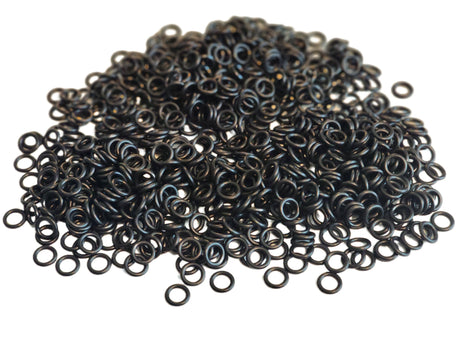
For mission-critical applications in the oceanic marine environment, material reliability and engineering precision are non-negotiable. At Suzhou Baoshida Trading Co., Ltd., we specialize in high-performance industrial rubber solutions engineered to withstand extreme salinity, continuous moisture exposure, wide thermal fluctuations, and prolonged mechanical stress. Our formulations are developed in alignment with ISO 9001 standards and rigorously tested to ensure compliance with marine industry specifications, including resistance to biofouling, ozone degradation, and hydrolysis.
Our engineered elastomers serve a wide range of marine systems, including sealing components for subsea connectors, vibration dampers in propulsion units, gaskets for deck hatches, and custom-molded parts for offshore instrumentation housings. Utilizing advanced compounding techniques, we tailor durometer hardness, tensile strength, and compression set properties to meet the operational demands of surface vessels, deep-sea exploration platforms, and autonomous underwater vehicles.
Suzhou Baoshida maintains an integrated supply chain with in-house R&D, precision molding capabilities, and comprehensive QA/QC protocols. This vertical control ensures batch consistency, rapid prototyping, and full traceability—essential for OEMs and Tier-1 marine equipment suppliers requiring long-term supply agreements and regulatory documentation.
To support global partners, we offer technical data sheets, material certifications (including RoHS and REACH compliance), and accelerated aging test reports upon request. Our engineering team collaborates directly with client design groups to optimize part geometry, recommend material grades, and conduct failure mode analysis during the development phase.
For immediate technical consultation or custom formulation support, contact Mr. Boyce, OEM Account Manager and Rubber Formula Engineer at Suzhou Baoshida Trading Co., Ltd. Mr. Boyce leads material innovation projects and oversees client-specific compound development, ensuring that every solution meets exact functional and environmental requirements. He is available to review application challenges, provide sample submissions, and coordinate pilot production runs with expedited turnaround.
Reach Mr. Boyce directly via email at [email protected]. Include detailed application parameters such as operating temperature range, media exposure, mechanical load, and performance lifetime expectations to facilitate rapid response and accurate material recommendation.
The following table outlines key performance characteristics of our standard marine-grade rubber compounds:
| Material Type | Hardness (Shore A) | Tensile Strength (MPa) | Elongation at Break (%) | Fluid Resistance (Saltwater, 3.5% NaCl) | Operating Temperature Range (°C) |
|---|---|---|---|---|---|
| Nitrile (NBR) | 50–90 | 15–28 | 250–450 | Excellent | -30 to +100 |
| Hydrogenated NBR (HNBR) | 60–95 | 20–32 | 200–400 | Outstanding | -40 to +150 |
| EPDM | 50–80 | 12–22 | 300–500 | Excellent | -50 to +130 |
| Silicone (VMQ) | 40–80 | 6–12 | 200–400 | Good | -60 to +200 |
| Fluorocarbon (FKM) | 65–85 | 10–18 | 150–250 | Exceptional | -20 to +250 |
Initiate your next marine-grade rubber solution with precision-engineered performance. Contact Mr. Boyce today at [email protected] to schedule a technical review.
⚖️ O-Ring Weight Calculator
Estimate rubber O-ring weight (Approx).