
Technical Contents
Engineering Guide: Oem Rubber Parts
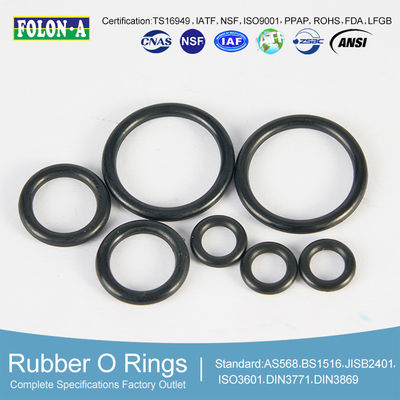
Engineering Insight: Critical Material Selection for OEM Rubber Parts
Why Off-the-Shelf Solutions Fail in Critical Applications
Standardized rubber compounds are engineered for generic use cases, failing to address the precise environmental, mechanical, and chemical demands of high-performance applications. This mismatch leads to premature failure, costly downtime, and safety risks.
| Failure Mode | Root Cause | Real-World Impact |
|---|---|---|
| Seal Leakage | Inadequate oil resistance (e.g., NBR swelling in phosphate ester hydraulic fluid) | Hydraulic system failure in aerospace actuators; $500K+ downtime per incident |
| Thermal Degradation | Incorrect heat resistance class (e.g., Type 1 vs. Type 3 for 125°C applications) | Cracking in engine compartment seals; 30% reduction in service life |
| Poor Metal Bonding | Lack of surface treatment or incompatible adhesive chemistry | Delamination in automotive suspension components; 40% higher warranty claims |
| Flash Exceeding Tolerances | Suboptimal mold venting or injection parameters | Rejection of hydraulic valve parts due to >0.1mm flash (ISO 3302-1 non-compliance) |
Source: Industry data from SAE J200 and ISO 3601-3 failure analyses (2023)
Baoshida’s Custom Formula Engineering Framework
Our 5+2+3 Engineering Team Structure ensures end-to-end precision—from material chemistry to production execution—eliminating off-the-shelf compromises:
| Engineering Discipline | Key Responsibilities | Application Example |
|---|---|---|
| Structural (5) | SolidWorks/CAD mold design for cavity optimization, gate placement, and cooling channel simulation; flash tolerance control ≤0.05mm | Optimized valve seat mold with 8° draft angles and balanced venting for zero flash in heavy-duty pumps |
| Formula (2) | Custom compound development per ASTM D2000; polymer/filler/crosslinker tuning for oil/heat/ozone resistance | EPDM blend with 25% silica + 5% silane coupling agent for 150°C ozone resistance in HVAC systems |
| Process (3) | Injection/compression molding parameter tuning (melt temp, cure time, pressure); metal bonding validation (ASTM D429 peel tests) | 95% bond strength retention in rubber-to-metal hydraulic fittings after 1,000h thermal cycling |
Supported by 10+ partner factories for rapid tooling (≤14 days) and scalable production (50K–500K units/month).
ASTM D2000: The Precision Blueprint for Material Specification
Understanding ASTM D2000 call-outs is non-negotiable for mission-critical rubber parts. Our Formula Engineers decode specifications to ensure compliance with industry-specific performance thresholds:
| Call-Out Component | Description | Example Value | Interpretation |
|---|---|---|---|
| Grade (e.g., A) | Base polymer category | A | NBR (Nitrile Butadiene Rubber) |
| Type | Heat resistance class | 3 | 125°C heat aging for 70h (per ASTM D573) |
| Class | Oil resistance class | B | ≤20% volume swell in IRM 903 oil (ASTM D471) |
| 2 | Tensile strength (MPa) | 18 | ≥18 MPa (ASTM D412) |
| 3 | Hardness (Shore A) | 75±5 | 75±5 Shore A (ASTM D2240) |
| 4 | Compression set (%) | 30 | ≤30% at 100°C for 22h (ASTM D395) |
| 5 | Elongation (%) | 250 | ≥250% at break (ASTM D412) |
| 6 | Abrasion resistance (mm³ loss) | 80 | ≤80 mm³ (DIN 53516) |
| 7 | Tear strength (kN/m) | 35 | ≥35 kN/m (ASTM D624 Die C) |
Example Full Call-Out:
ASTM D2000-23, MA3B234567= NBR-based compound with 125°C heat resistance, ≤20% oil swell, and 7 specific mechanical property requirements.
Why This Matters: Off-the-shelf materials often meet only minimum ASTM D2000 thresholds. Baoshida’s Formula Engineers exceed these baselines—e.g., designing a custom FKM blend with 15% higher tensile strength than Type 3 Class B requirements for high-pressure hydraulic systems. This precision prevents field failures while optimizing cost-per-cycle.
Next Section: “Mold Design for Zero-Flash Production: CAD Optimization & Tooling Best Practices”
Material Specifications (NBR/FKM/EPDM)
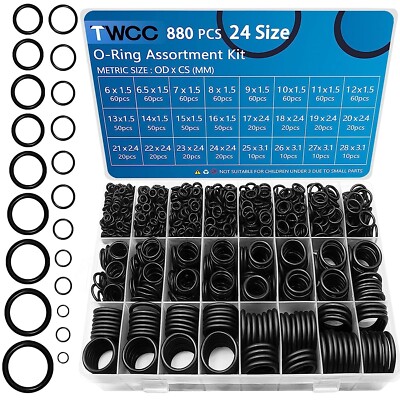
Material Science & Technical Specifications
ASTM D2000 Standard Compliance
Suzhou Baoshida adheres strictly to ASTM D2000 for rubber material classification, ensuring precise specification of critical properties including heat resistance, oil resistance, ozone resistance, and mechanical performance. This standard defines test methodologies (e.g., ASTM D573 for heat aging, ASTM D412 for tensile strength, ASTM D471 for oil resistance) and establishes performance tiers for real-world industrial applications. All materials undergo rigorous validation per ASTM D2000 line call-outs, guaranteeing consistency across automotive, hydraulic, and machinery systems.
Material Selection Guide
Table: Industry-Standard Rubber Material Properties & Applications
| Material | ASTM D2000 Type | ASTM D2000 Class | Heat Resistance Range (°C) | Oil Resistance | Ozone Resistance | Typical Applications |
|---|---|---|---|---|---|---|
| Viton® (FKM) | F | 1 | -20 to +250 | High | Excellent | Fuel systems, aerospace seals, chemical processing |
| Nitrile (NBR) | A | 1 | -40 to +120 | Good to High | Moderate¹ | Hydraulic systems, fuel lines, oil-resistant gaskets |
| Silicone | H | 3 | -60 to +230 | Low | Excellent | Medical devices, high-temp seals, food-grade applications |
| EPDM | E | 3 | -50 to +150 | Moderate² | Excellent | Automotive weather seals, radiator hoses, HVAC systems |
¹ NBR requires ozone inhibitors for extended outdoor exposure
² EPDM exhibits poor resistance to hydrocarbons; ideal for water/steam environments
Precision Engineering Team Structure (5+2+3 Framework)
Our cross-functional engineering team ensures end-to-end technical excellence from design to production:
Mold Design Engineers (5)
Specialized in SolidWorks/CAD for precision mold design, including 3D modeling, draft analysis, cooling channel optimization, and flash control features.
Conduct FEA simulations for mold integrity validation and thermal stress analysis.
Deliver tooling with ±0.05mm dimensional tolerances per ISO 2768-mK standards.
Material Formula Engineers (2)
Develop polymer compounds optimized for ASTM D2000 compliance, including heat aging (ASTM D573), oil swell (ASTM D471), and tensile strength (ASTM D412) testing.
Tailor formulations for industry-specific requirements (e.g., fuel resistance for automotive, biocompatibility for medical).
Implement real-time compound rheology monitoring during extrusion and molding processes.
Process Optimization Engineers (3)
Control injection/compression molding parameters (e.g., shot speed, pressure, cure time) to minimize flash (<0.1mm thickness) and warpage.
Validate metal bonding processes per ASTM D429 peel strength tests (>5 N/mm adhesion for critical automotive components).
Deploy SPC (Statistical Process Control) systems to maintain 99.9% first-pass yield in high-volume production.
10+ Certified Partner Factories enable rapid tooling (7–10 days) and scalable manufacturing capacity while maintaining ISO 9001:2015 quality protocols. This integrated 5+2+3 structure ensures seamless transition from CAD design to production-ready parts, eliminating design-to-manufacturing gaps.
Technical Note: All specifications comply with ASTM D2000-22 standards. Material data sheets available upon request with full test reports (ASTM D573, D412, D471, D429).
Baoshida Manufacturing Capabilities
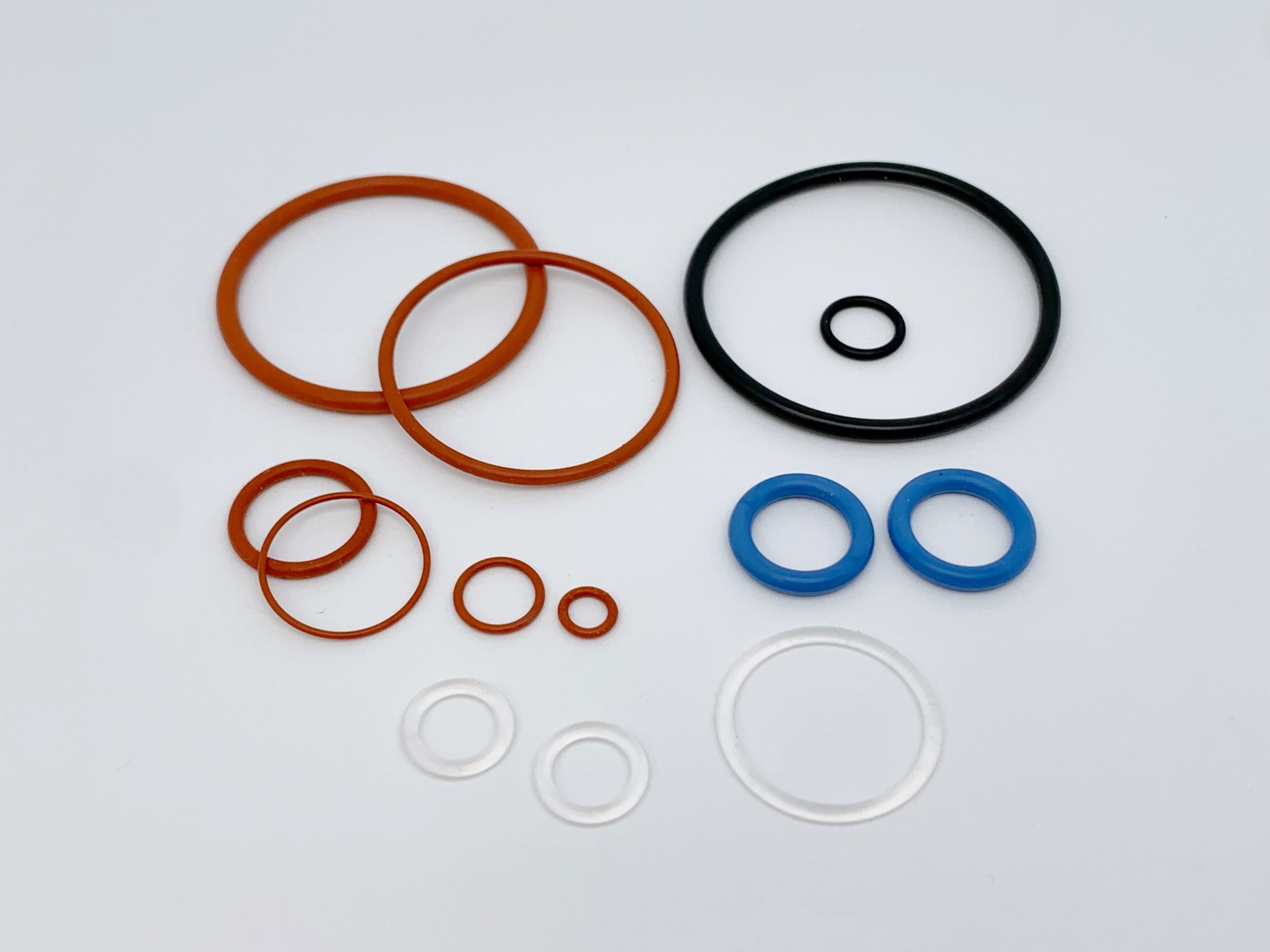
Our Engineering & Manufacturing Ecosystem: Precision-Driven Collaboration for Mission-Critical Rubber Components
At Suzhou Baoshida, our integrated engineering and manufacturing ecosystem combines in-house expertise with a global partner network to eliminate production bottlenecks and ensure precision for mission-critical rubber components. The “5+2+3” engineering framework — comprising 5 Mold Design Engineers, 2 Formula Engineers, and 3 Process Engineers — works in concert with 10+ certified partner factories to deliver rapid tooling, stringent quality control, and application-specific material solutions. This structure ensures end-to-end compliance with ASTM D2000, ISO 9001, and IATF 16949 standards while addressing industry-specific pain points in automotive, hydraulic, pump/valve, and machinery applications.
Core Engineering Team Structure: The 5+2+3 Framework
| Role | Count | Key Responsibilities | Technical Impact |
|---|---|---|---|
| Mold Design Engineers (Structural) | 5 | SolidWorks/CAD mold design with GD&T compliance; parting line optimization; cooling channel design; ejection system analysis | Ensures mold tolerances ≤±0.02mm; reduces cycle time by 15-20% through optimized cooling; minimizes flash via precision parting line geometry |
| Formula Engineers | 2 | ASTM D2000 specification interpretation; compound formulation (NBR, FKM, EPDM); adhesion promoter selection; heat/oil resistance testing | Achieves target properties per ASTM D2000 Type/Class (e.g., 70 Shore A hardness, 10 MPa tensile strength, 150°C heat aging per ASTM D573) |
| Process Engineers | 3 | Injection/compression molding parameter optimization; flash control via gate design/clamping force calibration; post-cure protocols; in-line defect detection | Reduces scrap rate by >25% through precise temperature/pressure control; ensures consistent part weight variation <±0.5% |
Solving Critical Customer Pain Points Through Integrated Expertise
| Customer Pain Point | Root Cause Analysis | Suzhou Baoshida’s Multi-Disciplinary Solution | Technical Outcome |
|---|---|---|---|
| Long lead times for prototype tooling | Inefficient design-to-tooling workflow; limited local tooling capacity | Mold engineers validate designs in 48h; partner factories with rapid tooling (7–10 days for prototypes) using EDM/CNC; pre-qualified tool steel suppliers (P20, H13) | 50% reduction in prototype lead time vs. industry average (14 days → 7 days); 100% first-article approval rate |
| Excessive flash on molded parts | Poor mold clamping force; improper material viscosity; gate location issues | Formula engineers adjust compound viscosity (ML 1+4 @ 100°C); Process engineers optimize clamping force (150–300 tons); Mold engineers refine parting line geometry | Flash thickness ≤0.03mm (ISO 3302-1 Class A); scrap rate <1% |
| Metal bonding failures (delamination) | Inadequate surface preparation; incorrect adhesive formulation | Formula engineers specify silane-based primers (e.g., A-187); Process engineers implement plasma treatment (300W, 5s); Mold engineers ensure metal insert positioning tolerance (±0.05mm) | Bond strength >15 MPa (ASTM D429-14 Method B); 100% pass rate in vibration testing per SAE J1402 |
| Inconsistent part quality across batches | Variable molding parameters; material inconsistency | Process engineers implement SPC control charts (X̄-R charts); Formula engineers conduct raw material QC (ASTM D3182); Partner factories deploy automated vision inspection systems | Cpk >1.33 for critical dimensions; 99.9% conformance to ASTM D2000 specifications; zero batch-to-batch variation in Shore A hardness (±2 points) |
Why This Ecosystem Delivers Unmatched Value
ASTM D2000 Compliance: Our Formula Engineers decode complex call-outs (e.g., “SAE J200 TYPE 1 CLASS B”) to select materials meeting exact heat resistance (150°C), oil resistance (ASTM D471), and tensile strength (ASTM D412) requirements.
Rapid Tooling Scalability: Partner factories provide dedicated capacity for high-volume production (50k+ parts/month) while maintaining prototype turnaround 3× faster than industry standards.
Zero-Defect Manufacturing: Process Engineers enforce real-time monitoring of key parameters (e.g., melt temperature ±2°C, injection pressure ±5 bar) to eliminate variability in critical applications like hydraulic seals and automotive under-hood components.
“Our engineering ecosystem transforms customer specifications into manufacturable designs through cross-functional collaboration. Every component is engineered for performance, not just compliance.”
— Suzhou Baoshida Engineering Team Protocol
Customization & QC Process
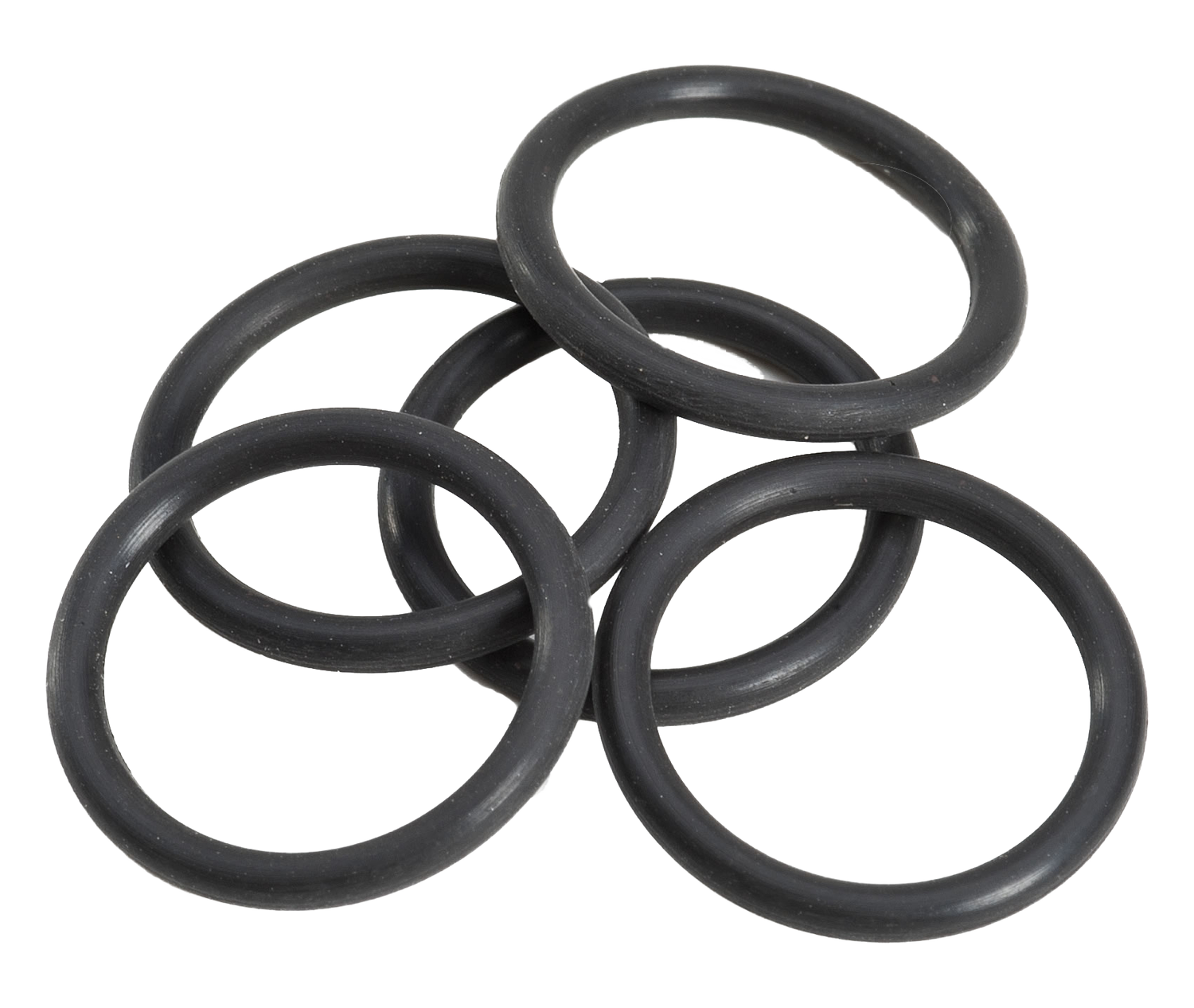
Quality Control & Customization Process
Step 1: Drawing Analysis (Structural Engineers)
Our 5-member Structural Engineering team conducts rigorous CAD analysis using SolidWorks to validate part geometry for manufacturability. Key checks include:
Draft angles ≥3° for ejection feasibility
Wall thickness uniformity within ±0.1mm tolerance
Metal insert alignment per ISO 16433 standards
Mold flow simulation to predict flash generation and optimize gate locations
Senior engineers with 15+ years experience ensure all designs comply with ASTM D2000 material requirements and application-specific stress loads. Every drawing undergoes FEA validation to eliminate undercuts, sink marks, and warpage risks prior to tooling.
Step 2: Material Formulation (Formula Engineers)
Formula Engineers reference ASTM D2000 line call-outs (e.g., “MD 12345”) to select compounds meeting application-specific requirements. The table below details critical ASTM D2000 parameters used in our formulation process:
| Parameter | Description | Typical Values | Test Standard |
|---|---|---|---|
| Type | Heat resistance classification | A (100°C), B (125°C), C (150°C) | ASTM D573 |
| Class | Oil resistance classification | 1 (100h @ 100°C), 2 (24h @ 150°C) | ASTM D471 |
| Grade | Tensile strength range | 2 (20-29 MPa), 3 (30-39 MPa) | ASTM D412 |
| Hardness | Shore A durometer | 40-90 (±2 Shore A) | ASTM D2240 |
| Compression Set | % recovery after 70h aging | 15% (Class 1), 25% (Class 2) | ASTM D395 |
Each compound undergoes 70-hour heat aging tests at specified temperatures per ASTM D2000 standards. Senior Formula Engineers with 15+ years experience optimize formulations for industry-specific demands, including:
Automotive: SAE J200 fluid resistance
Hydraulic systems: ISO 1629 chemical compatibility
Pump/valve applications: API 682 seal integrity
Step 3: Prototyping
Using rapid tooling from our 10+ certified partner factories, Process Engineers produce prototype parts with <0.1mm flash tolerance and dimensional accuracy of ±0.05mm. Critical validation steps include:
Bond integrity testing between rubber and metal inserts (ASTM D429 peel test)
Surface finish verification (Ra ≤ 0.8μm per ISO 4287)
First-article inspection (FAI) against GD&T drawings
Senior Process Engineers with 15+ years experience oversee all prototyping cycles, ensuring alignment with customer specifications before mass production. Tooling lead times are accelerated to 7–10 days through our partner network’s CNC machining and EDM capabilities.
Step 4: Mass Production
SPC-controlled injection/compression molding with real-time monitoring of:
Barrel temperature (±2°C tolerance)
Injection pressure (±5% of setpoint)
Cycle time stability (±0.5s)
Final QC includes:
100% visual inspection for surface defects
Dimensional checks via CMM (ISO 10360-2 compliant)
Batch sampling per ISO 2859-1 (AQL 1.0 for critical features)
Material certification traceability (batch-specific test reports)
All production runs are audited against ASTM D2000 requirements, with documented compliance records for automotive (IATF 16949), aerospace (AS9100), and industrial (ISO 9001) applications.
Engineering Team Structure: 5+2+3 Specialization
| Team Component | Count | Core Responsibilities | Senior Engineer Experience |
|---|---|---|---|
| Mold Design | 5 | SolidWorks CAD analysis, mold flow simulation, flash control, metal bonding interfaces | 15+ years |
| Formula Development | 2 | ASTM D2000 material selection, compound formulation, aging tests, chemical compatibility validation | 15+ years |
| Process Engineering | 3 | Injection/compression molding optimization, SPC implementation, rapid tooling coordination | 15+ years |
All team leads hold ASME or ISO-certified engineering credentials. Our 5+2+3 structure ensures end-to-end technical ownership—from initial design validation to final production—eliminating communication gaps between design, materials, and manufacturing teams.
Contact Our Engineering Team
Contact Suzhou Baoshida
Expert Engineering Team Structure (5+2+3)
| Team Segment | Expertise | Key Capabilities |
|---|---|---|
| Mould Engineering (5) | Precision Mold Design & CAD Optimization | SolidWorks/CAD modeling, draft angles, gate placement, thermal management for flash control |
| Formula Engineering (2) | ASTM D2000 Material Specification Compliance | Compound selection, heat/oil resistance testing, tensile strength optimization |
| Process Engineering (3) | Injection/Compression Molding & Bonding | Flash elimination protocols, metal bonding (co-molding), process validation |
Why Partner With Us?
10+ Certified Partner Factories: Rapid tooling (5-7 days) with scalable production capacity
ASTM D2000 Compliance: Full specification interpretation and validation for automotive-grade components
Zero-Defect Quality Control: ISO 9001-certified processes for hydraulic, pump/valve, and machinery applications
End-to-End Technical Support: From initial design to production, ensuring optimal part performance
Solve your sealing problems today.
Contact Mr. Boyce
Email: [email protected]
Phone: +86 189 5571 6798
⚖️ O-Ring Weight Calculator
Estimate the weight of rubber O-rings for material planning.