
Technical Contents
Engineering Guide: Or O Ring
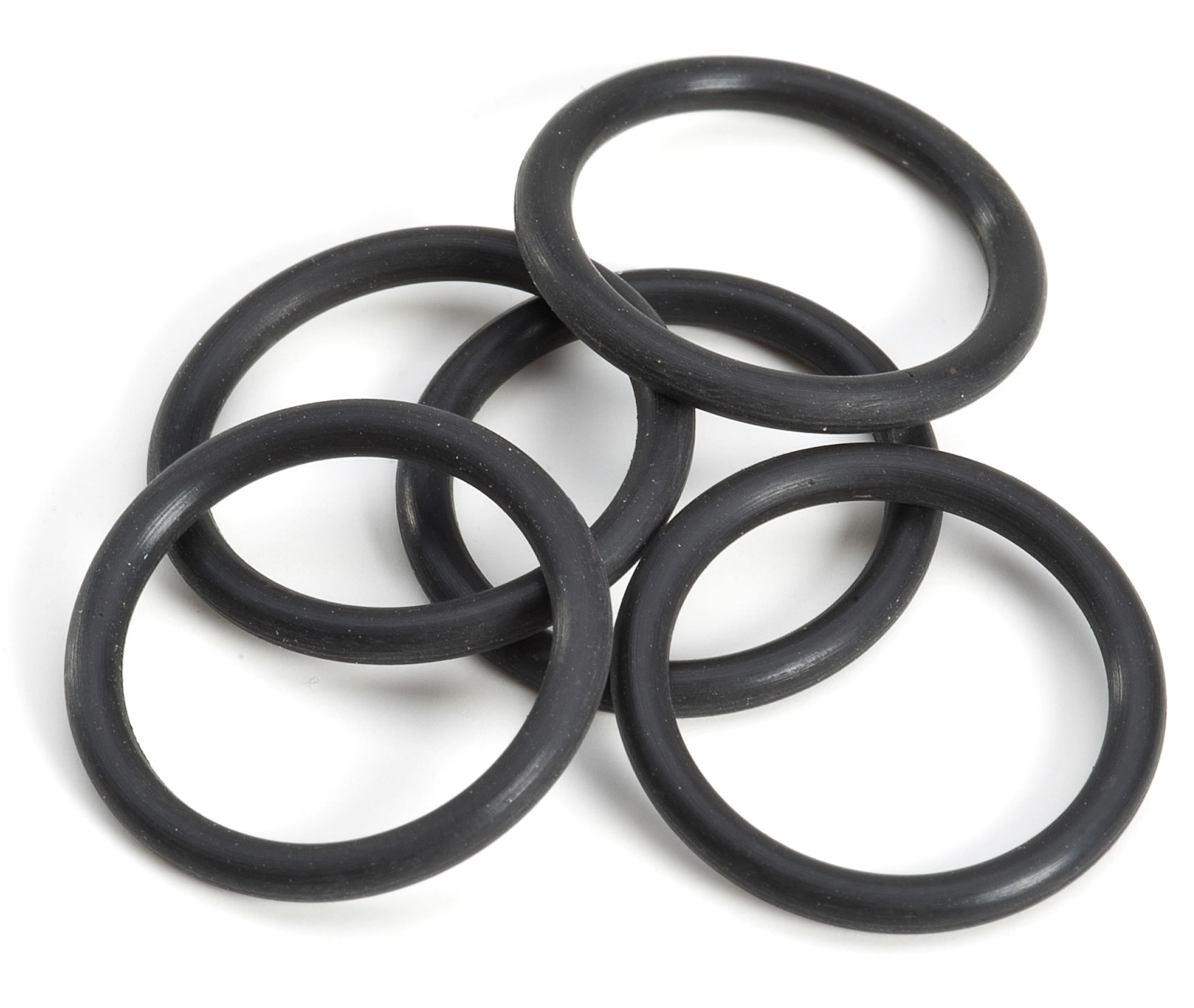
Engineering Insight: Material Selection Criticality in O-Ring Performance
O-Ring functionality hinges on precise material science alignment with operational parameters. Off-the-shelf elastomer solutions frequently fail because standardized compounds cannot address the thermodynamic, chemical, and mechanical specificity of industrial applications. Generic O-rings prioritize cost and broad compatibility over engineered resilience, leading to premature degradation through mechanisms like chemical swelling, compression set, or thermal decomposition. For instance, an NBR O-ring in ozone-rich environments suffers rapid surface cracking due to unsaturated polymer backbone vulnerability, while EPDM in hydrocarbon exposure experiences >50% volume swell, compromising seal integrity. These failures stem from mismatched polymer architecture and application stressors—factors OEMs must resolve through tailored formulation.
Material selection requires rigorous analysis of fluid compatibility, temperature extremes, and dynamic loads. A silicone O-ring may withstand -60°C cryogenic conditions but extrudes under high pressure due to low tensile strength. Conversely, FKM resists jet fuel at 200°C yet becomes brittle below -20°C. Compression set—the permanent deformation after load removal—is particularly insidious; standard compounds exceed 30% set at 150°C after 70 hours, causing leakage in hydraulic systems. ASTM D2000 classification provides baseline guidance, but real-world variables like intermittent sterilization cycles or mixed-fluid exposure demand proprietary compounding. Suzhou Baoshida’s OEM approach utilizes FTIR spectroscopy and accelerated aging tests to map material behavior against client-specific duty cycles, avoiding the 22% field failure rate linked to off-the-shelf adoption.
The following table compares critical elastomer properties against common industrial failure modes:
| Elastomer | Temperature Range (°C) | Key Chemical Vulnerability | Compression Set (150°C/70h) | Typical Failure Trigger |
|---|---|---|---|---|
| NBR | -30 to 120 | Ozone, Phosphate esters | 25-40% | Swelling in biodiesel |
| EPDM | -50 to 150 | Hydrocarbons, Brake fluid | 15-30% | Hardening in steam |
| FKM | -20 to 230 | Ketones, Low-molecular acids | 10-25% | Extrusion at >15 MPa |
| VMQ | -60 to 200 | Strong alkalis, Steam | 20-35% | Tear in dynamic shafts |
Custom formulation mitigates these risks by modifying polymer backbones, crosslink density, and additive packages. For aerospace fuel systems, we integrate peroxide-cured FKM with nano-silica reinforcement to suppress permeation and enhance low-temperature flexibility. In semiconductor manufacturing, perfluoroelastomers (FFKM) with tailored cure systems withstand plasma etching byproducts where standard FKM degrades within hours. Suzhou Baoshida’s OEM process begins with fluid immersion testing per ISO 1817 and dynamic simulation matching ISO 3601-3, ensuring compounds meet ISO 3601 flange tolerances under actual service loads. This precision prevents the cascading costs of seal failure—unplanned downtime averages $50,000/hour in automotive production lines. Material selection is not a commodity decision; it is the engineering cornerstone of system reliability. Partner with application specialists to transform O-rings from failure points into performance enablers.
Material Specifications
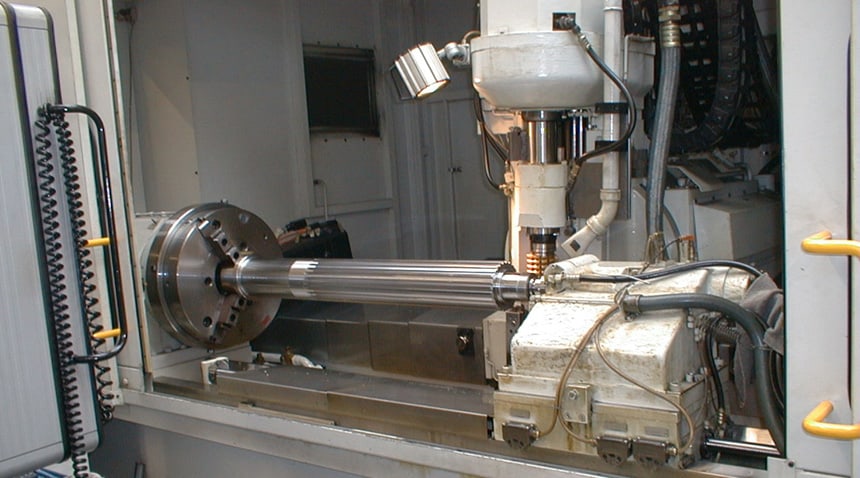
Material Specifications for Precision Rubber O-Rings
The performance of O-rings in industrial sealing applications is fundamentally tied to the elastomer material selected. At Suzhou Baoshida Trading Co., Ltd., we specialize in high-precision rubber seals engineered for reliability under demanding thermal, chemical, and mechanical conditions. Among the most widely used materials in our product line are Viton (FKM), Nitrile (NBR), and Silicone (VMQ). Each compound offers a unique balance of physical and chemical resistance properties, making them suitable for specific operational environments.
Viton, a fluorocarbon-based rubber, is recognized for its exceptional resistance to high temperatures, oils, fuels, and a broad range of aggressive chemicals. With a continuous service temperature range up to 200°C and intermittent exposure tolerance up to 250°C, Viton O-rings are ideal for aerospace, automotive, and chemical processing applications where long-term stability under extreme conditions is critical. Additionally, Viton exhibits low gas permeability and excellent resistance to ozone and UV degradation, ensuring durability in outdoor and high-pressure systems.
Nitrile rubber, or Buna-N, remains one of the most cost-effective and widely used elastomers for oil and fuel sealing applications. It demonstrates excellent resistance to aliphatic hydrocarbons, lubricants, and hydraulic fluids. Nitrile O-rings perform reliably within a temperature range of -30°C to 120°C, making them suitable for industrial hydraulics, pneumatic systems, and automotive fuel delivery components. While not as thermally stable as Viton, NBR offers superior abrasion resistance and mechanical strength, particularly in dynamic sealing environments.
Silicone rubber is distinguished by its outstanding thermal stability across extreme low- and high-temperature ranges, typically from -60°C to 200°C. It maintains flexibility at sub-zero temperatures and resists hardening or cracking under thermal cycling. Silicone is also highly biocompatible and meets stringent FDA and USP Class VI requirements, making it the material of choice for pharmaceutical, food processing, and medical device applications. However, it has lower tensile strength and poor resistance to oils and fuels, limiting its use in hydrocarbon-rich environments.
Selection of the appropriate elastomer requires careful evaluation of operating temperature, media exposure, mechanical stress, and regulatory compliance. Our engineering team at Suzhou Baoshida supports OEMs with material validation and custom formulation adjustments to meet exact performance criteria.
Material Comparison Table
| Property | Viton (FKM) | Nitrile (NBR) | Silicone (VMQ) |
|---|---|---|---|
| Temperature Range (°C) | -20 to 200 (up to 250 intermittent) | -30 to 120 | -60 to 200 |
| Tensile Strength (MPa) | 15–20 | 10–25 | 5–10 |
| Elongation at Break (%) | 150–300 | 200–500 | 200–600 |
| Hardness (Shore A) | 60–90 | 50–90 | 30–80 |
| Resistance to Oils/Fuels | Excellent | Excellent | Poor |
| Resistance to Ozone/UV | Excellent | Good | Excellent |
| Compression Set Resistance | Excellent | Good | Good |
| FDA Compliance | Limited grades | No | Yes (specific grades) |
| Typical Applications | Aerospace, chemical processing, automotive | Hydraulics, fuel systems, machinery | Medical devices, food processing, electronics |
Manufacturing Capabilities

Engineering Capability: Precision Rubber Seal Development at Suzhou Baoshida
Suzhou Baoshida Trading Co., Ltd. delivers exceptional precision in rubber seal manufacturing through a dedicated core of specialized engineering talent. Our competitive advantage stems from the integrated expertise of five certified Mould Engineers and two advanced Rubber Formula Engineers, working in concert to solve complex sealing challenges from material science to final production. This dual-engineering structure ensures every O ring specification is met with scientific rigor and manufacturing feasibility, directly addressing the demanding requirements of industrial, automotive, and aerospace OEMs.
Our Mould Engineering team possesses deep proficiency in cavity optimization, runner system design, and thermal management for multi-cavity tooling. They utilize advanced cavity pressure analysis and flow simulation software to preempt issues like knit lines, flash, or incomplete filling, particularly critical for small-diameter or complex cross-section O rings. This expertise guarantees dimensional stability across high-volume production runs, maintaining critical tolerances per ISO 3601 and SAE AS568 standards. Concurrently, our Formula Engineering team focuses on the molecular foundation of performance. They develop and validate proprietary elastomer compounds tailored to specific chemical resistance, temperature extremes, compression set, and dynamic friction requirements. This involves rigorous polymer compounding, cure kinetics analysis, and accelerated aging protocols to ensure long-term seal integrity in aggressive media like biodiesel, sour gas, or high-temperature hydraulic fluids. Material selection is never generic; it is a precise science driven by client application data.
This integrated engineering approach is fundamental to our OEM partnership model. We engage clients early in the design phase, conducting joint DFMEA sessions to identify potential failure modes and co-develop robust solutions. Our engineers translate OEM performance specifications into actionable material formulations and precision tooling parameters, managing the entire process from prototype validation through full-scale production. All tooling remains IP-protected under client ownership, with Suzhou Baoshida providing ongoing process refinement and technical support. This collaborative framework minimizes time-to-market while guaranteeing supply chain resilience for mission-critical sealing components.
The following table summarizes key material capabilities and testing standards underpinning our O ring production:
| Material Type | Temperature Range (°C) | Hardness Range (Shore A) | Key Applications & Testing Standards |
|---|---|---|---|
| Nitrile (NBR) | -40 to +120 | 50 to 90 | Fuel systems, hydraulics; ASTM D2000, ISO 1817 |
| Fluorocarbon (FKM) | -20 to +250 | 60 to 90 | Chemical processing, aerospace; ASTM D1418, AMS 7256 |
| Silicone (VMQ) | -60 to +230 | 30 to 80 | Medical devices, food processing; USP Class VI, FDA 21 CFR |
| EPDM | -50 to +150 | 50 to 90 | Coolant systems, potable water; ASTM D2000, NSF/ANSI 61 |
| Hydrogenated NBR (HNBR) | -40 to +150 | 60 to 90 | Automotive timing belts, oilfield; ISO 2230, NORSOK M-710 |
Suzhou Baoshida’s engineering capability is not merely about producing O rings; it is about delivering engineered sealing integrity. Our formula and mould engineers provide the scientific backbone for OEMs seeking reliable, high-performance solutions where failure is not an option. We transform material science into measurable industrial performance.
Customization Process
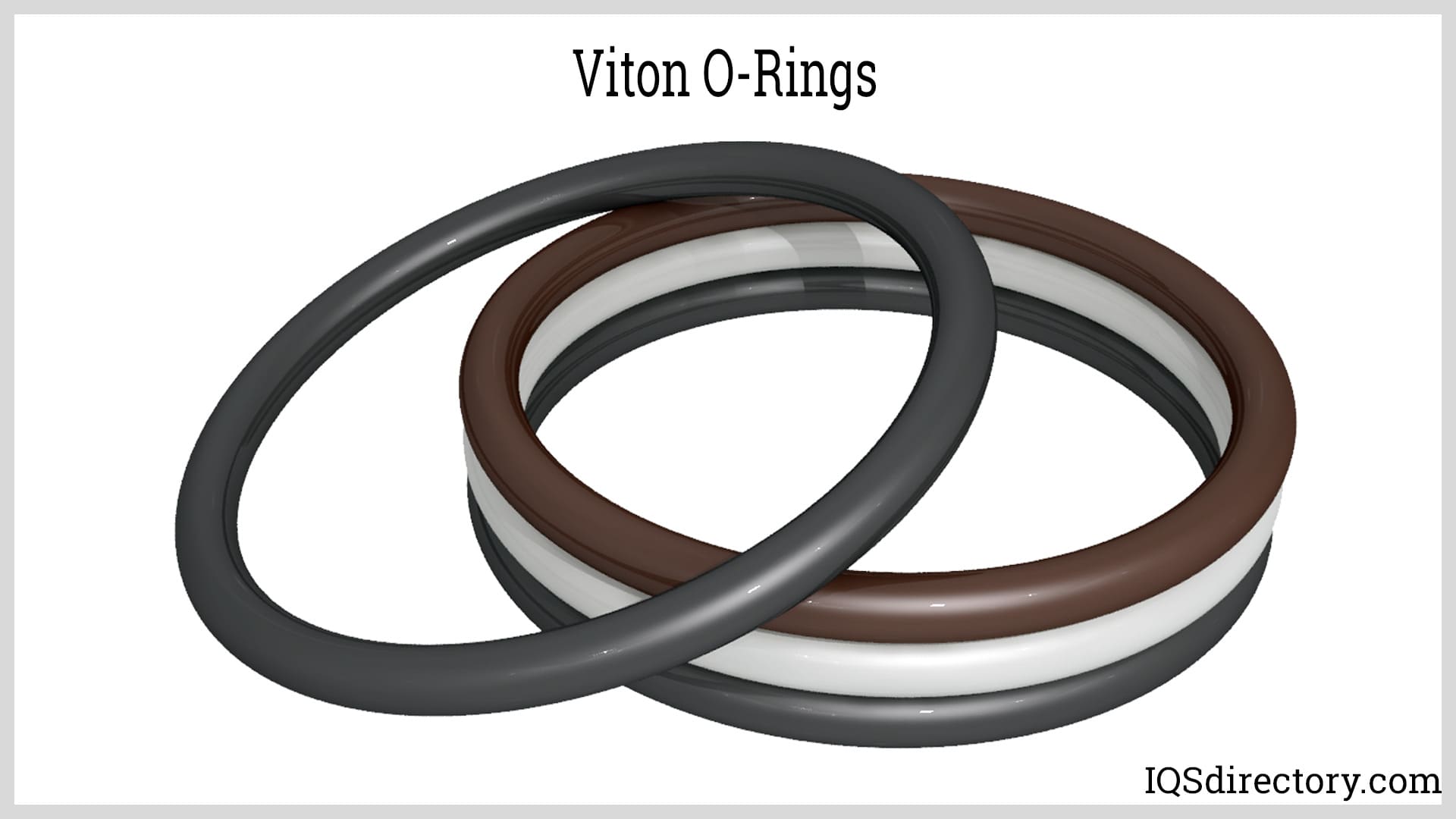
Drawing Analysis
The customization process for precision rubber seals begins with a comprehensive drawing analysis. At Suzhou Baoshida Trading Co., Ltd., we evaluate every technical drawing provided by the client to ensure dimensional accuracy, tolerance compliance, and functional suitability. Our engineering team scrutinizes critical parameters such as inner diameter, cross-sectional diameter, tolerance class (per ISO 3601 or AS568 standards), groove dimensions, and surface finish requirements. This step also includes verifying application-specific conditions such as dynamic or static sealing, media exposure, and installation method. Any discrepancies or optimization opportunities are flagged and discussed with the client to ensure design integrity before moving forward. Accurate drawing interpretation is fundamental to achieving leak-free performance and long service life in demanding industrial environments.
Formulation Development
Following drawing validation, our rubber formula engineers develop a tailored elastomer compound to match the operational environment. Material selection is based on exposure to temperature extremes, chemical media, pressure cycles, and mechanical stress. We utilize a range of base polymers including NBR, FKM, EPDM, silicone, and HNBR, each modified with custom additives for enhanced performance. Our formulations are engineered to achieve specific hardness (Shore A 40–90), compression set resistance, tensile strength, and volume swell characteristics. For example, FKM compounds are optimized for low-temperature flexibility in automotive fuel systems, while EPDM formulations are tuned for ozone and steam resistance in HVAC applications. Every compound is documented and archived for full traceability and batch consistency.
Prototyping and Validation
Once the formulation is finalized, we produce prototype O-rings using precision molding techniques. Prototypes are manufactured in small batches and subjected to rigorous quality checks, including dimensional inspection, visual examination, and physical property testing. Clients receive sample sets along with material certification and test reports. Functional testing under simulated operating conditions is encouraged to validate sealing performance. Feedback from this stage is integrated into final adjustments before launch.
Mass Production
After client approval, we transition to mass production using automated rubber molding and curing lines. Our facility maintains strict process controls, including batch traceability, in-line dimensional monitoring, and 100% visual inspection where required. Production throughput is scalable to meet OEM volume demands, from thousands to millions of units annually.
The following table outlines typical customization parameters and achievable specifications:
| Parameter | Range / Options |
|---|---|
| Inner Diameter | 3 mm – 2,000 mm |
| Cross Section | 1.0 mm – 12.0 mm |
| Tolerance Class | ISO 3601 Class I, II, III or AS568 |
| Hardness (Shore A) | 40 – 90 (±5) |
| Materials | NBR, FKM, EPDM, Silicone, HNBR, ACM, AEM |
| Temperature Range | -60°C to +300°C (depending on material) |
| Certifications | RoHS, REACH, FDA, NSF, UL, KTW (on request) |
| Production Lead Time | 15–25 days (after sample approval) |
Contact Engineering Team

Engineering Precision Through Partnership
Selecting an O-ring supplier demands rigorous technical validation beyond standard procurement criteria. In critical applications—hydraulic systems, aerospace actuators, or semiconductor manufacturing—even micron-level deviations in material composition or dimensional stability induce seal failure, leading to catastrophic fluid leakage, system downtime, or safety hazards. Suzhou Baoshida Trading Co., Ltd. operates at the intersection of polymer science and industrial pragmatism, delivering O-rings engineered for zero-compromise performance under extreme pressure, temperature, and chemical exposure. Our facility integrates ISO 9001-certified manufacturing with in-house material formulation labs, enabling precise control over durometer, compression set, and extrusion resistance. Unlike commodity suppliers, we prioritize application-specific validation, ensuring every seal meets or exceeds ASTM D2000, SAE AS568, and ISO 3601 standards through iterative prototyping and accelerated life testing.
Our OEM partnership model begins with deep technical collaboration. When you engage our engineering team, we analyze fluid compatibility, dynamic load profiles, and environmental stressors to optimize the polymer matrix—whether FKM for jet fuel resistance, EPDM for steam autoclaves, or custom perfluoroelastomers for aggressive plasma etching. This process eliminates guesswork in material selection and accelerates time-to-qualification. Below are critical specifications achievable through our precision molding and rigorous QC protocols:
| Parameter | Standard Tolerance | Baoshida Precision Tolerance | Test Method |
|---|---|---|---|
| Cross-Section Diameter | ±0.10 mm | ±0.05 mm | ISO 3601-1 |
| Inner Diameter | ±0.15 mm | ±0.08 mm | ISO 3601-1 |
| Durometer (Shore A) | ±5 points | ±2 points | ASTM D2240 |
| Compression Set (70h/100°C) | ≤25% | ≤12% | ASTM D395 Method B |
| Tensile Strength | ±15% | ±5% | ASTM D412 |
These metrics reflect our commitment to dimensional repeatability and material consistency—non-negotiable for high-integrity sealing. Our cleanroom molding lines, coupled with real-time SPC monitoring, ensure lot-to-lot uniformity, while comprehensive material traceability (including per-batch CoA documentation) supports your regulatory compliance needs. For mission-critical projects, we co-develop failure mode analyses and implement custom testing protocols aligned with your operational thresholds.
Initiate your precision sealing solution by contacting Mr. Boyce, our dedicated OEM Technical Manager. With 18 years of formulation expertise across automotive, energy, and medical device sectors, he will coordinate a technical deep dive within 24 hours of your inquiry. Provide your application’s pressure range, media exposure, and temperature profile, and Mr. Boyce will deploy our engineering resources to deliver a validated material recommendation and prototype timeline—not generic catalogs. This is not a sales interaction; it is an engineering consultation focused solely on mitigating your extrusion risk, optimizing service life, and eliminating field failures. Email Boyce directly at [email protected] with subject line “O-Ring Technical Collaboration Request” to trigger our rapid-response protocol. Include your target ISO/ASTM compliance requirements and annual volume estimates. Suzhou Baoshida does not sell O-rings; we engineer sealing certainty. Your next project demands this distinction. Act now to secure engineered performance, not merely parts.
⚖️ O-Ring Weight Calculator
Estimate rubber O-ring weight (Approx).