
Technical Contents
Engineering Guide: Organic Rubber
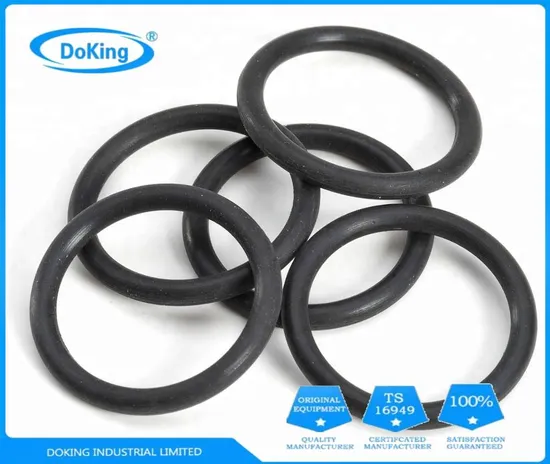
Engineering Insight: The Critical Role of Material Selection in Organic Rubber Applications
In industrial rubber manufacturing, the term “organic rubber” refers to elastomers derived primarily from natural sources or synthesized using carbon-based polymer chains, such as natural rubber (NR), styrene-butadiene rubber (SBR), and nitrile rubber (NBR). These materials are foundational in applications ranging from automotive seals to industrial hoses and vibration dampers. However, despite their widespread availability, selecting the appropriate organic rubber compound is far more complex than choosing an off-the-shelf product. Generic solutions often fail under real-world operational stress due to inadequate consideration of chemical exposure, thermal cycling, mechanical load, and environmental aging.
Material selection must begin with a precise understanding of service conditions. For example, a seal operating in a high-temperature engine compartment exposed to oils and ozone requires a compound with superior thermal stability and resistance to non-polar fluids. Off-the-shelf rubber components, often formulated for cost-efficiency rather than performance, typically lack the reinforcement systems and polymer architecture needed for such environments. This leads to premature cracking, compression set, or chemical degradation—failures that compromise system integrity and increase total cost of ownership.
At Suzhou Baoshida Trading Co., Ltd., we emphasize engineered material solutions tailored to application-specific demands. Our formulation process integrates polymer science with industrial performance data, enabling us to modify crosslink density, filler dispersion, and antioxidant systems to meet exact operational parameters. Unlike commodity-grade rubbers, our custom compounds undergo accelerated aging tests, dynamic mechanical analysis (DMA), and fluid immersion protocols to validate long-term reliability.
A critical differentiator lies in the balance of physical and chemical properties. The table below illustrates how key organic rubber types compare across essential performance metrics:
| Material | Tensile Strength (MPa) | Hardness (Shore A) | Operating Temp Range (°C) | Resistance to Oils | Resistance to Ozone |
|---|---|---|---|---|---|
| Natural Rubber (NR) | 18–28 | 40–80 | -50 to +80 | Low | Poor |
| Styrene-Butadiene (SBR) | 15–25 | 50–85 | -40 to +100 | Moderate | Poor |
| Nitrile Rubber (NBR) | 10–25 | 45–90 | -30 to +120 | Excellent | Moderate |
| Epichlorohydrin (ECO) | 12–20 | 55–80 | -30 to +110 | Very Good | Good |
As the data shows, no single organic rubber excels across all categories. Selecting NBR for oil resistance without considering its limited low-temperature flexibility, for instance, can result in brittle failure in cold environments. Similarly, NR offers exceptional resilience and tear strength but degrades rapidly in UV-exposed outdoor applications.
The takeaway is clear: successful rubber integration demands a systems-level engineering approach. At Baoshida, we collaborate with OEMs to define performance envelopes and develop compounds that meet—not merely approximate—the operational reality. This precision in material selection is what separates reliable industrial performance from costly field failures.
Material Specifications

Material Specifications: Critical Parameters for Industrial Rubber Selection
Organic rubber compounds form the backbone of resilient sealing and component solutions across demanding industrial environments. At Suzhou Baoshida Trading Co., Ltd., we prioritize precise material characterization to ensure optimal performance under operational stress. This section details the essential specifications of three high-performance elastomers: Viton (FKM), Nitrile (NBR), and Silicone (VMQ). Each material exhibits distinct molecular architectures that dictate thermal stability, chemical compatibility, and mechanical behavior. Understanding these parameters is non-negotiable for OEMs designing systems exposed to extreme temperatures, aggressive fluids, or cyclic loads.
Viton fluorocarbon rubber delivers exceptional resistance to high temperatures and synthetic hydrocarbons. Its carbon-fluorine bonds provide stability in aerospace fuel systems, chemical processing gaskets, and automotive turbocharger hoses. Viton maintains integrity from -20°C to +230°C continuous service, with short-term peaks up to 300°C. Tensile strength typically ranges 15–20 MPa (ASTM D412), while elongation at break spans 150–300%. Critical for oil & gas applications, it resists ASTM #3 oil, brake fluids, and aromatic solvents but shows vulnerability to ketones and low-temperature flexibility limitations.
Nitrile butadiene rubber remains the cost-effective standard for petroleum-based fluid sealing. Widely deployed in automotive O-rings, fuel injectors, and hydraulic systems, NBR balances resilience and affordability. Standard grades operate between -40°C and +105°C, with hydrogenated variants (HNBR) extending to +150°C. Tensile strength averages 10–20 MPa, with elongation of 200–500%. Its acrylonitrile content (18–50%) directly correlates with oil resistance; higher ACN improves fuel swelling resistance but reduces low-temperature flexibility. NBR degrades in ozone, chlorinated solvents, and phosphate ester hydraulic fluids.
Silicone rubber excels in extreme temperature applications requiring biocompatibility and electrical insulation. Common in medical devices, semiconductor manufacturing, and LED lighting, VMQ functions from -60°C to +200°C (specialty grades to +300°C). Tensile strength is moderate at 5–8 MPa, with elongation exceeding 400%. It resists oxidation, UV exposure, and water ingress but exhibits poor tear strength and swelling in non-polar solvents like gasoline. Platinum-cured medical grades meet USP Class VI and ISO 10993 standards.
The comparative analysis below enables data-driven material selection for critical OEM applications. All values reflect standard test methods per ASTM D2000 classification.
| Material | Temperature Range (°C) | Tensile Strength (MPa) | Elongation at Break (%) | Key Chemical Resistances | Typical Industrial Applications |
|---|---|---|---|---|---|
| Viton (FKM) | -20 to +230 | 15–20 | 150–300 | ASTM #3 oil, jet fuels, acids, brake fluids | Aerospace seals, chemical pump diaphragms, oilfield packers |
| Nitrile (NBR) | -40 to +105 | 10–20 | 200–500 | Aliphatic hydrocarbons, water, hydraulic fluids | Automotive fuel systems, hydraulic O-rings, printing rolls |
| Silicone (VMQ) | -60 to +200 | 5–8 | 400–700 | Water, ozone, UV, alcohols, weak acids | Medical tubing, food processing gaskets, electrical insulation |
Suzhou Baoshida Trading Co., Ltd. validates all material batches against these benchmarks through rigorous in-house testing per ISO 188 and ASTM D573 protocols. OEM partners receive full traceability documentation, including Shore A hardness curves and compression set data at specified temperatures. Material selection must account for synergistic effects—such as simultaneous exposure to heat and chemicals—where Viton’s superior chemical resistance may offset its higher cost versus NBR in critical fluid handling systems. Consult our engineering team for application-specific compound formulation and accelerated aging validation.
Manufacturing Capabilities

Suzhou Baoshida Trading Co., Ltd. operates at the forefront of industrial rubber solutions, delivering precision-engineered products tailored to the rigorous demands of global manufacturing sectors. At the core of our engineering capability lies a dedicated team of five certified mould engineers and two specialized rubber formula engineers, enabling end-to-end development and optimization of rubber components under a fully integrated OEM framework.
Our mould engineering division focuses on the design, simulation, and validation of high-tolerance rubber moulds, ensuring dimensional accuracy, cycle efficiency, and long-term durability. Utilizing advanced CAD/CAM systems and finite element analysis (FEA), our engineers optimize gate placement, cooling channels, and ejection mechanisms to minimize flash, reduce scrap rates, and enhance part consistency. This systematic approach supports rapid prototyping and seamless scale-up from concept to mass production, accommodating complex geometries required in automotive, aerospace, and industrial sealing applications.
Complementing this expertise is our in-house rubber formulation team. Our two formula engineers specialize in developing custom organic rubber compounds that meet exact performance criteria, including resistance to temperature extremes, ozone, compression set, and dynamic stress. By controlling the formulation process—from selection of natural and synthetic elastomers to curatives, fillers, and processing aids—we ensure material compatibility with both application requirements and manufacturing parameters. This vertical integration allows us to fine-tune cure kinetics, scorch safety, and flow behavior to match specific moulding conditions, resulting in superior part integrity and batch-to-batch repeatability.
Our OEM capabilities are built on a foundation of collaborative engineering. Clients provide performance specifications or application environments, and our team responds with material recommendations, mould design reviews, and prototype validation. This co-development model reduces time-to-market and mitigates risk during product introduction. All formulations and tooling designs are documented and retained under strict confidentiality, supporting long-term supply continuity and intellectual property protection.
To illustrate our technical scope, the following table outlines key parameters within our engineering and production envelope:
| Parameter | Specification |
|---|---|
| Mould Design Capacity | Up to 1,200 mm x 800 mm x 600 mm (LxWxH) |
| Tolerance Range | ±0.05 mm for critical dimensions |
| Rubber Hardness Range (Shore A) | 30 to 90 |
| Temperature Resistance Range | -60°C to +250°C (compound-dependent) |
| Compression Set (ASTM D395) | <15% at 70°C for 22 hours (typical) |
| Mould Steel Types | P20, H13, 420SS, 1.2343, 1.2767 |
| Elastomer Families | NR, SBR, NBR, EPDM, CR, IIR, ACM, AEM, VMQ, FKM |
| Annual Mould Output | 180+ custom tooling sets |
This combination of skilled personnel, technical infrastructure, and OEM agility positions Suzhou Baoshida as a strategic partner in advanced rubber component manufacturing. We do not merely produce parts—we engineer material and tooling solutions that enhance performance, reliability, and cost-efficiency across demanding industrial applications.
Customization Process
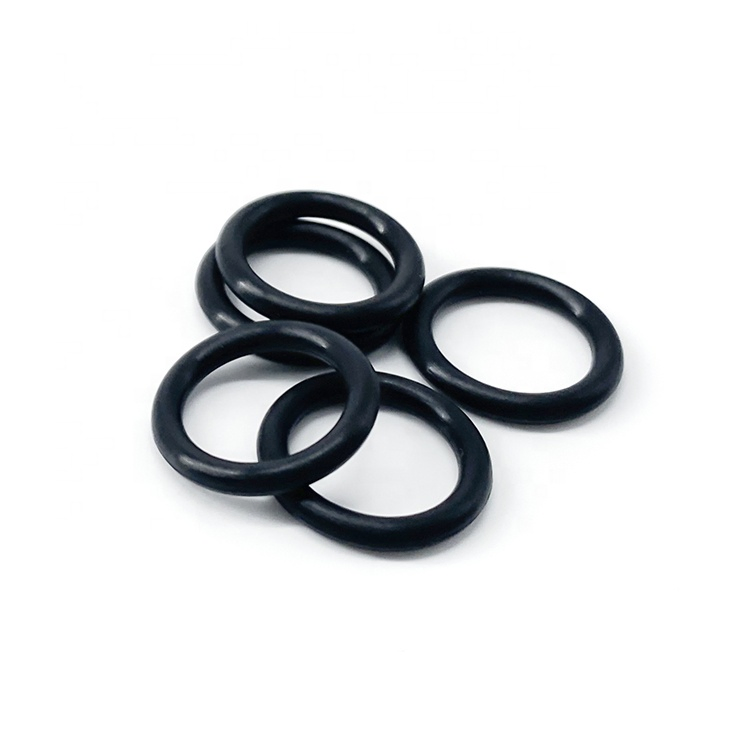
Organic Rubber Customization Process: Precision Engineering Pathway
At Suzhou Baoshida Trading Co., Ltd., our organic rubber customization process is engineered for zero-defect outcomes in demanding industrial applications. We implement a rigorously controlled four-stage workflow, transforming client specifications into high-performance elastomeric components. This systematic approach ensures dimensional accuracy, material integrity, and seamless scalability from concept to volume production.
Drawing analysis initiates the engagement, where our engineering team conducts comprehensive geometric dimensioning and tolerancing (GD&T) validation. We scrutinize client-provided CAD models or technical drawings against ASME Y14.5 standards, identifying critical-to-function features and potential manufacturability constraints. This phase includes finite element analysis (FEA) simulation for stress concentration prediction and thermal expansion modeling, ensuring the design accommodates operational loads without premature failure. Tolerance stack-up analysis is performed to guarantee assembly compatibility within ±0.05mm precision for critical interfaces.
Formulation development follows, leveraging our proprietary polymer database and 15+ years of compound optimization experience. Our chemists select base polymers (NR, EPDM, FKM, or specialty bio-based elastomers) based on required chemical resistance, temperature range (-55°C to +250°C), and dynamic performance. Each compound is engineered with precise bio-derived filler ratios, sustainable curatives, and performance additives to achieve target properties while meeting REACH and FDA 21 CFR 177.2600 compliance. Accelerated aging protocols validate long-term stability before prototyping.
Prototyping employs CNC-machined molds and closed-transfer molding to produce ISO 37 test specimens alongside functional parts. We conduct ASTM D2000-compliant validation: tensile strength, elongation at break, compression set (ASTM D395), and fluid resistance testing. Dimensional inspection via CMM verifies conformity to drawing tolerances. Client feedback triggers iterative compound or process adjustments, typically resolving discrepancies within two prototype iterations.
Mass production deployment utilizes statistical process control (SPC) with real-time rheometer and durometer monitoring. Each production lot undergoes full certification per client-specified standards, with traceability to raw material batch codes. Our Suzhou facility maintains ISO 9001 and IATF 16949 certification, ensuring consistent output at volumes from 1,000 to 500,000+ units monthly.
Critical Process Control Parameters Across Stages
| Stage | Material Properties Target | Testing Parameters | Tolerance Control |
|---|---|---|---|
| Drawing Analysis | N/A | FEA stress simulation, Thermal expansion | ±0.1mm initial validation |
| Formulation | Shore A 50-90, Tg ≤ -55°C | Mooney viscosity ML(1+4)@100°C, Cure kinetics | Compound batch variation ≤1.5% |
| Prototyping | Tensile ≥12 MPa, Compression set ≤25% @150°C/70h | ASTM D412, D395, D2240 | CMM verification ±0.05mm |
| Mass Production | Consistent with prototype certs | In-line durometer, SPC CpK ≥1.67 | Automated vision inspection |
This engineered pathway minimizes time-to-market while guaranteeing that every organic rubber component meets the exacting performance demands of automotive, aerospace, and industrial fluid handling systems. Suzhou Baoshida’s integration of material science expertise with advanced manufacturing controls delivers reliability you can measure.
Contact Engineering Team

For industrial manufacturers seeking high-performance organic rubber solutions, Suzhou Baoshida Trading Co., Ltd. stands at the forefront of material innovation and precision engineering. As a specialized provider in the industrial rubber sector, we deliver certified, traceable, and application-tailored organic rubber compounds designed for durability, chemical resistance, and thermal stability. Our formulations meet stringent international quality benchmarks, ensuring compatibility with demanding environments across automotive, aerospace, pharmaceutical, and heavy machinery industries.
Organic rubber, defined by its naturally derived polymer base and absence of synthetic petrochemical additives, presents unique advantages in sustainability and biocompatibility. At Suzhou Baoshida, we refine these materials using advanced vulcanization techniques and additive integration to enhance mechanical performance without compromising environmental integrity. Whether your application requires low compression set, high tensile strength, or resistance to ozone and UV degradation, our engineered compounds are developed to exceed expectations.
Our technical team, led by Mr. Boyce, brings over 15 years of experience in rubber formulation and OEM integration. We work collaboratively with clients to analyze operational stress factors, regulatory requirements, and lifecycle demands, ensuring that each rubber component is optimized for real-world performance. From prototype development to full-scale production, Suzhou Baoshida maintains strict process control, batch consistency, and full documentation for audit and compliance purposes.
To support informed decision-making, the following table outlines key technical specifications of our standard organic rubber compound series:
| Property | Test Method | Value (Typical) | Units |
|---|---|---|---|
| Hardness (Shore A) | ASTM D2240 | 60 – 75 | Shore A |
| Tensile Strength | ASTM D412 | 18 – 24 | MPa |
| Elongation at Break | ASTM D412 | 450 – 600 | % |
| Compression Set (22 hrs, 70°C) | ASTM D395 | ≤ 20 | % |
| Operating Temperature Range | — | -40 to +120 | °C |
| Specific Gravity | ASTM D297 | 1.12 – 1.18 | g/cm³ |
| Tear Resistance | ASTM D624 | 35 – 45 | kN/m |
| Durometer Stability (UV/Ozone) | ASTM D1149 | No cracking after 72 hrs | — |
These values are representative and can be adjusted based on client-specific formulations. Custom additives such as reinforcing fillers, anti-aging agents, and flame retardants are integrated upon request, with full validation testing conducted in our accredited laboratory.
For technical consultation, sample requests, or OEM collaboration, we invite you to contact Mr. Boyce directly. His expertise in rubber material science and industrial application engineering ensures responsive, accurate, and solution-driven communication. Reach out via email at [email protected] to initiate a detailed discussion on your project requirements. At Suzhou Baoshida Trading Co., Ltd., we are committed to advancing industrial performance through scientifically grounded rubber solutions—engineered with precision, validated with data, and delivered with reliability.
⚖️ O-Ring Weight Calculator
Estimate rubber O-ring weight (Approx).