
Technical Contents
Engineering Guide: O’Ring Cord
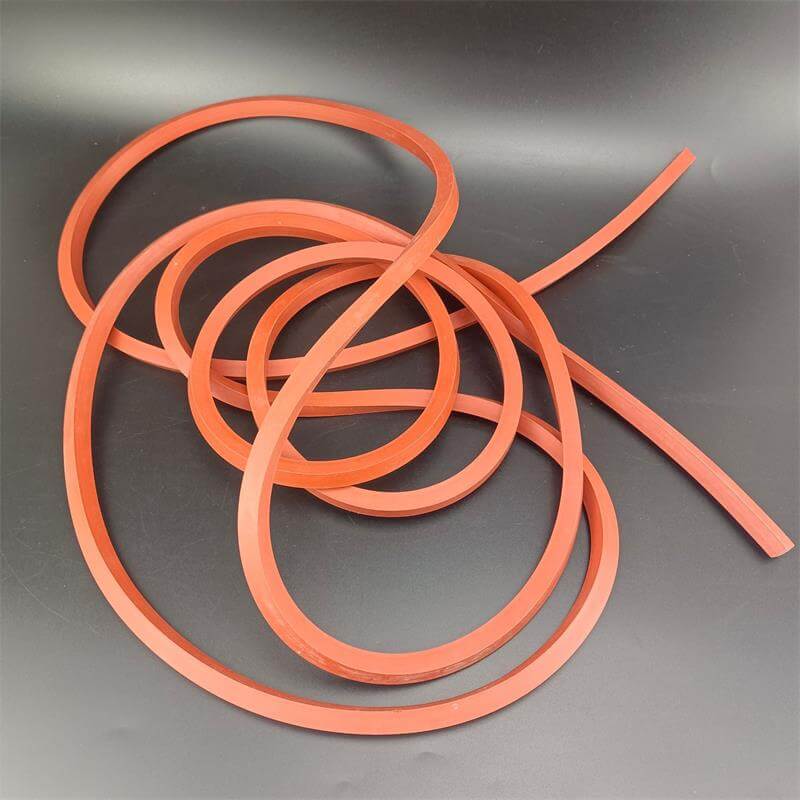
Engineering Insight: o’ring Cord Material Selection Criticality
Precision sealing performance in dynamic and static applications is fundamentally dictated by elastomer material selection. Generic o’ring cord solutions, often marketed as universal or cost-effective alternatives, frequently fail to meet the rigorous demands of industrial sealing environments. This failure stems from an oversimplified approach to polymer science, neglecting the complex interplay between chemical exposure, temperature extremes, mechanical stress, and fluid compatibility. Off-the-shelf cords typically utilize standard compound formulations optimized for broad, not specific, application parameters. They lack the tailored polymer backbone, filler systems, and curative packages necessary to resist degradation under unique operational stresses. Consequently, premature seal failure manifests as extrusion, compression set, chemical swelling, or thermal degradation, leading to costly downtime, fluid leakage, environmental hazards, and potential safety incidents. Material selection is not a commodity decision; it is an engineering prerequisite.
The consequences of inadequate material selection are severe and predictable. First, chemical incompatibility causes rapid swelling or shrinkage, destroying the critical interference fit required for sealing. Second, insufficient thermal stability leads to hardening, cracking, or loss of elasticity at operational temperatures, compromising seal integrity. Third, inadequate resistance to dynamic stresses like compression set results in permanent deformation, eliminating the seal’s ability to maintain contact force over time. Generic cords often utilize lower-grade polymers or insufficient additive packages to achieve competitive pricing, directly sacrificing performance longevity. For instance, a standard NBR cord may suffice for mineral oil at moderate temperatures but will catastrophically swell and fail when exposed to modern biodiesel blends or phosphate ester hydraulic fluids. Similarly, an EPDM cord resistant to steam may offer no protection against common hydrocarbon fuels.
Material properties must align precisely with the application’s specific environmental envelope. The following table outlines critical performance parameters for common o’ring cord elastomers:
| Material | Temperature Range (°C) | Key Resistance Strength | Common Failure Mode with Off-the-Shelf Use | Typical High-Risk Application |
|---|---|---|---|---|
| NBR (Nitrile) | -30 to +100 | Aliphatic hydrocarbons, water, hydraulic fluids | Swelling in biodiesel, ozone cracking, poor high-temp stability | Fuel systems (older vehicles), general hydraulics |
| FKM (Viton®) | -20 to +200 | Aromatic hydrocarbons, acids, fuels, high temps | Poor low-temp flexibility, high cost for unnecessary specs | Aerospace fuel systems, chemical processing, automotive turbo systems |
| EPDM | -50 to +150 | Steam, water, alkalis, brake fluids | Swelling in oils/hydrocarbons, poor ozone resistance in dynamic seals | Cooling systems, steam valves, potable water |
| Silicone | -60 to +200 | Extreme low/high temps, ozone, UV | Poor abrasion resistance, high gas permeability, swelling in fuels | Aerospace gaskets, medical devices, lighting seals |
| FFKM (Perfluoroelastomer) | -15 to +327 | Virtually all chemicals, extreme temps | Very high cost, unnecessary for mild environments | Semiconductor manufacturing, aggressive chemical reactors |
Suzhou Baoshida Trading Co., Ltd. emphasizes that successful o’ring cord implementation requires rigorous application analysis prior to material specification. We collaborate with OEMs to define exact fluid media, temperature profiles, pressure cycles, and regulatory requirements. This engineering-first approach ensures the elastomer formulation—its base polymer, fillers, plasticizers, and cure system—is scientifically engineered for the specific duty cycle. Generic cords represent a significant risk to system reliability and safety; precision-engineered material selection is the non-negotiable foundation of effective sealing. Partner with an OEM manager who prioritizes compound science over commodity pricing to eliminate preventable seal failures.
Material Specifications
Material selection is a critical determinant in the performance and longevity of o-ring cord in precision sealing applications. At Suzhou Baoshida Trading Co., Ltd., we engineer o-ring cord solutions using industry-leading elastomers—Viton, Nitrile (NBR), and Silicone—each tailored to meet specific environmental, chemical, and thermal demands. Understanding the intrinsic properties of these materials enables OEMs and industrial manufacturers to select the optimal compound for reliability under operational stress.
Viton, a fluorocarbon-based rubber (FKM), delivers exceptional resistance to high temperatures, oils, fuels, and a broad spectrum of aggressive chemicals. It maintains structural integrity in continuous service temperatures up to 200°C and short-term exposure up to 250°C. This makes Viton o-ring cord ideal for aerospace, automotive fuel systems, and chemical processing equipment where thermal stability and chemical inertness are paramount. Additionally, Viton demonstrates low gas permeability and excellent aging characteristics, contributing to extended service life in demanding environments.
Nitrile rubber, or Buna-N, remains one of the most widely used materials in industrial sealing due to its excellent resistance to petroleum-based oils, hydraulic fluids, and aliphatic hydrocarbons. With a continuous operating temperature range from -30°C to 120°C, Nitrile o-ring cord offers a balanced performance profile suitable for general-purpose applications in hydraulics, pneumatics, and machinery. It provides strong abrasion resistance and mechanical durability, making it a cost-effective solution for systems exposed to lubricants and greases.
Silicone rubber (VMQ) excels in extreme temperature applications, functioning effectively from -60°C to 200°C. While it lacks the tensile strength and abrasion resistance of Nitrile or Viton, its unparalleled low-temperature flexibility and high-temperature stability make it indispensable in food and beverage, medical, and electronics industries. Silicone o-ring cord also exhibits excellent resistance to ozone and UV radiation, ensuring reliable performance in outdoor and sterilization-prone environments. However, it is not recommended for dynamic applications involving high mechanical stress or exposure to hydrocarbon fuels.
The following table summarizes key physical and chemical properties of these materials to facilitate informed selection:
| Property | Viton (FKM) | Nitrile (NBR) | Silicone (VMQ) |
|---|---|---|---|
| Continuous Temp Range (°C) | -20 to 200 | -30 to 120 | -60 to 200 |
| Short-Term Max Temp (°C) | 250 | 150 | 230 |
| Tensile Strength (MPa) | 15–20 | 10–25 | 5–8 |
| Elongation at Break (%) | 150–300 | 200–500 | 200–600 |
| Hardness (Shore A) | 60–90 | 50–90 | 30–80 |
| Resistance to Oils & Fuels | Excellent | Excellent | Poor |
| Resistance to Ozone/UV | Excellent | Good | Excellent |
| Resistance to Water/Steam | Good | Fair | Good |
| Compression Set Resistance | Excellent | Good | Good |
| FDA Compliance (Grade) | Limited variants | Limited variants | Available |
Selection of o-ring cord material must consider the full operational profile, including media exposure, temperature cycles, pressure loads, and regulatory requirements. Suzhou Baoshida Trading Co., Ltd. supports clients with material certification, custom durometer options, and technical data sheets to ensure compatibility and compliance in precision sealing systems.
Manufacturing Capabilities
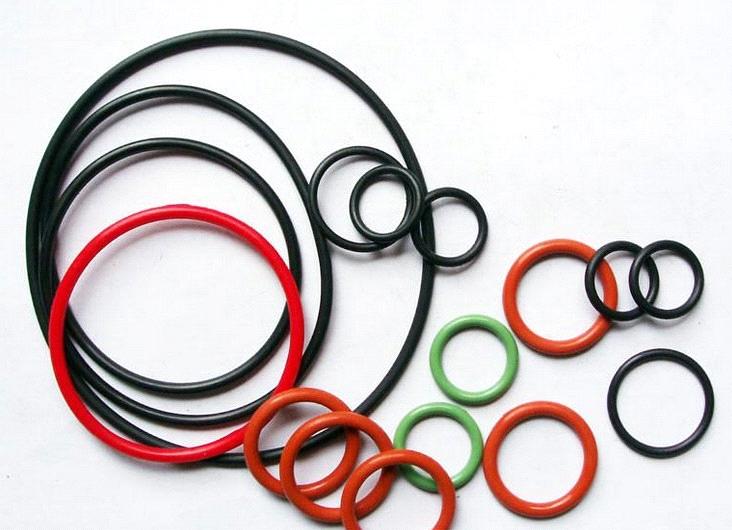
Integrated Engineering Capabilities for Precision O-Ring Cord Manufacturing
Suzhou Baoshida Trading Co., Ltd. leverages a dedicated core of seven specialized engineers—five focused on precision mold design and fabrication, and two possessing deep expertise in rubber compounding science—to deliver exceptional o-ring cord solutions. This integrated structure is fundamental to our OEM manufacturing strength, ensuring seamless translation of client specifications into high-performance, defect-free cord stock. Our formula engineers operate at the molecular level, developing and refining custom elastomer compounds tailored to demanding application requirements such as extreme temperature exposure, aggressive chemical resistance, or ultra-low compression set. Concurrently, our mold engineering team utilizes advanced CAD/CAM systems and cavity pressure mapping techniques to design and produce highly accurate, balanced, and durable extrusion tooling. This direct collaboration eliminates traditional handoff errors, optimizes material flow dynamics during extrusion, and guarantees dimensional consistency critical for sealing integrity in final o-ring assembly.
Our OEM process begins with rigorous material and dimensional analysis against client-supplied ASTM D2000 standards or proprietary specifications. Formula engineers conduct comprehensive compound validation, including cure kinetics profiling and long-term aging simulations, while mold engineers perform finite element analysis (FEA) on tooling designs to predict and mitigate potential flow imbalances or vulcanization inconsistencies. This proactive engineering approach minimizes trial runs and accelerates time-to-market for custom cord profiles. We maintain strict process control throughout production, utilizing real-time monitoring of extrusion parameters (temperature, line speed, vulcanization time) and in-line laser micrometry for continuous diameter verification. Every batch undergoes stringent final quality control, including hardness testing, visual inspection per AMS-STD-2769, and physical property validation against the agreed specification sheet. This end-to-end engineering oversight ensures the o-ring cord consistently meets the exact performance criteria demanded by aerospace, semiconductor, and high-pressure hydraulic systems.
The following table summarizes key technical parameters we routinely engineer and control for custom o-ring cord production:
| Parameter | Typical Range/Control Capability | Measurement Standard |
|---|---|---|
| Cord Diameter | 1.0mm to 15.0mm ±0.02mm | ISO 3601-1 |
| Hardness (Shore A) | 50 to 90 ±2 points | ASTM D2240 |
| Tensile Strength | 8.0 MPa to 25.0 MPa min | ASTM D412 |
| Elongation at Break | 200% to 600% min | ASTM D412 |
| Compression Set (70h @ 70°C) | ≤20% to ≤40% max | ASTM D395 Method B |
This engineering rigor, combining advanced material science with precision tooling expertise under one management structure, provides OEM clients with a significant competitive advantage: guaranteed material performance, exceptional dimensional accuracy, and reliable supply chain continuity for mission-critical sealing applications. Baoshida transforms complex sealing challenges into manufacturable solutions through disciplined scientific application.
Customization Process
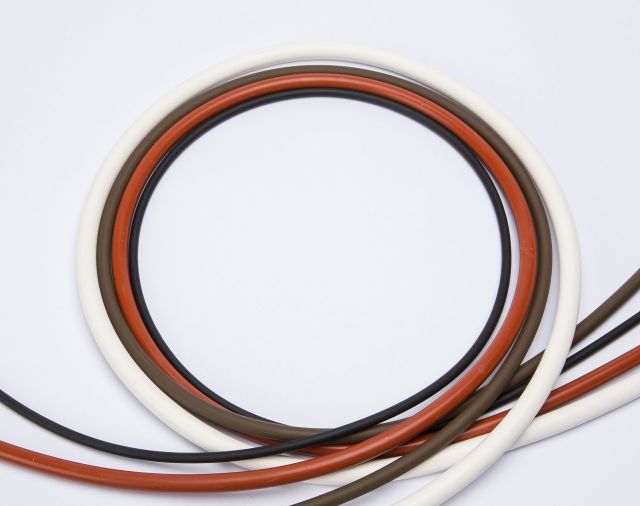
Drawing Analysis
The customization process for o’ring cord begins with a comprehensive drawing analysis, where engineering blueprints and technical schematics are rigorously evaluated. At Suzhou Baoshida Trading Co., Ltd., our technical team examines dimensional tolerances, cross-sectional profiles, groove design, and application environment parameters. This phase ensures that the o’ring cord will function reliably under specified conditions such as pressure, temperature, and media exposure. We validate critical factors including stretch percentage, splice angle compatibility, and installation clearance to prevent premature failure. Any discrepancies or design risks are flagged and discussed with the client to optimize performance and manufacturability.
Formulation Development
Once the design parameters are confirmed, our rubber formula engineers initiate material formulation tailored to the operational demands. The selection of base polymer—such as NBR, EPDM, FKM, or silicone—is determined by chemical resistance, thermal stability, and mechanical requirements. Additives including reinforcing fillers, antioxidants, plasticizers, and vulcanizing agents are precisely balanced to achieve target hardness (Shore A), compression set resistance, tensile strength, and elongation at break. All formulations are developed in accordance with international standards such as ASTM D2000 and ISO 3601. This stage integrates accelerated aging tests and fluid immersion studies to verify long-term durability before proceeding to prototyping.
Prototyping and Validation
A limited batch of o’ring cord is produced using precision extrusion and continuous vulcanization techniques to ensure consistency in diameter and material properties. Splice integrity is evaluated through microscopic inspection and tensile testing at the joint. Prototypes undergo functional testing in simulated operating environments, including dynamic sealing trials, thermal cycling, and pressure pulsation tests. Dimensional conformity is verified using optical comparators and laser micrometers, ensuring adherence to ±0.05 mm tolerance where required. Client feedback is incorporated at this stage to fine-tune material or geometry before final approval.
Mass Production and Quality Control
Upon prototype validation, the project transitions to automated mass production. Our manufacturing lines operate under strict process controls, with real-time monitoring of extrusion speed, cure temperature, and line tension to maintain uniformity. Each production lot undergoes rigorous quality assurance, including batch traceability, hardness testing, visual inspection, and dimensional sampling. Final packaging is customized per client specifications, with options for coiled lengths on reels or cut-and-spliced segments with identification labeling.
Typical Physical Properties of Custom o’ring Cord (Example: NBR 70 Shore A)
| Property | Test Method | Value |
|---|---|---|
| Hardness (Shore A) | ASTM D2240 | 70 ± 5 |
| Tensile Strength | ASTM D412 | ≥15 MPa |
| Elongation at Break | ASTM D412 | ≥250% |
| Compression Set (22h, 70°C) | ASTM D395 | ≤20% |
| Operating Temperature Range | — | -30°C to +100°C |
| Fluid Resistance | ASTM D471 (IRM 903) | Volume Swell ≤15% (70h) |
All custom o’ring cords are manufactured under ISO 9001-certified processes, ensuring repeatability, reliability, and compliance with industrial sealing standards.
Contact Engineering Team
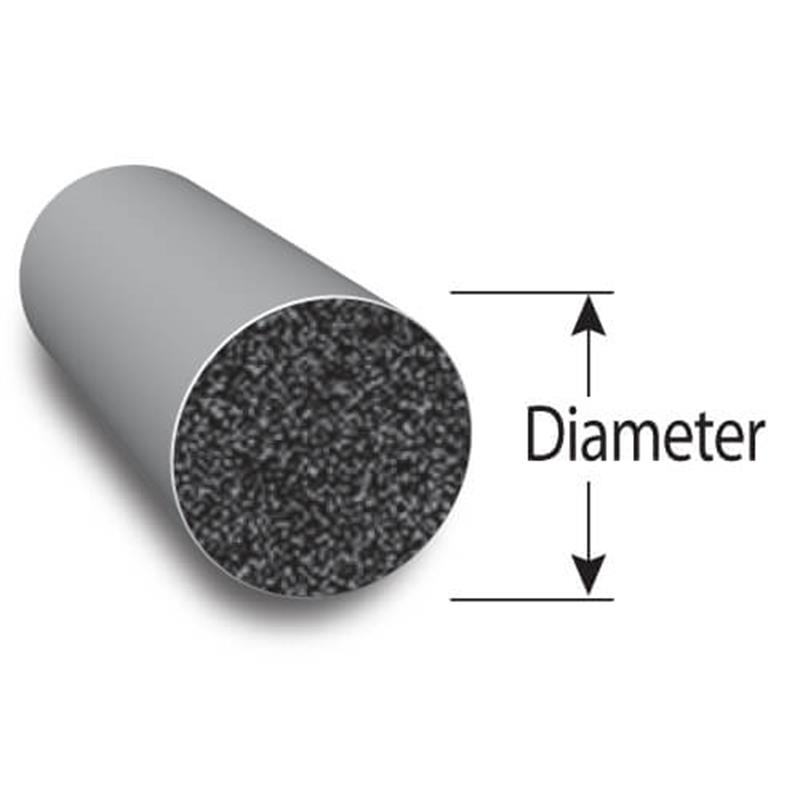
Contact Suzhou Baoshida for Precision O-Ring Cord Solutions
When seal integrity directly impacts your production uptime, material longevity, and compliance with stringent industry standards, selecting the right O-ring cord supplier is a critical engineering decision. Suzhou Baoshida Trading Co., Ltd. operates at the intersection of advanced rubber science and industrial manufacturing, delivering O-ring cord solutions engineered for uncompromising performance in aerospace, automotive, semiconductor, and heavy machinery applications. Our in-house R&D team leverages decades of compound formulation expertise to solve complex sealing challenges, from extreme temperature excursions to aggressive chemical exposure. We do not merely supply rubber; we co-engineer material systems that align with your operational tolerances and lifecycle requirements.
Our OEM partnership model ensures seamless integration into your supply chain. We maintain ISO 9001-certified production facilities with real-time quality monitoring, capable of producing O-ring cord in diameters ranging from 0.5mm to 25mm, with custom durometer control within ±2 Shore A points. Every batch undergoes rigorous validation against ASTM D2000 and ISO 3601 standards, including tensile strength, compression set, and fluid resistance testing. For mission-critical applications, we provide full traceability from raw material sourcing to finished goods, including comprehensive material certifications and batch-specific performance data packages.
The table below summarizes key technical parameters for our standard O-ring cord materials, illustrating our capacity to match material properties to your environmental demands.
| Material Type | Hardness Range (Shore A) | Temperature Range (°C) | Key Applications |
|---|---|---|---|
| NBR (Nitrile) | 50 – 90 | -30 to +120 | Hydraulic systems, fuel handling, general industrial |
| EPDM | 50 – 80 | -50 to +150 | Water/glycol systems, steam lines, outdoor exposure |
| FKM (Viton®) | 60 – 90 | -20 to +230 | Aerospace fuel systems, semiconductor process gases, aggressive chemicals |
| Silicone | 40 – 80 | -60 to +200 | Medical devices, food processing, extreme low-temp |
| FFKM | 70 – 90 | -15 to +325 | Ultra-high-purity semiconductor, critical chemical processing |
Initiate your technical collaboration by contacting Mr. Boyce, our dedicated OEM Engineering Manager, who possesses direct authority to mobilize our formulation chemists and production teams. Mr. Boyce specializes in translating your engineering specifications—whether defined by AS568, ISO 3601, or proprietary OEM standards—into validated production runs. Provide your material resistance requirements, dimensional tolerances, and volume forecasts, and we will deliver a comprehensive technical proposal within 72 hours, including compound certification data and production capacity confirmation.
Do not risk system reliability with generic sealing solutions. Submit your inquiry to Mr. Boyce at [email protected] with subject line “O-Ring Cord Technical Request: [Your Company Name]”. Include your target application, fluid/media exposure, temperature profile, and critical performance metrics. For urgent projects requiring expedited sampling, specify “RUSH” in the subject line. Our engineering team stands ready to conduct joint material validation and support your qualification process with technical documentation compliant with AS9100, IATF 16949, and SEMI F57 standards. Partner with Suzhou Baoshida where rubber science meets industrial precision—your next-generation seal begins with a technical dialogue. Engineered Precision Delivered.
⚖️ O-Ring Weight Calculator
Estimate rubber O-ring weight (Approx).