
Technical Contents
Engineering Guide: Outdoor Non Slip Stair Treads For Wood
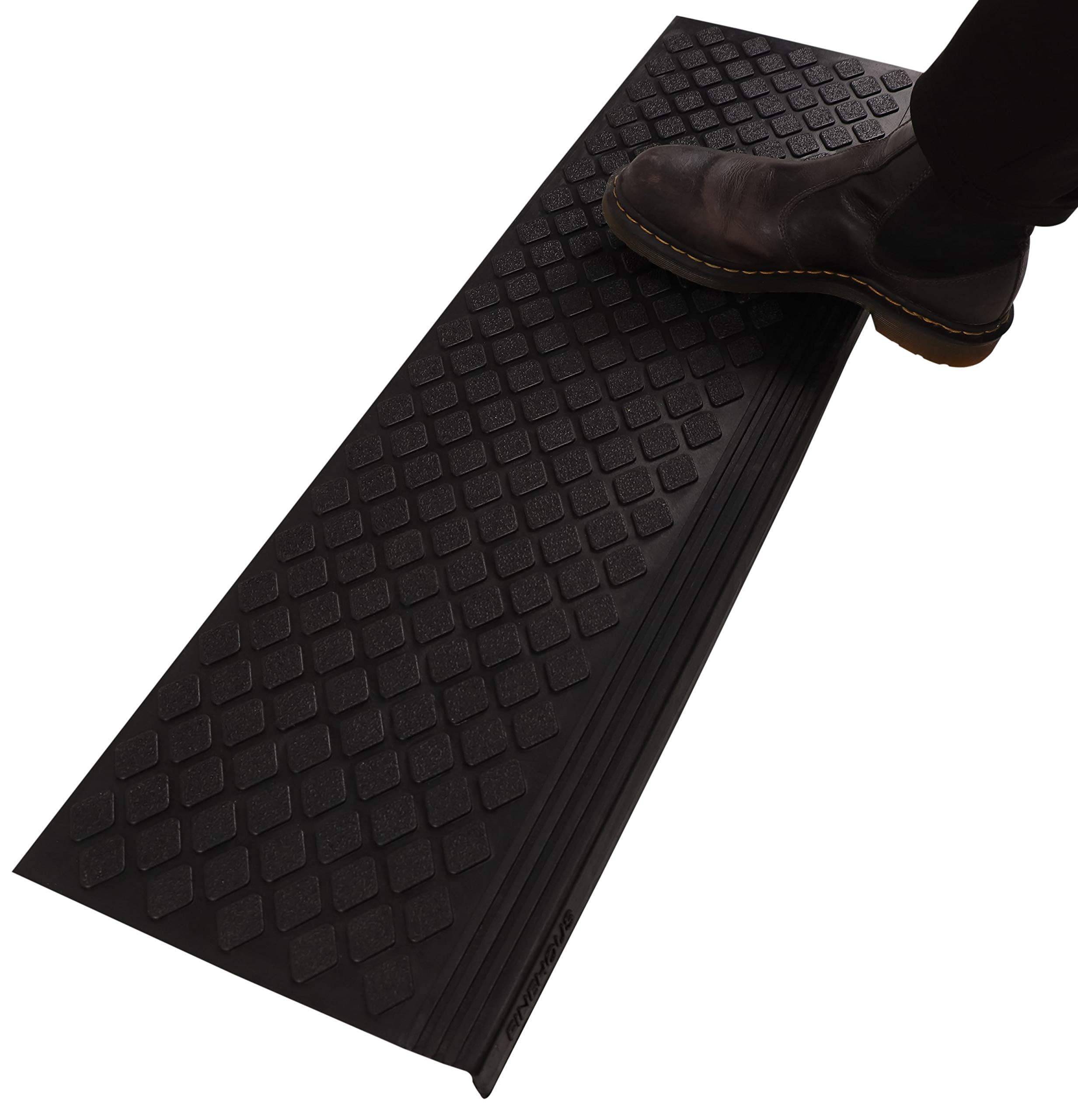
Engineering Insight: Material Selection for Outdoor Non-Slip Stair Treads on Wood Substrates
The performance and longevity of outdoor non-slip stair treads installed on wooden substrates are fundamentally determined by material selection. While many off-the-shelf solutions appear cost-effective and convenient, they frequently fail under real-world environmental and mechanical stress due to inadequate formulation and poor substrate compatibility. This failure mode is not random—it stems from a lack of engineered response to thermal cycling, moisture exposure, and mechanical fatigue.
Common commercial stair treads utilize generic rubber compounds such as recycled EPDM or low-grade PVC. These materials exhibit poor tensile strength, limited UV resistance, and insufficient adhesion characteristics when bonded to wood. Wood, as a hygroscopic and dimensionally dynamic substrate, expands and contracts with changes in ambient humidity and temperature. Off-the-shelf treads often lack the elastic recovery and elongation properties necessary to accommodate these movements, resulting in delamination, cracking, and edge lifting within months of installation.
Furthermore, surface abrasion resistance is frequently underestimated. Standard treads degrade rapidly under foot traffic, especially in wet or icy conditions, where the loss of texture compromises slip resistance. This poses a direct safety hazard, particularly in commercial or municipal applications where compliance with DIN 51130 or ASTM F2913 is mandatory.
At Suzhou Baoshida Trading Co., Ltd., we engineer proprietary rubber formulations based on vulcanized SBR (Styrene-Butadiene Rubber) with enhanced cross-link density and ceramic grit integration. This composite structure delivers optimal Shore A hardness (65–70), high tear strength (>25 kN/m), and consistent slip resistance (R11–R13 classification) across wet, oily, and frozen surfaces. The formulation includes anti-oxidants and UV stabilizers to mitigate degradation from prolonged solar exposure, a critical factor in outdoor performance.
Adhesion is achieved through dual-phase bonding: a moisture-resistant primer layer followed by a high-tack, flexible adhesive system that maintains integrity across wood’s natural movement range. This engineered interface prevents water ingress at the bond line, a common cause of rot and adhesive failure in inferior products.
The table below outlines key material specifications comparing standard off-the-shelf treads with Baoshida’s engineered solution:
| Property | Off-the-Shelf Tread | Baoshida Engineered Tread |
|---|---|---|
| Base Material | Recycled EPDM / PVC | Vulcanized SBR + Ceramic Grit |
| Shore A Hardness | 50–60 | 65–70 |
| Tensile Strength | 8–12 MPa | ≥18 MPa |
| Elongation at Break | 200–300% | 450–550% |
| Slip Resistance (wet) | R9–R10 | R11–R13 |
| UV Resistance | Poor (cracking in 6–12 mo) | Excellent (tested >3 years) |
| Adhesion to Wood | Mechanical fasteners only | Chemical bond + mechanical interlock |
| Service Temperature Range | -10°C to +60°C | -40°C to +85°C |
Material selection is not a commodity decision—it is a structural and safety imperative. Baoshida’s engineered rubber solutions ensure long-term durability, regulatory compliance, and user safety in demanding outdoor environments.
Material Specifications
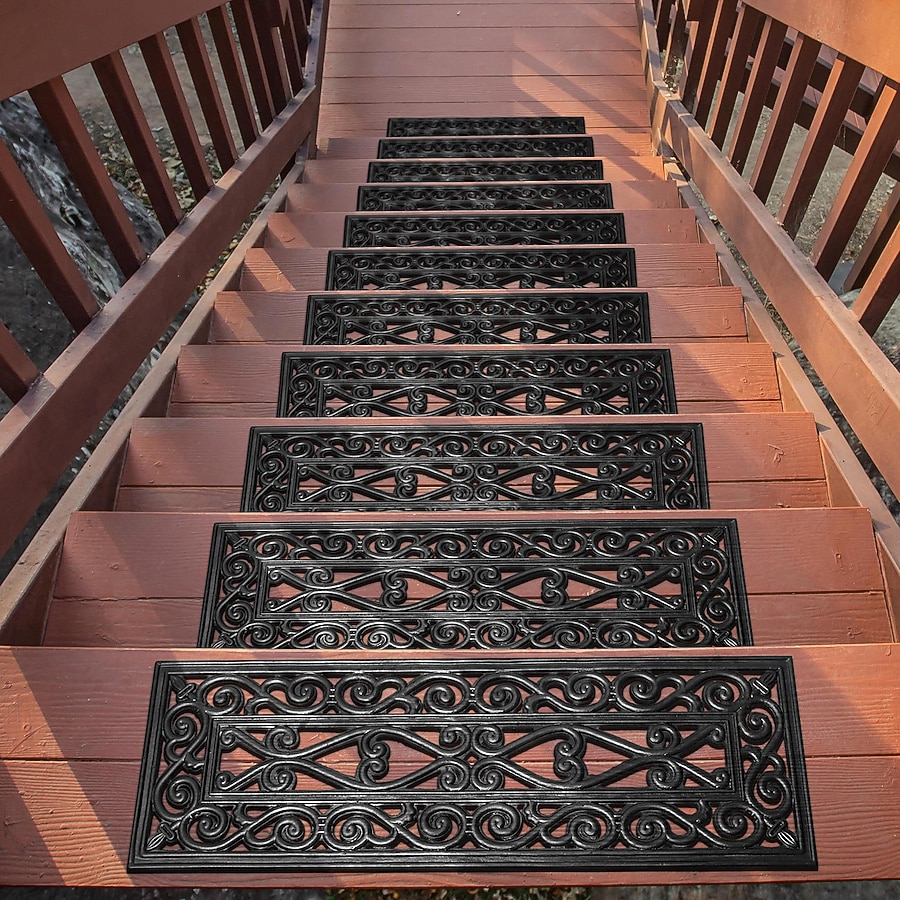
Material Specifications for Outdoor Non-Slip Stair Treads on Wood Substrates
Selecting the optimal rubber compound is critical for outdoor non-slip stair treads adhering to wood substrates. Performance hinges on resistance to environmental degradation, mechanical durability, and consistent slip prevention under variable conditions. Suzhou Baoshida Trading Co., Ltd. engineers formulations specifically for outdoor wood applications, prioritizing adhesion stability, UV resistance, and thermal cycling resilience. Our industrial rubber solutions undergo rigorous ASTM D2240 and ISO 48 testing to ensure compliance with global safety standards for pedestrian traffic. Three primary elastomers dominate this segment: Nitrile (NBR), Viton (FKM), and Silicone (VMQ), each offering distinct advantages based on operational demands.
Nitrile rubber provides an optimal balance of cost efficiency and performance for general outdoor use. Its acrylonitrile content (typically 33-36%) delivers strong resistance to oils, greases, and aliphatic hydrocarbons that may contact stairs in industrial or residential settings. NBR formulations achieve Shore A hardness of 60-70, ensuring sufficient tread pattern retention while maintaining flexibility down to -30°C. Tensile strength ranges from 15-20 MPa, supporting impact resistance against foot traffic and debris. However, NBR exhibits moderate UV degradation over extended exposure, necessitating carbon black or specialized stabilizers in Baoshida’s outdoor-grade compounds.
Viton (FKM) is engineered for extreme environments where chemical exposure or high temperatures exceed NBR capabilities. With continuous service limits up to 230°C and exceptional resistance to ozone, acids, and jet fuels, FKM is ideal for industrial zones near chemical handling or high-heat sources. Its Shore A hardness (70-80) provides superior abrasion resistance but requires precise bonding protocols to wood substrates due to lower surface energy. While FKM’s cost is significantly higher, its longevity in harsh conditions justifies investment for critical infrastructure.
Silicone rubber excels in wide-temperature flexibility and UV stability, operating reliably from -60°C to 200°C. Its inert composition resists fungal growth and oxidative aging, maintaining slip resistance through decades of sun exposure. Shore A hardness of 50-60 ensures comfortable underfoot compliance while retaining pattern definition. Silicone’s primary limitation is lower tensile strength (8-12 MPa) versus NBR, requiring reinforced backing layers for structural integrity on wooden stairs. Baoshida’s platinum-cured VMQ formulations maximize adhesion to primed wood surfaces without plasticizer migration.
The following table compares key technical parameters for outdoor stair tread applications:
| Material | Shore A Hardness | Temperature Range | Tensile Strength (MPa) | Key Applications |
|---|---|---|---|---|
| Nitrile (NBR) | 60-70 | -30°C to +100°C | 15-20 | Residential/commercial stairs with moderate chemical exposure |
| Viton (FKM) | 70-80 | -20°C to +230°C | 12-18 | Industrial facilities with fuel/oil exposure or high heat |
| Silicone (VMQ) | 50-60 | -60°C to +200°C | 8-12 | Coastal climates, extreme UV zones, or wide-temperature swings |
Material selection must align with site-specific stressors. NBR remains the cost-effective standard for most wood stair applications, while FKM addresses extreme chemical/thermal challenges. Silicone is optimal where UV stability and low-temperature flexibility are paramount. All Baoshida compounds integrate proprietary bonding agents for durable wood adhesion and non-slip aggregates meeting ASTM F2913-19 slip resistance criteria. Our ISO 9001-certified production ensures batch-to-batch consistency for OEM partners requiring scalable, certified solutions.
Manufacturing Capabilities
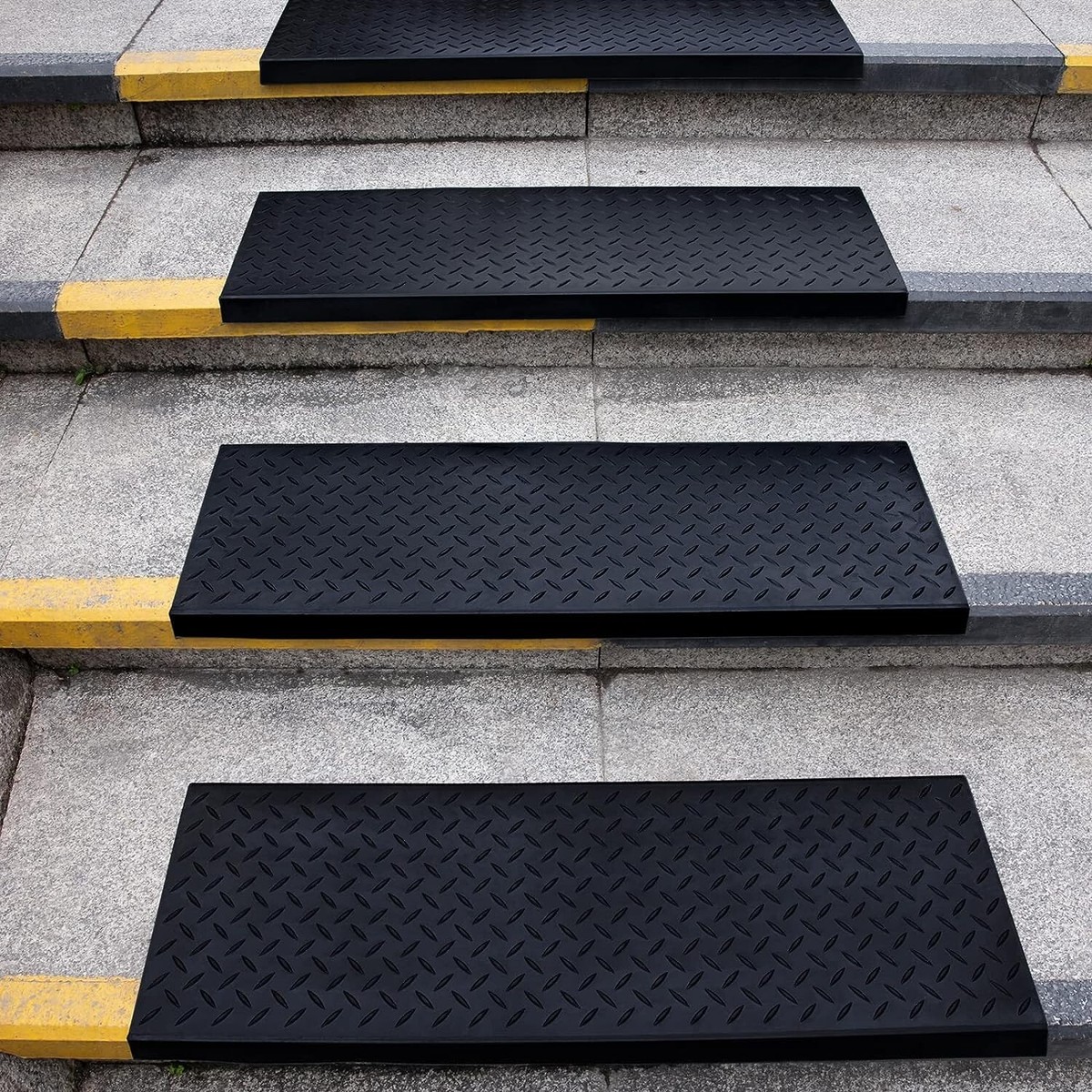
Suzhou Baoshida Trading Co., Ltd. operates at the forefront of industrial rubber solutions, delivering engineered performance to demanding outdoor applications. Our expertise in developing outdoor non-slip stair treads for wood substrates is rooted in a robust engineering foundation, combining advanced material science with precision tooling design. At the core of our capability are five dedicated mould engineers and two specialized rubber formula engineers, working in tandem to deliver OEM solutions that meet exact functional, dimensional, and environmental requirements.
Our mould engineering team possesses extensive experience in designing high-tolerance, durable moulds tailored for rubber overmolding and compression molding processes. These engineers utilize advanced CAD/CAM software and finite element analysis (FEA) to simulate flow dynamics, optimize venting, and ensure uniform curing. This precision ensures consistent part geometry, excellent edge definition, and long mould service life—critical for maintaining performance in outdoor environments where dimensional stability and surface integrity directly impact slip resistance and longevity.
Complementing this is our rubber formulation team, which develops custom EPDM and SBR-based compounds engineered for superior traction, UV resistance, ozone stability, and low-temperature flexibility. Each formulation is tailored to the specific climatic and mechanical demands of the application, whether for residential decking, commercial staircases, or marine environments. Our formula engineers conduct rigorous testing for coefficient of friction (COF), abrasion resistance, and adhesion to wood substrates, ensuring that every tread delivers reliable non-slip performance under wet, icy, or high-traffic conditions.
As an OEM partner, Suzhou Baoshida offers end-to-end development support—from concept and material selection to prototyping, validation, and mass production. We specialize in overmolded rubber treads that bond securely to wooden steps, utilizing adhesion-promoting primers and mechanical interlocks to prevent delamination. Our manufacturing processes are ISO-compliant, with strict QC protocols at every stage to ensure batch-to-batch consistency.
The following table outlines the technical specifications achievable with our current engineering and production platform:
| Property | Specification |
|---|---|
| Material Type | Custom EPDM, SBR, or Nitrile blends |
| Hardness (Shore A) | 50–80 ±5 |
| Coefficient of Friction (wet) | ≥0.7 (ASTM F2913) |
| Temperature Range | -40°C to +120°C |
| UV & Ozone Resistance | Excellent (per ASTM D1149, ASTM G154) |
| Adhesion to Wood | >80% coverage, peel strength ≥5 N/cm |
| Mould Tolerance | ±0.2 mm |
| Production Lead Time (OEM) | 4–6 weeks after final approval |
With integrated engineering resources and a deep understanding of outdoor safety requirements, Suzhou Baoshida delivers technically superior, application-specific stair tread solutions that enhance safety and durability in real-world conditions.
Customization Process
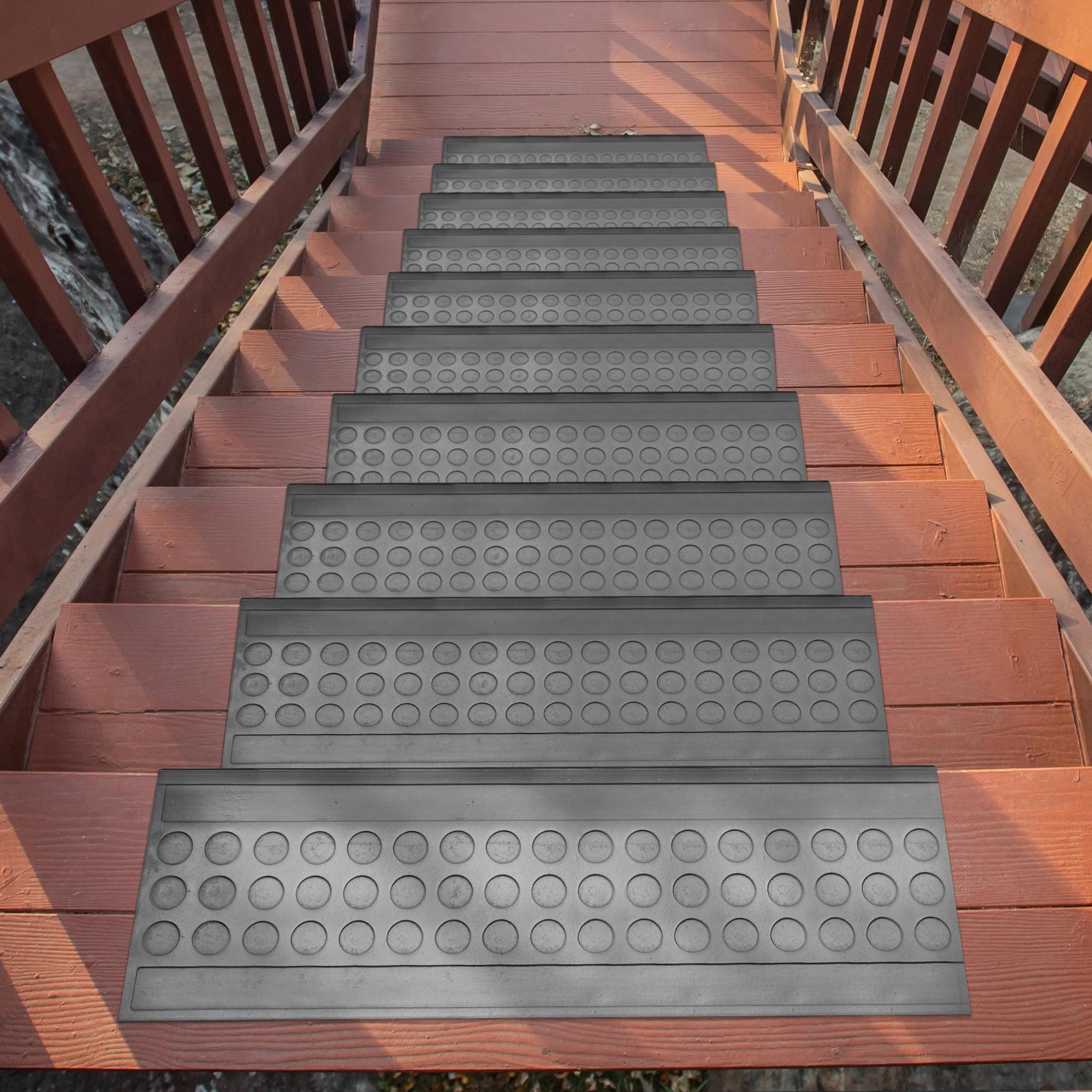
Customization Process for Outdoor Non-Slip Stair Treads on Wood Substrates
Suzhou Baoshida Trading Co., Ltd. implements a rigorously controlled customization workflow for outdoor non-slip stair treads designed specifically for wood substrates. This process ensures optimal adhesion, slip resistance, and environmental durability while accommodating client-specific dimensional and performance requirements. Our methodology prioritizes material science precision and industrial scalability from initial concept to mass production.
Drawing Analysis
Technical drawings undergo comprehensive evaluation by our engineering team to verify geometric feasibility, substrate compatibility, and adherence to ASTM F1637 safety standards for slip resistance. Critical parameters include tread depth, edge radius, and bonding surface area relative to wood grain orientation. We assess moisture expansion coefficients of the target wood species to preempt delamination risks under thermal cycling. Any non-compliance with ISO 14122-3 structural safety norms triggers immediate client consultation for design refinement.
Formulation Development
Based on drawing specifications and environmental exposure data, our rubber chemists engineer a proprietary SBR/NR blend optimized for wood adhesion and wet-surface traction. Key considerations include Shore A hardness targeting 65±5 to balance flexibility and abrasion resistance, incorporation of silica-reinforced fillers for hydrophobic grip, and UV stabilizers for 5,000+ hour xenon arc weathering resistance per ISO 4892-2. The compound formulation strictly avoids plasticizers that could migrate into porous wood substrates, compromising bond integrity. Adhesion promoters are calibrated to achieve minimum 4.5 kN/m peel strength on sanded pine substrates per ASTM D903.
Prototyping and Validation
Three functional prototypes are manufactured using client-supplied wood samples. Each unit undergoes accelerated aging (85°C/85% RH for 720 hours), dynamic slip testing on wet ceramic tiles (ASTM F2913), and cyclic load testing to 1.5x rated capacity. Dimensional accuracy is verified via CMM to ±0.2 mm tolerance. Client feedback on prototype performance initiates iterative refinement cycles until all KPIs are met, with material certificates and test reports provided for audit compliance.
Mass Production Execution
Upon prototype approval, production commences in our ISO 9001-certified facility using precision extrusion and vulcanization tooling. In-line monitoring tracks hardness (Shore A), tensile strength, and bond integrity at 30-minute intervals. Final inspection includes 100% visual checks for surface defects and random batch testing per ASTM D2240/D412. All units ship with traceable material documentation and installation guidelines for wood substrate preparation.
Critical performance specifications for our standard wood-adhesive stair tread formulation are detailed below. Custom ranges are achievable within material science constraints.
| Property | Standard Specification | Customizable Range | Test Standard |
|---|---|---|---|
| Shore A Hardness | 65 ± 3 | 60 – 70 | ISO 48 |
| Tensile Strength (MPa) | ≥ 14.0 | 12.0 – 18.0 | ISO 37 |
| Elongation at Break (%) | ≥ 350 | 300 – 450 | ISO 37 |
| Peel Adhesion (kN/m) | ≥ 4.5 | 4.0 – 6.0 | ASTM D903 |
| Wet Slip Coefficient | ≥ 0.65 | 0.60 – 0.80 | ASTM F2913 |
This structured approach guarantees stair treads that maintain structural integrity and slip resistance across -40°C to +80°C operating ranges while forming permanent bonds with treated and untreated wood substrates. Suzhou Baoshida’s process eliminates guesswork through data-driven material engineering and stringent quality gates at every phase.
Contact Engineering Team
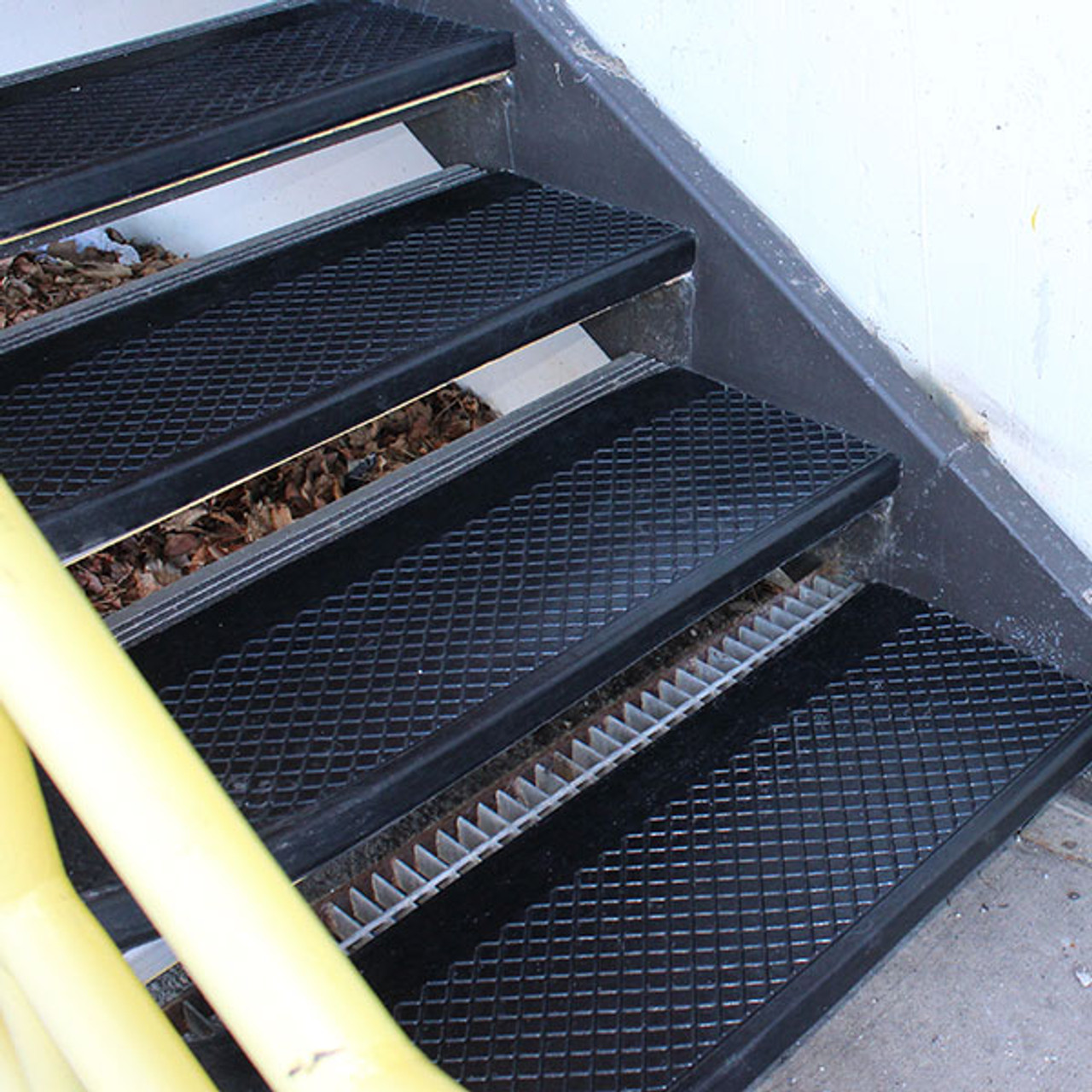
For manufacturers, architects, and industrial suppliers seeking high-performance outdoor non-slip stair treads designed specifically for wood substrates, Suzhou Baoshida Trading Co., Ltd. delivers engineered rubber solutions that combine safety, durability, and precision installation. As a specialized provider in industrial rubber applications, we focus on delivering products tailored to demanding environmental and structural conditions. Our outdoor non-slip stair treads are formulated to resist moisture, UV exposure, temperature fluctuations, and mechanical wear—critical factors in exterior architectural and industrial settings.
Each stair tread is constructed from vulcanized rubber compounds optimized for grip and longevity. The formulation includes anti-slip surface textures that meet or exceed international safety standards for pedestrian traction, reducing slip-and-fall risks in wet, icy, or high-traffic conditions. Designed for direct integration with wooden stair structures, our treads feature pre-drilled mounting holes and compatibility with standard fasteners, enabling straightforward installation without specialized tools. The rubber-to-wood interface is engineered to minimize stress concentration, preserving the integrity of the underlying timber while providing long-term protection against abrasion and weathering.
We understand that industrial clients require consistency, scalability, and technical validation. All our stair treads undergo rigorous quality control, including adhesion testing, tensile strength analysis, and slip resistance measurement under both dry and wet conditions. Custom lengths, widths, and edge profiles are available to match project-specific architectural drawings or OEM integration needs. Whether you are outfitting commercial staircases, marine docks, or outdoor public infrastructure, our rubber treads offer a reliable, low-maintenance solution.
The following table outlines the standard technical specifications for our outdoor non-slip stair treads for wood:
| Property | Specification |
|---|---|
| Material | SBR/Nitrile Rubber Blend (Vulcanized) |
| Shore A Hardness | 65 ± 5 |
| Tensile Strength | ≥12 MPa |
| Elongation at Break | ≥250% |
| Slip Resistance (Wet, ASTM F2913) | DCOF ≥ 0.42 |
| Operating Temperature Range | -40°C to +80°C |
| UV and Ozone Resistance | Excellent (per ASTM D1149) |
| Mounting Type | Pre-drilled holes for wood screws |
| Standard Dimensions (L×W×T) | 1000×300×10 mm (Custom sizes available) |
| Surface Profile | Diamond Emboss or Grooved Pattern |
To discuss your specific project requirements, request samples, or obtain technical data sheets, we invite you to contact Mr. Boyce, OEM Account Manager at Suzhou Baoshida Trading Co., Ltd. Mr. Boyce specializes in industrial rubber product integration and can support you from initial design consultation through volume production logistics. Reach out directly via email at [email protected] to initiate a technical dialogue. Our team responds to all inquiries within 24 business hours and offers multilingual support for global clients. Partner with Suzhou Baoshida for precision rubber solutions built for performance and engineered for safety.
⚖️ O-Ring Weight Calculator
Estimate rubber O-ring weight (Approx).