
Technical Contents
Engineering Guide: Outdoor Rubber Seal
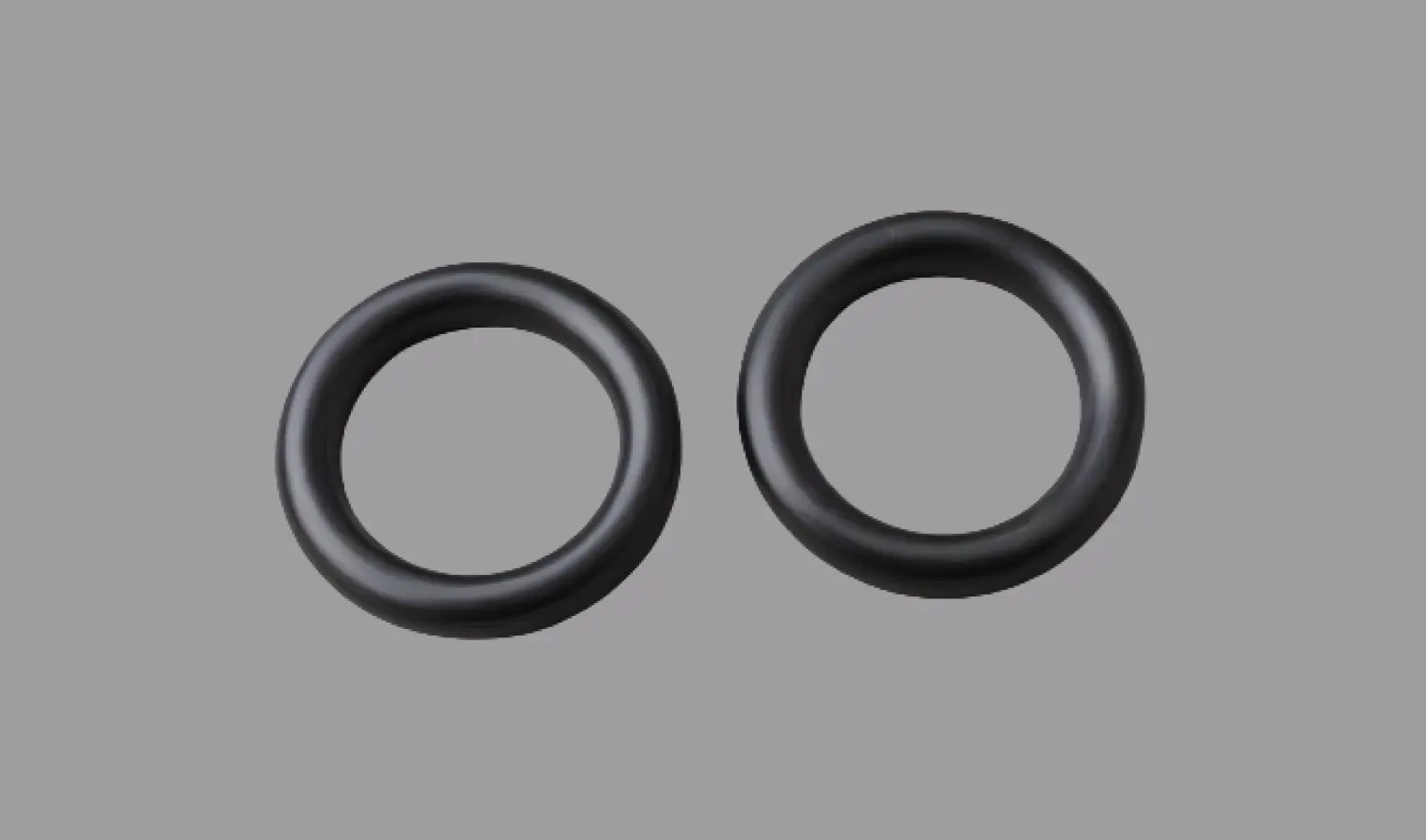
Engineering Insight: The Critical Role of Material Selection in Outdoor Rubber Seals
In the design and manufacturing of outdoor rubber seals, material selection is not merely a technical consideration—it is the cornerstone of long-term performance, reliability, and cost efficiency. Unlike indoor applications, outdoor environments subject seals to a complex array of stressors: ultraviolet (UV) radiation, ozone exposure, wide temperature fluctuations, moisture, and chemical contaminants. Standard off-the-shelf rubber seals, typically formulated for general-purpose use, lack the tailored resistance necessary to withstand these conditions. As a result, premature degradation—manifesting as cracking, hardening, swelling, or compression set—becomes inevitable.
At Suzhou Baoshida Trading Co., Ltd., we emphasize engineered material solutions that align precisely with the operational environment. Generic elastomers such as standard nitrile (NBR) or natural rubber may perform adequately in controlled indoor settings but fail rapidly outdoors due to poor UV and ozone resistance. For instance, NBR begins to degrade under prolonged sunlight exposure, leading to micro-cracking that compromises sealing integrity. Similarly, natural rubber swells in wet conditions and is highly susceptible to oxidation.
The solution lies in selecting high-performance elastomers engineered for outdoor durability. Ethylene Propylene Diene Monomer (EPDM) stands out for its exceptional resistance to weathering, UV, and ozone, maintaining flexibility across a broad temperature range from -50°C to +150°C. For applications involving oil or fuel exposure, hydrogenated nitrile (HNBR) offers a balanced profile of weather resistance and oil tolerance. Silicone rubber provides extreme temperature resilience and UV stability, making it ideal for high-altitude or desert environments, though it lacks the mechanical strength of EPDM or HNBR in high-stress sealing applications.
Material selection must also account for compression set, a critical factor in dynamic or static sealing where long-term load retention is required. Poor compression set resistance leads to seal relaxation and leakage over time. High-quality EPDM and HNBR formulations exhibit compression set values below 25% after 70 hours at 100°C, ensuring sustained sealing force.
Below is a comparative overview of key elastomers used in outdoor sealing applications:
| Material | Temperature Range (°C) | UV Resistance | Ozone Resistance | Oil Resistance | Compression Set (Typical %) |
|---|---|---|---|---|---|
| EPDM | -50 to +150 | Excellent | Excellent | Poor | 20–25 |
| HNBR | -40 to +170 | Good | Good | Excellent | 18–25 |
| Silicone | -60 to +200 | Excellent | Good | Poor | 20–30 |
| NBR | -30 to +100 | Poor | Poor | Good | 25–35 |
Off-the-shelf seals often default to lower-cost materials like NBR, prioritizing initial cost over lifecycle performance. In outdoor applications, this results in higher total cost of ownership due to frequent replacements, maintenance downtime, and potential system failures.
At Baoshida, we engineer seals using application-specific elastomer formulations, ensuring optimal material compatibility with environmental and mechanical demands. This precision-driven approach eliminates the guesswork and delivers reliable, long-lasting sealing solutions tailored to the realities of outdoor service.
Material Specifications
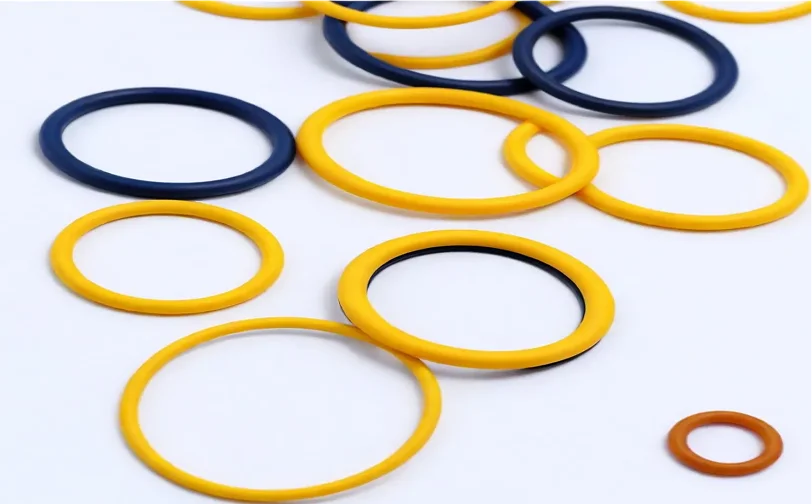
Material Specifications for Outdoor Rubber Seals
Outdoor rubber seals face extreme environmental stressors including UV radiation, ozone exposure, temperature fluctuations, and chemical contaminants. Selecting the optimal elastomer requires precise alignment with operational parameters. At Suzhou Baoshida Trading Co., Ltd., we engineer formulations for Viton (FKM), Nitrile (NBR), and Silicone (VMQ) to meet rigorous OEM performance standards. Each material offers distinct chemical resistance, thermal stability, and mechanical properties critical for longevity in exposed applications.
Viton excels in high-temperature resilience and aggressive chemical environments. Our FKM compounds withstand continuous service from -20°C to +230°C with intermittent peaks up to 300°C. Superior resistance to fuels, acids, and hydraulic fluids makes it ideal for automotive turbocharger gaskets or industrial chemical processing seals. However, Viton exhibits limited flexibility below -15°C and higher material costs versus alternatives. Compression set values per ASTM D395 typically remain below 25% after 70 hours at 150°C, ensuring reliable sealing force retention.
Nitrile remains the industry standard for oil and fuel resistance in cost-sensitive applications. Our hydrogenated NBR (HNBR) variants extend serviceability to -40°C while maintaining robust performance against petroleum derivatives. Standard NBR operates effectively between -30°C and +120°C, with hardness ranges of 50–90 Shore A. While vulnerable to ozone degradation and limited high-temperature stability, NBR seals dominate hydraulic systems and agricultural machinery due to exceptional abrasion resistance and compression set values under 30% (ASTM D395, 70h at 100°C).
Silicone provides unmatched flexibility across extreme cold and heat cycles. VMQ compounds function continuously from -60°C to +200°C, with brief excursions to 250°C. Its inherent UV and ozone resistance prevents cracking in prolonged sunlight exposure, making it indispensable for solar panel perimeter seals and architectural glazing. Silicone maintains elastic recovery with compression sets below 20% (ASTM D395, 70h at 150°C) but demonstrates poor resistance to concentrated acids and hydrocarbons.
Material Performance Comparison
| Property | Viton (FKM) | Nitrile (NBR/HNBR) | Silicone (VMQ) |
|---|---|---|---|
| Temperature Range (°C) | -20 to +230 | -40 to +120 | -60 to +200 |
| Key Strength | Chemical/fuel resistance | Oil/fuel resistance | UV/ozone resistance |
| Critical Limitation | Low-temp flexibility | Ozone degradation | Hydrocarbon weakness |
| Compression Set (ASTM D395) | ≤25% @ 150°C/70h | ≤30% @ 100°C/70h | ≤20% @ 150°C/70h |
| Typical Outdoor Use | Engine turbo seals | Hydraulic cylinder rods | Solar panel frames |
Material selection must balance chemical exposure profiles, thermal demands, and lifecycle cost analysis. Suzhou Baoshida Trading Co., Ltd. leverages OEM collaboration to customize polymer blends—such as peroxide-cured silicone for enhanced weatherability or carboxylated NBR for abrasion resistance—ensuring seals exceed field performance expectations. Our technical team provides full ASTM-compliant validation data to support your qualification protocols.
Manufacturing Capabilities
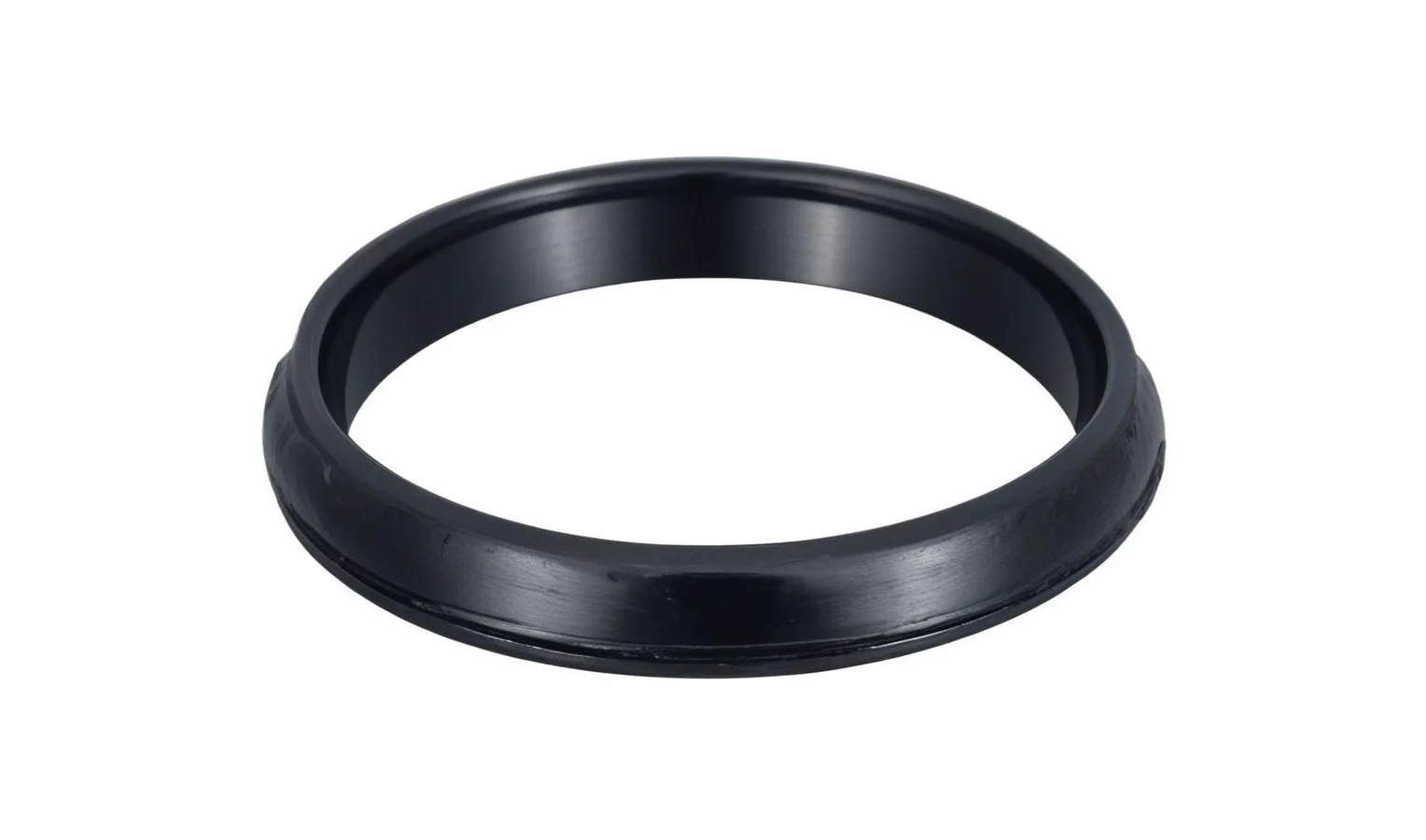
Engineering Capability
At Suzhou Baoshida Trading Co., Ltd., our engineering capability forms the backbone of our precision rubber seal manufacturing, particularly in the demanding outdoor applications sector. We maintain a dedicated team of five certified mould engineers and two specialized rubber formula engineers, enabling full in-house control from concept to production. This integrated technical structure allows us to deliver robust, application-specific sealing solutions tailored to environmental stressors such as UV exposure, temperature extremes, moisture, and mechanical compression.
Our mould engineers possess extensive experience in precision tooling design for complex geometries, ensuring optimal material flow, dimensional accuracy, and cycle efficiency. Utilizing advanced CAD/CAM software and precision CNC machining, they develop high-tolerance moulds that consistently produce seals meeting tight OEM specifications. Each design undergoes rigorous simulation and validation to minimize defects and ensure long-term tool durability, especially critical for high-volume outdoor seal production.
Complementing our mould expertise, our two in-house rubber formula engineers focus on material science innovation. They formulate custom elastomer compounds based on application requirements, including resistance to ozone, water ingress, and thermal cycling. By controlling the compounding process internally, we ensure batch-to-batch consistency and full traceability. Our formulation library includes optimized blends of EPDM, silicone, and fluorocarbon rubbers—each engineered for targeted outdoor performance.
This dual-engineering synergy—mould and material—enables us to offer true OEM manufacturing services. We support clients from prototype development through mass production, providing full documentation, DFM analysis, and material certification. Our engineering team collaborates directly with client R&D departments to refine designs, select optimal materials, and accelerate time-to-market.
We specialize in seals for outdoor equipment such as solar inverters, telecommunications enclosures, HVAC units, and agricultural machinery—all requiring long service life under harsh conditions. Our engineering team conducts accelerated aging tests, compression set analysis, and environmental sealing validation to ensure product reliability.
The table below outlines key technical capabilities and material performance metrics supported by our engineering team.
| Parameter | Specification |
|---|---|
| Mould Design Tolerance | ±0.02 mm |
| Standard Materials | EPDM, Silicone (VMQ), Fluorocarbon (FKM), Nitrile (NBR) |
| Hardness Range (Shore A) | 40–90 |
| Operating Temperature Range | -60°C to +250°C (material dependent) |
| Compression Set (ASTM D395) | <15% (EPDM, 70h @ 100°C) |
| UV & Ozone Resistance | Excellent (per ASTM D1149) |
| Custom Formulation Lead Time | 10–15 days |
| Tooling Development Cycle | 20–30 days (depending on complexity) |
With a foundation built on material science and precision engineering, Suzhou Baoshida delivers technically advanced outdoor rubber seals that meet the highest industrial standards. Our OEM-focused approach ensures scalability, quality, and performance—engineered for the outdoors.
Customization Process
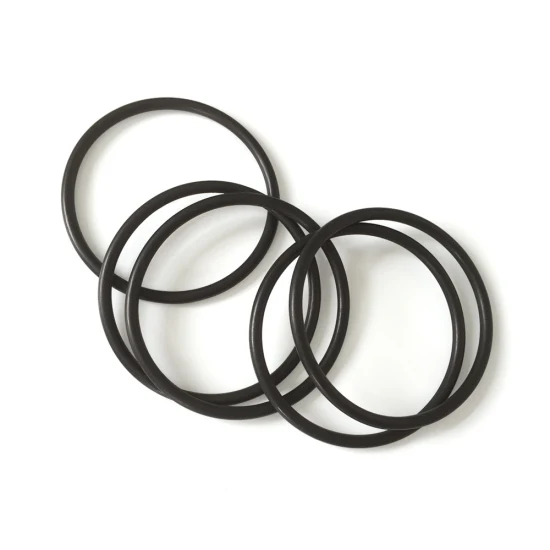
Customization Process for Precision Outdoor Rubber Seals
At Suzhou Baoshida Trading Co., Ltd., our customization process for outdoor rubber seals integrates rigorous engineering protocols to ensure optimal performance in demanding environments. This systematic approach begins with Drawing Analysis, where our technical team conducts a comprehensive review of client-provided CAD files and specifications. We validate critical dimensions, tolerances per ISO 3302-1, and geometric conformity using GD&T standards. Environmental factors such as UV exposure, temperature extremes, and chemical resistance requirements are cross-referenced against application data sheets. Any discrepancies or optimization opportunities are resolved through collaborative engineering feedback before proceeding.
Formulation Development follows, leveraging our 15+ years of compound expertise. Based on the validated requirements, our rubber chemists select base polymers and curatives to achieve target properties. For outdoor applications, resistance to ozone, thermal cycling, and compression set is prioritized. The table below outlines common material solutions we deploy:
| Material Type | Hardness Range (Shore A) | Temperature Range (°C) | Key Properties for Outdoor Use |
|---|---|---|---|
| EPDM | 50–90 | -50 to +150 | Superior ozone/weather resistance, low water absorption |
| Silicone | 40–80 | -60 to +230 | Extreme temp stability, UV resilience, FDA-compliant options |
| FKM | 60–90 | -20 to +250 | Exceptional chemical/fuel resistance, high-cost solution |
Each formulation undergoes iterative lab-scale mixing and physical property validation per ASTM D2000 standards. Critical tests include tensile strength, elongation, and accelerated aging in QUV chambers simulating 5+ years of outdoor exposure.
Prototyping utilizes precision CNC-machined molds or 3D-printed tooling for rapid iteration. Seals are produced in controlled batches and subjected to functional validation: compression deflection testing per ASTM D575, leakage checks under dynamic pressure, and field-simulated environmental cycling. Client feedback on prototype performance informs final adjustments, typically within 10–15 business days.
Mass Production commences only after formal client sign-off on prototypes. Our ISO 9001 and IATF 16949-certified facility employs statistical process control (SPC) for every production run. Automated vision systems inspect dimensional accuracy to ±0.05mm, while inline rheometers monitor cure consistency. Each batch includes traceable material certifications and third-party test reports for hardness, density, and aging performance. Final seals undergo 100% visual inspection and抽样 testing per AQL 1.0 before shipment in humidity-controlled packaging.
This end-to-end process ensures Suzhou Baoshida delivers outdoor rubber seals that meet exacting OEM durability standards while minimizing time-to-market. Our engineering-first methodology transforms technical specifications into reliable, long-life sealing solutions.
Contact Engineering Team

For manufacturers and engineering teams seeking high-performance outdoor rubber seals, Suzhou Baoshida Trading Co., Ltd. stands at the forefront of precision rubber formulation and OEM solutions. Our expertise lies in developing custom-engineered seals designed to withstand extreme environmental conditions, including prolonged UV exposure, wide temperature fluctuations, moisture ingress, and chemical degradation. As a trusted partner in the industrial supply chain, we specialize in delivering durable, application-specific sealing solutions that meet rigorous international standards.
Our outdoor rubber seals are formulated using advanced elastomer compounds such as EPDM, silicone, fluorosilicone, and hydrogenated nitrile (HNBR), selected based on performance requirements and operational environments. Each seal is manufactured under strict quality control protocols, ensuring dimensional accuracy, consistent durometer hardness, and long-term resilience in demanding outdoor applications. Whether for telecommunications enclosures, solar energy systems, construction equipment, or outdoor electrical housings, our seals provide reliable protection against dust, water, and atmospheric corrosion.
We understand that every industrial application presents unique challenges. That is why Suzhou Baoshida offers end-to-end customization—from material selection and hardness tuning to complex profile design and volume production. Our engineering team collaborates directly with clients to analyze sealing requirements, simulate environmental stress factors, and optimize material formulations for maximum service life and performance.
Below are typical technical specifications for our standard outdoor rubber seal offerings. Custom parameters are available upon request.
| Property | EPDM | Silicone | Fluorosilicone | HNBR |
|---|---|---|---|---|
| Temperature Range | -50°C to +150°C | -60°C to +200°C | -50°C to +175°C | -40°C to +150°C |
| UV Resistance | Excellent | Good | Good | Moderate |
| Ozone Resistance | Excellent | Excellent | Excellent | Excellent |
| Water Resistance | Excellent | Excellent | Excellent | Excellent |
| Fuel/Oil Resistance | Poor | Poor | Good | Excellent |
| Hardness Range (Shore A) | 40–90 | 30–80 | 50–80 | 60–90 |
| Compression Set (22h, 150°C) | ≤25% | ≤30% | ≤35% | ≤20% |
Partnering with Suzhou Baoshida means gaining access to a vertically integrated supply model, rapid prototyping capabilities, and responsive technical support throughout the product lifecycle. We serve clients across Europe, North America, and Asia, maintaining compliance with ISO 9001 standards and full material traceability for every production batch.
For engineering inquiries, sample requests, or technical collaboration on custom outdoor rubber seal development, contact Mr. Boyce directly at [email protected]. Our team is prepared to assist with material data sheets, 3D CAD support, and sealing performance analysis tailored to your application. Let Suzhou Baoshida be your strategic partner in precision rubber sealing technology—where material science meets industrial reliability.
⚖️ O-Ring Weight Calculator
Estimate rubber O-ring weight (Approx).