
Technical Contents
Engineering Guide: Outdoor Stairwell
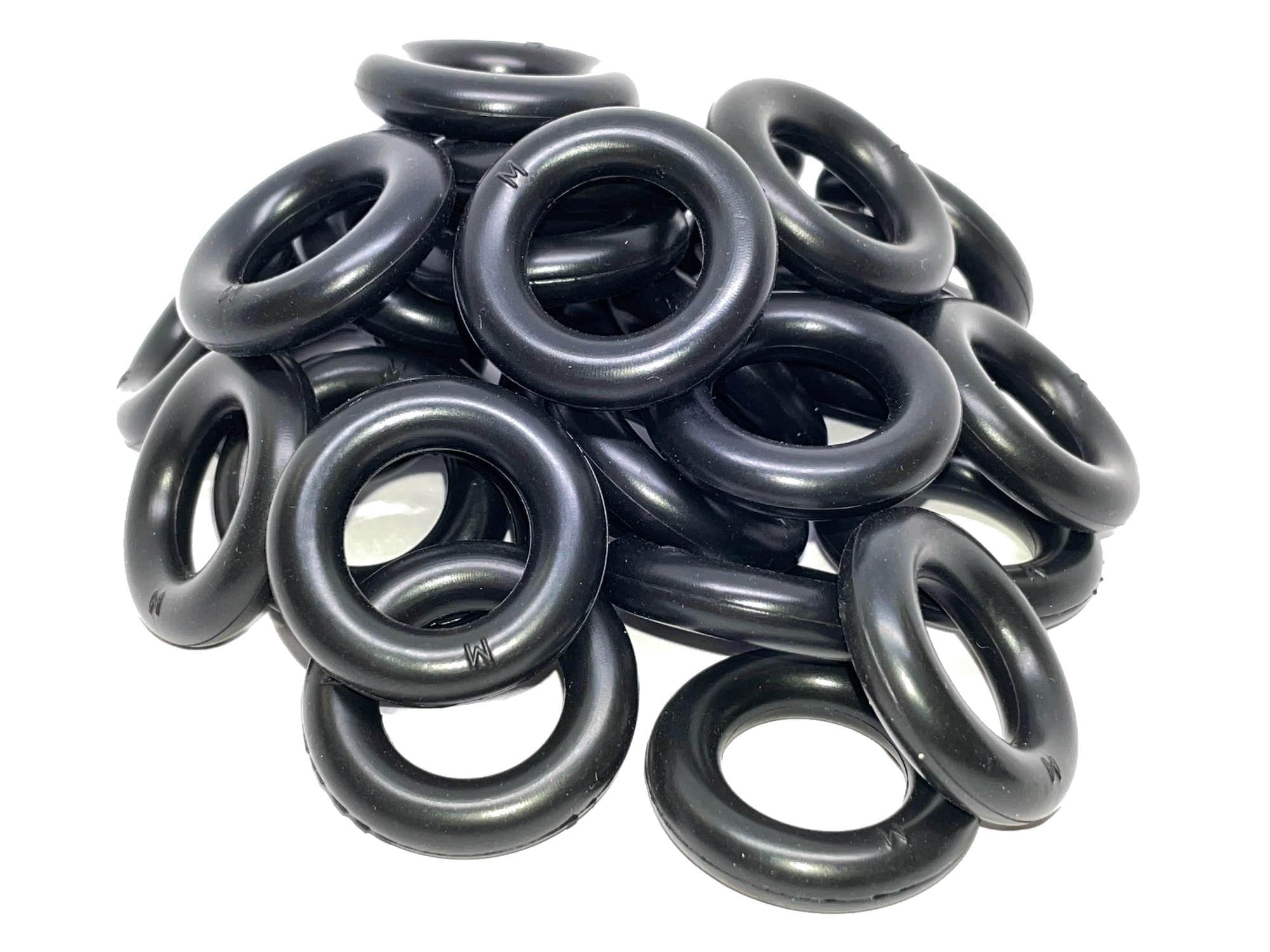
Engineering Insight: Material Selection for Outdoor Stairwell Applications
In industrial and commercial environments, outdoor stairwells are subjected to continuous mechanical stress, environmental exposure, and safety-critical usage. While they may appear structurally simple, the performance and longevity of these installations depend heavily on the materials used in their construction—particularly in components involving rubber, such as anti-slip treads, vibration-damping mounts, and sealing elements. Standard off-the-shelf rubber solutions often fail prematurely in such applications due to inadequate resistance to environmental and operational stressors.
Outdoor stairwells are exposed to UV radiation, temperature extremes, moisture, and chemical contaminants such as de-icing salts and industrial runoff. Conventional rubber compounds, typically formulated for indoor or controlled environments, degrade rapidly under these conditions. For instance, natural rubber and certain SBR blends exhibit poor UV stability and are prone to cracking and embrittlement when exposed to prolonged sunlight. Similarly, many generic rubber treads lose traction when wet or frozen, increasing slip risk and compromising safety compliance.
The failure of off-the-shelf solutions stems from a one-size-fits-all approach that neglects site-specific engineering requirements. These products are often optimized for cost rather than durability, using fillers and accelerators that compromise long-term performance. In contrast, engineered rubber compounds—formulated with precise polymer selection, reinforcement systems, and protective additives—deliver superior resilience and functional consistency.
At Suzhou Baoshida Trading Co., Ltd., we emphasize material science-driven design for outdoor stairwell components. Our formulations leverage EPDM, neoprene, and specialty silicone rubbers, selected for their inherent resistance to ozone, UV, and thermal cycling. These polymers are compounded with reinforcing carbon black or silica, weather-resistant plasticizers, and anti-degradant packages to extend service life under harsh conditions.
Critical performance parameters include tensile strength, elongation at break, Shore A hardness, and coefficient of friction under wet and dry conditions. Additionally, flame resistance and compliance with industrial safety standards (e.g., DIN 51130 for slip resistance) are essential for regulatory adherence.
The table below outlines key material specifications for high-performance rubber treads used in outdoor stairwell applications:
| Property | Test Standard | EPDM Compound | Neoprene Compound | Silicone Rubber |
|---|---|---|---|---|
| Tensile Strength (MPa) | ASTM D412 | ≥15 | ≥14 | ≥9 |
| Elongation at Break (%) | ASTM D412 | ≥350 | ≥300 | ≥250 |
| Shore A Hardness | ASTM D2240 | 60–70 | 65–75 | 50–60 |
| Compression Set (24h, 70°C) | ASTM D395 | ≤20% | ≤25% | ≤15% |
| Coefficient of Friction (wet) | ASTM D2047 | ≥0.65 | ≥0.60 | ≥0.55 |
| UV Resistance (1000h QUV) | ASTM G154 | No cracking | Minor checking | No degradation |
| Operating Temperature Range | — | -50°C to +130°C | -40°C to +120°C | -60°C to +200°C |
Material selection is not a secondary consideration—it is foundational to the safety, durability, and compliance of outdoor stairwell systems. Generic rubber products may offer short-term savings but result in increased maintenance, liability, and replacement costs. Precision-engineered rubber solutions, tailored to environmental and mechanical demands, ensure long-term performance and operational reliability.
Material Specifications

Material Specifications for Outdoor Stairwell Sealing Components
Outdoor stairwell environments impose severe operational demands on sealing and gasketing materials. Exposure to ultraviolet radiation, thermal cycling from -40°C to +150°C, precipitation, freeze-thaw cycles, and mechanical abrasion from foot traffic necessitates rigorous material selection. At Suzhou Baoshida Trading Co., Ltd., we engineer rubber compounds specifically for structural resilience in such conditions. This section details critical specifications for Viton (FKM), Nitrile (NBR), and Silicone (VMQ) formulations validated per ASTM D2000 and ISO 37 standards for stairwell applications.
Viton fluorocarbon rubber delivers exceptional resistance to extreme temperatures and chemical degradation. Its molecular stability maintains integrity across -20°C to +230°C continuous service ranges, with short-term excursions to 300°C. Viton exhibits minimal swelling when exposed to hydraulic fluids, lubricants, or cleaning solvents common in industrial stairwells. Tensile strength typically exceeds 15 MPa (ASTM D412), while compression set remains below 25% after 70 hours at 200°C (ASTM D395). This material is optimal for high-exposure zones near machinery or chemical storage but carries a premium cost profile.
Nitrile butadiene rubber provides a cost-effective balance for general stairwell use. Standard NBR formulations withstand -30°C to +100°C, with extended low-temperature grades reaching -50°C. Its outstanding resistance to petroleum-based fluids and abrasion yields tensile strengths of 10–20 MPa. Critical for stair treads and edge guards, NBR maintains >80% abrasion resistance (DIN 53516) after 10,000 cycles. However, ozone and UV resistance require carbon-black reinforcement; unprotected NBR degrades rapidly in direct sunlight without proper formulation.
Silicone rubber excels in thermal stability and flexibility across broad temperature ranges (-60°C to +200°C). Its inherent UV/ozone resistance eliminates the need for stabilizers, ensuring consistent performance in exposed handrail seals or expansion joints. Silicone achieves 6–12 MPa tensile strength with elongation exceeding 300%, accommodating structural movement without failure. Compression set values of 15–25% (22 hrs/150°C) support long-term sealing in non-load-bearing applications. Limitations include lower abrasion resistance and susceptibility to tear propagation under sharp impacts.
Material Performance Comparison for Outdoor Stairwell Applications
| Property | Viton (FKM) | Nitrile (NBR) | Silicone (VMQ) |
|---|---|---|---|
| Temperature Range (°C) | -20 to +230 | -30 to +100 | -60 to +200 |
| Tensile Strength (MPa) | ≥15 | 10–20 | 6–12 |
| Abrasion Resistance (mm³) | 80–100 | 50–80 | 120–180 |
| UV/Ozone Resistance | Excellent | Poor (unfilled) | Excellent |
| Compression Set (% @ 22h/150°C) | ≤25 | ≤35 | 15–25 |
| Key Applications | Chemical-exposed zones, high-heat areas | Tread seals, fluid-contact zones | Handrails, expansion joints, non-abrasive surfaces |
Material selection must align with site-specific stressors. Viton is reserved for extreme chemical/thermal exposure despite higher costs. NBR dominates cost-sensitive projects requiring oil resistance but mandates UV stabilization. Silicone is preferred for flexible, weather-exposed components where thermal cycling exceeds -40°C. Suzhou Baoshida’s OEM team validates each compound through accelerated aging per ISO 188 and DIN 53509 to ensure 15+ year service life in outdoor stairwell deployments. Consult our engineering department for application-specific formulation adjustments.
Manufacturing Capabilities
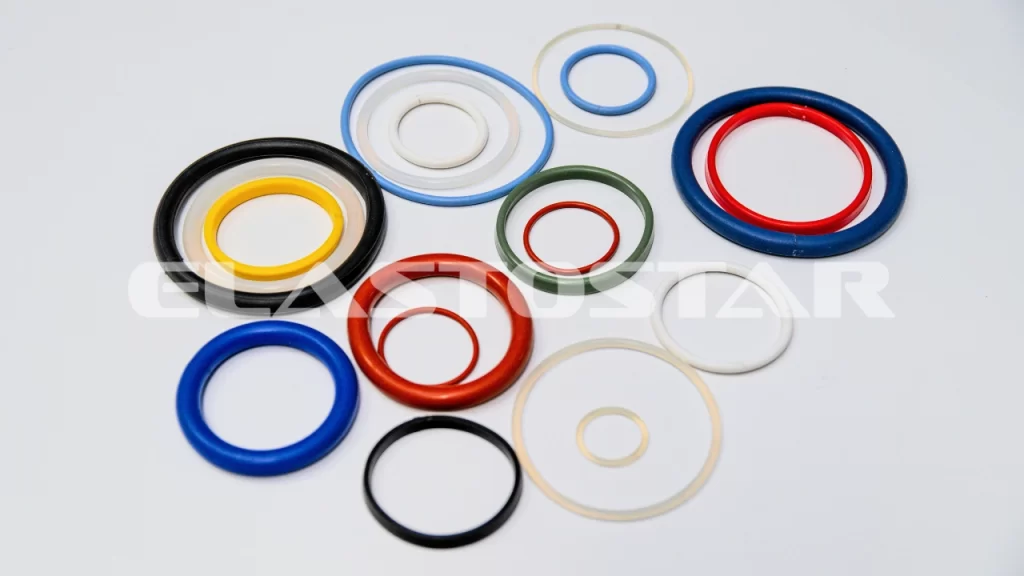
Engineering Capability
At Suzhou Baoshida Trading Co., Ltd., our engineering capability forms the backbone of our industrial rubber solutions, ensuring precision, durability, and performance in demanding outdoor environments. With a dedicated team of five mould engineers and two specialized rubber formula engineers, we maintain full in-house control over the design, development, and production processes for outdoor stairwell applications. This integrated technical expertise allows us to deliver custom-engineered rubber components that meet exacting mechanical, environmental, and safety standards.
Our mould engineers possess extensive experience in precision tooling design, utilizing advanced CAD/CAM software and CNC machining to develop high-tolerance moulds tailored to complex geometries. Each mould is rigorously tested for dimensional accuracy, cycle efficiency, and long-term wear resistance—critical factors in outdoor stairwell systems exposed to thermal cycling, moisture, and mechanical stress. The ability to iterate rapidly from concept to prototype ensures minimal time-to-market while maintaining strict adherence to OEM specifications.
Complementing our mould engineering strength is our rubber formulation division. Our two formula engineers specialize in developing proprietary rubber compounds engineered for outdoor durability. By adjusting polymer matrices, cross-linking systems, fillers, and protective additives, we tailor material properties to resist UV degradation, ozone exposure, temperature extremes (-40°C to +120°C), and slip hazards. This level of formulation control ensures that every rubber tread, anti-slip insert, or vibration-damping pad performs reliably under real-world conditions.
We offer comprehensive OEM services, supporting global partners from initial concept validation through serial production. Our collaborative engineering approach includes DFMEA analysis, material certification (including ROHS, REACH, and UL compliance), and full traceability across production batches. Clients benefit from scalable manufacturing capacity, stringent QC protocols, and rapid response to design modifications—essential for large-scale infrastructure or modular stairwell systems.
Our technical team works closely with architects, construction suppliers, and industrial designers to ensure seamless integration of rubber components into outdoor stairwell assemblies. Whether the requirement is for noise reduction, impact absorption, or enhanced slip resistance, our engineering-led process ensures optimal performance and regulatory compliance.
Below is a summary of key technical capabilities and material performance benchmarks:
| Parameter | Specification |
|---|---|
| Mould Design Capacity | 50+ custom moulds per year |
| Tooling Tolerance | ±0.05 mm |
| Rubber Hardness Range (Shore A) | 40–90 |
| Temperature Resistance | -40°C to +120°C |
| UV/Ozone Resistance | ASTM D1149 & D430 compliant |
| Slip Resistance (DIN 51130) | R10–R13 ratings achievable |
| Compression Set (70h @ 70°C) | ≤25% |
| OEM Project Lead Time (Prototype) | 4–6 weeks |
This combination of advanced engineering talent, material science expertise, and scalable OEM infrastructure positions Suzhou Baoshida as a trusted partner in industrial rubber solutions for outdoor architectural applications.
Customization Process
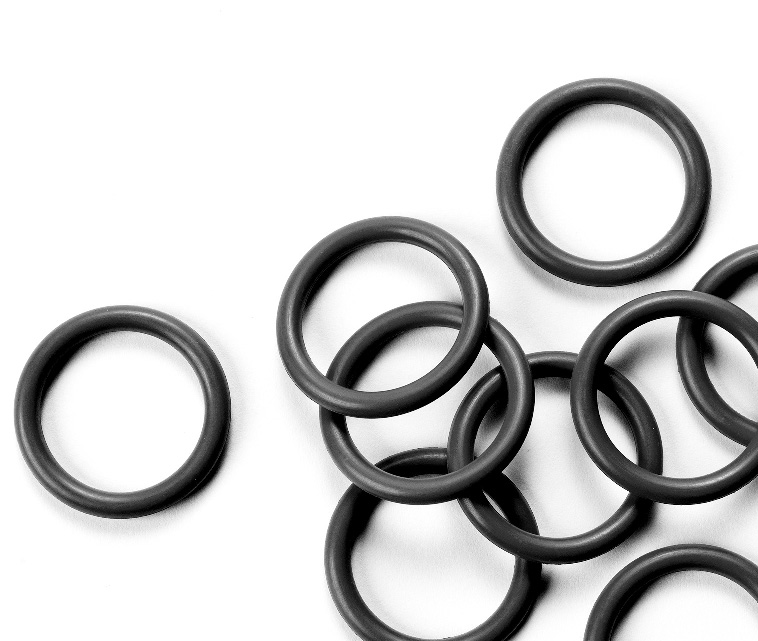
Customization Process for Outdoor Stairwell Rubber Components
At Suzhou Baoshida Trading Co., Ltd., our customization process for outdoor stairwell rubber solutions integrates rigorous engineering protocols to ensure performance under demanding environmental and mechanical stressors. We begin with Drawing Analysis, where client-provided CAD models and technical schematics undergo comprehensive evaluation. This phase focuses on critical parameters including tread geometry, drainage channel dimensions, load distribution zones, and interface tolerances with structural substrates. Our engineering team identifies potential failure points such as inadequate slip resistance angles or insufficient edge reinforcement, aligning specifications with ISO 21507 for pedestrian safety and ASTM F1637 for slip resistance. Material thickness and contouring are optimized to prevent water retention while maintaining structural integrity under cyclic foot traffic loads exceeding 1.5 kN per step.
Subsequent Formulation leverages our proprietary compound database and accelerated aging simulations. Based on the drawing analysis, we select base polymers—typically EPDM or high-silica SBR—for superior UV resistance and thermal stability across -40°C to +120°C ranges. Reinforcing agents like nano-silica and carbon black are dosed to achieve target abrasion resistance and tear strength, while anti-oxidants and UV stabilizers are calibrated to withstand 5,000+ hours of QUV exposure testing. Shore A hardness is precisely tuned between 55–70 to balance slip resistance on wet surfaces with user comfort, avoiding excessive rigidity that accelerates fatigue cracking.
Prototyping validates the formulation through iterative physical testing. Samples are subjected to ISO 10545-17 slip resistance trials on inclined surfaces with glycerol-contaminated substrates, ASTM D2240 hardness mapping across temperature gradients, and ISO 4649 abrasion cycles simulating 10 years of wear. Client feedback on ergonomics and aesthetic integration (e.g., colorfastness per AATCC 61) drives micro-adjustments to the compound before final sign-off.
Mass Production commences only after prototype approval, utilizing ISO 9001-certified injection molding lines with real-time rheometry monitoring. Each batch undergoes 100% dimensional verification via CMM and statistical process control for critical properties. Finished units are packaged with traceable lot codes for full lifecycle accountability.
Key performance metrics for outdoor stairwell applications are maintained per the following specifications:
| Property | Target Value | Test Standard | Purpose |
|---|---|---|---|
| Shore A Hardness | 65 ± 3 | ASTM D2240 | Optimal slip resistance & comfort |
| Tensile Strength | ≥ 18 MPa | ISO 37 | Structural durability under load |
| Abrasion Loss | ≤ 120 mm³ | ISO 4649 | Long-term wear resistance |
| UV Resistance | ΔE < 3 after 5k hrs | ISO 4892-2 | Color/stability in sunlight |
| Slip Coefficient (wet) | ≥ 0.6 | ASTM F2913 | Pedestrian safety compliance |
This phased methodology ensures Suzhou Baoshida delivers stairwell components that exceed OEM durability expectations while mitigating installation and liability risks through data-driven material science.
Contact Engineering Team
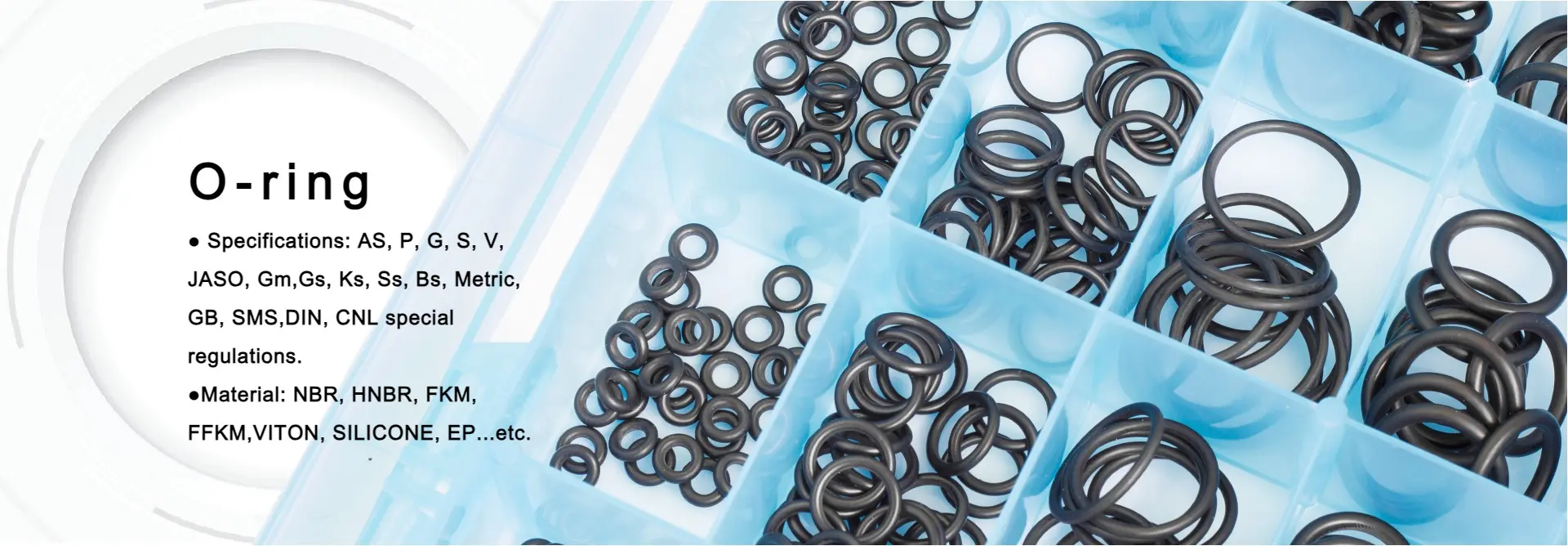
Contact Suzhou Baoshida for Advanced Rubber Solutions in Outdoor Stairwell Applications
When engineering outdoor stairwells for commercial, industrial, or public infrastructure projects, durability, safety, and long-term performance under environmental stress are non-negotiable. At Suzhou Baoshida Trading Co., Ltd., we specialize in high-performance industrial rubber solutions designed to meet the demanding requirements of exterior architectural and structural applications. Our engineered rubber components—ranging from anti-slip treads and vibration-damping mounts to weather-resistant seals and expansion joints—are formulated for resilience against UV exposure, temperature extremes, moisture, and mechanical wear.
For architects, construction firms, and OEM manufacturers, integrating the right rubber materials into stairwell systems is critical not only for compliance with safety standards but also for reducing lifecycle maintenance costs. Our team applies decades of compound development expertise to deliver custom elastomeric products tailored to load specifications, dimensional constraints, and environmental conditions. Whether you are designing modular outdoor stair systems for offshore platforms, industrial facilities, or urban transit hubs, Suzhou Baoshida provides material science support from concept to production.
We invite project engineers, procurement managers, and design consultants to contact Mr. Boyce, our OEM Account Manager and Rubber Formula Engineer, to discuss your specific technical requirements. Mr. Boyce leads our application engineering division and oversees the development of proprietary rubber formulations that meet ISO 48, ASTM D412, and other international performance benchmarks. With direct access to production facilities and in-house testing laboratories, we ensure rapid prototyping, rigorous quality control, and scalable manufacturing for both low-volume custom runs and high-volume supply contracts.
Below are representative technical specifications for our standard outdoor-grade rubber components used in stairwell applications:
| Property | Test Method | Typical Value |
|---|---|---|
| Hardness (Shore A) | ASTM D2240 | 60–75 |
| Tensile Strength | ASTM D412 | ≥12 MPa |
| Elongation at Break | ASTM D412 | ≥250% |
| Compression Set (70°C, 22h) | ASTM D395B | ≤25% |
| Operating Temperature Range | — | -40°C to +90°C |
| Flame Resistance | UL 94 | HB Rated |
| Slip Resistance (DIN 51130) | R11–R13 | Yes |
| UV and Ozone Resistance | ASTM D1149 | Excellent |
All compounds can be adjusted for color, density, durometer, and chemical resistance based on project needs. We support integration with metal substrates via cold bonding or overmolding techniques, ensuring structural integrity in dynamic loading environments.
To initiate a technical consultation or request material samples, please contact Mr. Boyce directly at [email protected]. Include project details such as load profiles, environmental exposure, dimensional drawings, and compliance requirements to accelerate the evaluation process. Our team responds to all inquiries within 12 business hours and offers bilingual (English/Chinese) engineering support for global clients.
Partner with Suzhou Baoshida Trading Co., Ltd. to enhance the safety, longevity, and performance of your outdoor stairwell systems with precision-engineered rubber solutions.
⚖️ O-Ring Weight Calculator
Estimate rubber O-ring weight (Approx).