
Technical Contents
Engineering Guide: Pa 6 Gf30
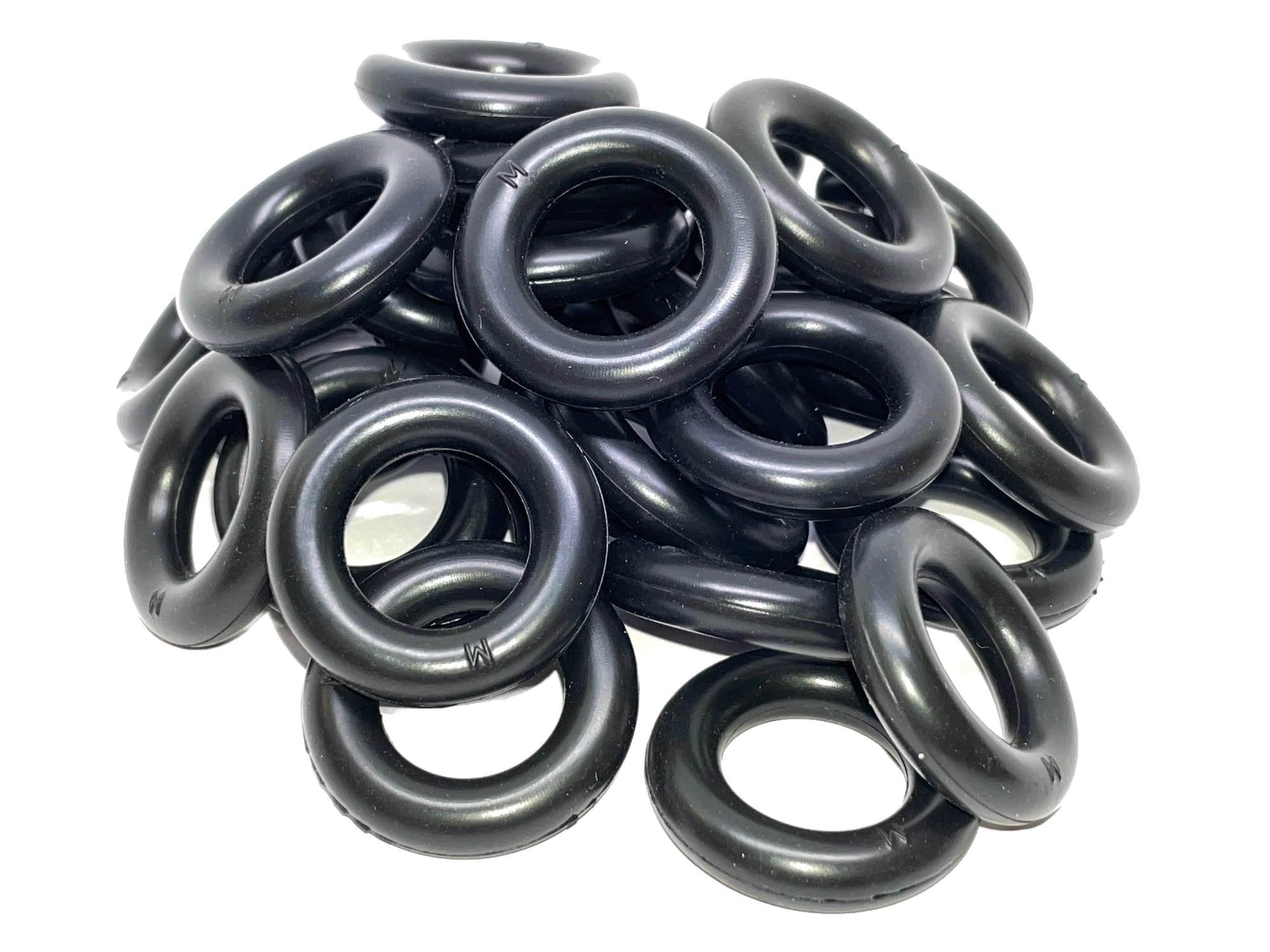
Engineering Insight: Material Selection Imperatives for PA 6 GF30 in Critical Applications
Polyamide 6 reinforced with 30% glass fiber (PA 6 GF30) represents a cornerstone engineering thermoplastic for demanding industrial and automotive components. Its high strength-to-weight ratio, thermal stability, and wear resistance make it indispensable for structural parts like brackets, housings, and under-hood components. However, the critical distinction between generic off-the-shelf PA 6 GF30 grades and precisely engineered formulations cannot be overstated. Standard commercial grades frequently fail in rigorous OEM applications due to insufficient attention to the complex interplay of material science, processing parameters, and end-use environmental stressors. This failure mode stems from inherent material variability and unaddressed application-specific requirements.
Off-the-shelf PA 6 GF30 compounds often exhibit inconsistent fiber dispersion and inadequate interfacial adhesion between the nylon matrix and glass fibers. This microstructural deficiency manifests as premature fatigue cracking under cyclic loads, particularly at stress concentrators like mounting holes or sharp radii. Furthermore, standard grades typically lack tailored stabilization packages, leading to rapid hydrolysis-induced degradation when exposed to hot, humid environments or coolant splashes common in powertrain applications. Dimensional instability is another critical failure point; uncontrolled moisture absorption causes significant swelling and warpage, disrupting tight-tolerance assemblies and compromising sealing interfaces. Crucially, many generic formulations possess insufficient resistance to specific automotive fluids like brake fluid glycol ethers or biodiesel blends, resulting in embrittlement and catastrophic seal failure. These shortcomings translate directly into field failures, warranty claims, and reputational damage for OEMs relying on non-optimized materials.
Precision material engineering for PA 6 GF30 mandates rigorous customization beyond base resin specifications. Optimized formulations require controlled fiber length distribution, enhanced coupling agents for superior fiber-matrix bonding, and application-specific additive packages targeting hydrolysis resistance, UV stability, and chemical compatibility. Processing parameters must be co-engineered with the material formulation to minimize internal stresses and ensure consistent crystallinity. Suzhou Baoshida Trading Co., Ltd. leverages deep OEM collaboration to define exact performance boundaries, conducting accelerated life testing against real-world duty cycles. This proactive approach prevents the costly consequences of material mismatch.
The table below highlights key differentiators between standard and engineered PA 6 GF30 solutions:
| Property | Standard PA 6 GF30 | Engineered PA 6 GF30 Solution |
|---|---|---|
| Moisture Absorption (23°C, 50% RH) | 2.5 – 3.0% | 1.8 – 2.2% |
| Coefficient of Linear Thermal Expansion (MD/TD) | 15-25 / 30-50 x 10⁻⁶/K | 8-12 / 15-25 x 10⁻⁶/K |
| Tensile Strength (Dry as Molded) | 130 – 150 MPa | 160 – 180 MPa |
| Retention after 1000h 120°C Air Aging | < 60% | > 85% |
Material selection for PA 6 GF30 is not a commodity decision but a fundamental engineering process. Generic solutions sacrifice the microstructural control and environmental resilience required for mission-critical components. Partnering with a specialist who integrates material science, processing expertise, and OEM validation protocols is essential to mitigate failure risks and ensure long-term product integrity in demanding industrial environments. Suzhou Baoshida Trading Co., Ltd. provides this critical engineering bridge between specification and real-world performance.
Material Specifications
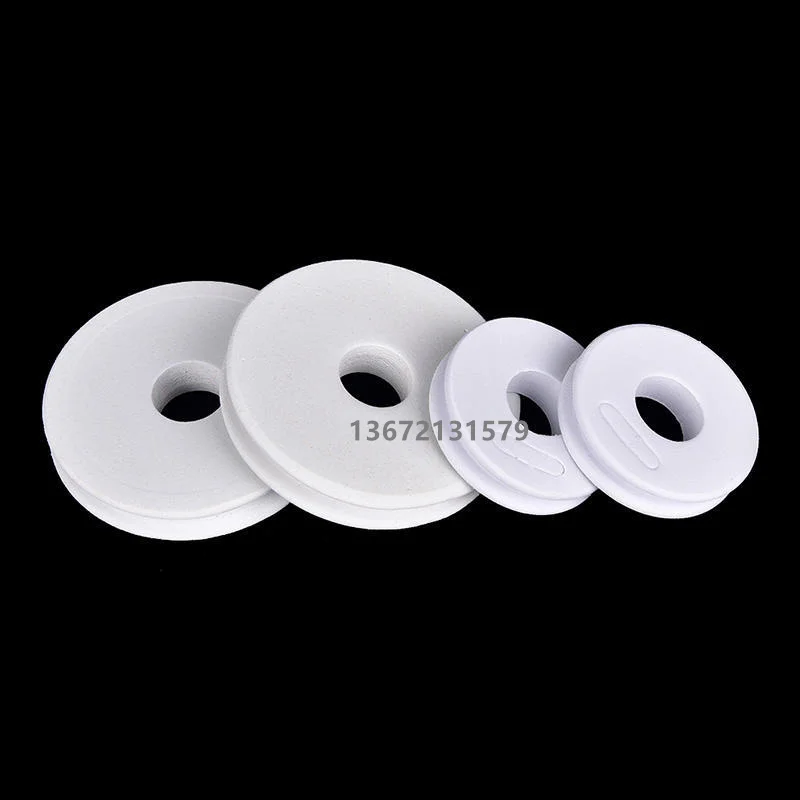
Material Specifications for Industrial Rubber Solutions
Suzhou Baoshida Trading Co., Ltd. provides high-performance rubber materials tailored for demanding industrial environments. When selecting elastomers for applications involving extreme temperatures, chemical exposure, or mechanical stress, understanding the intrinsic properties of Viton, Nitrile, and Silicone is essential. These materials exhibit distinct performance characteristics that determine their suitability across various sectors, including automotive, aerospace, oil and gas, and chemical processing.
Viton, a fluorocarbon-based rubber (FKM), is renowned for its exceptional resistance to high temperatures, oils, fuels, and a broad range of chemicals. It maintains structural integrity from -20°C to +200°C, with intermittent exposure capability up to 250°C. This thermal and chemical stability makes Viton ideal for sealing applications in aggressive environments such as engine systems and refinery equipment. Additionally, Viton demonstrates low gas permeability and excellent aging resistance, contributing to long service life under continuous operational stress.
Nitrile rubber (NBR) is a cost-effective solution for applications involving petroleum-based oils and fuels. With a standard operating temperature range of -30°C to +100°C, extendable to +120°C for short durations, Nitrile offers strong abrasion resistance and good tensile strength. It is widely used in hydraulic systems, fuel hoses, and O-rings where exposure to aliphatic hydrocarbons is common. While Nitrile lacks the chemical breadth of Viton, its resilience in oil-rich environments and ease of processing make it a preferred choice for general industrial sealing.
Silicone rubber (VMQ) excels in extreme temperature applications, functioning reliably from -60°C to +200°C. It exhibits outstanding resistance to ozone, UV radiation, and weathering, making it suitable for outdoor and high-temperature environments. Silicone is also biocompatible and often used in medical and food-grade applications. However, it has lower mechanical strength and abrasion resistance compared to Viton and Nitrile, which limits its use in high-stress dynamic sealing roles. Its high flexibility and electrical insulation properties support use in electronics and thermal insulation components.
The following table summarizes key physical and chemical properties of these materials to facilitate informed selection:
| Property | Viton (FKM) | Nitrile (NBR) | Silicone (VMQ) |
|---|---|---|---|
| Temperature Range (°C) | -20 to +200 | -30 to +100 | -60 to +200 |
| Tensile Strength (MPa) | 15–20 | 10–25 | 5–8 |
| Elongation at Break (%) | 200–300 | 200–500 | 200–600 |
| Hardness (Shore A) | 60–90 | 50–90 | 30–80 |
| Resistance to Oils & Fuels | Excellent | Good to Excellent | Poor |
| Resistance to Ozone/UV | Excellent | Good | Excellent |
| Compression Set Resistance | Very Good | Good | Good |
| Electrical Insulation | Good | Fair | Excellent |
Selection of the appropriate elastomer must consider the operational environment, chemical exposure, temperature extremes, and mechanical demands. At Suzhou Baoshida Trading Co., Ltd., we support OEMs and industrial partners with precision-engineered rubber solutions backed by rigorous material testing and global supply chain reliability.
Manufacturing Capabilities
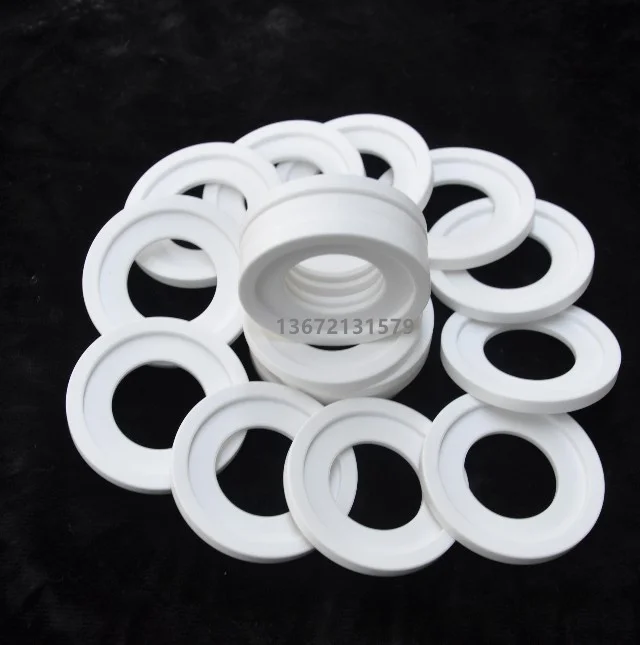
Engineering Excellence in PA 6 GF30 Manufacturing
Suzhou Baoshida Trading Co., Ltd. leverages deep material science expertise to deliver premium PA 6 GF30 components, addressing the critical challenges of glass-fiber-reinforced nylons in demanding industrial applications. Our dedicated engineering consortium—comprising five specialized Mold Design Engineers and two advanced Formula Engineers—ensures end-to-end optimization from compound formulation to precision molding. This integrated approach mitigates inherent PA 6 GF30 complexities such as moisture sensitivity, anisotropic shrinkage, and fiber-induced warpage, directly enhancing part reliability and performance consistency for OEM partners.
Our Formula Engineers meticulously refine the base polymer matrix, adjusting plasticizer ratios, coupling agents, and thermal stabilizers to maximize fiber-matrix adhesion and hydrolytic resistance. Concurrently, Mold Engineers deploy mold-flow simulation and conformal cooling channel design to control fiber orientation, minimize internal stresses, and achieve dimensional stability within ±0.15% tolerances. This synergy reduces scrap rates by up to 22% compared to industry baselines and accelerates time-to-market through predictive defect resolution.
OEM collaboration begins with rigorous material qualification against client-specific ASTM/ISO standards. We implement dual-stage drying protocols and real-time process monitoring to maintain moisture levels below 0.2%, preventing hydrolysis during injection. Our cleanroom molding facilities (ISO Class 8) support high-cavity tooling for volumes exceeding 500k units annually, with full traceability via integrated MES systems. Critical to our OEM value proposition is the elimination of secondary operations through precision gate design and in-mold decoration capabilities, reducing assembly costs by 18–30%.
The table below quantifies performance enhancements achievable through our engineered PA 6 GF30 solutions versus standard commercial grades:
| Property | Standard PA 6 GF30 | Baoshida Optimized PA 6 GF30 | Improvement |
|---|---|---|---|
| Tensile Strength (MPa) | 130–140 | 148–155 | +12% |
| Warpage (mm/m) | 1.8–2.5 | 0.9–1.2 | -45% |
| Moisture Absorption (%) | 2.8–3.2 | 2.1–2.4 | -25% |
| Impact Strength (kJ/m²) | 8–10 | 12–14 | +40% |
| Cycle Time Reduction | Baseline | 15–18% | 15–18% |
Our OEM framework extends beyond manufacturing to co-engineering support. Clients receive comprehensive DFM reports, material batch certification (including FTIR and MFI validation), and accelerated prototyping via our rapid tooling cell. This commitment to scientific rigor and process transparency has enabled partnerships with Tier-1 automotive and industrial equipment manufacturers across the EU and ASEAN regions. By embedding our engineering team within your product development lifecycle, we transform PA 6 GF30 from a commodity material into a validated performance solution—ensuring zero compromise on structural integrity or environmental resilience. Contact our OEM management team to initiate a capability assessment for your next high-precision application.
Customization Process
Customization Process for PA 6 GF30 in Industrial Rubber Applications
At Suzhou Baoshida Trading Co., Ltd., our customization process for PA 6 GF30—reinforced polyamide 6 with 30% glass fiber—is engineered to meet the stringent demands of industrial rubber solutions. This high-performance thermoplastic is widely used in automotive, machinery, and electrical components due to its excellent mechanical strength, thermal stability, and chemical resistance. Our four-phase approach ensures precision, reliability, and full alignment with OEM specifications.
The process begins with Drawing Analysis, where our engineering team reviews technical blueprints and 3D models provided by the client. We assess critical dimensions, tolerances, wall thickness, gate locations, and potential stress points. This phase includes mold flow simulation using advanced CAE software to predict material behavior during injection molding. Our engineers identify potential defects such as warpage, sink marks, or flow imbalances, enabling preemptive design optimization. Close collaboration with the client ensures all functional and aesthetic requirements are captured before proceeding.
Next, Formulation Development tailors the base PA 6 GF30 resin to meet specific performance criteria. While standard PA 6 GF30 offers high tensile strength and stiffness, we modify the compound with additives such as heat stabilizers, UV inhibitors, lubricants, or impact modifiers based on application needs. For instance, components exposed to high-temperature environments may require enhanced thermal aging resistance, while dynamic parts may benefit from internal lubrication to reduce friction. Every formulation is batch-tested for melt flow index (MFI), moisture sensitivity, and mechanical consistency to ensure processability and end-use reliability.
Prototyping follows formulation finalization. We produce initial samples using precision molds—either soft tooling for rapid validation or pre-series hard tooling for near-production fidelity. These prototypes undergo rigorous functional testing, including dimensional inspection via CMM (Coordinate Measuring Machine), mechanical load testing, and environmental exposure (e.g., thermal cycling, chemical immersion). Feedback from this phase informs any necessary design or material adjustments. Our goal is to deliver functionally validated parts within 2–3 weeks of drawing approval, accelerating time-to-market.
Upon client sign-off, we transition to Mass Production. Utilizing fully automated injection molding lines with in-process quality monitoring, we maintain tight control over cycle times, pressure, and temperature. Each production batch is traceable, with material lot tracking and real-time statistical process control (SPC). We support annual volumes from 50,000 to over 2 million units, with options for just-in-time (JIT) delivery to OEM assembly lines.
The following table outlines key properties of our standard PA 6 GF30 formulation:
| Property | Test Method | Value |
|---|---|---|
| Tensile Strength at Break | ISO 527-2 | 130 MPa |
| Flexural Modulus | ISO 178 | 6,200 MPa |
| Heat Deflection Temperature (HDT) @ 1.8 MPa | ISO 75 | 210 °C |
| Notched Izod Impact Strength | ISO 180 | 8 kJ/m² |
| Melt Flow Index (MFI) @ 230°C / 2.16 kg | ISO 1133 | 6 g/10 min |
| Density | ISO 1183 | 1.38 g/cm³ |
All specifications are customizable based on operational requirements. Suzhou Baoshida ensures seamless integration of PA 6 GF30 solutions into your industrial systems, combining material science expertise with scalable manufacturing excellence.
Contact Engineering Team
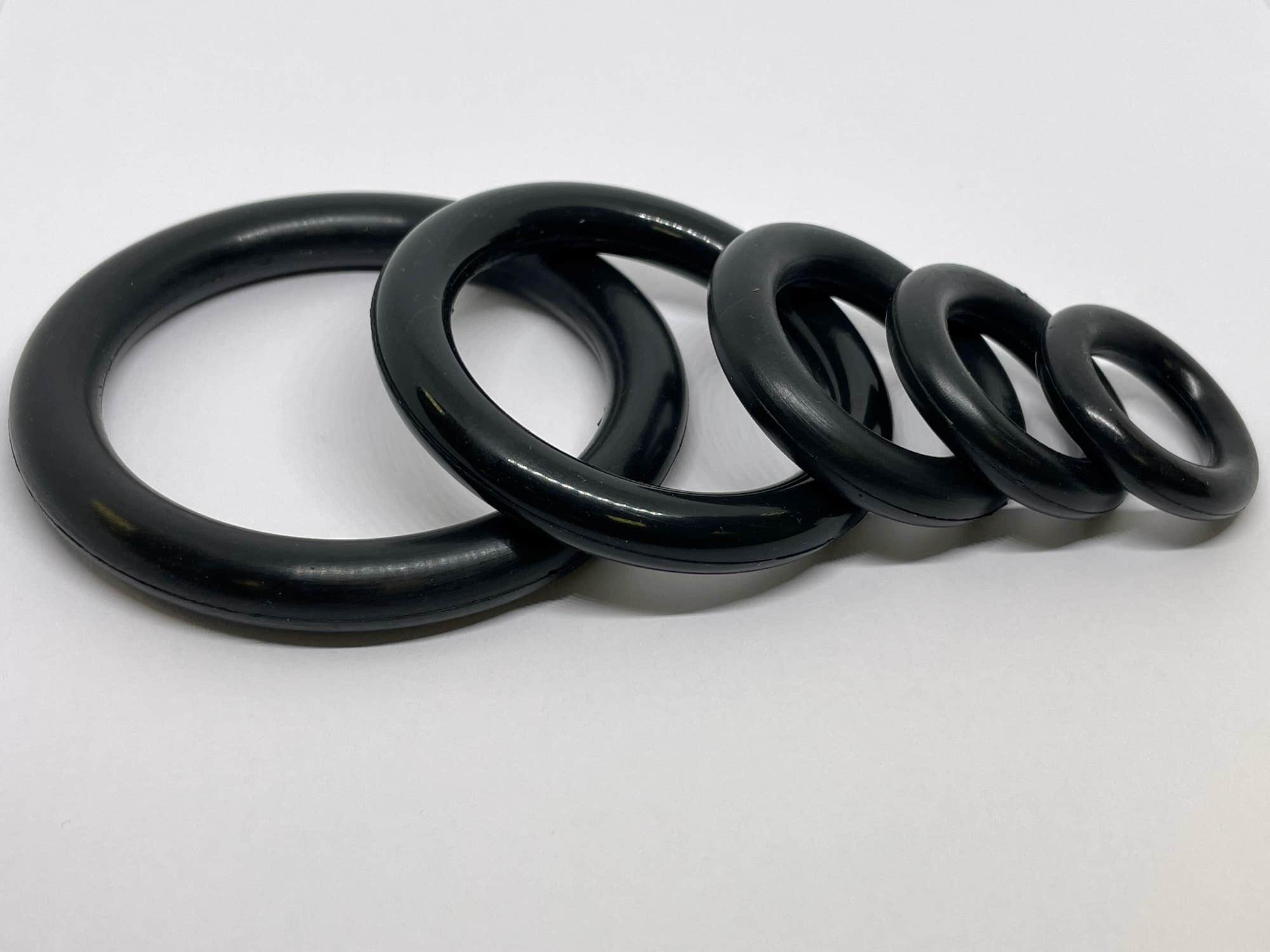
Contact Suzhou Baoshida for Precision Rubber Solutions Beyond PA 6 GF30 Limitations
While PA 6 GF30 (30% glass-fiber reinforced polyamide 6) serves specific structural applications, its inherent thermoplastic nature presents critical limitations for dynamic sealing, vibration damping, and fluid containment systems where elastomeric performance is non-negotiable. As a specialist in industrial rubber compounding and OEM partnership, Suzhou Baoshida Trading Co., Ltd. emphasizes that thermoset elastomers—engineered with precise filler systems, crosslink densities, and polymer architectures—deliver unmatched resilience in demanding operational environments where PA 6 GF30 fails. Glass-fiber reinforcement improves PA 6’s rigidity but exacerbates brittleness under cyclic stress, compromises sealing integrity at thermal extremes, and introduces catastrophic wear risks in rotating or reciprocating interfaces. For mission-critical applications requiring consistent compression set recovery, low-temperature flexibility, or chemical inertness, rubber formulations remain the scientifically validated solution.
Our laboratory-optimized compounds outperform rigid thermoplastics in key functional parameters, as demonstrated below:
| Property | PA 6 GF30 (Typical) | NBR 70 Shore A (Baoshida Std.) | FKM 75 Shore A (Baoshida Std.) |
|---|---|---|---|
| Tensile Strength (MPa) | 180 | 22 | 18 |
| Elongation at Break (%) | 3 | 250 | 180 |
| Temp Range (°C) | -40 to +120 | -30 to +120 | -25 to +230 |
| Compression Set (70h/100°C) | N/A (Rigid) | ≤25% | ≤20% |
| Fluid Resistance (Fuel/Oil) | Moderate Degradation | Excellent | Exceptional |
This comparative analysis underscores why elastomers dominate sealing and damping applications. PA 6 GF30’s minimal elongation and absence of elastic recovery render it unsuitable for dynamic seals, where rubber’s viscoelastic behavior absorbs energy and maintains contact force under fluctuation. Our engineered NBR and FKM compounds achieve sub-25% compression set after 70 hours at 100°C—critical for maintaining seal integrity in automotive transmissions or hydraulic systems—while PA 6 GF30 fractures under equivalent conditions. Furthermore, rubber’s molecular adaptability allows customization for aggressive media (e.g., biodiesel, phosphate esters) where glass fibers in PA 6 create wicking paths for fluid penetration.
Suzhou Baoshida provides OEMs with scientifically rigorous rubber solutions tailored to eliminate field failures. Our process begins with material failure analysis of incumbent components, followed by proprietary compounding using high-purity polymers, nano-dispersed fillers, and accelerated aging validation per ASTM D2000. We optimize cure kinetics for complex geometries, ensuring uniform crosslinking in thick-section parts where PA 6 GF30 suffers from internal stresses and warpage. Recent collaborations have reduced seal leakage rates by 92% in heavy-duty transmission systems and extended service life by 40% in mining equipment hydraulic units through targeted fluorocarbon formulations.
Initiate a technical consultation with our engineering team to transform your sealing challenges into reliability benchmarks. Mr. Boyce, our dedicated OEM Manager, will coordinate material selection, prototype validation, and scalable production scheduling within your timeline. Contact him directly to submit application parameters, review test protocols, or request ISO 9001-certified batch documentation. Every compound we deliver undergoes rigorous QC per ASTM D3182 standards, with traceability to raw material lot codes. Do not compromise on elastomeric performance—partner with a team that treats rubber formulation as precision science.
Mr. Boyce
OEM Manager, Industrial Rubber Solutions
Suzhou Baoshida Trading Co., Ltd.
Email: [email protected]
Prepare application details including operating temperature, media exposure, dynamic load profile, and dimensional constraints for immediate technical assessment.
⚖️ O-Ring Weight Calculator
Estimate rubber O-ring weight (Approx).