
Technical Contents
Engineering Guide: Package Seal
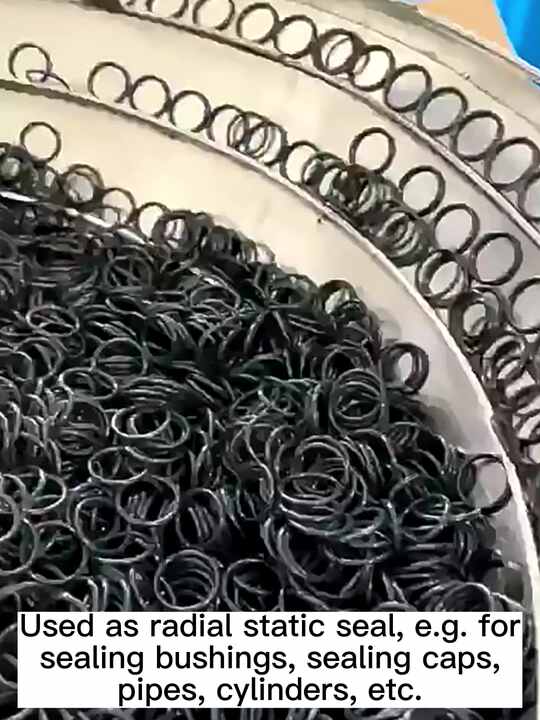
Engineering Insight: Material Selection as the Critical Determinant in Package Seal Performance
In precision rubber sealing applications, particularly for critical package integrity, material selection transcends mere specification compliance. It is the foundational engineering decision dictating functional lifespan, environmental resilience, and ultimately, product reliability. Off-the-shelf elastomer solutions, while appealing for immediate cost and speed, frequently precipitate premature seal failure in demanding industrial or medical packaging environments. This stems from a fundamental misalignment between generic compound formulations and the specific, often complex, operational stresses encountered. Generic compounds prioritize broad market applicability over targeted performance, leading to inherent compromises in critical properties. The consequences manifest as seal leakage, contamination ingress, package pressurization loss, or catastrophic seal rupture – failures that incur significant downstream costs far exceeding initial seal procurement savings, including product recalls, line stoppages, and reputational damage.
The core failure mechanism lies in the inability of standard compounds to simultaneously satisfy the multi-variable demands of a specific application. A seal might require exceptional resistance to a particular sterilant (e.g., hydrogen peroxide vapor), maintain low compression set under sustained load at elevated temperature, exhibit minimal gas permeability, and retain flexibility at cryogenic storage temperatures. Generic formulations, optimized for average conditions, typically excel in only one or two areas while exhibiting critical weaknesses elsewhere. For instance, a standard EPDM compound may offer good heat resistance but suffer rapid degradation and hardening upon exposure to certain oils or solvents present in the packaged product or processing environment. Similarly, a low-cost silicone might meet temperature specs but exhibit unacceptably high compression set under long-term dynamic loading, leading to loss of sealing force. The interplay of polymer chemistry, filler systems, plasticizers, and cure chemistry is intricate; minor variations significantly impact performance in non-linear ways that generic datasheets rarely capture for specific use cases.
Suzhou Baoshida Trading Co., Ltd. emphasizes that successful package seal engineering requires a deep understanding of the exact service environment and translating those conditions into a precisely tailored elastomer formulation. This involves rigorous analysis of chemical exposures, temperature profiles, pressure differentials, dynamic vs. static loading, required shelf life, and regulatory constraints. Only through this application-specific lens can the optimal balance of properties be achieved, ensuring the seal performs reliably throughout its intended lifecycle. Relying on off-the-shelf solutions ignores the nuanced physics of elastomer behavior under real-world stress, inevitably trading short-term procurement efficiency for long-term operational risk and cost.
The following table illustrates critical performance differentiators between generic compounds and engineered solutions for demanding package seal applications:
| Property | Generic EPDM Compound | Baoshida Engineered Compound | Consequence of Generic Failure |
|---|---|---|---|
| Compression Set (24h, 100°C) | 45% | ≤ 25% | Loss of sealing force, leakage over time |
| Chemical Resistance (H₂O₂ 30%) | Severe Swelling (ΔV > 25%) | Minimal Swelling (ΔV < 5%) | Seal distortion, permeability increase |
| Gas Permeability (O₂, 23°C) | High | Optimized Low | Package pressurization loss, product oxidation |
| Low Temp Flexibility (TR10) | -40°C | -65°C | Seal cracking during cold chain logistics |
| Extractables (USP <381>) | Exceeds Limits | Compliant | Product contamination, regulatory failure |
Material selection is not a procurement checkbox; it is the cornerstone of package seal integrity. Partnering with an OEM-focused supplier possessing deep rubber formulation expertise and application engineering capability is essential to transform sealing from a vulnerability into a guaranteed reliability feature. Suzhou Baoshida Trading Co., Ltd. provides this critical engineering partnership, moving beyond commodity supply to deliver seals engineered for your specific success.
Material Specifications
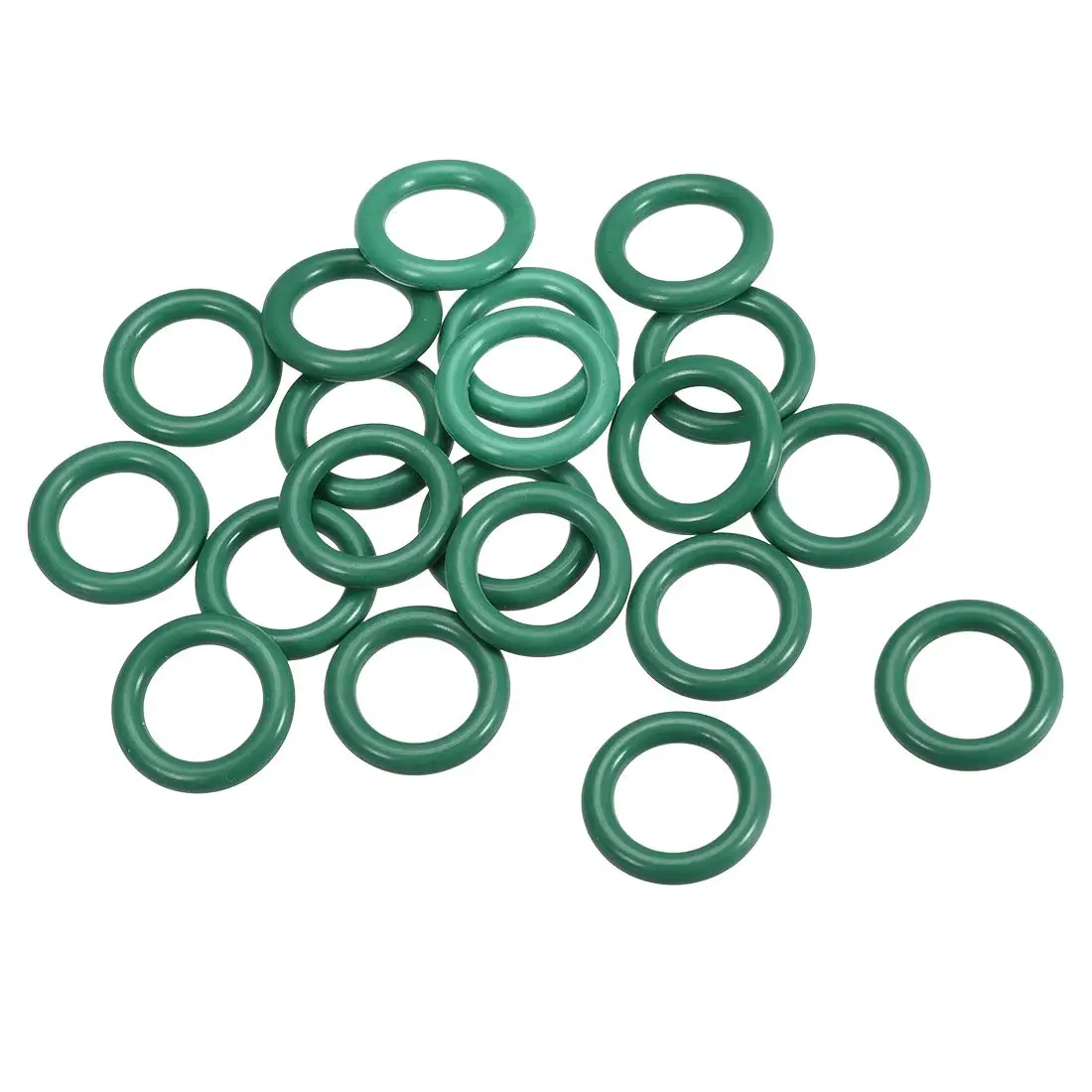
Precision rubber seals are critical components in industrial packaging systems, ensuring leak-proof integrity under demanding environmental and operational conditions. At Suzhou Baoshida Trading Co., Ltd., we specialize in high-performance elastomeric solutions tailored for package seal applications across pharmaceuticals, food processing, automotive, and chemical industries. Our engineering focus centers on material compatibility, thermal resilience, compression set resistance, and long-term sealing reliability. Among the most widely specified elastomers for such applications are Viton (FKM), Nitrile (NBR), and Silicone (VMQ), each offering distinct performance characteristics suitable for specific service environments.
Viton (fluorocarbon rubber) is engineered for extreme chemical resistance and high-temperature stability, making it ideal for aggressive media such as oils, fuels, acids, and halogenated solvents. With continuous service temperatures ranging from -20°C to +200°C (and intermittent exposure up to 230°C), Viton maintains structural integrity in harsh sterilization cycles and industrial cleaning processes. Its low gas permeability and excellent aging resistance ensure long-term performance in sealed enclosures where failure is not an option.
Nitrile rubber, or acrylonitrile butadiene rubber (NBR), is a cost-effective solution for applications involving petroleum-based oils and aliphatic hydrocarbons. It exhibits superior abrasion resistance and tensile strength, with a typical operating range of -30°C to +100°C, extendable to +125°C for short durations. NBR is frequently selected for dynamic sealing applications due to its good mechanical properties and compression set resistance under moderate thermal loads. However, it shows limited resistance to polar solvents, ozone, and UV exposure, requiring protective measures in outdoor or chemically aggressive environments.
Silicone rubber (VMQ) delivers exceptional flexibility and thermal stability across a broad range, from -60°C to +200°C. It is inherently resistant to ozone, UV radiation, and microbial growth, making it well-suited for medical, food-grade, and outdoor packaging applications. Silicone’s low toxicity and compliance with FDA and USP Class VI standards support its use in sterile and sanitary environments. While it offers excellent electrical insulation and compression set resistance, its mechanical strength and tear resistance are lower than those of Viton or Nitrile, necessitating design considerations in high-stress applications.
The selection of the appropriate elastomer depends on the interplay of temperature, media exposure, mechanical stress, and regulatory requirements. Below is a comparative overview of key material properties to guide engineering decisions.
| Property | Viton (FKM) | Nitrile (NBR) | Silicone (VMQ) |
|---|---|---|---|
| Temperature Range (°C) | -20 to +200 | -30 to +100 (+125 intermittent) | -60 to +200 |
| Tensile Strength (MPa) | 15–20 | 15–30 | 6–10 |
| Elongation at Break (%) | 200–300 | 250–500 | 400–700 |
| Hardness (Shore A) | 60–90 | 50–90 | 30–80 |
| Resistance to Oils/Fuels | Excellent | Excellent | Poor |
| Resistance to Acids/Bases | Good to Excellent | Fair | Good |
| Ozone/UV Resistance | Excellent | Poor | Excellent |
| Compression Set Resistance | Excellent | Good | Excellent |
| FDA Compliance | Optional (per compound) | Limited | Yes (standard grades) |
Each material must be evaluated within the context of the specific sealing application, including mating surfaces, installation forces, and expected service life. At Suzhou Baoshida Trading Co., Ltd., we support OEMs with material testing, custom compounding, and dimensional validation to ensure optimal seal performance and regulatory compliance.
Manufacturing Capabilities
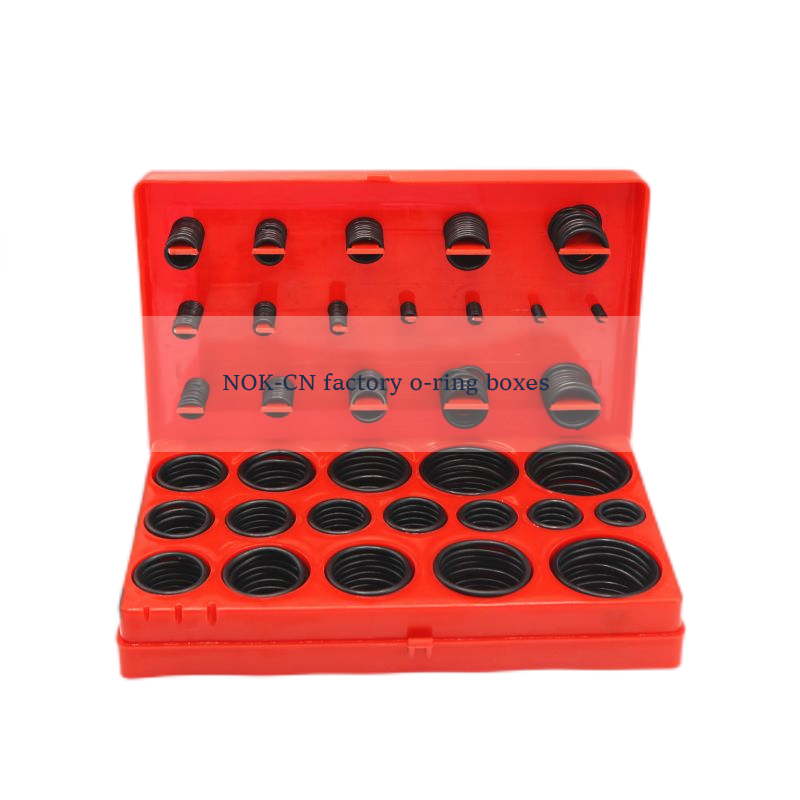
Engineering Capability: Precision Seal Development at Suzhou Baoshida
Suzhou Baoshida Trading Co., Ltd. delivers engineered rubber sealing solutions where failure is not an option. Our core strength resides in the integrated expertise of our dedicated technical team: five specialized Mold Engineers and two advanced Rubber Formula Engineers. This structure ensures seamless translation of complex client specifications into high-integrity, production-ready package seals. We move beyond standard catalog offerings, focusing on the precise material science and tooling precision demanded by critical fluid and environmental barriers in automotive, industrial machinery, and aerospace applications.
Our Mold Engineers possess deep proficiency in geometric optimization, cavity balancing, and thermal management for multi-cavity tooling. Utilizing advanced CAD/CAM platforms and mold flow simulation, they rigorously analyze gate design, runner systems, and ejection mechanisms to eliminate flash, minimize knit lines, and ensure consistent part geometry across millions of cycles. This precision engineering directly translates to uniform seal compression, optimal surface finish, and elimination of parting line defects – critical factors for leak-tight performance under dynamic pressure and thermal cycling. Concurrently, our Formula Engineers control the fundamental material behavior. They develop and refine proprietary elastomer compounds, meticulously balancing polymer selection, filler systems, curatives, and specialty additives to achieve exacting requirements for compression set resistance, fluid compatibility, low-temperature flexibility, and thermal stability. This dual-engineering approach guarantees the seal performs as an integrated system, not merely a component.
Material innovation is central to our OEM capability. We maintain a robust material innovation pipeline, developing custom formulations for aggressive media exposure (e.g., biofuels, EV coolant, hydraulic fluids) and extreme operational envelopes. Our laboratory facilities enable rigorous compound validation against ASTM, ISO, and client-specific test protocols before tooling commitment. The following table illustrates our typical compound performance range for critical seal applications:
| Property | Standard Compound Range | Custom Compound Capability | Testing Standard |
|---|---|---|---|
| Temperature Range (°C) | -40 to +150 | -55 to +230 | ASTM D2240 |
| Hardness (Shore A) | 50 – 90 | 40 – 95 (±2) | ASTM D2000 |
| Compression Set (70h/100°C) | ≤ 25% | ≤ 15% | ASTM D395 |
| Fluid Resistance (IRMOG) | Good | Excellent (Custom) | ISO 1817 |
| Customization Depth | Limited | Full Polymer/Recipe Control | Client Specific |
Our OEM partnership model is built on technical collaboration from the initial RFQ stage. We provide comprehensive Design for Manufacturability (DFM) feedback, detailed material data packages including full traceability, and rigorous First Article Inspection (FAI) reports per AS9102 or client requirements. Suzhou Baoshida manages the entire process – from compound synthesis and mold validation through SPC-controlled production and PPAP documentation – ensuring seamless integration into our clients’ supply chains. This engineering-led, vertically integrated capability eliminates guesswork, reduces time-to-market, and delivers package seals that meet the most stringent performance and reliability demands of global OEMs. Precision sealing is not manufactured; it is engineered.
Customization Process
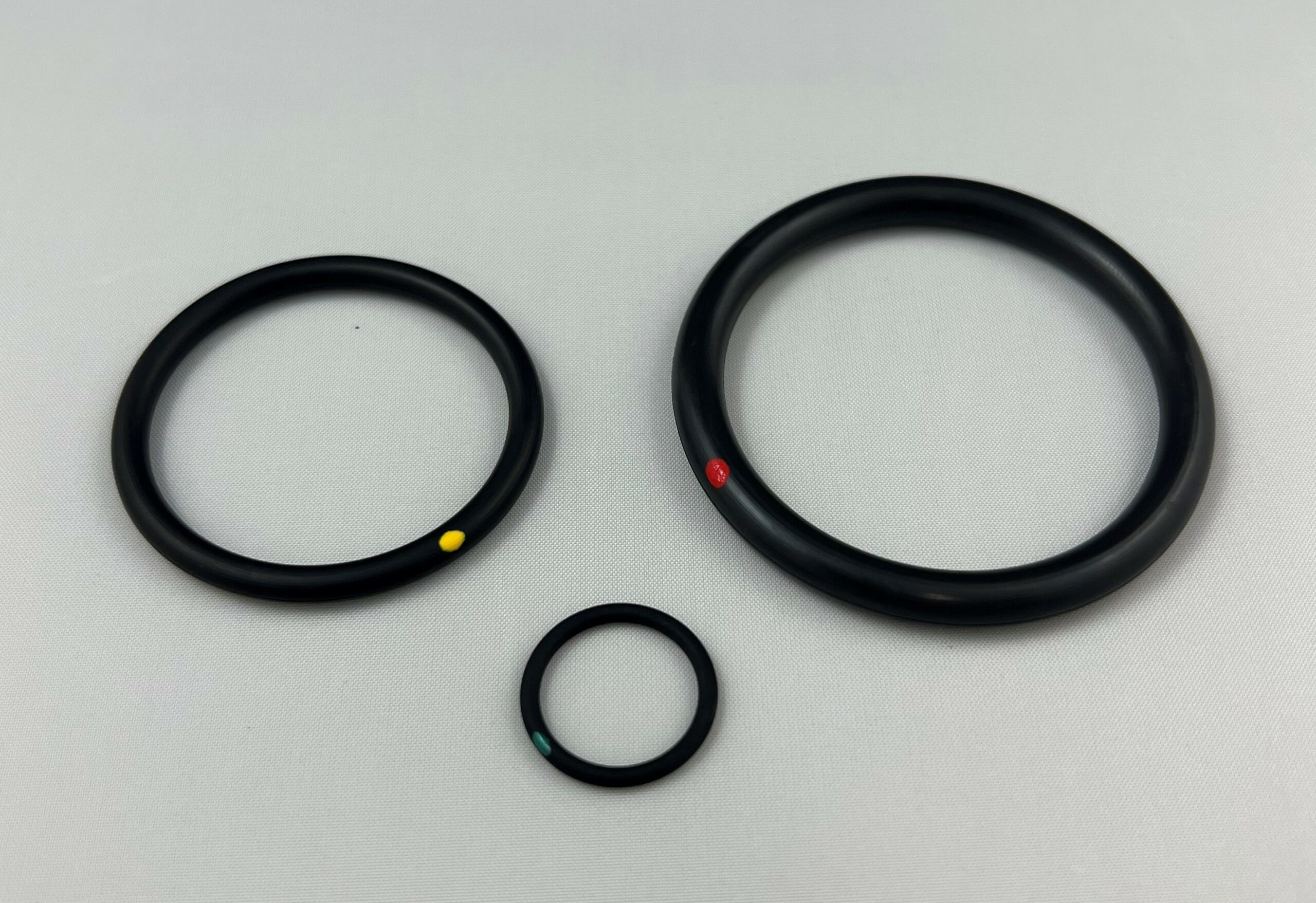
Drawing Analysis
The customization process for precision rubber seals begins with rigorous drawing analysis, a critical phase that ensures dimensional accuracy and functional compatibility. At Suzhou Baoshida Trading Co., Ltd., our engineering team conducts a comprehensive review of customer-provided technical drawings, focusing on geometric tolerances, sealing interface dimensions, surface finish requirements, and environmental operating conditions. We validate critical features such as groove design, compression set allowances, and sealing contact pressures using advanced CAD comparison tools. Any discrepancies or potential design inefficiencies are flagged and discussed with the client to optimize performance and manufacturability. This stage establishes the foundation for material selection and mold design, ensuring full alignment with OEM specifications and industry standards such as ISO 3601 and AS568.
Formulation Development
Following drawing validation, our rubber formula engineers initiate the material formulation phase. This step is pivotal in achieving the desired chemical resistance, temperature stability, compression set performance, and mechanical strength. Based on the application environment—whether exposed to hydraulic fluids, automotive fuels, refrigerants, or extreme thermal cycling—we tailor compound formulations using elastomers such as NBR, EPDM, FKM, silicone, or specialty blends. Each formulation is developed in-house, leveraging decades of compounding expertise and accelerated aging data. We evaluate dynamic properties including tensile strength, elongation at break, hardness (Shore A), and volume swell in target media. All formulations are documented and archived for full traceability, supporting compliance with ISO 9001 and IATF 16949 quality management systems.
Prototyping and Validation
Once the formulation is finalized, we proceed to prototype production using precision CNC-machined or cast molds, depending on complexity and volume requirements. Prototypes are manufactured under controlled conditions to simulate mass production parameters. Each sample undergoes dimensional inspection via coordinate measuring machines (CMM) and functional testing, including leak rate evaluation, compression stress relaxation, and thermal cycling. Feedback from this stage informs any necessary adjustments to the mold geometry or material compound. Client approval of functional prototypes is required before transition to full-scale manufacturing.
Mass Production
With approved prototypes and validated processes, we initiate mass production using high-tonnage hydraulic presses and automated trimming systems. Production batches are subject to in-process quality checks and final inspection per AQL 1.0 standards. All seals are packaged in anti-static, moisture-resistant materials to preserve integrity during transit.
| Property | Test Method | Typical Value Range |
|---|---|---|
| Hardness (Shore A) | ASTM D2240 | 50–90 ±5 |
| Tensile Strength | ASTM D412 | 8–20 MPa |
| Elongation at Break | ASTM D412 | 150–400% |
| Compression Set (70h, 70°C) | ASTM D395 | ≤25% |
| Volume Swell (IRM 903, 23°C) | ASTM D471 | ≤15% (FKM) |
Contact Engineering Team
Contact Suzhou Baoshida for Precision Rubber Seal Solutions
In the demanding landscape of industrial manufacturing, the integrity of package seals directly impacts product safety, regulatory compliance, and operational efficiency. Generic or substandard seals introduce unacceptable risks: contamination, leakage, premature failure, and costly production halts. Suzhou Baoshida Trading Co., Ltd. exists to eliminate these vulnerabilities through scientifically formulated, precision-engineered rubber seals tailored to your exact operational parameters. Our engineering team possesses deep expertise in polymer chemistry, material behavior under extreme conditions, and stringent OEM manufacturing protocols. We do not supply off-the-shelf compromises; we develop bespoke sealing solutions that meet the uncompromising demands of aerospace, medical device, automotive, and semiconductor applications.
Understanding the critical interplay between material properties and seal performance is paramount. Our formulations are rigorously validated against the most stringent industry standards. Below are representative technical specifications achievable through our advanced compounding and molding processes, demonstrating our capacity for precision:
| Critical Parameter | Standard Range/Option | Precision Capability |
|---|---|---|
| Durometer (Shore A) | 30 – 90 | Tolerances ±2 points |
| Temperature Resistance | -60°C to +250°C (Material Dependent) | Sustained performance at extremes |
| Material Types | NBR, EPDM, FKM, Silicone, FFKM | Custom co-polymer blends |
| Tensile Strength (MPa) | 8 – 25 | Optimized for specific stress profiles |
| Elongation at Break (%) | 150 – 600 | Controlled for dynamic sealing |
| Compression Set (70h/100°C) | < 25% (FKM) | < 15% achievable with premium grades |
| Dimensional Tolerance | ISO 3302 / ASTM D3767 Class M2 | Tighter tolerances to ±0.05mm |
These specifications are not theoretical ideals; they represent the consistent output of our ISO 9001-certified manufacturing facilities, equipped with state-of-the-art mixing, molding, and metrology systems. Every seal undergoes rigorous in-process and final inspection, including dimensional verification, hardness testing, and material property validation against the agreed formulation datasheet. Our commitment extends beyond supply; we provide comprehensive technical documentation, full material traceability, and proactive support to ensure seamless integration into your assembly lines and long-term field reliability.
Engaging Suzhou Baoshida means partnering with engineers who speak your technical language and prioritize your production continuity. Mr. Boyce, our dedicated OEM Manager with over 15 years of specialized experience in rubber compounding and precision seal manufacturing, is your direct conduit to this expertise. He possesses the authority and technical depth to rapidly assess your sealing challenge, clarify material and performance requirements, and initiate the development or qualification process without bureaucratic delay. Do not risk production bottlenecks or quality failures with inadequate sealing solutions. Contact Mr. Boyce immediately to discuss how Suzhou Baoshida’s scientific approach to rubber formulation and precision manufacturing can resolve your specific package seal requirements. Provide your application details, performance targets, and volume needs for a targeted technical consultation and quotation.
Initiate the process for guaranteed seal integrity. Reach Mr. Boyce directly via email at [email protected]. Include your project specifications and timeline for a prompt, technically grounded response focused on delivering measurable operational value. Partner with precision-engineered reliability.
⚖️ O-Ring Weight Calculator
Estimate rubber O-ring weight (Approx).