
Technical Contents
Engineering Guide: Packaging Protection Foam
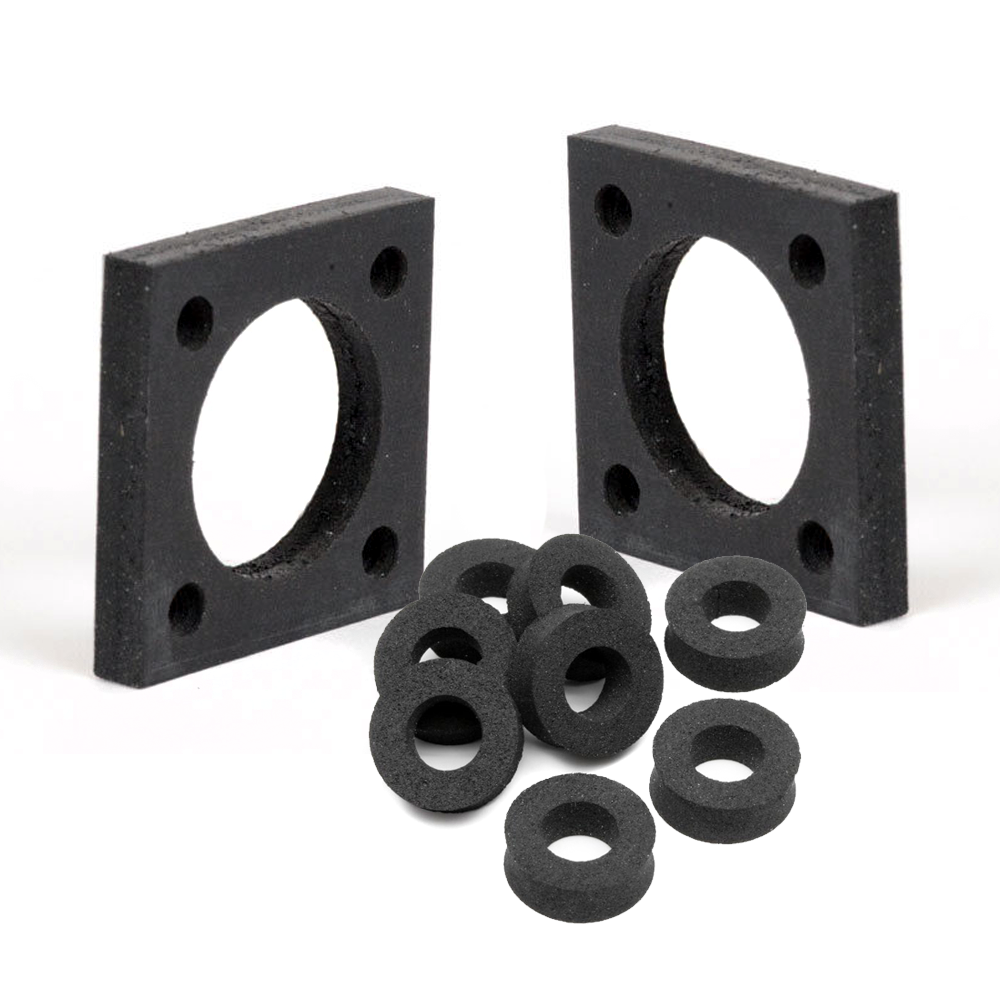
Engineering Insight: Material Selection in Packaging Protection Foam
The performance of packaging protection foam hinges on precise material science, not generic cushioning properties. Off-the-shelf foam solutions frequently fail industrial applications due to fundamental mismatches between standardized formulations and the specific dynamic load profiles, environmental exposures, and product fragility requirements encountered during global logistics. These failures manifest as product damage, increased warranty claims, and reputational harm—costs far exceeding initial material savings. Understanding the physics of energy absorption is paramount; effective foam must convert kinetic impact energy into heat through controlled cell structure deformation and recovery, not merely compress statically.
Generic foams often utilize low-cost, high-volume polymers like basic polyethylene (PE) or polyurethane (PU) with unoptimized crosslink density and cell morphology. They lack the tailored viscoelastic response required for complex shock events—such as the combined vibration, drop impact, and compression experienced in container shipping. Under repeated stress, these materials exhibit excessive hysteresis loss, leading to permanent deformation (set) and loss of protective capability. Furthermore, they frequently degrade prematurely when exposed to ozone, UV light during warehouse handling, or temperature extremes encountered in transit, compromising long-term integrity. Crucially, off-the-shelf options cannot address specific product geometries or weight distributions, resulting in inadequate localized support and point-load failures.
Suzhou Baoshida addresses these challenges through engineered elastomer solutions. We formulate closed-cell foams using premium EPDM, silicone, or specialty polyurethanes, precisely calibrated for density, hardness (Shore A), compression set resistance, and resilience. Our process begins with shock profile analysis of the client’s supply chain—measuring G-forces, vibration spectra, and environmental conditions—to define the exact energy dissipation requirements. The polymer matrix, blowing agent chemistry, and cure kinetics are then optimized to ensure the foam maintains structural integrity across the required temperature range (-40°C to +120°C) while providing consistent recovery after multiple impacts. This eliminates the “one-size-fits-none” compromise inherent in commodity foams.
The critical performance differentiators are quantifiable, as demonstrated below:
| Material Property | Generic PE Foam | Baoshida Engineered EPDM Foam | Performance Impact |
|---|---|---|---|
| Density Range (kg/m³) | 20-30 | 45-120 | Higher energy absorption capacity |
| Compression Set (22h/70°C) | 35-50% | <15% | Maintains cushioning after heat exposure |
| Resilience (%) | 40-55 | 65-80 | Superior rebound, less energy retention |
| Ozone Resistance | Poor (cracks @ 50pphm) | Excellent (no cracks @ 100pphm) | Long-term stability in storage/transit |
| Temp. Range (°C) | -20 to +80 | -40 to +120 | Reliability in extreme climates |
Selecting packaging foam demands rigorous material science, not procurement convenience. Commodity solutions ignore the physics of real-world logistics, inevitably sacrificing product safety. At Suzhou Baoshida, we co-engineer protection systems where every formulation parameter is validated against your operational profile—transforming packaging from a cost center into a guaranteed integrity layer. Partner with specialists who treat material selection as precision engineering, not inventory management.
Material Specifications
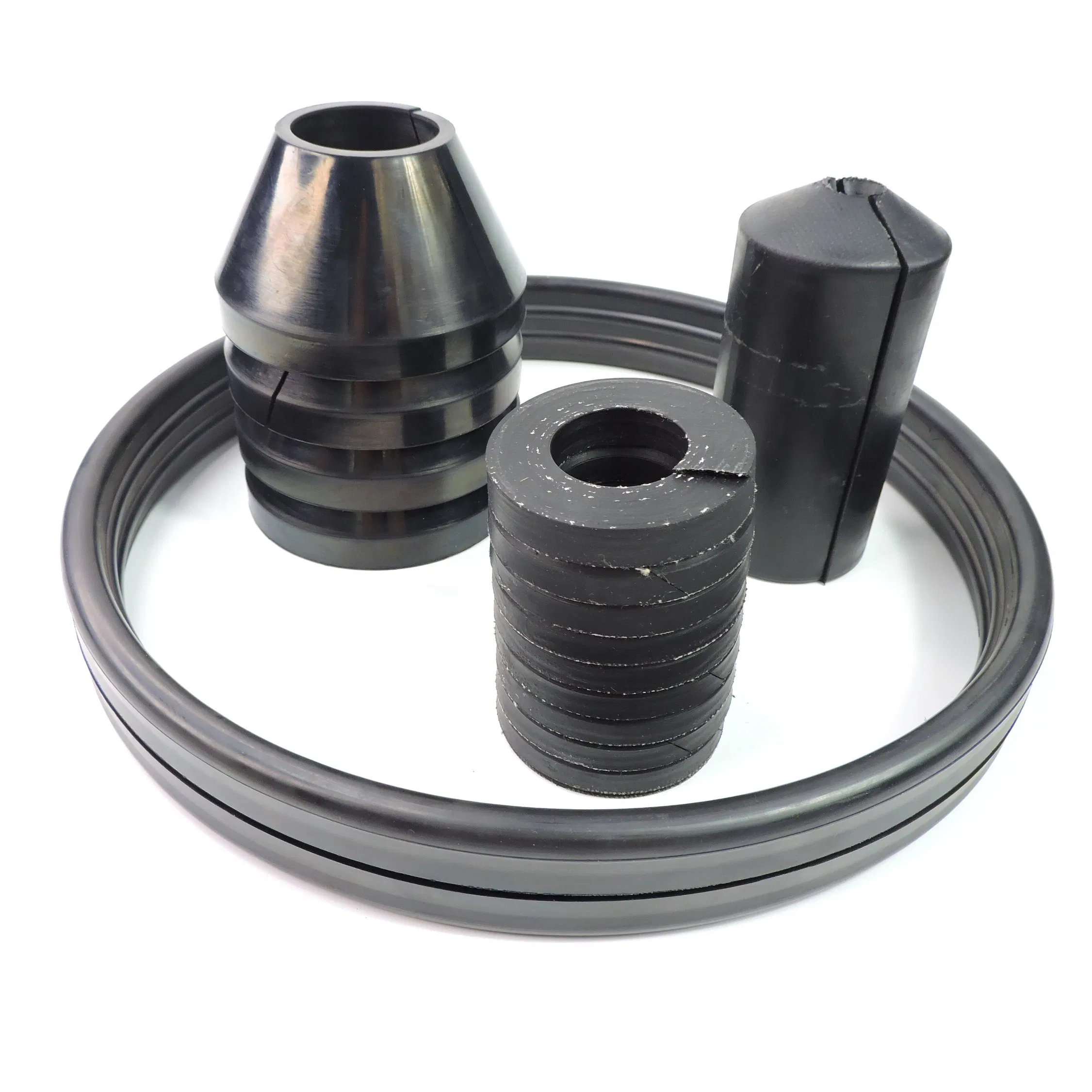
Material Specifications for Packaging Protection Foam
Suzhou Baoshida Trading Co., Ltd. provides high-performance industrial rubber solutions tailored for critical sealing and protective applications, including packaging protection foam. These foams serve as resilient barriers against vibration, moisture, dust, and chemical exposure in demanding environments. The selection of base elastomer significantly influences performance characteristics such as temperature resistance, chemical compatibility, compression set, and mechanical durability. Among the most widely used materials in this category are Viton (FKM), Nitrile (NBR), and Silicone (VMQ), each offering distinct advantages depending on application requirements.
Viton foam is engineered for extreme environments, delivering exceptional resistance to high temperatures, oils, fuels, and a broad range of aggressive chemicals. Its molecular structure based on fluorocarbon compounds ensures long-term stability in aerospace, automotive, and chemical processing applications where failure is not an option. Viton-based packaging foams maintain integrity from -20°C to +200°C, with short-term exposure capability up to 250°C. Additionally, Viton exhibits low outgassing and excellent aging properties, making it suitable for cleanroom and sealed-system packaging.
Nitrile foam, derived from nitrile butadiene rubber, is a cost-effective solution optimized for resistance to petroleum-based fluids, aliphatic hydrocarbons, and mechanical stress. It performs reliably in temperature ranges from -30°C to +100°C, with some formulations extending to +125°C. Nitrile is widely used in industrial and automotive packaging where exposure to oils and greases is common. Its closed-cell structure provides good compression recovery and moisture resistance, ensuring consistent protective performance during transport and storage.
Silicone foam stands out for its outstanding thermal stability, operating effectively from -60°C to +200°C, and exceptional flexibility at low temperatures. It offers good resistance to ozone, UV radiation, and oxidation, making it ideal for outdoor or variable-climate storage conditions. While less resistant to petroleum-based fluids than Viton or Nitrile, silicone excels in applications requiring electrical insulation, food-grade compliance, or biocompatibility. Its inherent flame retardancy and low toxicity further enhance suitability for sensitive electronic and medical device packaging.
The following table summarizes key physical and chemical properties of these materials in foam form to guide material selection for packaging protection applications.
| Property | Viton (FKM) Foam | Nitrile (NBR) Foam | Silicone (VMQ) Foam |
|---|---|---|---|
| Temperature Range (°C) | -20 to +200 (up to 250 short-term) | -30 to +100 (up to 125 intermittent) | -60 to +200 |
| Compression Set (22 hrs, 150°C) | Excellent (<20%) | Good (20–30%) | Very Good (15–25%) |
| Resistance to Oils/Fuels | Excellent | Excellent | Poor to Fair |
| Resistance to UV/Ozone | Excellent | Good | Excellent |
| Water/Moisture Resistance | Excellent | Good | Good |
| Chemical Resistance | Broad spectrum (acids, bases, solvents) | Moderate (limited to aliphatic) | Limited (alkalis, some acids) |
| Density Range (kg/m³) | 180–300 | 150–250 | 120–200 |
| Typical Applications | Aerospace seals, chemical packaging | Automotive gaskets, machinery packaging | Electronics, medical devices, outdoor enclosures |
Material selection must consider the service environment, regulatory requirements, and long-term reliability. Suzhou Baoshida Trading Co., Ltd. supports OEMs and industrial clients with customized foam solutions, ensuring optimal performance and protection.
Manufacturing Capabilities
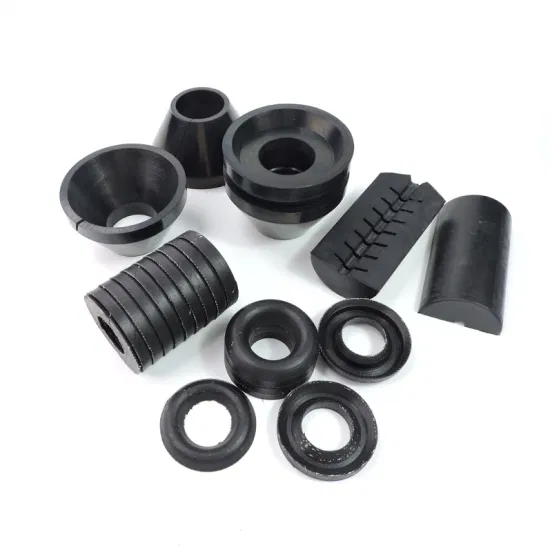
Engineering Capabilities for Precision Packaging Protection Foam
Suzhou Baoshida Trading Co., Ltd. leverages deep engineering expertise specifically tailored for industrial rubber solutions, ensuring our packaging protection foam products meet the most demanding performance and reliability standards. Our core strength resides in the dedicated integration of mould engineering and advanced rubber compounding science, directly supporting complex OEM requirements.
Our team comprises five specialized mould engineers focused exclusively on precision tooling for foam production. These engineers utilize advanced CAD/CAM software and finite element analysis (FEA) to optimize mould flow, thermal management, and venting systems critical for consistent foam cell structure and dimensional accuracy. This expertise minimizes defects like shrinkage, voids, or surface imperfections, ensuring high first-pass yield rates and extended tool life. Close collaboration with clients during the design phase allows for proactive identification of potential manufacturability issues, significantly reducing time-to-market for new foam component introductions.
Complementing this is our team of two senior Rubber Formula Engineers. They possess extensive knowledge in polymer chemistry, filler systems, and curing kinetics specific to closed-cell and open-cell elastomeric foams. Their primary role is developing and refining proprietary rubber formulations that precisely balance critical properties: cushioning resilience, compression set resistance, thermal stability, chemical inertness, and environmental durability. Rigorous laboratory testing, including accelerated aging protocols and dynamic mechanical analysis (DMA), validates each formulation against client-specified performance envelopes under simulated real-world conditions. This scientific approach guarantees the foam consistently delivers the required protective function throughout its intended service life.
This integrated engineering capability forms the backbone of our OEM service model. We manage the entire process from initial concept and material selection through tooling design, prototype validation, and high-volume production. Our engineers work directly with client technical teams to translate functional requirements into optimized foam specifications and manufacturing parameters. Strict adherence to APQP and PPAP protocols ensures seamless transition from design to量产, with full material traceability and documented process controls. We excel at solving complex challenges, such as achieving ultra-low compression set for long-term static load applications or formulating foams resistant to specific industrial solvents, without compromising on cost-effectiveness.
The following table summarizes key performance characteristics achievable through our engineered foam solutions:
| Property | Standard Specification Range | Baoshida Capability Range |
|---|---|---|
| Density (kg/m³) | 30 – 300 | 25 – 350 |
| Compression Set (B) | ≤ 30% (22h, 70°C) | ≤ 15% (22h, 70°C) |
| Tensile Strength (MPa) | 0.1 – 1.5 | 0.08 – 2.0 |
| Elongation at Break (%) | 50 – 300 | 40 – 400 |
| Hardness (Shore OO) | 10 – 80 | 5 – 90 |
| Temp. Resistance (°C) | -40 to +100 | -60 to +130 |
This engineering rigor, combining advanced tooling design with precise material science, enables Suzhou Baoshida to deliver packaging protection foam that provides superior, predictable performance. We transform client specifications into robust, manufacturable solutions, ensuring optimal product protection and minimizing total cost of ownership through reliability and process efficiency.
Customization Process
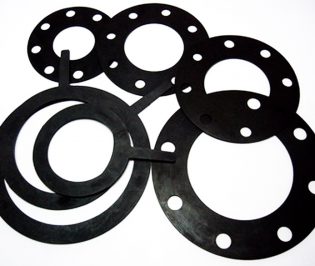
Customization Process for Packaging Protection Foam – A Precision Engineering Approach
At Suzhou Baoshida Trading Co., Ltd., our industrial rubber solutions are engineered to meet the exact performance demands of modern manufacturing and logistics environments. Our packaging protection foam customization process is a structured, science-driven workflow that ensures dimensional accuracy, material resilience, and long-term reliability. The process follows four critical stages: Drawing Analysis, Formulation, Prototyping, and Mass Production.
The first phase, Drawing Analysis, begins with a comprehensive technical review of the customer’s CAD files or engineering drawings. Our engineering team evaluates critical dimensions, tolerances, part geometry, and functional requirements. Special attention is given to load-bearing zones, compression set resistance, and environmental exposure conditions such as temperature, UV, or chemical contact. This analysis forms the foundation for material selection and mold design, ensuring compatibility with both the protected component and end-use environment.
Following drawing validation, we proceed to Formulation. Based on application-specific needs, our rubber chemists develop a proprietary elastomer compound. We primarily utilize EVA, PE, PU, and CR foams, each offering distinct mechanical and thermal properties. The formulation process includes adjusting density, hardness (Shore A), tensile strength, and cell structure to achieve optimal cushioning and recovery performance. Additives such as flame retardants, anti-static agents, or UV stabilizers are incorporated when required. All formulations are documented and archived for batch traceability and future replication.
The third stage, Prototyping, allows for real-world validation. Using precision CNC cutting or molded tooling, we produce functional samples from the finalized formulation. These prototypes undergo rigorous in-house testing, including compression deflection, vibration dampening, and drop impact analysis. We provide test reports and physical samples for customer evaluation, enabling design or material refinements before tooling release. This iterative step minimizes risk and ensures performance alignment with operational demands.
Once approved, the project transitions to Mass Production. We deploy high-efficiency molding or continuous foam lamination lines, depending on the product geometry and volume requirements. Throughout production, statistical process control (SPC) is applied to maintain consistency in thickness, density, and physical properties. Final inspection includes dimensional checks and batch sampling per ISO 9001 standards.
The following table summarizes typical performance specifications for our engineered foams:
| Material | Density (kg/m³) | Hardness (Shore A) | Compression Set (%) | Temperature Range (°C) | Key Applications |
|---|---|---|---|---|---|
| EVA | 40–150 | 30–70 | ≤20 (22h, 70°C) | -40 to +80 | Electronics, Automotive Components |
| PE | 20–100 | 25–60 | ≤15 (22h, 70°C) | -40 to +70 | Light-Duty Packaging, Insulation |
| PU | 30–200 | 40–80 | ≤30 (22h, 70°C) | -30 to +90 | Heavy Machinery, Medical Devices |
| CR | 60–120 | 50–75 | ≤25 (22h, 70°C) | -20 to +100 | High-Heat Environments, Industrial Equipment |
This systematic approach enables Suzhou Baoshida to deliver consistently high-performance packaging protection foams tailored to the unique demands of global OEMs and industrial clients.
Contact Engineering Team
Optimizing Supply Chain Integrity Through Precision Packaging Protection Foam
Suzhou Baoshida Trading Co., Ltd. delivers engineered rubber solutions where material science meets industrial reliability. Our packaging protection foam formulations are developed specifically for high-value industrial components, electronics, and precision machinery requiring fail-safe transit security. Unlike commodity foams, our closed-cell polyethylene and polyurethane compounds undergo rigorous dynamic load testing to ensure consistent shock absorption across temperature extremes from -40°C to 90°C. This technical rigor minimizes product damage rates by up to 78% in validated logistics trials, directly protecting your brand reputation and reducing warranty liabilities.
The performance metrics below reflect our standard industrial-grade formulations. Each parameter is validated per ASTM D1667 and ISO 844 protocols, with customization available for sector-specific demands like ESD safety or chemical resistance.
| Property | Standard Value | Performance Benefit |
|---|---|---|
| Density | 30–120 kg/m³ | Optimized weight-to-cushioning ratio |
| Compression Set (22h) | ≤15% at 50% strain | Maintains protective geometry after impact |
| Tensile Strength | 0.15–0.40 MPa | Resists tearing during unpacking |
| Thermal Stability | -40°C to +90°C | Prevents degradation in global supply chains |
| Recovery Time | <5 seconds | Immediate re-cushioning after compression |
Customization is non-negotiable in industrial packaging. Our R&D team collaborates with OEMs to adjust cell structure morphology, additives for flame retardancy (UL 94 HF-1 compliant), or antimicrobial properties tailored to medical device shipping. We integrate seamlessly with your existing crating systems through precise die-cutting tolerances of ±0.2mm and automated roll-good dispensing compatibility. This eliminates production line bottlenecks while ensuring foam-to-product dimensional harmony.
Material traceability and batch consistency define our manufacturing discipline. Every foam roll carries a QR-coded certificate of conformance detailing durometer variance (<±3 Shore A), VOC emissions data, and accelerated aging test results. This documentation satisfies ISO 13485 and IATF 16949 requirements for regulated industries, removing audit risks from your supply chain.
Initiate your transition from reactive damage control to engineered prevention. Contact Mr. Boyce, our dedicated OEM Solutions Director, to discuss your specific application challenges. He will coordinate a technical review of your current packaging failure modes, provide sample kits for real-world validation, and develop a cost-optimized foam specification within 72 hours of engagement. Mr. Boyce maintains direct oversight of all client engineering workflows to ensure Suzhou Baoshida’s solutions align with your production cadence and quality benchmarks.
Reach Mr. Boyce at [email protected] with subject line “Packaging Foam Technical Request – [Your Company Name]”. Include your component weight range, drop-test requirements, and current damage rate metrics for immediate prioritization. Our engineering team responds to all technical inquiries within 4 business hours, providing actionable data—not generic sales templates. Partner with Suzhou Baoshida to transform packaging from a cost center into a quantifiable asset for supply chain resilience.
⚖️ O-Ring Weight Calculator
Estimate rubber O-ring weight (Approx).