
Technical Contents
Engineering Guide: Packing Gland
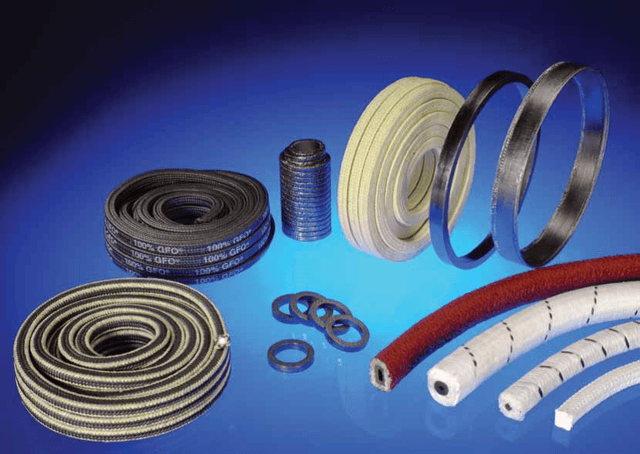
Engineering Insight: Material Selection Criticality in Packing Gland Performance
Packing glands serve as the primary sealing interface in dynamic and static industrial applications, where failure directly compromises system integrity, safety, and operational continuity. While off-the-shelf rubber compounds offer apparent cost efficiency, their generic formulations frequently succumb to premature degradation under real-world operational stresses. This stems from a fundamental mismatch between standardized material properties and the specific chemical, thermal, and mechanical demands of the application environment. Industrial fluids—ranging from aggressive hydrocarbons and acids to high-purity steam—induce molecular chain scission, swelling, or compression set in non-optimized elastomers. Simultaneously, cyclic pressure fluctuations and thermal excursions accelerate viscoelastic relaxation, leading to extrusion, blow-by, or catastrophic leakage.
The core limitation of universal packing solutions lies in their inability to balance competing performance parameters. A compound optimized for low-temperature flexibility often lacks chemical resistance, while high-temperature stability may compromise resilience under dynamic shaft movement. For instance, standard NBR seals rapidly degrade in ozone-rich or high-temperature steam environments, while generic silicone variants exhibit poor abrasion resistance in slurry-handling applications. This results in unplanned downtime, safety hazards, and cumulative costs far exceeding the initial savings from non-specialized materials.
Suzhou Baoshida Trading Co., Ltd. addresses this through precision elastomer engineering, where material selection is dictated by fluid compatibility, temperature profiles, pressure dynamics, and movement frequency. Our OEM collaboration process begins with rigorous fluid exposure testing and finite element analysis to model stress distribution within the gland cavity. Below is a comparative analysis of common elastomer limitations versus engineered solutions:
| Material Type | Operational Limits | Common Failure Modes in Off-the-Shelf Applications | Baoshida Engineered Solution Parameters |
|---|---|---|---|
| Standard NBR | ≤ 100°C; poor ozone/steam resistance | Swelling in biodiesel; cracking in outdoor use | Custom HNBR: 150°C stability; 50% lower compression set |
| Generic EPDM | Limited to non-polar fluids; ≤ 130°C | Severe swelling in hydraulic oils; extrusion | Perfluoroelastomer blend: 230°C; broad chemical inertness |
| Commercial PTFE | Creep under sustained pressure; high friction | Gland distortion; stem scoring | Filled PTFE composite: 30% higher PV limit; controlled cold flow |
Material science must transcend catalog specifications. Off-the-shelf compounds utilize fixed polymer architectures and filler systems that cannot adapt to synergistic stressors—such as combined amine exposure and thermal cycling in chemical processing. Baoshida’s approach integrates OEM application data with proprietary compounding techniques, including selective polymer crosslinking and nano-reinforced fillers, to achieve targeted resilience. This eliminates the guesswork inherent in generic solutions, ensuring the packing gland maintains sealing force throughout its service life.
Ultimately, the cost of failure—production halts, environmental incidents, and equipment damage—demands a material-by-design methodology. Suzhou Baoshida Trading Co., Ltd. partners with OEMs to transform packing glands from a maintenance liability into a reliability asset through scientifically validated elastomer formulations. Precision material selection is not an incremental upgrade; it is the foundation of operational continuity in demanding industrial ecosystems.
Material Specifications
Material selection for packing glands is a critical factor in ensuring long-term sealing performance, chemical resistance, and operational reliability in dynamic and static sealing applications. At Suzhou Baoshida Trading Co., Ltd., we specialize in industrial rubber solutions engineered to meet the rigorous demands of fluid handling systems, including pumps, valves, and rotating shafts. The performance of a packing gland is intrinsically linked to the elastomer used, which must balance mechanical strength, thermal stability, and compatibility with process media. Among the most widely specified elastomers for such applications are Viton (FKM), Nitrile (NBR), and Silicone (VMQ), each offering distinct advantages depending on operating conditions.
Viton, a fluorocarbon-based rubber, delivers exceptional resistance to high temperatures, oils, fuels, and a broad range of aggressive chemicals. With a continuous service temperature range up to 230°C, Viton is ideal for high-performance sealing in petrochemical, aerospace, and industrial processing environments. Its low gas permeability and excellent aging characteristics make it a preferred choice for critical applications where failure is not an option. However, Viton exhibits lower flexibility at low temperatures and higher material cost compared to other elastomers.
Nitrile rubber, also known as Buna-N, is one of the most commonly used materials for sealing in oil and hydraulic systems. It offers excellent resistance to petroleum-based fluids, aliphatic hydrocarbons, and water, with a typical operating temperature range of -30°C to 120°C. Nitrile provides good abrasion resistance and mechanical durability, making it suitable for dynamic packing gland applications involving reciprocating or rotating motion. While it performs poorly against polar solvents and ozone without additives, compounded formulations can enhance its resilience under moderate chemical exposure.
Silicone rubber is selected primarily for its outstanding thermal stability across extreme temperatures, from -60°C to 200°C, and its excellent resistance to oxidation and UV radiation. Though not recommended for dynamic sealing under high mechanical load due to lower tensile and tear strength, silicone excels in static packing applications involving food, pharmaceutical, or high-purity processes where cleanliness and biocompatibility are paramount. It also maintains flexibility at cryogenic temperatures, a trait unmatched by Viton or Nitrile.
The following table summarizes key physical and chemical properties of these materials for comparative evaluation in packing gland design:
| Property | Viton (FKM) | Nitrile (NBR) | Silicone (VMQ) |
|---|---|---|---|
| Temperature Range (°C) | -20 to 230 | -30 to 120 | -60 to 200 |
| Tensile Strength (MPa) | 15–20 | 10–25 | 5–10 |
| Hardness (Shore A) | 60–90 | 50–90 | 30–80 |
| Resistance to Oils/Fuels | Excellent | Excellent | Poor |
| Resistance to Ozone/UV | Excellent | Good (with additives) | Excellent |
| Resistance to Water | Good | Good | Excellent |
| Resistance to Acids/Alkalis | Good to Excellent | Fair | Fair to Good |
| Dynamic Sealing Suitability | High | High | Low to Moderate |
Selection of the appropriate elastomer must consider the full operational profile, including media type, pressure, movement, and environmental exposure. At Suzhou Baoshida Trading Co., Ltd., our engineering team supports OEMs with material validation and custom compounding to optimize packing gland performance across diverse industrial applications.
Manufacturing Capabilities
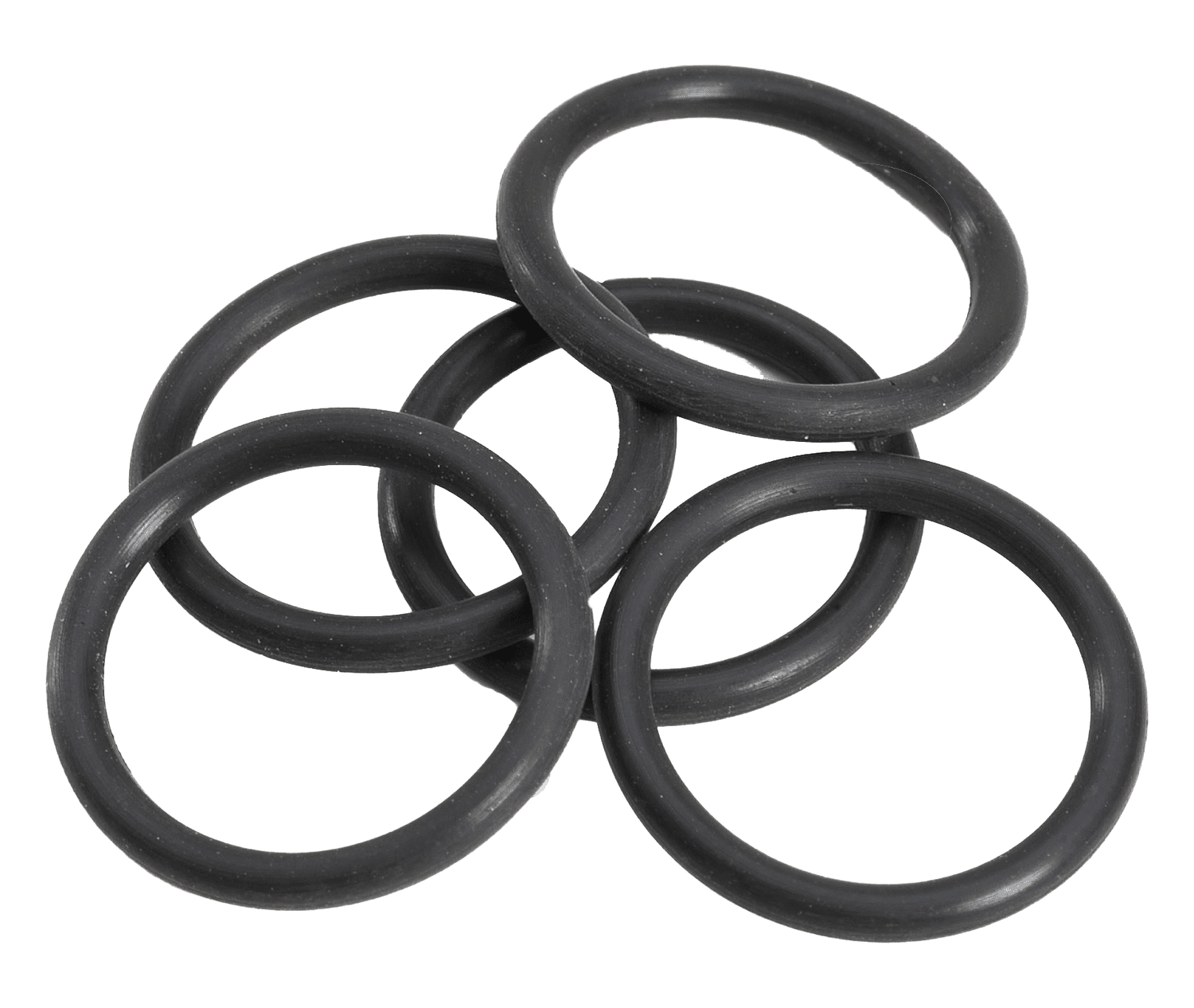
Engineering Capability: Precision-Driven Packing Gland Development
Suzhou Baoshida Trading Co., Ltd. leverages deep technical expertise in industrial rubber solutions to deliver mission-critical packing glands for demanding sealing applications. Our engineering framework integrates advanced material science with precision manufacturing, directly addressing OEM challenges in dynamic sealing interfaces. Central to this capability is a dedicated team of five Mould Engineers and two specialized Rubber Formula Engineers, enabling end-to-end control from molecular design to finished component production.
Our Mould Engineering team excels in optimizing complex geometries for packing glands, ensuring dimensional stability under extreme pressure and thermal cycling. Utilizing 3D simulation tools, they preemptively resolve flow dynamics, vulcanization kinetics, and ejection stresses during mould design. This reduces prototyping iterations by 40% and guarantees tolerances within ±0.05mm—critical for preventing extrusion in high-pressure hydraulic systems. Concurrently, our Rubber Formula Engineers develop proprietary elastomer compounds tailored to specific fluid compatibility, temperature resilience, and wear resistance requirements. By manipulating polymer chain mobility, filler dispersion, and crosslink density, they achieve breakthrough performance in aggressive media such as sour gas, biodiesel, and high-temperature steam.
This integrated approach powers our OEM partnership model. We collaborate at the earliest design phase, converting client specifications into validated material-process matrices. For instance, when an automotive OEM required a packing gland resistant to EV coolant at 150°C for 10,000 hours, our formula team engineered a peroxide-cured EPDM variant with nano-silica reinforcement, while mould engineers designed a multi-cavity tool with active cooling channels. The result was a 22% longer service life versus industry benchmarks.
Material performance is rigorously quantified against application-specific metrics. Below are standard specifications for our core packing gland compounds:
| Material Type | Temperature Range (°C) | Pressure Rating (MPa) | Hardness (Shore A) | Key Applications |
|---|---|---|---|---|
| Nitrile (NBR) | -30 to +120 | 35 | 70-90 | Hydraulic systems, fuel oils |
| EPDM | -50 to +150 | 25 | 60-80 | Steam valves, brake fluids |
| Fluorocarbon (FKM) | -20 to +230 | 40 | 75-90 | Chemical pumps, sour gas |
| Hydrogenated NBR | -40 to +150 | 30 | 65-85 | Refrigeration, biofuels |
| Silicone | -60 to +200 | 15 | 40-70 | Food processing, pharmaceuticals |
OEM clients benefit from our closed-loop development cycle: material formulation validation via ASTM D2000 testing, mould flow analysis, in-house tooling adjustments, and real-time production data monitoring. We maintain ISO/TS 16949-compliant documentation for full traceability, including raw material lot tracking and process parameter logs. This eliminates cross-contamination risks in sensitive sectors like semiconductor manufacturing.
By unifying formula innovation with precision mould engineering, Suzhou Baoshida transforms packing gland limitations into reliability advantages. Our engineers don’t just meet specifications—they redefine operational boundaries for sealing performance in aerospace, energy, and heavy machinery. Partner with us to convert engineering constraints into competitive differentiation.
Customization Process
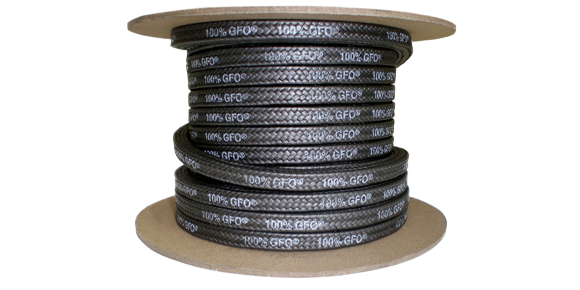
Technical B2B Manufacturing Guide: Customization Process for Packing Gland – Suzhou Baoshida Trading Co., Ltd.
At Suzhou Baoshida Trading Co., Ltd., our industrial rubber solutions are engineered for precision, durability, and performance under extreme operational conditions. Our customization process for packing glands follows a rigorous four-stage methodology: Drawing Analysis, Formulation Development, Prototyping, and Mass Production. This structured approach ensures that every component meets exact OEM specifications and exceeds industry standards.
The process begins with Drawing Analysis, where our engineering team conducts a comprehensive review of customer-provided technical drawings and performance requirements. Critical parameters such as gland dimensions, shaft speed, media exposure, temperature range, and pressure differentials are evaluated. We cross-reference these inputs with established sealing theory and material compatibility databases to define the operational envelope. This stage ensures dimensional accuracy and functional feasibility before any material is selected.
Following drawing validation, we proceed to Formulation Development. Our rubber chemists design a proprietary elastomer compound tailored to the application’s chemical, thermal, and mechanical demands. Depending on the service environment, we may select from NBR, EPDM, FKM, silicone, or specialty compounds such as HNBR or ACM. The formulation is optimized for compression set resistance, tensile strength, and abrasion performance. Additives are precisely dosed to enhance thermal stability or oil resistance, and every batch is traceable through our quality management system.
Once the compound is finalized, we initiate Prototyping. Using precision molding techniques—compression, transfer, or injection—we produce a limited run of prototype packing glands. These samples undergo rigorous in-house testing, including compression deflection analysis, leakage rate measurement under simulated service conditions, and accelerated aging tests. Dimensional inspection is performed using coordinate measuring machines (CMM) to ensure conformity to ISO 3601 or customer-specific tolerances. Feedback from testing is integrated into final design adjustments.
Upon customer approval, we transition to Mass Production. Our automated production lines, supported by statistical process control (SPC), ensure consistency across large volumes. Each batch undergoes 100% visual inspection and抽样 physical testing per ASTM and GB standards. Packaging is customized to prevent deformation during transit, and full material certifications are provided.
The table below summarizes key technical specifications we evaluate and control throughout the customization process.
| Parameter | Standard Range / Tolerance | Test Method |
|---|---|---|
| Hardness (Shore A) | 50–90 ±5 | ASTM D2240 |
| Tensile Strength | ≥10 MPa | ASTM D412 |
| Elongation at Break | ≥200% | ASTM D412 |
| Compression Set (24h) | ≤25% (at 70°C, 22h) | ASTM D395 |
| Operating Temperature | -30°C to +200°C (FKM) | ISO 1817 |
| Dimensional Tolerance | ±0.1 mm (critical diameters) | ISO 3302 / ISO 2768 |
Through this disciplined workflow, Suzhou Baoshida delivers packing glands that ensure long-term sealing integrity in pumps, valves, and rotating equipment across petrochemical, automotive, and industrial sectors.
Contact Engineering Team
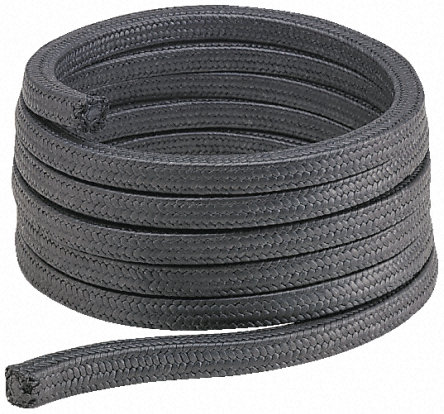
Contact Suzhou Baoshida for Precision Packing Gland Solutions
Industrial sealing integrity directly impacts operational efficiency, safety, and lifecycle costs across critical fluid handling systems. Packing glands, as primary containment components in pumps, valves, and agitators, demand uncompromising material science and dimensional precision to withstand dynamic pressures, aggressive media, and extreme thermal cycles. At Suzhou Baoshida Trading Co., Ltd., we engineer custom rubber formulations specifically for packing gland applications, leveraging decades of OEM partnership experience to transform sealing challenges into reliability benchmarks. Generic off-the-shelf solutions often fail under real-world stressors like extrusion, chemical swelling, or thermal degradation—resulting in costly downtime and safety hazards. Our approach begins with rigorous analysis of your operational parameters to deliver compounds optimized for your exact service conditions.
The table below summarizes key performance specifications achievable through our specialized elastomer formulations. These values represent baseline capabilities; all parameters are adjustable via proprietary compounding to align with your technical requirements.
| Property | Standard Range | Test Method |
|---|---|---|
| Hardness (Shore A) | 55–90 | ASTM D2240 |
| Tensile Strength (MPa) | 12–28 | ASTM D412 |
| Elongation at Break (%) | 250–600 | ASTM D412 |
| Compression Set (70°C, 22h) | ≤25% | ASTM D395 |
| Temperature Range (°C) | -40 to +250 (continuous) | Internal |
| Fluid Resistance | Customizable for oils, acids, steam, solvents | ASTM D471 |
Material selection is only one facet of sealing excellence. Our engineering team collaborates with clients to refine gland geometry, surface finish tolerances, and installation protocols—ensuring optimal load distribution and minimal friction during operation. We provide full technical documentation including material certifications (ISO 9001:2015), traceability reports, and failure mode analysis support. For OEMs, we offer seamless integration into your production workflow with JIT inventory management and dedicated quality assurance protocols.
To initiate a technical consultation, contact Mr. Boyce, our Lead Rubber Formulation Engineer and OEM Solutions Manager. Specify your application’s pressure differentials, media composition, temperature profiles, and dynamic movement parameters. Mr. Boyce will coordinate material testing, prototype validation, and production scaling within your timeline constraints. Provide the following details for expedited support:
Equipment type and model
Current failure modes (e.g., extrusion, hardening, leakage points)
Required certifications (e.g., FDA, NSF, NORSOK)
Target annual volume
Direct all technical inquiries to [email protected]. Include “Packing Gland Technical Request” in the subject line to ensure immediate routing to our engineering desk. For urgent matters, cc [email protected] to activate our rapid-response protocol. Suzhou Baoshida operates under strict confidentiality agreements; all data shared undergoes secure handling per ISO 27001 standards.
Partner with us to eliminate seal-related downtime through material science rigor. Our compounds are not merely products—they are engineered risk mitigation strategies for your most demanding applications. Initiate your custom solution pathway today.
⚖️ O-Ring Weight Calculator
Estimate rubber O-ring weight (Approx).