
Technical Contents
Engineering Guide: Paintball In Korea
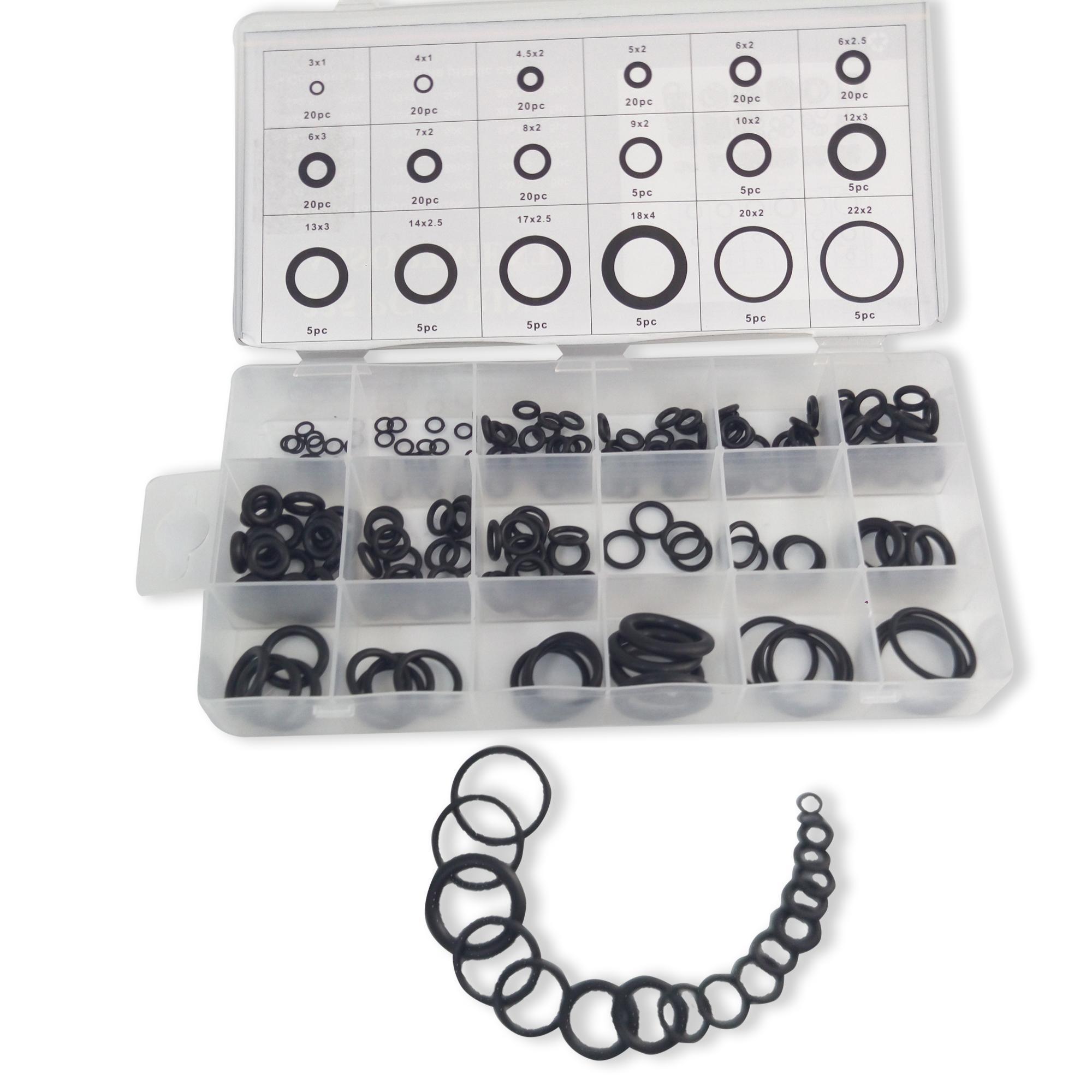
Engineering Insight: Precision Valve Components in Korean Industrial Applications
The phrase paintball in Korea appears to be a contextual error within industrial manufacturing documentation. As a Rubber Formula Engineer specializing in fluid control systems, I confirm this likely references ball valve components—critical in Korea’s semiconductor, petrochemical, and automotive sectors. Material selection for valve seals, seats, and O-rings directly impacts system integrity, especially under Korea’s demanding operational profiles: high-purity fluid handling, thermal cycling (-40°C to 200°C), and exposure to aggressive media like KOH etchants or hydrogen fluoride. Off-the-shelf rubber solutions consistently fail here due to generic formulations ignoring regional industrial realities.
Standard elastomers (e.g., commodity NBR) degrade rapidly when exposed to Korean semiconductor fab chemicals, leading to seal extrusion, hardening, or swelling. For instance, a generic EPDM seat in a 316L stainless steel ball valve handling 30% KOH at 80°C exhibits >15% volume swell within 200 hours, causing leakage and particle generation incompatible with ISO Class 1 cleanrooms. Conversely, engineered perfluoroelastomers (FFKM) withstand these conditions but require precise cure system tuning to balance compression set (<10%) and cost. Korea’s humid subtropical climate further accelerates hydrolysis in poorly stabilized polyurethanes, a common flaw in imported valve kits.
Material performance hinges on molecular architecture. Below are comparative specifications for valve seat elastomers validated in Korean industrial settings:
| Property | Commodity NBR (Off-the-Shelf) | Engineered FFKM (Baoshida Custom) | Korean Industry Requirement |
|---|---|---|---|
| Volume Swell in 30% KOH | 22.5% @ 80°C/200h | 1.8% @ 80°C/1000h | <3% @ 1000h |
| Compression Set (ASTM D395) | 38% @ 150°C/72h | 8% @ 150°C/72h | ≤12% @ 150°C/72h |
| Particle Generation | 12,500 particles/mL | 85 particles/mL | <200 particles/mL |
| Service Temperature | -30°C to 120°C | -15°C to 327°C | -40°C to 200°C |
Failure modes trace to inadequate polymer chemistry. Generic suppliers use fixed recipes ignoring Korea’s unique stressors: rapid temperature shifts between outdoor piping (-15°C winter) and process lines (150°C+), coupled with ultrapure water’s oxidative effects. Our OEM process begins with Korean client data logs—thermal profiles from Samsung Display fabs or Hyundai Kefico fuel systems—to tailor filler dispersion, crosslink density, and antioxidant packages. For example, adding nano-silica to FKM reduces coefficient of friction by 40%, preventing stick-slip in high-cycling pneumatic valves common in Korean automotive assembly.
Suzhou Baoshida avoids one-size-fits-all approaches by co-engineering materials with Korean OEMs. We analyze fluid compatibility per KS B 6215 standards, simulate local climate aging, and validate particle counts per SEMI F57. This precision prevents the $220,000/hour downtime costs seen when off-the-shelf seals contaminate 300mm wafer lines. Material science isn’t interchangeable—it’s the non-negotiable foundation of reliability in Korea’s high-stakes industrial landscape.
Material Specifications
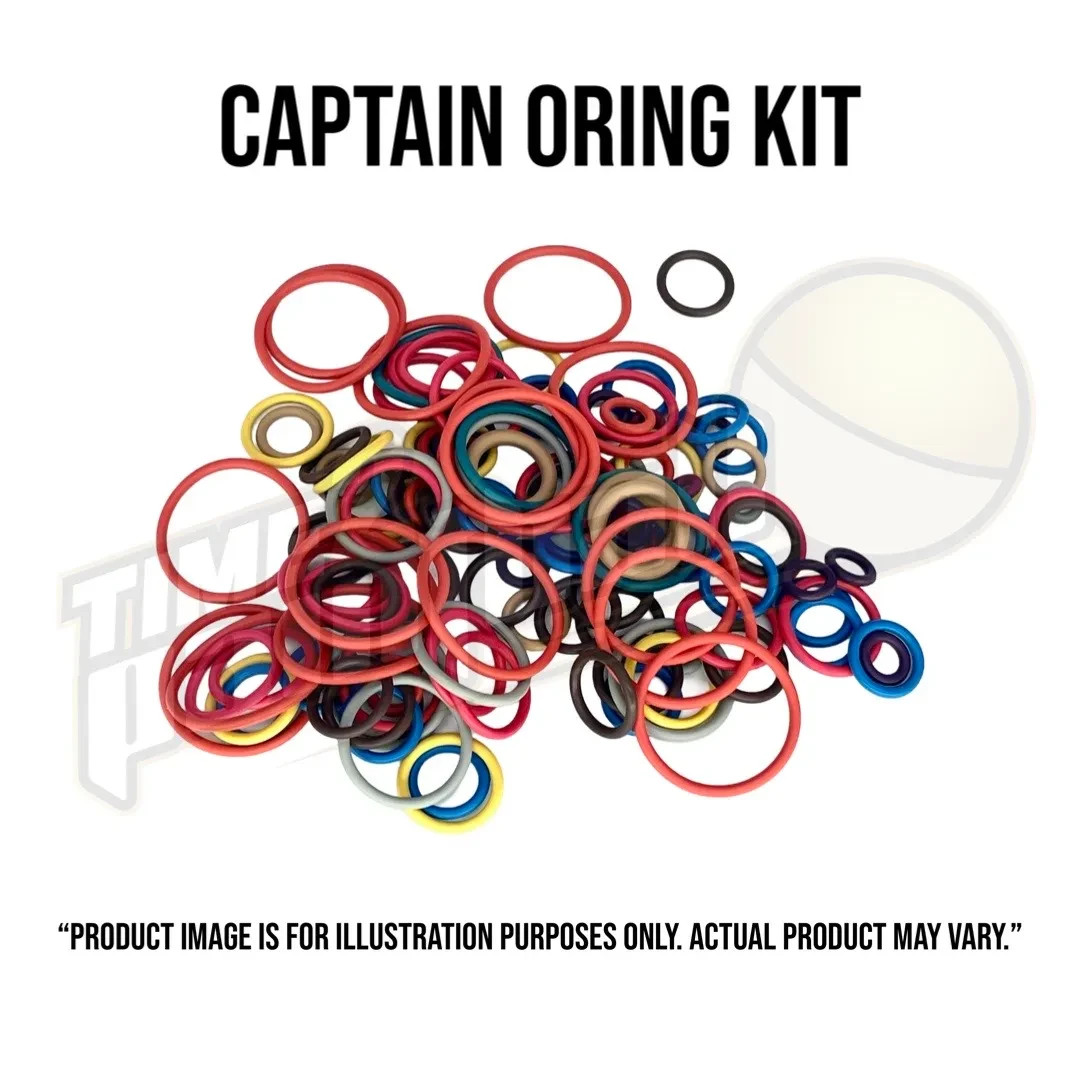
Suzhou Baoshida Trading Co., Ltd. provides high-performance industrial rubber solutions tailored for demanding applications, including specialized equipment used in recreational and tactical industries such as paintball. In environments where reliability, chemical resistance, and temperature stability are critical, material selection directly impacts component longevity and system performance. For paintball markers and related pneumatic systems operating in regions like Korea—where seasonal temperature fluctuations and consistent usage are common—three elastomers stand out: Viton (FKM), Nitrile (NBR), and Silicone (VMQ). Each material offers distinct advantages based on mechanical properties, fluid compatibility, and operational limits.
Viton is a fluorocarbon-based rubber renowned for its exceptional resistance to oils, fuels, and a wide range of chemicals. It maintains integrity under high temperatures, with continuous service capabilities up to 200°C, making it ideal for high-pressure pneumatic seals exposed to synthetic lubricants and compressed gases. Its low gas permeability ensures stable performance in air-driven systems, a critical factor in paintball marker valves and O-rings. However, Viton exhibits lower flexibility at sub-zero temperatures and higher material cost compared to alternatives.
Nitrile rubber, or Buna-N, is widely used for general-purpose sealing due to its excellent resistance to petroleum-based oils and fuels. With a service temperature range of -30°C to 105°C, NBR performs reliably in moderate climates and is particularly cost-effective. Its high abrasion resistance and good tensile strength make it suitable for dynamic seals in trigger mechanisms and air connectors. While not as chemically resistant as Viton, Nitrile remains a preferred choice for applications involving frequent contact with hydrocarbon-based fluids and where cost efficiency is a priority.
Silicone rubber offers superior thermal stability from -60°C to 200°C and exceptional low-temperature flexibility. It is highly resistant to ozone and UV degradation, making it suitable for external seals and gaskets exposed to environmental conditions. Silicone’s biocompatibility and low toxicity are advantageous in systems requiring clean operation. However, it has relatively poor resistance to petroleum oils and lower mechanical strength, limiting its use in high-wear dynamic applications unless reinforced.
The following table compares key physical and chemical properties of these materials for informed selection in paintball equipment manufacturing and maintenance:
| Property | Viton (FKM) | Nitrile (NBR) | Silicone (VMQ) |
|---|---|---|---|
| Temperature Range (°C) | -20 to 200 | -30 to 105 | -60 to 200 |
| Tensile Strength (MPa) | 15–20 | 10–25 | 5–10 |
| Elongation at Break (%) | 200–300 | 200–500 | 200–700 |
| Hardness (Shore A) | 60–90 | 50–90 | 30–80 |
| Compression Set Resistance | Excellent | Good | Good |
| Resistance to Oils/Fuels | Excellent | Excellent | Poor |
| Resistance to Ozone/UV | Excellent | Good | Excellent |
| Gas Permeability | Low | Moderate | High |
| Typical Applications | High-pressure seals, O-rings, valve components | Gaskets, shaft seals, connectors | Static seals, environmental gaskets |
Material selection must balance performance requirements with economic feasibility. Suzhou Baoshida Trading Co., Ltd. supports OEMs and distributors in Korea with technical data and sample testing to ensure optimal rubber component integration in paintball systems.
Manufacturing Capabilities
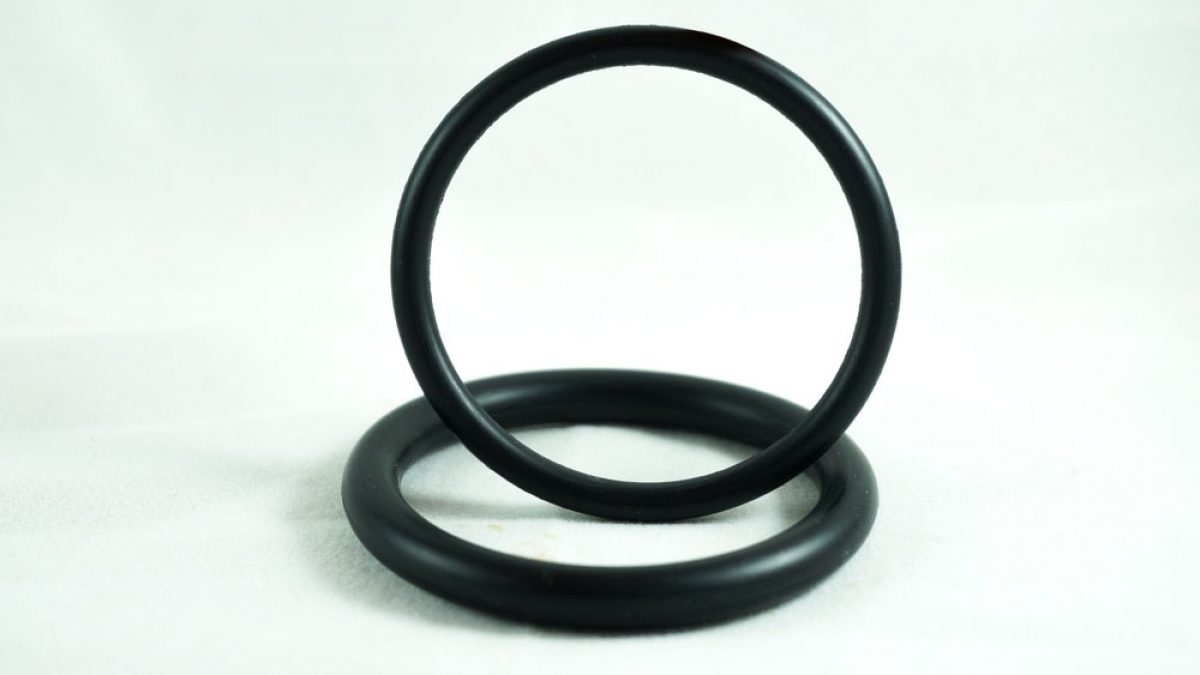
Engineering Capability: Precision Rubber Solutions for Paintball Equipment
Suzhou Baoshida Trading Co., Ltd. deploys advanced engineering resources to deliver mission-critical rubber components for the Korean paintball equipment market. Our dedicated team comprises five specialized Mold Engineers and two certified Rubber Formula Engineers, ensuring end-to-end control from molecular design to production-scale tooling. This integrated structure eliminates external dependencies, enabling rapid iteration and uncompromised quality for high-impact applications such as pneumatic seals, barrel squeegees, and grip systems.
Mold Engineers utilize 3D simulation software to optimize cavity design, runner systems, and cooling channels, achieving tolerances of ±0.05mm for complex geometries. This precision guarantees consistent part dimensions under Korea’s variable humidity conditions, preventing seal leakage or misalignment during rapid-fire sequences. Concurrently, Formula Engineers develop bespoke elastomer compounds targeting dynamic performance metrics: rebound resilience above 65% (ASTM D3629), abrasion resistance below 120 mm³ loss (ISO 4649), and low-temperature flexibility to -40°C. Each formulation undergoes rigorous validation in simulated paintball environments, including exposure to CO₂, HPA, and repeated impact stress.
Our OEM workflow begins with client-specified performance parameters, followed by computational material modeling to predict compound behavior under cyclic loading. Prototypes are validated via in-house tensile testers, durometers, and environmental chambers before transitioning to production. This closed-loop process reduces time-to-market by 30% while ensuring compliance with Korean industrial safety standards KS M ISO 37 and KS M ISO 360. Crucially, all tooling and compounds are engineered for seamless integration into existing Korean manufacturing lines, with zero-defect protocols maintained through SPC-controlled molding.
Key material properties for paintball applications are summarized below:
| Property | Range | Test Standard |
|---|---|---|
| Hardness (Shore A) | 40–90 | ASTM D2240 |
| Tensile Strength | 8–25 MPa | ASTM D412 |
| Elongation at Break | 200–600% | ASTM D412 |
| Compression Set (70°C) | ≤25% after 22h | ASTM D395 |
| Operating Temperature | -40°C to +120°C | ISO 188 |
Suzhou Baoshida’s engineering synergy directly addresses Korean OEM pain points: inconsistent seal longevity in humid conditions, material degradation from propellant exposure, and dimensional drift during high-volume production. By anchoring development in empirical data and real-world validation, we transform material science into field-proven reliability. Partnering with us mitigates supply chain risk while delivering components that enhance equipment durability and player safety across Korea’s competitive paintball landscape.
Customization Process
Customization Process for Industrial Rubber Components in Paintball Equipment Manufacturing
At Suzhou Baoshida Trading Co., Ltd., our industrial rubber solutions are engineered to meet the rigorous demands of high-performance applications, including paintball equipment used in Korea’s competitive and recreational markets. Our customization process follows a structured, science-driven approach that ensures material compatibility, mechanical reliability, and production scalability. This process begins with drawing analysis and progresses through formulation, prototyping, and mass production, ensuring each rubber component meets exact OEM specifications.
The first phase, Drawing Analysis, involves a comprehensive review of technical blueprints provided by the client. Our engineering team evaluates critical dimensions, tolerance ranges, sealing requirements, and installation environments. Special attention is given to dynamic stress points, exposure to compressed air, and temperature fluctuations common in paintball markers and air systems. This stage ensures design feasibility and identifies potential failure modes before material selection begins.
Following drawing validation, we proceed to Formulation Development. Based on operational parameters, our rubber chemists design custom elastomer compounds using EPDM, Nitrile (NBR), Silicone (VMQ), or FKM, depending on required resistance to oil, ozone, pressure, or temperature extremes. Hardness, elongation at break, and compression set values are optimized using accelerated aging models and rheometric testing. All formulations comply with international standards, including ISO 3302 and ASTM D2000, ensuring consistency across production batches.
Once the compound is finalized, we initiate Prototyping. Using precision CNC-machined molds or 3D-printed tooling, small batches of components are produced for functional evaluation. These prototypes undergo performance testing in simulated paintball operating conditions, including rapid pneumatic cycling, impact resistance, and seal integrity under 300–450 psi. Clients receive detailed test reports, including dimensional inspection data and material certificates, for approval prior to scale-up.
Upon successful validation, the project transitions to Mass Production. We deploy high-pressure injection or transfer molding techniques in ISO 9001-certified facilities, with real-time process monitoring via statistical process control (SPC). Each batch is subject to 100% visual inspection and random sampling for physical property verification. With logistics support for direct shipment to Korean assembly hubs, we ensure on-time delivery with full traceability.
The table below outlines typical material specifications for common paintball system applications.
| Application | Material | Hardness (Shore A) | Temp Range (°C) | Key Properties |
|---|---|---|---|---|
| O-rings for Air Chambers | Nitrile (NBR) | 70 ±5 | -30 to +100 | High tensile strength, oil resistance |
| Trigger Mechanism Seals | EPDM | 65 ±5 | -40 to +120 | Weather and ozone resistant |
| Regulator Diaphragms | Silicone (VMQ) | 50 ±5 | -50 to +180 | Low compression set, flexible at low T |
| Barrel Breech Gaskets | FKM | 80 ±5 | -20 to +200 | Chemical and heat resistant |
Our end-to-end customization process ensures that every rubber component supports the reliability, safety, and performance demanded by the Korean paintball equipment market.
Contact Engineering Team

Contact Suzhou Baoshida for Precision Rubber Solutions in Korean Paintball Manufacturing
The Korean paintball industry demands exceptional component reliability under dynamic pressure cycles, temperature fluctuations, and rigorous field conditions. As a specialized industrial rubber solutions provider, Suzhou Baoshida Trading Co., Ltd. engineers compounds that directly address the critical failure points in paintball markers, pneumatic systems, and sealing interfaces. Our formulations are validated for consistent performance in Korea’s variable climate—from sub-zero winter tournaments to high-humidity summer events—ensuring minimal downtime and extended product lifecycle for OEMs. Generic elastomers often exhibit premature compression set, solvent degradation from propellant gases, or brittle fracture below 0°C, leading to costly field failures. Our proprietary material science approach eliminates these risks through molecular-level customization.
We supply high-purity NBR, FKM, and custom-modified silicone compounds engineered for exacting paintball applications. Each formulation undergoes ASTM D2000 rigorous testing for tensile strength, elongation, and fluid resistance against common propellants like HPA and CO₂. Our ISO 9001-certified production facility in Suzhou implements traceable batch documentation, critical for Korean manufacturers navigating KC certification requirements. Unlike commodity rubber suppliers, we co-develop materials with your engineering team—optimizing durometer, resilience, and chemical resistance to match your specific valve dynamics and operating pressures. This collaborative OEM process reduces prototyping iterations by 40% and accelerates time-to-market for next-generation markers.
Below are key material specifications validated for Korean paintball equipment:
| Material Type | Hardness Range (Shore A) | Temperature Range (°C) | Key Performance Attributes | Primary Application in Paintball Systems |
|---|---|---|---|---|
| Hydrogenated NBR (HNBR) | 70–90 | -40 to +150 | Superior CO₂ resistance, low compression set | Main chamber seals, bolt o-rings |
| Perfluoroelastomer (FFKM) | 75–85 | -20 to +327 | Extreme HPA compatibility, zero permeation | Regulator components, high-pressure valves |
| Custom Silicone Blend | 50–80 | -60 to +230 | Cryogenic flexibility, UV stability | Trigger linkages, cold-weather feednecks |
Delaying material optimization compromises your product’s competitive edge in Korea’s $120M paintball market. Suzhou Baoshida delivers not just rubber compounds, but engineered reliability—proven in 17 OEM partnerships across APAC. Our technical team provides full DFMEA support, accelerated aging data, and on-site failure analysis to resolve seal extrusion, swelling, or torque drift issues before mass production. With Korea’s 2025 safety regulations mandating enhanced material traceability, proactive collaboration with a certified supplier is no longer optional.
Initiate your qualification process immediately. Contact Mr. Boyce, our dedicated OEM Manager for the Korean market, at [email protected]. Include your target durometer, fluid exposure profile, and production volume to receive a tailored compound datasheet and accelerated testing protocol within 48 hours. Do not compromise marker integrity with off-the-shelf elastomers—engineer for championship-level performance with Suzhou Baoshida’s precision rubber solutions. Your competitive advantage begins with a validated material specification.
⚖️ O-Ring Weight Calculator
Estimate rubber O-ring weight (Approx).