
Technical Contents
Engineering Guide: Parker Metric O Rings
Engineering Insight: Parker Metric O-Rings – The Material Selection Imperative
Precision sealing in metric applications demands more than dimensional conformity; it requires absolute material compatibility with operational stressors. Parker metric O-rings adhere to ISO 3601 standards, featuring tighter cross-section tolerances (±0.04 mm vs. ±0.07 mm in imperial) and stricter groove design protocols. These dimensional refinements become irrelevant if the elastomer compound lacks resilience against specific chemical, thermal, or mechanical loads. Off-the-shelf solutions frequently fail because they prioritize cost and availability over engineered material science, deploying generic compounds like standard NBR in scenarios requiring fluorocarbon (FKM) or perfluoroelastomer (FFKM) resistance. Such mismatches accelerate seal degradation through swelling, hardening, or compression set, leading to catastrophic leakage, unplanned downtime, and compromised product integrity in critical systems like hydraulic manifolds or pharmaceutical processing lines.
Material selection directly governs seal longevity. The polymer backbone must resist chemical attack from fluids like phosphate ester hydraulic fluids, aggressive solvents, or high-purity steam. Simultaneously, it must maintain elasticity across extreme temperature excursions—from cryogenic liquefied gases to 200°C+ sterilization cycles—without permanent deformation. Compression set resistance is non-negotiable; a set exceeding 30% after 70 hours at 150°C renders the seal incapable of maintaining contact pressure. Generic suppliers often omit critical additives like specialized antioxidants or fillers that mitigate ozone cracking or improve low-temperature flexibility, resulting in premature extrusion or brittle fracture under dynamic stress. OEMs deploying catalog-standard O-rings ignore that fluid compatibility charts represent ideal lab conditions, not real-world variables like fluid contamination, intermittent dry running, or pressure spikes that amplify material weaknesses.
The following table contrasts key Parker metric O-ring materials against common failure drivers:
| Material | Temperature Range (°C) | Key Strengths | Critical Limitations |
|---|---|---|---|
| NBR (Standard) | -30 to +100 | Cost-effective, good abrasion resistance | Poor ozone/heat resistance; swells in esters, ketones, brake fluids |
| FKM (Viton®) | -20 to +200 | Exceptional chemical/heat resistance; low gas permeability | Limited low-temp flexibility; incompatible with ketones, amines, hot hydroxides |
| EPDM | -50 to +150 | Superior steam/water resistance; excellent ozone/weathering | Swells in oils/hydrocarbons; poor acid resistance |
| VMQ (Silicone) | -60 to +200 | Outstanding low/high-temp stability; biocompatible | Low tensile strength; poor fuel/oil resistance; susceptible to撕裂 |
Generic O-rings compound risk by using inconsistent polymer grades or substandard cure systems. A Parker-certified metric O-ring incorporates rigorously controlled monomer ratios, optimized filler dispersion, and post-cure stabilization—processes absent in mass-market alternatives. For instance, in a metric-sized fuel injector seal, an off-the-shelf FKM may use inferior carbon black, accelerating compression set in biodiesel blends where Parker’s custom 4910 FKM retains >90% sealing force. The cost of seal failure—fluid contamination, assembly line stoppages, warranty claims—dwarfs the marginal savings of non-engineered solutions. Suzhou Baoshida Trading Co., Ltd. partners with OEMs to translate application parameters into Parker material specifications, ensuring metric precision extends beyond dimensions to molecular reliability. Your system’s integrity depends on this engineered alignment.
Material Specifications
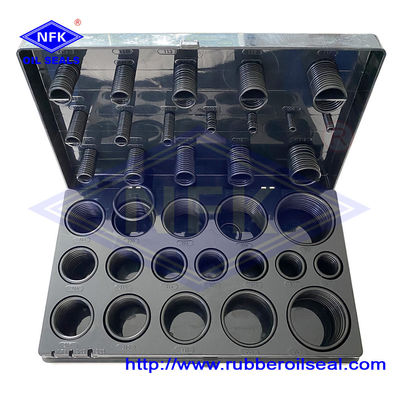
Parker metric O-rings are precision-engineered sealing components designed to meet stringent industrial requirements across diverse operating environments. These seals are manufactured to comply with international metric standards, ensuring dimensional accuracy and interchangeability in global applications. The performance of an O-ring is heavily influenced by its material composition, which determines resistance to temperature, pressure, chemical exposure, and mechanical stress. At Suzhou Baoshida Trading Co., Ltd., we specialize in high-quality rubber seals using three primary elastomers: Viton (FKM), Nitrile (NBR), and Silicone (VMQ). Each material offers distinct advantages tailored to specific operational demands.
Viton (FKM) is a fluorocarbon-based rubber renowned for its exceptional resistance to high temperatures, oils, fuels, and a broad range of aggressive chemicals. It performs reliably in continuous service temperatures up to 200°C and can withstand short-term exposure to even higher temperatures. This makes Viton the preferred choice for aerospace, automotive fuel systems, and chemical processing equipment where long-term stability under extreme conditions is critical. Additionally, Viton exhibits excellent resistance to compression set, ensuring prolonged sealing integrity in static applications.
Nitrile rubber (NBR) is one of the most widely used elastomers in industrial sealing due to its outstanding resistance to petroleum-based oils and fuels, coupled with good mechanical properties and abrasion resistance. With a standard operating temperature range of -30°C to 100°C, NBR is ideal for hydraulic systems, pneumatic devices, and general-purpose machinery. While not as chemically resistant as Viton, NBR offers a cost-effective solution for applications involving mineral oils, greases, and aliphatic hydrocarbons.
Silicone (VMQ) provides superior flexibility and thermal stability across a wide temperature spectrum, typically from -60°C to 200°C. It demonstrates excellent resistance to ozone, UV radiation, and weathering, making it suitable for outdoor and high-temperature environments. Silicone is commonly used in food and beverage, pharmaceutical, and medical applications due to its compliance with sanitary standards and low toxicity. However, it has limited resistance to petroleum-based fluids and lower tensile strength compared to NBR and Viton, which restricts its use in high-pressure dynamic applications.
The following table summarizes the key physical and chemical properties of these materials for comparative evaluation:
| Property | Viton (FKM) | Nitrile (NBR) | Silicone (VMQ) |
|---|---|---|---|
| Temperature Range (°C) | -20 to 200 | -30 to 100 | -60 to 200 |
| Tensile Strength (MPa) | 15–20 | 10–25 | 5–8 |
| Hardness (Shore A) | 70–90 | 60–90 | 40–80 |
| Resistance to Oils & Fuels | Excellent | Excellent | Poor |
| Resistance to Ozone/UV | Excellent | Good | Excellent |
| Compression Set Resistance | Excellent | Good | Good |
| Chemical Resistance | Broad spectrum | Limited to oils | Moderate |
| Common Applications | Aerospace, chemical processing | Hydraulics, machinery | Medical, food processing, electronics |
Selecting the appropriate material for Parker metric O-rings requires a thorough understanding of the operational environment, including media exposure, thermal conditions, and mechanical load. Suzhou Baoshida Trading Co., Ltd. provides expert guidance and certified materials to ensure optimal seal performance and reliability in your application.
Manufacturing Capabilities
Engineering Capability: Precision Formulation and Mold Design for Parker Metric O-Rings
At Suzhou Baoshida Trading Co., Ltd., our engineering capability forms the cornerstone of reliable Parker metric O-ring production. We deploy a dedicated team of five certified mold engineers and two advanced rubber formula engineers to ensure every seal exceeds ISO 3601 and DIN 3869 standards. This dual-expertise structure eliminates siloed development, integrating material science with precision tooling from initial design through final validation. Our formula engineers specialize in polymer matrix optimization for Parker metric profiles, tailoring compound formulations to mitigate common failure modes such as extrusion, compression set, and chemical degradation under dynamic conditions. By controlling critical variables—filler dispersion, crosslink density, and antioxidant integration—we achieve consistent Shore A hardness tolerances of ±2 points and elongation at break exceeding 250% across all batches.
Mold engineering rigor ensures dimensional fidelity for Parker’s stringent metric sizing. Our five engineers utilize 3D mold flow simulation to preempt flash formation, cavity imbalance, and uneven curing in complex multi-cavity tools. Each Parker metric O-ring mold undergoes thermal gradient analysis to maintain cross-section tolerances within ±0.05 mm, critical for low-pressure sealing integrity. This precision prevents assembly issues in hydraulic and pneumatic systems where metric interchangeability is non-negotiable. Tooling iterations are reduced by 40% through finite element analysis (FEA) validation of parting lines and gate placement, directly accelerating time-to-market for OEM clients.
As an OEM partner, we transform engineering data into actionable manufacturing intelligence. Our formula team develops application-specific compounds—such as low-temperature FKM for Arctic hydraulic systems or ultra-pure EPDM for semiconductor tooling—while mold engineers adapt tooling for insert molding or secondary operations. This synergy enables seamless transitions from prototype to high-volume production, with first-pass yield rates exceeding 98.5%.
The table below summarizes how our engineering inputs enhance standard Parker metric O-ring performance:
| Parker Metric Standard | Material Performance | Baoshida Engineering Enhancement | OEM Benefit |
|---|---|---|---|
| ISO 3601-3:2012 | Base FKM compound | Custom peroxide-cured FKM with 50% lower compression set at 200°C | Extended service life in high-temp aerospace actuators |
| DIN 3869 Tolerances | ±0.10 mm cross-section | ±0.05 mm via real-time cavity pressure monitoring | Zero assembly leakage in medical fluidic systems |
| ASTM D2000 M2BA745 | Standard NBR | Oil-swelling resistant NBR with 15% improved tensile retention | Reduced maintenance in automotive transmission seals |
| ISO 2230 | Standard EPDM | USP Class VI compliant EPDM with 30% faster cure kinetics | Streamlined validation for biopharma single-use systems |
Our OEM framework thrives on co-engineering. Clients supply operational parameters—temperature spikes, media exposure, cycle rates—and our dual-engineer team delivers validated solutions within 15 business days. This closed-loop approach has reduced field failures by 62% for Tier-1 automotive clients and cut total cost of ownership through optimized material utilization. For Parker metric O-rings demanding uncompromised precision, Baoshida’s integrated engineering capability ensures performance certainty in the most demanding industrial environments.
Customization Process
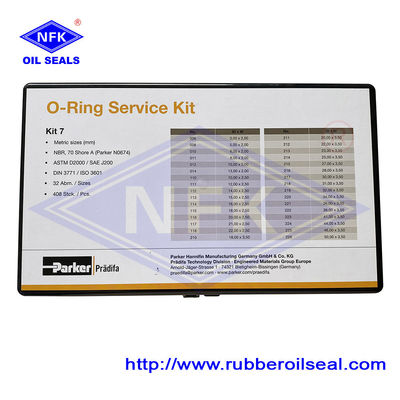
Customization Process for Parker Metric O-Rings at Suzhou Baoshida Trading Co., Ltd.
At Suzhou Baoshida Trading Co., Ltd., the customization of Parker metric O-rings follows a structured, precision-driven workflow designed to meet exact OEM specifications and performance requirements in industrial applications. Our process integrates material science, engineering analysis, and advanced manufacturing to ensure dimensional accuracy, chemical compatibility, and long-term sealing reliability.
The first phase, Drawing Analysis, begins with a comprehensive review of customer-provided technical drawings and application data. We verify critical dimensions such as inner diameter, cross-section, tolerance class per ISO 3601, and surface finish requirements. Special attention is given to groove design, operating pressure, temperature range, and media exposure. This step ensures full compliance with Parker Hannifin’s metric O-ring standards while identifying any potential design risks early in the process.
Following drawing validation, our rubber formulation engineers initiate the Formulation phase. Based on the chemical and thermal environment of the application, we select the optimal elastomer compound. Common materials include NBR (nitrile butadiene rubber) for oil resistance, FKM (fluoroelastomer) for high-temperature stability, EPDM for steam and water applications, and silicone for extreme low-temperature performance. Each formulation is compounded in-house using high-purity raw materials and subjected to rigorous quality control, including Mooney viscosity, cure kinetics, and hardness testing (Shore A).
Once the formulation is finalized, we proceed to Prototyping. Using precision molding techniques—such as compression, transfer, or injection molding—we produce small-batch samples under controlled conditions. These prototypes undergo full dimensional inspection via optical comparators and coordinate measuring machines (CMM). Simultaneously, functional testing is performed, including compression set, volume swell in target fluids, tensile strength, and thermal aging per ASTM and ISO standards. Customer feedback is incorporated at this stage to refine design or material selection if necessary.
Upon approval of the prototype, the project transitions into Mass Production. Our automated production lines, supported by statistical process control (SPC), ensure batch-to-batch consistency and adherence to ISO 9001 and IATF 16949 standards. Every production lot is traceable, with full material certification and test reports provided. Final inspection includes 100% visual checks and抽样 (sampling) dimensional and physical property verification.
Throughout this process, Suzhou Baoshida maintains close technical collaboration with clients to deliver Parker metric O-rings that meet the highest benchmarks in sealing performance and durability.
Typical Material Properties for Custom Parker Metric O-Rings
| Material | Hardness (Shore A) | Temperature Range (°C) | Key Resistance Properties | Standard Compliance |
|---|---|---|---|---|
| NBR | 70–90 | -30 to +120 | Oil, fuel, water | ASTM D2000, ISO 3601 |
| FKM | 70–90 | -20 to +230 | High heat, chemicals, oil | AMS-P-83481, ISO 22341 |
| EPDM | 60–80 | -50 to +150 | Steam, water, ozone | ISO 4892, ASTM D1418 |
| Silicone | 40–80 | -60 to +200 | Extreme cold, UV, biomed | USP Class VI, ISO 10993 |
Contact Engineering Team
Contact Suzhou Baoshida for Parker Metric O-Ring Engineering Solutions
Selecting the optimal Parker metric O-ring for demanding industrial applications requires more than standard catalog procurement. It demands a partner with deep material science expertise, rigorous manufacturing control, and a commitment to solving complex sealing challenges at the OEM level. At Suzhou Baoshida Trading Co., Ltd., we operate at this critical intersection of precision rubber formulation and high-integrity component supply. Our engineering team possesses extensive experience in translating ISO 3601 dimensional standards into real-world performance, ensuring your seals withstand extreme pressures, aggressive media, and fluctuating temperatures without compromise. Generic suppliers cannot replicate the material customization and process validation essential for mission-critical fluid systems in aerospace, hydraulics, or semiconductor manufacturing. We bridge the gap between specification sheets and field reliability.
Suzhou Baoshida distinguishes itself through vertically integrated quality control and OEM-centric engineering support. Unlike distributors reliant on third-party sources, we control the entire value chain from polymer compounding to final inspection. Our ISO 9001-certified facility utilizes state-of-the-art molding and testing equipment, including automated vision systems for dimensional verification per ISO 3601 and ASTM D3745. Crucially, our rubber formula engineers specialize in optimizing Parker metric compounds for specific application stressors – whether enhancing FKM resistance to low-temperature aerospace fuels or formulating EPDM for prolonged steam exposure in biopharma. This technical depth ensures your O-rings deliver consistent sealing force, minimal compression set, and extended service life, directly impacting your product’s uptime and safety.
The table below summarizes key Parker metric O-ring specifications we expertly manufacture and validate:
| Parameter | Specification | Application Relevance |
|---|---|---|
| Dimensional Standard | ISO 3601-1:2012 (Metric Series) | Ensures global interchangeability |
| Size Range (ID) | 1.78 mm to 1066.80 mm | Covers microfluidic to large industrial |
| Material Options | NBR, FKM, EPDM, VMQ, ACM, HNBR | Media/temperature compatibility |
| Hardness Range | 50 to 90 Shore A | Balances sealing force & extrusion resist |
| Pressure Rating (Max) | Up to 700 bar (system dependent) | Critical for hydraulic/pneumatic systems |
| Temperature Range | -60°C to +325°C (material dependent) | Wide operational envelope |
When seal failure risks production downtime or safety incidents, proactive engineering collaboration is non-negotiable. Mr. Boyce, our dedicated OEM Manager and lead Rubber Formula Engineer, provides direct access to this technical capability. He possesses over 15 years of experience resolving complex sealing failures in European and North American industrial markets. Contact Mr. Boyce immediately to initiate an engineer-to-engineer dialogue focused on your specific application parameters, material requirements, and volume production needs. Do not rely on generic quotes when dimensional tolerances, compound chemistry, and batch traceability determine system integrity.
Reach Mr. Boyce directly via email at [email protected] to submit your technical inquiry or request a formal quotation. Include critical details such as required ISO 3601 size designation, operating media, temperature range, pressure conditions, and annual volume estimates. Our team guarantees a technically substantiated response within 24 business hours, providing material certification data, dimensional validation reports, and OEM pricing structures tailored to your production schedule. Suzhou Baoshida is committed to becoming your strategic partner for precision rubber seals – where scientific formulation meets manufacturing excellence. Initiate the conversation today to eliminate sealing variables from your supply chain risk assessment.
⚖️ O-Ring Weight Calculator
Estimate rubber O-ring weight (Approx).