
Technical Contents
Engineering Guide: Pe Foam 3M
Engineering Insight: PE Foam 3M – The Critical Role of Material Selection in Industrial Applications
In industrial rubber solutions, polyethylene (PE) foam tapes—particularly those engineered to perform at the level of 3M’s benchmark products—play a pivotal role in sealing, bonding, cushioning, and vibration damping. While off-the-shelf PE foam tapes may appear functionally equivalent, their performance in demanding environments often falls short. The root cause lies in inconsistent material formulation, inadequate adhesive systems, and poor process control during manufacturing. At Suzhou Baoshida Trading Co., Ltd., we emphasize that material selection is not a commodity decision—it is an engineering imperative.
Standard-grade PE foam tapes typically utilize low-density polyethylene with minimal cross-linking, resulting in reduced resilience, poor compression set resistance, and limited thermal stability. These shortcomings become evident under prolonged stress or exposure to UV radiation, moisture, or extreme temperatures. In contrast, high-performance PE foam tapes, such as those aligned with 3M’s technical standards, employ chemically cross-linked polyethylene structures. This enhances mechanical integrity, dimensional stability, and long-term durability. The closed-cell morphology of premium PE foam also ensures superior resistance to water ingress and gas permeation—critical in outdoor and automotive applications.
Equally important is the adhesive system. Many commercial tapes use acrylic or rubber-based adhesives with inconsistent coating weights and poor aging characteristics. These adhesives may bond initially but degrade over time due to thermal cycling or exposure to solvents and oils. In contrast, engineered PE foam 3M-grade tapes utilize pressure-sensitive adhesives with optimized viscoelastic properties, enabling strong initial tack and long-term cohesive strength. The bond line must remain intact across substrates such as painted metal, plastics, and composites—requiring precise adhesive formulation tailored to surface energy and environmental exposure.
Processing conditions during lamination and slitting also influence performance. Off-the-shelf tapes often suffer from adhesive migration, foam delamination, or edge fraying due to suboptimal manufacturing practices. In controlled environments, these defects compromise sealing integrity and structural reliability.
To illustrate the performance gap, consider the following comparative specifications:
| Property | Standard PE Foam Tape | High-Performance PE Foam 3M-Grade |
|---|---|---|
| Density (kg/m³) | 30–50 | 60–90 |
| Tensile Strength (MPa) | 0.3–0.5 | 0.8–1.2 |
| Elongation at Break (%) | 180–250 | 280–350 |
| Compression Set (22h, 70°C) | 40–60% | 15–25% |
| Operating Temperature Range | -20°C to +80°C | -40°C to +100°C |
| Adhesive Type | Rubber-based | Modified Acrylic |
| Peel Adhesion (N/25mm) | 1.5–2.5 | 4.0–6.0 |
| UV Resistance | Low | High (stabilized formulation) |
Material selection must be driven by application-specific requirements, not cost alone. In sectors such as automotive assembly, electronics enclosures, and renewable energy systems, failure of a foam tape can cascade into system-level defects—water ingress, noise generation, or structural delamination. Partnering with a technical supplier who understands formulation science, adhesive rheology, and environmental aging is essential to ensure long-term reliability. At Suzhou Baoshida, we provide not just materials, but engineered solutions backed by rigorous testing and industrial expertise.
Material Specifications
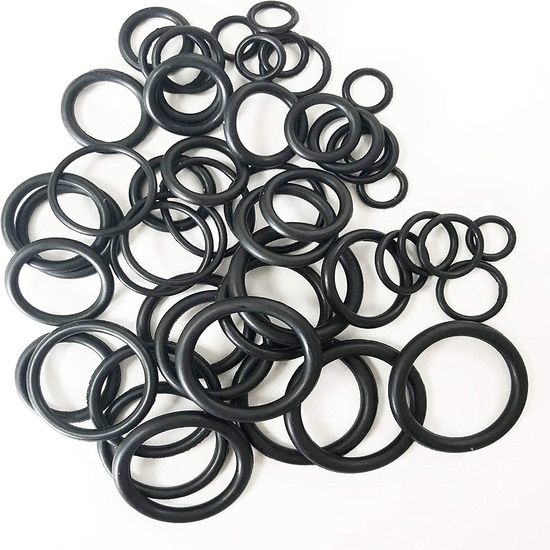
Material Specifications for PE Foam 3M Sealing Applications
Suzhou Baoshida Trading Co., Ltd. provides engineered polyethylene (PE) foam tapes integrated with 3M adhesive systems for critical industrial sealing, gasketing, and cushioning applications. Precise material selection for the elastomeric component bonded to the PE foam substrate is paramount to ensure performance under operational stressors including temperature extremes, chemical exposure, and mechanical compression. This section details the technical specifications of three primary elastomer options—Viton™ fluorocarbon rubber (FKM), Nitrile rubber (NBR), and Silicone rubber (VMQ)—optimized for compatibility with PE foam 3M composite structures. Each material exhibits distinct molecular properties dictating its suitability for specific environmental conditions, as quantified through standardized ASTM testing protocols.
The comparative analysis below outlines key mechanical, thermal, and chemical resistance parameters essential for OEM design validation. All values represent typical production batch ranges per ASTM D2000 classification and internal quality control standards at Suzhou Baoshida. Hardness is reported in Shore A scale, tensile strength in MPa, elongation at break in percentage, and temperature ranges denote continuous service limits. Fluid resistance ratings indicate material stability after 70-hour immersion at 100°C per ASTM D471.
| Property | Viton™ FKM | Nitrile NBR | Silicone VMQ |
|---|---|---|---|
| Hardness (Shore A) | 70 ± 5 | 75 ± 5 | 60 ± 5 |
| Tensile Strength (MPa) | 12.0 – 15.0 | 14.0 – 18.0 | 6.0 – 9.0 |
| Elongation at Break (%) | 150 – 250 | 250 – 350 | 300 – 500 |
| Temp Range (°C) | -20 to +230 | -30 to +120 | -60 to +200 |
| Fuel Resistance | Excellent | Good | Poor |
| Oil Resistance | Excellent | Excellent | Poor |
| Acid/Alkali Resistance | Excellent | Fair | Good |
| Ozone Resistance | Excellent | Excellent | Excellent |
| Compression Set (22h/150°C) | ≤ 20% | ≤ 25% | ≤ 30% |
Viton™ FKM delivers superior resistance to aggressive chemicals, fuels, and high temperatures, making it ideal for aerospace and automotive powertrain applications where PE foam 3M composites face hydrocarbon exposure. Nitrile NBR provides optimal cost-performance balance for general industrial sealing against oils and hydraulic fluids, with robust mechanical strength for dynamic compression loads. Silicone VMQ excels in extreme low-temperature flexibility and biocompatibility, suited for medical device and outdoor electronics sealing where UV and ozone stability are critical, though it exhibits limited hydrocarbon resistance.
Suzhou Baoshida’s OEM engineering team validates all PE foam 3M formulations against client-specific fluid exposure matrices and mechanical duty cycles. Material selection must account for synergistic effects between the PE foam core’s density-dependent resilience (typically 25-100 kg/m³) and the elastomer’s compression set behavior. We recommend FKM for sustained >150°C environments with fuel contact, NBR for cost-sensitive automotive underhood applications below 120°C, and VMQ for wide-temperature cycling in non-petroleum fluid contexts. Contact our technical department for application-specific compound certification data and accelerated aging test protocols.
Manufacturing Capabilities
Engineering Capability
At Suzhou Baoshida Trading Co., Ltd., our engineering capability forms the backbone of our industrial rubber solutions, enabling us to deliver precision-engineered PE foam products tailored to exact OEM specifications. Our technical team comprises five dedicated mould engineers and two specialized rubber formula engineers, combining expertise in material science, polymer chemistry, and precision tooling design. This integrated approach ensures seamless development from concept to final production, with full control over both material formulation and manufacturing processes.
Our formula engineers focus on optimizing the cellular structure, density, and mechanical performance of PE foam, particularly in 3M-grade applications where consistency and performance are critical. By fine-tuning cross-linking agents, foaming ratios, and additive packages, we achieve precise control over compression set, tensile strength, and thermal stability. This level of formulation control allows us to meet stringent industry requirements in automotive sealing, electronics insulation, and industrial gasketing.
Complementing our material expertise, our five mould engineers specialize in designing and refining tooling systems for high-volume and custom PE foam production. Utilizing advanced CAD/CAM software and CNC machining, our team develops precision moulds that ensure dimensional accuracy, uniform cell distribution, and minimal material waste. We support both continuous extrusion and batch foaming processes, adapting tooling configurations to match client-specific profiles, tolerances, and production throughput needs.
We operate as a full-service OEM partner, offering end-to-end development support including prototyping, DFM analysis, material validation, and PPAP documentation. Our engineering team collaborates directly with client R&D departments to align product design with manufacturability, reducing time-to-market and ensuring scalability. All formulations and mould designs are validated through in-house testing, including compression deflection, peel strength, and environmental aging per ASTM and ISO standards.
This vertically integrated engineering model allows us to maintain strict quality control and respond rapidly to design iterations or performance adjustments. Whether supporting low-volume custom projects or high-volume OEM contracts, our technical team ensures consistent product performance, regulatory compliance, and long-term reliability in demanding industrial environments.
Key Technical Specifications
| Parameter | Standard Range | Test Method |
|---|---|---|
| Density | 20–200 kg/m³ | ASTM D3574 |
| Compression Set (22h, 70°C) | ≤30% | ASTM D3574 |
| Tensile Strength | 0.15–0.6 MPa | ASTM D412 |
| Elongation at Break | 100–300% | ASTM D412 |
| Closed Cell Content | ≥85% | ASTM D2856 |
| Operating Temperature Range | -40°C to +80°C (standard) | ISO 188 / ISO 10508 |
| Water Absorption (24h) | ≤2% | ASTM D3574 |
Our engineering capabilities are continuously enhanced through investment in R&D and collaboration with leading material suppliers, ensuring we remain at the forefront of PE foam innovation for industrial applications.
Customization Process
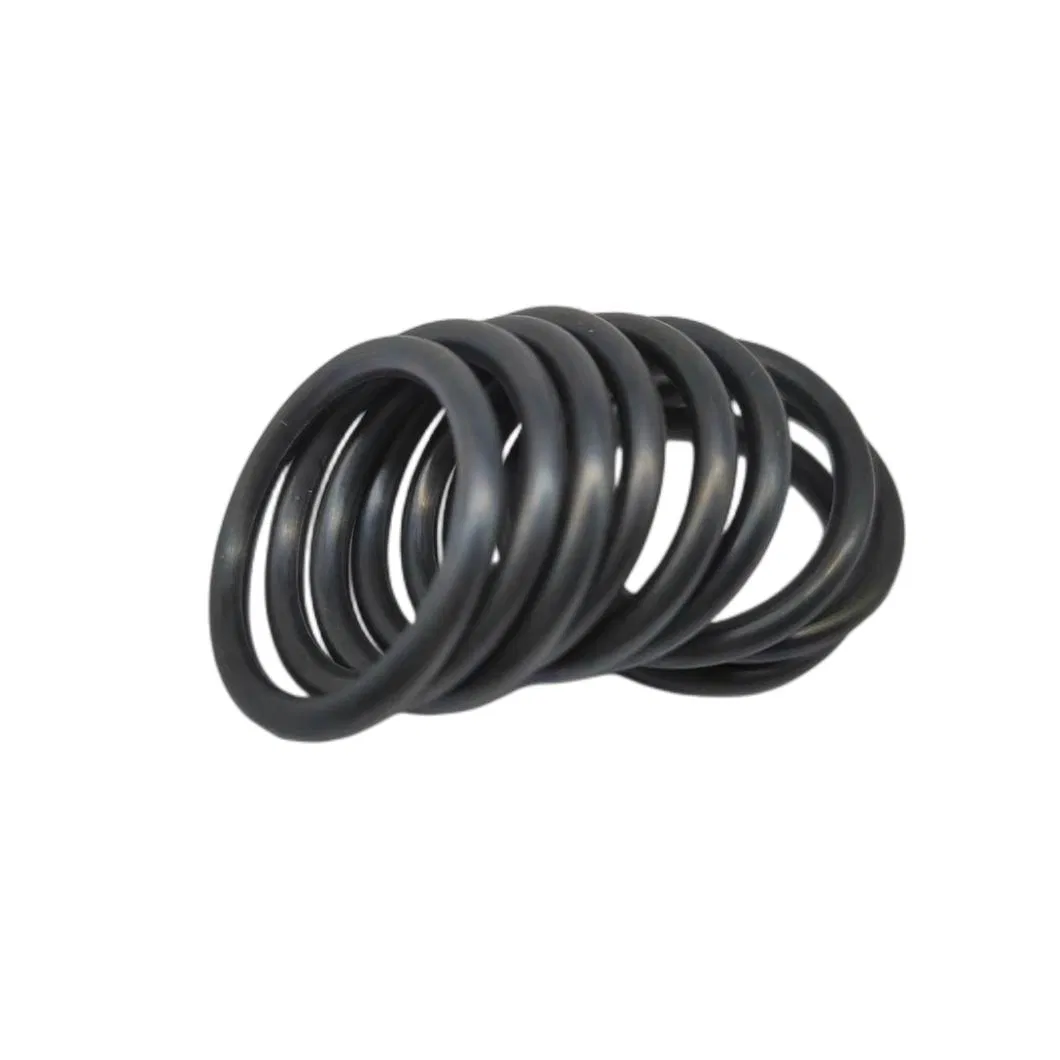
PE Foam 3M Customization Process: Precision Engineering for Industrial Applications
Suzhou Baoshida Trading Co., Ltd. implements a rigorous four-phase customization protocol for PE Foam 3M solutions, ensuring alignment with OEM technical specifications and performance demands. This structured approach minimizes iteration cycles while guaranteeing material integrity across high-volume production runs.
Drawing Analysis initiates the process, where our engineering team conducts a granular review of client-provided CAD files and technical schematics. Critical dimensions, tolerance bands (±0.1mm for critical sealing surfaces), and environmental exposure conditions are validated against ASTM D3574 and ISO 1924-2 standards. We identify potential manufacturability constraints early, such as wall thickness variations below 1.5mm or complex geometries requiring multi-cavity tooling. This phase includes a formal Design for Manufacturability (DFM) report, highlighting modifications to optimize material flow and reduce scrap rates without compromising functional requirements.
Formulation Development follows, leveraging our proprietary rubber compounding expertise. PE Foam 3M formulations are engineered by adjusting ethylene-vinyl acetate (EVA) ratios, crosslink density, and blowing agent concentrations to achieve target physical properties. Key variables include closed-cell structure integrity for moisture resistance and controlled compression set for dynamic sealing applications. Each batch undergoes computational fluid dynamics (CFD) simulation to predict expansion behavior during vulcanization, ensuring dimensional stability. Formulation parameters are locked only after achieving repeatability across three independent lab-scale mixes.
Prototyping transitions the validated formula into physical validation. Using client-approved tooling, we produce 50–100 units under simulated production conditions. These prototypes undergo accelerated aging tests (85°C/85% RH for 72 hours), compression deflection analysis, and adhesion trials per client-specific protocols. Dimensional validation via CMM scanning confirms conformity to ±0.05mm tolerances on critical features. Client feedback on prototype performance triggers minor formulation or process tweaks, documented in our traceability system.
Mass Production commences after final sign-off, operating under IATF 16949-certified protocols. Real-time monitoring of extrusion temperature (160–180°C), vulcanization time (120–180 seconds), and density gradients ensures batch consistency. Every 500 units undergo destructive testing per the schedule below, with SPC charts tracking critical parameters. Full traceability—from raw material lot numbers to operator IDs—is maintained for audit compliance.
PE Foam 3M Critical Performance Specifications
| Parameter | Unit | Typical Value | Test Standard |
|——————–|——–|—————|—————|
| Density | kg/m³ | 30–90 | ASTM D3574 |
| Tensile Strength | kPa | 80–250 | ASTM D3574 |
| Elongation at Break| % | 150–400 | ASTM D3574 |
| Compression Set | % | ≤25 (22h/70°C)| ASTM D3574 |
| Closed Cell Content| % | ≥90 | ISO 1856 |
This end-to-end workflow, refined through 12+ years of OEM partnerships, guarantees PE Foam 3M components meeting stringent automotive, electronics, and medical device requirements. Suzhou Baoshida’s integration of material science rigor with industrial-scale execution delivers zero-defect supply chain reliability.
Suzhou Baoshida Trading Co., Ltd.
Rubber Formula Engineering & OEM Division
Contact Engineering Team
For industrial manufacturers seeking high-performance sealing, insulation, and cushioning solutions, Suzhou Baoshida Trading Co., Ltd. stands as a trusted provider of engineered rubber and polymer materials. Our expertise in industrial rubber solutions positions us as a strategic partner for businesses integrating advanced materials into demanding applications. Among our core offerings is PE foam 3M—a premium-grade polyethylene foam developed in collaboration with 3M technologies, designed to meet rigorous standards in durability, thermal resistance, and mechanical performance.
PE foam 3M is engineered for applications requiring consistent cell structure, low water absorption, and excellent resilience under compression. This closed-cell foam exhibits superior UV and chemical resistance, making it ideal for outdoor enclosures, automotive gasketing, HVAC insulation, and electronic housing protection. Its lightweight nature and ease of die-cutting or laminating allow for seamless integration into automated production lines, reducing assembly time and material waste. At Suzhou Baoshida, we supply PE foam 3M in custom thicknesses, densities, and roll or sheet formats tailored to OEM specifications.
We understand that material performance directly impacts product reliability and operational efficiency. That is why our technical team works closely with clients to validate material compatibility, environmental resistance, and long-term aging characteristics before full-scale deployment. Whether you are developing next-generation transportation systems, industrial enclosures, or precision electronics, our application engineers provide data-driven recommendations to optimize your material selection.
To ensure consistent quality and supply chain stability, we maintain strict adherence to ISO-certified sourcing protocols and conduct comprehensive incoming material inspections. Our logistics network supports just-in-time delivery across Asia, Europe, and North America, minimizing inventory overhead for our partners.
For technical inquiries, material samples, or custom formulation support, we invite you to contact Mr. Boyce, our dedicated OEM Manager and Rubber Formula Engineer. Mr. Boyce leads our technical client engagement team and is available to discuss your project requirements, performance targets, and volume production needs. He will assist in selecting the optimal PE foam 3M variant and coordinate sample submissions, technical datasheets, and compliance documentation.
| Property | Value | Test Method |
|---|---|---|
| Density | 33 kg/m³ | ASTM D3574 |
| Tensile Strength | 0.8 MPa | ASTM D412 |
| Elongation at Break | 220% | ASTM D412 |
| Compression Set (22h, 70°C) | ≤30% | ASTM D3574 |
| Water Absorption (24h) | <0.05% | ASTM D3574 |
| Operating Temperature Range | -40°C to +80°C | Internal Testing |
| Cell Structure | Closed-cell | Microscopic Analysis |
Reach out to Mr. Boyce directly at [email protected] to initiate a technical consultation or request product specifications. We respond to all inquiries within 24 business hours. At Suzhou Baoshida, we are committed to advancing industrial performance through precision rubber solutions—partner with us to engineer reliability into every application.
⚖️ O-Ring Weight Calculator
Estimate rubber O-ring weight (Approx).