
Technical Contents
Engineering Guide: Pe Foam Keyboard
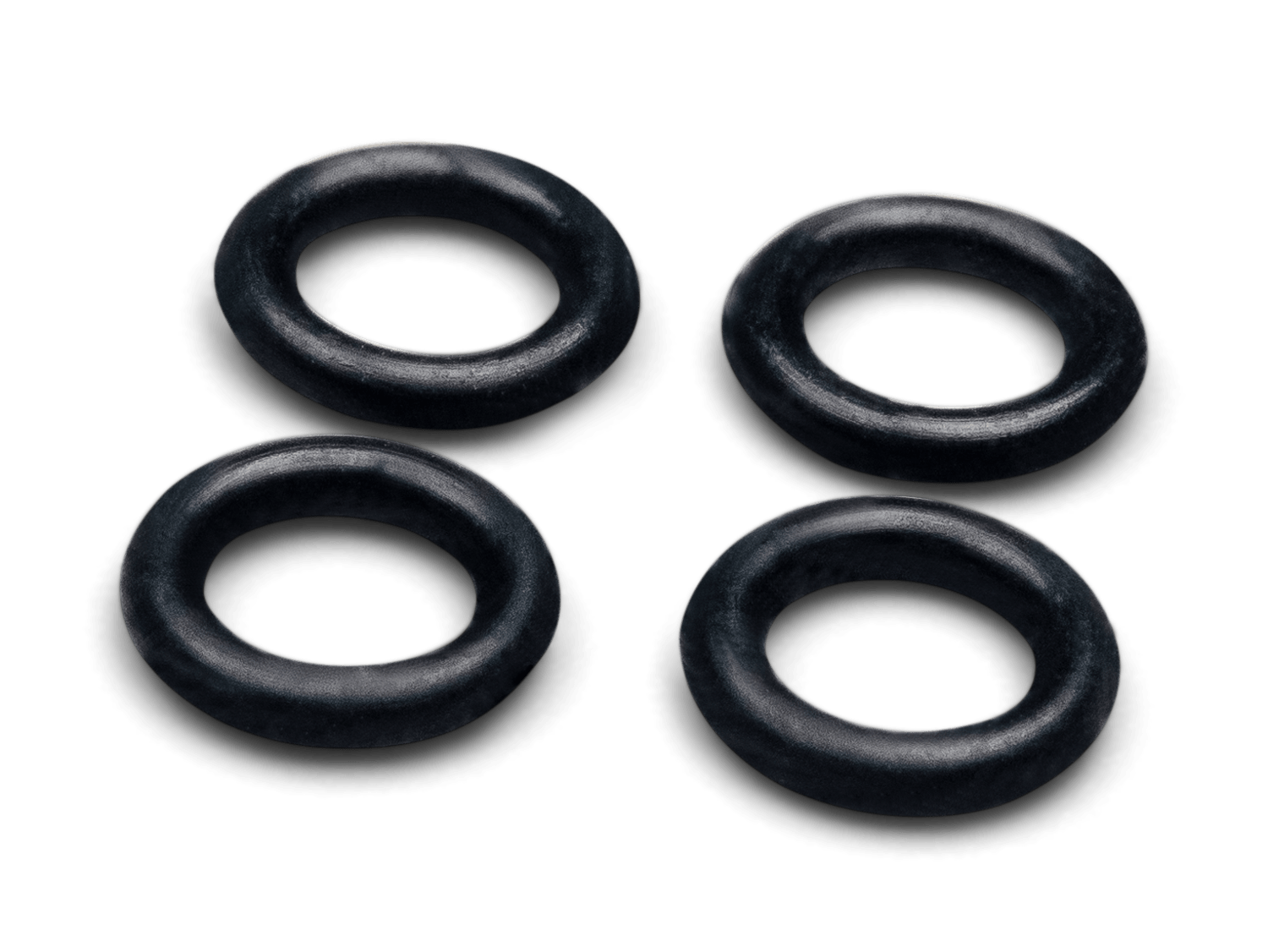
Engineering Insight: Material Selection in PE Foam Keyboards for Industrial Applications
In the design and manufacturing of PE foam keyboards for industrial environments, material selection is not merely a component decision—it is a foundational engineering requirement that directly impacts performance, durability, and operational safety. Polyethylene (PE) foam, while widely available in generic forms, exhibits significant variability in mechanical and chemical properties based on resin grade, cross-linking method, density, and cell structure. Off-the-shelf PE foam solutions, often sourced for consumer-grade applications, are typically engineered for cost efficiency and short-term use, not for the sustained mechanical stress, temperature extremes, or chemical exposure common in industrial settings.
Industrial PE foam keyboards must endure repeated compression cycles, exposure to oils, solvents, UV radiation, and wide temperature fluctuations. Standard low-density, non-cross-linked PE foams degrade rapidly under such conditions, leading to loss of tactile response, compression set, and eventual failure. For example, a keyboard used in outdoor control panels or heavy machinery cabins may experience temperatures ranging from -30°C to +80°C. Generic foams often exhibit embrittlement at low temperatures and softening or creep at elevated temperatures, compromising both user feedback and long-term reliability.
At Suzhou Baoshida Trading Co., Ltd., we emphasize engineered material solutions tailored to application-specific demands. Our industrial-grade PE foams utilize radiation or chemical cross-linking to enhance resilience, reduce compression set, and improve thermal stability. By controlling foam density and cell morphology during production, we achieve consistent force-deflection characteristics critical for reliable keystroke actuation. Additionally, we incorporate additives for UV resistance, flame retardancy (UL94 HF-1), and anti-static properties (surface resistivity <10^9 Ω/sq), ensuring compatibility with sensitive electronic environments.
The failure of off-the-shelf foams often stems from an absence of traceable material specifications and batch consistency. In contrast, our formulations are validated through accelerated life testing, compression set analysis (ASTM D395), and environmental aging per ISO 188. This ensures that each keyboard performs reliably over millions of cycles.
The following table outlines key material specifications differentiating industrial-grade PE foam from standard commercial alternatives:
| Property | Industrial-Grade PE Foam | Standard Commercial PE Foam |
|---|---|---|
| Density (kg/m³) | 60–120 | 20–40 |
| Compression Set (22h at 70°C), % | ≤20% | ≥50% |
| Tensile Strength, MPa | 1.8–3.0 | 0.5–1.0 |
| Elongation at Break, % | 200–400 | 100–200 |
| Operating Temperature Range | -40°C to +90°C | -10°C to +60°C |
| Cross-Linking Method | Radiation or Chemical | Non-cross-linked or Mild |
| Flame Resistance | UL94 HF-1 or HB | Not rated |
| Surface Resistivity | 10^8 – 10^9 Ω/sq (anti-static) | >10^12 Ω/sq (insulative) |
Material integrity in PE foam keyboards is not incidental—it is the result of deliberate engineering. Choosing the correct foam formulation ensures sustained performance, reduces maintenance costs, and supports operational safety in demanding industrial applications. At Baoshida, we deliver not just materials, but engineered solutions backed by rigorous testing and application expertise.
Material Specifications
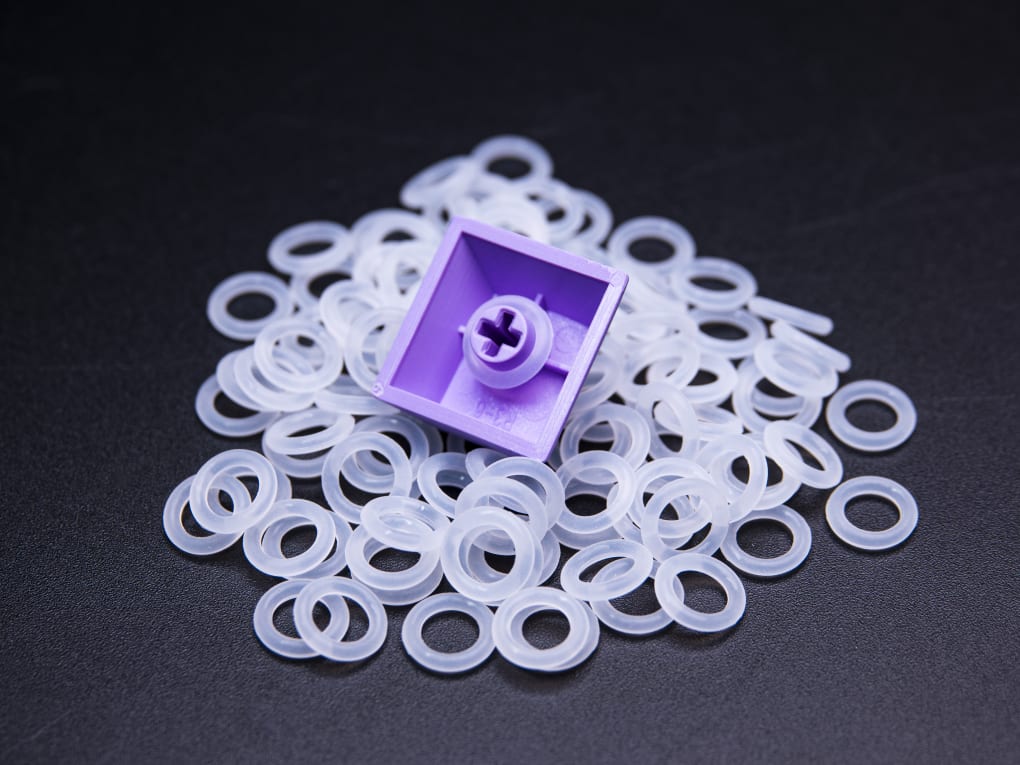
Material Specifications for PE Foam Keyboard Sealing Components
Suzhou Baoshida Trading Co., Ltd. clarifies that while polyethylene (PE) foam serves as the primary cushioning substrate in keyboard assemblies, the critical sealing and durability performance hinges on the elastomeric compounds bonded to this foam. PE foam itself lacks inherent chemical or thermal resilience required for industrial environments; thus, strategic selection of rubber formulations is essential for functional integrity. Our engineering team specifies three advanced elastomers—Viton (FKM), Nitrile (NBR), and Silicone (VMQ)—each optimized for distinct operational stresses. These materials form the protective barrier against contaminants, moisture, and mechanical wear, directly influencing keyboard lifespan in demanding OEM applications.
Viton excels in extreme chemical and thermal exposure, resisting fuels, oils, and acids at temperatures up to 230°C. Its fluorocarbon structure ensures stability in aerospace or automotive control panels where solvent exposure is routine. Nitrile offers cost-effective resistance to aliphatic hydrocarbons and hydraulic fluids, performing reliably between -40°C and 120°C, making it ideal for industrial machinery interfaces. Silicone provides unparalleled biocompatibility and extreme-temperature flexibility (-60°C to 200°C), critical for medical or food-processing equipment keyboards requiring frequent sterilization. All compounds undergo rigorous compression set testing per ASTM D395 to guarantee long-term seal retention against PE foam relaxation.
Material compatibility with PE foam adhesion protocols is non-negotiable. Each elastomer requires tailored surface treatment—plasma activation for Silicone, chlorination for Nitrile—to achieve >8 kN/m bond strength during peel testing. Hardness selection (50–80 Shore A) balances tactile feedback with sealing efficacy; softer grades enhance conformability over foam irregularities but increase compression set risk.
The comparative analysis below details critical performance parameters for informed material selection:
| Material | Base Polymer | Temperature Range (°C) | Key Strengths | Primary Limitations | Typical Hardness (Shore A) |
|---|---|---|---|---|---|
| Viton (FKM) | Fluorocarbon | -20 to +230 | Exceptional chemical/fuel resistance; low gas permeability | Poor ketone resistance; high cost | 60–80 |
| Nitrile (NBR) | Acrylonitrile-Butadiene | -40 to +120 | Superior oil/fuel resistance; abrasion durability | Limited ozone/weathering resistance | 50–75 |
| Silicone (VMQ) | Polysiloxane | -60 to +200 | Extreme temp stability; biocompatible; UV/ozone resistant | Low tear strength; permeable to gases | 55–80 |
Selection must align with application-specific stressors. For chemical-intensive environments (e.g., laboratory equipment), Viton’s resilience justifies its premium. Nitrile remains optimal for cost-sensitive industrial machinery with oil exposure. Silicone is mandatory for sterile or cryogenic applications. Suzhou Baoshida’s OEM engineering team validates all material-foam interfaces through 1,000-cycle durability testing and ISO 1817 chemical immersion analysis, ensuring zero delamination under operational loads. Partner with us to calibrate formulations to your exact environmental profile—precision elastomer science defines keyboard reliability in mission-critical systems.
Manufacturing Capabilities
Engineering Capability
At Suzhou Baoshida Trading Co., Ltd., our engineering capability forms the cornerstone of our industrial rubber solutions, particularly in specialized applications such as PE foam keyboard components. With a dedicated team of five certified mold engineers and two advanced formula engineers, we maintain full in-house control over product development, material design, and manufacturing scalability. This integrated engineering structure enables us to deliver precision-engineered PE foam components tailored to the functional and dimensional requirements of modern keyboard assemblies, including keycap dampening, tactile feedback optimization, and long-term compression resilience.
Our mold engineers specialize in high-precision tooling for low-density polyethylene (LDPE) and cross-linked polyethylene (XLPE) foams, ensuring tight tolerances, consistent cell structure, and repeatable production cycles. Each mold design is validated through 3D simulation and prototyping, minimizing time-to-market while maximizing dimensional stability and part integrity. These capabilities are critical in the production of PE foam layers used in silent keyboards, gaming peripherals, and industrial control panels where consistent thickness, uniform density, and edge definition directly impact performance.
Complementing our mold expertise, our two senior rubber formula engineers focus on custom polymer compounding to meet exact mechanical and environmental specifications. By adjusting cross-linking density, cell nucleation agents, and additive packages, we fine-tune foam hardness (ranging from 15 to 45 Asker C), compression set resistance, and thermal stability (operating range: -40°C to +80°C). This level of formulation control allows us to produce PE foams that balance softness with structural integrity—essential for keystroke consistency and long-term durability.
We offer comprehensive OEM services, supporting clients from concept to mass production. Our engineering team collaborates directly with OEM design teams to optimize material selection, part geometry, and manufacturability. We provide full documentation, including material data sheets, mold flow analysis, and first article inspection (FAI) reports. With ISO 9001-certified processes and in-house testing facilities, we ensure every batch meets stringent quality standards for density, thickness variation, and compression deflection.
Our integrated approach—combining mold design, material science, and OEM collaboration—positions Suzhou Baoshida as a trusted partner in high-performance industrial rubber solutions.
| Specification | Value / Range |
|---|---|
| Material Type | LDPE, XLPE, EVA-modified PE foam |
| Density Range | 0.03 – 0.12 g/cm³ |
| Hardness (Asker C) | 15 – 45°C |
| Thickness Tolerance | ±0.1 mm (for 1.0 – 5.0 mm sheets) |
| Operating Temperature | -40°C to +80°C |
| Compression Set (22 hrs, 70°C) | ≤ 20% |
| Standard Colors | Black, Grey, White (custom colors available) |
| Customization | Die-cutting, laminating, adhesive coating |
Customization Process
Customization Process for PE Foam Keyboard Components
At Suzhou Baoshida Trading Co., Ltd., our PE foam keyboard customization process rigorously aligns material science with precision manufacturing to deliver OEM solutions meeting exact functional and environmental demands. This four-phase workflow ensures zero compromise on performance while accelerating time-to-market.
Drawing Analysis initiates the engagement. Engineering teams dissect client CAD files and technical specifications, focusing on critical dimensions, tolerance stacks, and application stress points. We identify potential manufacturability conflicts early—such as wall thickness inconsistencies or sealing surface geometries incompatible with foam expansion dynamics. Cross-referencing against ISO 2768-mK standards, we validate feasibility and propose iterative refinements to eliminate post-production failures. This phase culminates in a signed-off drawing package, locking in parameters for formulation development.
Formulation Engineering leverages Suzhou Baoshida’s proprietary rubber compound library. PE foam properties are tuned via controlled crosslink density, blowing agent selection, and additive integration. Key variables include compression set resistance for long-term keystroke recovery, closed-cell structure integrity for moisture barriers, and Shore 00 hardness matching ergonomic requirements. Our lab synthesizes 3–5 candidate formulations, testing each against ASTM D3574 protocols for density, tensile strength, and thermal stability (-40°C to 85°C). Client feedback on sample physical properties drives final compound selection.
Prototyping employs CNC-machined aluminum molds for rapid validation. We produce 50–100 units per formulation variant, subjecting them to accelerated life testing: 500,000+ keystroke cycles, chemical exposure (ISO 1817), and dimensional stability checks under humidity extremes. Real-time data from coordinate measuring machines (CMM) verifies conformance to ±0.1mm tolerances. Clients receive test reports and functional prototypes for integration trials, with typical iteration cycles resolved within 10 business days.
Mass Production transitions validated designs to automated lines with embedded quality gates. Each batch undergoes in-process checks: foam density verification via gravimetric analysis, visual inspection under 10x magnification for surface defects, and automated hardness screening. Final lots are certified per ISO 9001 with full traceability—from raw material lot numbers to cure press timestamps. Production scalability ranges from 10,000 to 2M units monthly, with Suzhou Baoshida maintaining <0.25% defect rates through statistical process control (SPC).
Critical PE Foam Specifications for Keyboard Applications
| Property | Test Standard | Baoshida Standard Grade | High-Performance Grade | Extreme Durability Grade |
|---|---|---|---|---|
| Density (kg/m³) | ASTM D3574 | 80–100 | 100–120 | 120–140 |
| Hardness (Shore 00) | ASTM D2240 | 25–35 | 35–45 | 45–55 |
| Compression Set (%) | ASTM D3574 | ≤15 (22h/70°C) | ≤10 (22h/70°C) | ≤8 (22h/70°C) |
| Tensile Strength (kPa) | ASTM D3574 | ≥80 | ≥120 | ≥150 |
| Operating Temperature | ISO 188 | -30°C to 80°C | -40°C to 85°C | -40°C to 90°C |
This structured methodology transforms conceptual requirements into field-proven components, underpinned by Suzhou Baoshida’s 15-year expertise in industrial rubber OEM solutions. Clients gain reduced NPI risk, material cost optimization, and seamless scalability from prototype to high-volume fulfillment.
Contact Engineering Team
For manufacturers and industrial suppliers seeking precision-engineered foam solutions, Suzhou Baoshida Trading Co., Ltd. stands as a trusted partner in the development and supply of high-performance rubber and foam materials. Our expertise in industrial rubber solutions extends to specialized applications such as PE foam keyboard components, where material consistency, compressibility, and long-term durability are critical to end-product functionality. As a leading OEM supplier in East China, we integrate advanced material science with rigorous quality control to deliver customized foam solutions that meet exact technical specifications.
Our PE foam keyboard materials are engineered for optimal tactile response, environmental resistance, and dimensional stability. These foams are commonly used in industrial control panels, medical devices, automotive interfaces, and consumer electronics where reliability under repeated actuation is essential. Each formulation is developed to balance softness, resilience, and sealing performance, ensuring reliable operation across a wide temperature range and in challenging operating conditions.
To support our clients’ engineering and production needs, we provide comprehensive technical data, sample testing, and formulation adjustments based on real-world performance feedback. Our manufacturing processes adhere to ISO standards, with full traceability and batch consistency to support high-volume production runs. Whether you require low-density foam for lightweight actuation or closed-cell structures for moisture resistance, our team delivers solutions tailored to your application.
Below are the standard technical specifications for our PE foam keyboard materials. Custom densities, thicknesses, adhesive backings, and flame-retardant treatments are available upon request.
| Property | Specification |
|---|---|
| Material Type | Cross-linked Polyethylene (XLPE) Foam |
| Density Range | 20–60 kg/m³ |
| Thickness Range | 0.5 mm – 10.0 mm |
| Hardness (Shore 00) | 25–50 |
| Tensile Strength | ≥3.0 N/cm² |
| Elongation at Break | ≥150% |
| Compression Set (22h, 70°C) | ≤20% |
| Operating Temperature Range | -40°C to +80°C |
| Color Options | Black, White, Gray, Custom |
| Adhesive Options | Acrylic or Rubber-based PSA |
| Certifications | RoHS, REACH compliant |
Partnering with Suzhou Baoshida means gaining access to a responsive technical team with deep expertise in rubber and foam material behavior. We support clients from concept validation through mass production, ensuring seamless integration into your assembly processes.
For technical inquiries, custom formulation requests, or sample submissions, contact Mr. Boyce directly at [email protected]. Our team is prepared to provide material data sheets, conduct joint testing, and support your engineering evaluations with precision-driven solutions. Reach out today to discuss how our PE foam keyboard materials can enhance the performance and reliability of your next generation of control interfaces.
⚖️ O-Ring Weight Calculator
Estimate rubber O-ring weight (Approx).