
Technical Contents
Engineering Guide: Pe Packing Foam
Engineering Insight: Material Selection Criticality in PE Packing Foam Applications
Generic polyethylene (PE) packing foam represents a significant risk factor in high-value industrial component shipping and storage. Off-the-shelf solutions, while initially cost-attractive, frequently fail under demanding logistics conditions due to fundamental material property mismatches. These failures manifest as permanent deformation, inadequate shock absorption, chemical degradation, or dimensional instability, directly compromising protected goods and incurring substantial downstream costs through damaged inventory, warranty claims, and production line disruptions. The root cause lies in the absence of tailored molecular architecture and processing parameters specific to the end-use environment.
PE foam performance is intrinsically governed by its cellular structure, cross-link density, and base polymer formulation. Standard foams utilize lower-density polyethylene grades with minimal cross-linking, optimized for basic cushioning in non-critical applications. This results in poor recovery from sustained compression loads – a critical flaw when components are stacked or subjected to prolonged transit vibrations. The viscoelastic memory decay in generic foams leads to irreversible compression set, eliminating protective clearance and exposing parts to impact damage. Furthermore, inadequate resistance to common industrial oils, greases, or cleaning solvents causes swelling, softening, or surface tackiness, degrading both the foam and the component it was meant to protect. Dimensional tolerances in mass-produced rolls are often insufficient for precision-fit applications, leading to inadequate support or assembly difficulties.
Suzhou Baoshida Trading Co., Ltd. addresses these failure modes through precision-engineered PE foam solutions. Our OEM process begins with rigorous analysis of the component’s weight distribution, surface sensitivity, environmental exposures (temperature, humidity, chemicals), and logistical stresses. This data directly informs the formulation: selecting specific LDPE/LLDPE blends, optimizing cross-linking agents and ratios via electron beam or peroxide curing, and precisely controlling foaming parameters to achieve target cell structure. The outcome is foam with enhanced resilience, minimal compression set, superior chemical resistance, and exact dimensional conformity, ensuring consistent protection throughout the supply chain lifecycle.
The performance disparity between generic and engineered PE foam is quantifiable across key parameters:
| Critical Parameter | Generic Off-the-Shelf PE Foam | Baoshida Engineered PE Foam | Test Standard |
|---|---|---|---|
| Density (kg/m³) | 20-30 | 35-80 (Customizable) | ASTM D3574 |
| Compression Set (22h, 50%) | 25-40% | <15% | ASTM D3574 Method B |
| Tensile Strength (kPa) | 80-120 | 150-300+ | ASTM D3574 |
| Elongation at Break (%) | 150-250 | 250-450+ | ASTM D3574 |
| Oil Resistance (IRM 903) | Severe Swelling (>50% vol.) | Minimal Change (<15% vol.) | ASTM D471 |
| Dimensional Tolerance (mm) | ±1.5 | ±0.3 | Internal QC |
Selecting PE packing foam based solely on initial purchase price ignores the total cost of ownership. Failures from inadequate material selection cascade into operational inefficiencies and reputational damage far exceeding the marginal savings of generic products. Suzhou Baoshida Trading Co., Ltd. provides the engineering rigor and OEM collaboration necessary to transform packing foam from a passive barrier into an active, reliable component of your supply chain integrity. Our solutions are validated through application-specific testing, ensuring protection aligns precisely with your industrial component’s requirements.
Material Specifications
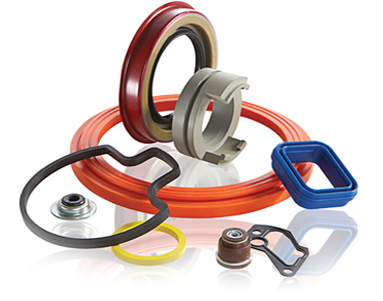
Material Specifications for PE Packing Foam in Industrial Rubber Solutions
Polyethylene (PE) packing foam is a critical protective material used in the industrial handling, storage, and transportation of rubber components such as seals, gaskets, and molded parts. At Suzhou Baoshida Trading Co., Ltd., we provide high-density, cross-linked PE foam solutions engineered to prevent mechanical damage, moisture exposure, and chemical contamination during logistics. When packaging elastomeric materials like Viton, Nitrile, and Silicone, the selection of appropriate foam characteristics—including density, thickness, compression resistance, and chemical inertness—is essential to maintaining material integrity and performance.
PE packing foam used in our operations meets ASTM D2863 for flammability and ASTM D3575 for cellular polyethylene specifications. The foam is non-abrasive, low-linting, and resistant to aging under standard warehouse conditions. Its closed-cell structure provides a moisture barrier, critical when storing hygroscopic or sensitive rubber compounds. Each foam roll is precision slit to fit standard packaging dimensions and is compatible with automated wrapping systems in high-volume OEM environments.
When selecting PE foam for rubber packaging, compatibility with the elastomer’s chemical and thermal profile must be evaluated. Viton (FKM) compounds exhibit exceptional resistance to high temperatures and aggressive chemicals such as oils, fuels, and acids. Therefore, the foam must not contain plasticizers or surfactants that could migrate and affect fluoropolymer surfaces. Nitrile (NBR) rubber, commonly used in hydraulic and fuel systems, requires packaging that prevents exposure to ozone and UV radiation—our PE foam includes UV stabilizers and antioxidant additives to mitigate degradation during prolonged storage.
Silicone rubber (VMQ), while highly flexible and thermally stable, is susceptible to surface contamination that can impair adhesion in secondary processes like bonding or coating. Our PE foam for silicone packaging is manufactured in a controlled, low-particulate environment to minimize silicone surface interaction with foreign residues. Additionally, the foam’s neutral pH ensures no catalytic interference with silicone’s curing systems.
All PE packing foams supplied by Suzhou Baoshida undergo rigorous QC testing, including tensile strength, elongation at break, and compression set analysis. We offer customization in density (ranging from 25 kg/m³ to 120 kg/m³), thickness (0.5 mm to 10 mm), and anti-static variants for sensitive electronic applications.
The following table compares key physical and chemical properties of the elastomers commonly packaged using our PE foam solutions:
| Property | Viton (FKM) | Nitrile (NBR) | Silicone (VMQ) |
|---|---|---|---|
| Temperature Range (°C) | -20 to +250 | -40 to +120 | -60 to +230 |
| Tensile Strength (MPa) | 15–25 | 10–30 | 5–12 |
| Elongation at Break (%) | 150–300 | 200–500 | 200–700 |
| Hardness (Shore A) | 60–90 | 50–90 | 30–80 |
| Fluid Resistance | Excellent | Good to Excellent | Fair |
| Ozone Resistance | Excellent | Good | Excellent |
| Compression Set (22 hrs, 150°C) | ≤25% | ≤30% | ≤20% |
These specifications guide optimal material pairing between PE foam packaging and rubber components, ensuring performance consistency across supply chains.
Manufacturing Capabilities
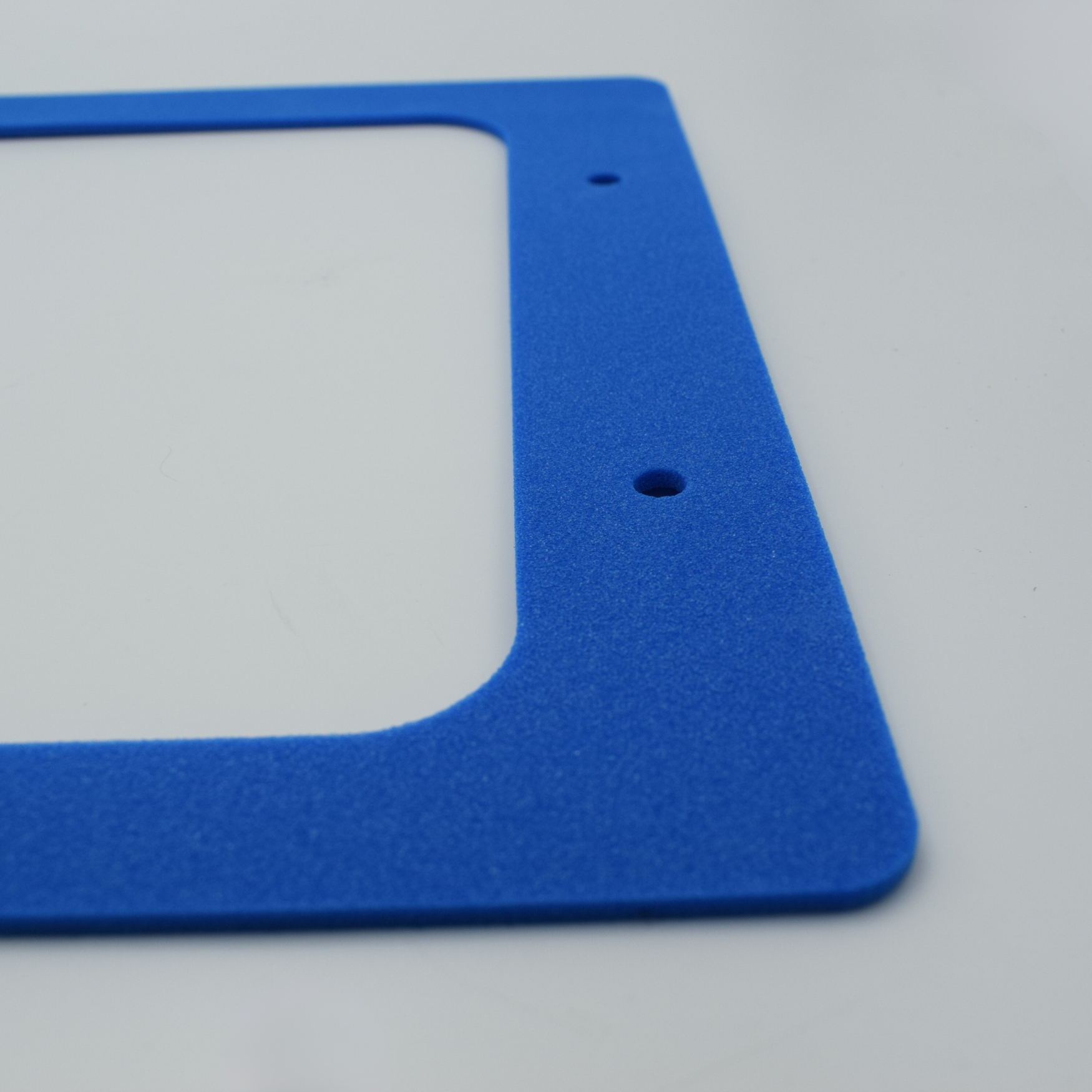
Engineering Capabilities: Precision PE Packing Foam Development
Suzhou Baoshida Trading Co., Ltd. integrates advanced rubber science with precision manufacturing to deliver engineered PE packing foam solutions for demanding industrial applications. Our core strength lies in the synergistic collaboration between dedicated mold engineering and proprietary rubber formulation teams. This dual-expertise framework ensures every foam component meets exacting performance, durability, and cost-efficiency targets specified by global OEM partners.
Our technical team comprises five specialized mold engineers and two senior rubber formula engineers, operating within a unified R&D ecosystem. Mold engineers utilize 3D simulation software (Moldflow, SolidWorks Simulation) to optimize cavity design, gate placement, and cooling channels, minimizing material waste and cycle time while ensuring dimensional stability across complex geometries. Concurrently, formula engineers refine the closed-cell polyethylene matrix at the molecular level, adjusting crosslink density, cell structure uniformity, and additive packages to achieve target properties such as shock absorption, chemical resistance, and thermal stability. This parallel workflow eliminates sequential bottlenecks, accelerating time-to-market by up to 30% compared to conventional development cycles.
OEM partnerships benefit from our end-to-end capability, spanning from initial RFQ analysis to serial production. We conduct rigorous material validation against ASTM D1647, ISO 844, and client-specific test protocols, including dynamic cushioning curves, compression set analysis, and long-term aging studies. Our facility supports rapid prototyping with in-house mold fabrication and small-batch extrusion, enabling clients to validate performance under real-world conditions before full-scale tooling commitment.
The table below illustrates how our engineered PE foam formulations exceed standard industry benchmarks for critical packaging parameters:
| Property | Industry Standard | Baoshida Custom Formulation | Test Method |
|---|---|---|---|
| Density (kg/m³) | 25–30 | 22–45 (tunable) | ASTM D3574 |
| Compression Set (22h/70°C) | ≤ 25% | ≤ 12% | ASTM D3574 |
| Tensile Strength (MPa) | ≥ 0.15 | ≥ 0.28 | ASTM D412 |
| Elongation at Break (%) | ≥ 150 | ≥ 280 | ASTM D412 |
| Shock Absorption (G) | 60–80 | 45–100 (adjustable) | ASTM D1596 |
Material customization extends beyond baseline specifications. Our formula engineers modify polymer blends to incorporate UV stabilizers for outdoor logistics, anti-static agents for electronics packaging, or flame-retardant additives compliant with UL 94 HF-1. Mold engineers then translate these material properties into production-ready tooling, ensuring consistent cell structure replication and zero-defect surface finish critical for high-value cargo protection.
This integrated engineering approach—where material science directly informs mold design and process parameters—enables Suzhou Baoshida to solve complex packaging challenges that standard off-the-shelf foams cannot address. We transform OEM requirements into validated, scalable solutions that reduce in-transit damage, optimize material usage, and enhance supply chain resilience. Partner with us to leverage precision-engineered PE foam that performs under the most rigorous industrial conditions.
Customization Process
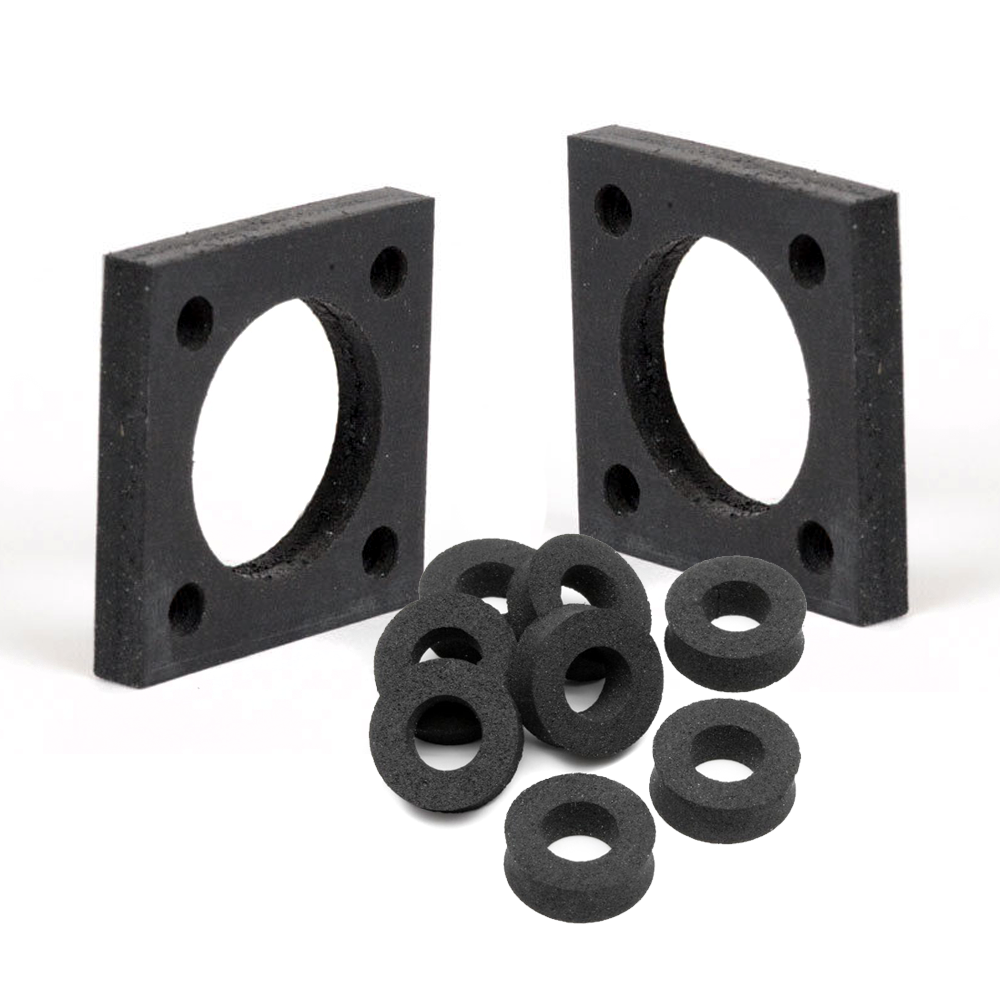
Customization Process for PE Packing Foam – Industrial Rubber Solutions
At Suzhou Baoshida Trading Co., Ltd., our approach to customizing PE packing foam is rooted in engineering precision and material science. Each project follows a structured workflow designed to meet exact industrial requirements, ensuring performance, durability, and cost-efficiency. The process begins with Drawing Analysis, where technical blueprints or CAD models provided by the client are rigorously evaluated. Our engineering team examines dimensional tolerances, load-bearing zones, compression set requirements, and environmental exposure conditions. This phase ensures compatibility with assembly lines, packaging systems, and end-use environments, including temperature fluctuations, UV exposure, or chemical contact.
Following drawing validation, we proceed to Formulation Development. Polyethylene (PE) foam properties are highly tunable, and our rubber formula engineers adjust density, cross-linking degree, and additive composition to achieve desired mechanical behavior. Key parameters such as tensile strength, elongation at break, and water absorption are optimized based on application demands. For instance, electronics packaging may require anti-static additives, while automotive components might need enhanced thermal insulation or flame retardancy (UL94 HF-1 compliance). Our proprietary compounding methods ensure homogeneity and repeatability across batches, critical for OEM integration.
Once the formulation is finalized, we initiate Prototyping using precision die-cutting, CNC trimming, or thermoforming techniques, depending on geometry complexity. Prototypes are subjected to functional testing, including drop tests, vibration analysis, and long-term compression stress relaxation. Dimensional accuracy is verified via coordinate measuring machines (CMM), ensuring conformity within ±0.2 mm tolerance. Client feedback is incorporated at this stage, allowing iterative refinement before tooling investment.
Upon approval, the project transitions to Mass Production. Our automated production lines support high-volume output with consistent quality control. Each batch undergoes real-time inspection for density variation, cell structure integrity, and surface finish. We maintain traceability through batch coding and retain sample logs for up to five years, meeting ISO 9001 standards.
The table below outlines typical customizable specifications for PE packing foam:
| Parameter | Standard Range | Customizable Options |
|---|---|---|
| Density | 20–200 kg/m³ | Up to 300 kg/m³ for high-load applications |
| Thickness | 1–50 mm | Laminated layers up to 100 mm |
| Hardness (Asker C) | 20–80 C | Soft cushioning to semi-rigid support |
| Tensile Strength | 0.3–2.5 MPa | Reinforced formulations available |
| Elongation at Break | 100–500% | High-elasticity variants for dynamic loads |
| Operating Temperature | -40°C to +80°C | Extended range to +110°C with stabilizers |
| Additives | None (standard) | Anti-static, flame retardant, UV-resistant |
| Color | Natural (white, black, gray) | Custom coloring (Pantone matching available) |
This systematic customization ensures that every PE packing foam solution from Suzhou Baoshida meets the exact functional and logistical demands of modern industrial clients.
Contact Engineering Team
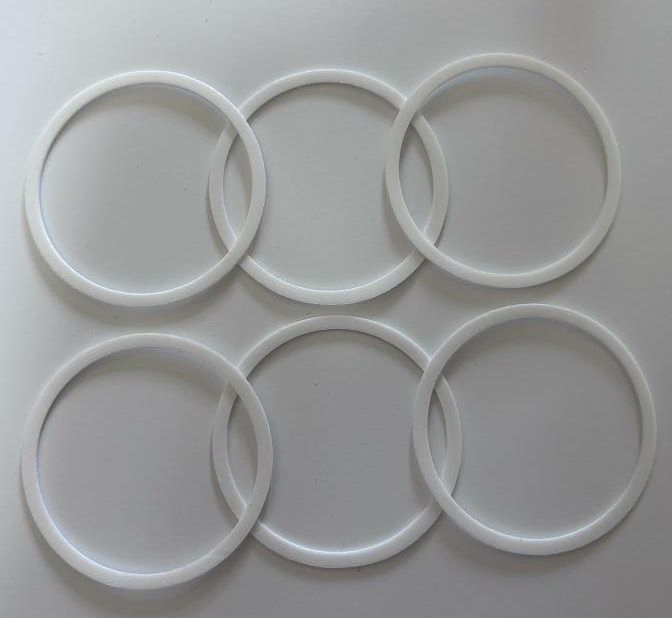
Technical Engagement for Precision PE Packing Foam Solutions
Suzhou Baoshida Trading Co., Ltd. operates at the forefront of industrial rubber and polymer engineering, with over 15 years of specialized OEM expertise in polyethylene (PE) packing foam development. Our formulations are rigorously validated for critical applications in automotive, electronics, and medical device manufacturing, where dimensional stability, chemical resistance, and shock absorption directly impact product integrity. Unlike generic foam suppliers, we deploy proprietary cross-linking technologies and closed-cell structure optimization to eliminate microcellular inconsistencies that compromise protection during transit. All materials undergo ISO 9001-certified batch testing, ensuring compliance with ASTM D3574, ISO 844, and UL 94 HB flammability standards. This scientific approach minimizes material waste and prevents costly field failures caused by moisture ingress or compression set degradation.
The following table details core technical specifications for our standard LDPE/LLDPE foam grades, engineered for high-precision industrial use:
| Property | Standard Value Range | Test Method | Industrial Significance |
|---|---|---|---|
| Density | 20–30 kg/m³ | ASTM D3574 | Optimal balance of cushioning and weight efficiency |
| Tensile Strength | ≥0.15 MPa | ASTM D412 | Resists tearing during automated packaging |
| Elongation at Break | ≥200% | ASTM D412 | Accommodates complex part geometries |
| Compression Set (50%, 22h) | ≤5% | ASTM D3574 | Maintains protective integrity after compression |
| Water Absorption | ≤0.5% (24h) | ASTM D2842 | Prevents moisture transfer to sensitive components |
| Operating Temperature | -40°C to +80°C | ISO 188 | Stable performance in extreme logistics environments |
These metrics reflect our commitment to eliminating the hidden costs of substandard foams—such as part misalignment due to inconsistent cell structure or solvent-induced swelling in chemical exposure scenarios. Our R&D team collaborates directly with clients to adjust melt-flow indices, additive packages (e.g., antistatic or UV inhibitors), and density gradients for application-specific demands. For instance, automotive sensor packaging requires tighter tolerances on compression recovery (≤3% set), while medical device shippers mandate EO sterilization compatibility—both achievable through our modular formulation system.
Initiate a technical consultation to resolve your most stringent packaging challenges. Forward your part drawings, environmental exposure requirements, and volume projections to Mr. Boyce, our dedicated OEM Engineering Manager. He will coordinate material sampling, accelerated aging reports, and full-scale production scheduling within 24 hours of inquiry. Specify your target compression load deflection (CLD) values or regulatory certifications to expedite feasibility analysis. Do not rely on off-the-shelf foam solutions that risk product damage; our closed-loop feedback process from prototyping to mass production guarantees performance validation against your exact operational parameters.
Contact Mr. Boyce immediately at [email protected] with subject line “PE Foam Technical Request: [Your Company Name]”. Include critical details such as annual usage volume, required certifications (e.g., REACH, RoHS), and failure modes observed with current suppliers. Our engineering team stands ready to deploy material science expertise that transforms packaging from a cost center into a reliability asset. Delaying technical validation invites avoidable supply chain disruptions—act now to secure foam engineered at the molecular level for your success.
⚖️ O-Ring Weight Calculator
Estimate rubber O-ring weight (Approx).